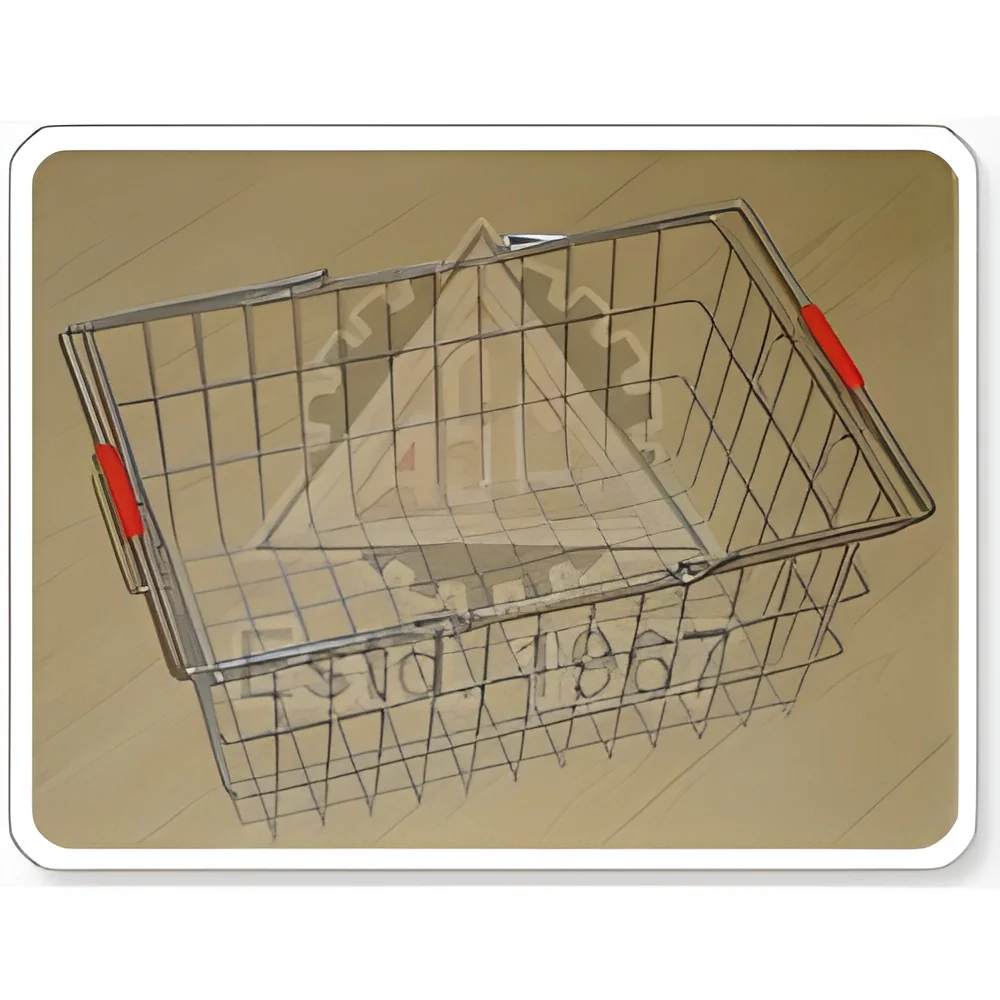
What are Harvesting Baskets?
Harvesting baskets are specialized containers designed for the collection and transportation of agricultural produce. These baskets are typically crafted from durable materials to withstand the rigors of outdoor use. They come in various sizes and shapes, allowing for flexibility in their application across different harvesting tasks. The design of harvesting baskets often incorporates features that facilitate air circulation, which helps maintain the freshness of the produce.
These baskets find primary use in agriculture and horticulture, where they are essential for harvesting fruits, vegetables, and other crops. Businesses in these sectors rely on harvesting baskets to streamline their collection processes, ensuring that products are gathered efficiently and transported safely. The importance of these baskets extends to the food supply chain, where they play a crucial role in preserving the quality of perishable goods from farm to market.
In the current market context, the demand for harvesting baskets is closely tied to the growth of organic farming and sustainable agriculture practices. As consumers increasingly seek fresh and locally-sourced produce, the need for effective harvesting solutions has grown. This trend highlights the relevance of harvesting baskets in supporting both traditional and modern agricultural practices.
Key Features and Specifications
Harvesting baskets come equipped with a variety of features tailored to enhance their functionality and performance. Understanding these specifications is essential for B2B buyers looking to procure effective harvesting solutions.
Key specifications include:
1. Material Composition
- Typically made from high-density polyethylene (HDPE) or polypropylene
- Designed for durability and resistance to environmental factors
2. Size Variability
- Available in multiple sizes to accommodate different harvesting needs
- Common sizes include small, medium, and large options
3. Weight Capacity
- Designed to hold specific weight limits, often ranging from 20 to 50 kg
- Ensures safe transportation of harvested goods without risk of damage
4. Ventilation Features
- Incorporates perforations or mesh designs for air circulation
- Helps maintain the freshness of produce during transport
5. Stackability
- Designed to be stackable for efficient storage and transportation
- Reduces space requirements when not in use
6. Handle Design
- Equipped with sturdy handles for easy carrying and maneuvering
- Ergonomic designs to reduce strain on users
7. Color Options
- Available in various colors for easy identification and organization
- Custom colors may be available upon request
8. Compliance with Industry Standards
- Many baskets meet safety and agricultural standards like CE certification
- Ensures reliability and safety in food handling processes
In summary, understanding the key features and specifications of harvesting baskets is vital for making informed purchasing decisions. These specifications ensure that businesses can select the right baskets for their specific harvesting and transportation needs.
Common Applications and Use Cases
Harvesting baskets serve a variety of industries, each with unique applications.
1. Agriculture: Farmers utilize harvesting baskets for collecting fruits and vegetables, ensuring that produce is handled gently to prevent bruising.
2. Horticulture: Nurseries and botanical gardens use these baskets for transporting plants and flowers, prioritizing ventilation to maintain plant health.
3. Food Processing: Processing plants employ harvesting baskets to transport raw produce to processing lines, highlighting their role in the food supply chain.
4. Retail: Grocery stores and farmers' markets use these baskets for displaying fresh produce, enhancing visual appeal while maintaining product quality.
5. Export: Companies involved in exporting agricultural products rely on harvesting baskets to meet international shipping standards, ensuring compliance with regulations.
6. Organic Farming: Organic farmers prefer using eco-friendly harvesting baskets, aligning with their sustainability practices and market demands.
7. Fisheries: Some harvesting baskets are adapted for use in aquaculture, providing a means to collect and transport fish safely.
Product Variants and Subcategories
Harvesting baskets come in various designs and features, catering to diverse needs.
Standard Harvesting Basket
This variant is commonly used in agriculture for collecting fruits and vegetables. It is lightweight and durable, designed with ventilation features to preserve freshness.
Heavy-Duty Harvesting Basket
This variant is constructed for rigorous use, capable of holding heavier loads. Ideal for bulk harvesting or transporting large quantities of produce, it offers enhanced durability.
Specialized Harvesting Basket
Some baskets are designed for specific crops, such as grapes or berries, with shapes and sizes optimized for the unique requirements of these products.
Benefits and Advantages
Harvesting baskets offer numerous benefits that enhance agricultural efficiency and product quality.
1. Improved Efficiency: Harvesting baskets enable faster collection of produce, reducing labor time and costs.
2. Enhanced Product Quality: The design minimizes damage during transport, ensuring produce remains fresh and market-ready.
3. Versatility: With various sizes and designs, these baskets can be used across different crops and industries.
4. Cost-Effectiveness: Durable materials prolong basket life, offering long-term savings for businesses.
5. Easy Handling: Ergonomic handles and lightweight designs facilitate easy transport and maneuverability.
6. Compliance Assurance: Many baskets meet industry standards, ensuring reliable performance and safety in food handling.
Buying Guide for B2B Buyers
When sourcing harvesting baskets, several key factors should be considered to ensure optimal procurement.
1. Quality Assessment: Evaluate material durability and construction quality to ensure baskets can withstand regular use in agricultural settings.
2. Supplier Verification: Research and vet suppliers to confirm their reliability and adherence to industry standards, ensuring quality products.
3. Pricing and MOQ: Understand the pricing structure and minimum order quantities, as these can significantly impact procurement budgets.
4. Delivery and Lead Times: Discuss logistics and lead times with suppliers to ensure timely delivery, especially during peak harvesting seasons.
5. Compliance Requirements: Verify that baskets meet relevant regulatory standards, ensuring safety and compliance in food handling.
Compliance and Certifications
Harvesting baskets must adhere to various quality standards and certifications to ensure safety and reliability in agricultural practices. Relevant quality standards include ISO 9001, which emphasizes quality management systems, and HACCP, which focuses on food safety management.
Furthermore, many harvesting baskets carry CE certification, indicating that they meet European safety and health requirements. This certification is crucial for suppliers looking to ensure compliance in markets that mandate safety and quality standards.
In addition to these standards, manufacturers may be required to conduct safety and testing procedures to confirm the durability and functionality of harvesting baskets. Regional compliance considerations may also vary, so it is essential to understand local regulations governing agricultural equipment.
Why Source Harvesting Baskets from Pepagora?
Pepagora offers a reliable platform for sourcing harvesting baskets, providing several key advantages for B2B buyers.
Verified Supplier Network: Pepagora connects buyers with verified suppliers who have undergone rigorous vetting processes. This ensures that buyers receive high-quality products from reputable sources.
Streamlined RFQ Process: The platform simplifies the request for quotation process, allowing buyers to easily compare options and select the best deals based on their needs.
Trade Assurance and Support: Pepagora provides trade assurance services, offering buyer protection throughout the procurement process. This support helps to mitigate risks associated with sourcing.
Regional Coverage: With a strong presence in India, the GCC, and Southeast Asia, Pepagora facilitates access to a broad network of suppliers, ensuring that buyers can find suitable harvesting baskets regardless of their location.

 IN
IN