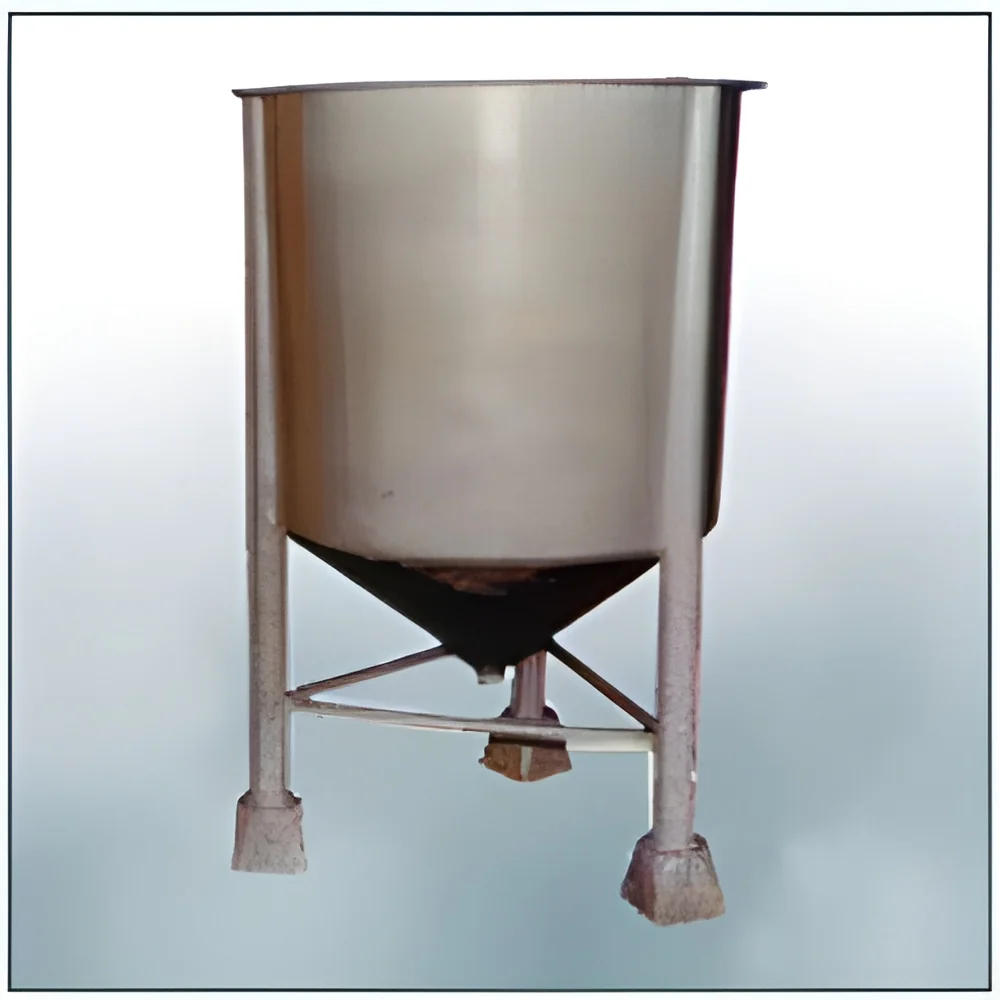
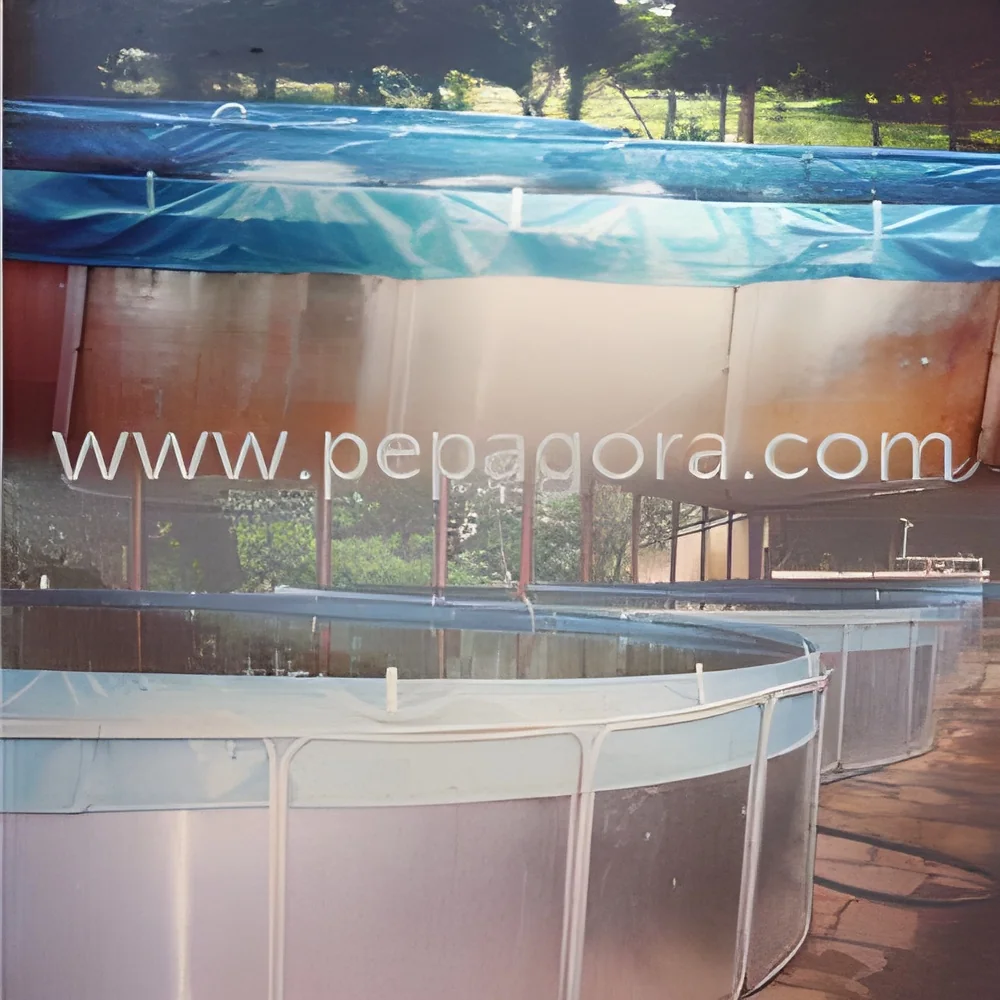
𝗪𝗵𝗮𝘁 𝗮𝗿𝗲 𝗙𝗥𝗣 𝗔𝗾𝘂𝗮𝗰𝘂𝗹𝘁𝘂𝗿𝗲 𝗧𝗮𝗻𝗸𝘀?
FRP Aquaculture Tanks, or Fiberglass Reinforced Plastic tanks, are specialized containers designed for the aquaculture industry. These tanks are constructed from a composite material that combines fiberglass with plastic, providing strength, durability, and resistance to corrosion. The lightweight nature of FRP makes these tanks easy to install and relocate, which is essential for aquaculture operations that require flexibility in their setup.
The primary uses of FRP Aquaculture Tanks include breeding, growing, and storing aquatic species such as fish, shrimp, and other marine organisms. These tanks are suitable for both freshwater and saltwater applications, making them versatile tools for aquaculturists. Given the increasing demand for sustainable seafood and the growth of aquaculture practices worldwide, FRP tanks have become an essential component of modern aquaculture systems.
In the current market context, FRP Aquaculture Tanks are gaining popularity due to their efficiency and long-term cost savings. As the aquaculture industry continues to expand, the need for reliable and effective tank systems becomes critical. The use of FRP materials ensures that these tanks can withstand harsh environmental conditions while providing a safe habitat for aquatic life.
𝗞𝗲𝘆 𝗙𝗲𝗮𝘁𝘂𝗿𝗲𝘀 𝗮𝗻𝗱 𝗦𝗽𝗲𝗰𝗶𝗳𝗶𝗰𝗮𝘁𝗶𝗼𝗻𝘀
FRP Aquaculture Tanks are designed with several key features that enhance their performance and usability. These tanks offer robust construction and are engineered to support a variety of aquaculture applications. Below are the key specifications that define FRP Aquaculture Tanks.
Key specifications include:
1. Material Composition
- Made from fiberglass reinforced plastic
- Provides durability and corrosion resistance
2. Size Variability
- Available in various sizes to suit different operational needs
- Standard sizes range from small (a few hundred liters) to large (several thousand liters)
3. Temperature Resistance
- Suitable for a wide range of temperatures
- Effective in maintaining stable water conditions
4. Weight Capacity
- Designed to hold significant weight
- Supports the aquatic life and water volume without structural failure
5. UV Resistance
- Protects against degradation from sunlight
- Ensures longevity of the tank in outdoor settings
6. Customization Options
- Can be tailored to specific requirements
- Options for built-in filtration and aeration systems
7. Easy Maintenance
- Smooth surfaces for easy cleaning
- Minimal maintenance required over time
8. Eco-Friendly Design
- Constructed from recyclable materials
- Contributes to sustainable aquaculture practices
These specifications highlight the advantages of FRP Aquaculture Tanks, making them a preferred choice in the industry.
𝗖𝗼𝗺𝗺𝗼𝗻 𝗔𝗽𝗽𝗹𝗶𝗰𝗮𝘁𝗶𝗼𝗻𝘀 𝗮𝗻𝗱 𝗨𝘀𝗲 𝗖𝗮𝘀𝗲𝘀
FRP Aquaculture Tanks serve a wide array of industries, showcasing their versatility and functionality.
1. Fish Farming: FRP tanks are ideal for breeding and growing fish species, such as tilapia and catfish, in a controlled environment. Their design allows for optimal water quality management.
2. Shrimp Farming: These tanks provide a safe habitat for shrimp cultivation, allowing for efficient growth cycles and disease management.
3. Research Institutions: Used in aquaculture research, FRP tanks facilitate studies on fish behavior, breeding, and environmental impacts.
4. Education and Training: Aquaculture programs in universities utilize these tanks for hands-on learning experiences regarding fish farming techniques.
5. Recreational Aquariums: FRP tanks are suitable for large-scale hobbyist aquariums, offering an attractive and durable solution for aquatic displays.
6. Aquaponics Systems: Integrating fish farming with plant cultivation, FRP tanks play a crucial role in maintaining the ecosystem balance.
7. Marine Biology Studies: Researchers studying marine life can utilize FRP tanks to create controlled environments for various aquatic species.
𝗣𝗿𝗼𝗱𝘂𝗰𝘁 𝗩𝗮𝗿𝗶𝗮𝗻𝘁𝘀 𝗮𝗻𝗱 𝗦𝘂𝗯𝗰𝗮𝘁𝗲𝗴𝗼𝗿𝗶𝗲𝘀
FRP Aquaculture Tanks come in various configurations to meet different operational needs.
Standard FRP Aquaculture Tank
This variant is designed for general aquaculture use, featuring robust construction and customizable sizes. Ideal for both fish and shrimp farming, it provides a comprehensive solution for aquaculture operators.
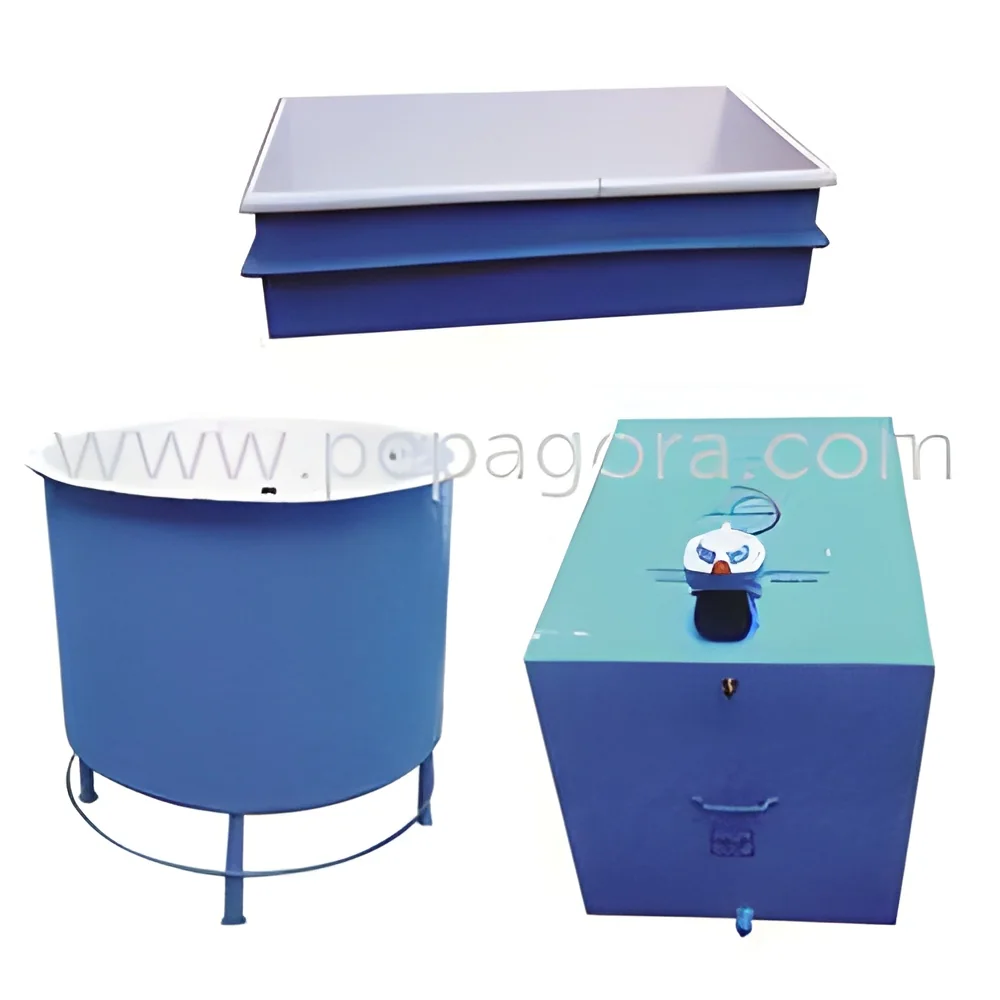
Circular FRP Aquaculture Tank
Designed for efficient water circulation, this variant enhances oxygen flow and reduces waste buildup. It is particularly beneficial for larger fish species that require more swimming space.
Rectangular FRP Aquaculture Tank
This variant offers a space-efficient design, suitable for stacking and maximizing available area. Often used in commercial settings, it allows for increased stocking density.
𝗕𝗲𝗻𝗲𝗳𝗶𝘁𝘀 𝗮𝗻𝗱 𝗔𝗱𝘃𝗮𝗻𝘁𝗮𝗴𝗲𝘀
FRP Aquaculture Tanks offer numerous benefits that make them a preferred choice in the aquaculture industry.
Key benefits include:
1. Durability: The fiberglass material ensures long-lasting performance, reducing the need for frequent replacements.
2. Lightweight: Easy to transport and install, allowing for flexible aquaculture setups.
3. Cost-Effective: Lower maintenance requirements translate to long-term savings on operational costs.
4. Customizable: Tanks can be tailored to meet specific requirements, enhancing usability for different aquaculture applications.
5. Eco-Friendly: Constructed from recyclable materials, contributing to sustainable practices in aquaculture.
6. Excellent Water Quality Management: Designed to maintain stable water conditions, which is crucial for the health of aquatic species.
𝗕𝘂𝘆𝗶𝗻𝗴 𝗚𝘂𝗶𝗱𝗲 𝗳𝗼𝗿 𝗕𝟮𝗕 𝗕𝘂𝘆𝗲𝗿𝘀
When sourcing FRP Aquaculture Tanks, buyers should consider several important factors to ensure they make an informed decision.
1. Quality Assessment: Evaluate the physical and chemical properties of the tanks to ensure they meet industry standards. Look for certifications that indicate quality assurance.
2. Supplier Verification: Conduct thorough research on potential suppliers. Check their reputation and customer reviews to ensure reliability.
3. Pricing and MOQ: Understand the pricing structure and minimum order quantities. This information is essential for budgeting and inventory planning.
4. Delivery and Lead Times: Inquire about shipping options and expected lead times for delivery. Timely delivery is crucial for aquaculture operations.
5. Compliance Requirements: Ensure that the tanks meet local and international regulations for aquaculture practices. Compliance with safety standards is vital for operational success.
𝗖𝗼𝗺𝗽𝗹𝗶𝗮𝗻𝗰𝗲 𝗮𝗻𝗱 𝗖𝗲𝗿𝘁𝗶𝗳𝗶𝗰𝗮𝘁𝗶𝗼𝗻𝘀
FRP Aquaculture Tanks must meet several quality standards and certifications to ensure safety and reliability in their use.
Relevant quality standards such as ISO 9001 guarantee that manufacturers adhere to quality management principles. These standards help ensure that the tanks are produced consistently and meet customer expectations.
Industry certifications like UL and CE provide assurance that the products comply with safety and performance requirements. These certifications are crucial for building trust with customers and regulators in the aquaculture industry.
Safety and testing requirements are paramount in ensuring that tanks do not leach harmful substances into the water, which could adversely affect aquatic life. Regular testing helps maintain compliance with these safety standards.
Regional compliance considerations may vary depending on the location of the aquaculture operation. Buyers should familiarize themselves with local regulations governing aquaculture practices and ensure their tanks meet these specific requirements.
𝗪𝗵𝘆 𝗦𝗼𝘂𝗿𝗰𝗲 𝗙𝗥𝗣 𝗔𝗾𝘂𝗮𝗰𝘂𝗹𝘁𝘂𝗿𝗲 𝗧𝗮𝗻𝗸𝘀 𝗳𝗿𝗼𝗺 𝗣𝗲𝗽𝗮𝗴𝗼𝗿𝗮?
Pepagora provides a trusted platform for sourcing FRP Aquaculture Tanks, offering several key advantages to B2B buyers.
Verified Supplier Network: Pepagora boasts a network of pre-screened suppliers, ensuring that buyers connect with manufacturers who meet stringent quality and reliability standards. This verification process helps mitigate risks associated with sourcing.
Streamlined RFQ Process: The platform offers a smooth request for quotation (RFQ) process, allowing buyers to easily compare offers from multiple suppliers. This feature simplifies decision-making and enhances efficiency.
Trade Assurance and Support: Buyers can benefit from trade assurance programs that protect their purchases. Pepagora provides support throughout the buying journey, ensuring a satisfactory experience.
Regional Coverage: With a strong presence in India, the GCC, and Southeast Asia, Pepagora offers broad geographic reach. This regional focus allows buyers to access local suppliers while benefiting from international standards of quality and service.

 IN
IN