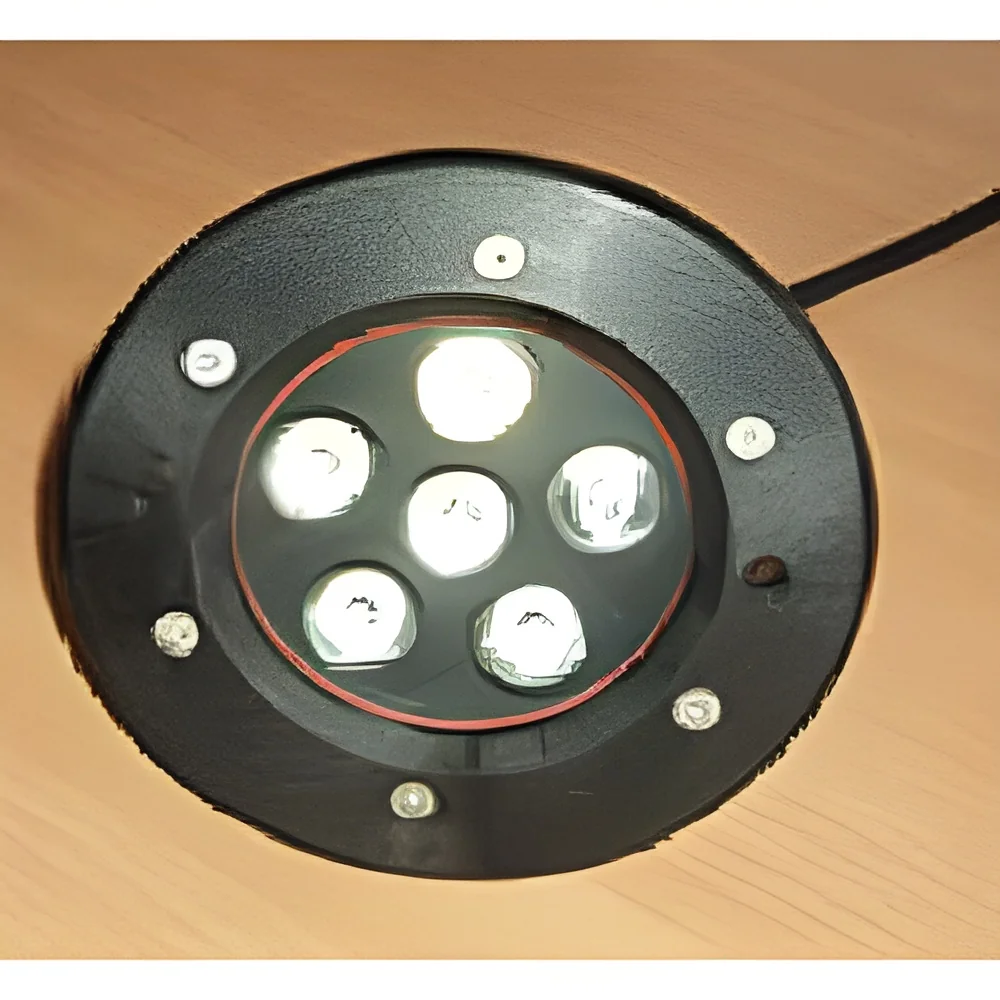
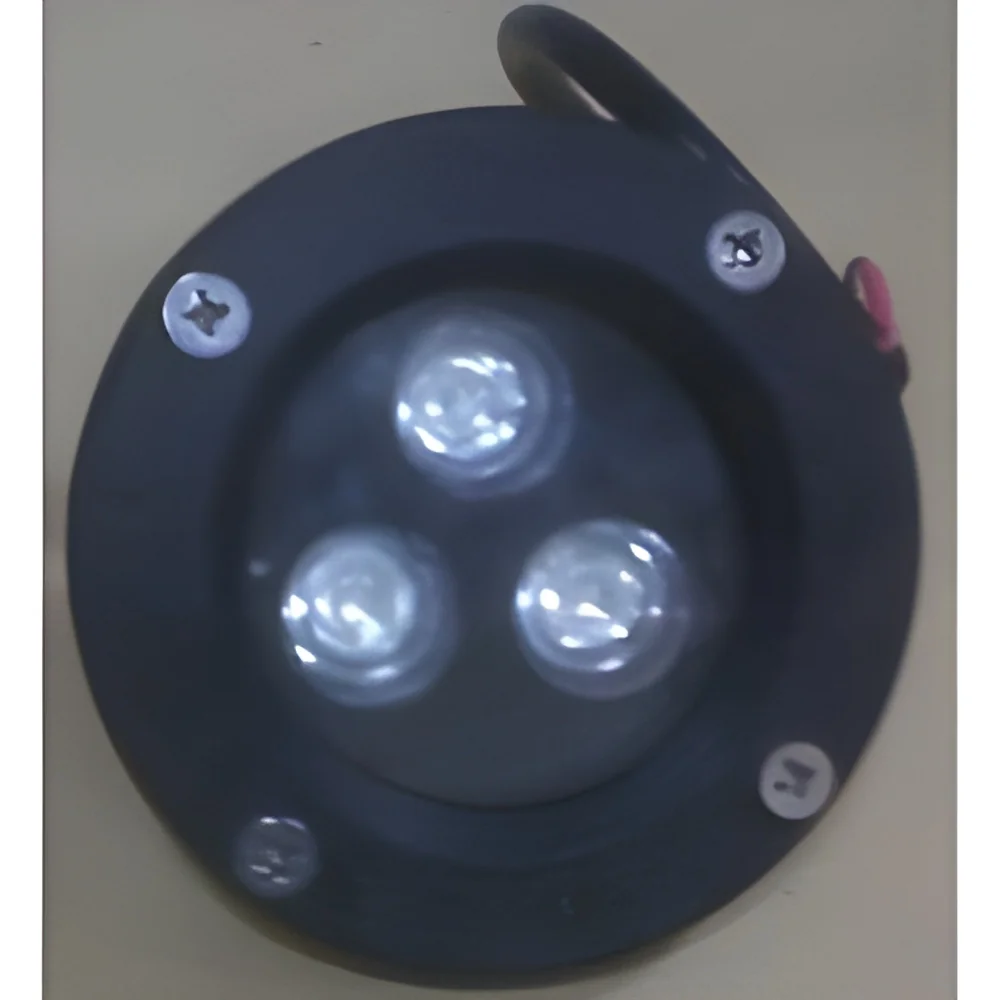
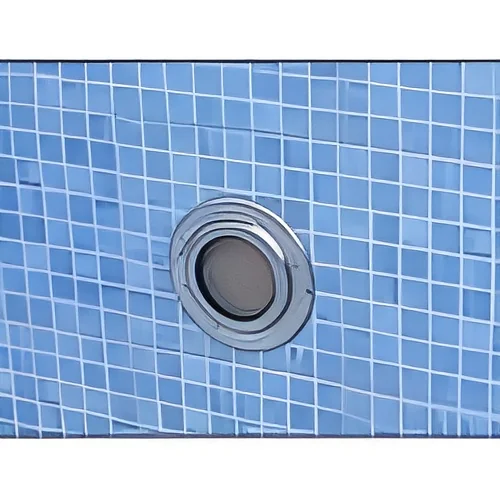
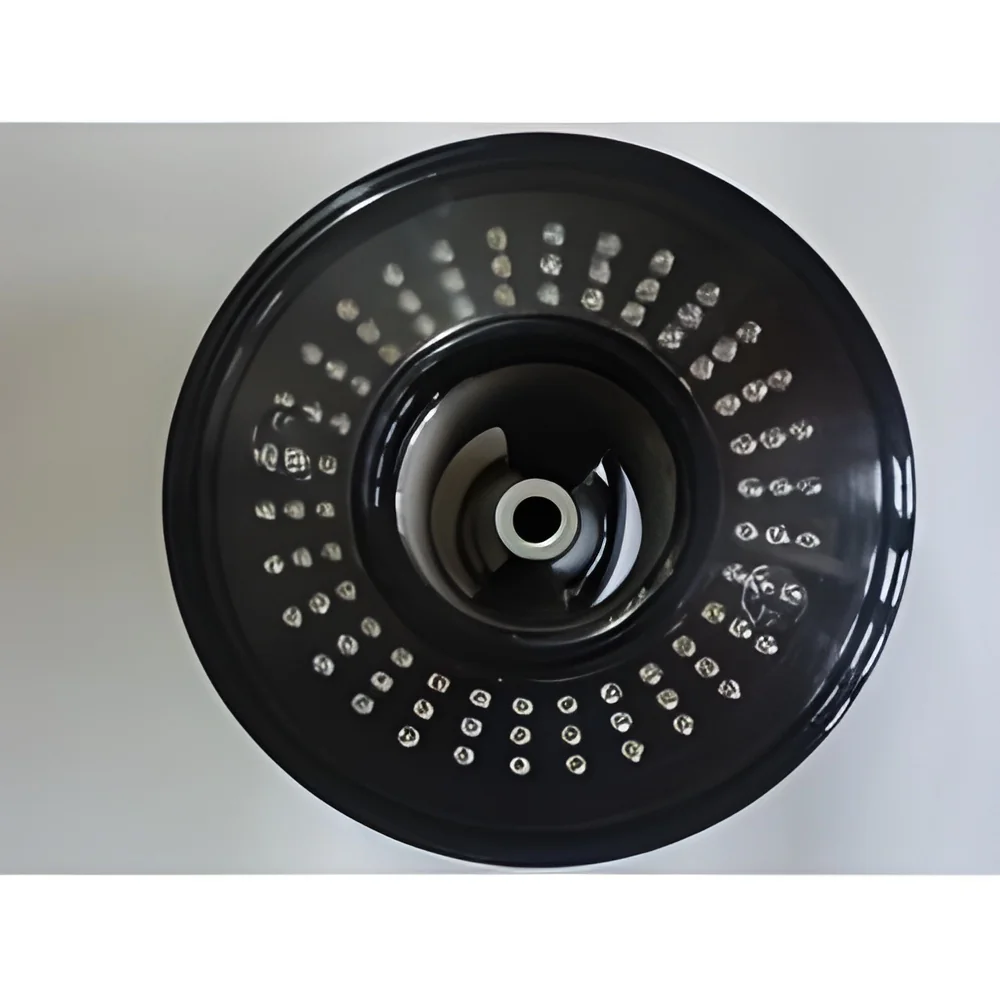
What are Underwater Lighting Systems?
Underwater Lighting Systems are specialized lighting solutions designed to illuminate aquatic environments. These systems are engineered to withstand harsh underwater conditions, providing reliable and efficient lighting for various applications. They typically utilize LED technology to ensure energy efficiency, longevity, and minimal maintenance. The fixtures are often designed to be waterproof and resistant to corrosion, ensuring they perform effectively in submerged settings.
These lighting systems find primary use in several sectors, including marine research, aquaculture, and underwater construction. They enhance visibility for divers, support the growth of aquatic life in fish farms, and illuminate underwater structures for inspection or aesthetic purposes. Given the growing interest in underwater exploration and environmental monitoring, the market for underwater lighting is expanding, with more businesses recognizing their importance in enhancing safety and functionality in submerged environments.
Key Features and Specifications
Underwater Lighting Systems come with a range of features and specifications that cater to different needs and applications. Understanding these specifications is crucial for businesses looking to invest in these systems.
Key specifications include:
1. Light Output
- Measured in lumens, the light output determines the brightness of the underwater lighting.
- Typical ranges may vary from 300 to 10,000 lumens depending on the application.
2. Energy Efficiency
- Most systems utilize LED technology, which significantly reduces energy consumption.
- Typical wattage ranges from 10W to 150W.
3. Depth Rating
- The depth rating indicates how deep the light can be submerged without damage.
- Common ratings include 10 meters, 30 meters, and even 100 meters for specialized models.
4. Beam Angle
- The beam angle affects how light spreads underwater.
- Common angles range from 30 degrees for focused light to 120 degrees for broader coverage.
5. Color Temperature
- This specification indicates the warmth or coolness of the light emitted.
- Ranges often include options from 3000K (warm white) to 6000K (cool white).
6. Housing Material
- The materials used for the light housing impact durability and resistance to corrosion.
- Typical materials include marine-grade aluminum and polycarbonate.
7. Control Features
- Some systems come with remote control or dimming features for adjustable lighting.
- This can enhance usability in different situations.
8. Compliance and Certifications
- Many underwater lighting systems are certified for safety and performance.
- CE certification is commonly found in reputable products.
In summary, understanding these key specifications will aid businesses in selecting the right underwater lighting systems tailored to their specific needs.
Common Applications and Use Cases
Underwater Lighting Systems are versatile and can be applied across multiple industries. Their ability to provide illumination in aquatic environments makes them invaluable for various applications.
1. Marine Research: These systems are essential for underwater exploration and observation. They aid researchers in studying marine life behaviors and underwater ecosystems.
2. Aquaculture: Underwater lighting supports fish growth and breeding in fish farms. It creates optimal conditions for fish to thrive, improving yield for aquaculture businesses.
3. Underwater Construction: Lighting is crucial for construction and maintenance of underwater structures. It enhances visibility for workers in deep water, ensuring safety and precision.
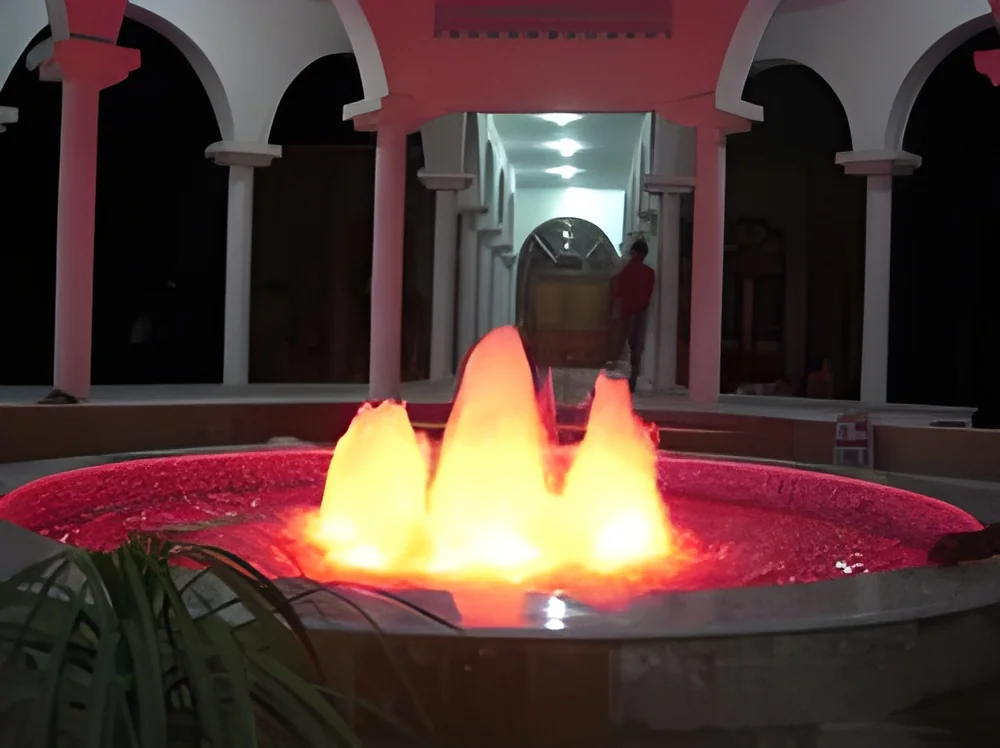
4. Decorative Lighting: In residential and commercial settings, these systems are used for aesthetic purposes, illuminating pools, ponds, and fountains to enhance visual appeal.
5. Underwater Events: Events like underwater weddings or parties utilize these systems to create captivating atmospheres, making the occasion memorable.
6. Security: Underwater lighting is used in water bodies to deter unauthorized access and enhance security measures around docks or marinas.
7. Photography and Videography: Professional photographers and videographers use underwater lights to capture high-quality images and videos in aquatic environments.
Product Variants and Subcategories
Underwater Lighting Systems are available in a variety of variants tailored to meet different user requirements. This diversity allows businesses to select the most suitable option for their needs.
Compact LED Lights: These small yet powerful lights are ideal for smaller applications such as decorative lighting in pools and aquariums. They are easy to install and energy-efficient.
High-Output Floodlights: Designed for larger areas, these floodlights provide extensive illumination for applications like underwater construction or aquaculture. They offer high lumen output and robust performance.
Dimmable Lights: These lights allow users to adjust brightness levels according to specific needs, making them versatile for various scenarios, from research to decorative purposes.
Solar-Powered Options: These eco-friendly systems harness solar energy, making them suitable for remote locations where electrical access is limited. They are ideal for installation in natural water bodies.
Benefits and Advantages
Investing in Underwater Lighting Systems brings numerous advantages that enhance operational efficiency and safety.
Key benefits include:
1. Enhanced Visibility: These systems significantly improve visibility in aquatic environments, facilitating safer operations for divers and researchers.
2. Energy Efficiency: Utilizing LED technology reduces energy consumption, leading to lower operational costs in the long run.
3. Durability: Designed to withstand harsh underwater conditions, these lights offer long service life and minimal maintenance requirements.
4. Versatility: With various models available, these lighting systems can be used across multiple applications, from aquaculture to decorative purposes.
5. Improved Aesthetics: Underwater lighting enhances the beauty of water features, making them more appealing for both residential and commercial use.
6. Support for Aquatic Life: Proper lighting can promote the growth of aquatic plants and fish, enhancing the productivity of aquaculture operations.
Buying Guide for B2B Buyers
When sourcing Underwater Lighting Systems, it is essential for buyers to consider several key factors to make informed decisions.
1. Quality Assessment: Evaluate the quality of the lighting systems by reviewing specifications and certifications. Look for reputable brands known for durability and performance.
2. Supplier Verification: Conduct thorough background checks on suppliers to ensure they are reputable and have a good track record in the industry.
3. Pricing and MOQ: Understand the price range for different models and inquire about the minimum order quantity (MOQ) to ensure it aligns with your budget and needs.
4. Delivery and Lead Times: Discuss logistics with suppliers, including delivery times and shipping methods. Ensure they can meet your project timelines.
5. Compliance Requirements: Verify that the products comply with relevant industry standards and regulations, including CE certifications and safety requirements.
Compliance and Certifications
Compliance and certifications are crucial for ensuring the safety and performance of Underwater Lighting Systems.
Relevant quality standards include ISO 9001, which ensures consistent quality management processes. These standards help guarantee that the products meet customer and regulatory requirements.
Industry certifications like CE indicate that the lighting systems comply with European safety standards. This certification assures buyers that the products have been rigorously tested for safety and performance.
Safety and testing requirements are essential, especially for products used in underwater environments. Manufacturers must adhere to specific testing protocols to ensure that the systems can withstand pressure and resist corrosion.
Regional compliance considerations are also important, as different regions may have distinct regulations governing electrical products. Buyers should ensure that their chosen systems meet local compliance requirements.
Why Source Underwater Lighting Systems from Pepagora?
Pepagora provides a trusted platform for sourcing Underwater Lighting Systems, offering businesses several key advantages.
Verified Supplier Network: Pepagora connects buyers with a network of verified suppliers, ensuring that they can trust the quality and reliability of the products offered. This verification process minimizes risks associated with sourcing.
Streamlined RFQ Process: The platform simplifies the request-for-quotation (RFQ) process, allowing buyers to receive competitive quotes from multiple suppliers swiftly. This efficiency helps businesses make quicker purchasing decisions.
Trade Assurance and Support: Pepagora offers trade assurance, providing buyers with protection against potential issues during transactions. Their support team is also available to assist with any concerns, ensuring a smooth procurement experience.
Regional Coverage: With a strong presence in India, the GCC, and Southeast Asia, Pepagora facilitates access to a wide range of suppliers and products. This geographic reach allows buyers to find suitable underwater lighting solutions that meet their specific needs.

 IN
IN