𝗪𝗵𝗮𝘁 𝗮𝗿𝗲 𝗗𝗶𝘀𝘀𝗼𝗹𝘃𝗲𝗱 𝗢𝘅𝘆𝗴𝗲𝗻 𝗠𝗲𝘁𝗲𝗿𝘀?
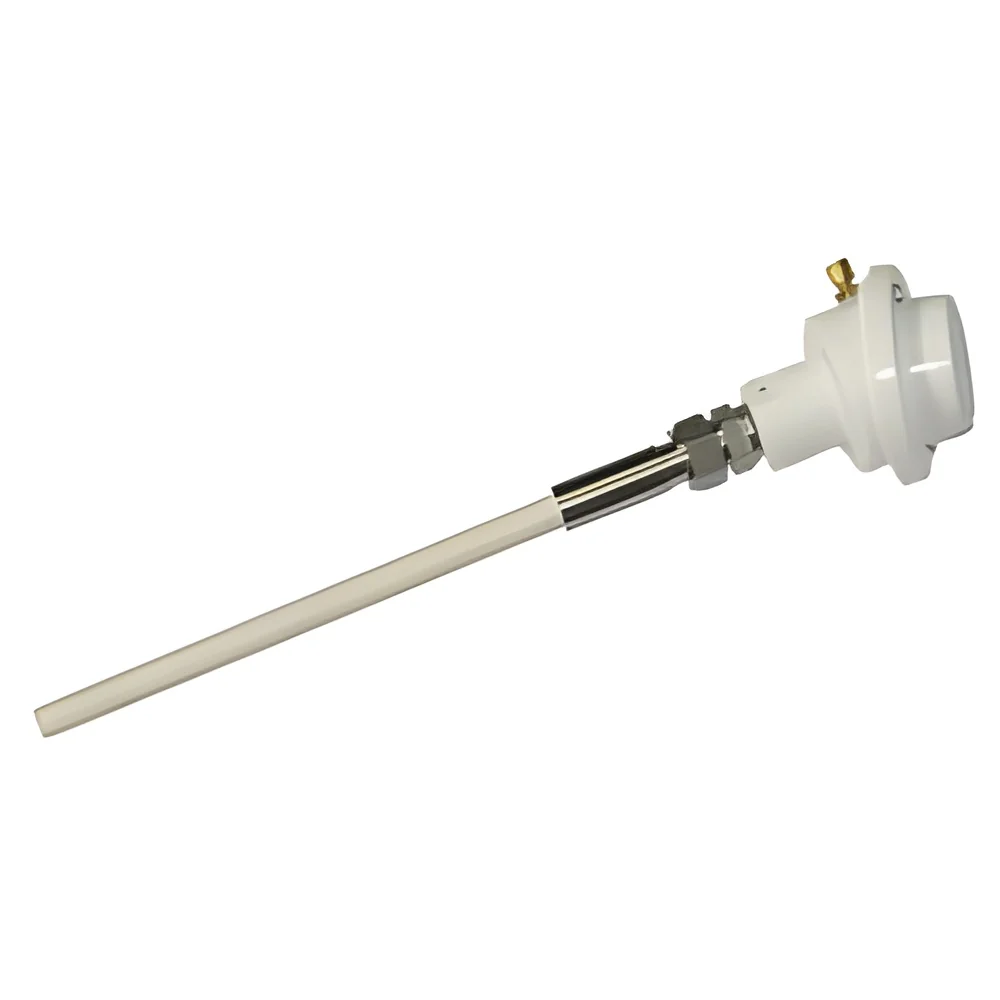
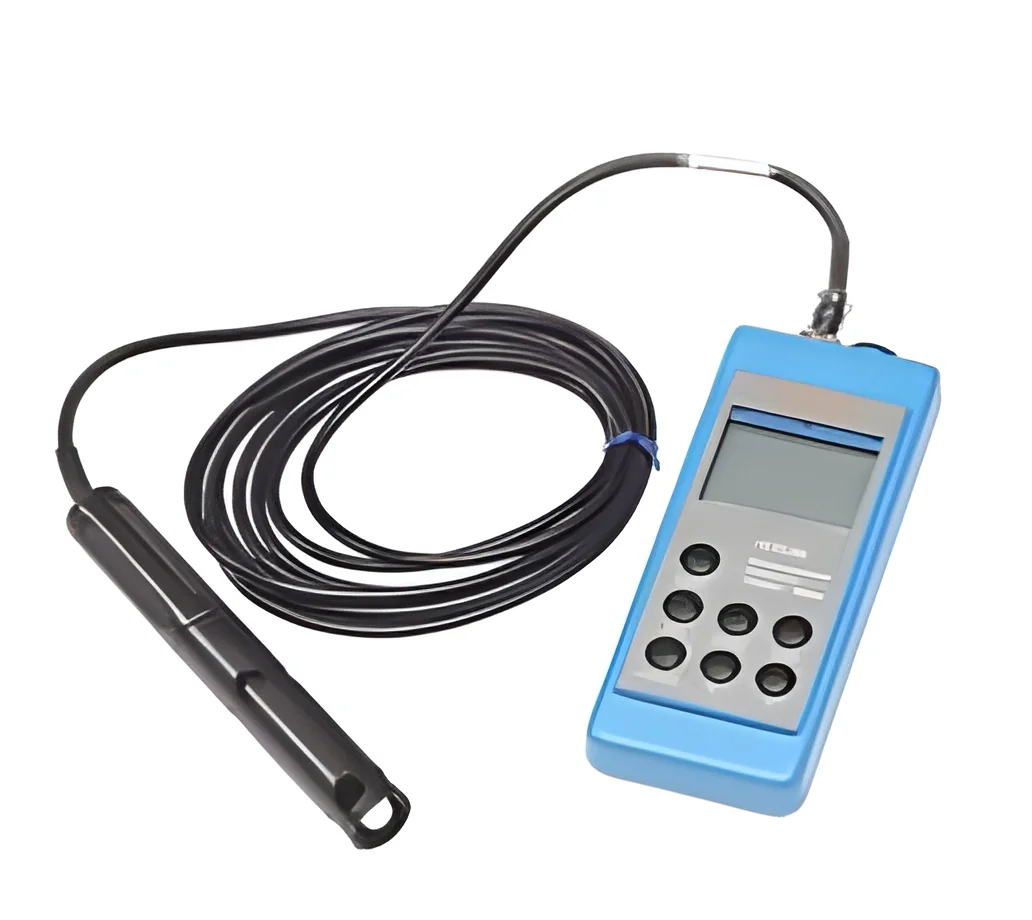
Dissolved Oxygen Meters are specialized instruments used to measure the concentration of oxygen dissolved in water. These meters operate on various principles, including electrochemical sensors and optical technology, to provide accurate readings of oxygen levels. The measurement is typically expressed in milligrams per liter (mg/L) or parts per million (ppm), which are critical for understanding the health of aquatic environments.
These devices are essential tools in various industries such as water treatment, aquaculture, and environmental monitoring. In water treatment plants, for example, dissolved oxygen levels need to be monitored closely to ensure effective biological treatment processes. Aquaculture operations rely on these meters to maintain optimal oxygen levels for fish and other aquatic organisms. The relevance of dissolved oxygen meters spans industries, emphasizing their importance in maintaining environmental standards and supporting regulatory compliance.
𝗞𝗲𝘆 𝗙𝗲𝗮𝘁𝘂𝗿𝗲𝘀 𝗮𝗻𝗱 𝗦𝗽𝗲𝗰𝗶𝗳𝗶𝗰𝗮𝘁𝗶𝗼𝗻𝘀
Dissolved Oxygen Meters come equipped with several important features and specifications that enhance their utility in various applications. Understanding these specifications can help businesses select the right device for their needs.
Key specifications include:
1. Measurement Range
- Typical measurement ranges for dissolved oxygen meters can vary from 0 to 20 mg/L or higher, depending on the model.
- This range allows for monitoring in various environments, from aquaculture to wastewater treatment.
2. Accuracy
- Most meters offer an accuracy level of ±0.1 mg/L, ensuring reliable readings.
- This precision is crucial when monitoring oxygen levels that affect biological processes.
3. Response Time
- Response times generally range from 10 seconds to 2 minutes, depending on the sensor technology used.
- Faster response times are beneficial for dynamic environments where conditions can change rapidly.
4. Calibration
- Many meters feature automatic or manual calibration options to ensure consistent accuracy.
- Calibration is critical as it helps maintain measurement reliability over time.
5. Display Type
- Meters may feature digital displays that provide real-time readings, historical data, and alerts.
- User-friendly interfaces allow for easy operation and quick data interpretation.
6. Power Supply
- Devices can be battery-operated or come with AC power options, providing flexibility in various settings.
- Battery life varies by model, affecting operational longevity.
7. Portability
- Many dissolved oxygen meters are designed to be portable for field use, often featuring rugged designs to withstand harsh conditions.
- Portability is essential for applications in remote locations or during on-site testing.
8. Data Logging
- Some meters include data logging capabilities, allowing users to store historical data for later analysis.
- This feature supports regulatory compliance and helps track long-term trends in oxygen levels.
In summary, the features and specifications of dissolved oxygen meters are designed to support a wide range of applications, ensuring accurate and reliable measurements in various environments.
𝗖𝗼𝗺𝗺𝗼𝗻 𝗔𝗽𝗽𝗹𝗶𝗰𝗮𝘁𝗶𝗼𝗻𝘀 𝗮𝗻𝗱 𝗨𝘀𝗲 𝗖𝗮𝘀𝗲𝘀
Dissolved Oxygen Meters find applications across multiple industries, each with specific requirements for monitoring oxygen levels.
1. Water Treatment: In municipal and industrial water treatment facilities, dissolved oxygen meters help regulate biological processes that treat wastewater. Maintaining optimal oxygen levels is essential for effective treatment and compliance with environmental regulations.
2. Aquaculture: Fish farms and aquaculture operations use these meters to monitor oxygen levels in tanks and ponds. Proper oxygen levels are critical for the health and growth of aquatic species, ensuring sustainable production.
3. Environmental Monitoring: Researchers and environmental agencies employ dissolved oxygen meters to assess the health of natural water bodies. Monitoring oxygen levels can indicate water quality and the presence of pollutants.
4. Laboratory Research: In scientific research, dissolved oxygen meters are used to study various biological processes. Accurate measurements support experiments in fields like ecology and marine biology.
5. Hydroponics: In hydroponic systems, dissolved oxygen meters help manage oxygen levels in nutrient solutions, promoting optimal plant growth.
6. Mining and Industrial Applications: These meters are utilized in industrial processes where water quality is a concern. Ensuring adequate oxygen levels can optimize processes and reduce environmental impact.
7. Aquatic Sports: In recreational water bodies, dissolved oxygen meters help monitor conditions for activities like swimming and diving, ensuring safety and enjoyment.
𝗣𝗿𝗼𝗱𝘂𝗰𝘁 𝗩𝗮𝗿𝗶𝗮𝗻𝘁𝘀 𝗮𝗻𝗱 𝗦𝘂𝗯𝗰𝗮𝘁𝗲𝗴𝗼𝗿𝗶𝗲𝘀
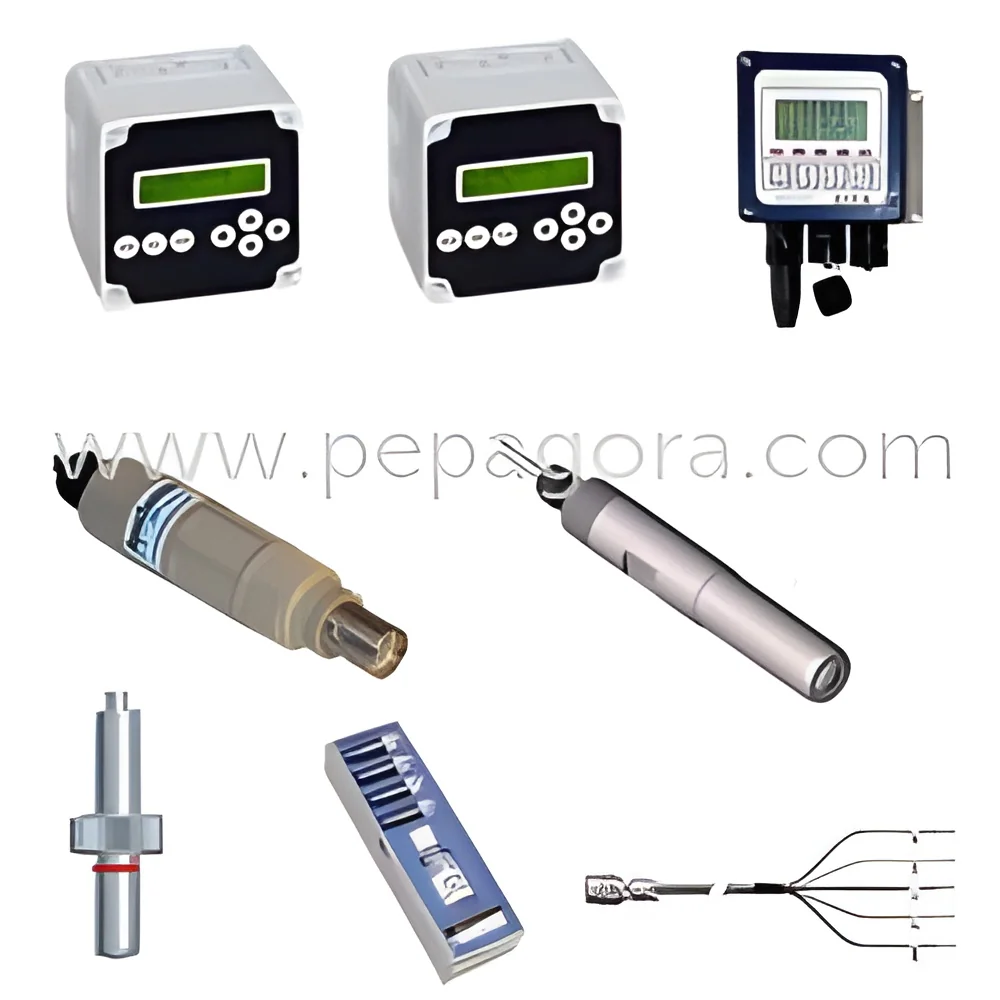
Dissolved Oxygen Meters come in various models, each designed to meet specific operational needs. While detailed subcategories are not available, a few variants illustrate the diversity of options in the market.
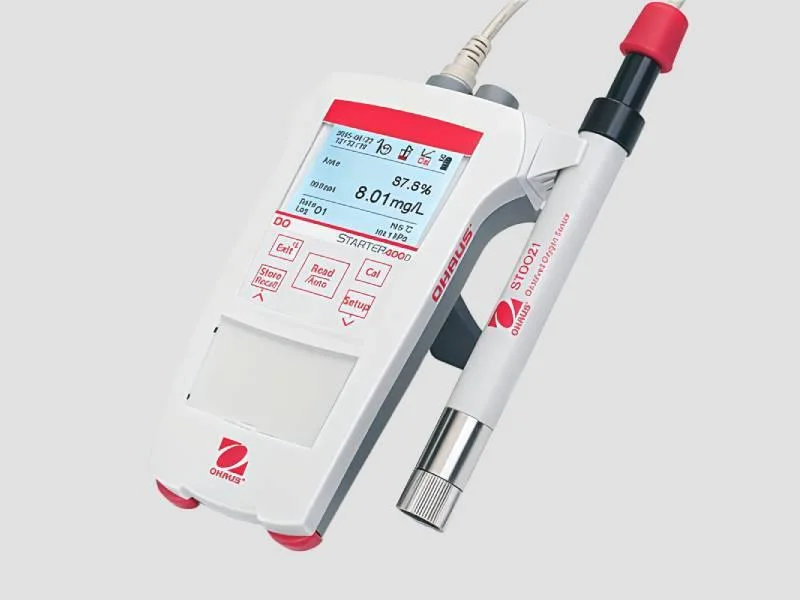
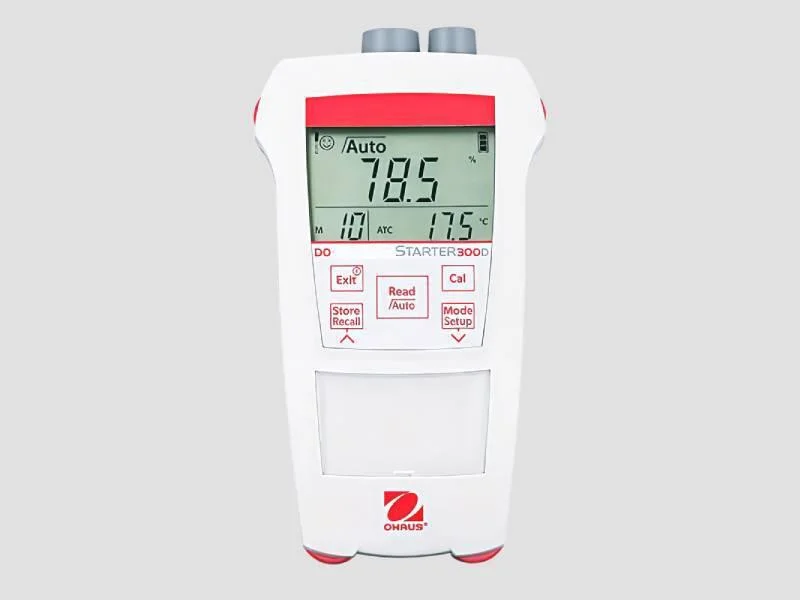
Portable Dissolved Oxygen Meters: These compact devices are designed for field use, allowing users to measure oxygen levels on-site. They often feature waterproof designs and quick response times, making them ideal for aquaculture and environmental monitoring.
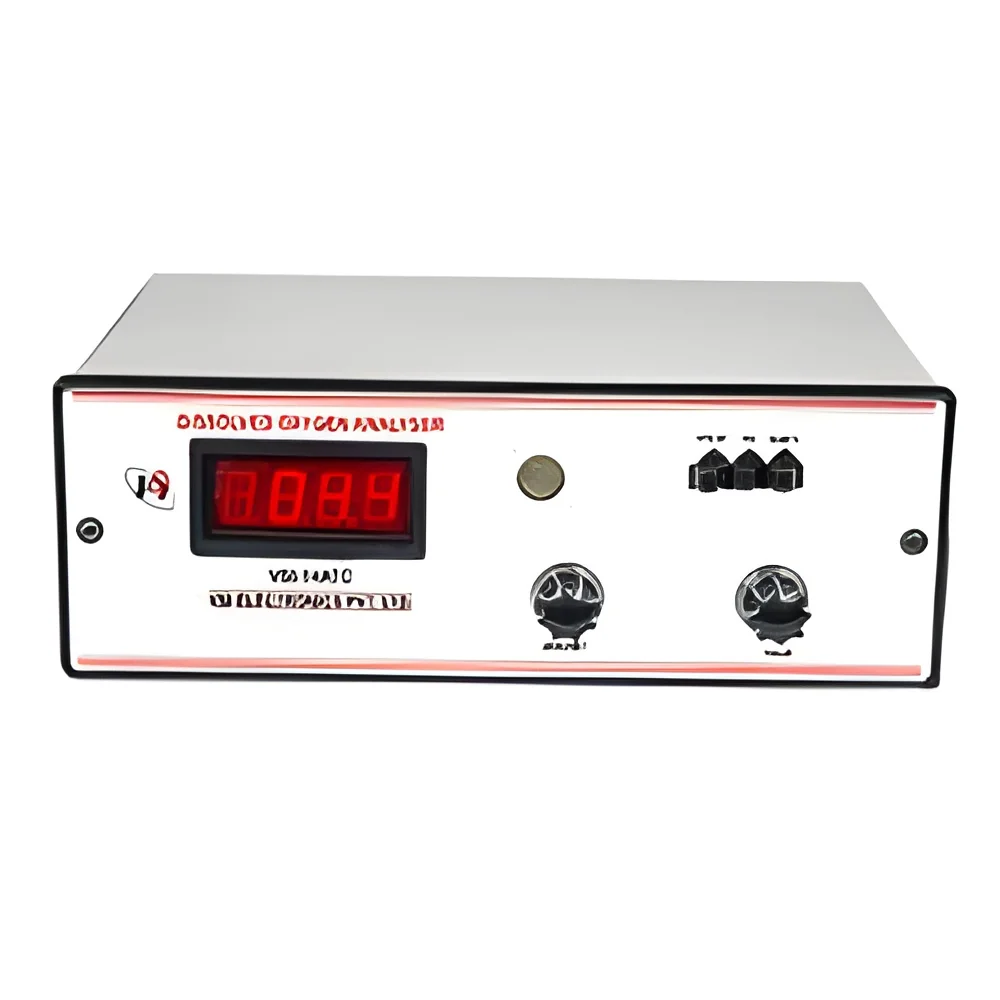
Benchtop Dissolved Oxygen Meters: These models are suited for laboratory settings, offering high accuracy and advanced features such as data logging. They are often used in research environments to ensure precise measurements.
Handheld Dissolved Oxygen Meters: These versatile meters combine portability with advanced features, making them suitable for both field and lab applications. They are user-friendly and provide instant readings, catering to a variety of industries.
𝗕𝗲𝗻𝗲𝗳𝗶𝘁𝘀 𝗮𝗻𝗱 𝗔𝗱𝘃𝗮𝗻𝘁𝗮𝗴𝗲𝘀
Investing in Dissolved Oxygen Meters offers several benefits that enhance operational efficiency and ensure compliance with industry standards.
1. Enhanced Water Quality Monitoring: These meters provide accurate readings, helping to maintain optimal oxygen levels in various applications.
2. Improved Operational Efficiency: Regular monitoring can lead to timely interventions, optimizing processes in water treatment and aquaculture.
3. Regulatory Compliance: Accurate dissolved oxygen measurements support compliance with environmental regulations, reducing the risk of penalties.
4. Cost-Effective Solutions: By ensuring optimal oxygen levels, businesses can reduce waste and improve productivity, leading to cost savings.
5. Versatile Applications: The ability to use dissolved oxygen meters across various industries allows businesses to leverage a single device for multiple purposes.
6. Data-Driven Decision Making: Advanced features such as data logging enable businesses to analyze trends and make informed decisions regarding water quality management.
𝗕𝘂𝘆𝗶𝗻𝗴 𝗚𝘂𝗶𝗱𝗲 𝗳𝗼𝗿 𝗕𝟮𝗕 𝗕𝘂𝘆𝗲𝗿𝘀
When sourcing Dissolved Oxygen Meters, several factors should be considered to ensure the selected product meets business requirements.
1. Quality Assessment: Look for devices that comply with recognized quality standards. Check for reviews and certifications to gauge reliability and performance.
2. Supplier Verification: Vet suppliers by checking their reputation, customer feedback, and experience in the industry. A reliable supplier can offer support and warranty services.
3. Pricing and MOQ: Consider the cost of the meters and any minimum order quantities (MOQ). Compare prices across different suppliers to ensure competitive pricing.
4. Delivery and Lead Times: Assess supplier delivery capabilities and lead times. Timely delivery is essential for maintaining operational schedules.
5. Compliance Requirements: Ensure that the meters meet relevant regulatory standards for your industry. This may include safety certifications and environmental compliance.
𝗖𝗼𝗺𝗽𝗹𝗶𝗮𝗻𝗰𝗲 𝗮𝗻𝗱 𝗖𝗲𝗿𝘁𝗶𝗳𝗶𝗰𝗮𝘁𝗶𝗼𝗻𝘀
Dissolved Oxygen Meters are subject to various quality standards and certifications that ensure their reliability and safety in diverse applications. ISO 9001 is a commonly recognized standard that sets criteria for quality management systems, ensuring consistent product quality. Many manufacturers also adhere to HACCP (Hazard Analysis Critical Control Point) principles, particularly in food-related industries, to ensure safety and compliance in processes.
In addition, products may carry the CE mark, indicating conformity with health, safety, and environmental protection standards within the European Economic Area. Meeting these certifications assures buyers of the product's reliability and adherence to international standards.
It is also important for buyers to consider regional compliance requirements, as different areas may have specific regulations governing the use of dissolved oxygen meters. Staying informed about these requirements can prevent compliance issues and enhance operational effectiveness.
𝗪𝗵𝘆 𝗦𝗼𝘂𝗿𝗰𝗲 𝗗𝗶𝘀𝘀𝗼𝗹𝘃𝗲𝗱 𝗢𝘅𝘆𝗴𝗲𝗻 𝗠𝗲𝘁𝗲𝗿𝘀 𝗳𝗿𝗼𝗺 𝗣𝗲𝗽𝗮𝗴𝗼𝗿𝗮?
Pepagora provides a trusted platform for sourcing Dissolved Oxygen Meters, ensuring buyers have access to high-quality products from verified suppliers. The platform emphasizes a verified supplier network, which is crucial for establishing reliability in procurement. Each supplier is thoroughly vetted to ensure they meet industry standards and can deliver quality products consistently.
The streamlined RFQ process enables buyers to easily request quotations from multiple suppliers, facilitating comparison and selection. This efficient system saves time and helps businesses make informed purchasing decisions.
Additionally, Pepagora offers trade assurance and support, providing buyers with protection throughout the purchasing process. This assurance fosters confidence and encourages businesses to engage in transactions without fear of loss.
Finally, Pepagora's regional coverage extends across India, GCC, and Southeast Asia, enabling businesses to connect with local suppliers. This geographic reach ensures that companies can source dissolved oxygen meters that meet their specific needs, with the added benefit of local support and logistics solutions.

 IN
IN