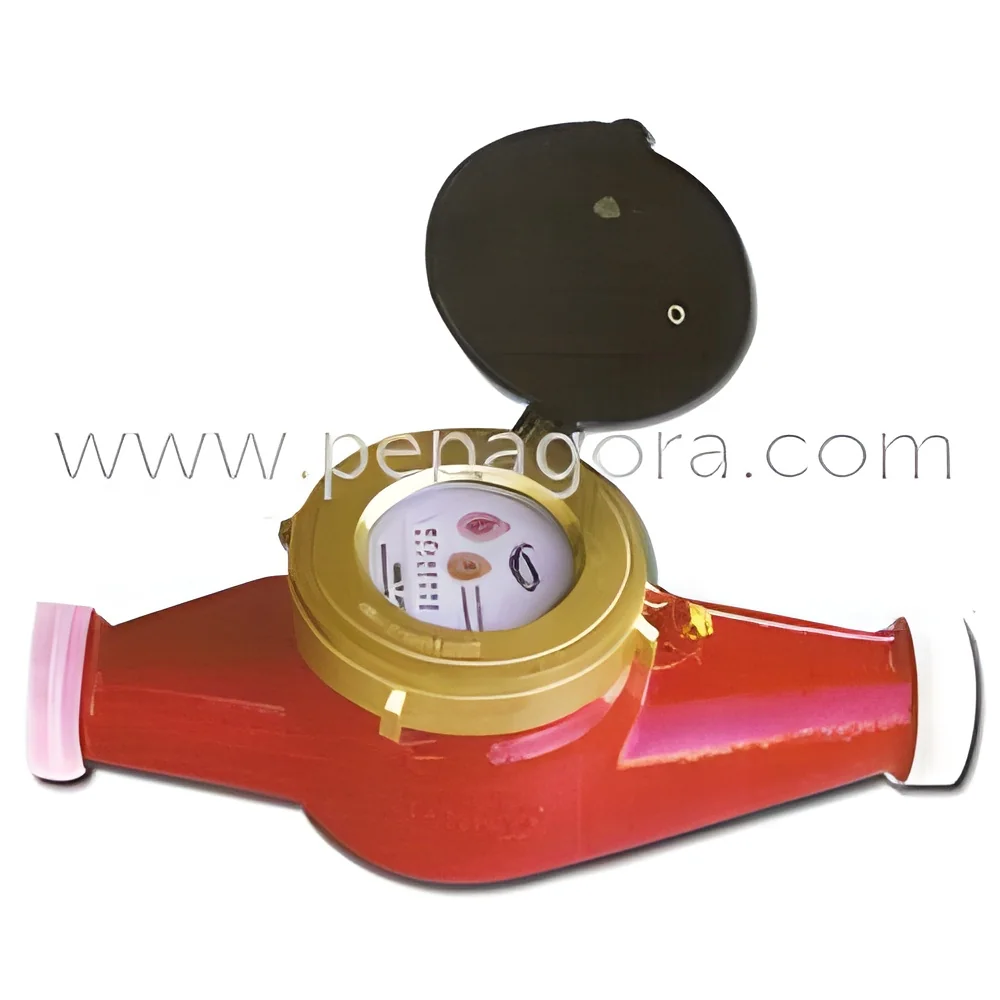
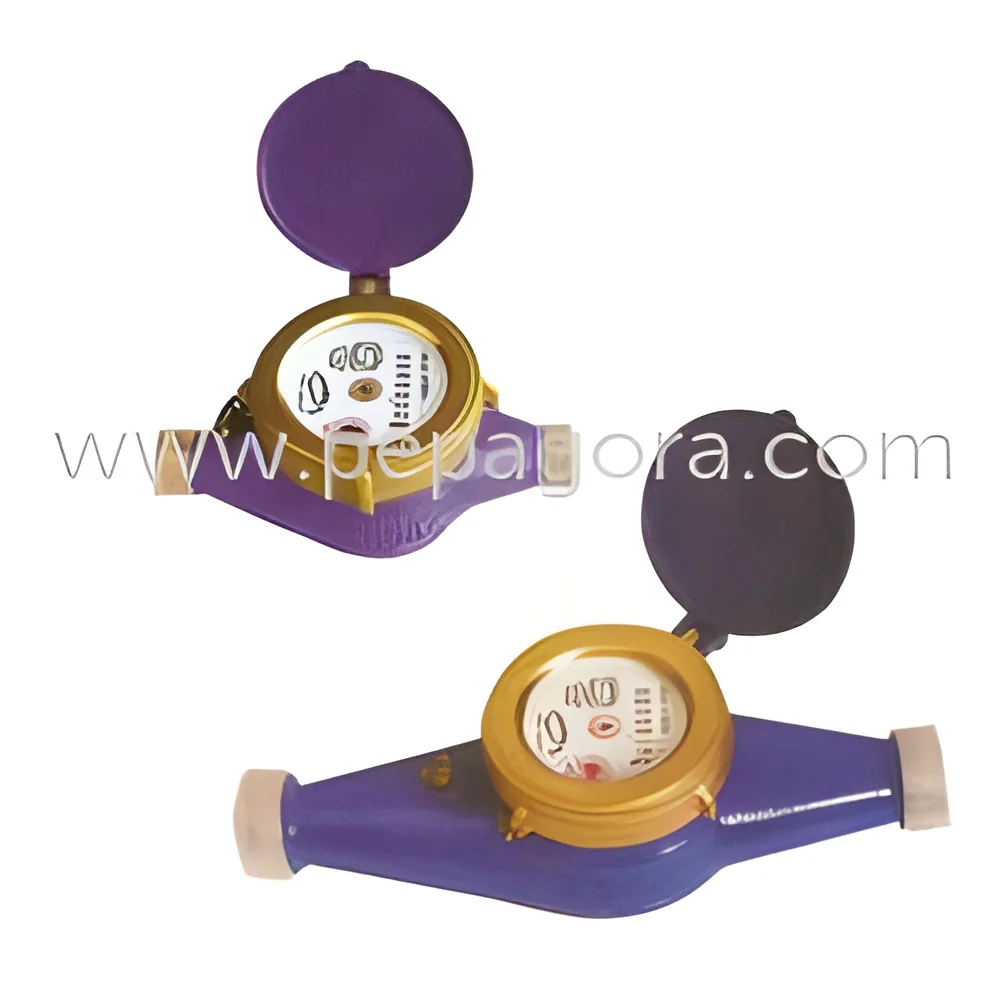
𝗪𝗵𝗮𝘁 𝗮𝗿𝗲 𝗪𝗮𝘁𝗲𝗿 𝗧𝗲𝗺𝗽𝗲𝗿𝗮𝘁𝘂𝗿𝗲 𝗦𝗲𝗻𝘀𝗼𝗿𝘀?
Water temperature sensors are devices designed to measure the temperature of water in various environments. These sensors convert thermal energy into an electrical signal, which can be used for monitoring and control purposes. They are essential in applications where precise temperature measurement is crucial, such as in industrial processes, HVAC systems, aquaculture, and environmental monitoring.
These sensors find extensive use in multiple business applications. For instance, they are commonly used in manufacturing facilities to ensure optimal operating conditions in machinery that relies on water cooling. In aquaculture, water temperature sensors help maintain the health of aquatic life by monitoring water conditions. Their relevance spans various industries, making them critical components in systems that rely on accurate temperature data for operational efficiency.
𝗞𝗲𝘆 𝗙𝗲𝗮𝘁𝘂𝗿𝗲𝘀 𝗮𝗻𝗱 𝗦𝗽𝗲𝗰𝗶𝗳𝗶𝗰𝗮𝘁𝗶𝗼𝗻𝘀
Water temperature sensors come with a variety of key features that enhance their functionality. Their specifications are designed to meet the needs of diverse industrial applications.
Key specifications include:
1. Measurement Range
- Typically ranges from -50°C to +150°C
- Suitable for various water temperature monitoring applications
2. Accuracy
- Generally within ±0.5°C
- Ensures reliable temperature readings
3. Response Time
- Fast response times, often under 1 second
- Quick adaptation to temperature changes
4. Installation Type
- Available in immersion, surface mount, and inline configurations
- Flexibility for different installation environments
5. Output Signal
- Commonly provides analog (4-20 mA) or digital outputs (RS485, Modbus)
- Facilitates easy integration with existing systems
6. Housing Material
- Constructed from stainless steel or plastic
- Ensures durability and resistance to corrosion
7. Operating Pressure
- Can withstand pressures up to 10 bar in some models
- Suitable for high-pressure environments
8. Calibration
- Factory calibrated with options for field calibration
- Ensures long-term accuracy and reliability
These specifications help buyers determine the right sensor for their specific needs.
𝗖𝗼𝗺𝗺𝗼𝗻 𝗔𝗽𝗽𝗹𝗶𝗰𝗮𝘁𝗶𝗼𝗻𝘀 𝗮𝗻𝗱 𝗨𝘀𝗲 𝗖𝗮𝘀𝗲𝘀
Water temperature sensors are versatile tools utilized across various industries.
1. Food and Beverage Industry: They are used to monitor water temperatures during processing and sanitation, ensuring compliance with safety regulations.
2. HVAC Systems: In heating, ventilation, and air conditioning systems, these sensors help regulate temperatures for efficient energy usage and comfort.
3. Aquaculture: Water temperature sensors are critical in maintaining optimal conditions for fish and other aquatic organisms, thus supporting sustainable farming practices.
4. Chemical Processing: In chemical plants, these sensors monitor temperature levels to ensure safe and effective reactions.
5. Power Generation: They are used in cooling systems of power plants to monitor water temperatures and improve operational efficiency.
6. Environmental Monitoring: These sensors help track water temperatures in natural bodies of water, contributing to ecological studies and conservation efforts.
7. Swimming Pools: They are employed to regulate pool water temperatures, enhancing user comfort and safety.
𝗣𝗿𝗼𝗱𝘂𝗰𝘁 𝗩𝗮𝗿𝗶𝗮𝗻𝘁𝘀 𝗮𝗻𝗱 𝗦𝘂𝗯𝗰𝗮𝘁𝗲𝗴𝗼𝗿𝗶𝗲𝘀
Water temperature sensors come in various types to meet different application requirements.
Thermocouple Sensors: These sensors are known for their wide temperature range and rapid response time, making them ideal for high-temperature applications in industrial settings.
RTD Sensors: Resistance Temperature Detectors are favored for their accuracy and stability over time. They are commonly used in laboratory settings and food processing industries.
Thermistors: These sensors are highly sensitive and provide precise readings over a limited range, making them suitable for applications in HVAC and aquaculture.
Infrared Sensors: Non-contact sensors that measure surface temperatures without direct contact, ideal for applications where traditional sensors cannot be used.
𝗕𝗲𝗻𝗲𝗳𝗶𝘁𝘀 𝗮𝗻𝗱 𝗔𝗱𝘃𝗮𝗻𝘁𝗮𝗴𝗲𝘀
Water temperature sensors provide numerous advantages that enhance operational efficiency.
1. Enhanced Accuracy: They deliver precise temperature readings essential for maintaining system integrity.
2. Improved Safety: By monitoring temperatures, these sensors help prevent overheating and potential hazards in various processes.
3. Energy Efficiency: Accurate temperature control leads to reduced energy consumption, benefiting operational costs.
4. Durability: Designed to withstand harsh environments, these sensors offer longevity and reliability.
5. Easy Integration: With various output options, they can be seamlessly integrated into existing systems.
6. Versatile Applications: Their adaptability allows for use in multiple industries, from food safety to environmental monitoring.
𝗕𝘂𝘆𝗶𝗻𝗴 𝗚𝘂𝗶𝗱𝗲 𝗳𝗼𝗿 𝗕𝟮𝗕 𝗕𝘂𝘆𝗲𝗿𝘀
When sourcing water temperature sensors, several factors should be considered to ensure the right choice.
1. Quality Assessment: Evaluate the sensor's build quality, materials used, and manufacturer reputation to ensure reliability.
2. Supplier Verification: Vet suppliers by checking their credentials, certifications, and customer reviews to ensure they meet industry standards.
3. Pricing and MOQ: Understand the pricing structure and minimum order quantities to align with your budget and requirements.
4. Delivery and Lead Times: Confirm logistics capabilities and typical lead times to ensure timely delivery for your projects.
5. Compliance Requirements: Ensure that the sensors meet relevant industry standards and regulations for your specific application.
𝗖𝗼𝗺𝗽𝗹𝗶𝗮𝗻𝗰𝗲 𝗮𝗻𝗱 𝗖𝗲𝗿𝘁𝗶𝗳𝗶𝗰𝗮𝘁𝗶𝗼𝗻𝘀
Compliance with quality standards and certifications is vital for water temperature sensors.
Many sensors adhere to ISO 9001 standards, which ensure consistent quality management in manufacturing processes. This certification is crucial for companies looking to maintain high standards in their operations.
Additionally, sensors may carry CE certification, indicating compliance with European safety, health, and environmental protection standards. This certification can be particularly important for businesses exporting products to Europe.
Safety and testing requirements must also be met, including proper calibration and validation processes. Regional compliance considerations may vary, necessitating an understanding of local regulations.
𝗪𝗵𝘆 𝗦𝗼𝘂𝗿𝗰𝗲 𝗪𝗮𝘁𝗲𝗿 𝗧𝗲𝗺𝗽𝗲𝗿𝗮𝘁𝘂𝗿𝗲 𝗦𝗲𝗻𝘀𝗼𝗿𝘀 𝗳𝗿𝗼𝗺 𝗣𝗲𝗽𝗮𝗴𝗼𝗿𝗮?
Pepagora offers a reliable platform for sourcing water temperature sensors, providing numerous advantages for B2B buyers.
Verified Supplier Network: Pepagora features a network of verified suppliers, ensuring that buyers can trust the quality and reliability of their products. This reduces risk and enhances confidence in purchasing decisions.
Streamlined RFQ Process: The request for quotation (RFQ) process is efficient, simplifying the way buyers can compare offerings and make informed choices quickly.
Trade Assurance and Support: With trade assurance measures in place, buyers receive protection during transactions, ensuring a secure purchasing experience.
Regional Coverage: Pepagora provides extensive geographic reach, catering to markets in India, the Gulf Cooperation Council (GCC), and Southeast Asia. This wide coverage allows buyers to access a diverse range of products tailored to their specific needs.

 IN
IN