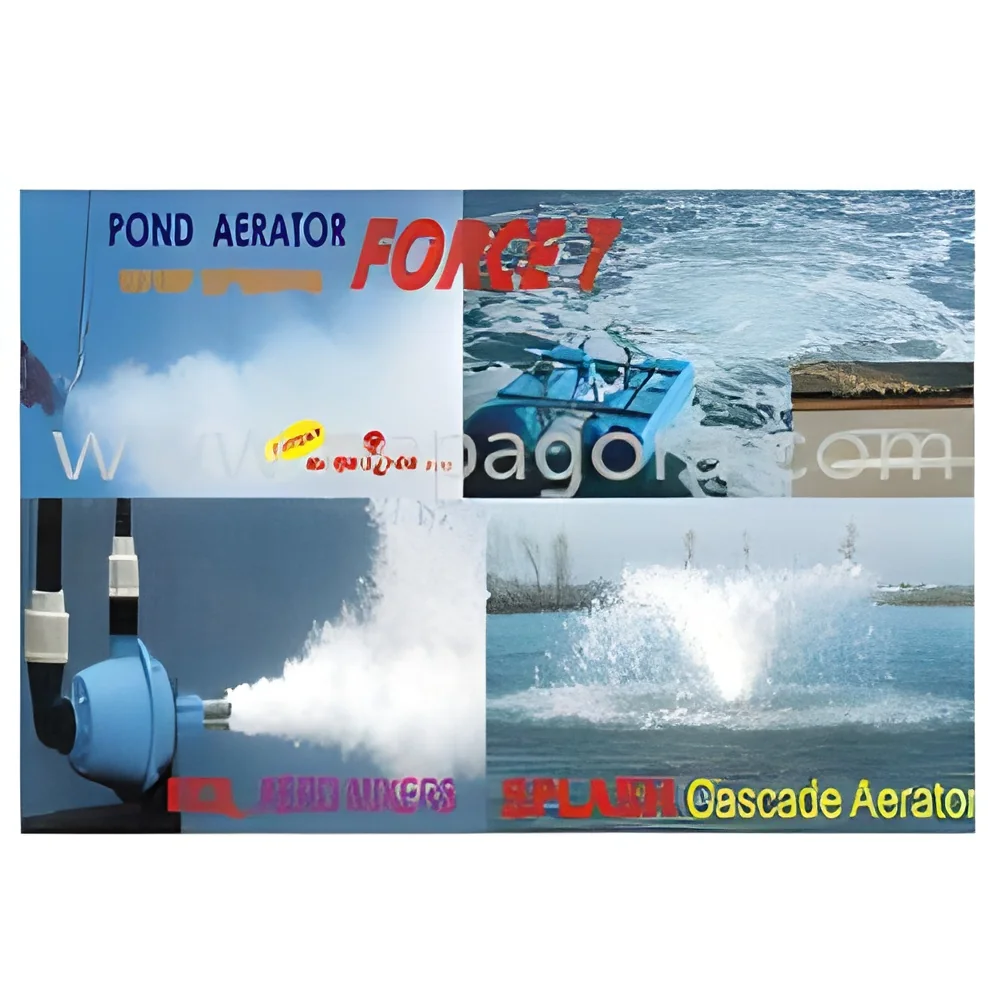
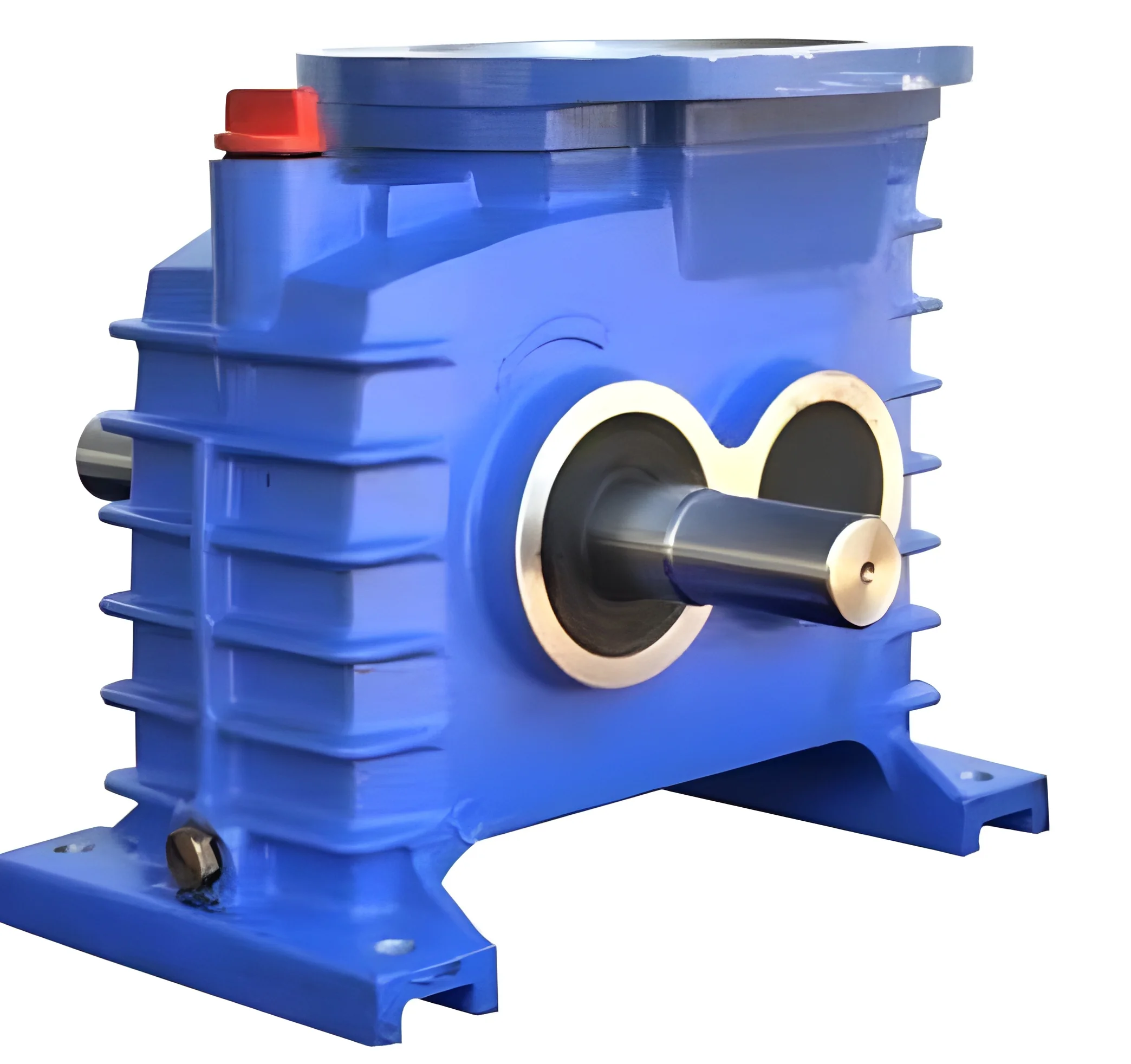
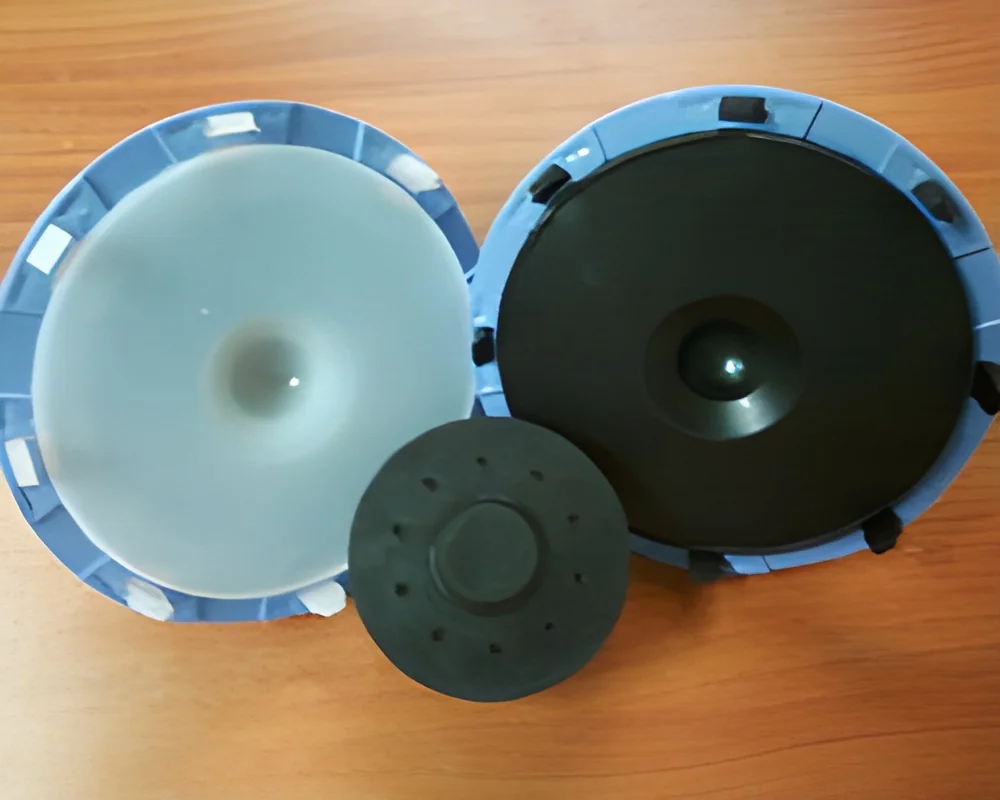
What are Submersible Aerators?
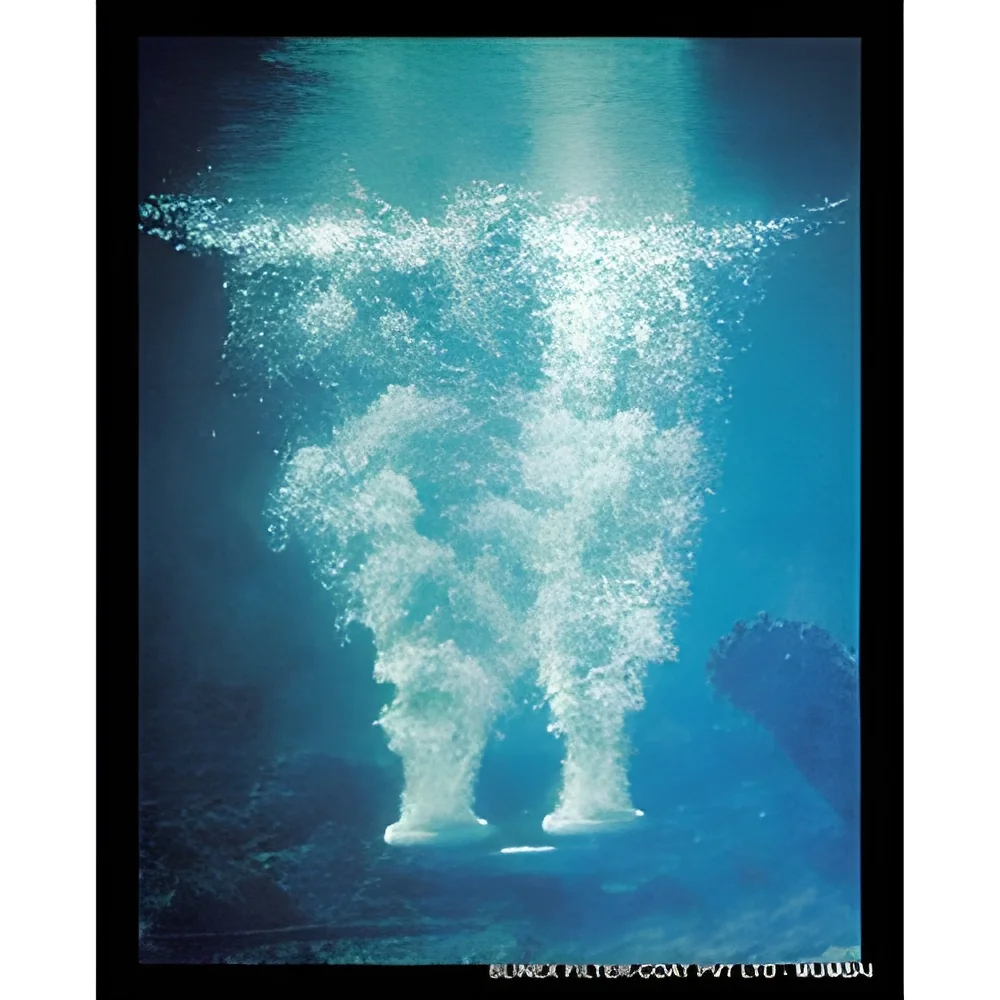
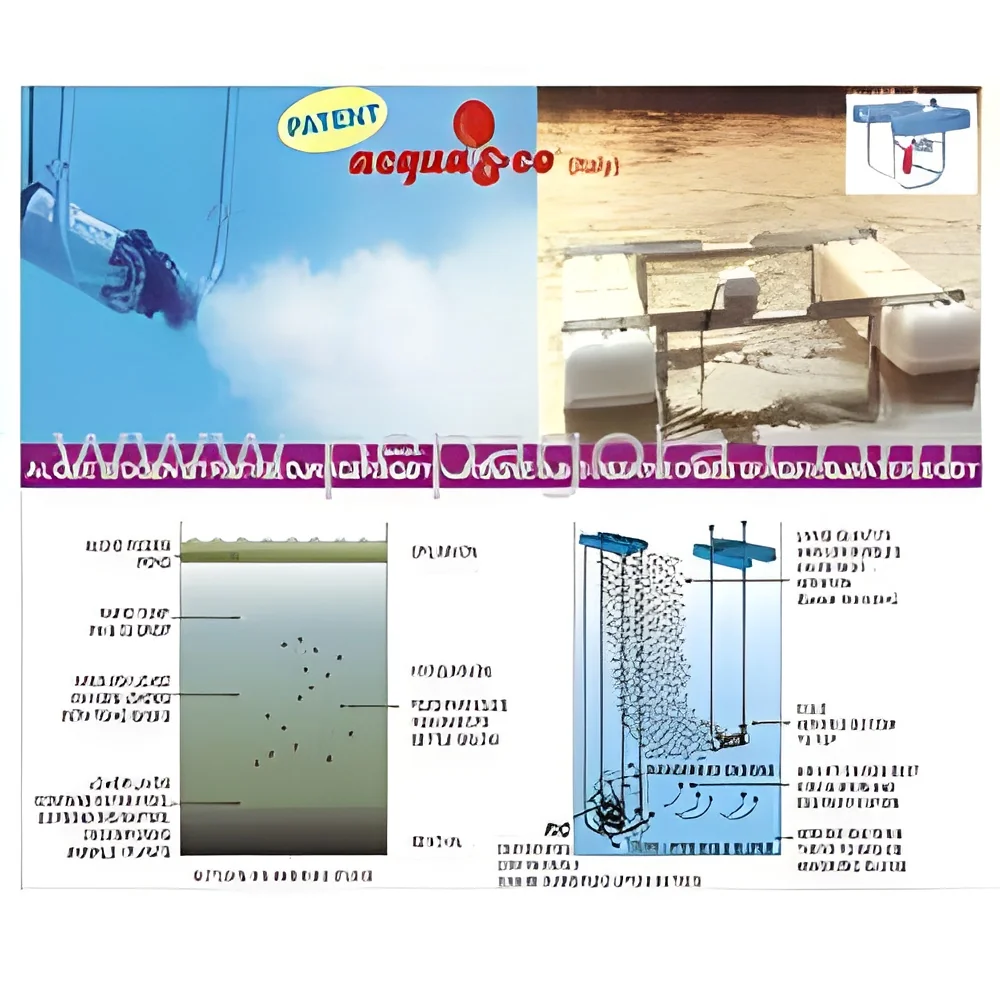
Submersible aerators are specialized devices designed to enhance the aeration process in various water treatment applications. These aerators are submerged in water, where they effectively introduce air into the liquid, promoting oxygen transfer and improving water quality. Their innovative design allows for efficient mixing and aeration in a compact form, making them ideal for environments with limited space.
These devices are primarily used in wastewater treatment facilities, aquaculture, and industrial processes where aeration is crucial. By ensuring adequate oxygen levels, submersible aerators support biological processes essential for breaking down organic waste. As industries increasingly focus on sustainable practices, the demand for efficient aeration solutions has grown, positioning submersible aerators as vital components in modern water management systems.
The relevance of submersible aerators in today's market is underscored by the ongoing need for improved environmental compliance and resource management. Industries are seeking advanced solutions that not only meet regulatory standards but also enhance operational efficiency. As such, submersible aerators have become integral to achieving these goals across various sectors.
Key Features and Specifications
Submersible aerators come equipped with a range of features designed to optimize their performance in diverse applications. These features contribute to their effectiveness in improving water quality and operational efficiency.
Key specifications include:
1. Power Consumption
- Typically ranges from 0.5 kW to 5 kW
- Energy-efficient models available to reduce operational costs
2. Aeration Capacity
- Varies based on design and application
- Can range from 1,000 to 10,000 liters per hour
3. Materials of Construction
- Often made from corrosion-resistant materials like stainless steel or thermoplastics
- Ensures durability and longevity in harsh environments
4. Depth of Submersion
- Suitable for depths up to 10 meters depending on the model
- Allows flexibility in installation based on site requirements
5. Noise Level
- Operates at sound levels around 60 to 75 dB
- Low-noise models available for noise-sensitive applications
6. Maintenance Requirements
- Designed for low maintenance with accessible components
- Routine checks recommended for optimal performance
Submersible aerators not only deliver high performance but also ensure reliability in various operational conditions, making them a favorable choice for water treatment applications.
Common Applications and Use Cases
Submersible aerators are employed across multiple industries due to their versatility and effectiveness in aeration processes.
1. Wastewater Treatment: These aerators are critical in municipal and industrial wastewater treatment plants, where they facilitate biological treatment processes by ensuring adequate oxygen levels.
2. Aquaculture: In fish farming operations, submersible aerators help maintain optimal oxygen levels in water, promoting fish health and growth.
3. Industrial Processes: Various manufacturing industries use aerators to enhance chemical reactions and improve product quality by ensuring proper mixing and aeration.
4. Stormwater Management: Submersible aerators are used in stormwater treatment systems to improve water quality before discharge into natural bodies of water.
5. Agricultural Applications: They are utilized in agricultural ponds and lagoons to enhance soil and crop health by improving water quality.
6. Recreational Water Bodies: These devices can be found in lakes and ponds to support aquatic life and enhance water quality for recreational activities.
Product Variants and Subcategories
Submersible aerators come in various designs and configurations to cater to specific needs.
High-Efficiency Aerators: These variants are designed for maximum oxygen transfer efficiency. They feature advanced impeller designs that optimize air bubbles' size and distribution, making them ideal for large-scale applications.
Compact Aerators: Tailored for smaller water bodies or tight spaces, compact aerators provide effective aeration without requiring extensive infrastructure. They are often lightweight and easy to install.
Portable Aerators: Designed for temporary or movable applications, portable aerators can be easily transported to different sites. They are ideal for emergency situations or seasonal operations.
Benefits and Advantages
The use of submersible aerators provides several key benefits to industries that rely on effective water management.
1. Improved Water Quality: By enhancing oxygen levels, submersible aerators promote the breakdown of organic materials, resulting in cleaner water.
2. Energy Efficiency: Many modern submersible aerators are designed to operate with low power consumption, reducing overall energy costs for businesses.
3. Space Optimization: Their compact design allows for installation in areas where traditional aeration systems may not fit, maximizing available space.
4. Low Maintenance: Submersible aerators require minimal upkeep due to their durable construction, saving time and resources in maintenance efforts.
5. Versatility: These devices can be adapted for various applications across industries, making them a flexible solution for diverse needs.
6. Enhanced Productivity: By improving aeration processes, submersible aerators contribute to increased efficiency in treatment operations, ultimately leading to better outcomes.
Buying Guide for B2B Buyers
When sourcing submersible aerators, it is essential to consider several factors to ensure a suitable selection for your specific needs.
1. Quality Assessment: Evaluate the quality of materials and construction to ensure durability and reliability in demanding environments. Look for products that meet industry standards and have a proven track record.
2. Supplier Verification: Vet suppliers to ensure they are reputable and have a history of delivering quality products. Check for customer reviews and testimonials to gauge reliability.
3. Pricing and MOQ: Understand the pricing structure and minimum order quantities (MOQ) associated with submersible aerators. Compare options to find a balance between quality and cost.
4. Delivery and Lead Times: Inquire about the expected delivery times and logistics involved in sourcing the aerators. Ensure that timelines align with your project requirements.
5. Compliance Requirements: Be aware of any regulatory standards or certifications that apply to submersible aerators in your region. Ensure that the products you choose comply with relevant guidelines.
Compliance and Certifications
Submersible aerators must adhere to various quality standards and certifications to ensure safety and performance in their applications.
ISO 9001 is a key quality management standard that ensures manufacturers maintain consistent quality control processes. Compliance with this standard indicates that the manufacturer has a robust system in place for quality assurance.
In addition, many submersible aerators carry the CE mark, signifying their compliance with European safety and environmental regulations. This certification assures buyers of the product's adherence to stringent manufacturing standards.
Safety and testing requirements are paramount in the production of submersible aerators. They must undergo rigorous testing to ensure they operate safely in submerged conditions and meet industry-specific performance criteria.
Regional compliance considerations may vary based on local regulations. Buyers should ensure that the selected aerators meet any certifications required in their specific market to avoid legal complications.
Why Source Submersible Aerators from Pepagora?
Pepagora offers a trusted platform for sourcing submersible aerators, providing several key advantages for businesses.
Verified Supplier Network: Pepagora ensures all suppliers in its network are thoroughly vetted for quality and reliability. This process helps buyers find trustworthy partners for their aeration needs.
Streamlined RFQ Process: The Request for Quotation (RFQ) system simplifies the procurement process, allowing buyers to quickly compare multiple suppliers and obtain competitive pricing.
Trade Assurance and Support: Pepagora provides trade assurance to protect buyers throughout the purchasing process. This support helps ensure a smooth transaction and builds buyer confidence.
Regional Coverage: With a strong presence in India, the GCC, and Southeast Asia, Pepagora connects buyers with local and regional suppliers, facilitating access to quality products tailored to specific market needs.

 IN
IN