
 IN
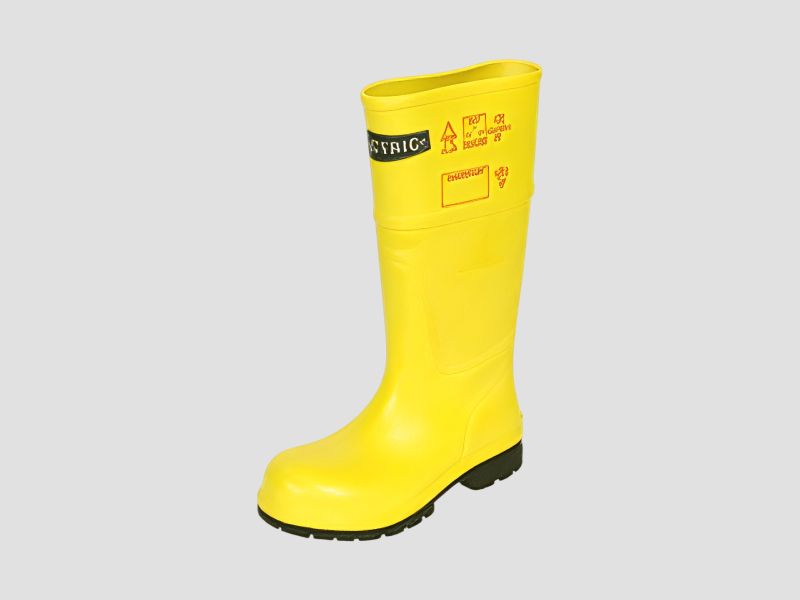
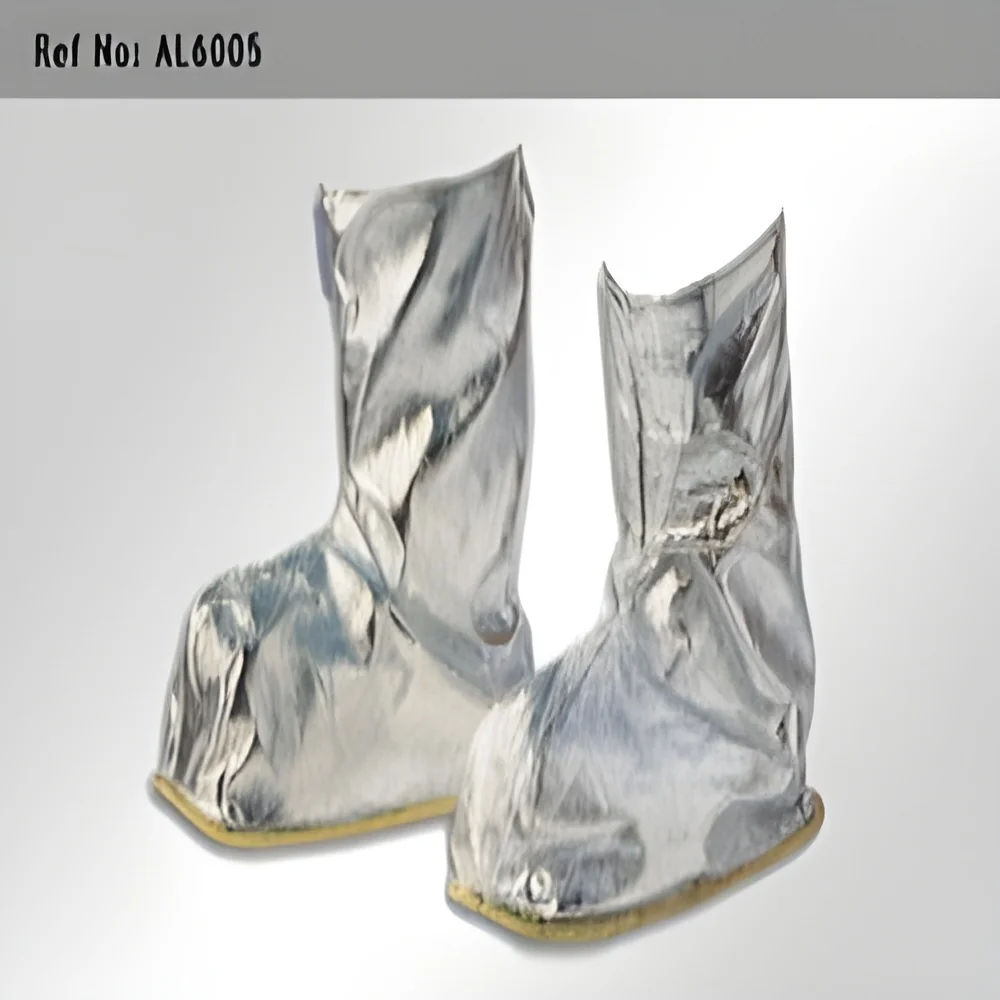
Electrical Hazard Safety Boots
2 products available
What are Electrical Hazard Safety Boots?
Electrical Hazard Safety Boots are specialized footwear designed to provide protection against electrical hazards in the workplace. These boots are constructed using insulating materials that prevent electric current from passing through to the wearer’s feet, thereby reducing the risk of electrical shock. They are essential for individuals working in environments where there is potential exposure to live electrical circuits, such as construction sites, manufacturing plants, and electrical service industries.
The primary uses of Electrical Hazard Safety Boots span various business applications, ensuring safety and compliance with industry standards. They are commonly utilized in sectors like construction, utilities, and manufacturing, where workers may encounter electrical hazards. By wearing these boots, employees can perform their duties with greater confidence, knowing that they are protected from potential electrical injuries. As safety regulations continue to evolve, the demand for such protective footwear remains strong across multiple industries.
In today's market, Electrical Hazard Safety Boots are increasingly relevant as companies prioritize worker safety and adhere to stringent safety regulations. The growing awareness of workplace safety and the need for protective equipment have led to an expanding range of options available for businesses seeking quality safety footwear. This has fostered competition among manufacturers, driving innovation and improvements in design and functionality.
Key Features and Specifications
Electrical Hazard Safety Boots come with several key features that enhance safety, comfort, and durability. These features are meticulously designed to meet the specific requirements of various industrial environments.
Key specifications include:
1. Electrical Insulation
- Ensures protection against electric shock
- Typically rated to withstand voltages up to 600 volts
2. Slip Resistance
- Provides traction on wet or oily surfaces
- Tested against industry standards for slip resistance
3. Steel Toe Protection
- Reinforces the toe area against impact and compression
- Meets ASTM safety standards
4. Waterproofing
- Prevents moisture from penetrating the boot
- Essential for outdoor and wet working conditions
5. Breathable Materials
- Enhances comfort by allowing airflow
- Reduces moisture buildup inside the boot
6. Puncture Resistance
- Protects the sole against sharp objects
- Complies with safety standards to minimize foot injuries
7. Lightweight Design
- Reduces fatigue during long wear
- Facilitates ease of movement
8. Custom Fit Options
- Available in various sizes and widths
- Ensures comfort for different foot shapes
These features collectively contribute to the overall effectiveness of Electrical Hazard Safety Boots in protecting workers from electrical dangers while enhancing comfort during prolonged use.
Common Applications and Use Cases
Electrical Hazard Safety Boots are utilized across various industries, ensuring worker safety in potentially hazardous environments.
1. Construction: Workers on construction sites face multiple electrical hazards. Wearing Electrical Hazard Safety Boots helps protect them from accidental electric shocks while handling wiring or working near electrical installations.
2. Utilities: Utility workers often come into contact with live wires and electrical equipment. These boots provide essential protection, allowing them to perform maintenance and repairs safely.
3. Manufacturing: In manufacturing facilities, especially those involving heavy machinery, employees are exposed to electrical components. Safety boots designed for electrical hazards help mitigate risks in these environments.
4. Telecommunications: Technicians working on telecommunications infrastructure frequently encounter electrical risks. Proper footwear safeguards them against electrical shock while ensuring mobility.
5. Oil and Gas: Workers in the oil and gas sector often operate in environments where electrical hazards are prevalent. Electrical Hazard Safety Boots offer the necessary protection while withstanding harsh conditions.
6. Warehousing: In warehousing operations, employees may handle electrical equipment. These safety boots provide protection against electrical hazards while also ensuring comfort during long shifts.
7. Electrical Services: Electricians and maintenance workers require specialized footwear to protect against electrical risks. Wearing these boots is crucial for their safety during installation and repair tasks.
Product Variants and Subcategories
Electrical Hazard Safety Boots come in various designs to cater to different needs and preferences.
Steel-Toe Electrical Hazard Boots
These boots feature reinforced steel toes for maximum protection against impact and compression. They are ideal for industrial environments where heavy objects may fall.
Composite-Toe Electrical Hazard Boots
Made from non-metallic materials, these boots provide a lighter alternative to steel-toe boots while still offering excellent protection. They are suitable for environments where metal detection is a concern.
Insulated Electrical Hazard Boots
These boots are designed with additional insulation to provide extra protection against extreme temperatures while maintaining electrical safety. They are particularly useful in cold weather conditions.
High-Top Electrical Hazard Boots
Offering additional ankle support, high-top boots are ideal for workers who require more stability in their footwear. They provide protection against electrical hazards while ensuring comfort during extended wear.
Benefits and Advantages
Choosing Electrical Hazard Safety Boots brings numerous benefits to both employers and employees.
1. Enhanced Safety: These boots significantly reduce the risk of electrical shock, ensuring employee safety in hazardous environments.
2. Compliance with Regulations: Utilizing Electrical Hazard Safety Boots helps companies adhere to safety regulations and industry standards, reducing liability.
3. Increased Comfort: Many models are designed with comfort features, allowing employees to work for longer periods without discomfort.
4. Durability: High-quality materials ensure that these boots withstand harsh conditions, providing long-lasting protection.
5. Versatility: Electrical Hazard Safety Boots are suitable for various industries, making them a practical choice for companies with diverse operations.
6. Improved Worker Confidence: When employees feel safe in their footwear, they can focus on their tasks, leading to increased productivity and morale.
Buying Guide for B2B Buyers
When sourcing Electrical Hazard Safety Boots, it is essential to consider several critical factors to ensure the right choice.
1. Quality Assessment: Evaluate the quality of materials and construction. Look for boots that meet recognized safety standards and offer durability for daily use.
2. Supplier Verification: Research suppliers to verify their reputation and reliability. Check for certifications and reviews from other buyers to ensure a trustworthy partnership.
3. Pricing and MOQ: Understand the pricing structure and minimum order quantities (MOQ) from potential suppliers. This helps in budgeting and ensures that you can meet your company's needs.
4. Delivery and Lead Times: Inquire about delivery options and lead times to ensure timely availability of the boots. This is crucial for maintaining safety standards in the workplace.
5. Compliance Requirements: Ensure that the boots comply with relevant safety regulations and industry certifications, such as CE marking, to avoid any compliance issues.
Compliance and Certifications
Electrical Hazard Safety Boots must adhere to various quality standards to ensure safety and reliability. Compliance with ISO 9001 ensures that manufacturers follow a quality management system, resulting in consistent product quality.
Additionally, industry certifications like CE mark indicate that the boots meet European safety requirements for personal protective equipment. This is essential for companies operating in regions that mandate compliance with such standards.
Safety and testing requirements are critical in evaluating the effectiveness of Electrical Hazard Safety Boots. Manufacturers often conduct testing to verify electrical insulation properties and slip resistance, ensuring that the boots provide adequate protection in real-world scenarios.
Regional compliance considerations may vary, so it is important for businesses to be aware of local regulations and standards when sourcing Electrical Hazard Safety Boots. This ensures that the products meet the necessary safety requirements in the specific regions where they will be used.
Why Source Electrical Hazard Safety Boots from Pepagora?
Pepagora provides a trusted platform for sourcing Electrical Hazard Safety Boots with several key advantages.
Verified Supplier Network: Pepagora connects buyers with a network of verified suppliers, ensuring that companies can source high-quality safety footwear from reputable manufacturers. This minimizes the risk of encountering substandard products.
Streamlined RFQ Process: The request for quotation (RFQ) process on Pepagora is designed to be efficient and user-friendly. Buyers can easily submit their requirements and receive competitive quotes from multiple suppliers, facilitating informed decision-making.
Trade Assurance and Support: Pepagora offers trade assurance to protect buyers throughout the purchasing process. This includes support in case of issues with product quality or delivery, providing peace of mind for companies investing in safety footwear.
Regional Coverage: With a focus on markets in India, the GCC, and Southeast Asia, Pepagora ensures geographic reach. This enables businesses in these regions to access a wide range of Electrical Hazard Safety Boots tailored to local compliance and industry needs.



 India
Frequently Asked Questions
What are Electrical Hazard Safety Boots?
Electrical Hazard Safety Boots are specialized footwear designed to protect the wearer from electrical hazards. They are constructed with insulating materials that prevent electrical shock and are essential for workers in environments where they may encounter live electrical circuits.
What are the different types of Electrical Hazard Safety Boots?
There are several types of Electrical Hazard Safety Boots, including steel-toe boots, composite-toe boots, and slip-resistant boots. Each type offers varying degrees of protection and features tailored to specific work environments and hazards.
How do I choose the right Electrical Hazard Safety Boots?
When selecting Electrical Hazard Safety Boots, consider factors such as the level of electrical protection needed, comfort, fit, and specific job requirements. It is also important to check for compliance with relevant safety standards and certifications.
What are the standard specifications for Electrical Hazard Safety Boots?
Standard specifications for Electrical Hazard Safety Boots typically include a minimum dielectric strength, which is often rated at 18,000 volts. Additionally, they should meet ANSI or ASTM standards to ensure adequate protection against electrical hazards.
What is the price range for Electrical Hazard Safety Boots?
The price range for Electrical Hazard Safety Boots can vary significantly based on brand, material, and features. Generally, they can cost anywhere from INR 2,000 to INR 10,000 or more, depending on the specifications and quality.
What quality standards apply to Electrical Hazard Safety Boots?
Electrical Hazard Safety Boots must adhere to quality standards such as ASTM F2413 in the United States or IS 15298 in India. These standards ensure that the boots provide the necessary protection and performance in electrical hazard environments.
Where can I find Electrical Hazard Safety Boots suppliers in India?
You can find Electrical Hazard Safety Boots suppliers in India through online B2B marketplaces such as Pepagora.com. Additionally, trade shows, industrial supply stores, and manufacturer websites are excellent resources for sourcing suppliers.
Can Electrical Hazard Safety Boots be customized?
Yes, many manufacturers offer customization options for Electrical Hazard Safety Boots. Custom features may include specific sizes, colors, and additional protective elements tailored to the needs of the customer.
What is the typical minimum order quantity for Electrical Hazard Safety Boots?
The typical minimum order quantity (MOQ) for Electrical Hazard Safety Boots can vary by supplier, but it generally ranges from 50 to 100 pairs. It is advisable to check with individual suppliers for their specific MOQ requirements.
What is the typical lead time for Electrical Hazard Safety Boots?
The typical lead time for Electrical Hazard Safety Boots can range from 2 to 6 weeks, depending on the supplier and whether the boots are in stock or require customization. It's recommended to confirm lead times with the supplier during the ordering process.
Why Businesses Trust Pepagora
Thousands of companies trust Pepagora to source smarter and sell faster
Expand Your Sales Globally

Source Smarter,Grow Faster
