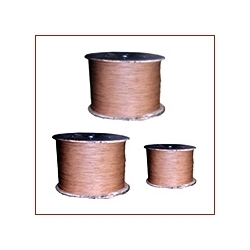
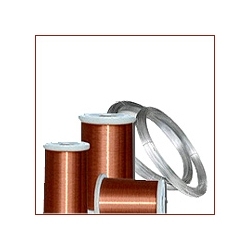
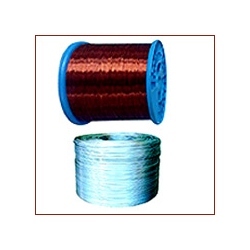
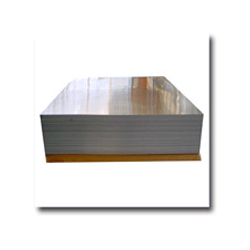
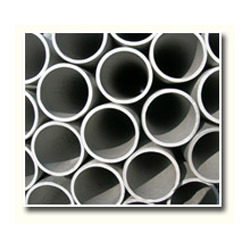
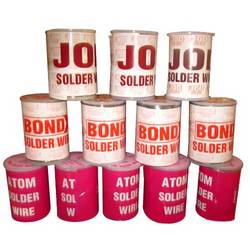
𝗪𝗵𝗮𝘁 𝗮𝗿𝗲 𝗘𝗹𝗲𝗰𝘁𝗿𝗶𝗰𝗮𝗹 𝗚𝗿𝗮𝗱𝗲 𝗠𝗲𝘁𝗮𝗹 𝗖𝗼𝗻𝗱𝘂𝗰𝘁𝗼𝗿𝘀?
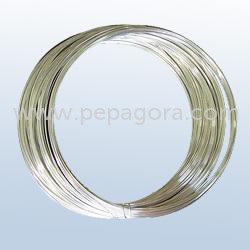
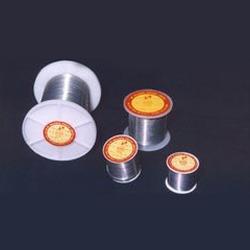
Electrical Grade Metal Conductors are essential components used in various electrical systems for their ability to efficiently carry electrical currents. These conductors are made of high-purity metals, primarily copper or aluminum, which are known for their excellent electrical conductivity. The materials used ensure minimal resistance, allowing for optimal performance in electrical applications.
These conductors find primary use in electrical wiring, power generation, and transmission systems. They are integral in connecting electrical devices, such as transformers and motors, ensuring reliable operation across various applications including industrial, commercial, and residential installations. The increasing demand for energy-efficient solutions and the expansion of electrical infrastructure globally solidify the relevance of Electrical Grade Metal Conductors in today's market.
𝗞𝗲𝘆 𝗙𝗲𝗮𝘁𝘂𝗿𝗲𝘀 𝗮𝗻𝗱 𝗦𝗽𝗲𝗰𝗶𝗳𝗶𝗰𝗮𝘁𝗶𝗼𝗻𝘀
Electrical Grade Metal Conductors possess several features that make them suitable for a wide range of applications. These specifications highlight their capabilities and the conditions under which they operate optimally.
Key specifications include:
1. Electrical Conductivity
- High conductivity ensures efficient energy transfer
- Typically ranges from 57 to 61 MS/m for copper, 35 to 38 MS/m for aluminum
2. Tensile Strength
- Indicates the maximum stress the conductor can withstand before failure
- Common ranges include 200 to 250 MPa for copper, 120 to 200 MPa for aluminum
3. Corrosion Resistance
- Ability to resist degradation in various environments
- Important for applications in outdoor and industrial settings
4. Temperature Rating
- Operating temperature limits ensure safety and performance
- Generally rated for continuous operation between -40°C to 90°C
5. Insulation Type
- Common insulation types include PVC, XLPE, and rubber
- Insulation protects against short circuits and external damage
6. Diameter
- Available in various diameters to suit different applications
- Common sizes range from 1 mm to 10 mm
7. Length
- Conductors are available in standard and custom lengths
- Standard lengths typically range from 100 meters to 1000 meters
8. Compliance Standards
- Adheres to international standards such as CE marking
- Ensures quality and safety in manufacturing processes
In summary, Electrical Grade Metal Conductors are defined by their excellent conductivity, strength, and insulation properties, making them suitable for diverse applications in the electrical industry.
𝗖𝗼𝗺𝗺𝗼𝗻 𝗔𝗽𝗽𝗹𝗶𝗰𝗮𝘁𝗶𝗼𝗻𝘀 𝗮𝗻𝗱 𝗨𝘀𝗲 𝗖𝗮𝘀𝗲𝘀
Electrical Grade Metal Conductors are widely utilized across various industries due to their effectiveness in transmitting electricity.
1. Power Generation: In power plants, these conductors are used to connect generators to transformers, facilitating efficient energy transfer from generation to distribution.
2. Construction: In building projects, electrical conductors are essential for wiring systems that power lighting and HVAC systems, ensuring safety and functionality.
3. Telecommunications: These conductors are integral in telecommunications infrastructure, providing the necessary connections for data transmission systems.
4. Transportation: In railways, electrical conductors power signaling systems and controls, ensuring the smooth operation of transit services.
5. Automotive: Used in electric vehicles, these conductors facilitate the efficient transfer of electricity from batteries to motors and charging systems.
6. Manufacturing: In factories, conductors are crucial for powering machinery, tools, and automated systems, enhancing productivity.
7. Renewable Energy: In solar and wind energy systems, these conductors are vital for connecting panels and turbines to inverters and grids.
𝗣𝗿𝗼𝗱𝘂𝗰𝘁 𝗩𝗮𝗿𝗶𝗮𝗻𝘁𝘀 𝗮𝗻𝗱 𝗦𝘂𝗯𝗰𝗮𝘁𝗲𝗴𝗼𝗿𝗶𝗲𝘀
Electrical Grade Metal Conductors come in various variants to meet specific industry needs. While detailed subcategories are not available, several common types are widely recognized.
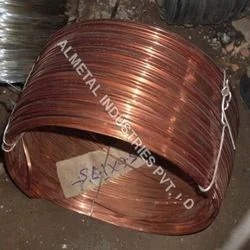
Copper Conductors: These are known for their exceptional conductivity and flexibility. They are often used in residential and commercial electrical wiring, power distribution, and telecommunications.
Aluminum Conductors: Lighter and more cost-effective than copper, aluminum conductors are commonly used in overhead power lines and large-scale electrical installations where weight is a consideration.
Tinned Copper Conductors: These conductors are coated with a layer of tin to enhance corrosion resistance. They are ideal for marine and outdoor applications where exposure to moisture is a concern.
Stranded Conductors: Composed of multiple smaller wires twisted together, stranded conductors offer enhanced flexibility and are typically used in applications requiring bending or movement.
Solid Conductors: Made from a single solid wire, these conductors are often preferred for fixed installations where flexibility is less critical.
𝗕𝗲𝗻𝗲𝗳𝗶𝘁𝘀 𝗮𝗻𝗱 𝗔𝗱𝘃𝗮𝗻𝘁𝗮𝗴𝗲𝘀
Electrical Grade Metal Conductors provide numerous advantages that enhance their appeal to businesses.
1. High Conductivity: The superior conductivity of these conductors ensures efficient energy transmission, reducing energy loss.
2. Durability: Made from high-quality materials, they are designed to withstand harsh environmental conditions, providing long-term reliability.
3. Versatility: Their diverse applications across industries make them suitable for a wide range of projects.
4. Cost-Effectiveness: With the option of aluminum conductors, businesses can achieve significant savings in material costs while maintaining performance.
5. Safety: Insulated conductors reduce the risk of electrical hazards, enhancing safety in installations.
6. Compliance: Adhering to international standards ensures that these conductors meet safety, quality, and efficiency requirements.
𝗕𝘂𝘆𝗶𝗻𝗴 𝗚𝘂𝗶𝗱𝗲 𝗳𝗼𝗿 𝗕𝟮𝗕 𝗕𝘂𝘆𝗲𝗿𝘀
When sourcing Electrical Grade Metal Conductors, it is critical to assess several factors to ensure the right choice for your business needs.
1. Quality Assessment: Evaluate the quality of conductors based on material specifications and performance standards. High-purity metals provide better conductivity and durability.
2. Supplier Verification: Research suppliers to confirm their reputation and capability. Look for certifications like CE that indicate adherence to quality standards.
3. Pricing and MOQ: Consider the pricing structures and minimum order quantities (MOQ) offered by suppliers. Aim for a balance between cost and quality.
4. Delivery and Lead Times: Understand the logistics involved in delivery. Ensure suppliers can meet your timeline requirements without compromising on quality.
5. Compliance Requirements: Verify that the conductors meet necessary regulatory compliance. This includes adherence to local and international standards.
𝗖𝗼𝗺𝗽𝗹𝗶𝗮𝗻𝗰𝗲 𝗮𝗻𝗱 𝗖𝗲𝗿𝘁𝗶𝗳𝗶𝗰𝗮𝘁𝗶𝗼𝗻𝘀
Electrical Grade Metal Conductors are subject to various quality standards and certifications that ensure their reliability and safety in applications.
ISO 9001 is a key quality management standard that many manufacturers adhere to, ensuring consistent quality in production processes. This certification demonstrates a commitment to maintaining high standards.
CE marking signifies that the products meet European safety, health, and environmental requirements. This certification is crucial for conducting business within the European market.
Safety and testing requirements are vital in the manufacturing of electrical conductors. Regular testing for electrical and mechanical properties ensures that products perform as expected under various conditions.
Regional compliance considerations may vary based on local regulations. It is essential for suppliers to be aware of these requirements to ensure products are compliant with regional standards.
𝗪𝗵𝘆 𝗦𝗼𝘂𝗿𝗰𝗲 𝗘𝗹𝗲𝗰𝘁𝗿𝗶𝗰𝗮𝗹 𝗚𝗿𝗮𝗱𝗲 𝗠𝗲𝘁𝗮𝗹 𝗖𝗼𝗻𝗱𝘂𝗰𝘁𝗼𝗿𝘀 𝗳𝗿𝗼𝗺 𝗣𝗲𝗽𝗮𝗴𝗼𝗿𝗮?
Pepagora provides a trusted platform for sourcing Electrical Grade Metal Conductors, offering several key advantages that simplify the purchasing process for businesses.
Verified Supplier Network: Pepagora connects buyers with a network of verified suppliers. This ensures that businesses can source from reputable manufacturers who meet quality standards.
Streamlined RFQ Process: The Request for Quotation (RFQ) system allows buyers to efficiently compare offers from multiple suppliers, ensuring they get the best value for their needs.
Trade Assurance and Support: Pepagora offers trade assurance, providing buyers with protection throughout the purchasing process. This support helps ensure a secure transaction environment.
Regional Coverage: With a geographic reach that includes India, the Gulf Cooperation Council (GCC), and Southeast Asia, Pepagora facilitates connections between businesses and suppliers across these regions, enhancing accessibility and convenience.

 IN
IN
 India
India