IN
IN₹
Apparel & Fashion
Description
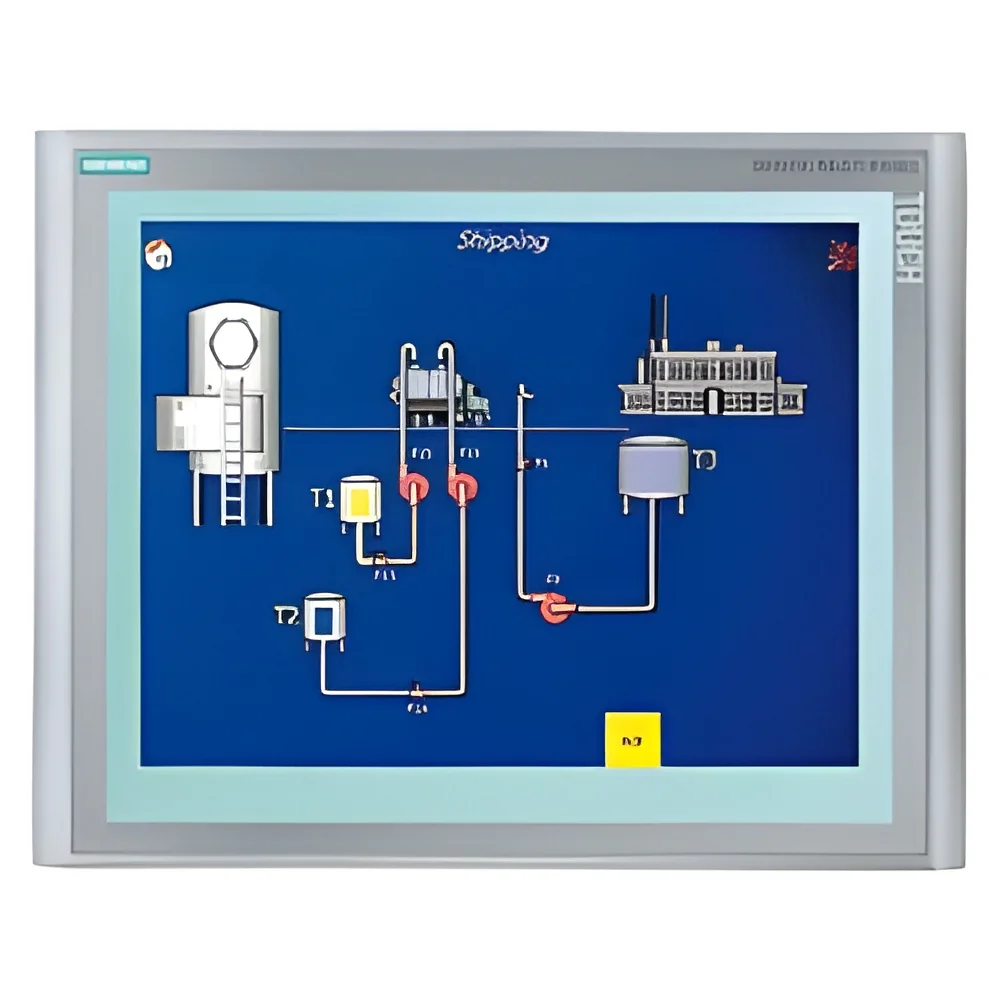
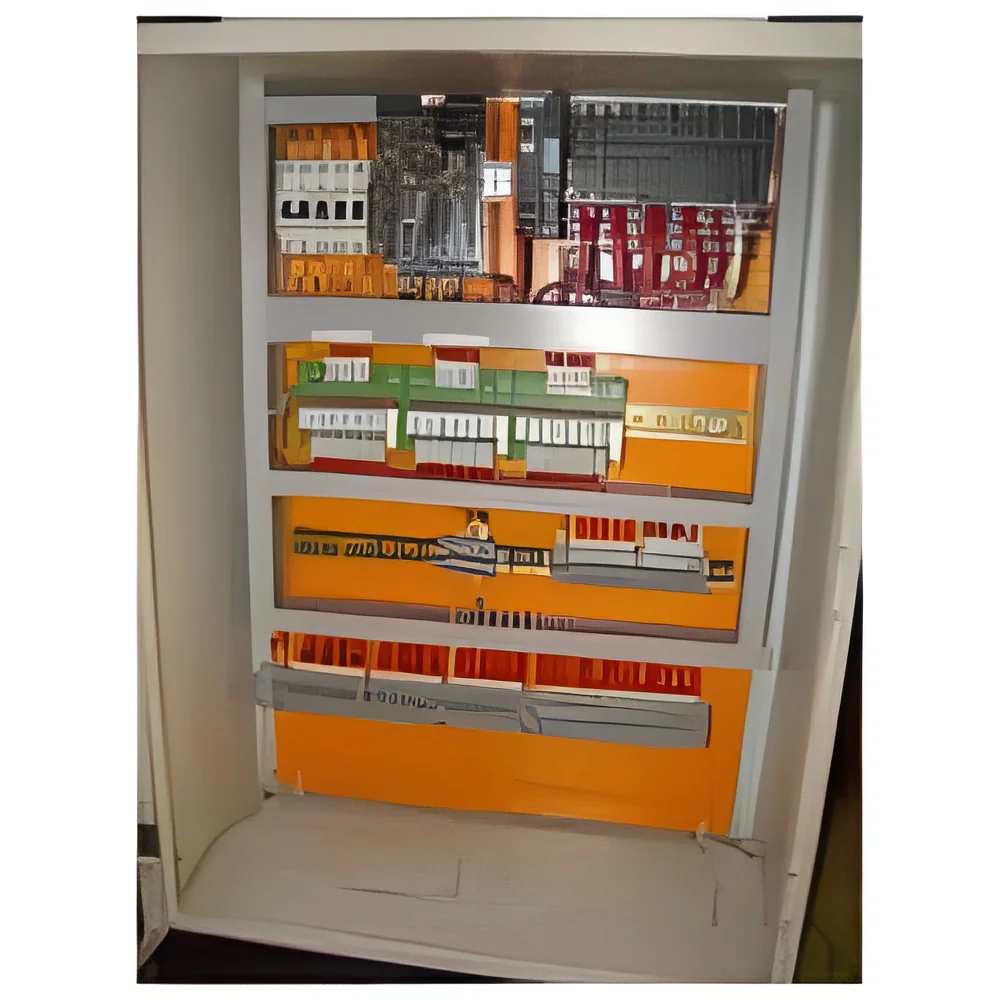
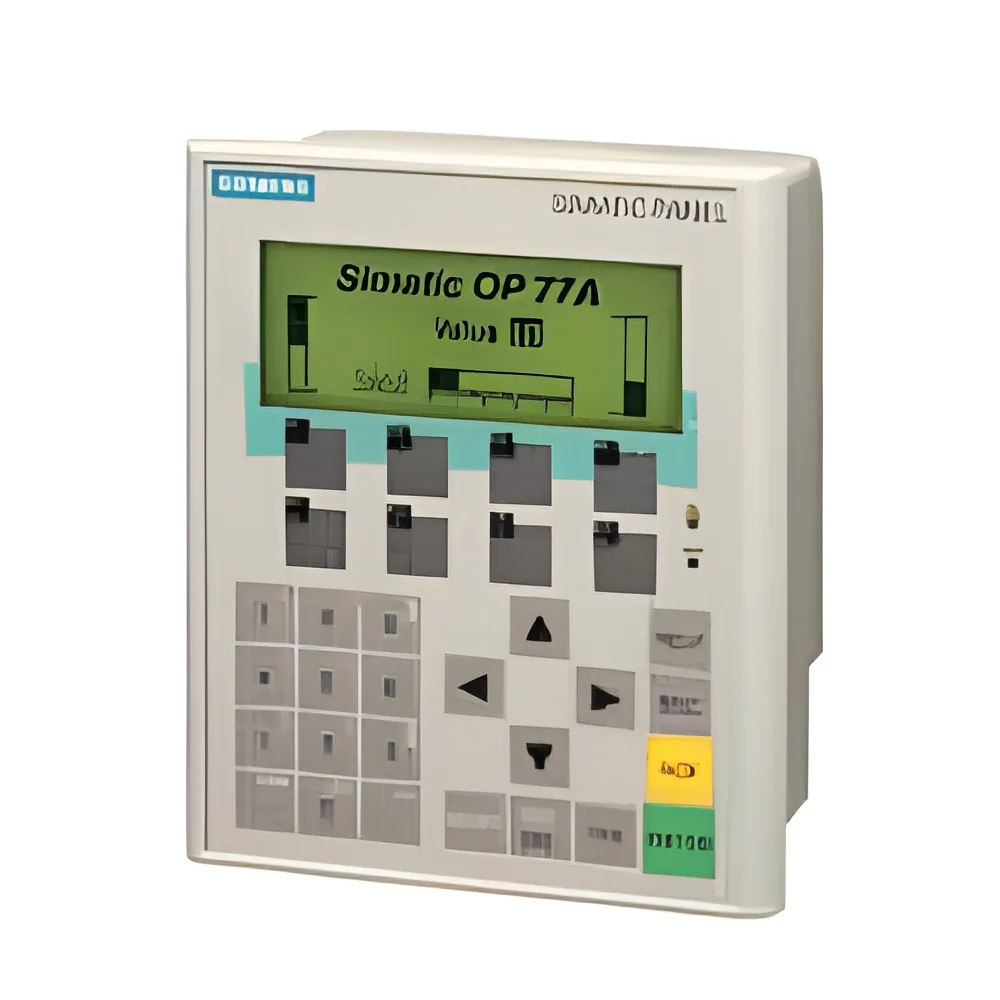
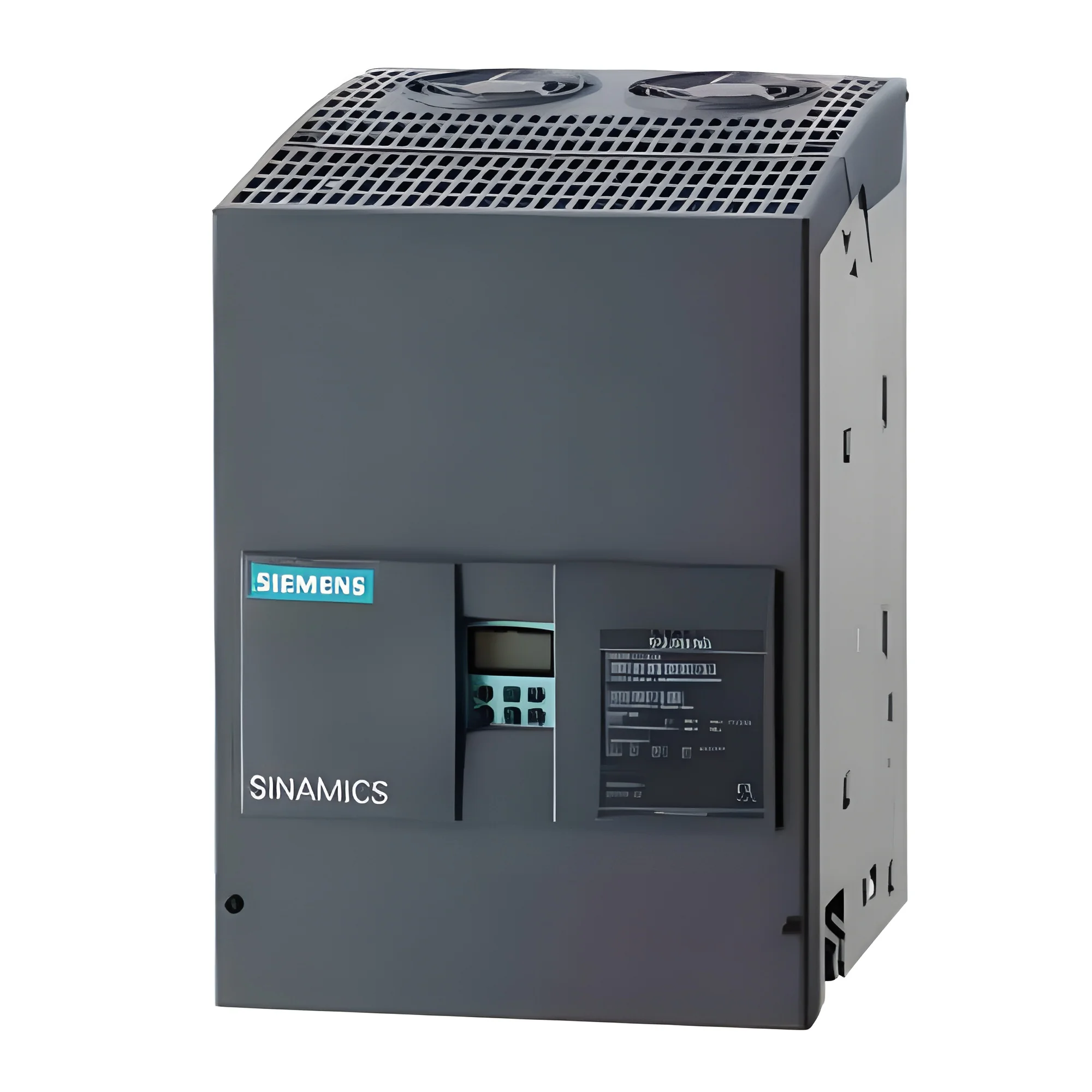
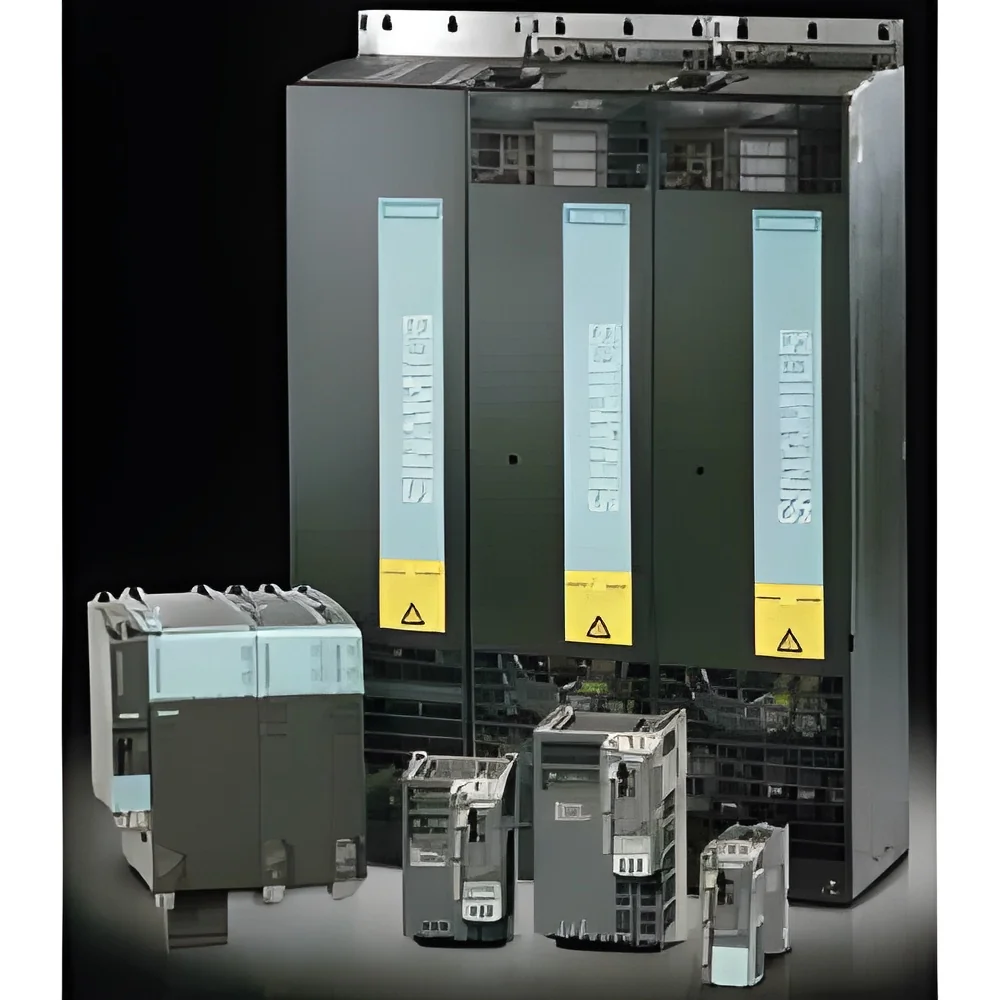
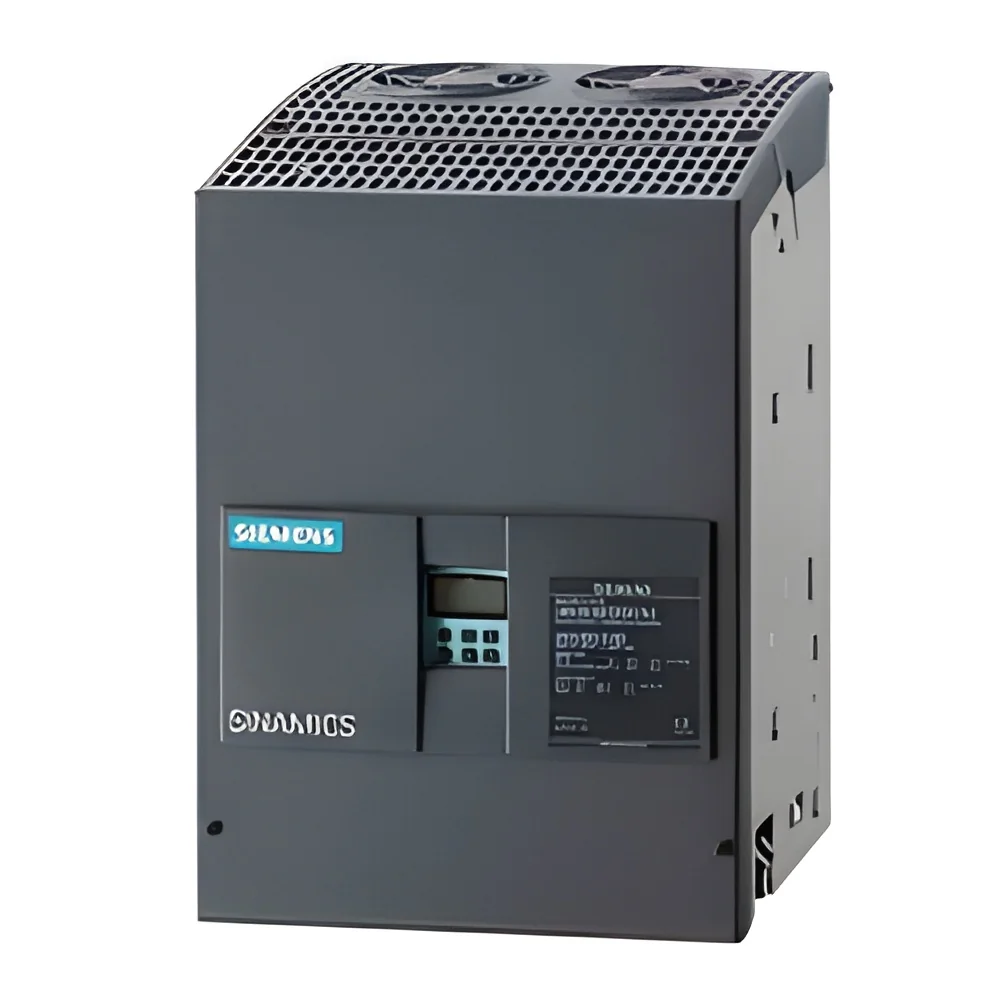
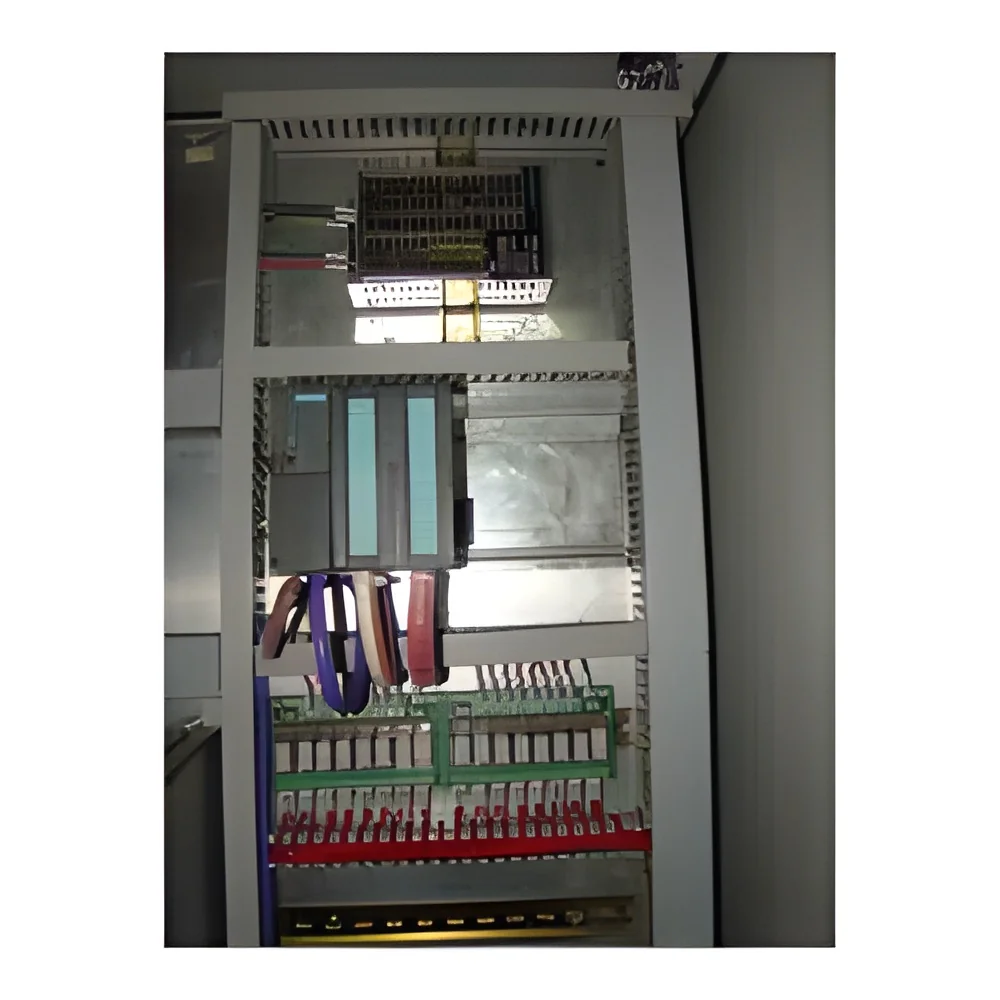
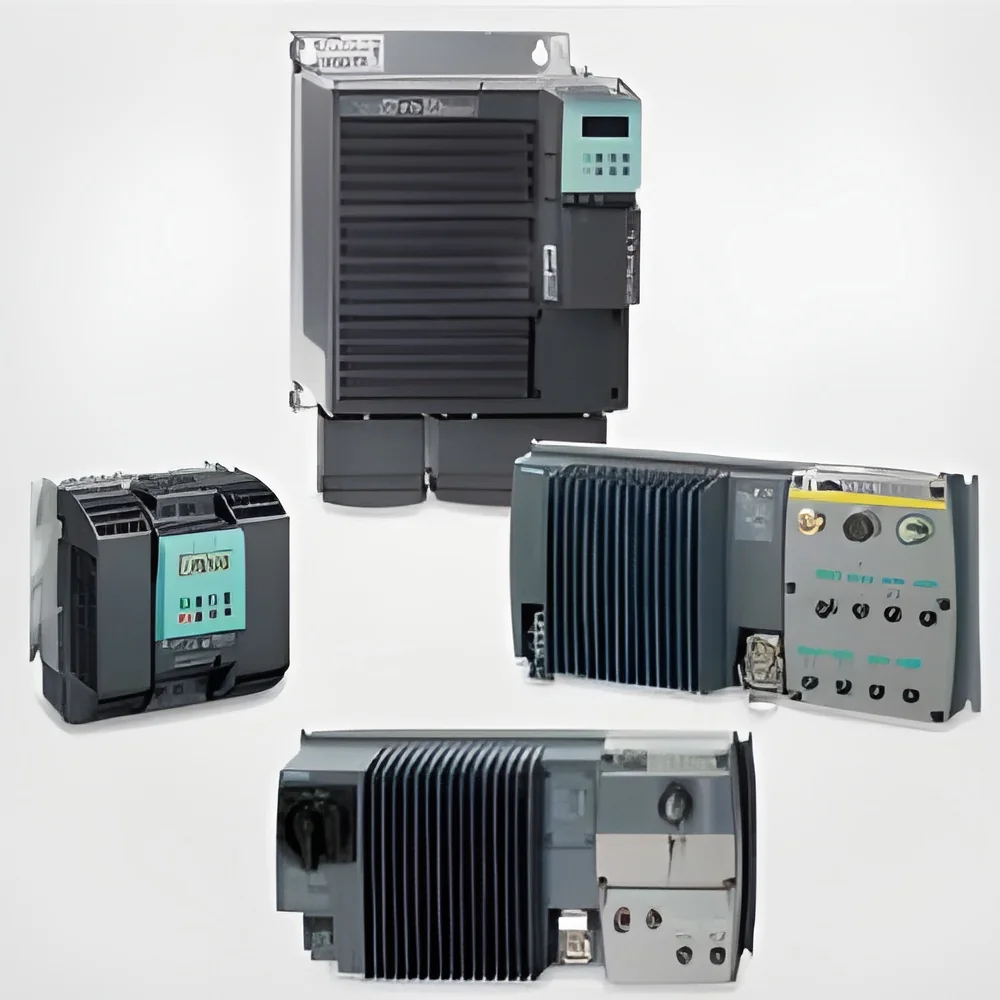
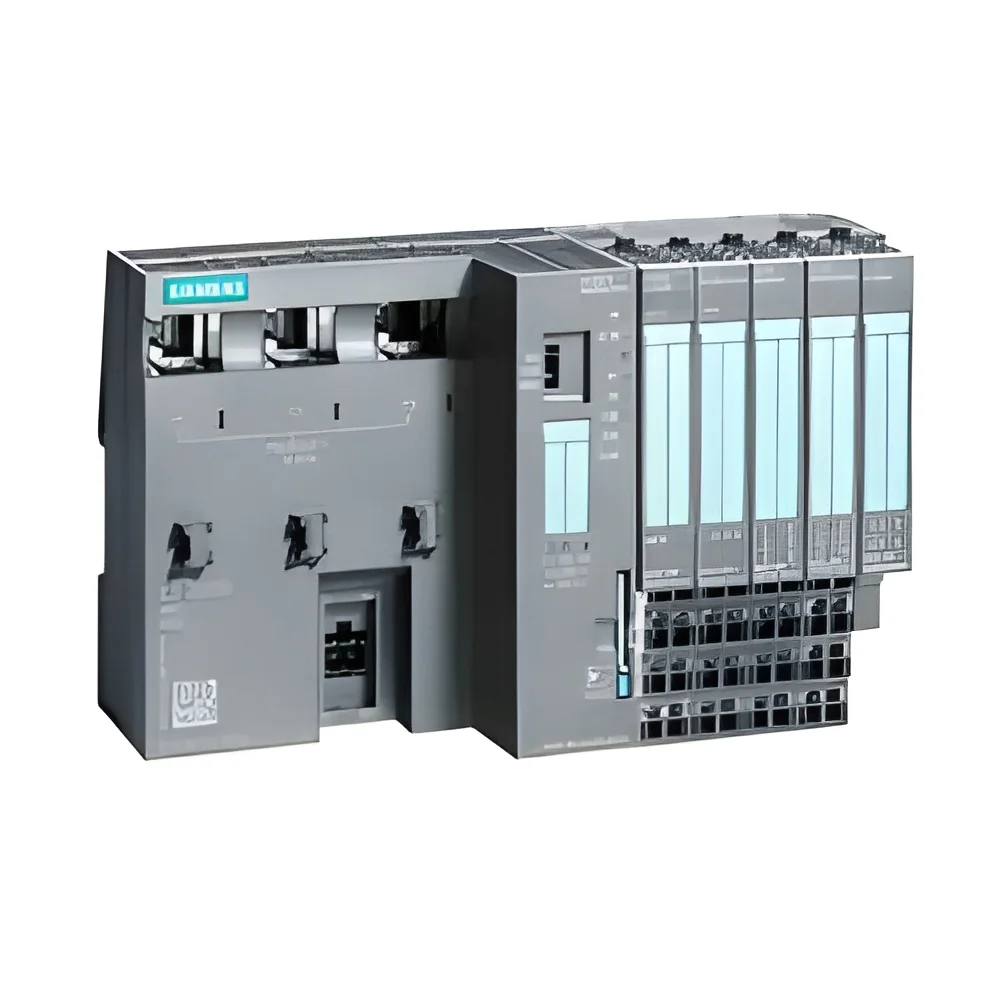
Industrial Automation Remote I/O PLC Systems are engineered to extend the reach and capability of central programmable logic controllers. They function as reliable outposts, gathering data from sensors and executing control commands for actuators located far from the main control cabinet. By transmitting this information over robust industrial networks, they enable real-time monitoring and adjustment of processes across vast distances. This architecture is fundamental for modern, distributed industrial operations, offering a practical solution to the challenges of wiring complexity and signal integrity over long runs. The systems are built with a focus on durability and precise communication, ensuring that critical data is delivered accurately and without delay for effective process management.

These systems are indispensable across heavy industries where control points are scattered. In manufacturing, they are deployed on sprawling factory floors to coordinate assembly lines, robotic...
Industrial Automation Remote I/O PLC Systems are engineered to extend the reach and capability of central programmable logic controllers. They function as reliable outposts, gathering data from sensors and executing control commands for actuators located far from the main control cabinet. By transmitting this information over robust industrial networks, they enable real-time monitoring and adjustment of processes across vast distances. This architecture is fundamental for modern, distributed industrial operations, offering a practical solution to the challenges of wiring complexity and signal integrity over long runs. The systems are built with a focus on durability and precise communication, ensuring that critical data is delivered accurately and without delay for effective process management.

These systems are indispensable across heavy industries where control points are scattered. In manufacturing, they are deployed on sprawling factory floors to coordinate assembly lines, robotic cells, and material handling systems. The energy sector utilizes them to monitor remote substations, pipeline valves, and generation equipment, while infrastructure projects rely on them for water treatment automation and building management systems. Industries with stringent hygiene or safety standards, such as pharmaceuticals and food processing, value their ability to place I/O points directly in cleanrooms or hazardous areas, reducing cable penetrations and improving compliance. Their versatility supports applications from simple motor start/stop commands to complex analog loop control for temperature or pressure.

Investing in Remote I/O PLC Systems delivers tangible business value through enhanced operational reliability and reduced lifetime costs. Their primary advantage is the drastic reduction in wiring, which lowers initial installation expenses, minimizes potential failure points, and simplifies troubleshooting and maintenance. The modular, scalable design protects your investment by allowing easy expansion as production needs grow, without requiring a complete system overhaul. Built to withstand harsh industrial environments—including wide temperature ranges, vibration, and electrical noise—they minimize unplanned downtime. This rugged reliability, combined with support for open communication standards, ensures a future-proof automation layer that drives efficiency, safety, and consistent product quality for years to come.

Key Features:
- Modular and scalable architecture for straightforward system expansion and reconfiguration.
- Support for a wide range of analog and digital I/O signals to interface with diverse field devices.
- Ruggedized hardware construction rated for reliable operation in extreme temperatures and high EMI/EMC environments.
- Real-time data exchange with central controllers using proven protocols like Profinet, EtherNet/IP, and Modbus TCP.
- Significant reduction in control panel size and wiring costs through distributed I/O placement.

Benefits:
- Lowers total project cost by reducing wiring, conduit, and installation labor requirements.
- Enhances system flexibility and scalability to easily adapt to changing production or process needs.
- Improves operational reliability with durable components designed for 24/7 performance in tough conditions.
- Enables precise, real-time control and monitoring of equipment spread across large geographical areas.
- Simplifies maintenance and diagnostics through centralized access to distributed I/O point status and data.
Specifications
| Additional Information | |
|---|---|
| Country of Origin | India |
Application
Remote I/O PLC Systems streamline industrial automation by centralizing control of distributed sensors and actuators across extensive facilities. They eliminate the need for extensive wiring runs, significantly reducing installation complexity and material costs while improving system scalability and flexibility for future expansion. This makes them ideal for large plants or harsh environments where traditional wiring is impractical or too expensive.
These systems seamlessly integrate with existing PLC and SCADA architectures, supporting various industry-standard communication protocols. This compatibility ensures they can be deployed in diverse sectors like automotive manufacturing, pharmaceutical production, and energy distribution without disrupting current operations. Their robust design guarantees reliable performance in conditions with extreme temperatures, moisture, or electromagnetic interference, safeguarding critical process data and control signals.
- Automating and synchronizing robotic arms and conveyor systems in automotive assembly plants for consistent throughput.
- Monitoring pressure, flow, and tank levels in oil and gas pipelines and refinery processing units.
- Controlling mixing, dosing, and packaging equipment in pharmaceutical and food & beverage production lines.
- Managing pump stations, filtration, and chemical feed systems in municipal water and wastewater treatment facilities.
- Supervising environmental parameters and equipment status in renewable energy sites like wind farms and solar parks.
Trade Details
| Available Stock | In Stock |
| Sample Availability | No |
Payment Terms
| Payment Terms |
|
Company Profile
Active Systems, Maharashtra
 Maharashtra, India
Maharashtra, IndiaIndustrial Equipment & Machinery•Manufacturer•Distributor / Wholesaler•Importer / Exporter
Factory Details
Factory SizeBelow 1000 sqm
Annual Production Capacity0
Industrial Automation Remote I/O PLC Systems For Real Time Control
Industrial Automation Remote I/O PLC Systems provide reliable, scalable real-time control for manufacturing, energy, and infrastructure. These durable systems enable precise data acquisition and process management with high customization.
Min. Order Quantity: 1 unit
Shipping
Shipping fee and delivery date to be negotiated. Contact supplier now for more details.
Active Systems
 Maharashtra, India
Maharashtra, IndiaIndustrial Equipment & MachineryManufacturer