IN
IN₹
Apparel & Fashion
Description
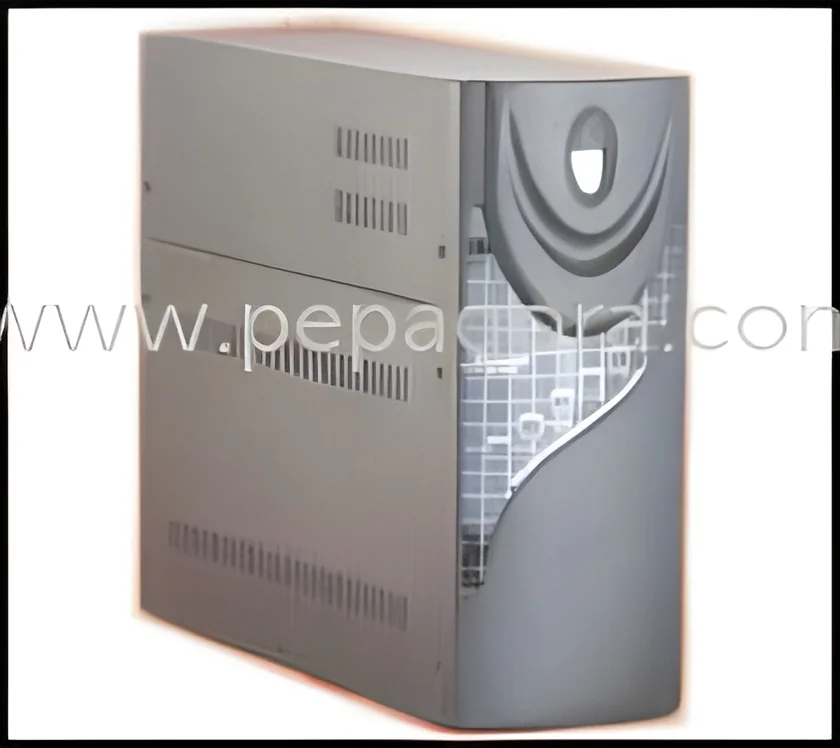
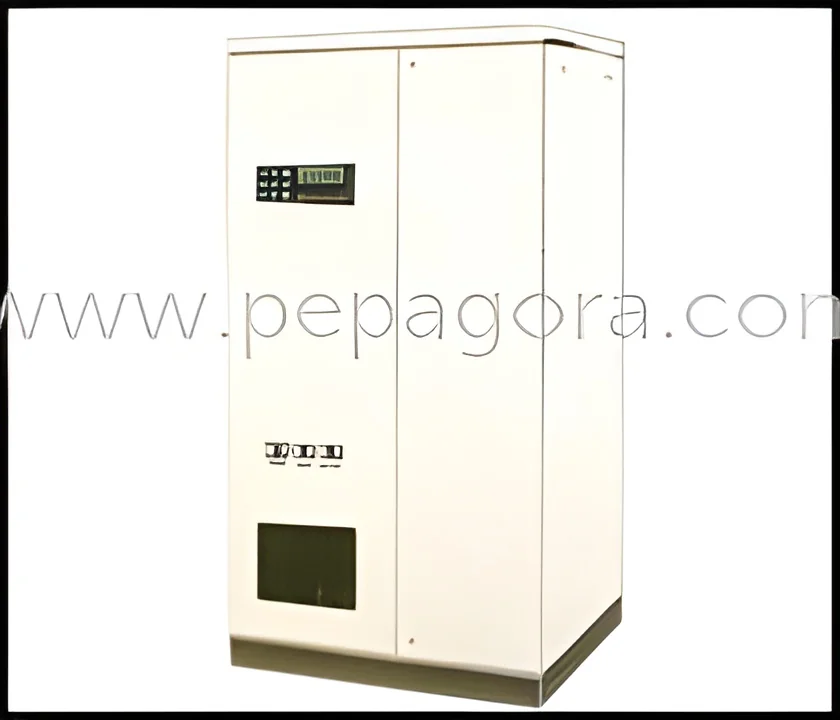
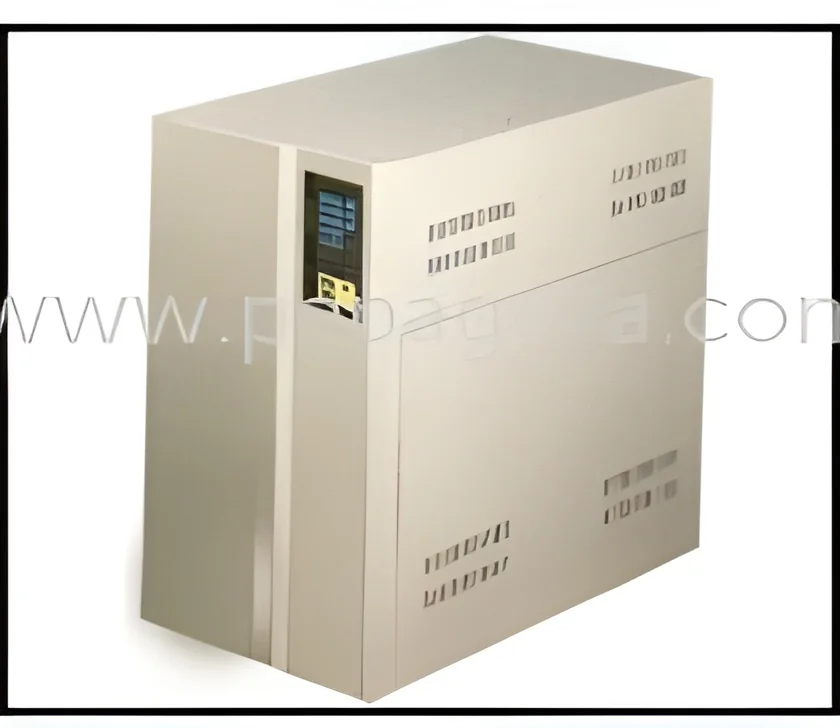
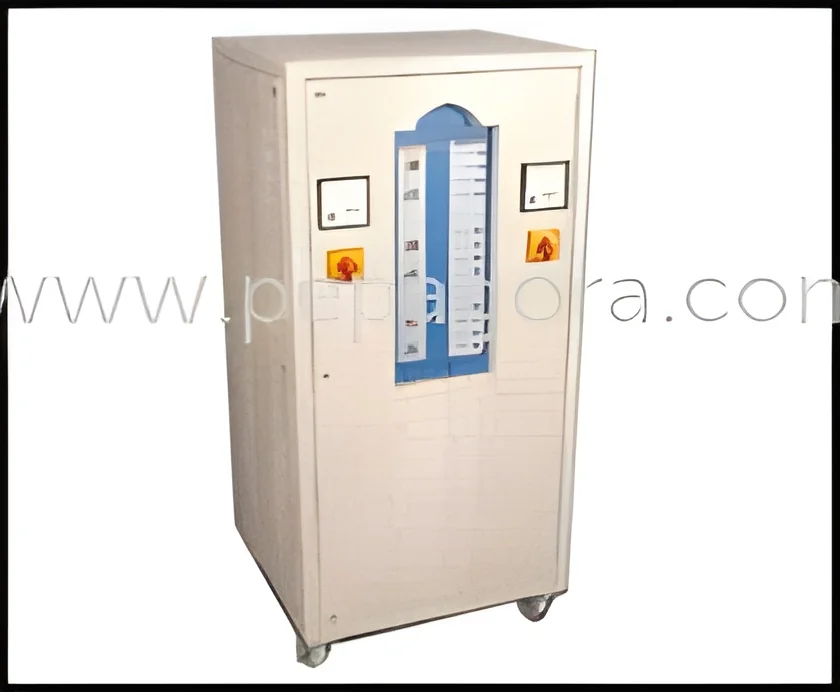
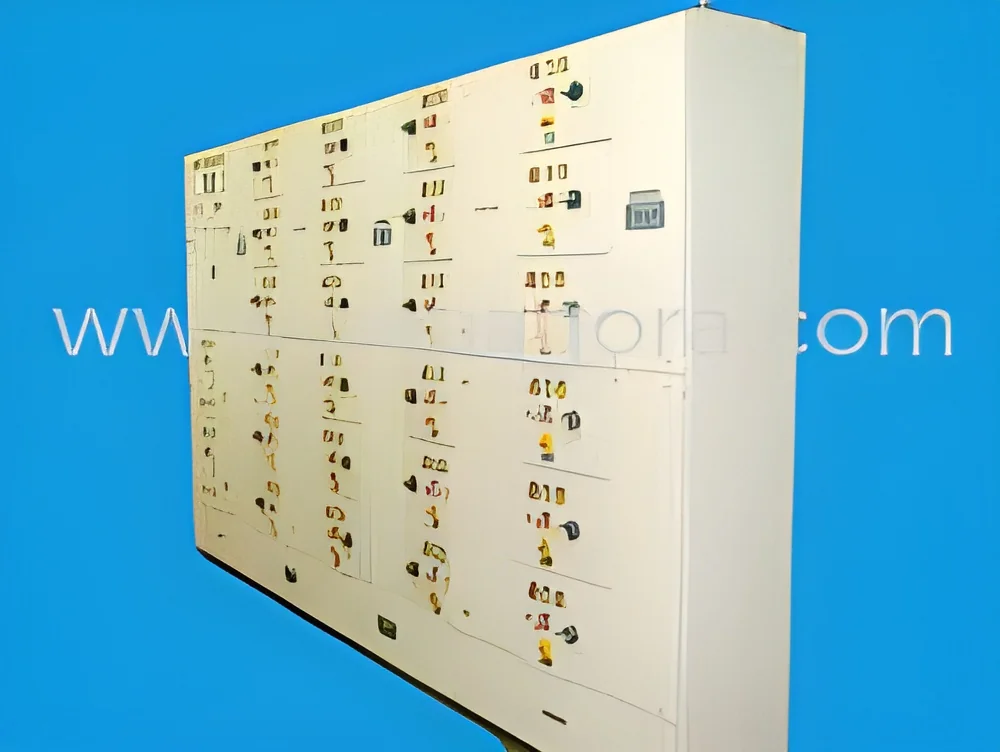
Industrial Motor Control Centers (MCCs) are comprehensive electrical assemblies designed to centralize the control, protection, and monitoring of multiple electric motors within a single, organized enclosure. By integrating motor starters, circuit breakers, variable frequency drives, and control components, they eliminate scattered control panels and complex wiring networks. This consolidation enhances operational clarity, improves safety through systematic overload and fault protection, and boosts energy efficiency by optimizing motor performance. Built with industrial durability in mind, MCCs offer a robust solution for managing motor-driven processes reliably, making them a foundational element for modern industrial automation and smart facility management.

These control centers are deployed across a vast spectrum of industries where motor reliability dictates operational success. In manufacturing, they are the nerve center for production lines, driving everything from precision ro...
Industrial Motor Control Centers (MCCs) are comprehensive electrical assemblies designed to centralize the control, protection, and monitoring of multiple electric motors within a single, organized enclosure. By integrating motor starters, circuit breakers, variable frequency drives, and control components, they eliminate scattered control panels and complex wiring networks. This consolidation enhances operational clarity, improves safety through systematic overload and fault protection, and boosts energy efficiency by optimizing motor performance. Built with industrial durability in mind, MCCs offer a robust solution for managing motor-driven processes reliably, making them a foundational element for modern industrial automation and smart facility management.

These control centers are deployed across a vast spectrum of industries where motor reliability dictates operational success. In manufacturing, they are the nerve center for production lines, driving everything from precision robotic cells to heavy-duty material handling systems. Water and wastewater treatment plants depend on them to control critical pump and aeration systems, ensuring uninterrupted service and regulatory compliance. The commercial sector utilizes MCCs to manage building infrastructure, efficiently operating HVAC systems, elevators, and water pumps. Furthermore, sectors like mining, oil and gas, and food & beverage leverage their rugged designs to maintain operations in challenging environments, underscoring their versatility and critical role in industrial and infrastructural resilience.

Implementing a Motor Control Center delivers tangible business value by streamlining operations, reducing costs, and mitigating risks. Their centralized design drastically cuts down on installation time, wiring expenses, and the physical footprint required for motor control. This leads to lower initial setup costs and simplified maintenance, as technicians can access all components from one location. The inherent reliability, backed by robust construction and adherence to international electrical standards, minimizes unplanned downtime and extends equipment lifespan. This reliability translates directly to sustained productivity, reduced total cost of ownership, and enhanced safety for both personnel and capital equipment, providing a solid return on investment and a competitive operational edge.

Key Features:
- Centralized enclosure for organizing and protecting multiple motor starters, breakers, and control devices.
- Modular, compartmentalized design allowing for easy customization, future expansion, and maintenance.
- Integrated safety systems including overload relays, short-circuit protection, and ground-fault monitoring.
- Durable construction with high-grade materials offering resistance to dust, moisture, vibration, and corrosion.
- Energy-optimizing components like smart starters and VFDs to manage motor speed and reduce power consumption.

Benefits:
- Simplifies electrical infrastructure, reducing installation complexity, space requirements, and wiring costs.
- Enhances operational safety by centralizing protection features, minimizing electrical hazards for personnel.
- Increases system uptime and reliability through organized, accessible components and robust fault protection.
- Offers scalability to adapt to growing or changing operational needs without complete system replacement.
- Lowers long-term energy and maintenance costs through efficient motor control and easier troubleshooting access.
Specifications
| Additional Information | |
|---|---|
| Country of Origin | India |
Application
Motor Control Centers centralize the command and protection of multiple electric motors, significantly enhancing operational safety and efficiency. They simplify complex electrical layouts, reduce installation time, and minimize the risk of downtime by providing organized, accessible control points. This makes them indispensable for facilities where coordinated motor operation is critical to daily processes and overall productivity.
These systems are engineered for demanding environments across key sectors. Industries such as manufacturing, water and wastewater management, and large-scale commercial infrastructure rely on them for reliable, round-the-clock operation. Their design supports scalable operations, allowing facilities to expand their automation capabilities without complete system overhauls, ensuring a future-proof investment for growing operational needs.
- Automating and synchronizing conveyor systems, robotic arms, and assembly lines in automotive and general manufacturing plants.
- Managing pump stations, blowers, and filtration systems in municipal water treatment and wastewater processing facilities.
- Controlling centralized HVAC systems, fans, and pumps in large commercial complexes, hospitals, and data centers.
- Operating crushers, conveyors, and ventilation equipment in mining and aggregate processing operations.
- Running mixers, conveyors, and packaging machinery in food processing and pharmaceutical production lines.
Trade Details
| Available Stock | In Stock |
| Sample Availability | No |
Payment Terms
| Payment Terms |
|
Company Profile
Micron Systems & Controls Pvt Ltd, Karnataka
 Karnataka, India
Karnataka, IndiaElectronics & Electrical•Manufacturer
Factory Details
Factory SizeBelow 1000 sqm
Annual Production Capacity0
Industrial Motor Control Centers For Automation Safety Efficiency
Industrial Motor Control Centers provide centralized control, safety, and energy efficiency for automation systems. These reliable units are used in manufacturing, water treatment, and commercial buildings for durable motor management.
Min. Order Quantity: 1 unit
Shipping
Shipping fee and delivery date to be negotiated. Contact supplier now for more details.
Micron Systems & Controls Pvt Ltd
 Karnataka, India
Karnataka, IndiaElectronics & ElectricalManufacturer