
 IN
Cut-Resistant Gloves
2 products available
What are Cut-Resistant Gloves?
Cut-resistant gloves are specialized safety gloves designed to protect hands from cuts and abrasions while handling sharp objects. These gloves are made from advanced materials that provide a high level of protection against cutting hazards in various work environments. They are often engineered using fibers such as Kevlar or high-performance polyethylene, which are known for their durability and cut-resistance.
These gloves are primarily used in industries where workers frequently handle sharp tools or materials. Common applications include metal fabrication, glass handling, construction, and food processing. The need for hand protection in these sectors is critical, given the potential for serious injuries. As safety regulations become more stringent, the demand for cut-resistant gloves continues to grow, making them a vital component of personal protective equipment (PPE) in many workplaces.
The market for cut-resistant gloves is expanding, driven by increasing awareness of workplace safety and the need for compliance with safety standards. Companies are investing in quality hand protection solutions to ensure employee safety and minimize injury-related costs. This growing focus on workplace safety presents significant opportunities for suppliers and manufacturers of cut-resistant gloves.
Key Features and Specifications
Cut-resistant gloves come with various features to enhance safety and usability. Understanding these specifications is essential for selecting the right gloves for your needs.
Key specifications include:
1. Cut Resistance Level
- Measured according to the EN 388 standard, this level indicates the glove's ability to withstand cuts.
- Ranges from Level A (minimal protection) to Level F (maximum protection).
2. Material Composition
- Gloves may be made from a blend of materials including Kevlar, steel mesh, and high-performance polyethylene.
- Different combinations provide varying levels of flexibility and protection.
3. Grip Performance
- Many gloves feature textured surfaces to improve grip on various materials.
- This enhances safety and control during handling tasks.
4. Comfort and Fit
- Gloves are designed to offer a snug fit that allows for dexterity and movement.
- Ergonomic designs can reduce hand fatigue during prolonged use.
5. Dexterity Rating
- Some gloves are rated for dexterity, indicating how well they allow for fine motor skills.
- Important for tasks that require precision.
6. Breathability
- Many cut-resistant gloves include breathable materials to enhance comfort during extended wear.
- Helps to keep hands dry and reduce heat buildup.
7. Chemical Resistance
- Some gloves provide additional protection against certain chemicals.
- Important for applications where exposure to hazardous substances is a concern.
8. Compliance and Certifications
- Gloves often meet specific industry standards for safety and performance.
- CE marking indicates compliance with European safety standards.
In summary, understanding the features and specifications of cut-resistant gloves is critical for ensuring adequate protection in various work environments. Selecting gloves that meet the necessary safety standards and fit well is essential for optimal safety and performance.
Common Applications and Use Cases
Cut-resistant gloves find applications across various industries that require hand protection from sharp objects.
1. Manufacturing: Workers in manufacturing environments often handle sharp tools and materials, making cut-resistant gloves essential for preventing injuries.
2. Construction: Construction workers frequently deal with glass, metal, and other sharp materials, necessitating reliable hand protection to ensure safety on the job.
3. Food Processing: In the food industry, employees working with knives and slicers require cut-resistant gloves to reduce the risk of cuts while preparing food.
4. Automotive: Professionals in the automotive sector handle sharp components and tools, benefiting from the protection that cut-resistant gloves provide.
5. Glass Handling: Workers in glass production and handling must wear cut-resistant gloves to protect against cuts from sharp edges.
6. Electrical: Electricians often work with tools that could cause cuts, making cut-resistant gloves important for their safety.
7. Metal Fabrication: In metal fabrication, employees are exposed to sharp edges and tools, requiring gloves that can withstand cuts and abrasions.
Product Variants and Subcategories
Cut-resistant gloves come in various designs and specifications to cater to different needs in the workplace.
Safety Cut Gloves
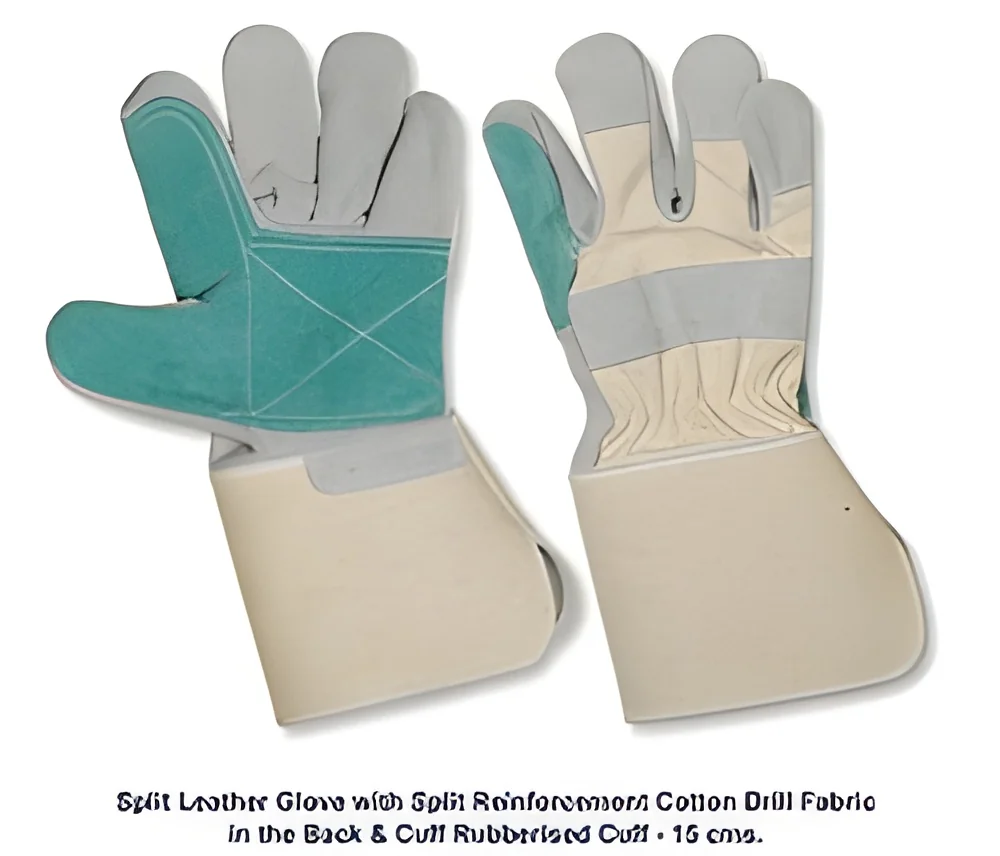
These gloves are designed for high cut resistance and are ideal for manufacturing and construction environments. They often feature reinforced palms and fingers for added durability.
Food Safety Gloves
Specifically designed for the food processing industry, these gloves provide cut resistance while being safe for food handling. They are often made from materials that are easy to clean and maintain.
High-Dexterity Gloves
These gloves offer a balance between cut protection and dexterity, making them suitable for tasks requiring fine motor skills, such as electrical work and assembly.
Waterproof Cut-Resistant Gloves
These gloves provide cut protection while also being waterproof, making them suitable for wet and hazardous environments, such as construction sites during rainy conditions.
Benefits and Advantages
Cut-resistant gloves offer numerous advantages to businesses looking to enhance workplace safety.
1. Enhanced Safety: By providing a barrier against cuts, these gloves significantly reduce the risk of hand injuries.
2. Increased Productivity: With reliable hand protection, workers can focus on their tasks without the fear of injury, leading to improved efficiency.
3. Compliance with Safety Standards: Using cut-resistant gloves helps companies meet safety regulations and standards, reducing liability and compliance issues.
4. Versatility: They can be used across various industries, making them a flexible solution for different work environments.
5. Cost-Effective: Investing in quality cut-resistant gloves can reduce injury-related costs and downtime, making them a smart business decision.
6. Comfort and Functionality: Many gloves are designed for comfort, allowing workers to wear them for extended periods without discomfort.
Buying Guide for B2B Buyers
When sourcing cut-resistant gloves for your business, several factors should be considered to ensure you make the right choice.
1. Quality Assessment: Evaluate the materials and construction of the gloves. Look for gloves that meet recognized safety standards for cut resistance and durability to ensure quality.
2. Supplier Verification: Vet suppliers to ensure they are reputable and provide high-quality products. Check for certifications and customer reviews to gauge their reliability.
3. Pricing and MOQ: Understand the pricing structure and minimum order quantities (MOQ) required by suppliers. This will help in budgeting and planning your purchases.
4. Delivery and Lead Times: Inquire about delivery schedules and lead times to ensure you receive your gloves when needed. Timely delivery is crucial for maintaining safety protocols.
5. Compliance Requirements: Ensure that the gloves meet any relevant industry compliance standards. This is important for legal and safety considerations in your workplace.
Compliance and Certifications
Cut-resistant gloves must adhere to various compliance and certification standards to ensure safety and quality.
Relevant quality standards include ISO 9001, which focuses on quality management systems. This certification ensures that manufacturers consistently produce high-quality products.
CE certification is particularly important in Europe, indicating that the gloves meet health, safety, and environmental protection standards. This certification is a mark of quality and compliance that buyers should look for.
Safety and testing requirements are critical in determining the effectiveness of cut-resistant gloves. Manufacturers often conduct rigorous testing to assess cut resistance levels, ensuring that products meet or exceed industry standards.
Regional compliance considerations may also apply, especially for businesses operating in multiple countries. Familiarity with local regulations and standards can help ensure that gloves meet necessary safety requirements across regions.
Why Source Cut-Resistant Gloves from Pepagora?
Pepagora provides a trusted platform for sourcing cut-resistant gloves with several key advantages that benefit B2B buyers.
Verified Supplier Network: Pepagora features a network of verified suppliers who have undergone thorough vetting processes. This ensures that buyers can access high-quality products and reliable service.
Streamlined RFQ Process: The platform simplifies the request for quotation (RFQ) process, allowing buyers to easily compare offers from multiple suppliers. This efficiency saves time and facilitates better purchasing decisions.
Trade Assurance and Support: Buyers are protected through trade assurance measures, which help to mitigate risks associated with transactions. Comprehensive support is available to address any concerns throughout the sourcing process.
Regional Coverage: Pepagora has a wide geographic reach, covering regions such as India, the GCC, and Southeast Asia. This broad coverage enables businesses to source cut-resistant gloves tailored to their specific market needs.

Frequently Asked Questions
What are Cut-Resistant Gloves?
Cut-Resistant Gloves are specialized protective gloves designed to prevent cuts and lacerations while handling sharp objects. They are made from materials that provide a high level of resistance to cutting hazards, ensuring safety in various industrial and manufacturing processes.
What are the different types of Cut-Resistant Gloves?
There are several types of Cut-Resistant Gloves, including those made from Kevlar, steel mesh, and high-performance polyethylene. Each type offers varying levels of cut resistance and may be suited for different applications, such as food processing, metal fabrication, and glass handling.
How do I choose the right Cut-Resistant Gloves?
To choose the right Cut-Resistant Gloves, consider factors such as the level of cut resistance required, the specific tasks being performed, and the fit and comfort of the gloves. Additionally, evaluate the material properties and any additional features like grip or waterproofing.
What are the standard specifications for Cut-Resistant Gloves?
Standard specifications for Cut-Resistant Gloves typically include cut resistance ratings established by testing methods like ASTM F2992. Specifications may also cover factors such as dexterity, abrasion resistance, and the materials used in construction.
What is the price range for Cut-Resistant Gloves?
The price range for Cut-Resistant Gloves can vary widely depending on material, quality, and brand. Generally, prices can start from around INR 200 for basic models and can go up to INR 2000 or more for high-performance gloves.
What quality standards apply to Cut-Resistant Gloves?
Quality standards for Cut-Resistant Gloves include certifications like EN 388, which assesses cut, abrasion, tear, and puncture resistance. Compliance with these standards ensures that the gloves provide the necessary protection for specific industrial applications.
Where can I find Cut-Resistant Gloves suppliers in India?
You can find Cut-Resistant Gloves suppliers in India through B2B marketplaces like Pepagora.com, industry trade shows, and local safety equipment suppliers. It is advisable to research and compare suppliers to find the best options for quality and pricing.
Can Cut-Resistant Gloves be customized?
Yes, many manufacturers offer customization options for Cut-Resistant Gloves, allowing businesses to specify features such as sizes, colors, and branding. Custom gloves can enhance company identity while ensuring adequate protection for workers.
What is the typical minimum order quantity for Cut-Resistant Gloves?
The typical minimum order quantity (MOQ) for Cut-Resistant Gloves can vary by supplier, but it often ranges from 50 to 100 pairs. It's advisable to check with specific manufacturers for their MOQ policies.
What is the typical lead time for Cut-Resistant Gloves?
The typical lead time for Cut-Resistant Gloves varies depending on the supplier and the customization options requested. Generally, lead times can range from a few days for standard models to several weeks for customized orders.
Why Businesses Trust Pepagora
Thousands of companies trust Pepagora to source smarter and sell faster
Expand Your Sales Globally

Source Smarter,Grow Faster
