IN
IN₹
Apparel & Fashion
Description
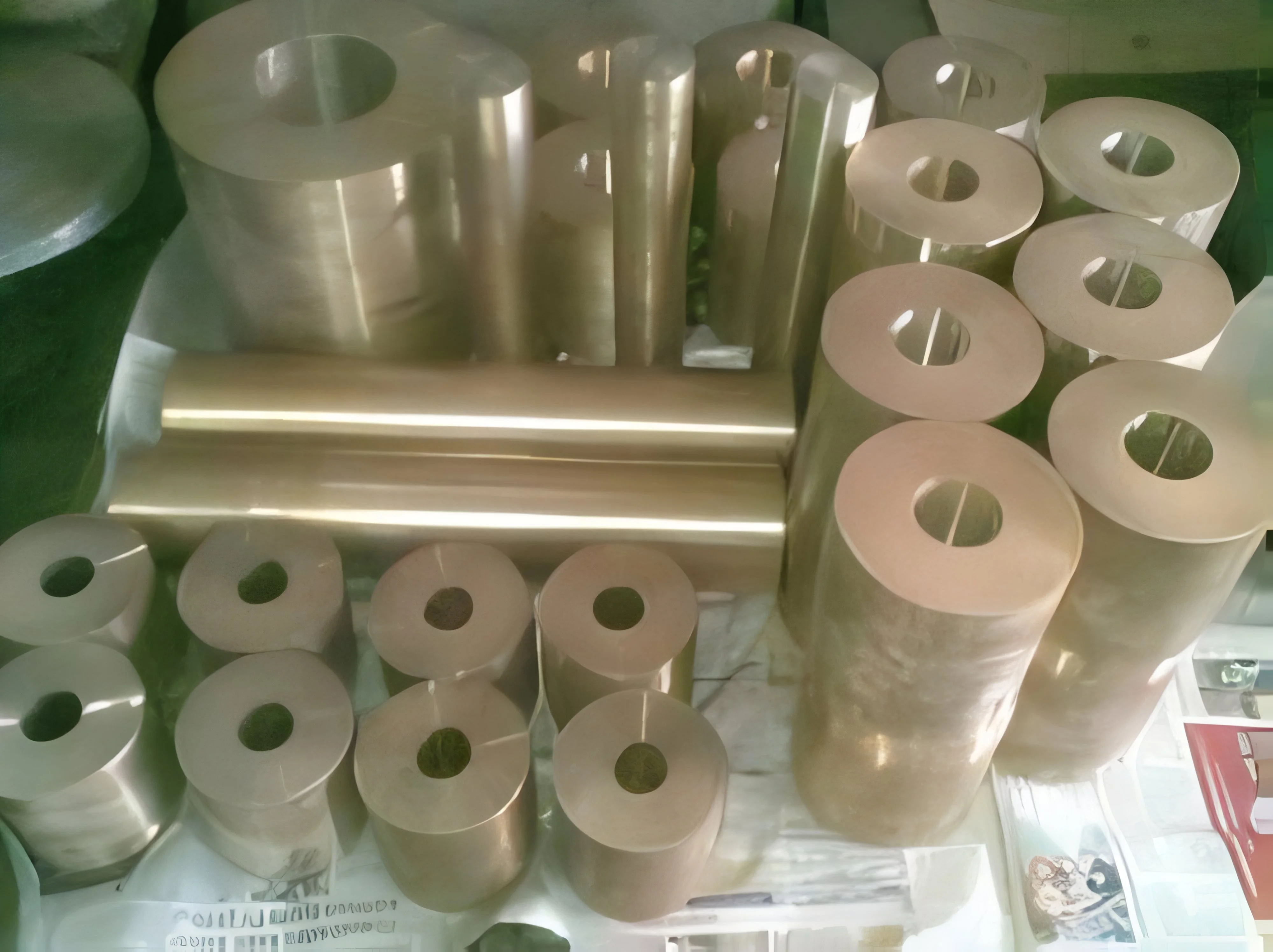
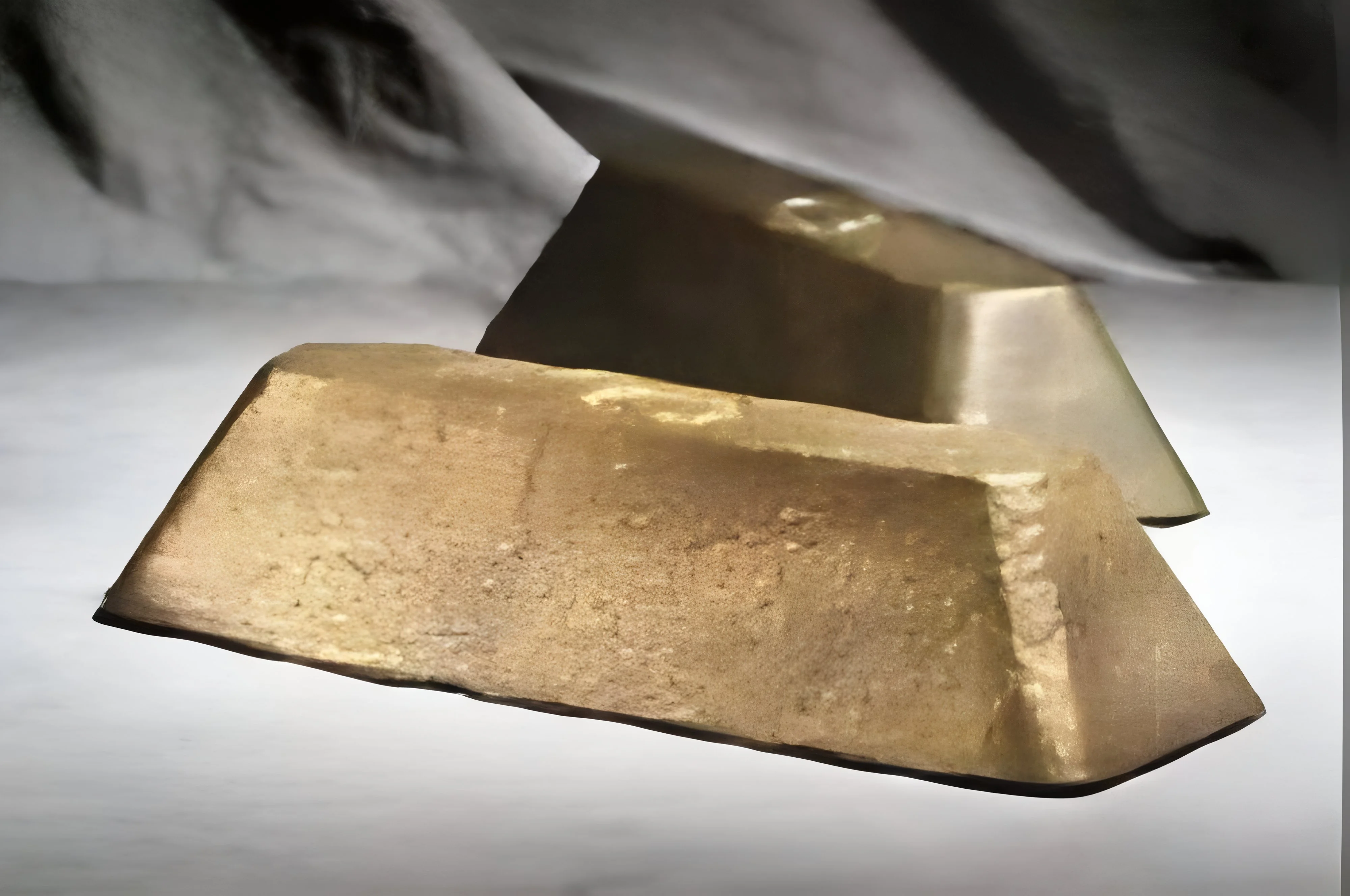
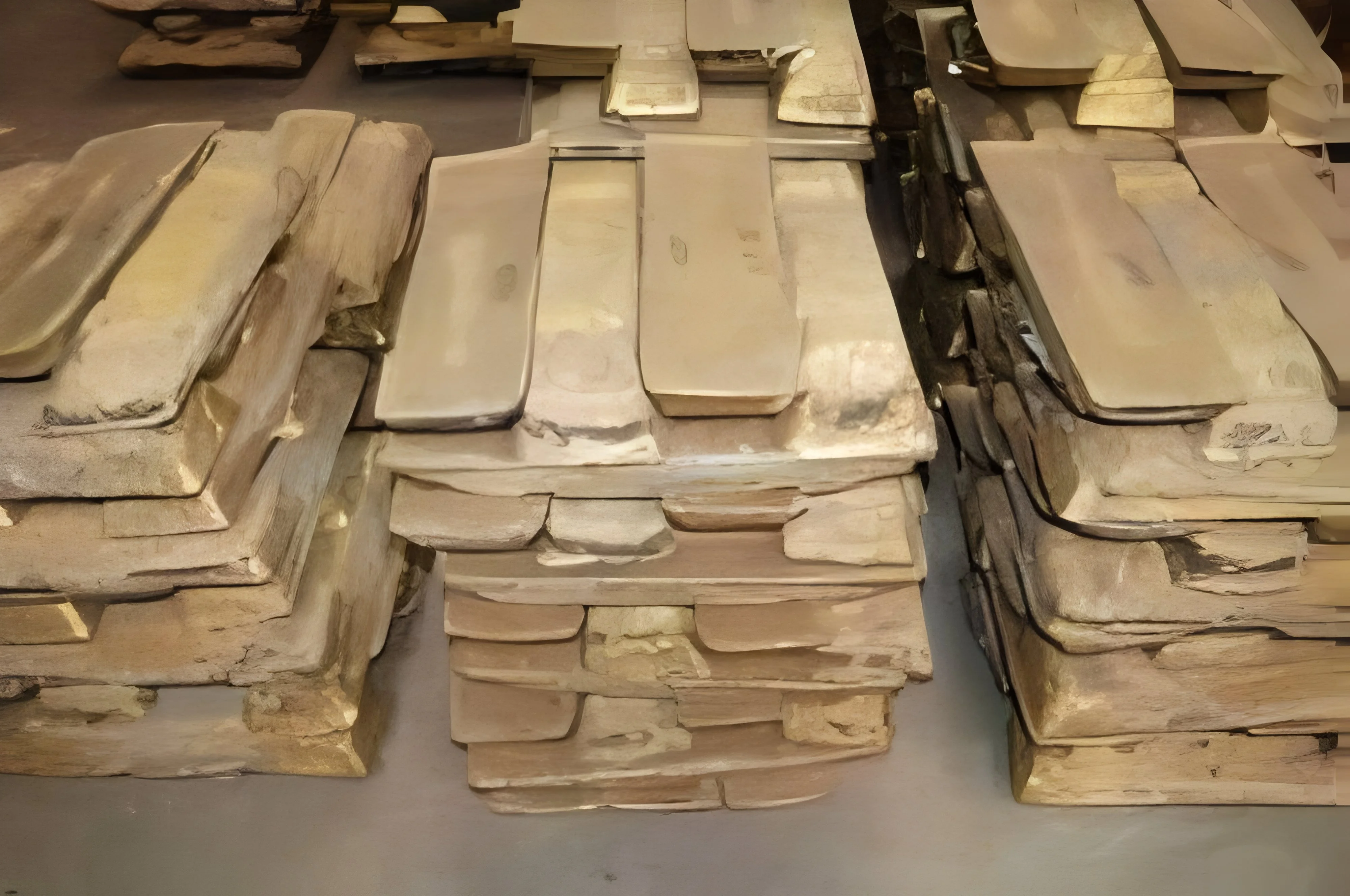
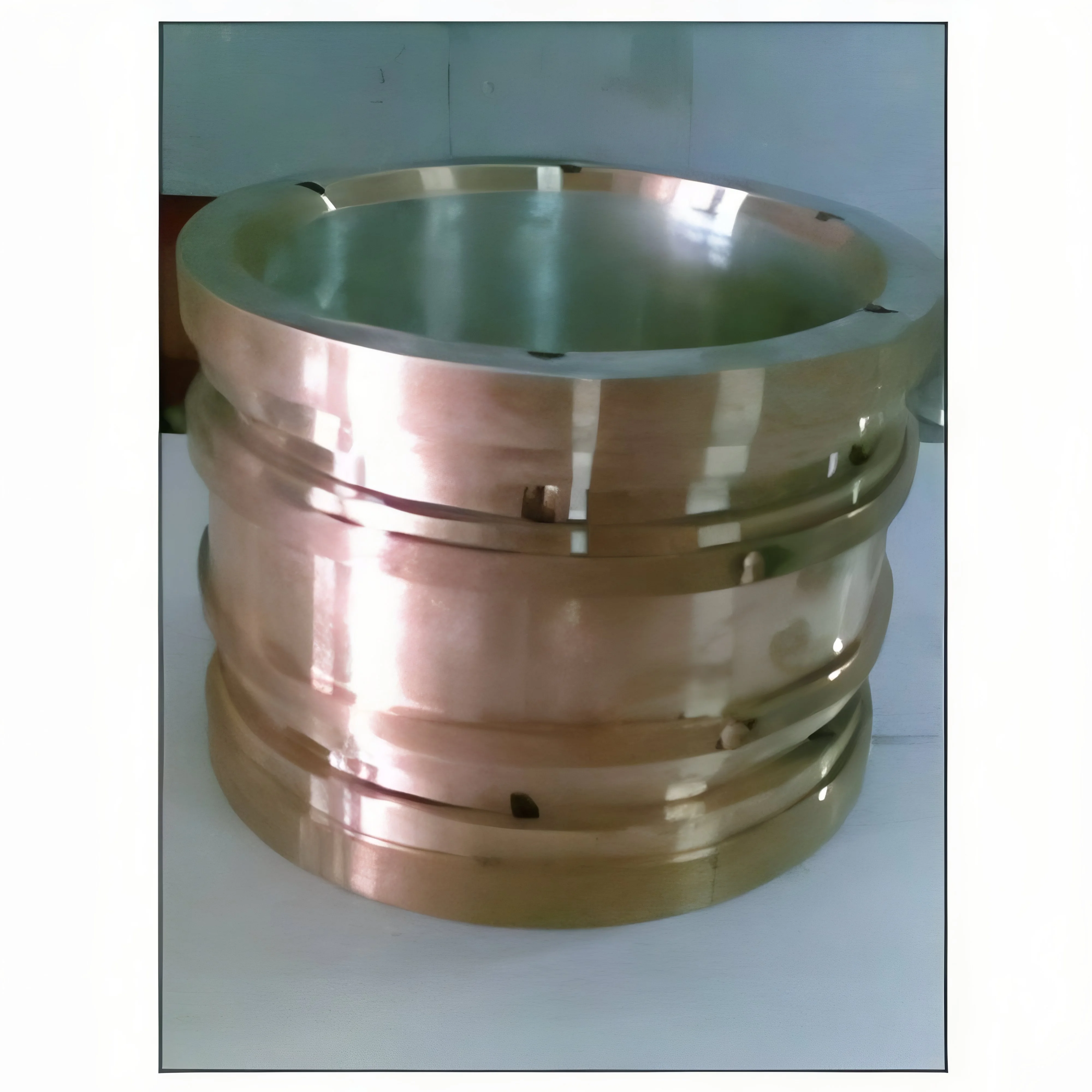
Industrial Copper Castings represent a cornerstone material solution for heavy industry, combining intrinsic material advantages with precision manufacturing. These components are produced using high-grade copper alloys, resulting in parts that offer unmatched thermal conductivity for heat dissipation, excellent electrical conductivity for efficient power flow, and robust resistance to corrosion from moisture, chemicals, and atmospheric exposure. This triad of properties—durability, conductivity, and corrosion resistance—ensures reliable performance in the most challenging operational environments, from high-temperature machinery to submerged marine applications. The casting process allows for the creation of complex, near-net-shape parts that require minimal secondary machining, providing cost-effectiveness and design flexibility for engineers.

The utility of these copper castings spans virtually every major industrial sector. In power generation and distribution, they form the criti...
Industrial Copper Castings represent a cornerstone material solution for heavy industry, combining intrinsic material advantages with precision manufacturing. These components are produced using high-grade copper alloys, resulting in parts that offer unmatched thermal conductivity for heat dissipation, excellent electrical conductivity for efficient power flow, and robust resistance to corrosion from moisture, chemicals, and atmospheric exposure. This triad of properties—durability, conductivity, and corrosion resistance—ensures reliable performance in the most challenging operational environments, from high-temperature machinery to submerged marine applications. The casting process allows for the creation of complex, near-net-shape parts that require minimal secondary machining, providing cost-effectiveness and design flexibility for engineers.

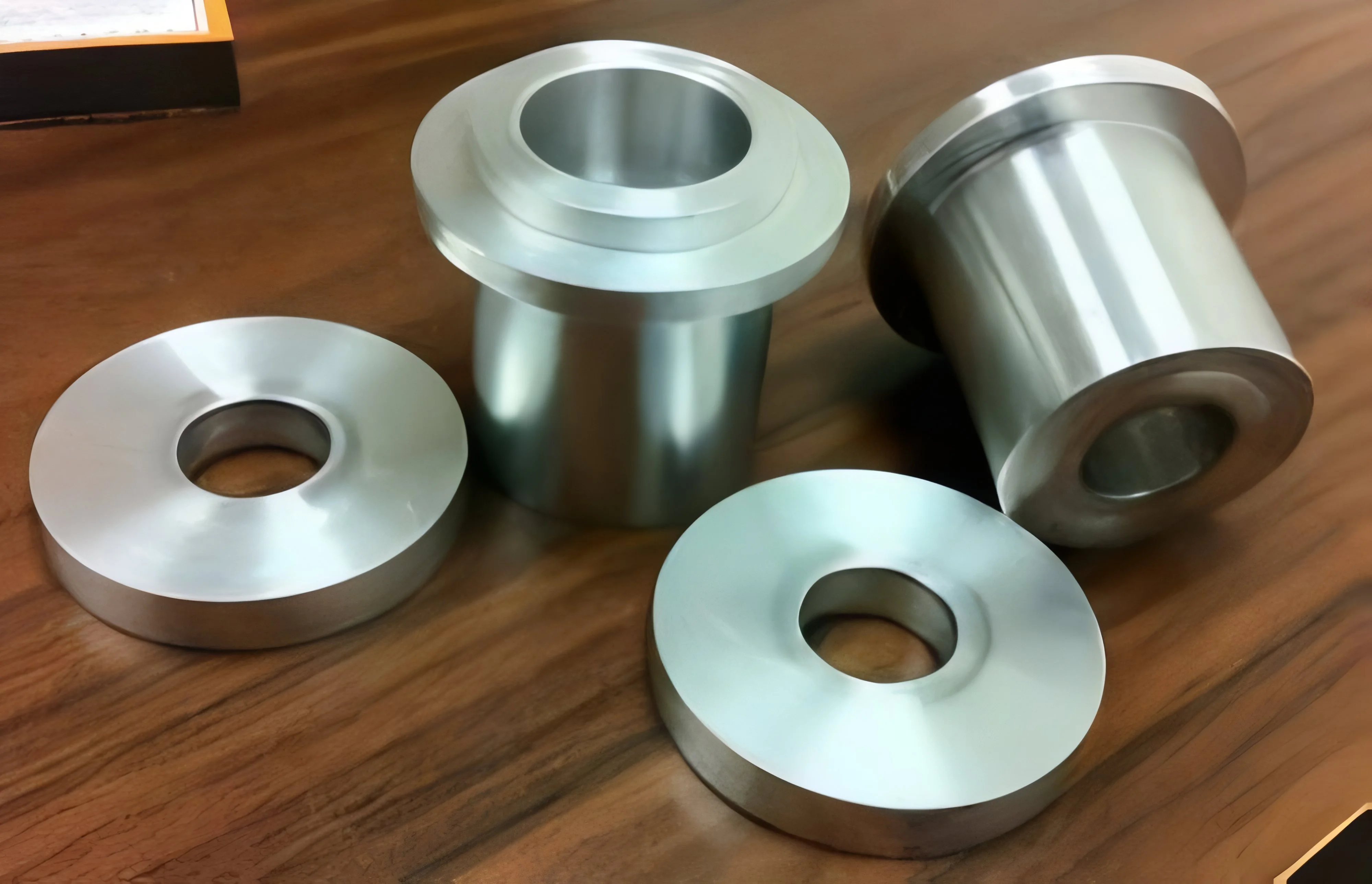
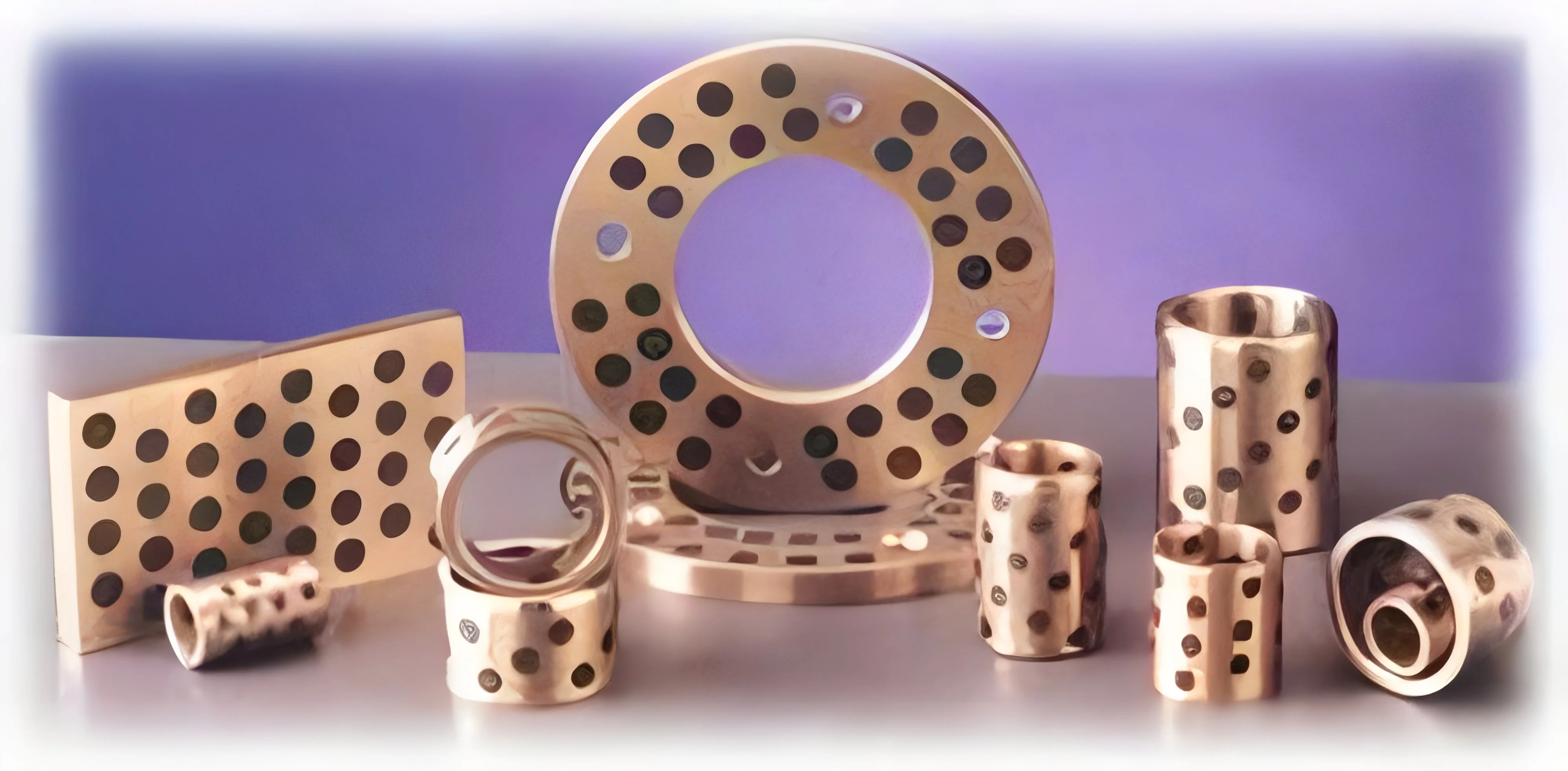
The utility of these copper castings spans virtually every major industrial sector. In power generation and distribution, they form the critical conductive pathways in transformers, generators, and busbar systems. The automotive and heavy equipment industries utilize them for wear-resistant components like bearings, bushings, and synchronizer rings, where their thermal properties help manage frictional heat. For chemical processing, water treatment, and oil & gas, copper castings are specified for valves, pump parts, and fittings that handle corrosive fluids. The construction sector employs them in durable plumbing and HVAC systems, while marine engineering relies on them for propellers, fittings, and hardware that must endure saltwater exposure. This cross-industry adoption underscores their role as a versatile, performance-critical material.

Choosing these copper castings delivers tangible business value through enhanced operational reliability and reduced total cost of ownership. Their durability minimizes unplanned downtime and component replacement, directly impacting production continuity and profitability. The high thermal and electrical conductivity improves system efficiency, which can lead to energy savings in electrical applications and better heat management in mechanical systems. By sourcing castings manufactured to recognized global standards, buyers mitigate supply chain risk and ensure part interchangeability and quality consistency. This reliability translates into stronger end-products, fewer warranty issues, and greater trust from your own customers, making it a strategic procurement decision for long-term operational success.

Key Features:
- Superior thermal conductivity for efficient heat dissipation in mechanical and electrical systems.
- High electrical conductivity ensures minimal energy loss in power transmission components.
- Excellent corrosion resistance protects against degradation in chemical, marine, and outdoor environments.
- High durability and wear resistance suitable for heavy-load and high-stress applications.
- Manufactured to meet international quality and dimensional standards for guaranteed performance.

Benefits:
- Reduces system downtime and maintenance costs through long-lasting, reliable component performance.
- Enhances operational efficiency in electrical systems by minimizing resistive energy losses.
- Extends equipment lifespan in corrosive environments, protecting your capital investment.
- Provides consistent quality and dimensional accuracy for easy integration and assembly.
- Supports the production of high-performance end-products that meet stringent industry requirements.
Specifications
| Additional Information | |
|---|---|
| Country of Origin | India |
Application
These premium copper castings are engineered for demanding environments where failure is not an option. Their exceptional thermal management and electrical performance make them indispensable for critical components in power transmission, machinery, and fluid handling systems. The inherent corrosion resistance ensures longevity even when exposed to aggressive chemicals or marine conditions, reducing total lifecycle costs and maintenance frequency.
From automotive powertrains to renewable energy infrastructure, these castings provide the backbone for reliable operation. They are specified for applications requiring consistent performance under thermal stress and mechanical load. Industries rely on them for parts that must conduct heat or electricity efficiently while withstanding wear, making them a fundamental material choice for engineers and procurement specialists focused on system durability and efficiency.
- Manufacturing of valve bodies, pump housings, and impellers for chemical processing and water treatment plants.
- Production of electrical busbars, connectors, and switchgear components in power generation and distribution networks.
- Fabrication of gears, bearing sleeves, and bushings for automotive transmissions and industrial machinery.
- Creation of heavy-duty plumbing fittings, manifolds, and connectors for commercial and industrial construction.
- Components for marine hardware, offshore platforms, and shipbuilding where saltwater corrosion resistance is critical.
Trade Details
| Available Stock | In Stock |
| Sample Availability | No |
Payment Terms
| Payment Terms |
|
Company Profile
Krishna Metals And Alloys Industries, Gujarat
 Gujarat, India
Gujarat, IndiaManufacturer•Distributor / Wholesaler•Importer / Exporter
Factory Details
Factory SizeBelow 1000 sqm
Annual Production Capacity0
Industrial Copper Castings High Durability Thermal Conductivity Corrosion Resistance
Industrial Copper Castings deliver high durability, superior thermal conductivity, and excellent corrosion resistance for valves, gears, bearings, and fittings. Manufactured to meet global standards for reliable performance across multiple industrial sectors.
Min. Order Quantity: 1 unit
Shipping
Shipping fee and delivery date to be negotiated. Contact supplier now for more details.
Krishna Metals And Alloys Industries
 Gujarat, India
Gujarat, IndiaManufacturer