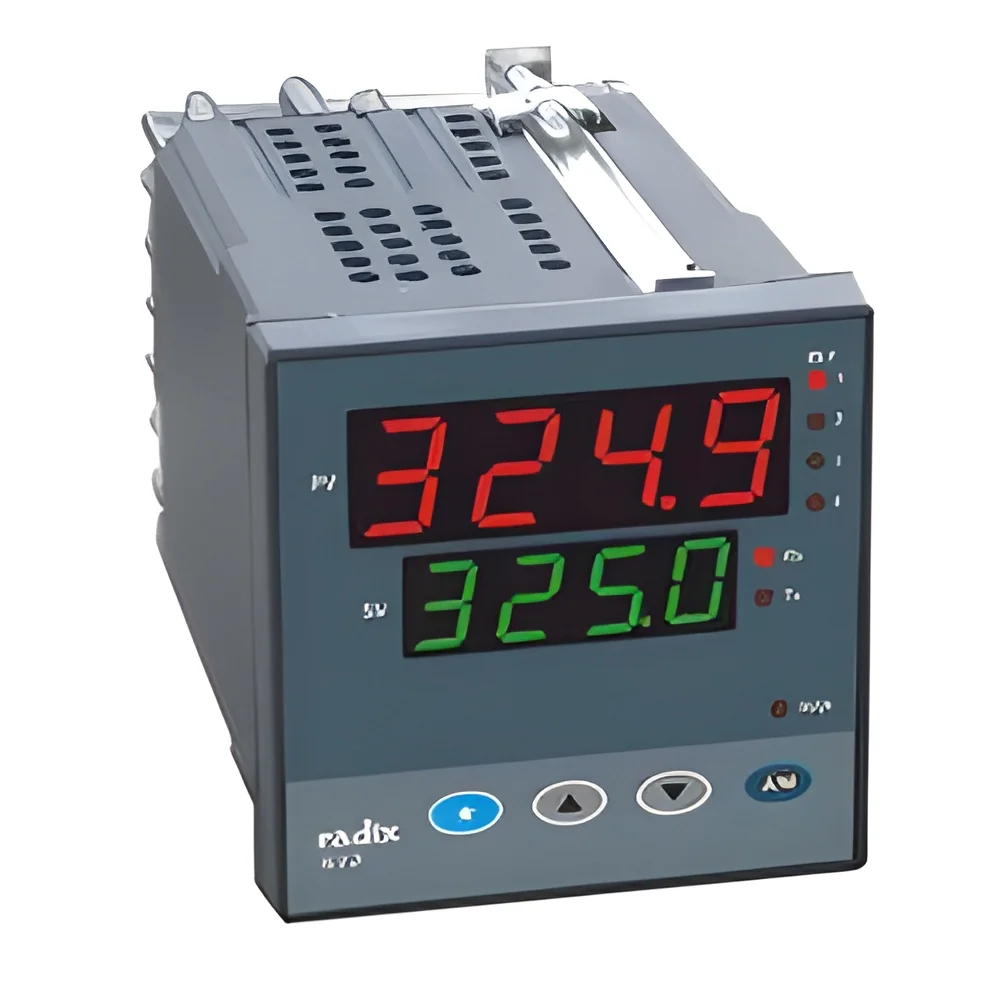
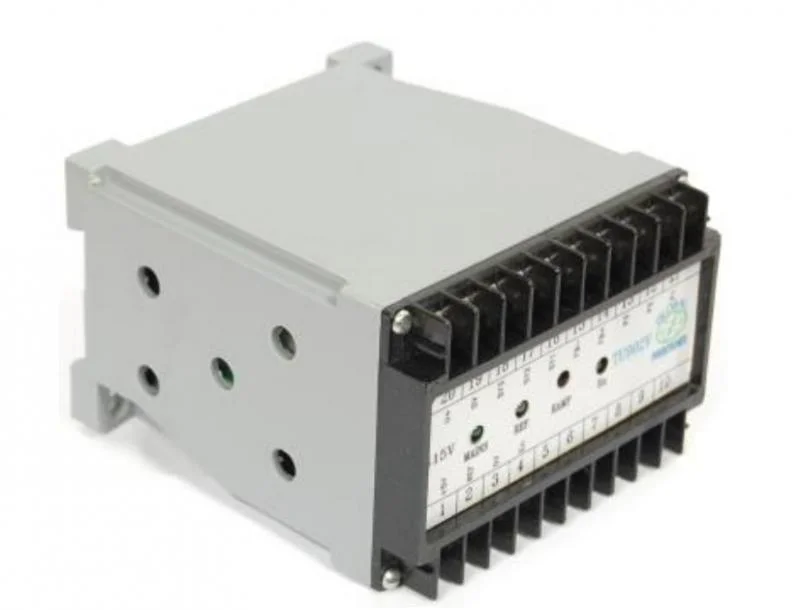
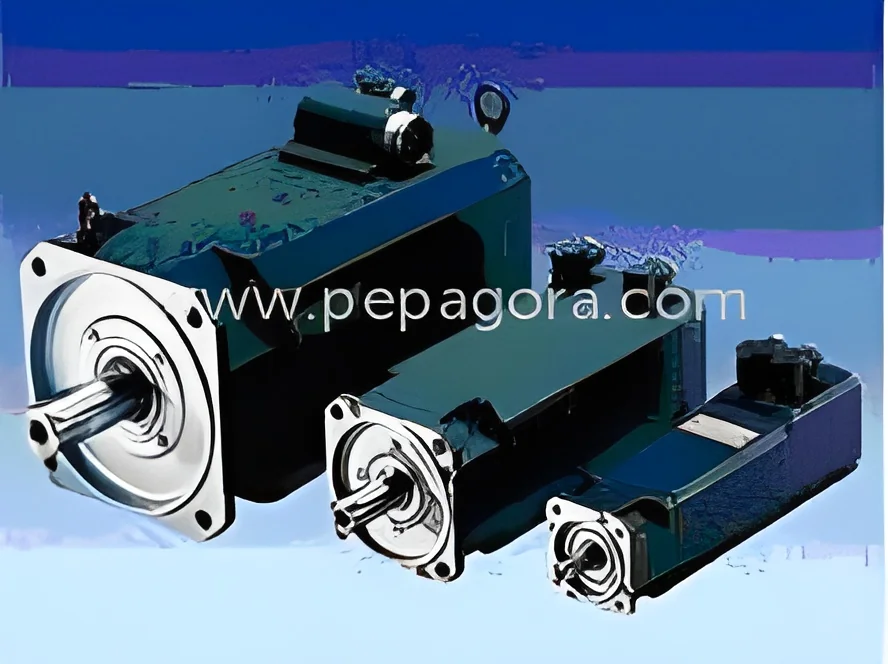
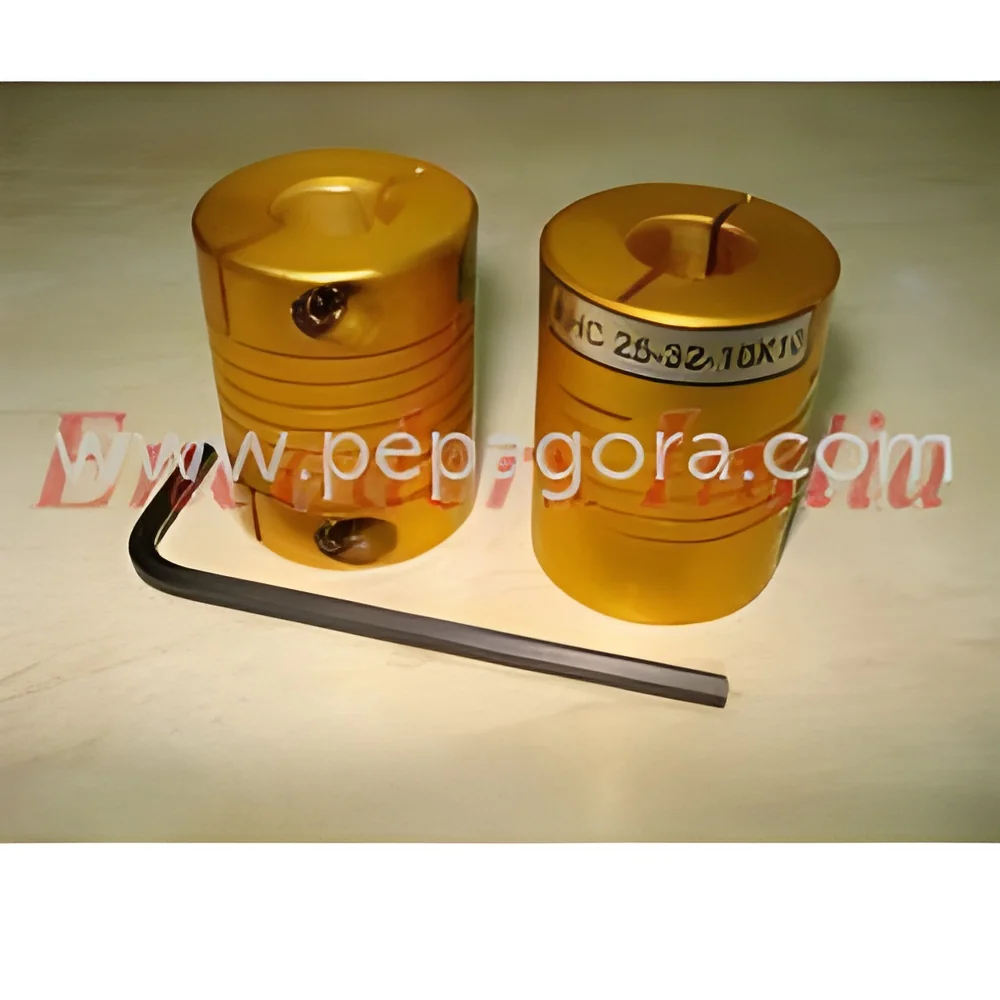
Key Features and Specifications
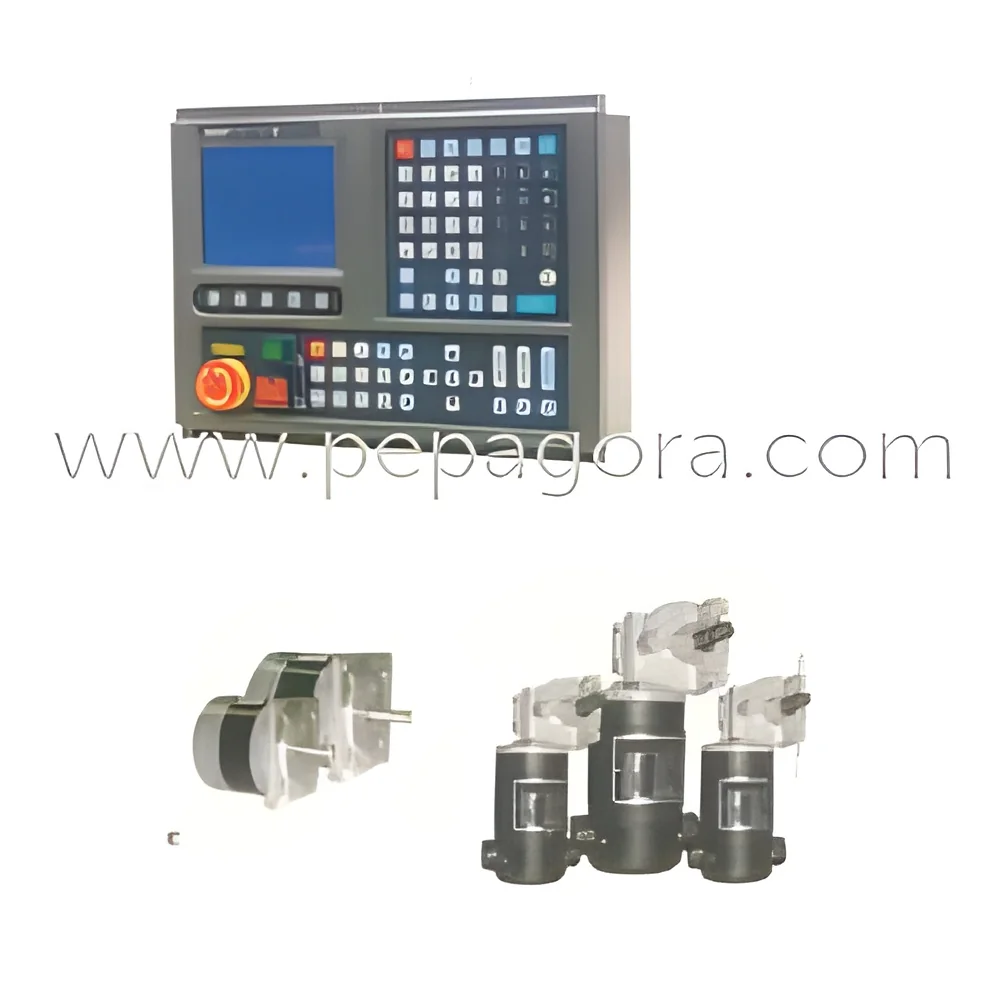
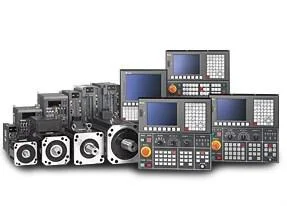
CNC controllers come equipped with a range of features that enhance their functionality and usability. Understanding these specifications helps businesses choose the right controller for their applications.
Key specifications include:
1. Control Axis
- Number of axes the controller can manage (typically 3, 4, or 5)
- Allows for complex movements and operations
2. Communication Protocols
- Supported protocols such as RS-232, Ethernet, or USB
- Ensures compatibility with various software and hardware
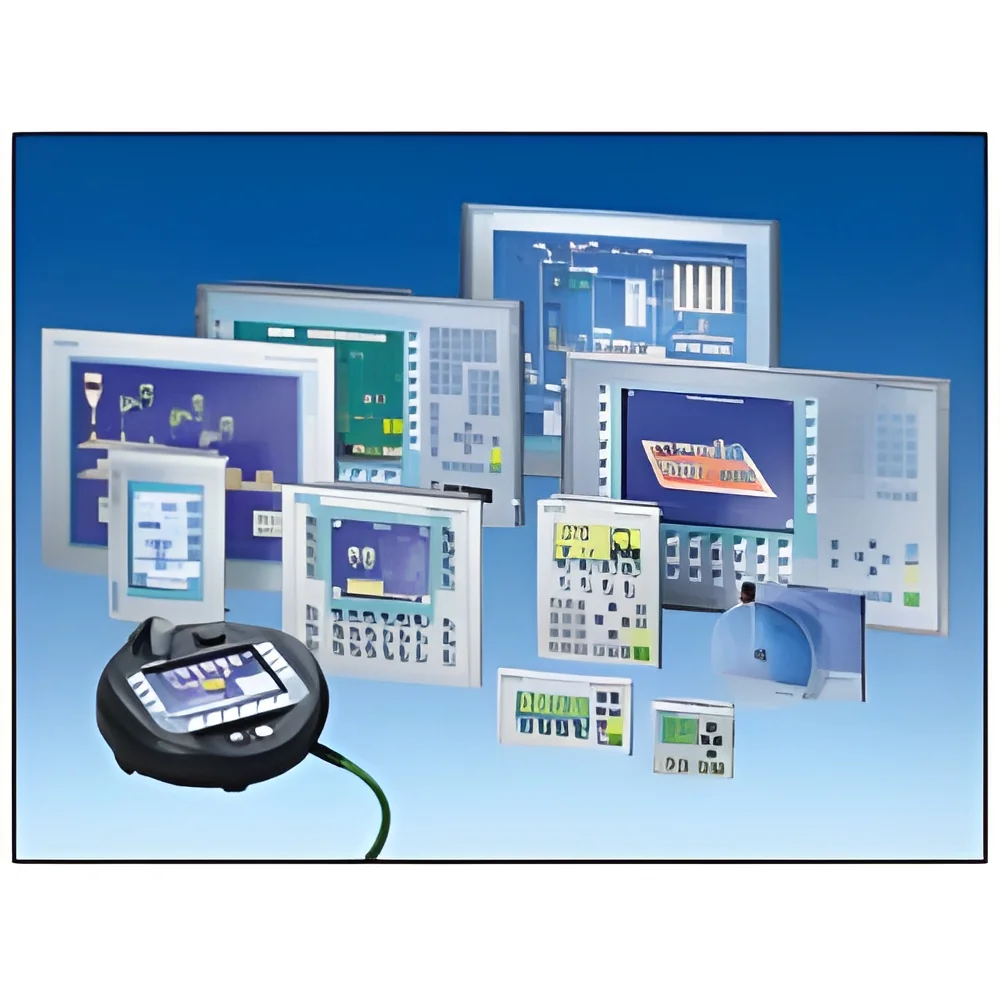
3. User Interface
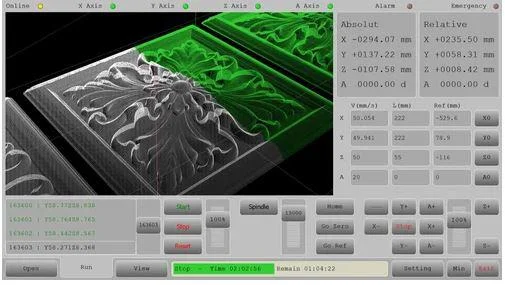
- Type of interface, such as touchscreen or keypad
- Affects ease of operation and programming
4. Programming Language
- Supported languages such as G-code or proprietary languages
- Determines user flexibility and customization options
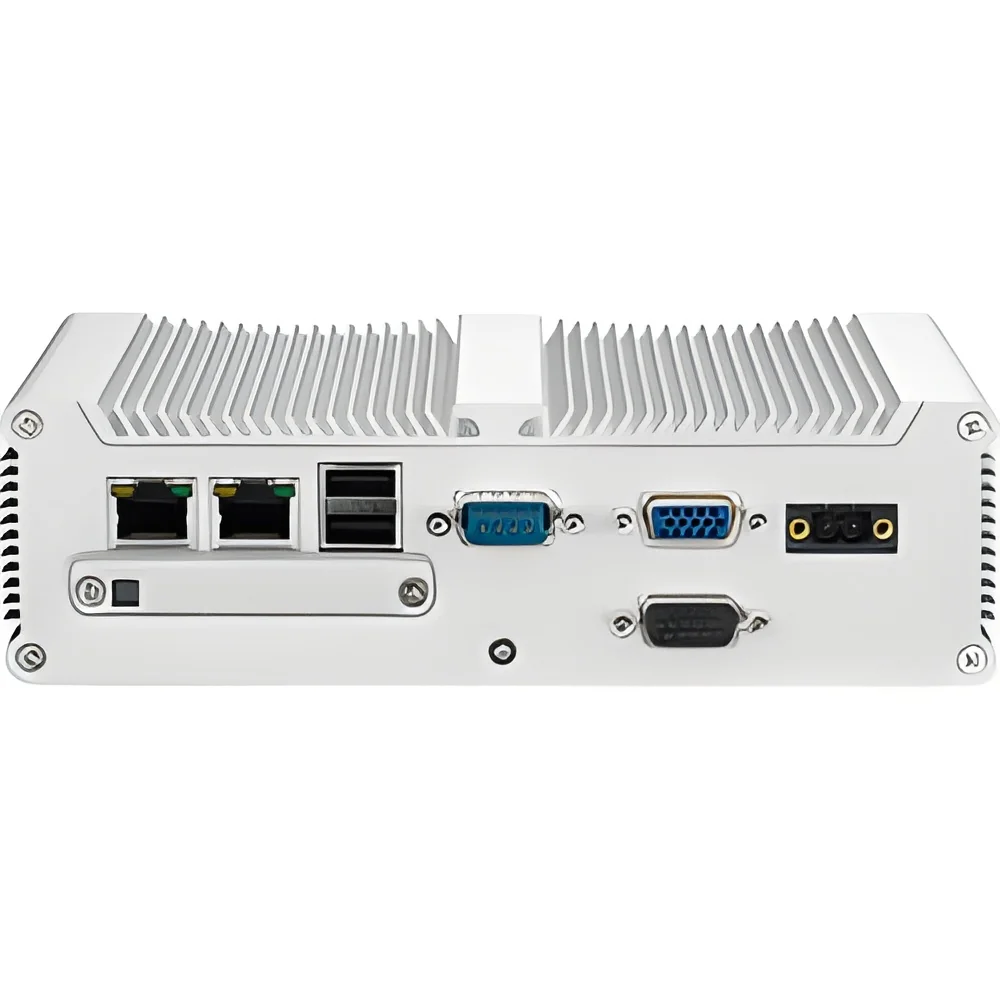
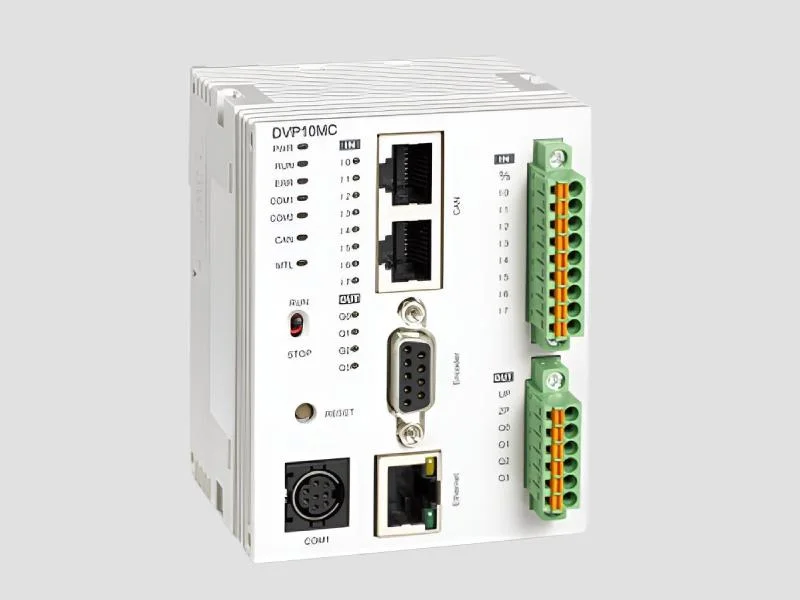
5. Input/Output Ports
- Number and type of I/O ports available
- Facilitates integration with sensors, tools, and other equipment
6. Memory Capacity
- Amount of memory for storing programs and data
- Impacts the complexity of tasks that can be handled
7. Processing Speed
- Speed at which the controller executes commands
- Affects production efficiency and cycle times
8. Safety Features
- Built-in safety protocols and emergency stop functions
- Ensures operator safety and regulatory compliance
In summary, CNC controllers feature a variety of specifications that cater to different operational needs. Businesses must evaluate these specifications to select the best controller for their specific applications.
Common Applications and Use Cases
CNC controllers are utilized in a multitude of applications across various industries, facilitating precision manufacturing and automation.
1. Aerospace: CNC controllers are crucial in producing intricate parts for aircraft, such as turbine blades and fuselage components, ensuring strict adherence to safety and quality standards.
2. Automotive: In the automotive industry, CNC controllers enable the efficient manufacturing of engine components, transmission parts, and body panels, enhancing production speed and accuracy.
3. Metalworking: CNC controllers allow metal fabricators to create complex shapes and designs in various metals, improving efficiency in machining and reducing waste.
4. Woodworking: In woodworking, CNC controllers are used to automate cutting, carving, and engraving processes, allowing for high levels of customization and design precision.
5. Electronics: CNC controllers assist in the production of printed circuit boards and other electronic components, ensuring high accuracy and repeatability in intricate designs.
6. Medical Devices: The medical industry relies on CNC controllers for the manufacturing of precise instruments and implants, where accuracy and reliability are paramount.
7. Defense: CNC technology is essential in the defense sector for producing critical components for weapons and equipment, where precision is critical.
Product Variants and Subcategories
CNC controllers come in various models and configurations, each designed to meet specific requirements of different applications.
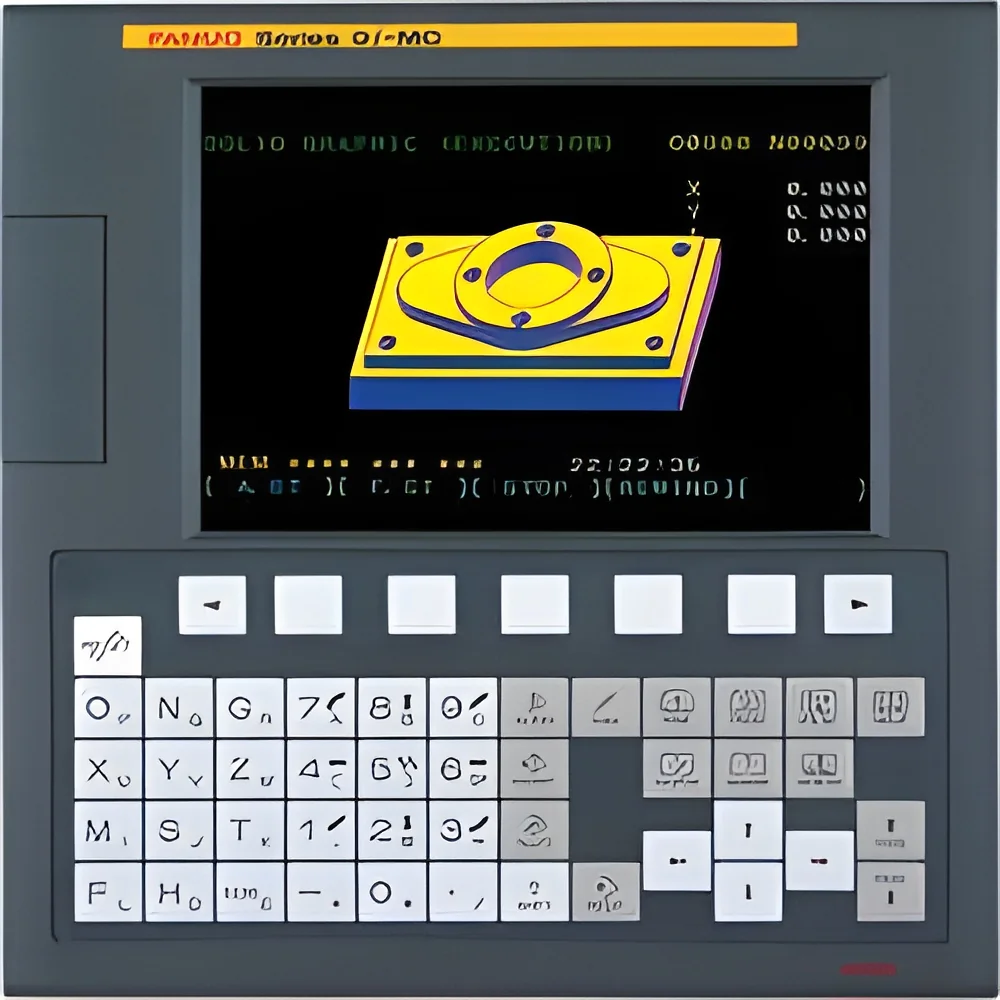
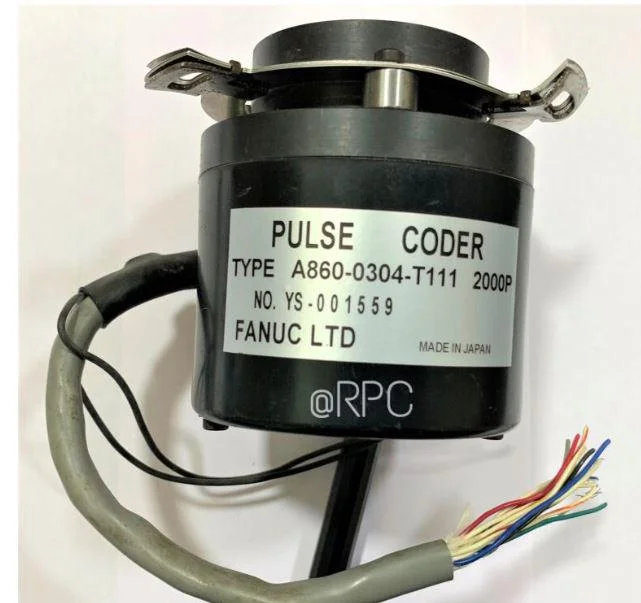
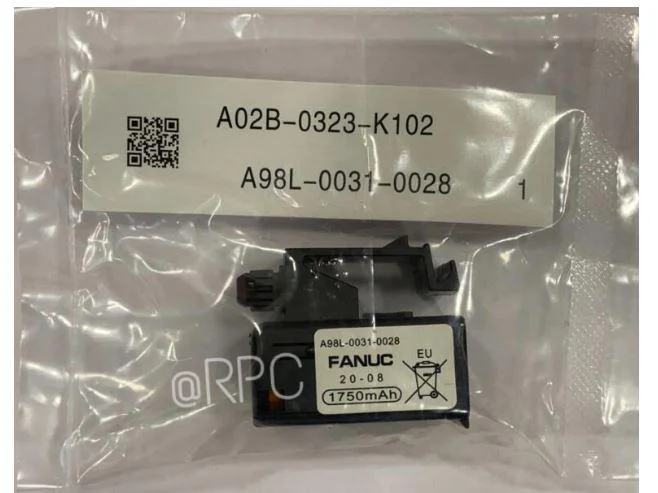
Fanuc Series
Fanuc controllers are known for their robustness and versatility. They are widely used in manufacturing settings for their reliability and extensive range of features, including advanced programming capabilities and user-friendly interfaces.
Siemens Sinumerik
Siemens Sinumerik controllers offer high precision and are particularly suitable for complex machining tasks. They support various machining processes and are favored for their integration capabilities with other Siemens automation solutions.
Mitsubishi M80 Series
The Mitsubishi M80 series features advanced motion control and user-friendly programming. This series is suitable for high-speed machining and is utilized in industries requiring rapid production cycles.
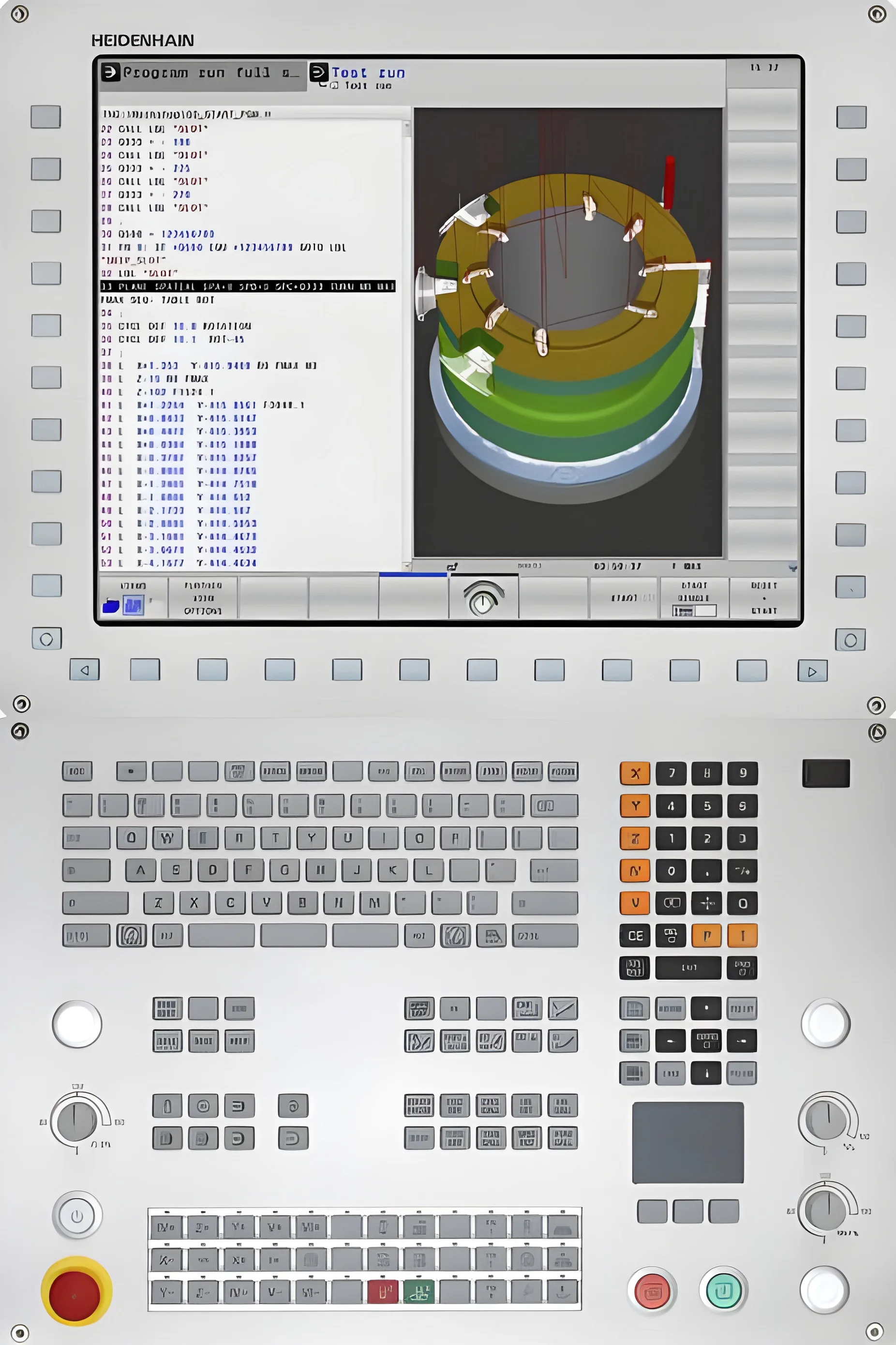
Heidenhain TNC Series
The Heidenhain TNC series provides intuitive operation with its graphical user interface. These controllers are ideal for milling and are known for their accuracy in high-precision applications.
Benefits and Advantages
CNC controllers offer numerous benefits that enhance manufacturing processes and operational efficiency.
1. Enhanced Precision: CNC controllers facilitate high precision in machining, resulting in better quality products and reduced waste.
2. Increased Efficiency: Automation through CNC controllers speeds up production processes, allowing for higher output rates and shortened cycle times.
3. Flexibility: CNC controllers can handle various tasks and programming styles, making them adaptable to different manufacturing needs.
4. Consistency: The use of CNC controllers ensures consistent quality across production runs, minimizing variations and defects.
5. Cost Savings: By increasing efficiency and reducing waste, CNC controllers can lead to significant cost savings in the long term.
6. Improved Safety: Many CNC controllers come equipped with safety features that protect operators and comply with industry regulations.
Buying Guide for B2B Buyers
When sourcing CNC controllers, businesses should consider several key factors to ensure they make informed purchasing decisions.
1. Quality Assessment: Evaluate the quality of the CNC controllers by reviewing certifications, compliance with industry standards, and performance metrics to ensure reliability.
2. Supplier Verification: Vet potential suppliers by checking their reputation, customer reviews, and adherence to quality control processes to ensure they meet your expectations.
3. Pricing and MOQ: Understand the pricing structures and minimum order quantities that suppliers offer to align with your budget and production needs.
4. Delivery and Lead Times: Assess the supplier's logistics capabilities, including delivery schedules and lead times, to ensure timely acquisition of the controllers.
5. Compliance Requirements: Confirm that the CNC controllers meet all necessary compliance and regulatory requirements relevant to your industry to avoid future complications.
Compliance and Certifications
CNC controllers must adhere to various quality standards and certifications to ensure safety and reliability in their operation.
ISO 9001 is a widely recognized standard focusing on quality management systems. It ensures that manufacturers maintain consistent quality in their products and services.
CE certification indicates compliance with European safety, health, and environmental protection standards. This certification is crucial for manufacturers aiming to sell products in the European market.
Safety and testing requirements are also critical. CNC controllers should undergo rigorous testing to ensure they meet operational safety standards and perform reliably under various conditions.
Regional compliance considerations may vary depending on the market. It is essential for manufacturers and suppliers to understand and adhere to local regulations to facilitate smooth operations and avoid legal issues.
Why Source CNC Controllers (Fanuc, Siemens, etc.) from Pepagora?
Pepagora provides a trusted platform for sourcing CNC controllers, offering several key advantages to B2B buyers.
Verified Supplier Network: Pepagora connects buyers with a network of verified suppliers, ensuring that all listed manufacturers meet high standards of quality and reliability.
Streamlined RFQ Process: The platform features a simplified request for quotation (RFQ) system, allowing buyers to easily compare prices and specifications from multiple suppliers, streamlining the decision-making process.
Trade Assurance and Support: Pepagora offers trade assurance, providing buyers with protection during transactions, ensuring they receive quality products as promised.
Regional Coverage: With a strong presence in India, the GCC region, and Southeast Asia, Pepagora ensures comprehensive geographic reach, facilitating easy access to CNC controllers across various markets.

 IN
IN

 India
India