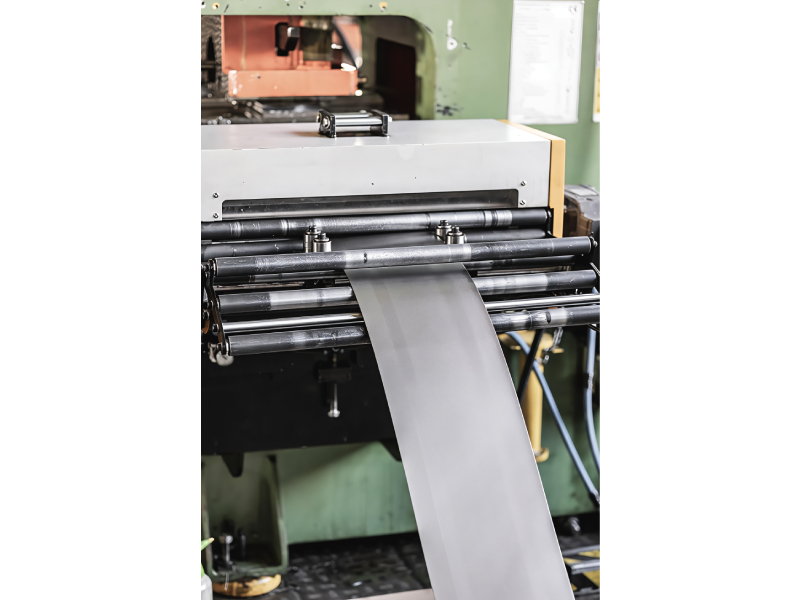
What are CNC Rolling Machines?
CNC Rolling Machines are advanced manufacturing tools designed to shape and form materials, primarily metals, through a controlled rolling process. These machines utilize computer numerical control (CNC) technology to ensure precision and repeatability in operations. By programming the machine to perform specific tasks, manufacturers can achieve high accuracy and efficiency, making CNC Rolling Machines an essential asset in modern manufacturing.
The primary applications of CNC Rolling Machines include the production of cylindrical components such as pipes, tubes, and other round shapes. They are widely used in various industries, including automotive, aerospace, construction, and metal fabrication. Businesses utilize these machines to streamline their production processes, reduce waste, and maintain strict quality control over their products. As industries increasingly demand customization and rapid turnaround times, the relevance of CNC Rolling Machines in the market continues to grow.
In the current competitive landscape, the demand for precision-engineered components drives the market for CNC Rolling Machines. With technological advancements, these machines are becoming more sophisticated, offering enhanced capabilities and features. This evolution is vital for industries that rely on customized solutions and complex shapes, reinforcing CNC Rolling Machines as a key player in manufacturing sectors worldwide.
Key Features and Specifications
CNC Rolling Machines come with a variety of features and specifications that contribute to their effectiveness and versatility in manufacturing processes. These machines are designed for high performance and adaptability to different production requirements.
Key specifications include:
1. Machine Type
- Types include three-roll and four-roll machines
- Suitable for various thicknesses and materials
2. Maximum Roll Diameter
- Determines the size of the material that can be processed
- Typical ranges vary depending on the model
3. Control System
- Advanced CNC control for precision shaping
- User-friendly interfaces for ease of operation
4. Material Capacity
- Capable of handling different materials including steel, aluminum, and alloys
- Thickness ranges from 1 mm to 100 mm depending on the machine
5. Production Speed
- Varies based on machine specifications
- Influences the efficiency of the manufacturing process
6. Power Supply
- Standard electrical requirements for operation
- Usually requires three-phase power for efficient functioning
7. Safety Features
- Equipped with emergency stop functions and safety guards
- Ensures operator safety during operation
8. Dimensions and Weight
- Varies based on machine size and capacity
- Important for installation and space considerations
In summary, the specifications of CNC Rolling Machines are crucial for determining their suitability for specific production tasks. Understanding these features helps businesses select the right machines for their manufacturing needs.
Common Applications and Use Cases
CNC Rolling Machines find utility in numerous industries, each leveraging their capabilities for specific applications.
1. Automotive: Used for shaping components such as chassis parts, exhaust systems, and roll bars, ensuring precise dimensions for safety and performance.
2. Aerospace: Essential for producing lightweight, strong parts like wing structures and fuselage components, where precision is critical.
3. Construction: Employed in the creation of structural steel components, reinforcing bars, and custom fittings for buildings and infrastructure.
4. Metal Fabrication: Utilized for creating custom shapes and forms in metalworking shops, supporting varied project requirements.
5. Shipbuilding: Important for rolling materials used in hull and structural components, contributing to the overall integrity and design of vessels.
6. Energy: Applied in manufacturing pipes and tubes for oil and gas industries, supporting the infrastructure needed for energy production.
7. HVAC: Utilized for creating ducts, fittings, and components essential for heating, ventilation, and air conditioning systems.
Product Variants and Subcategories
CNC Rolling Machines are available in diverse variants to cater to specific manufacturing needs and applications.
Three-Roll CNC Rolling Machine
This variant is designed for rolling sheets into cylindrical shapes. It is ideal for medium to large production runs and provides excellent control over material thickness and curvature.
Four-Roll CNC Rolling Machine
This model offers enhanced versatility by allowing operators to roll materials into tighter diameters. It is suitable for complex shapes and is commonly used in industries that require high precision.
Benefits and Advantages
CNC Rolling Machines provide numerous benefits that enhance manufacturing processes and outcomes.
1. Precision: CNC technology ensures high accuracy, reducing errors and improving product quality.
2. Efficiency: Automated operations lead to faster production times and lower labor costs, maximizing productivity.
3. Versatility: Capable of handling various materials and thicknesses, making them suitable for diverse applications.
4. Customization: Machines can be programmed for specific shapes and sizes, allowing for tailored solutions to meet unique project requirements.
5. Reduced Waste: Enhanced precision minimizes material waste, contributing to cost savings.
6. Increased Safety: Modern safety features protect operators and reduce the risk of accidents during operation.
Buying Guide for B2B Buyers
When sourcing CNC Rolling Machines, it is essential to consider several factors to ensure a successful purchase.
1. Quality Assessment: Evaluate the build quality and precision of the machines. Look for suppliers that adhere to strict quality standards and customer reviews.
2. Supplier Verification: Vet potential suppliers by checking their credentials, customer feedback, and industry experience. This helps ensure reliability and product quality.
3. Pricing and MOQ: Understand the pricing structures and minimum order quantities (MOQ) that suppliers offer. This can impact budgeting and inventory management.
4. Delivery and Lead Times: Inquire about delivery schedules and lead times to align with production schedules. Timely delivery is crucial for maintaining workflow.
5. Compliance Requirements: Ensure that the machines meet relevant industry regulations and safety standards. This may include certifications such as CE for compliance with European standards.
Compliance and Certifications
Compliance with industry standards and certifications is crucial for CNC Rolling Machines to ensure quality and safety.
Relevant quality standards such as ISO 9001 help ensure that manufacturers maintain consistent quality in their production processes. Adhering to these standards can enhance product reliability and customer satisfaction.
Industry certifications like CE indicate that the machines meet specific safety and environmental standards required in Europe. This certification is essential for businesses looking to operate within regulated markets.
Additionally, safety and testing requirements must be met to protect operators and ensure the machines function correctly. Regular inspections and compliance checks are advisable to maintain operational integrity.
It is also important to consider regional compliance, as different countries may have varying regulations regarding machinery safety and emissions. Understanding and aligning with these requirements is key to successful operations.
Why Source CNC Rolling Machines from Pepagora?
Pepagora offers a trusted platform for sourcing CNC Rolling Machines, providing numerous advantages for business buyers.
Verified Supplier Network: Pepagora maintains a comprehensive network of verified suppliers, ensuring that buyers connect with reputable manufacturers. This verification process enhances trust and reduces the risk of substandard products.
Streamlined RFQ Process: The Request for Quotation (RFQ) system simplifies the procurement process. Buyers can easily compare offers from multiple suppliers, facilitating informed decision-making.
Trade Assurance and Support: Pepagora provides trade assurance to protect buyers throughout the purchasing process. This includes support in resolving disputes and ensuring product delivery as promised.
Regional Coverage: With a strong presence in India, the GCC, and Southeast Asia, Pepagora connects buyers to a vast market of suppliers. This geographic reach enhances the availability of CNC Rolling Machines tailored to regional needs.

 IN
IN