What are Double Column Machining Centers?
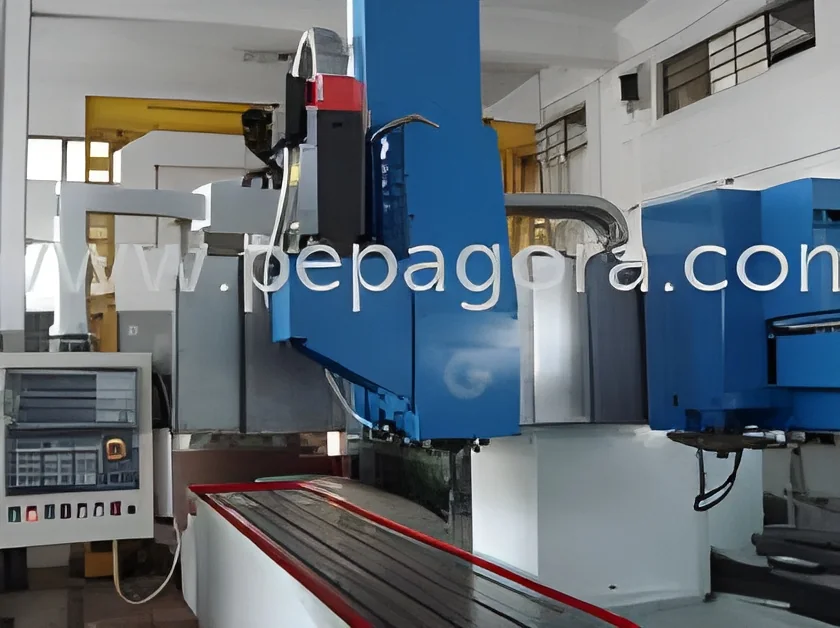
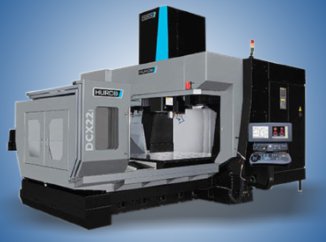
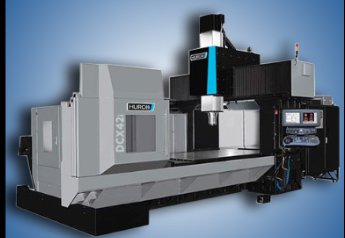
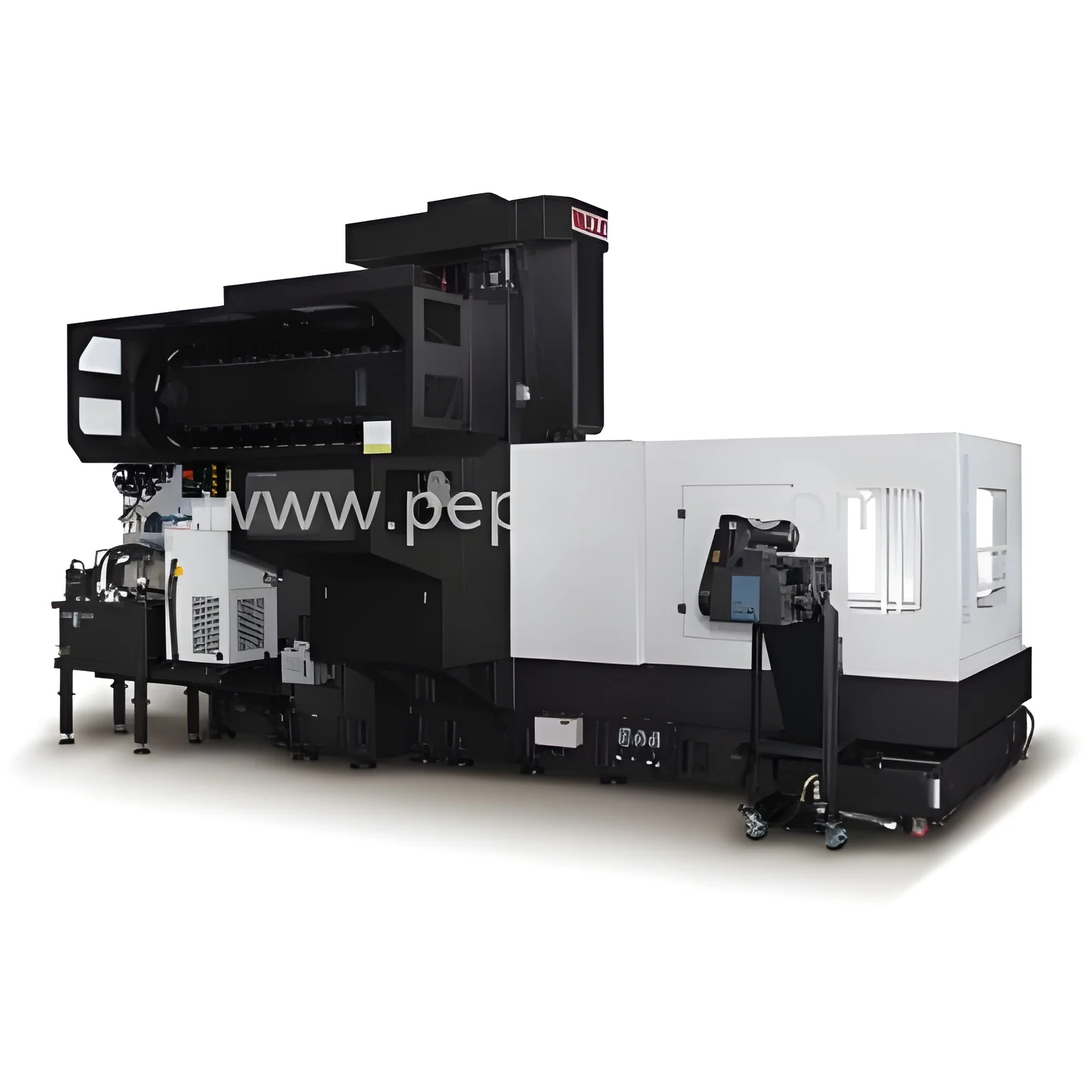
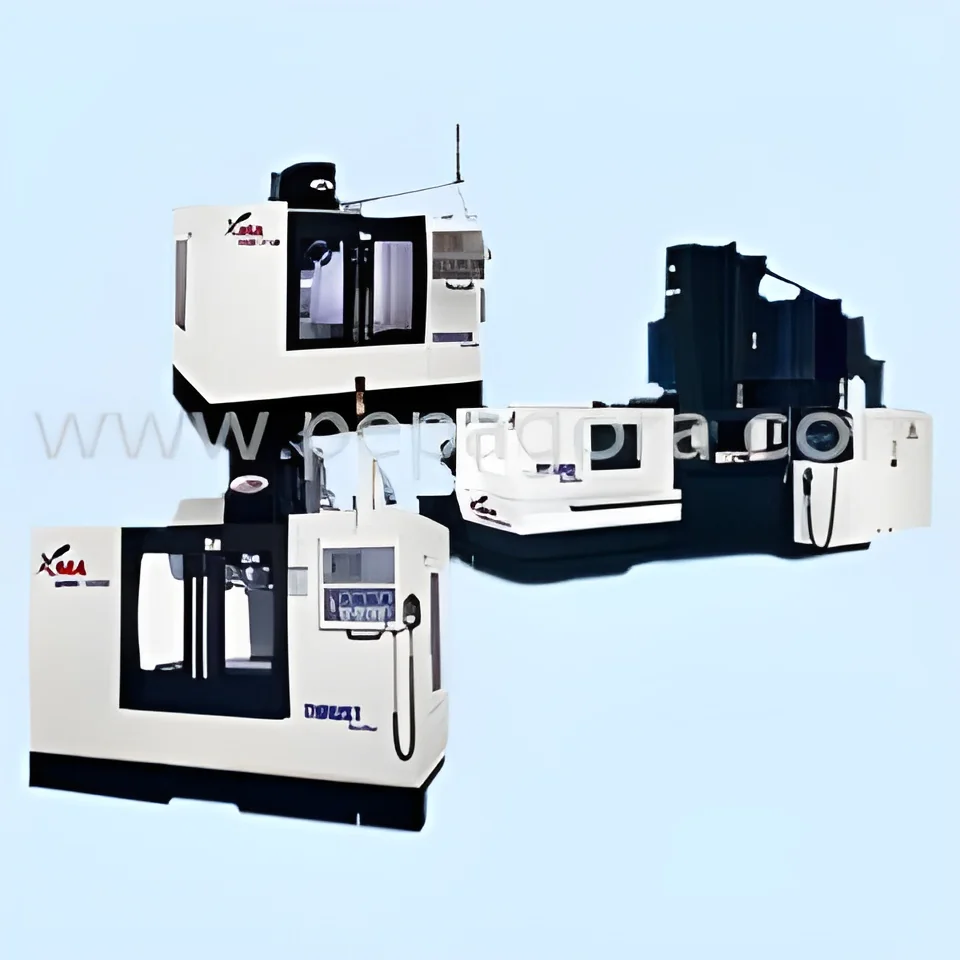
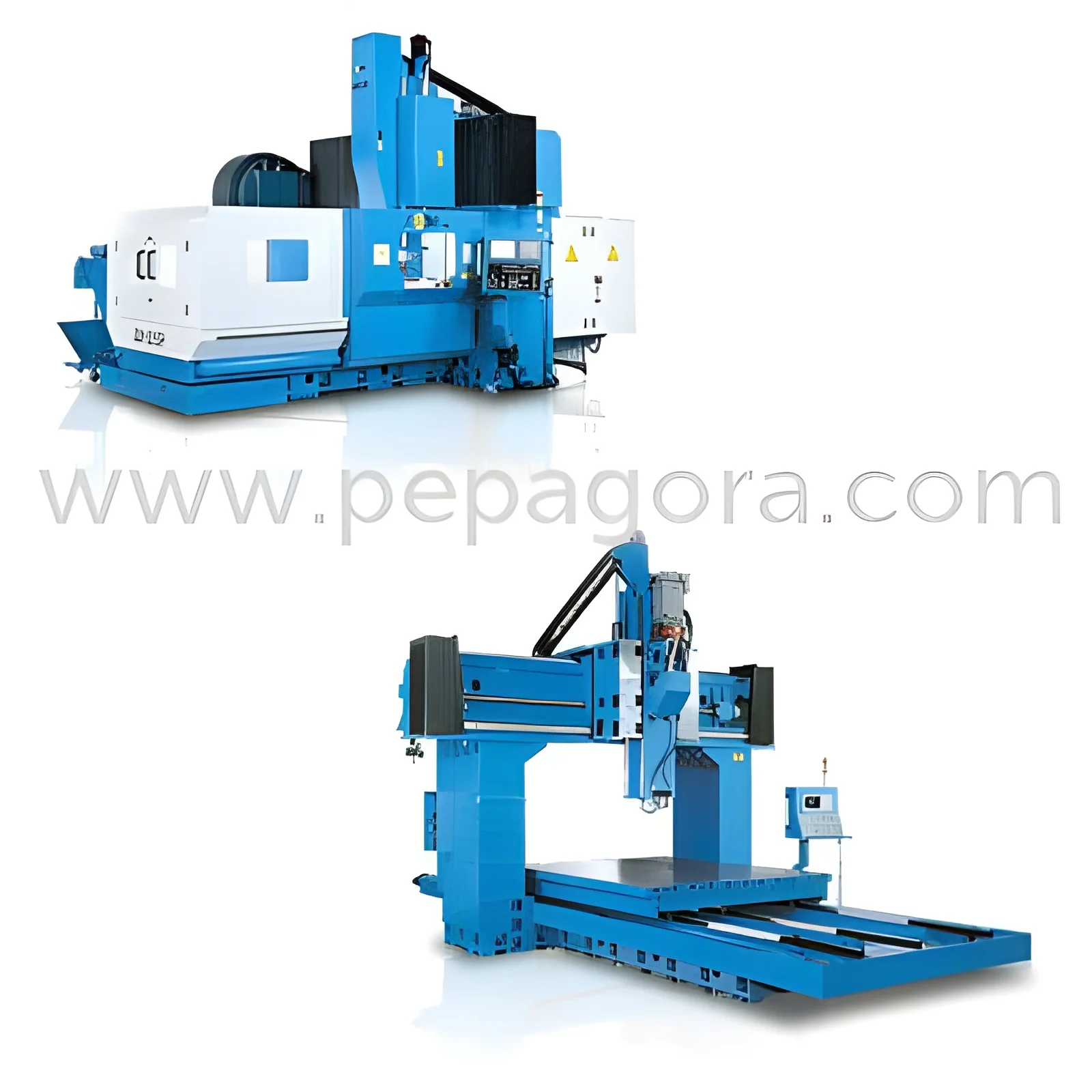
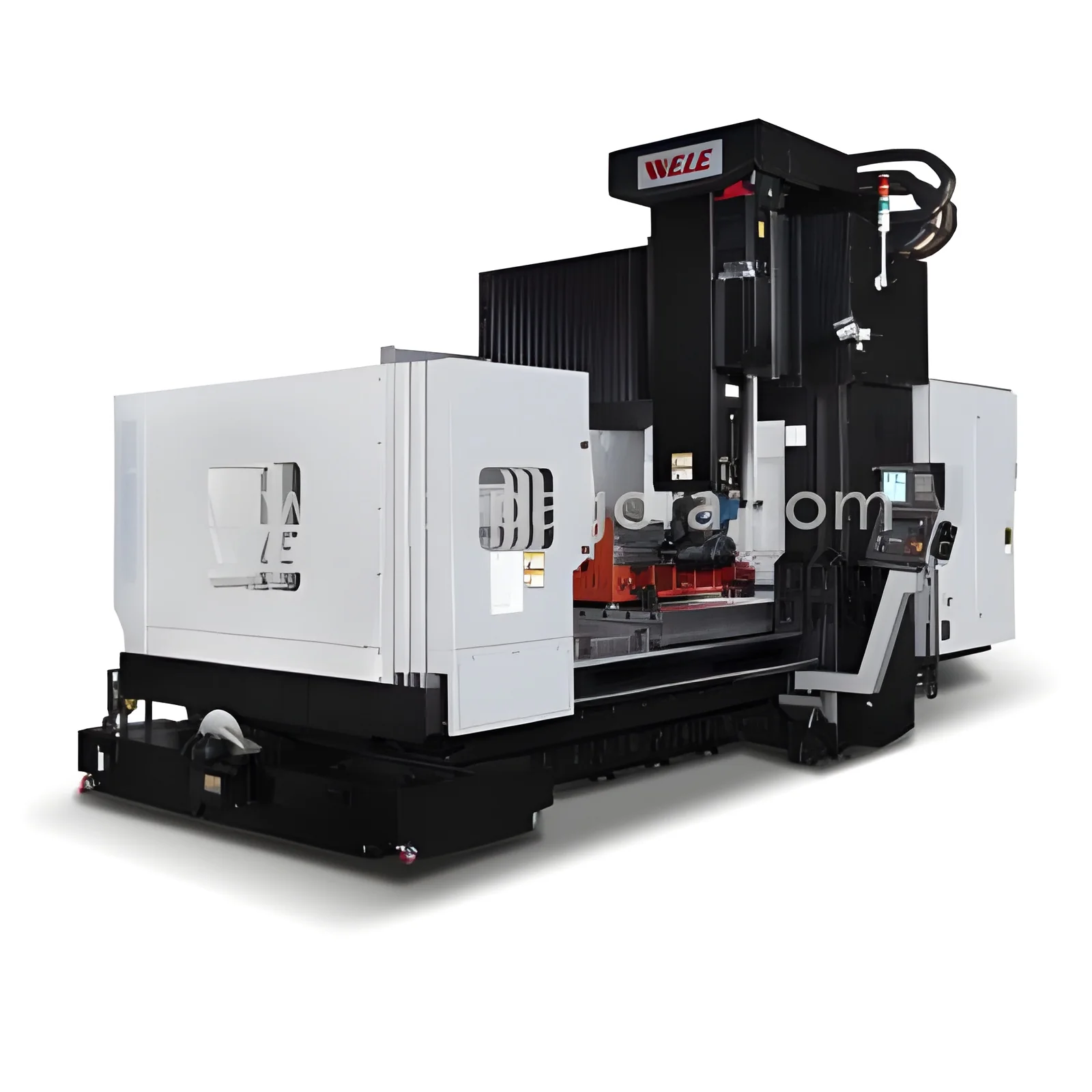
Double Column Machining Centers are advanced machining tools characterized by their unique double-column structure, which provides enhanced stability and precision. This design allows for larger workpieces to be supported securely, making these machines ideal for heavy-duty machining tasks. They typically feature a moving table and a fixed spindle head, enabling high-speed and high-accuracy operations in various machining processes such as milling, drilling, and grinding.
These machining centers are primarily used in industries that require the fabrication of large components, such as aerospace, automotive, and heavy machinery manufacturing. They are particularly beneficial for creating complex geometries and achieving tight tolerances in materials like metals and composites. The robustness and flexibility of double column machining centers make them a preferred choice for businesses focused on high-volume production and intricate engineering applications.
The relevance of double column machining centers in the current market cannot be overstated. As industries continue to demand greater precision and efficiency, these machines offer a solution that meets these needs. Their ability to handle larger workpieces while maintaining accuracy positions them as critical assets in competitive manufacturing environments.
Key Features and Specifications
Double Column Machining Centers come equipped with a variety of advanced features that enhance their performance and usability. These specifications are essential for businesses looking to invest in reliable machinery that meets their production requirements.
Key specifications include:
1. Worktable Size
- The worktable size varies based on the machine model.
- Typical ranges can be from 2,000 mm x 3,000 mm to larger dimensions.
2. Spindle Speed
- Spindle speed affects the machining versatility.
- Common speeds range from 6,000 RPM to 20,000 RPM.
3. Tool Magazine Capacity
- Tool magazine capacity determines the number of tools that can be stored.
- Capacities can range from 20 to over 100 tools.
4. Maximum Load Capacity
- This specification indicates how much weight the machine can handle.
- Load capacities can range from 1,000 kg to 10,000 kg.
5. Axis Travel
- Axis travel specifies the movement range of the machine components.
- Typical ranges include X, Y, and Z travels of 2,000 mm, 1,500 mm, and 1,000 mm respectively.
6. Control System
- The control system is crucial for operational efficiency.
- Most centers utilize advanced CNC systems with user-friendly interfaces.
7. Power Consumption
- Power consumption impacts operational costs.
- Typical consumption can range from 10 kW to 30 kW.
8. Cooling System
- A reliable cooling system is necessary for effective machining.
- Options may include mist cooling or liquid cooling mechanisms.
In summary, the specifications of double column machining centers are tailored to meet the demands of various applications, providing businesses with the capabilities needed for precision machining.
Common Applications and Use Cases
Double Column Machining Centers are versatile tools that find applications across numerous industries.
1. Aerospace: In aerospace manufacturing, these machines are used to produce intricate components such as fuselage parts and engine housings with high precision.
2. Automotive: The automotive sector utilizes double column machining centers for machining large mold components and chassis parts, ensuring accuracy and repeatability.
3. Heavy Machinery: Manufacturers of heavy machinery rely on these centers for fabricating large structural components like frames and chassis, which require robust machining capabilities.
4. Energy: In the energy sector, particularly in wind and renewable energy, these machines are employed to create large turbine components and generator housings.
5. Shipbuilding: Shipyards utilize double column machining centers for machining large parts of ships, including hull sections and engine mounts.
6. Tool and Die: The tool and die industry benefits from the precision of these machines for creating molds and dies used in manufacturing processes.
7. Medical Device Manufacturing: In medical device production, these centers are used for machining complex components that require high tolerances and surface finishes.
Product Variants and Subcategories
Double Column Machining Centers come in various configurations to meet different operational needs. The diversity in product variants allows businesses to select machines that align with their specific applications and production goals.
Standard Model
This model is designed for general machining tasks and features a robust structure for stability. It is suitable for a wide range of applications, from automotive to aerospace.
High-Speed Model
The high-speed variant focuses on rapid machining to enhance productivity. It is ideal for industries where time efficiency is crucial, such as in the production of small to medium-sized components.
Heavy-Duty Model
This variant is built to handle the most demanding machining tasks. It features increased load capacities and is perfect for heavy industries like construction and mining machinery.
Benefits and Advantages
Investing in Double Column Machining Centers offers a range of benefits that enhance operational efficiency and productivity.
1. Increased Precision: These machines provide high levels of accuracy, ensuring that complex parts meet stringent tolerances.
2. Enhanced Stability: The double column design offers superior stability, reducing vibrations during machining and improving the quality of finished products.
3. Versatility: With the ability to handle various materials and machining processes, these centers are adaptable to different production needs.
4. Cost Efficiency: By enabling high-speed machining and reducing cycle times, they contribute to lower overall production costs.
5. Improved Productivity: The robust design and advanced features facilitate continuous operation, leading to increased output.
6. Long-term Reliability: Built with durable materials, double column machining centers are designed for longevity, providing a reliable solution for businesses.
Buying Guide for B2B Buyers
When considering the purchase of Double Column Machining Centers, several factors should be taken into account to ensure a sound investment.
1. Quality Assessment: Evaluate the machine's construction quality and components. Look for reputable brands known for their precision engineering and reliability.
2. Supplier Verification: Research potential suppliers to ensure they have a solid track record. Verify their experience in the industry and customer reviews.
3. Pricing and MOQ: Understand the pricing structure and minimum order quantities. Compare quotes from multiple suppliers to find the best value without compromising quality.
4. Delivery and Lead Times: Confirm the expected delivery times and ensure they align with your production schedules. Consider lead times in your planning.
5. Compliance Requirements: Be aware of any regulatory standards that the machines must meet. Ensure that your selected equipment complies with industry standards for safety and quality.
Compliance and Certifications
Compliance with industry standards is crucial for ensuring the quality and safety of Double Column Machining Centers. These machines are typically built to meet relevant quality standards such as ISO 9001, which focuses on quality management systems and processes. Adhering to such standards ensures consistent quality in production and operations.
Additionally, many double column machining centers carry industry certifications like CE, which indicates compliance with European health, safety, and environmental protection standards. This certification is essential for machines sold in European markets and assures buyers of product reliability.
Safety and testing requirements are fundamental aspects of compliance. Manufacturers must adhere to specific safety guidelines to protect operators and ensure machine functionality. Furthermore, regional compliance considerations may impact sourcing decisions, as different regions may have unique regulations governing machinery operation and safety standards.
Why Source Double Column Machining Centers from Pepagora?
Pepagora provides an excellent platform for sourcing Double Column Machining Centers, offering several key advantages that facilitate a smooth purchasing process.
Verified Supplier Network: Pepagora’s extensive network of verified suppliers ensures that buyers have access to reputable manufacturers. Each supplier undergoes a thorough vetting process, providing buyers with peace of mind regarding their purchases.
Streamlined RFQ Process: The Request for Quotation (RFQ) system allows buyers to request quotes from multiple suppliers quickly. This streamlined approach helps businesses compare options efficiently, leading to better-informed purchasing decisions.
Trade Assurance and Support: Pepagora offers trade assurance and buyer protection services, ensuring that transactions are secure. Buyers can rely on support throughout the purchasing process, enhancing their overall experience.
Regional Coverage: With a strong presence in regions like India, the GCC, and Southeast Asia, Pepagora connects buyers with local and international suppliers. This geographic reach enables businesses to find the right machinery solutions tailored to their operational needs.

 IN
IN