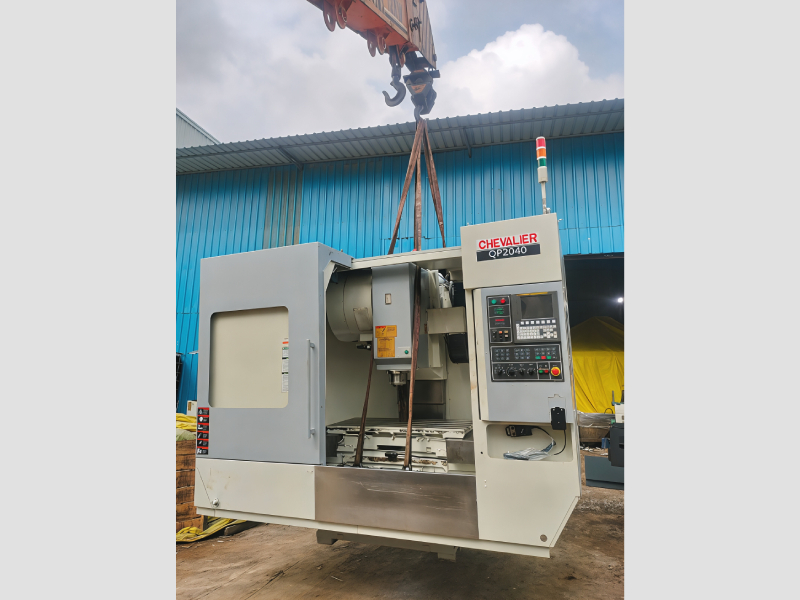
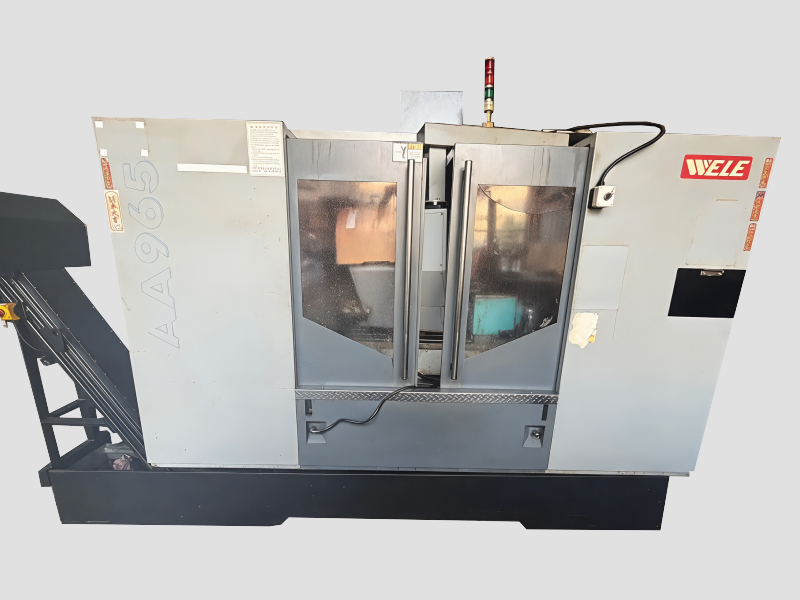
Key Features and Specifications
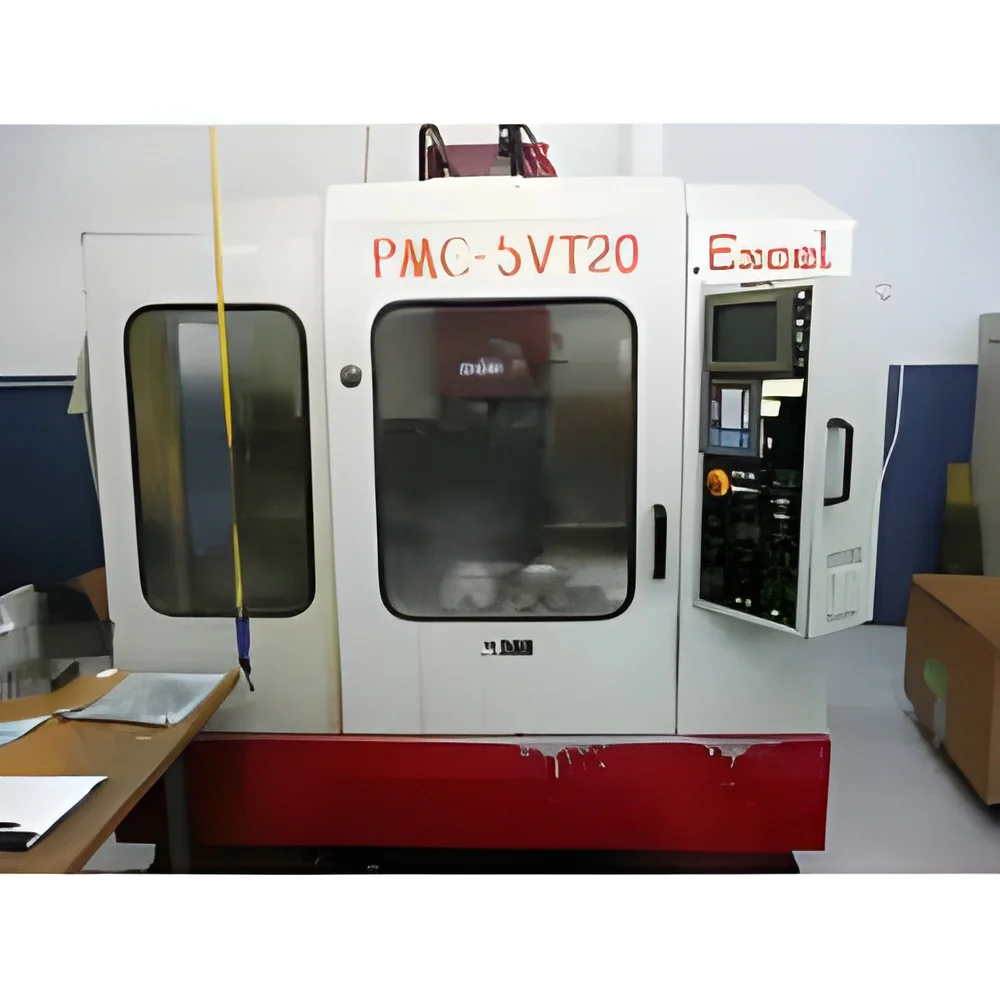
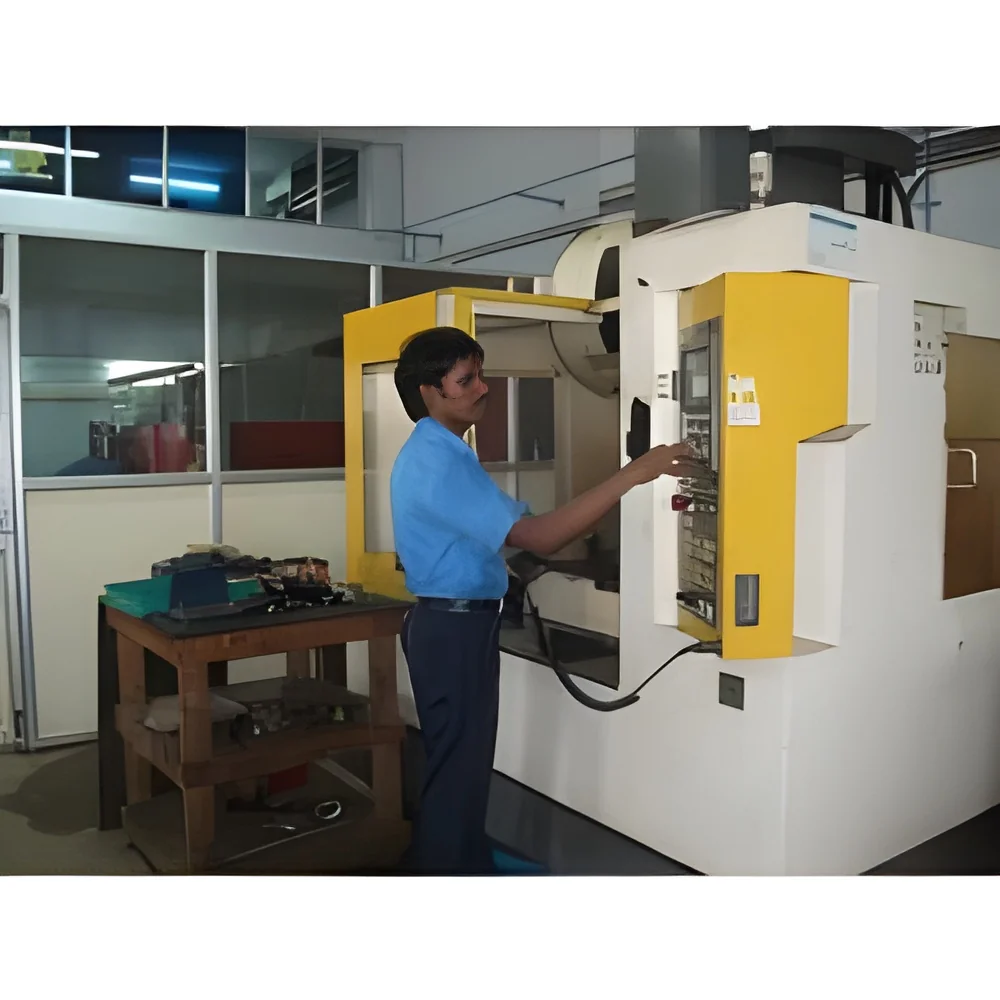
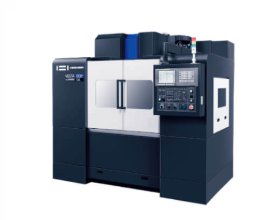
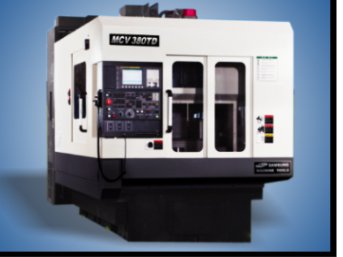
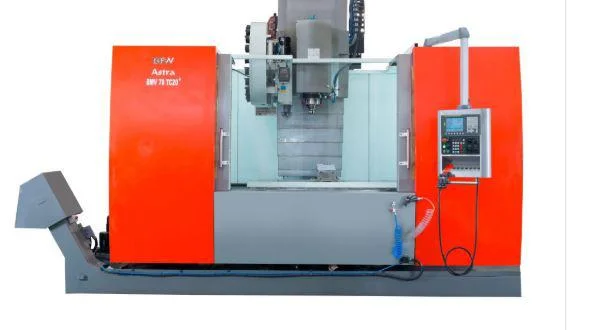
Vertical Machining Centers come equipped with advanced features and specifications that enhance their functionality and performance. These specifications are vital for businesses when selecting a VMC that meets their operational needs.
Key specifications include:
1. Spindle Speed
- The spindle speed is a critical parameter that determines the machining speed.
- Typical ranges are from 10,000 to 20,000 RPM.
2. Travel Range
- This refers to the maximum distance the cutting tool can move in different axes.
- Standard travel ranges are 20 inches in X, 16 inches in Y, and 20 inches in Z.
3. Tool Capacity
- Tool capacity refers to how many tools can be held in the machine’s tool changer.
- Common capacities range from 16 to 40 tools.
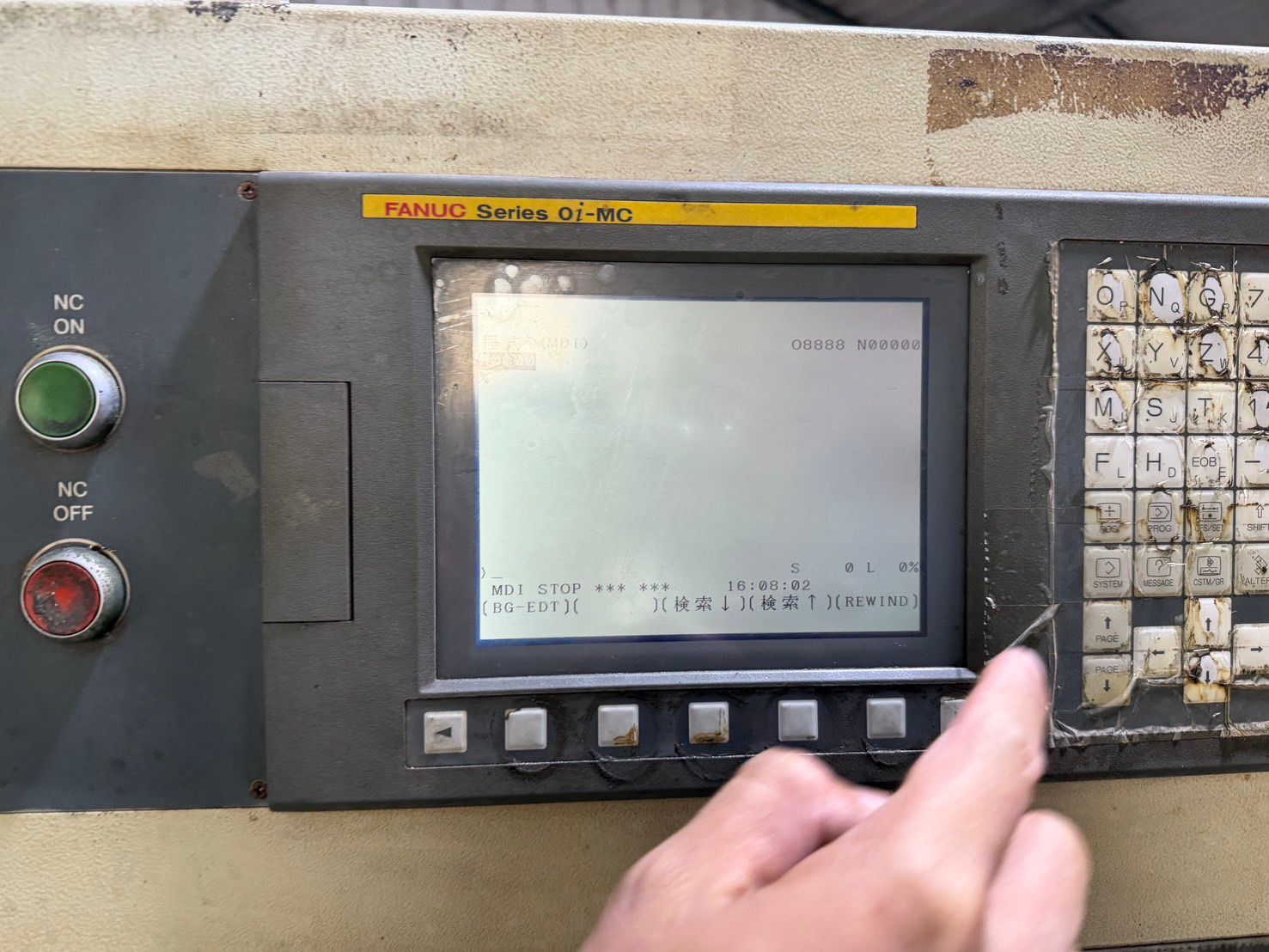
4. Control System
- Advanced VMCs feature user-friendly CNC control systems for easy programming.
- Popular systems include FANUC and Siemens.
5. Machine Weight
- The weight of the machine impacts stability during operation.
- Typical weights range from 5,000 to 10,000 pounds.
6. Accuracy
- VMCs are designed to achieve high levels of precision.
- Accuracy can be within 0.0001 inches.
7. Power Consumption
- Understanding power consumption is essential for operational costs.
- Typical power requirements can range from 5 kW to 15 kW.
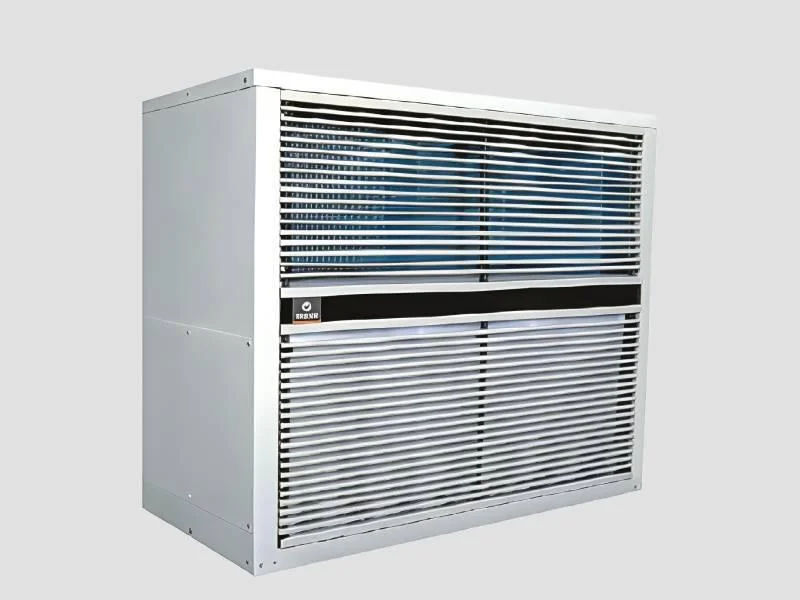
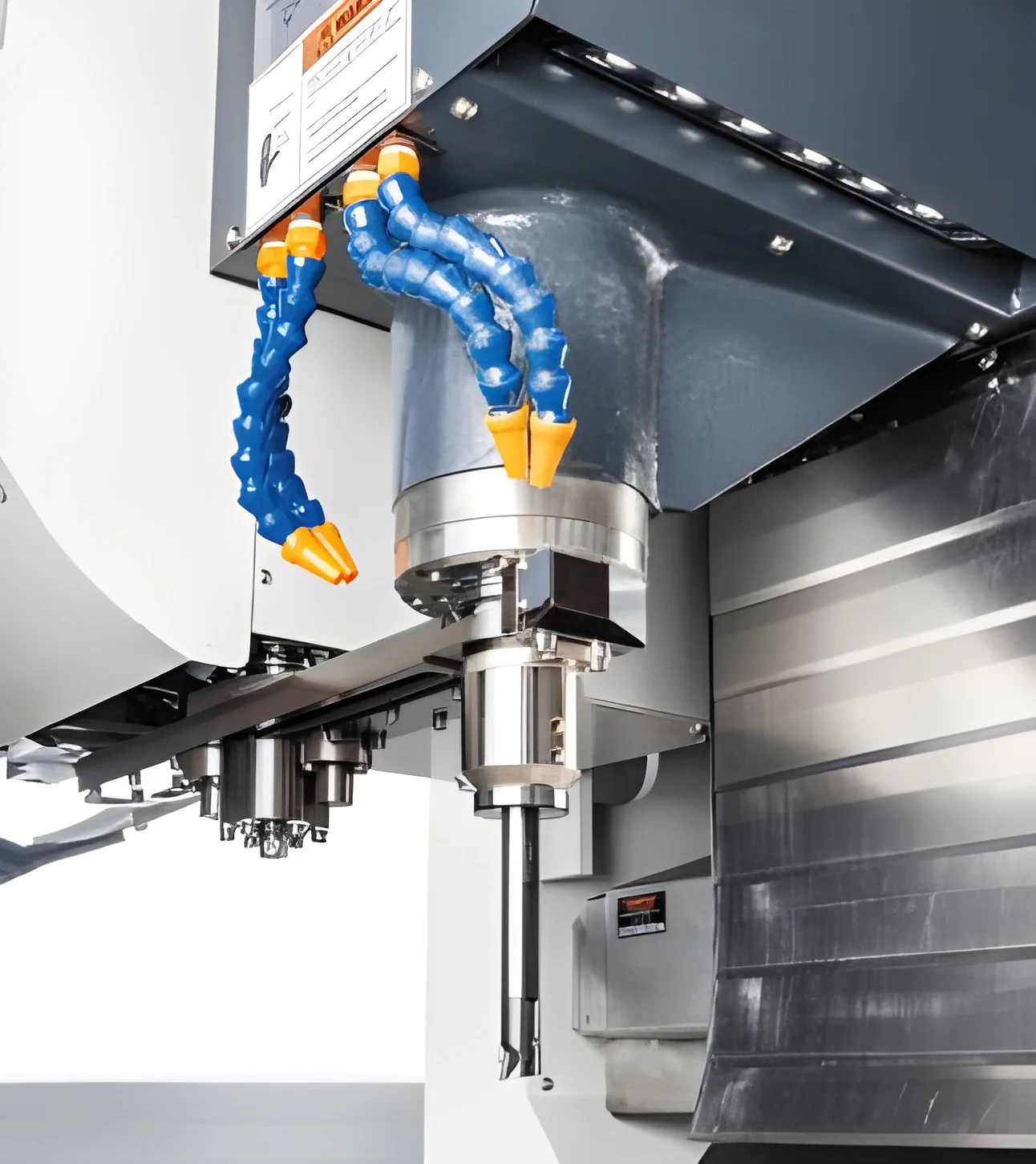
8. Cooling System
- Effective cooling systems are necessary to maintain optimal operating temperatures.
- Options include mist cooling and flood cooling.
In summary, the features and specifications of VMCs play a pivotal role in their performance and suitability for various applications in manufacturing.
Common Applications and Use Cases
Vertical Machining Centers are versatile machines applicable in numerous industries.
1. Aerospace: VMCs are used to produce complex components such as turbine blades and airframe structures, requiring high precision and quality.
2. Automotive: In the automotive sector, VMCs manufacture engine blocks, cylinder heads, and transmission cases, ensuring tight tolerances and efficient production.
3. Electronics: VMCs help produce intricate parts for electronic devices, including housings and circuit boards, where precision is critical.
4. Medical: In the medical industry, VMCs are employed to manufacture surgical instruments and implants, necessitating strict adherence to quality standards.
5. Defense: VMCs are utilized in the production of components for defense equipment, where durability and reliability are paramount.
6. Energy: The energy sector relies on VMCs for the production of parts for turbines and generators, requiring robust machining capabilities.
7. General Manufacturing: VMCs are also common in general manufacturing for producing mechanical parts and tooling used across various applications.
Product Variants and Subcategories
Vertical Machining Centers come in various configurations to meet specific manufacturing needs.
High-Speed VMC: This variant is designed for rapid machining and is equipped with high spindle speeds and quick tool changes, making it suitable for small, intricate parts.
Universal VMC: These machines offer versatility with a wider range of capabilities, including both vertical and horizontal machining applications.
Compact VMC: Ideal for smaller workshops, compact VMCs provide essential features in a space-saving design, making them suitable for limited floor spaces.
Benefits and Advantages
Investing in Vertical Machining Centers offers numerous advantages for businesses.
1. Enhanced Productivity: VMCs can reduce machining time significantly due to their automation capabilities, allowing for more parts to be produced in less time.
2. Precision and Accuracy: With advanced control systems, VMCs deliver high precision, ensuring that parts meet exact specifications.
3. Versatility: VMCs can perform multiple machining processes, reducing the need for multiple machines and saving floor space.
4. Cost Efficiency: Automation and high-speed machining lead to lower labor costs and minimized waste, improving overall profitability.
5. Improved Quality: Consistent machining processes contribute to higher quality output, resulting in fewer defects and rework.
6. Technical Support: Many manufacturers provide ongoing support and maintenance, ensuring operational efficiency and longevity of the machines.
Buying Guide for B2B Buyers
When sourcing Vertical Machining Centers, several key factors should be considered to ensure an informed purchasing decision.
1. Quality Assessment: Evaluate the quality of the machines by reviewing manufacturer certifications, customer testimonials, and performance reviews.
2. Supplier Verification: Conduct thorough research to verify suppliers’ credibility and track record in the industry. Look for established companies with a history of successful sales.
3. Pricing and MOQ: Understand the pricing structures and minimum order quantities (MOQ) of potential suppliers to align with your budget and production requirements.
4. Delivery and Lead Times: Assess the expected lead times for delivery and ensure they meet your production schedules to avoid delays.
5. Compliance Requirements: Familiarize yourself with industry-specific regulations and ensure that the VMCs comply with necessary quality standards and certifications.
Compliance and Certifications
Vertical Machining Centers are subject to various compliance and certification standards that ensure safety, quality, and reliability.
Quality standards such as ISO 9001 are essential for manufacturing processes, ensuring that organizations maintain consistent quality in their operations. This certification demonstrates a commitment to continuous improvement and customer satisfaction.
Additionally, industry certifications like CE indicate compliance with European safety and environmental requirements. This certification assures buyers that the product meets essential health and safety standards.
Safety and testing requirements are also critical in the manufacturing of VMCs. Machines must undergo rigorous testing to ensure they operate safely and efficiently under various conditions.
Regionally, compliance considerations may vary. It is important for manufacturers to understand local regulations and standards to cater to specific market needs effectively.
Why Source Vertical Machining Centers (VMC) from Pepagora?
Pepagora is a trusted platform for sourcing Vertical Machining Centers, offering several key advantages to buyers.
Verified Supplier Network: Pepagora ensures that its suppliers are thoroughly vetted, providing buyers with confidence in the quality and reliability of the products offered.
Streamlined RFQ Process: The platform allows for a simplified request for quotation process, enabling buyers to easily compare offerings from multiple suppliers, facilitating informed decision-making.
Trade Assurance and Support: Pepagora prioritizes buyer protection through trade assurance measures that safeguard transactions and provide support throughout the purchasing process.
Regional Coverage: With a strong presence in India, the GCC, and Southeast Asia, Pepagora offers extensive geographic reach, connecting buyers with suppliers in key markets, ensuring timely access to high-quality VMCs.

 IN
IN