What are CNC Press Brakes?
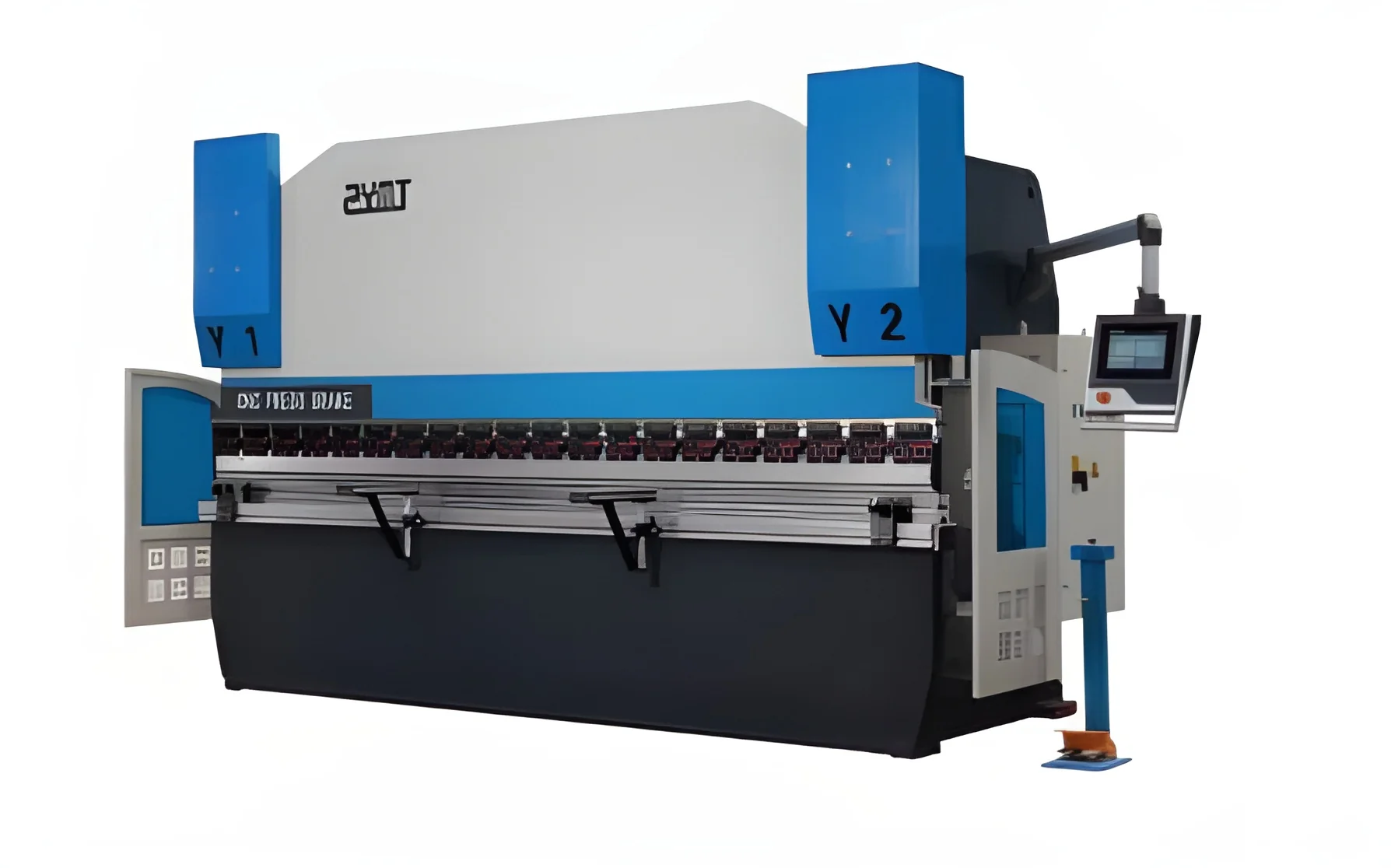
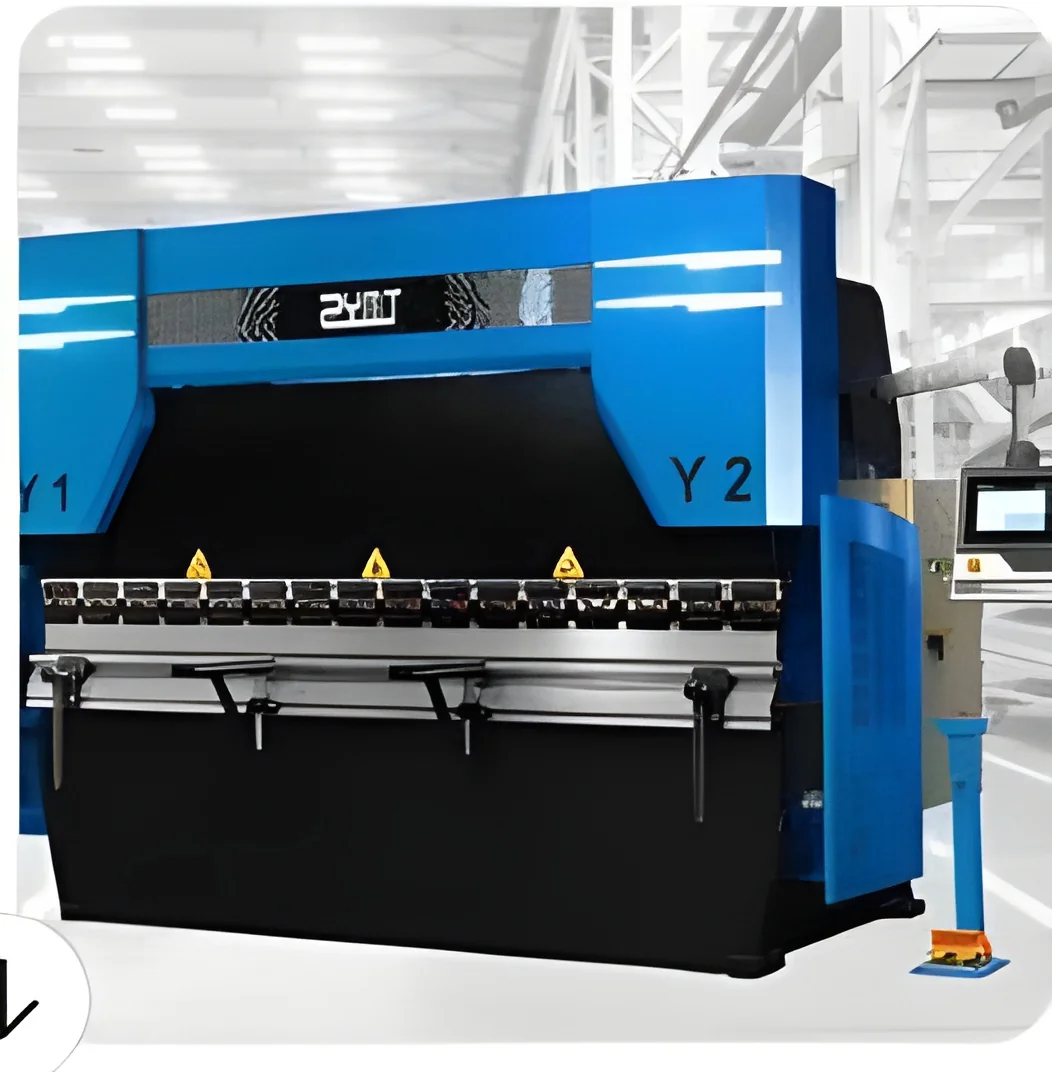
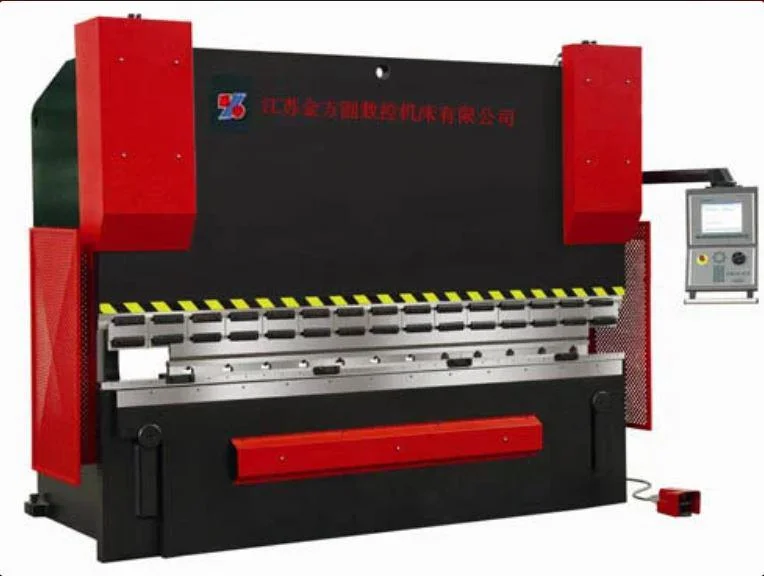
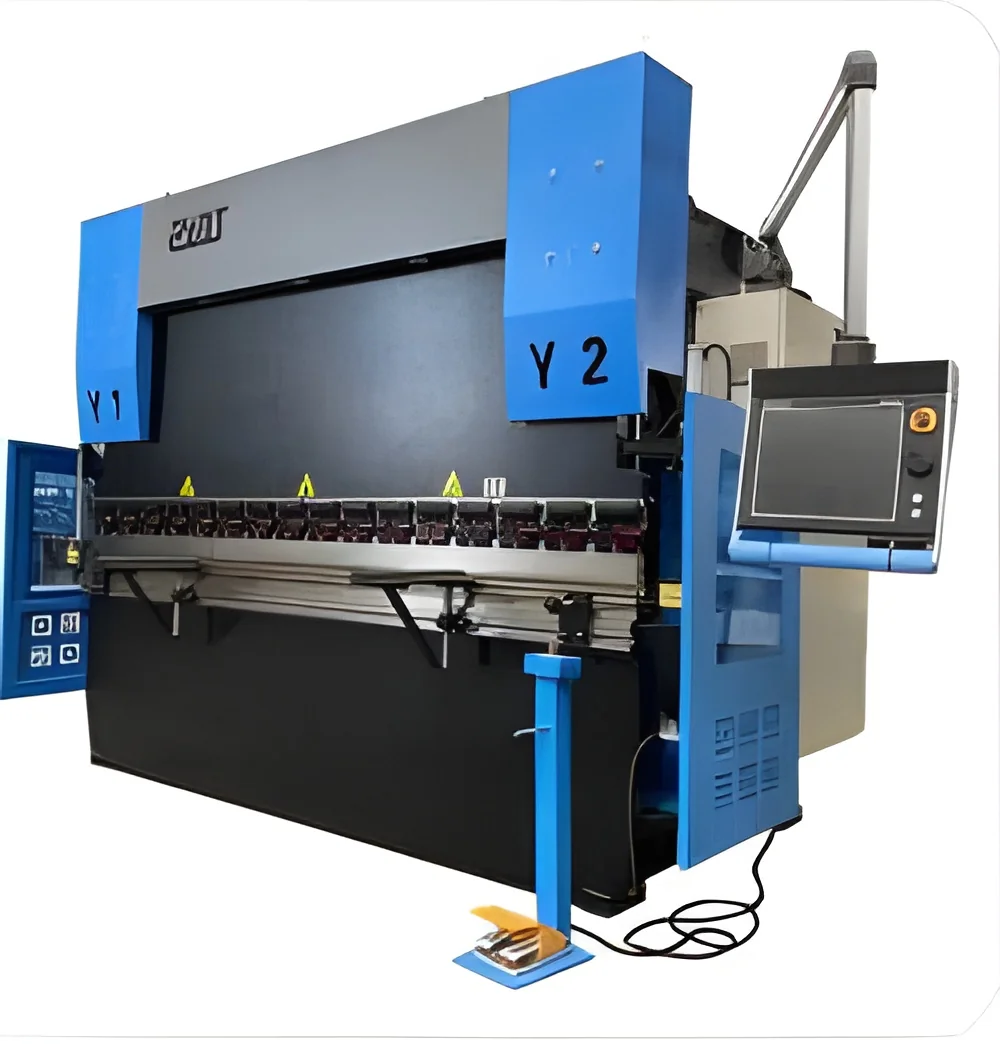
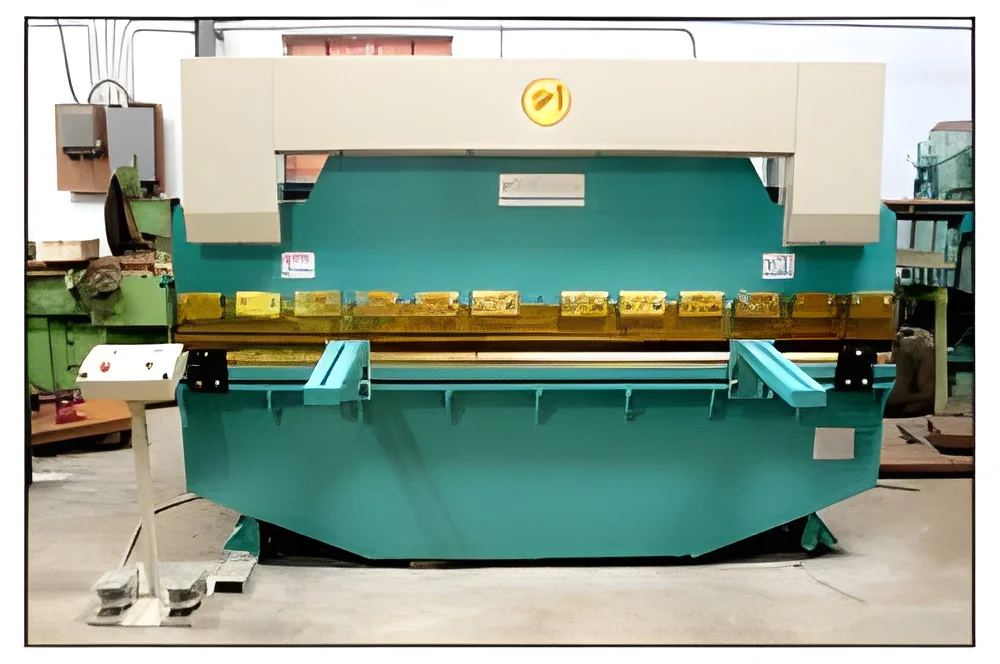
CNC press brakes are advanced machines used for bending metal sheets and plates with precision and accuracy. These machines utilize computer numerical control (CNC) technology to facilitate the bending process, enabling operators to input specific measurements and angles. CNC press brakes are designed to provide consistent results, ensuring high-quality bends in metal components.
The primary uses of CNC press brakes span across various industries, including manufacturing, construction, automotive, and aerospace. Businesses utilize these machines for tasks such as shaping metal parts, creating enclosures, and producing custom fabrications. With the ability to handle different materials and thicknesses, CNC press brakes are vital for companies aiming to enhance their production capabilities and efficiency.
In the current market context, CNC press brakes are gaining popularity due to their versatility and reliability. As industries increasingly demand precision and customization in manufacturing processes, the adoption of CNC technology in press brakes is becoming a standard practice. This relevance underscores the importance of investing in high-quality CNC press brakes to meet industry standards and customer expectations.
Key Features and Specifications
CNC press brakes come equipped with features that enhance their performance and usability. These machines are engineered to ensure precise bending operations while offering flexibility for various applications.
Key specifications include:
1. Bending Force
- The maximum force exerted during the bending process.
- Typically ranges from 20 to 500 tons depending on machine size.
2. Bending Length
- The maximum length of material that can be bent in a single operation.
- Commonly available lengths range from 2 to 6 meters.
3. Back Gauge Accuracy
- Precision of the back gauge system that positions the material for bending.
- Accuracy can be as fine as ±0.01 mm.
4. Stroke Length
- The distance the ram moves to perform the bending action.
- Stroke lengths usually range from 100 mm to 300 mm.
5. Control System
- The type of CNC control interface used for programming and operation.
- Options may include basic digital displays or advanced touchscreen interfaces.
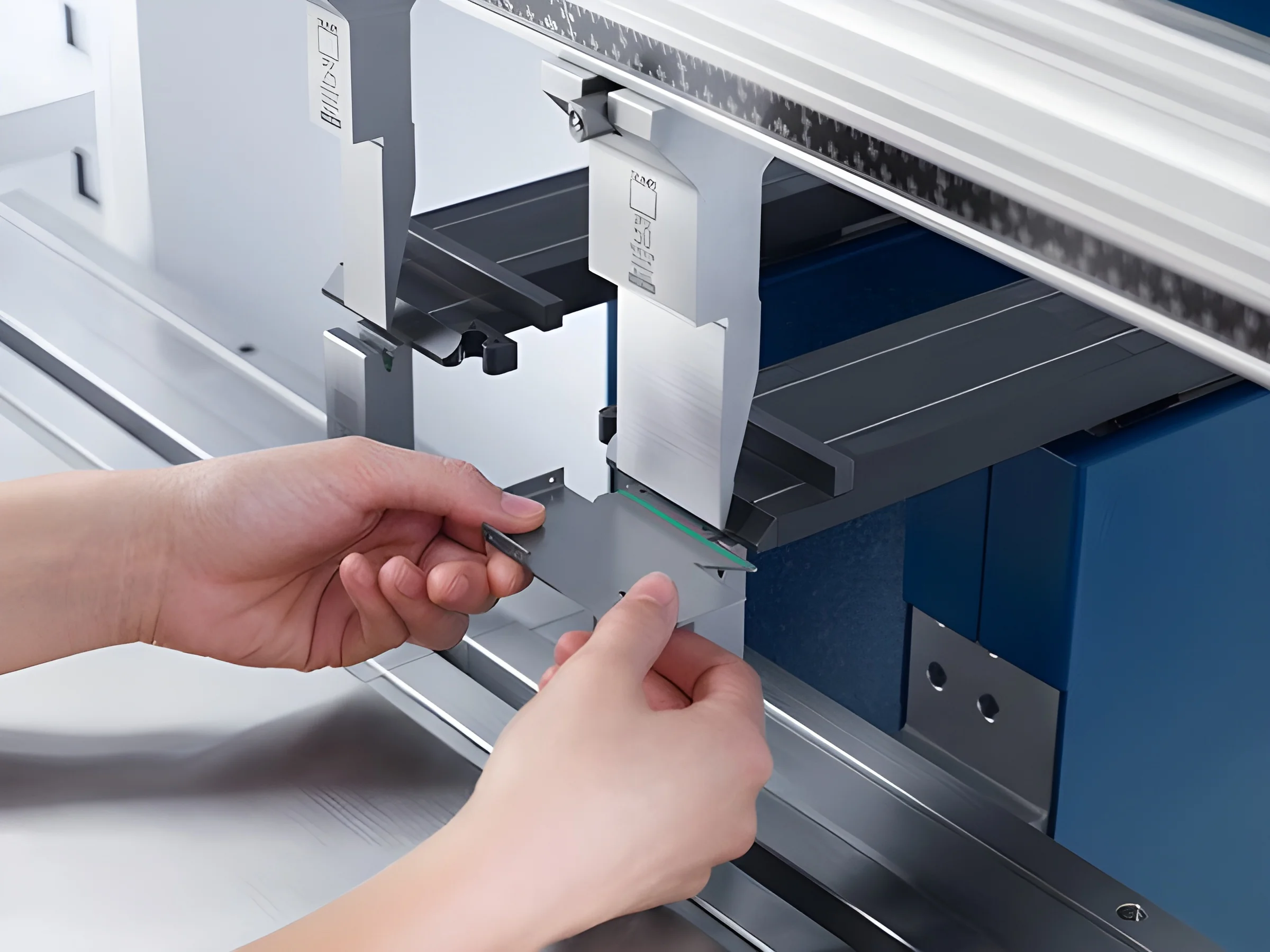
6. Tooling Compatibility
- Compatibility with various bending tools and dies.
- Common tooling systems include European and American standards.
7. Safety Features
- Includes emergency stops, safety guards, and light curtains.
- Designed to meet strict safety regulations.
8. Power Supply
- The electrical requirements for the machine's operation.
- Typically operates on 380V or 440V power supply.
In summary, CNC press brakes are equipped with a range of features and specifications tailored for high performance and precision bending. These machines are essential for industries that require accurate metal forming and fabrication.
Common Applications and Use Cases
CNC press brakes are utilized across numerous industries, showcasing their versatility and functionality.
1. Manufacturing: Companies in the manufacturing sector use CNC press brakes to produce components for machinery, automotive parts, and electronic enclosures, ensuring high-quality bends and precise tolerances.
2. Construction: In the construction industry, CNC press brakes are employed to create structural components, such as beams and brackets, which require accurate bending for assembly and installation.
3. Automotive: The automotive industry relies on CNC press brakes for fabricating parts such as chassis components, brackets, and custom designs that meet stringent safety and performance standards.
4. Aerospace: Aerospace manufacturers utilize these machines to create lightweight, precision-engineered parts that meet rigorous performance criteria, ensuring safety and efficiency in aircraft operations.
5. HVAC: HVAC companies use CNC press brakes to fabricate ductwork and components, ensuring proper airflow and system efficiency in residential and commercial applications.
6. Furniture: In the furniture industry, CNC press brakes help create metal frameworks and decorative elements, enhancing product design and functionality.
7. Electrical: Electrical manufacturers use CNC press brakes to produce enclosures and mounting brackets for various electrical applications, ensuring durability and compliance with standards.
Product Variants and Subcategories
CNC press brakes come in various models and configurations, catering to diverse industrial needs.
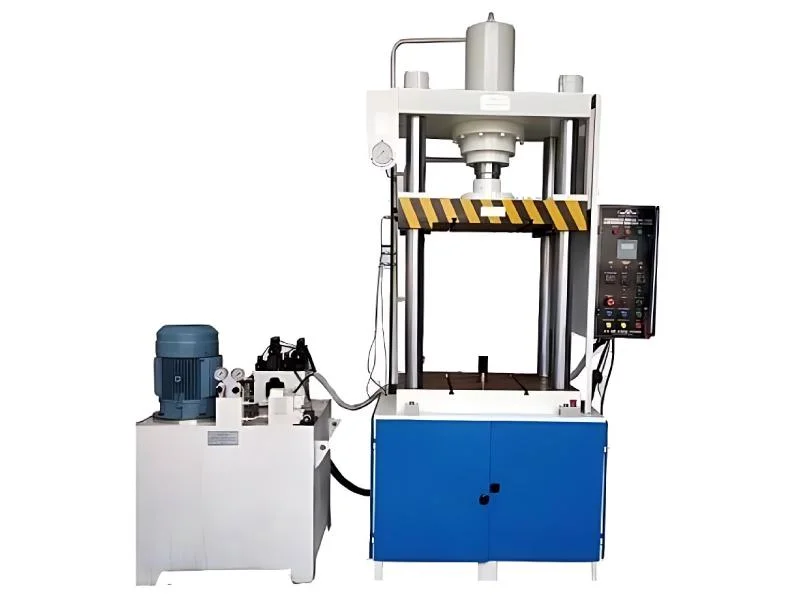
Hydraulic CNC Press Brakes: These models utilize hydraulic systems for bending, providing high force and flexibility. They are ideal for heavy-duty applications and can handle a wide range of materials.
Electric CNC Press Brakes: Electric variants offer energy-efficient operations with lower running costs. They provide precise control and are suitable for lighter materials and smaller bending tasks.
Hybrid CNC Press Brakes: Combining hydraulic and electric technologies, hybrid press brakes deliver the benefits of both systems. They offer energy savings while maintaining high performance and precision.
Benefits and Advantages
CNC press brakes offer numerous benefits that enhance productivity and efficiency in industrial settings.
1. Precision Bending: CNC technology ensures accurate bending operations, minimizing errors and enhancing product quality.
2. Increased Productivity: Automated processes reduce manual intervention, allowing for faster production cycles and improved throughput.
3. Versatility: CNC press brakes can handle various materials and thicknesses, making them suitable for a wide range of applications.
4. Customization: These machines allow for programming of custom bending sequences, enabling manufacturers to create unique parts tailored to specific needs.
5. Reduced Labor Costs: Automation reduces the need for extensive manual labor, lowering operational costs and enhancing workforce efficiency.
6. Safety Features: Equipped with advanced safety mechanisms, CNC press brakes ensure a safer working environment, protecting operators from potential hazards.
Buying Guide for B2B Buyers
When sourcing CNC press brakes, several factors should be considered to ensure the best purchase decision.
1. Quality Assessment: Evaluate the quality of the machines based on build materials, precision ratings, and manufacturer reputation. Look for machines that meet industry standards and certifications.
2. Supplier Verification: Vet suppliers to ensure they are reputable and reliable. Check for customer reviews, industry experience, and service support.
3. Pricing and MOQ: Understand the pricing structures and minimum order quantities (MOQ) of different suppliers. Compare costs to find the best value while ensuring quality.
4. Delivery and Lead Times: Inquire about logistics and lead times for delivery. Timely receipt of machinery is crucial for maintaining production schedules.
5. Compliance Requirements: Ensure that the CNC press brakes meet relevant compliance and safety standards specific to your industry and region.
Compliance and Certifications
CNC press brakes are subject to various quality standards and certifications that ensure their reliability and safety.
ISO 9001 is a widely recognized quality management standard that many manufacturers comply with. This certification demonstrates a commitment to maintaining high-quality processes and products.
CE certification is essential for products marketed in Europe. It indicates that the machine adheres to European safety, health, and environmental protection standards.
Safety and testing requirements are critical for CNC press brakes, ensuring that they operate safely under various conditions. Regular testing for performance and safety must be conducted to maintain compliance.
Additionally, regional compliance considerations may vary, so it is important to be aware of local regulations and standards that affect the operation and sale of CNC press brakes.
Why Source CNC Press Brakes from Pepagora?
Pepagora provides a trusted platform for sourcing CNC press brakes, offering several key advantages to B2B buyers.
Verified Supplier Network: Pepagora has established a network of verified suppliers, ensuring that buyers can access high-quality machines from reputable manufacturers. This verification process helps mitigate risks associated with sourcing.
Streamlined RFQ Process: The platform features a user-friendly request for quotation (RFQ) system, allowing buyers to easily submit their requirements and receive competitive quotes from multiple suppliers. This process saves time and enhances decision-making.
Trade Assurance and Support: Pepagora offers trade assurance and support, providing buyers with protection and assistance throughout the purchasing process. This support helps build trust and confidence in transactions.
Regional Coverage: With a strong presence in India, the GCC, and Southeast Asia, Pepagora provides extensive regional coverage, making it easier for buyers to find CNC press brakes tailored to their specific needs and location.

 IN
IN