𝗪𝗵𝗮𝘁 𝗮𝗿𝗲 𝗖𝗡𝗖 𝗠𝗮𝗰𝗵𝗶𝗻𝗲𝘀?
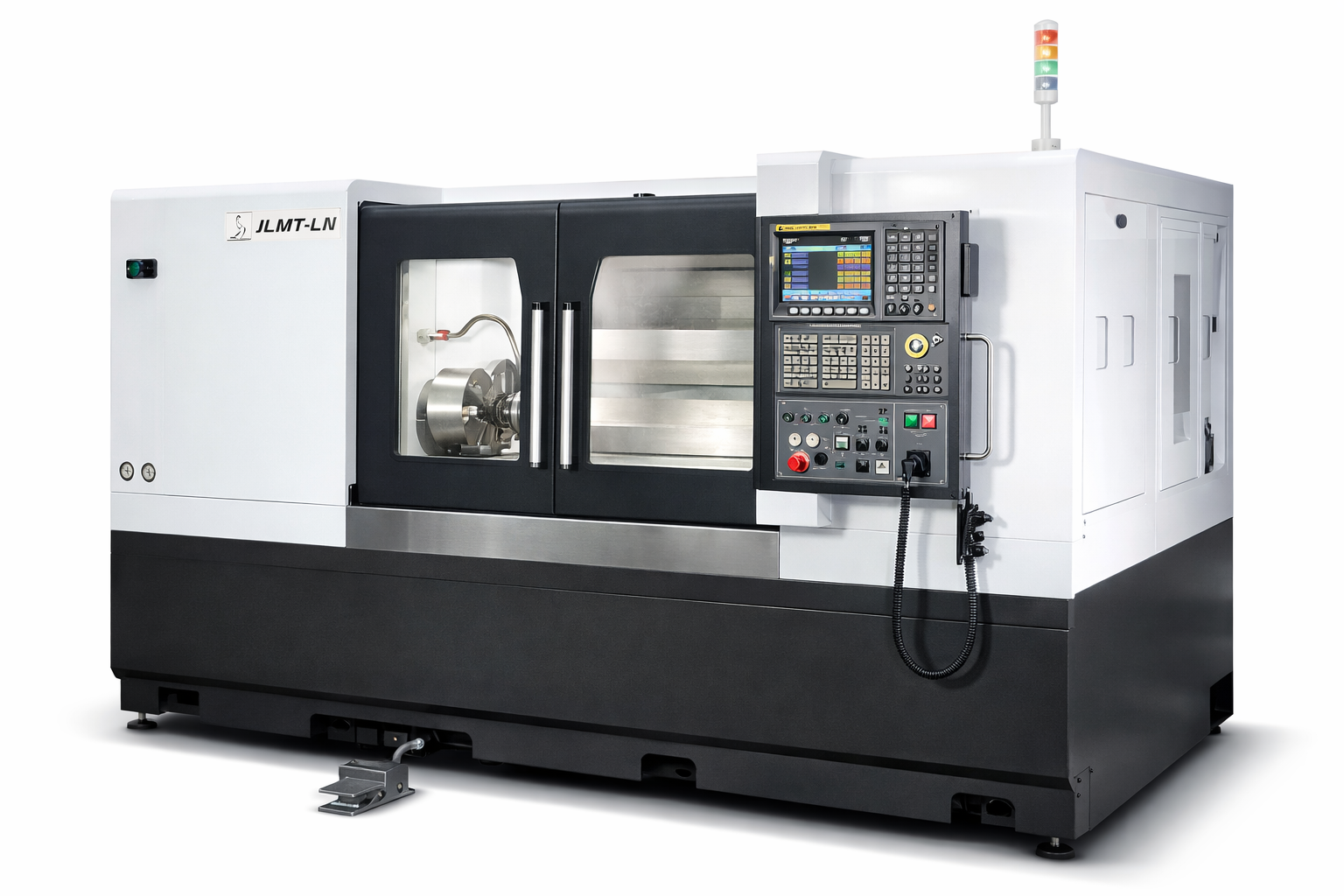
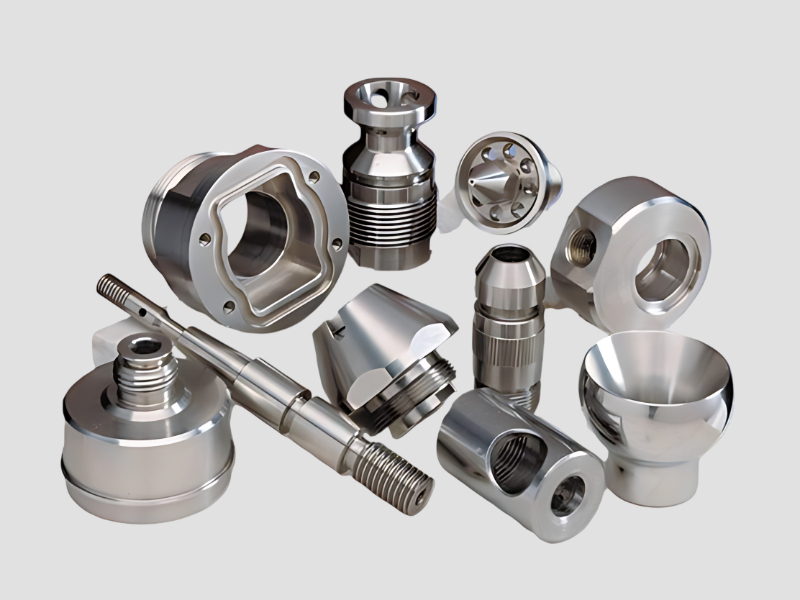
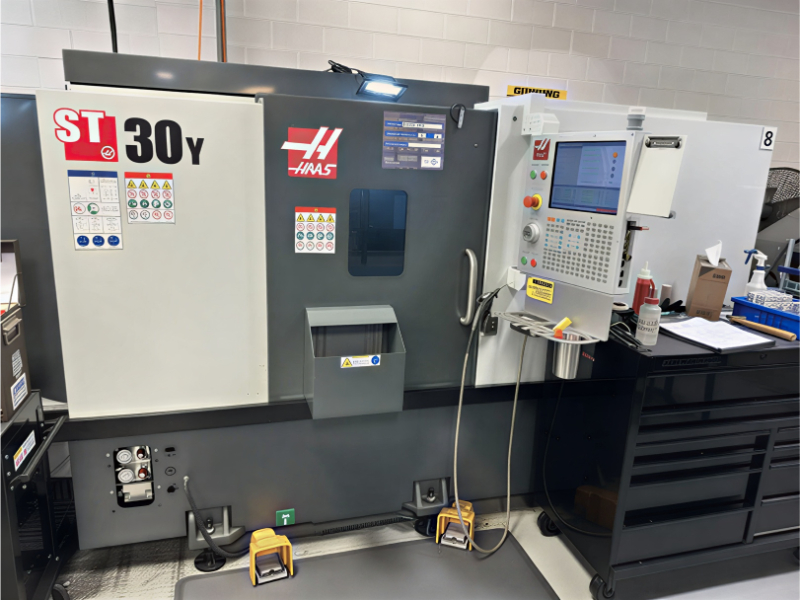
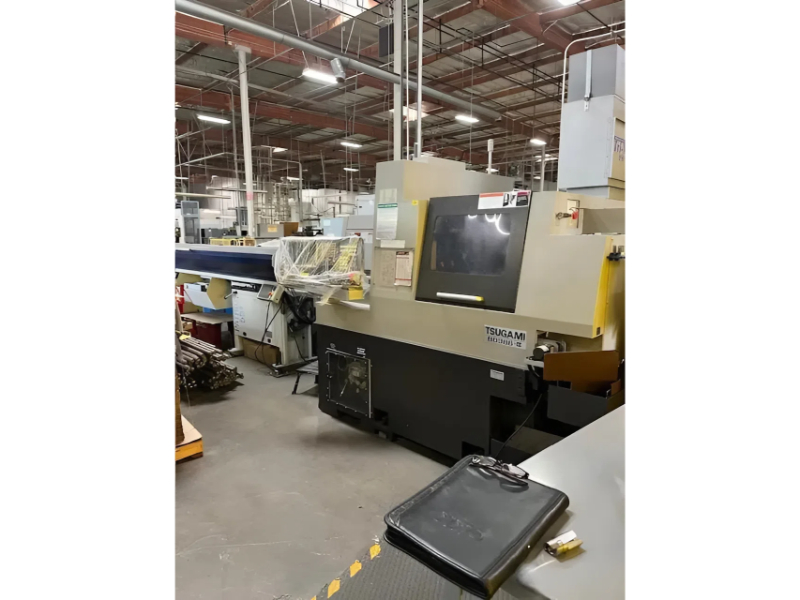
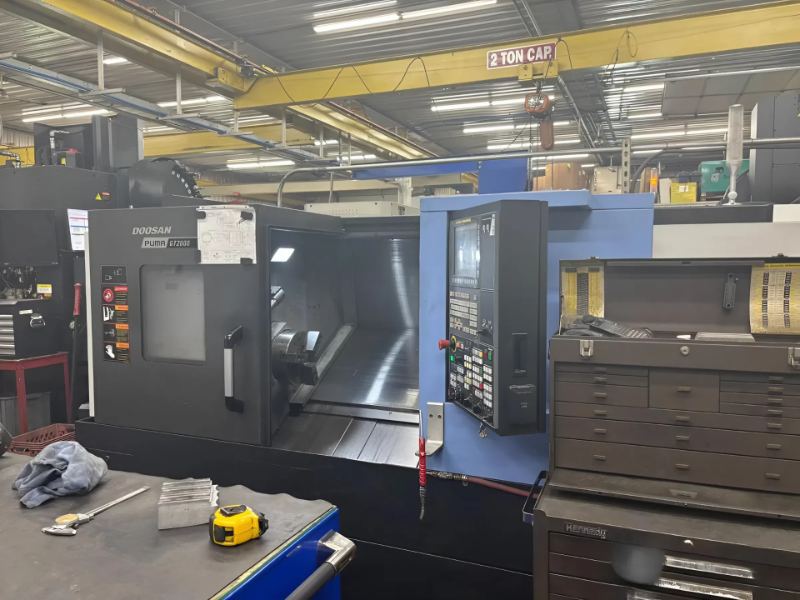
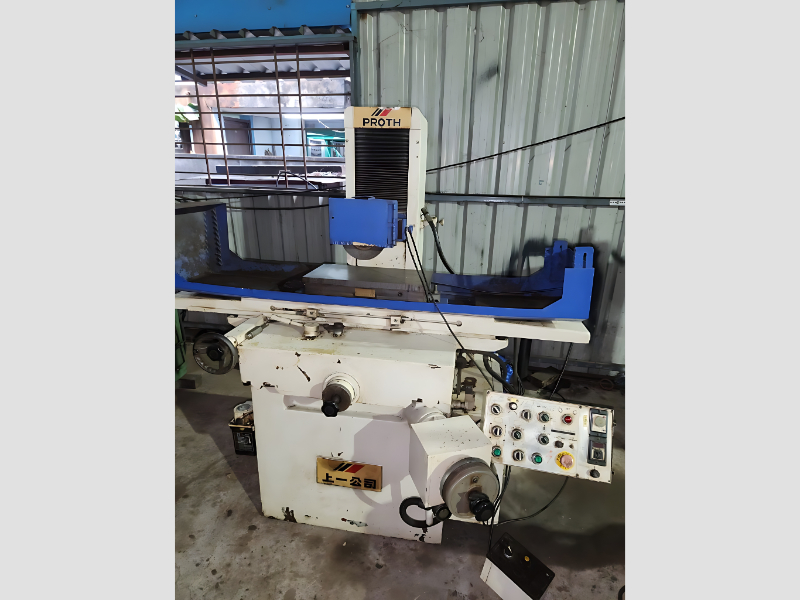
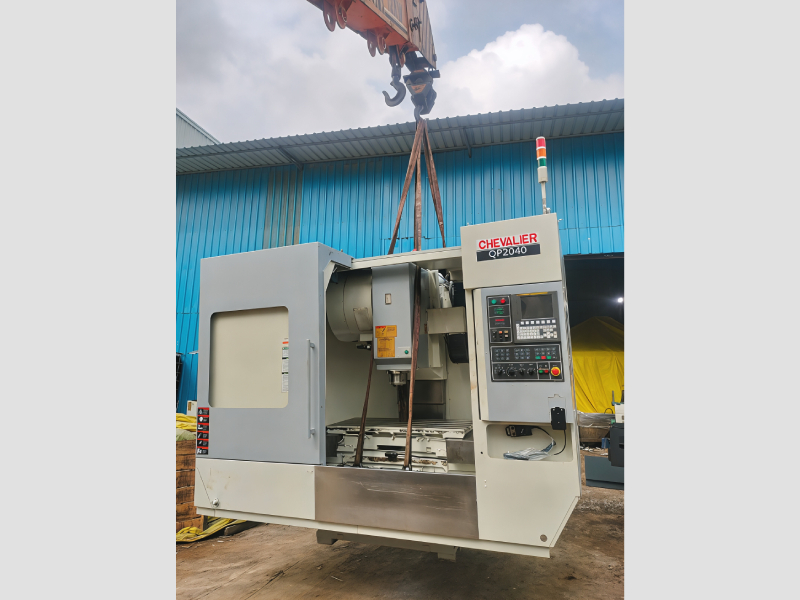
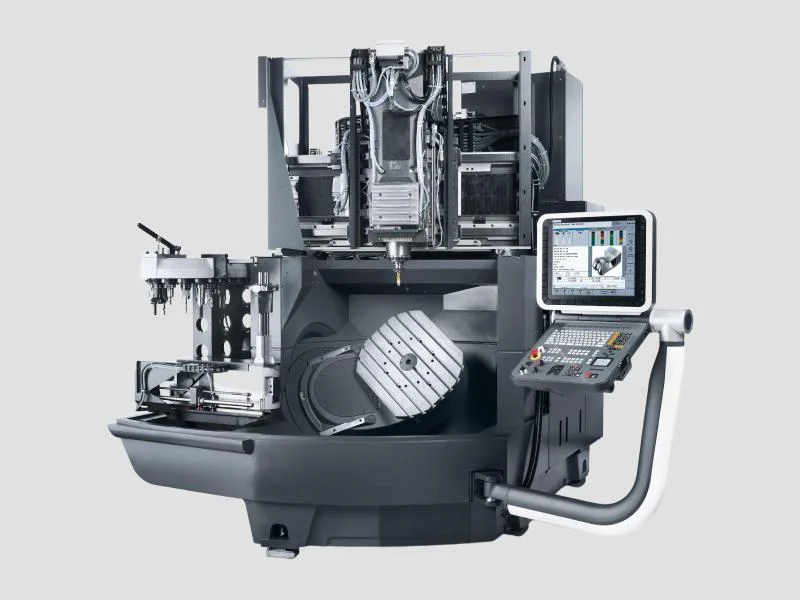
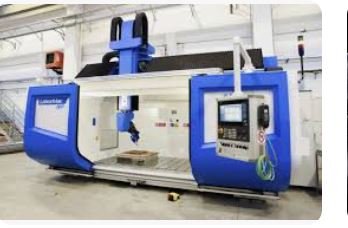
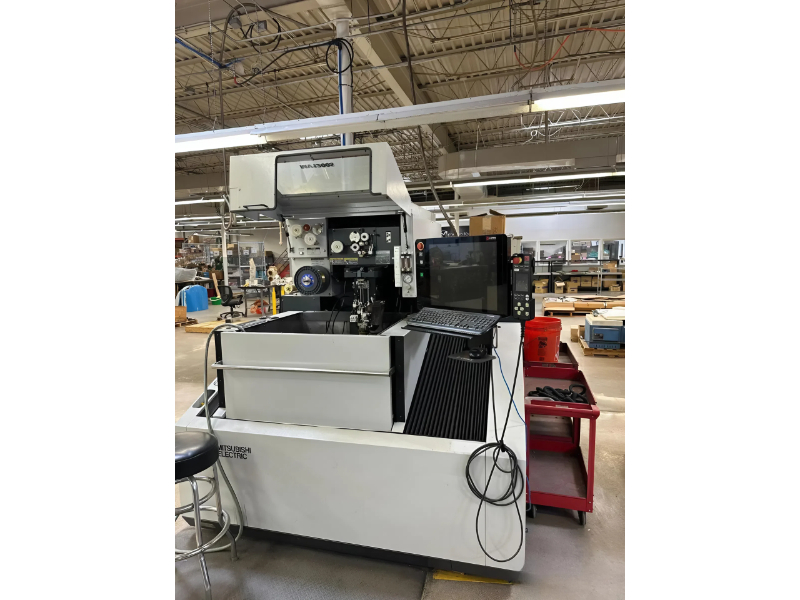
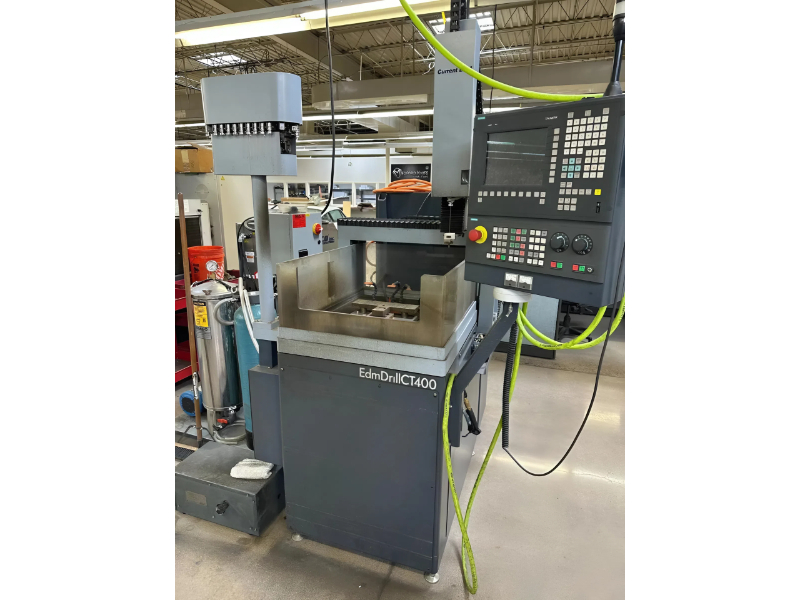
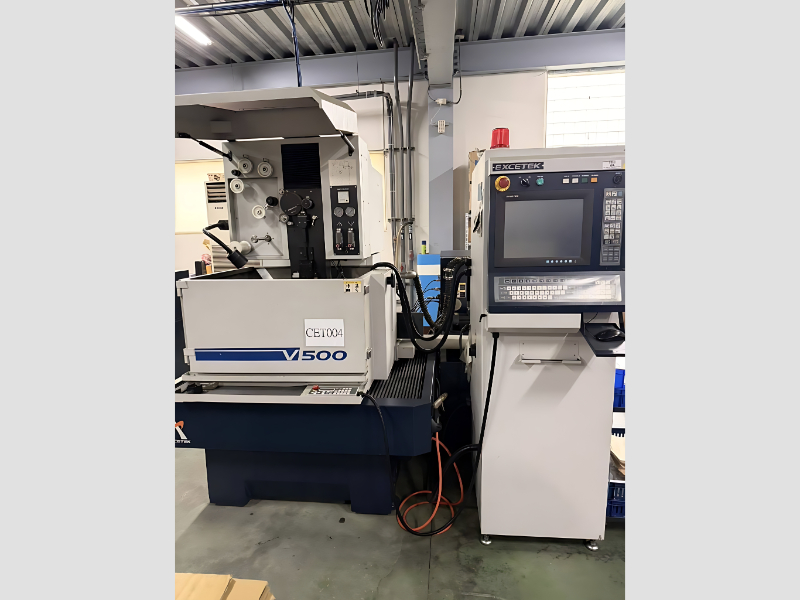
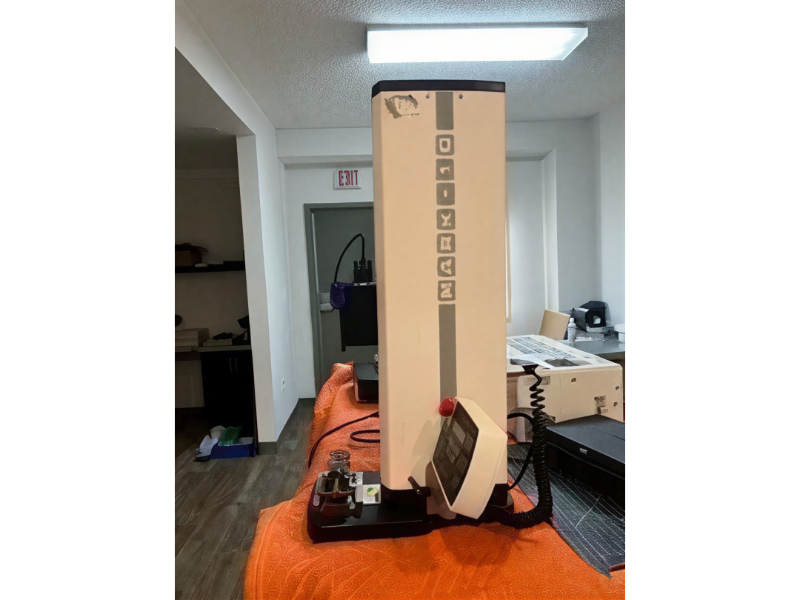
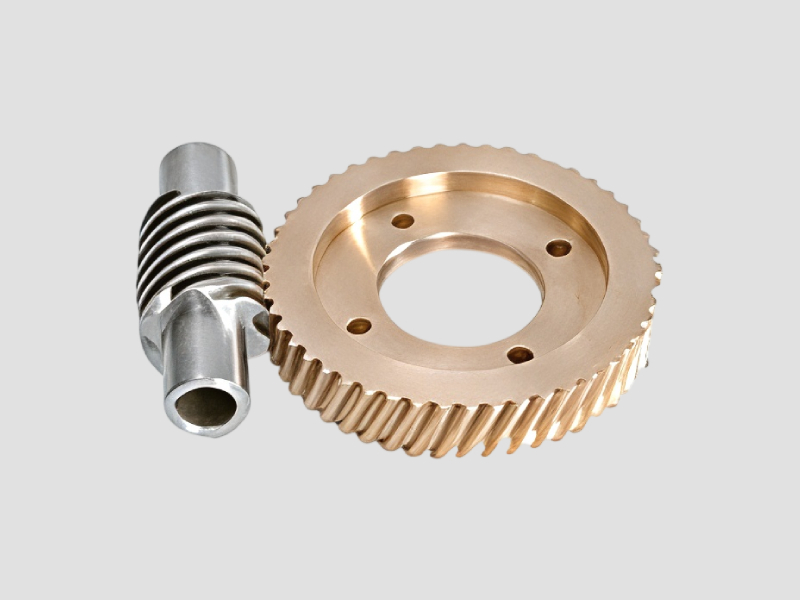
CNC Machines, or Computer Numerical Control Machines, are automated devices that use computer programming to control machine tools. These machines can execute precise movements and operations such as milling, turning, and drilling, which are typically required in manufacturing processes. By utilizing a computer to dictate the movement of machinery, CNC machines can produce complex parts with high accuracy and repeatability, making them essential in various industrial applications.
The primary uses of CNC machines span several sectors, including aerospace, automotive, electronics, and metalworking. Businesses employ these machines to enhance production efficiency, reduce human error, and achieve consistent quality in their products. CNC technology has revolutionized the manufacturing landscape, making it possible to create intricate designs that would be difficult or impossible to achieve with manual machining. As demand for precision-engineered components continues to grow, CNC machines remain a crucial element in the modern manufacturing process.
In the current market landscape, CNC machines are increasingly relevant due to the rise of automation and the need for faster production times. Companies are investing in these machines to remain competitive and meet consumer demands for high-quality, customized products. As a result, the CNC machine market is witnessing significant growth, driven by advancements in technology and increased adoption across various industries.
𝗞𝗲𝘆 𝗙𝗲𝗮𝘁𝘂𝗿𝗲𝘀 𝗮𝗻𝗱 𝗦𝗽𝗲𝗰𝗶𝗳𝗶𝗰𝗮𝘁𝗶𝗼𝗻𝘀
CNC machines come equipped with several key features and specifications that enhance their functionality and performance. Understanding these aspects is vital for making informed purchasing decisions.
Key specifications include:
1. Control System
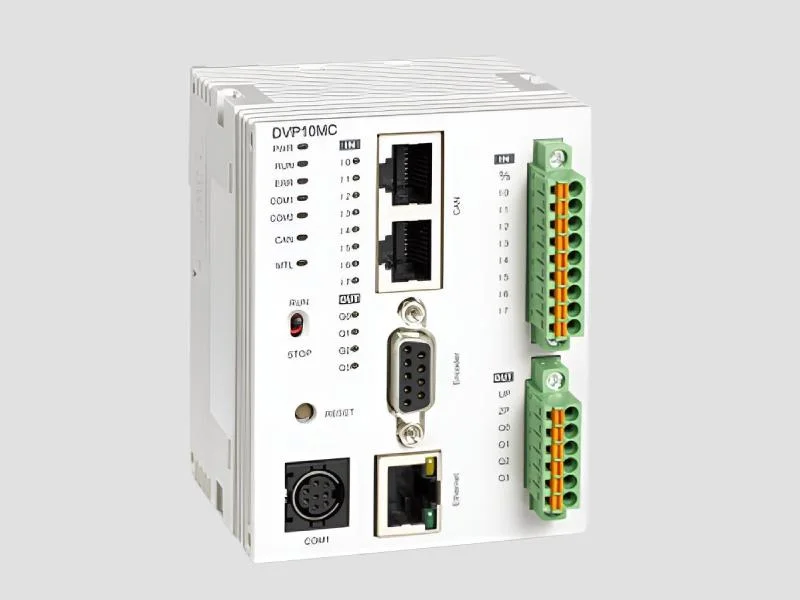
- CNC machines utilize advanced control systems that can be programmed using G-code.
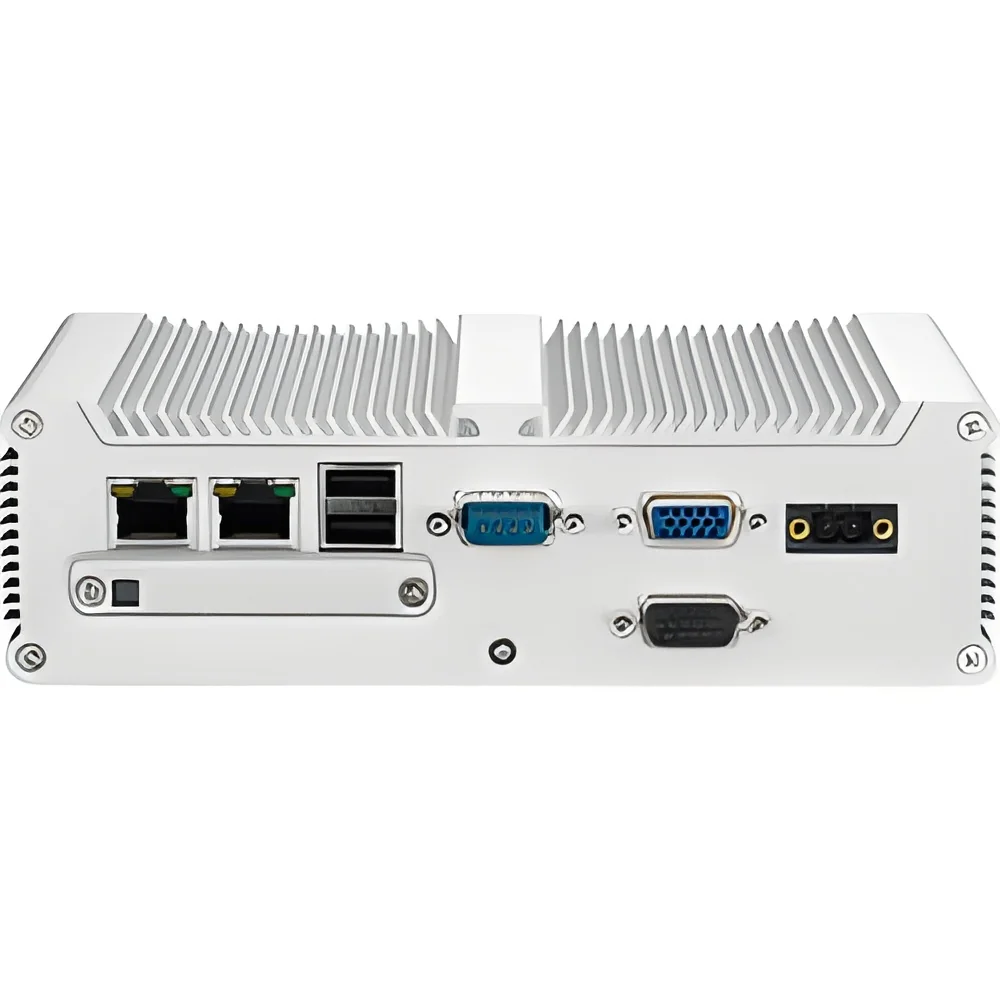
- These systems allow for precise manipulation of machine tools, enabling complex machining operations.
2. Axis Configuration
- CNC machines can have varying axis configurations, such as 3-axis, 4-axis, or 5-axis.
- More axes provide greater flexibility in machining complex geometries.
3. Spindle Speed
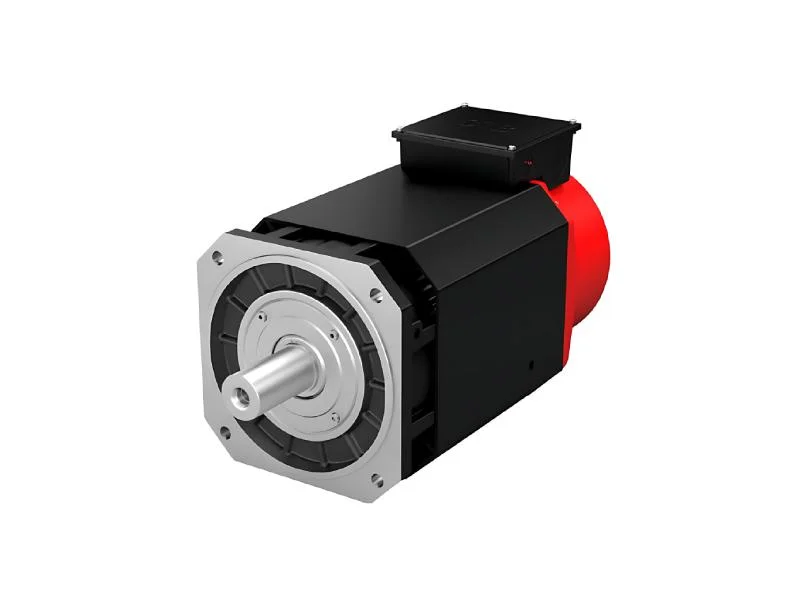
- The spindle speed dictates how fast the machine can operate, typically measured in revolutions per minute (RPM).
- Higher spindle speeds allow for faster machining and improved surface finishes.
4. Tooling Compatibility
- CNC machines can accommodate various tooling options, including drill bits, end mills, and lathes.
- Compatibility with different tools enhances versatility for various applications.
5. Cutting Area
- The cutting area, or work envelope, indicates the maximum dimensions of the material that can be processed.
- Larger cutting areas allow for machining bigger components.
6. Power Requirements
- CNC machines have specific power requirements, often measured in kilowatts (kW).
- Understanding power needs is crucial for ensuring proper electrical supply.
7. Software Integration
- Many CNC machines come with software that facilitates design and programming.
- Software compatibility is essential for smooth operations and workflow efficiency.
8. Safety Features
- CNC machines are equipped with safety features such as emergency stop buttons and protective enclosures.
- These features are vital for ensuring operator safety during machining processes.
In summary, selecting the right CNC machine involves understanding these key specifications and features to match the machine's capabilities with the intended applications.
𝗖𝗼𝗺𝗺𝗼𝗻 𝗔𝗽𝗽𝗹𝗶𝗰𝗮𝘁𝗶𝗼𝗻𝘀 𝗮𝗻𝗱 𝗨𝘀𝗲 𝗖𝗮𝘀𝗲𝘀
CNC machines serve a wide range of industries, demonstrating their versatility and effectiveness in various manufacturing processes.
1. Aerospace: CNC machines are used for producing lightweight yet strong components such as brackets and frames that meet strict safety standards.
2. Automotive: In the automotive industry, CNC machines manufacture engine parts, transmission components, and custom tooling for assembly lines.
3. Electronics: These machines enable the production of precise circuit boards and enclosures, crucial for the functionality of electronic devices.
4. Metalworking: CNC machines are prevalent in metal fabrication, allowing for the creation of complex metal parts with high accuracy.
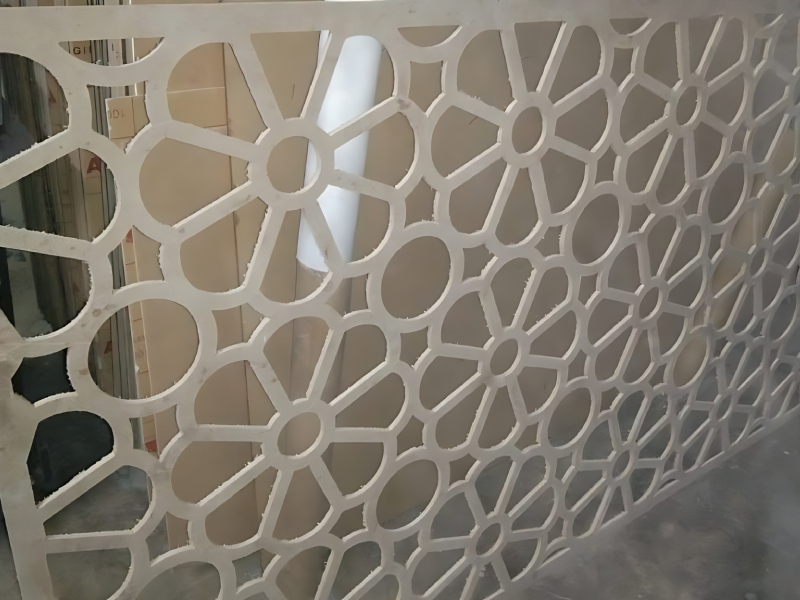
5. Woodworking: CNC routers are utilized to carve intricate designs in wood, producing furniture and decorative pieces efficiently.
6. Medical: CNC machines are employed in creating surgical instruments and implants, where precision is paramount for patient safety.
7. Defense: The defense sector relies on CNC machines for producing components used in military equipment and vehicles, where durability and reliability are critical.
𝗣𝗿𝗼𝗱𝘂𝗰𝘁 𝗩𝗮𝗿𝗶𝗮𝗻𝘁𝘀 𝗮𝗻𝗱 𝗦𝘂𝗯𝗰𝗮𝘁𝗲𝗴𝗼𝗿𝗶𝗲𝘀
CNC machines come in various types and configurations to cater to specific manufacturing needs. This diversity allows businesses to choose machines that best fit their operational requirements.
CNC Milling Machines
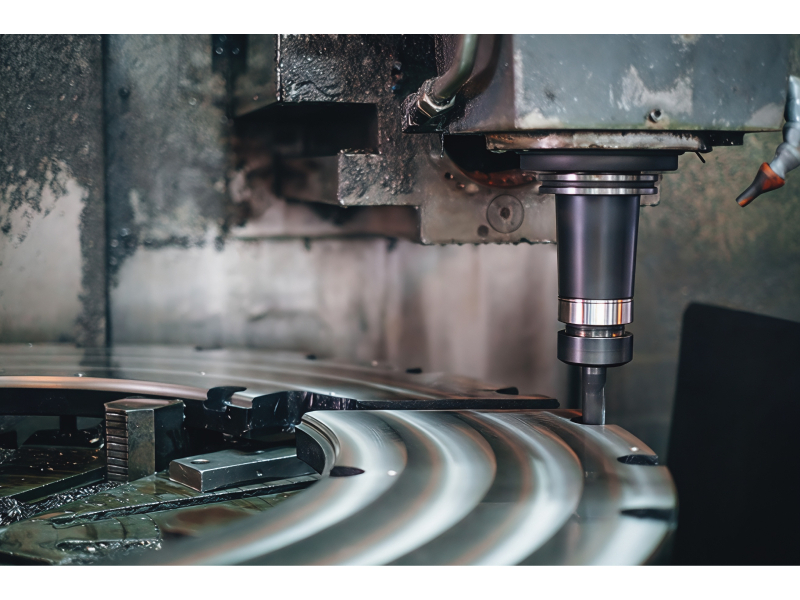
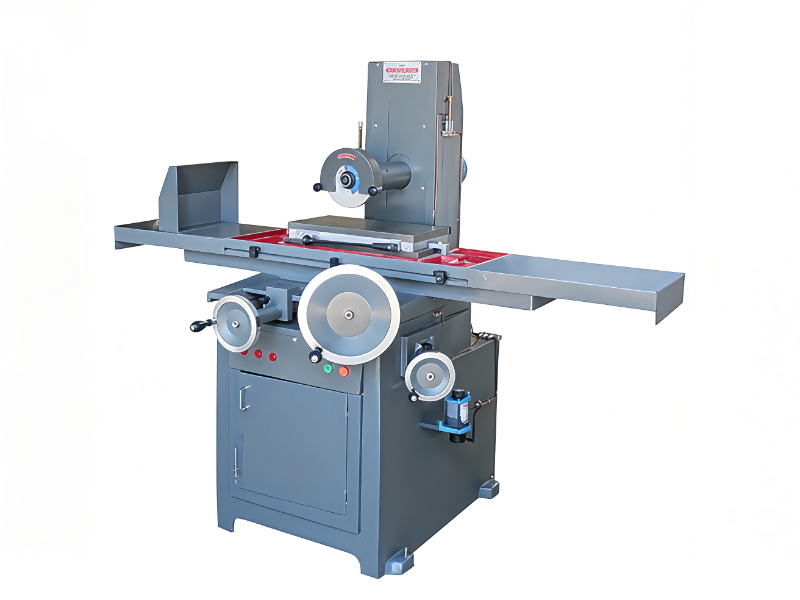
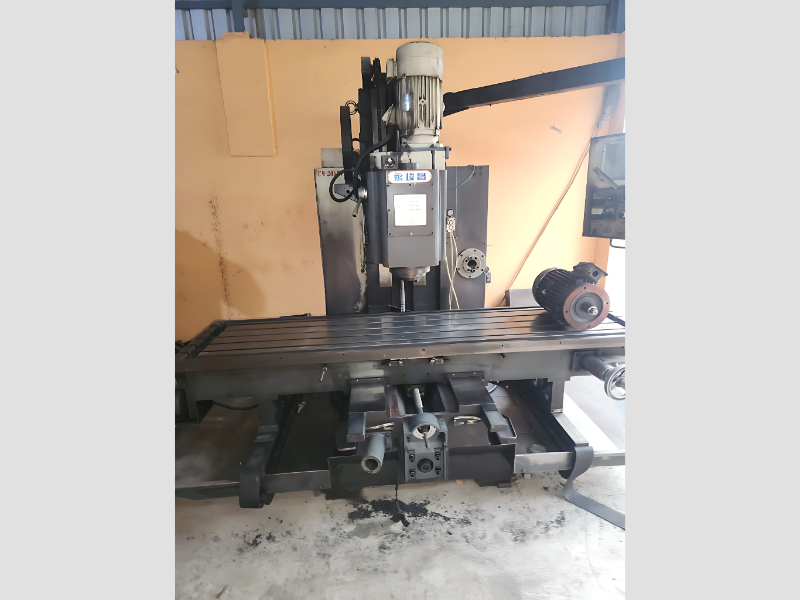
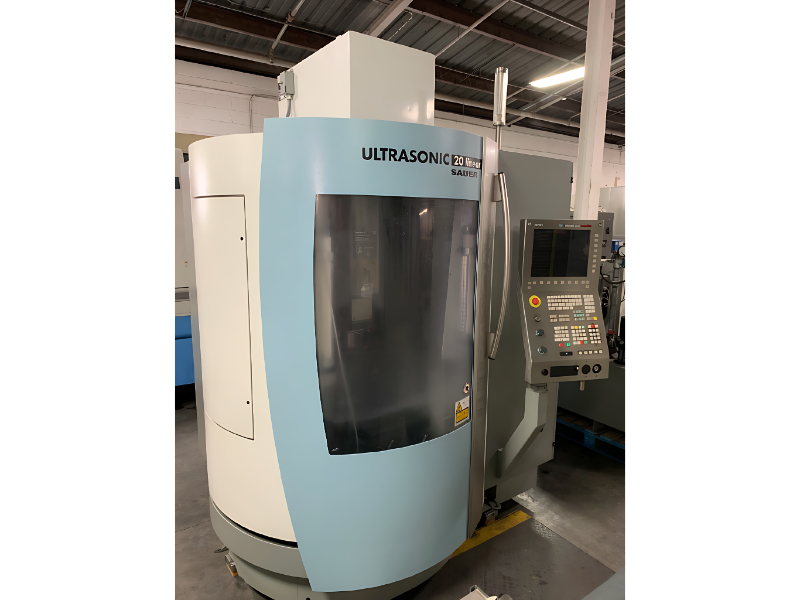
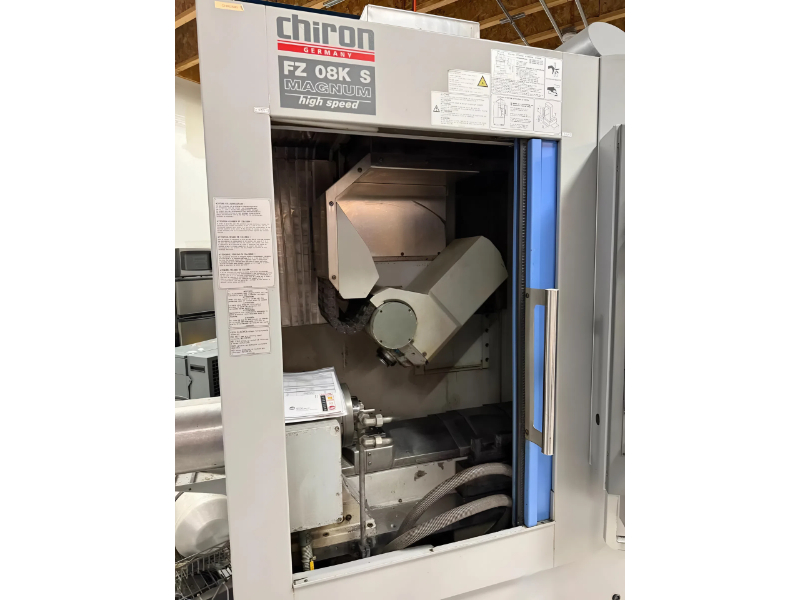
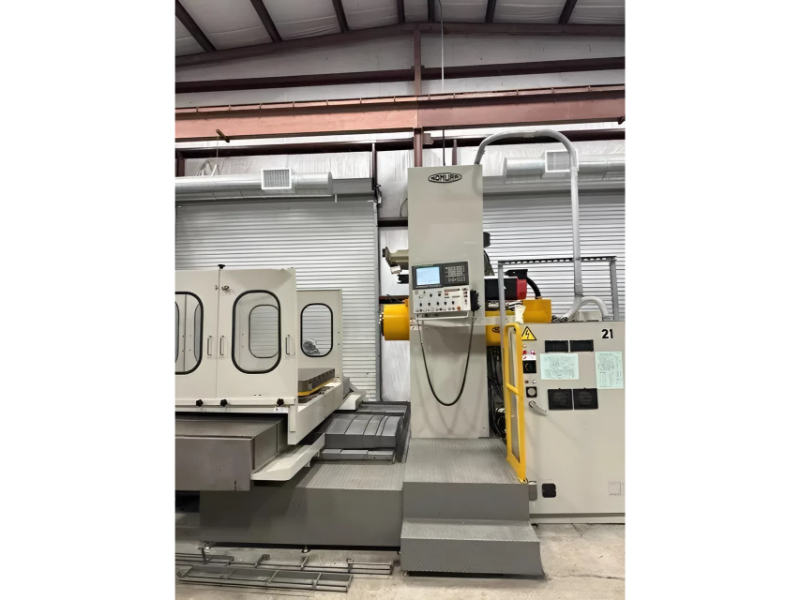
CNC milling machines are used for cutting and shaping materials like metal and plastic. They are ideal for producing parts with complex geometries and fine details, making them suitable for industries such as aerospace and automotive.
CNC Lathes
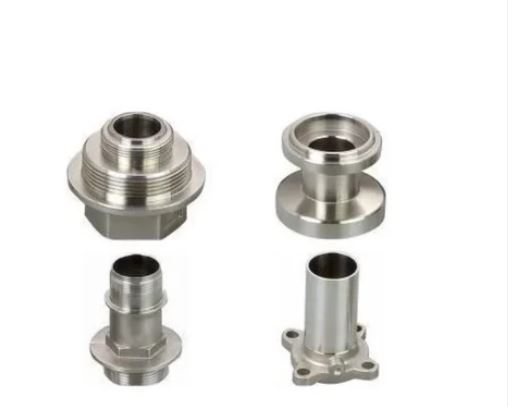
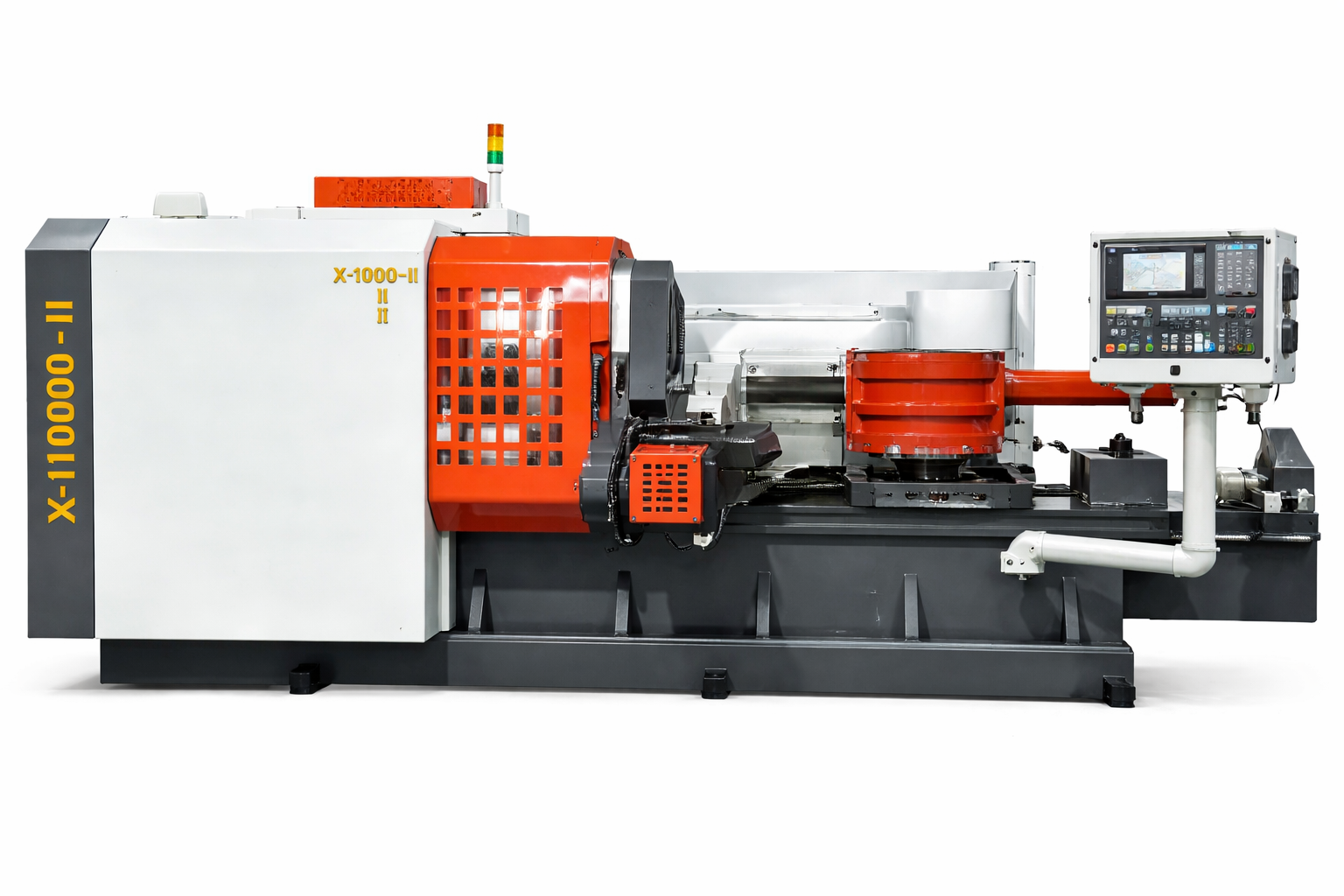
CNC lathes are designed for turning operations, where material rotates against a cutting tool. They are commonly used for creating cylindrical parts and are essential in the manufacturing of components like shafts and fittings.
CNC Plasma Cutters
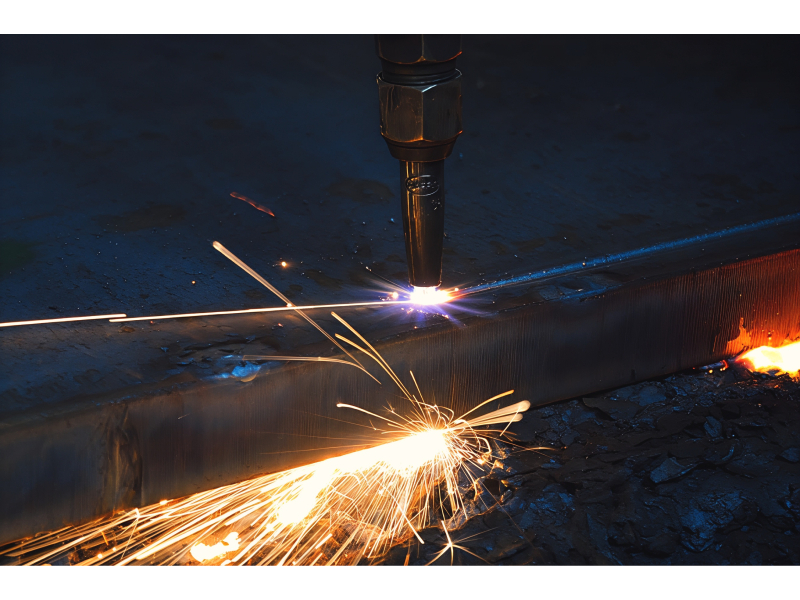
CNC plasma cutters utilize high-temperature plasma to cut through metal sheets with precision. They are often used in industries where metal fabrication is key, such as construction and automotive.
CNC Laser Cutters
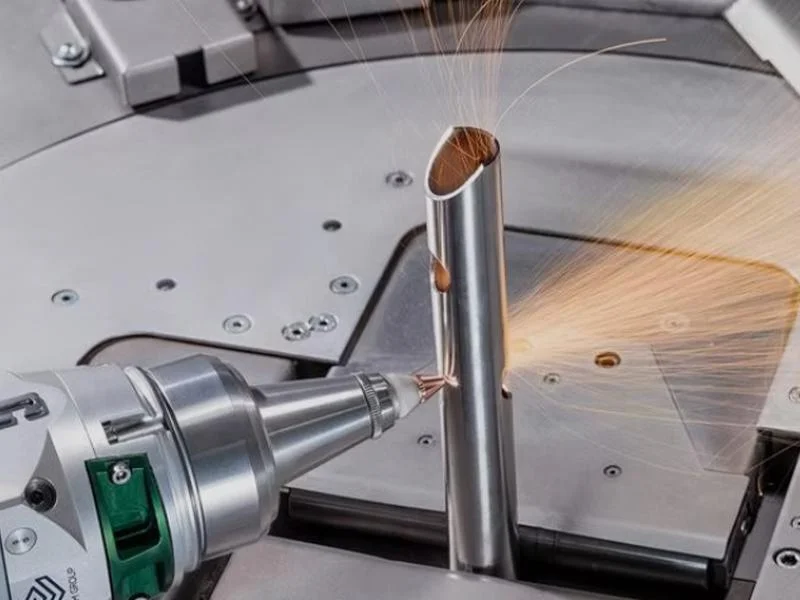
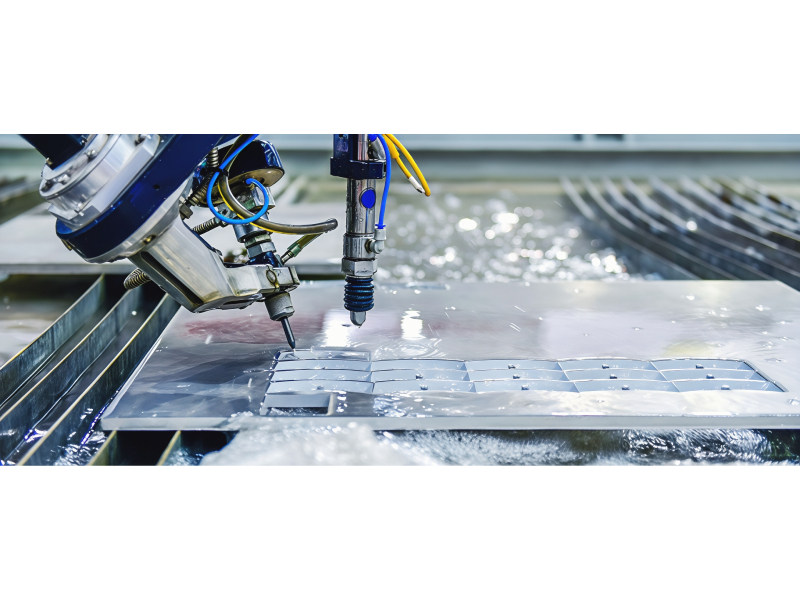
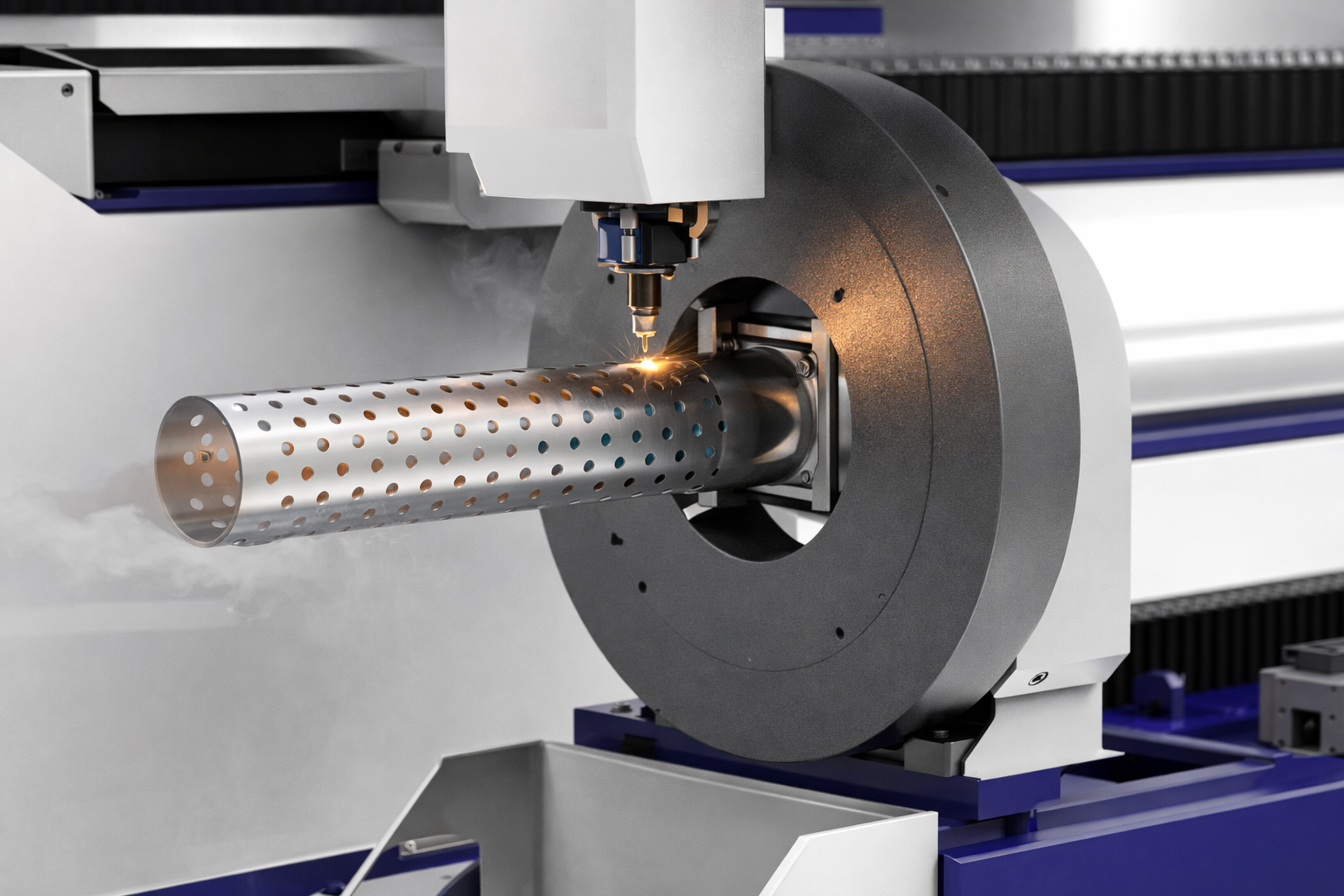
CNC laser cutters use a high-powered laser to cut through various materials. They are favored for their ability to create intricate designs and are widely used in the signage and decorative arts industries.
𝗕𝗲𝗻𝗲𝗳𝗶𝘁𝘀 𝗮𝗻𝗱 𝗔𝗱𝘃𝗮𝗻𝘁𝗮𝗴𝗲𝘀
Investing in CNC machines provides numerous advantages that can enhance productivity and product quality.
1. Precision: CNC machines deliver high levels of accuracy, ensuring that each part meets exact specifications and reduces waste.
2. Efficiency: Automated processes enable faster production cycles compared to manual machining, leading to increased output.
3. Consistency: With CNC technology, each machined part is produced uniformly, ensuring consistent quality across large production runs.
4. Flexibility: CNC machines can be easily reprogrammed for different tasks, allowing manufacturers to adapt quickly to changing demands.
5. Reduced Labor Costs: Automation minimizes the need for manual labor, leading to lower operational costs and improved labor allocation.
6. Enhanced Safety: CNC machines are designed with safety features that protect operators and reduce the risk of workplace accidents.
𝗕𝘂𝘆𝗶𝗻𝗴 𝗚𝘂𝗶𝗱𝗲 𝗳𝗼𝗿 𝗕𝟮𝗕 𝗕𝘂𝘆𝗲𝗿𝘀
When sourcing CNC machines, several factors should be considered to ensure the right purchase.
1. Quality Assessment: Evaluate the quality of machines by reviewing manufacturer certifications and customer testimonials. High-quality machines often come with warranties and support.
2. Supplier Verification: Research potential suppliers thoroughly, checking for industry reputation and reliability. Ensure they have a history of delivering quality products on time.
3. Pricing and MOQ: Understand the pricing structure and minimum order quantities (MOQ) offered by suppliers. Compare prices across different manufacturers to find competitive rates.
4. Delivery and Lead Times: Inquire about lead times for delivery and installation. Timely delivery is crucial for maintaining production schedules.
5. Compliance Requirements: Ensure that the machines meet necessary compliance and regulatory standards, which can vary by region and industry.
𝗖𝗼𝗺𝗽𝗹𝗶𝗮𝗻𝗰𝗲 𝗮𝗻𝗱 𝗖𝗲𝗿𝘁𝗶𝗳𝗶𝗰𝗮𝘁𝗶𝗼𝗻𝘀
CNC machines must adhere to various compliance and certification standards to ensure their safety and performance. Key quality standards include ISO 9001, which outlines requirements for a quality management system, ensuring that manufacturers consistently provide products that meet customer and regulatory requirements.
Industry certifications such as CE mark indicate that the machines comply with European health, safety, and environmental protection standards. This certification is critical for companies operating within the European market.
Safety and testing requirements are also essential, as they help to ensure that CNC machines operate safely and reliably. Regular maintenance and inspections can help uphold these standards and mitigate risks.
Regional compliance considerations may vary, requiring manufacturers to be aware of local regulations and standards regarding machinery operation, safety, and environmental impact.
𝗪𝗵𝘆 𝗦𝗼𝘂𝗿𝗰𝗲 𝗖𝗡𝗖 𝗠𝗮𝗰𝗵𝗶𝗻𝗲𝘀 𝗳𝗿𝗼𝗺 𝗣𝗲𝗽𝗮𝗴𝗼𝗿𝗮?
Pepagora provides a trusted platform for sourcing CNC machines, offering several advantages that benefit B2B buyers.
Verified Supplier Network: Pepagora ensures that all suppliers are thoroughly vetted, providing buyers with confidence in the quality and reliability of their purchases. This network helps businesses find reputable manufacturers who meet industry standards.
Streamlined RFQ Process: The request for quotation (RFQ) process on Pepagora is designed to be efficient and user-friendly. Buyers can easily submit their requirements and receive competitive quotes from multiple suppliers, simplifying the sourcing process.
Trade Assurance and Support: Pepagora offers trade assurance to protect buyers, ensuring that transactions are secure and that any issues are resolved promptly. This support fosters trust and reliability throughout the purchasing process.
Regional Coverage: With a strong presence in India, the Gulf Cooperation Council (GCC), and Southeast Asia, Pepagora provides extensive regional coverage. This geographic reach allows buyers to connect with local suppliers, facilitating quicker logistics and reduced shipping costs.
In conclusion, Pepagora is an ideal platform for businesses looking to source CNC machines, providing a comprehensive solution for quality assurance, supplier verification, and efficient procurement processes.

 IN
IN