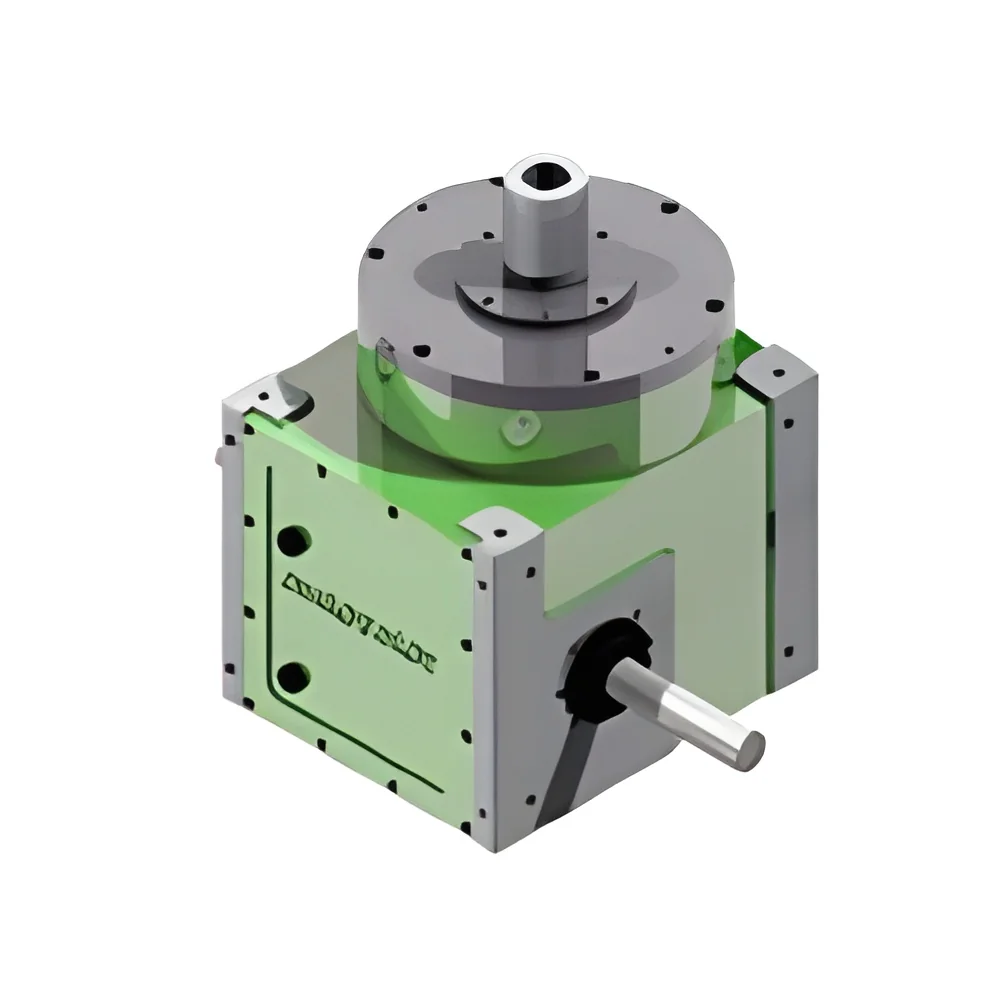
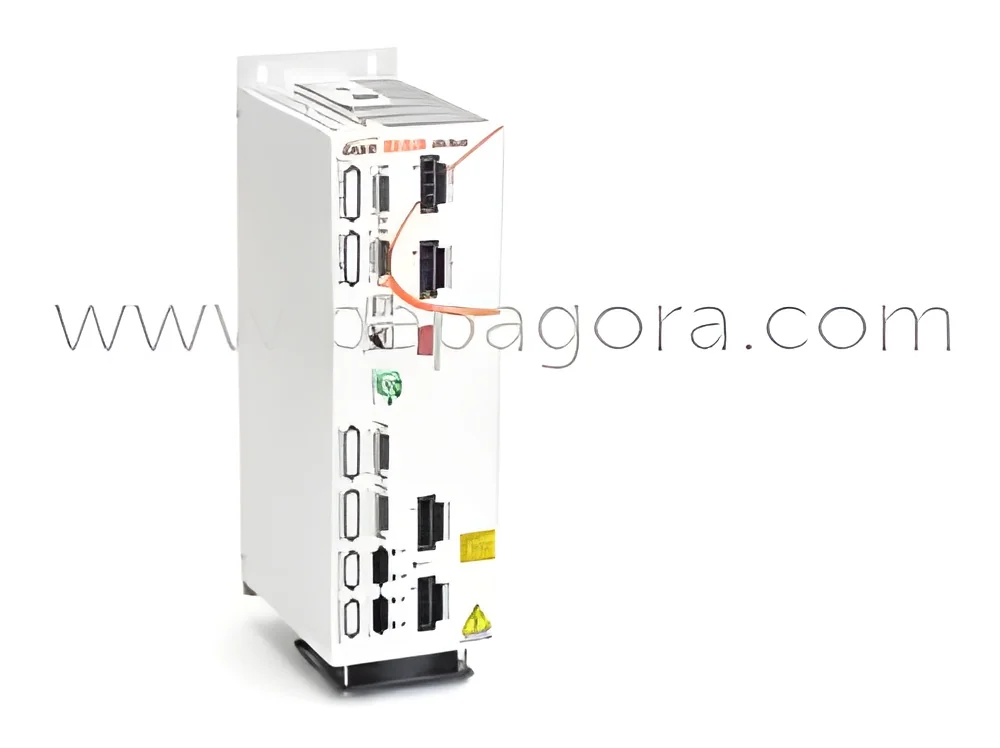
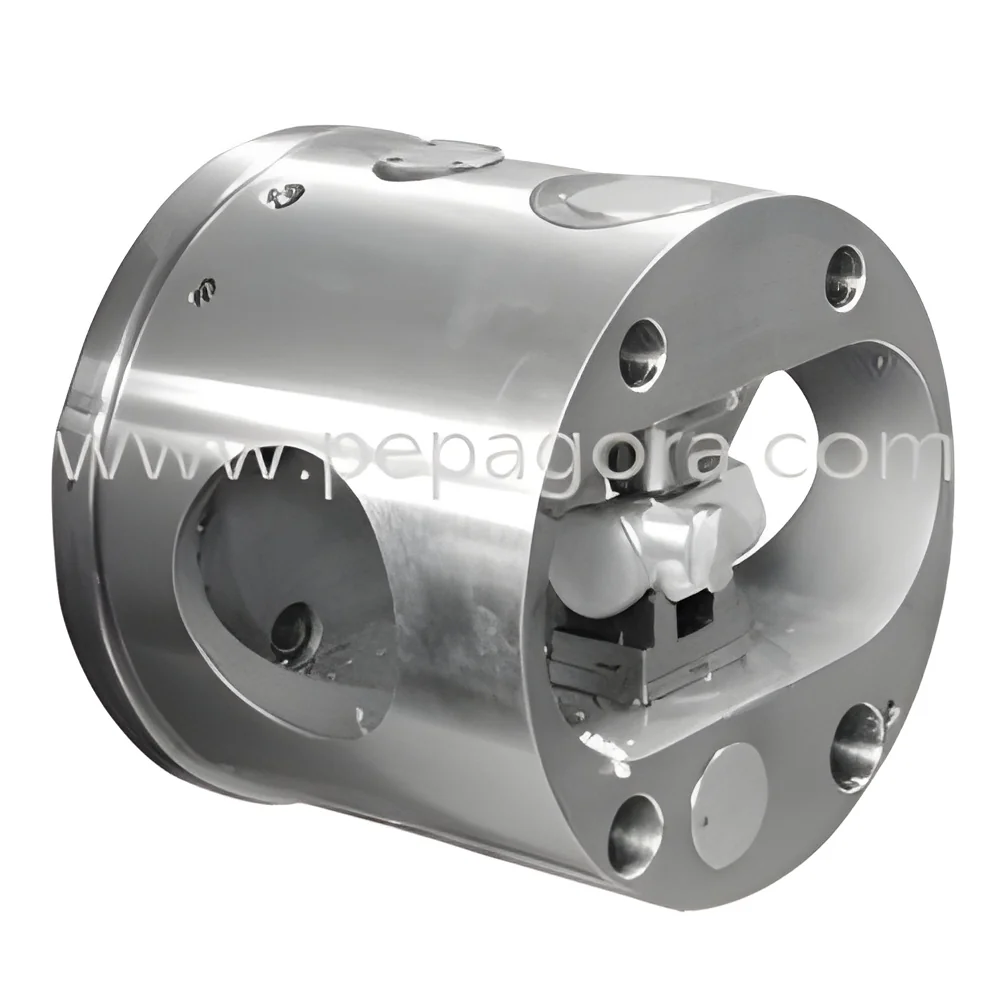
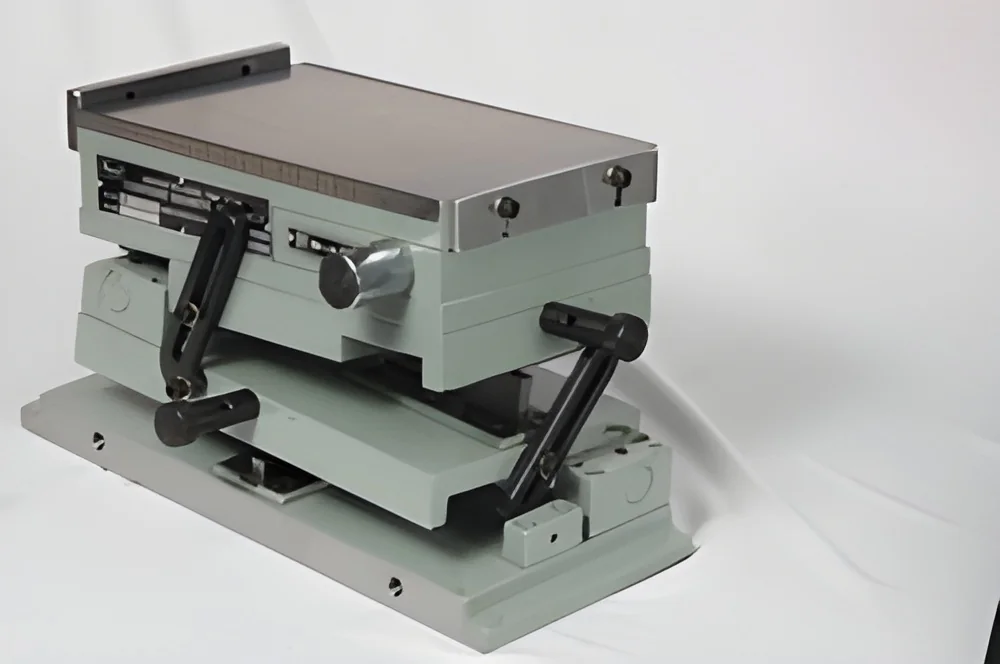
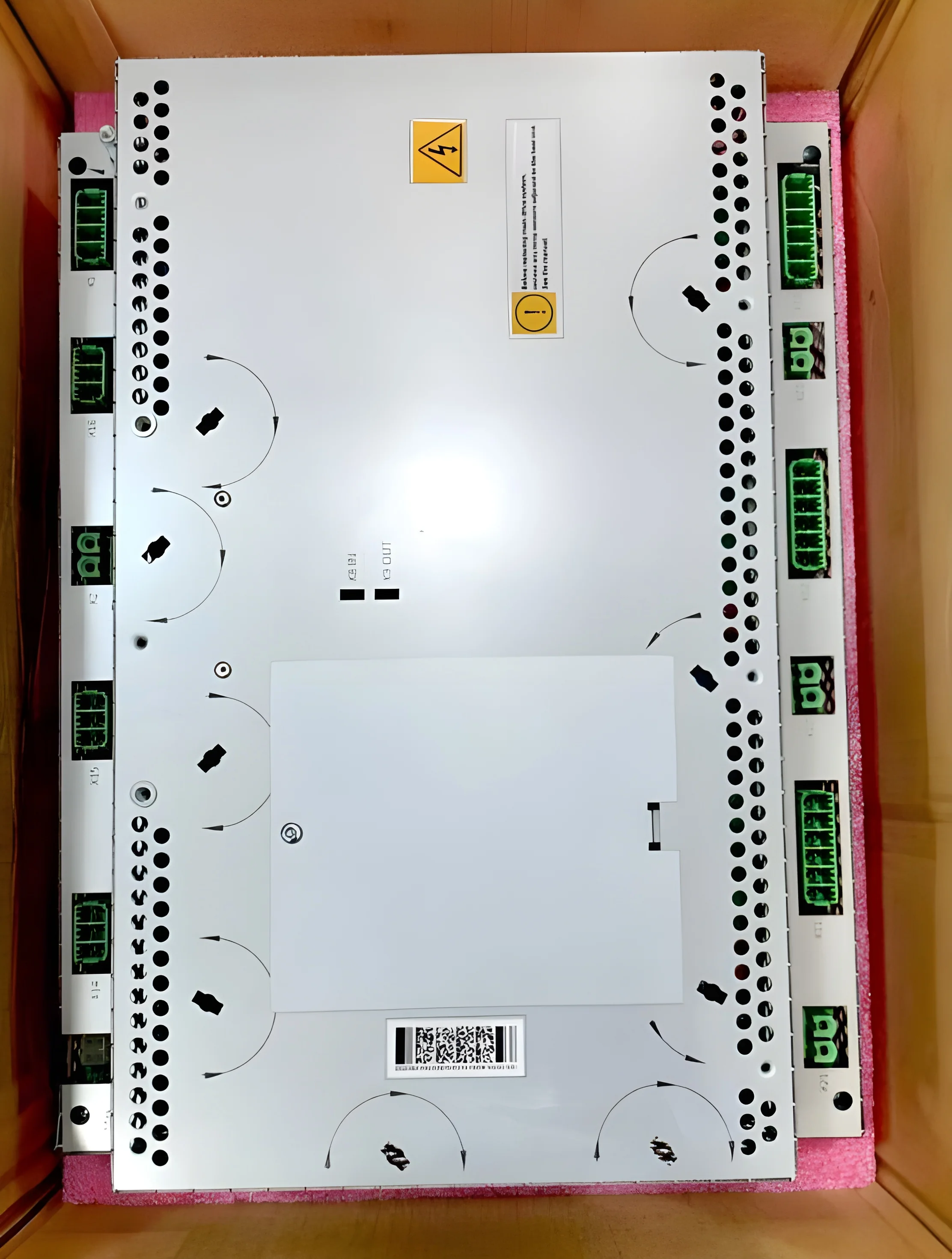
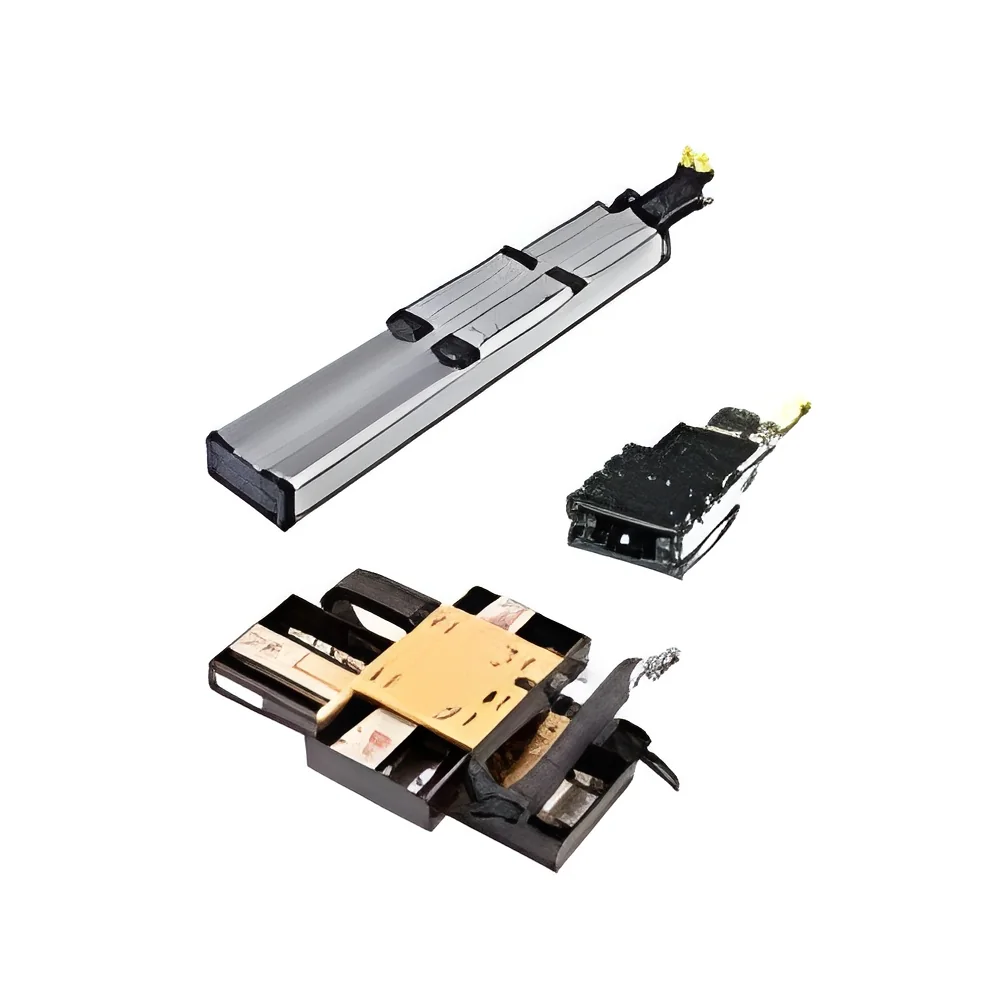
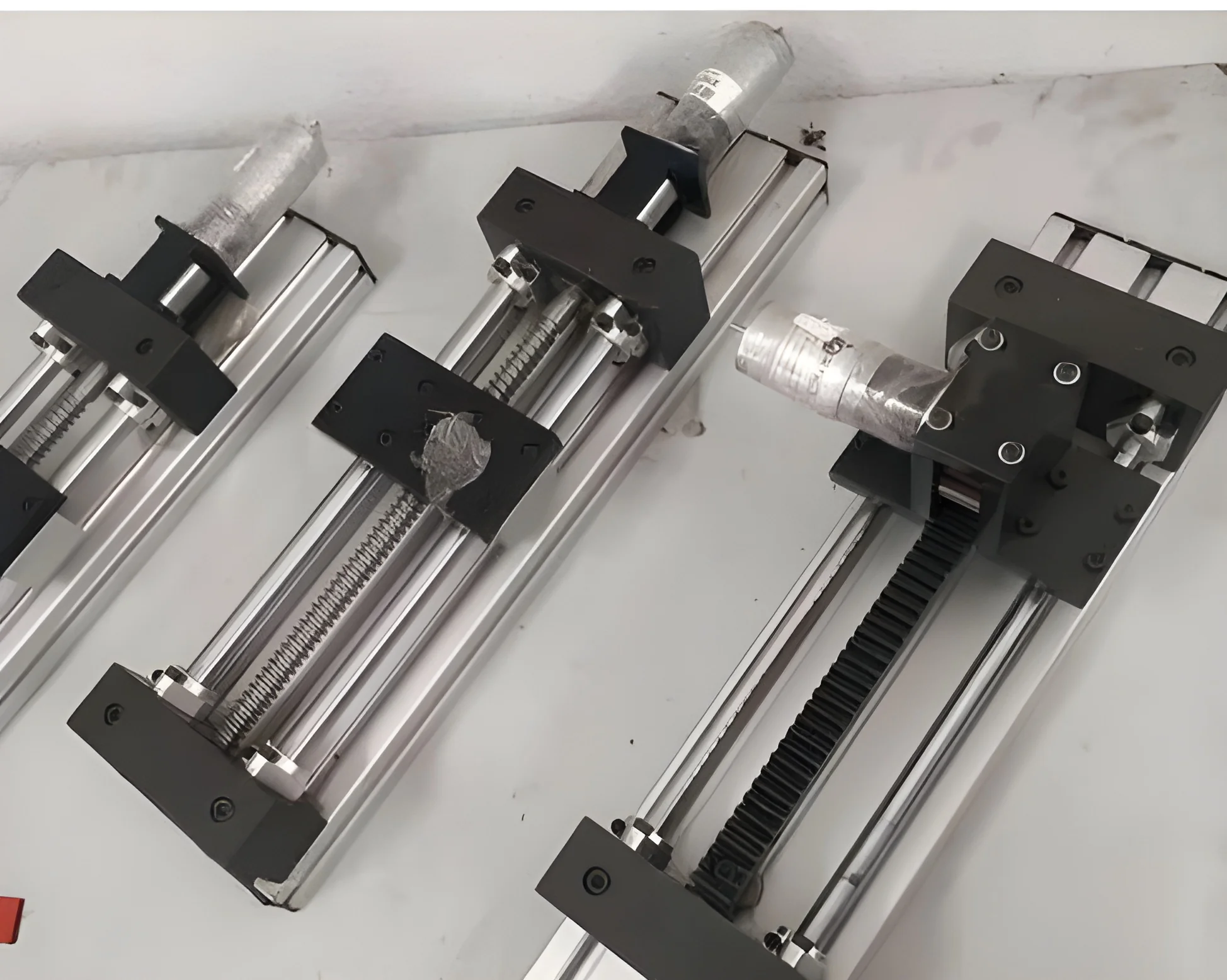
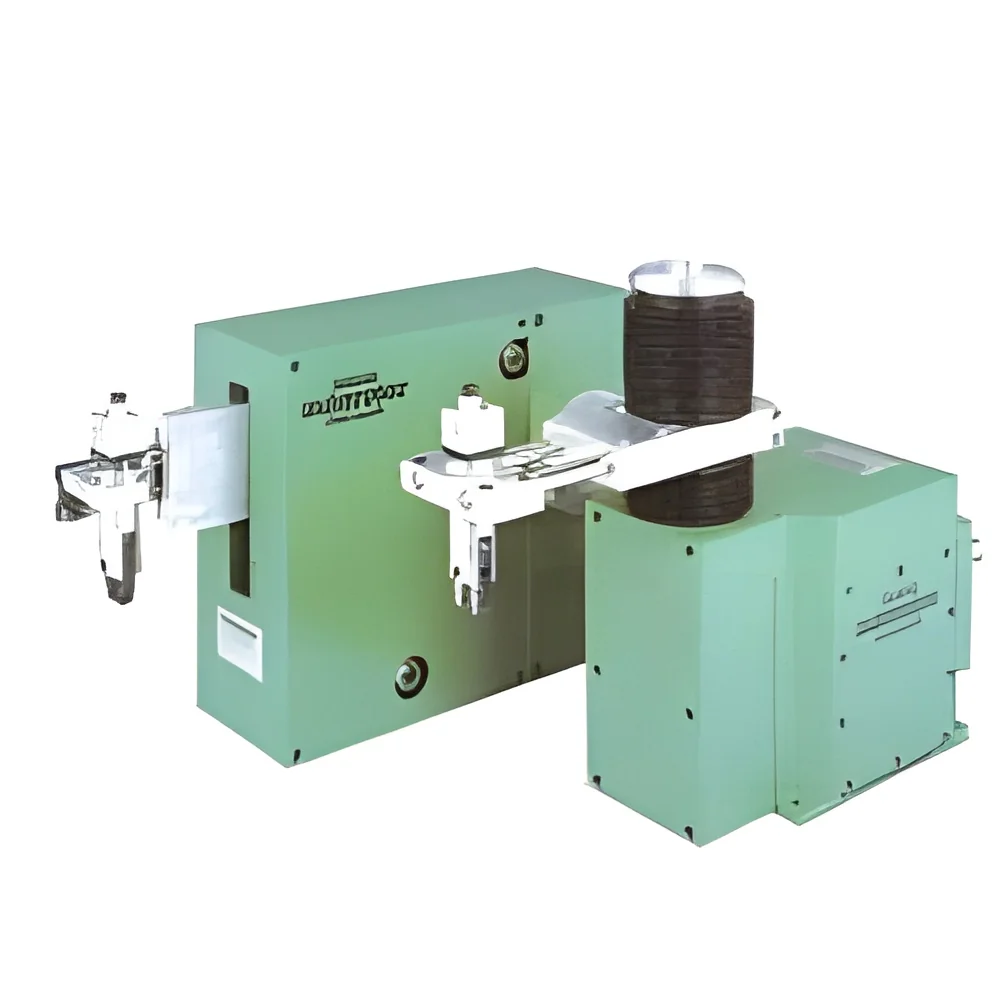
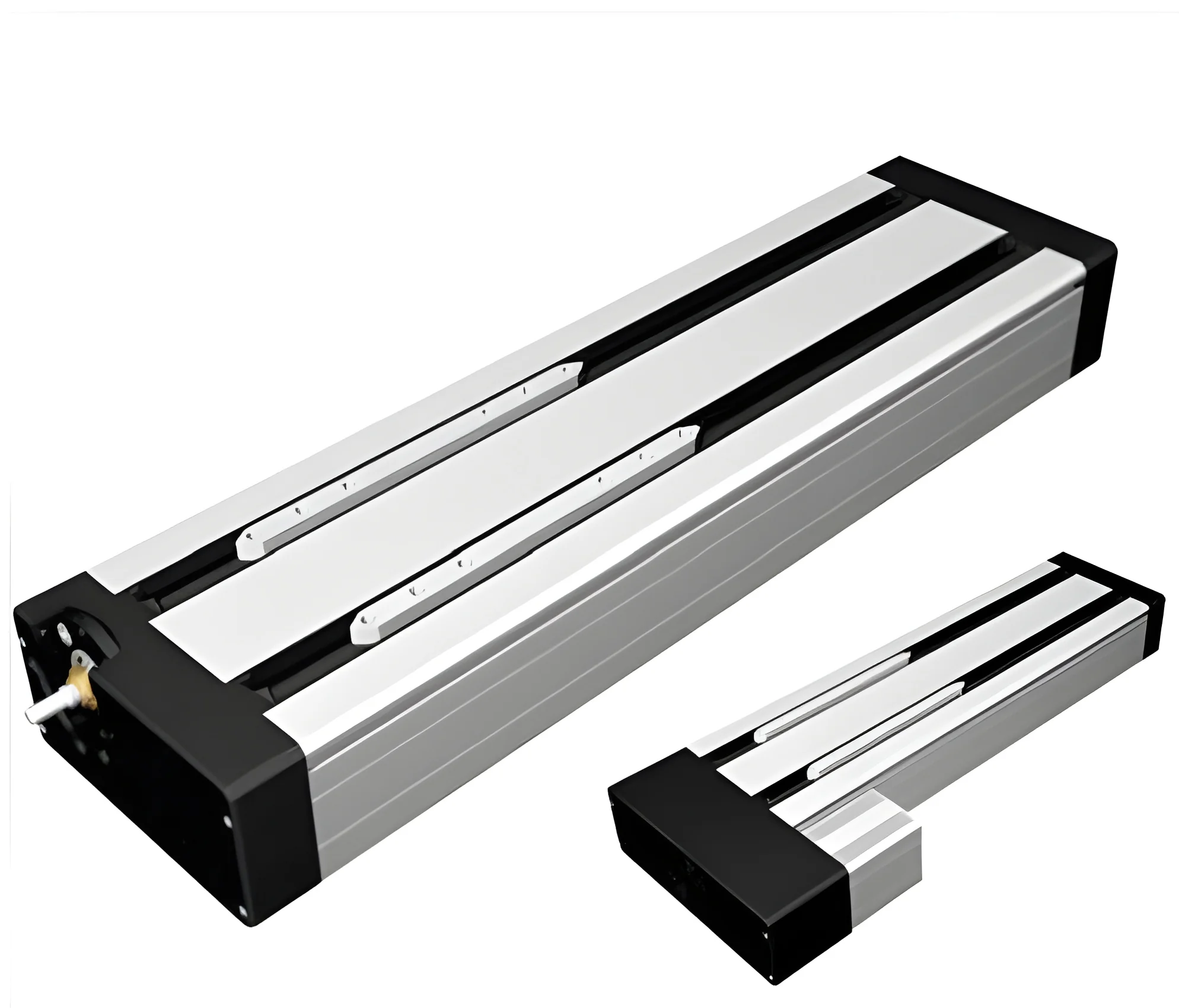
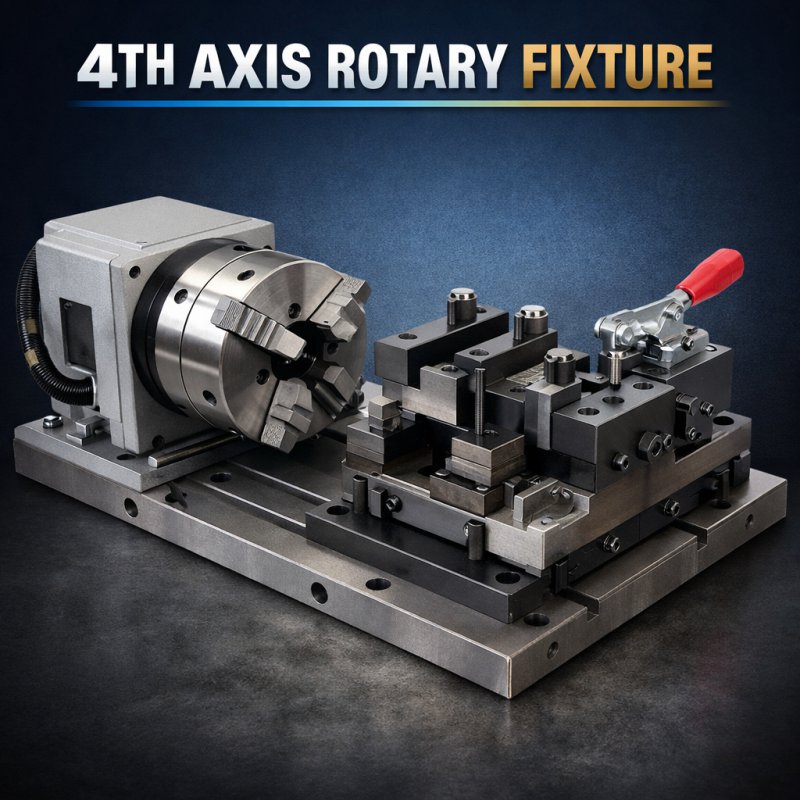
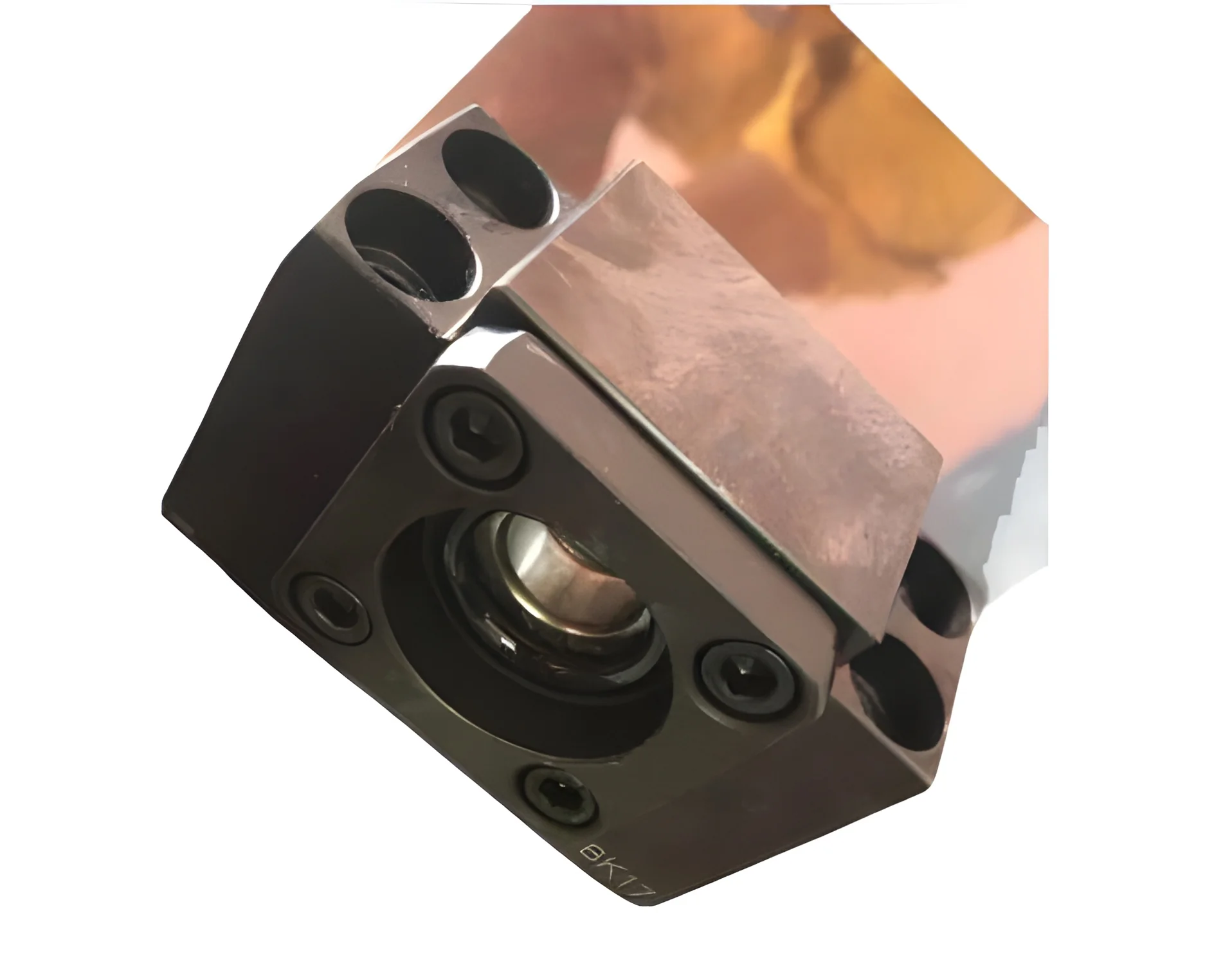
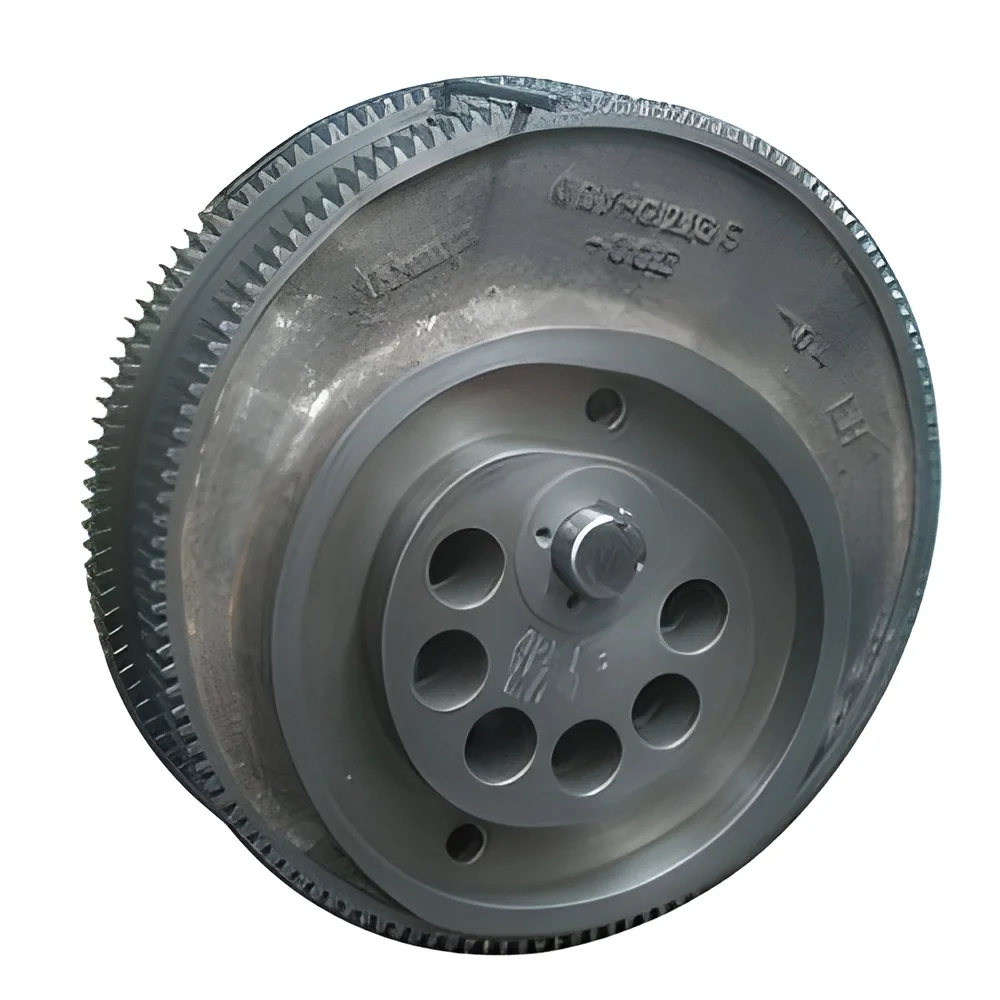
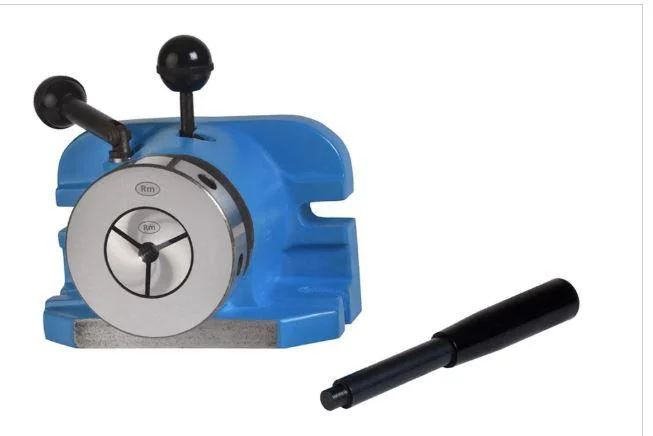
What are CNC Rotary Tables & Indexers?
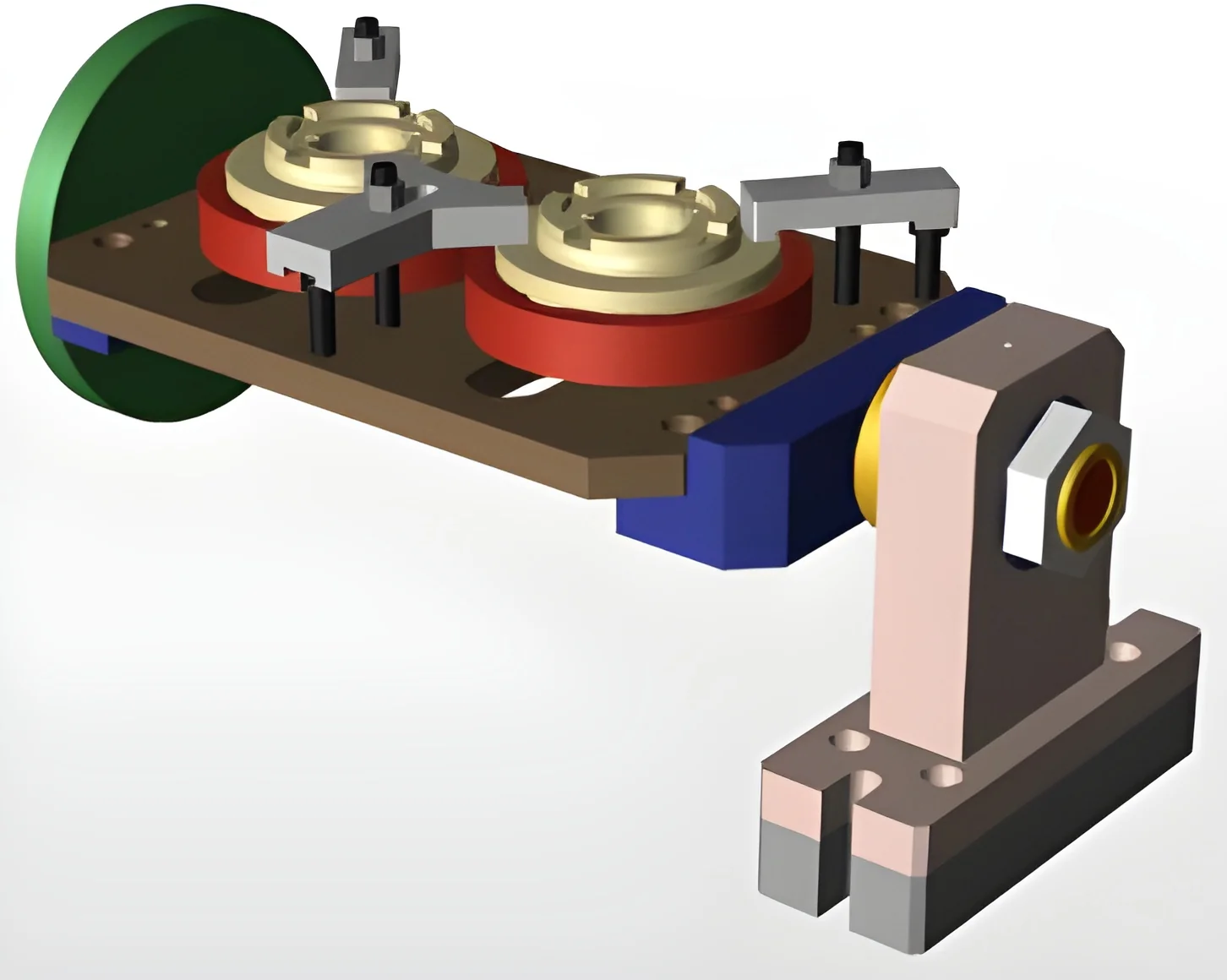
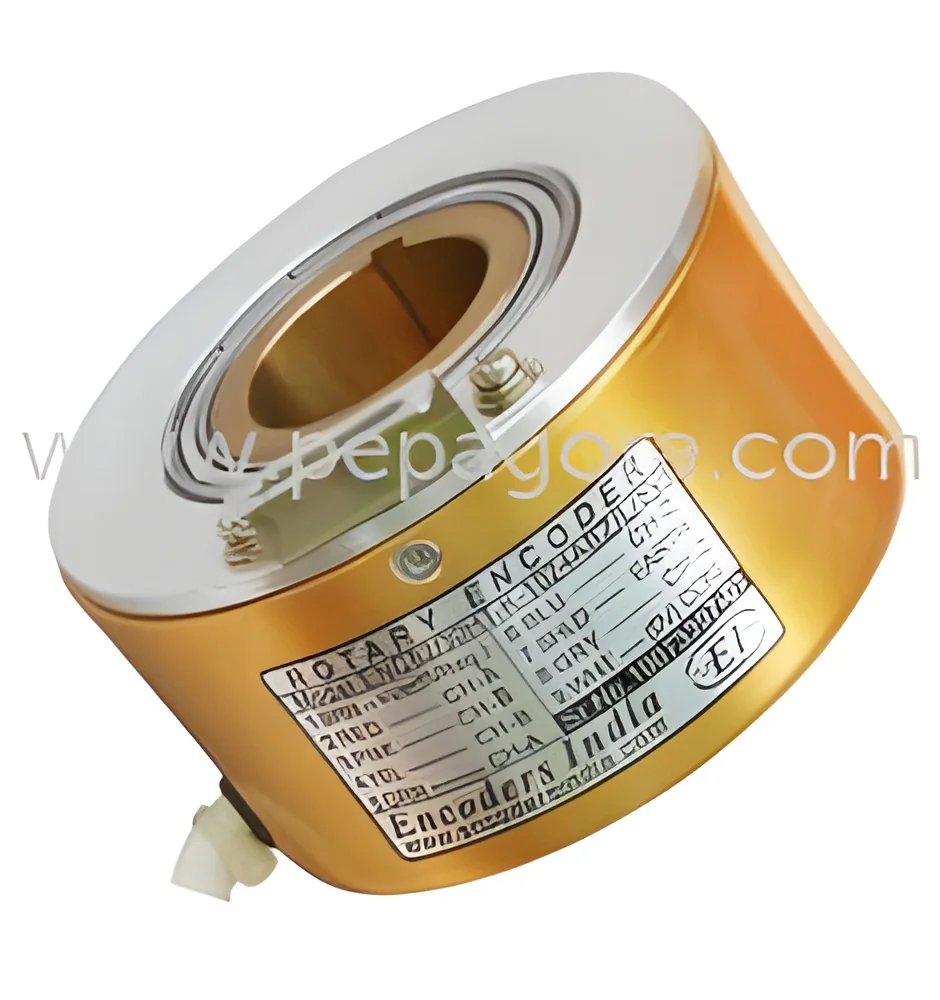
CNC Rotary Tables and Indexers are precision devices used in various machining processes. These tools enable the rotation of workpieces around one or more axes, allowing for complex and accurate multi-axis machining. They are typically integrated into CNC (Computer Numerical Control) systems, enhancing the capabilities of standard milling machines and lathes. By providing precise positioning and rotation, these devices facilitate intricate operations such as drilling, milling, and engraving.
The primary uses of CNC Rotary Tables and Indexers span across diverse industries, including aerospace, automotive, and manufacturing. They are crucial for tasks that require high precision and repeatability, such as creating complex geometries and features on parts. Businesses leverage these tools to increase production efficiency and improve product quality, making them indispensable in modern manufacturing environments. The relevance of these devices is underscored by the growing demand for automation and precision in industrial applications, positioning them as key components in competitive manufacturing strategies.
Key Features and Specifications
CNC Rotary Tables and Indexers come with various features that enhance their performance and usability. When selecting these devices, understanding their specifications is crucial for ensuring compatibility with existing machinery and processes.
Key specifications include:
1. Table Diameter
- This refers to the size of the rotary table, affecting the maximum size of workpieces it can accommodate.
- Common diameters range from 4 inches to over 20 inches.
2. Load Capacity
- The maximum weight that the rotary table can support while maintaining operational accuracy.
- Load capacities can vary widely, with some tables supporting loads of up to 2000 pounds.
3. Indexing Accuracy
- This specification defines how precisely the table can position workpieces.
- Typical accuracies can range from 0.001 degrees to 0.0001 degrees.
4. Motor Type
- The type of motor used to drive the rotary table, which can affect speed and torque.
- Options include stepper motors and servo motors, each offering different performance characteristics.
5. Control Interface
- The type of control system that interfaces with the rotary table, impacting ease of use and programming.
- Common interfaces include Ethernet, USB, and proprietary connections.
6. Rotation Speed
- The maximum speed at which the table can rotate.
- Speeds can range from a few degrees per second to several hundred degrees per second.
7. Construction Material
- The material used to manufacture the rotary table, influencing strength and durability.
- Common materials include cast iron and aluminum.
8. Safety Features
- Built-in features designed to protect operators and equipment.
- Examples include emergency stop buttons and overload protection.
In summary, understanding the key features and specifications of CNC Rotary Tables and Indexers is essential for making informed purchasing decisions. Buyers should consider how these specifications align with their specific machining needs.
Common Applications and Use Cases
CNC Rotary Tables and Indexers find applications across various industries, driven by their ability to enhance productivity and precision.
1. Aerospace: These devices are used for machining components such as turbine blades and fuselage parts, ensuring high accuracy and repeatability in production.
2. Automotive: In the automotive sector, CNC Rotary Tables enable the efficient manufacturing of engine components and transmission parts, where precision is critical.
3. Medical Devices: The production of intricate medical devices, such as surgical instruments and implants, benefits from the precise machining capabilities of rotary tables.
4. Metalworking: Metal fabricators use CNC Rotary Tables for creating complex parts that require multiple machining operations, reducing setup times and increasing efficiency.
5. Electronics: In the electronics industry, these devices are employed to manufacture components like circuit boards, where precision and accuracy are paramount.
6. Defense: The defense sector utilizes CNC Rotary Tables for producing critical components with stringent quality requirements, ensuring reliability in high-stakes applications.
7. Tool and Die Making: These tables are essential in the tool and die industry for creating molds and dies that require exact dimensions and intricate designs.
Product Variants and Subcategories
CNC Rotary Tables and Indexers come in a variety of models to suit different machining needs. Each variant offers unique features and capabilities.
Vertical Rotary Tables: These tables are designed for vertical machining operations, providing a stable platform for workpieces. They are ideal for applications that require vertical loading and unloading.
Horizontal Rotary Tables: These rotary tables are optimized for horizontal machining, allowing for efficient handling of larger workpieces. They often feature a low center of gravity for enhanced stability.
Dual Axis Rotary Tables: This type combines multiple axes of rotation, providing greater flexibility in machining complex geometries. They are suitable for advanced applications requiring precise multi-axis control.
Benefits and Advantages
CNC Rotary Tables and Indexers offer numerous benefits that enhance manufacturing processes.
1. Enhanced Precision: These devices ensure high levels of accuracy in machining, leading to improved product quality and reduced waste.
2. Increased Productivity: By allowing for multi-axis machining, rotary tables minimize setup times and enable faster production cycles.
3. Versatility: CNC Rotary Tables can handle a wide range of materials and workpiece sizes, making them suitable for various applications across multiple industries.
4. Automation Compatibility: These devices integrate seamlessly with CNC systems, allowing for automated machining processes and reducing the need for manual intervention.
5. Cost Efficiency: The ability to perform complex tasks in fewer setups translates to lower operational costs and improved efficiency.
6. Improved Safety: Many modern rotary tables are equipped with safety features that protect operators and machinery, minimizing risks in the workplace.
Buying Guide for B2B Buyers
When sourcing CNC Rotary Tables and Indexers, several factors should be considered to ensure a successful purchase.
1. Quality Assessment: Evaluate the quality of the rotary tables by reviewing manufacturer specifications and seeking certifications, such as CE, which indicate compliance with industry standards.
2. Supplier Verification: Vet potential suppliers by checking their reputation, customer reviews, and history in the industry. This helps ensure that you partner with reliable and experienced manufacturers.
3. Pricing and MOQ: Understand the pricing structures and minimum order quantities (MOQ) set by suppliers to budget effectively for your procurement.
4. Delivery and Lead Times: Consider logistics and the expected lead times for delivery. Timely delivery is crucial for maintaining production schedules.
5. Compliance Requirements: Be aware of any regulatory needs that may affect your purchase. Ensure that the rotary tables comply with relevant safety and quality standards.
Compliance and Certifications
CNC Rotary Tables and Indexers are subject to various quality standards and certifications that ensure their reliability and safety in industrial applications.
ISO 9001 is a widely recognized standard that ensures consistent quality management systems across manufacturing processes. Compliance with this standard indicates that manufacturers adhere to strict quality control measures.
CE certification is essential for products sold in European markets. It signifies that the product meets EU safety, health, and environmental protection standards, providing assurance to buyers regarding product safety and reliability.
Safety and testing requirements vary by region and application, but they typically involve rigorous testing procedures to ensure that rotary tables operate safely under specified conditions. Buyers should also consider regional compliance standards that may impact their purchasing decisions, ensuring that products meet local regulations.
Why Source CNC Rotary Tables & Indexers from Pepagora?
Pepagora provides a trusted platform for sourcing CNC Rotary Tables and Indexers, offering several key advantages to B2B buyers.
Verified Supplier Network: Pepagora features a robust network of verified suppliers, ensuring that buyers can confidently select high-quality products from reputable manufacturers. Each supplier undergoes thorough vetting, providing peace of mind for your procurement process.
Streamlined RFQ Process: The request for quotation (RFQ) process at Pepagora is designed for efficiency. Buyers can easily submit their requirements and receive competitive quotes from multiple suppliers, simplifying the sourcing experience and helping to secure the best deals.
Trade Assurance and Support: Pepagora offers trade assurance services that protect buyers throughout the purchasing process. This includes support for resolving disputes and ensuring that products meet specified standards, providing added security for your investment.
Regional Coverage: With a strong presence in India, the GCC, and Southeast Asia, Pepagora caters to a wide geographic market. This regional coverage ensures that buyers can access CNC Rotary Tables and Indexers tailored to their specific needs, supported by local suppliers familiar with industry requirements.

 IN
IN