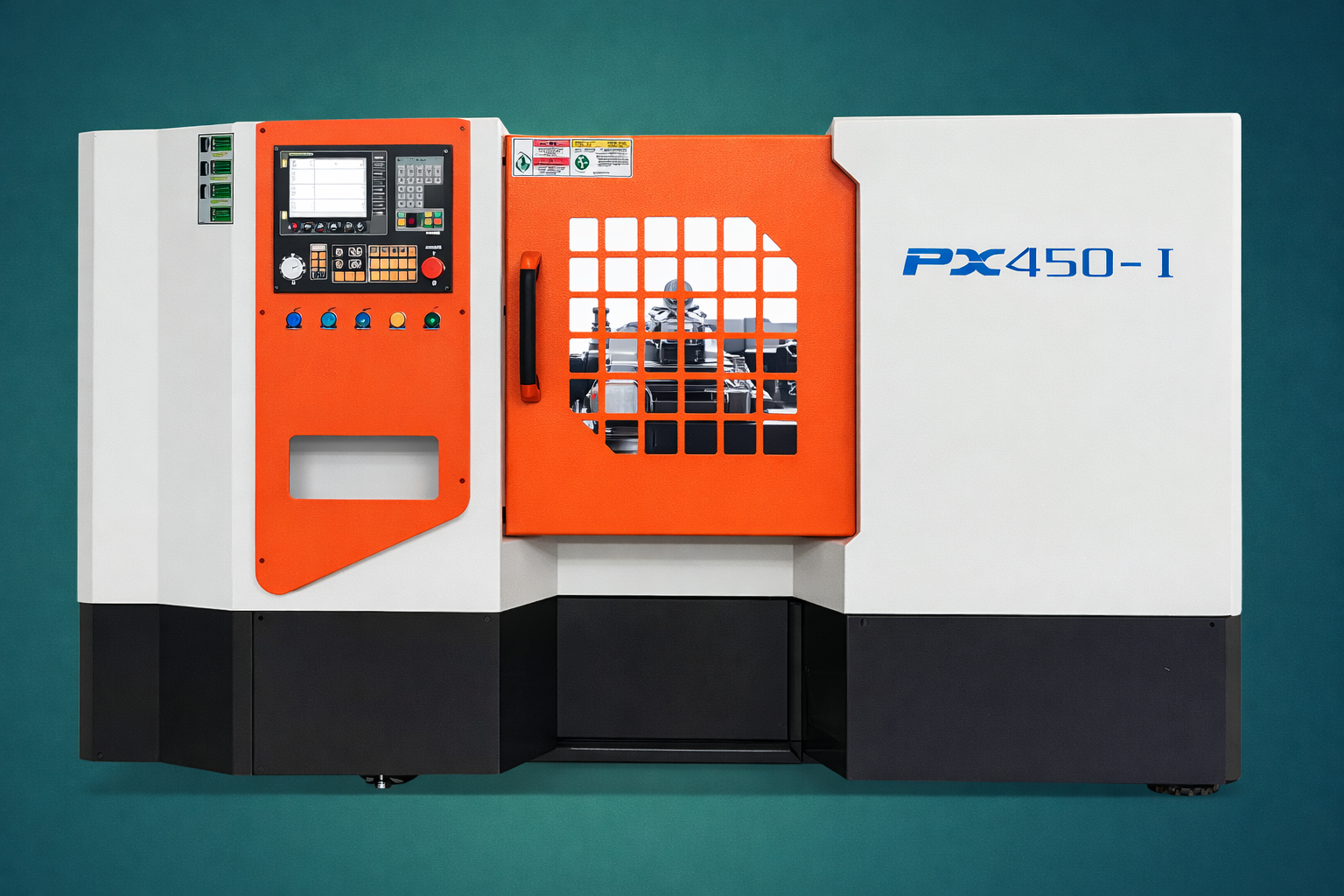
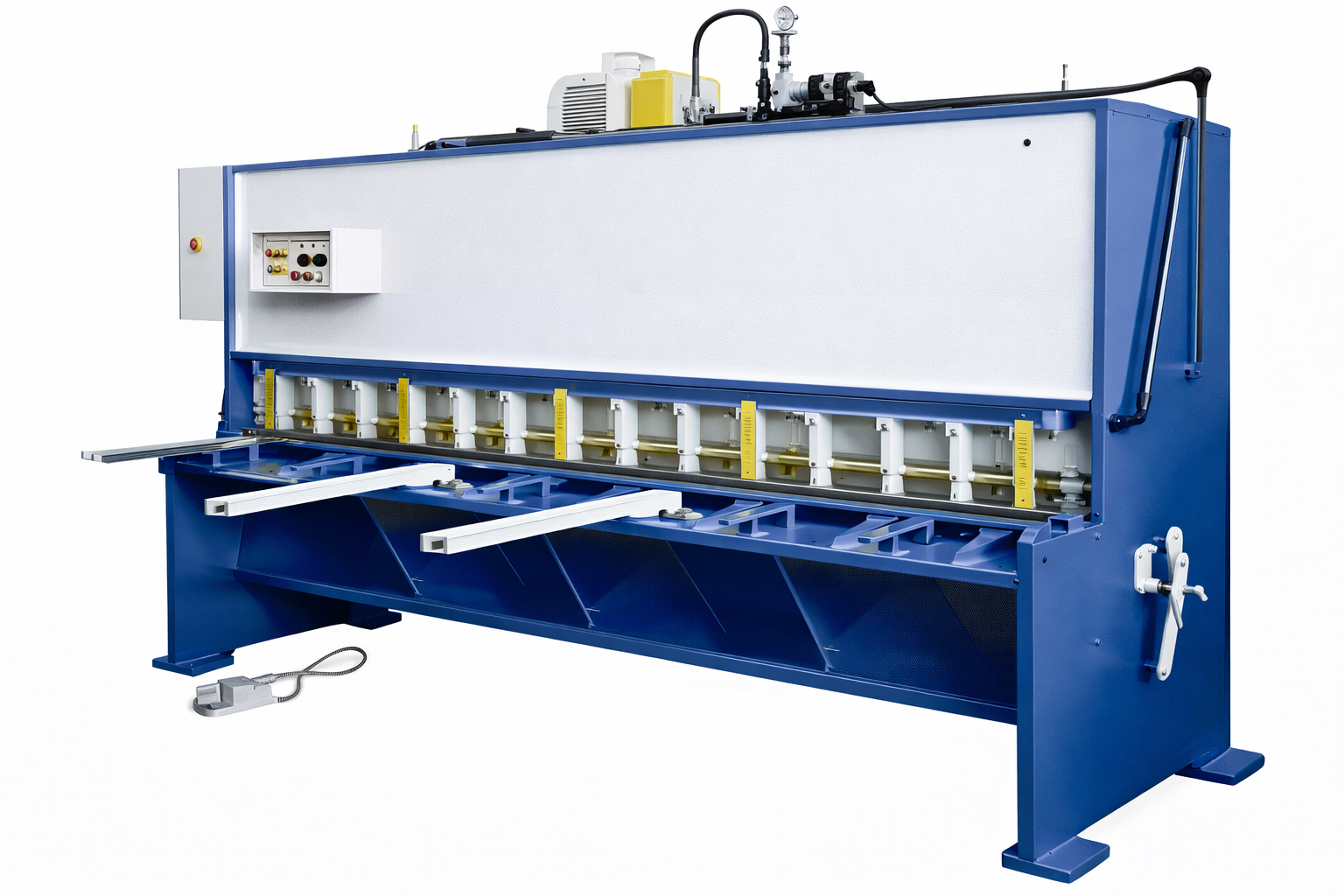
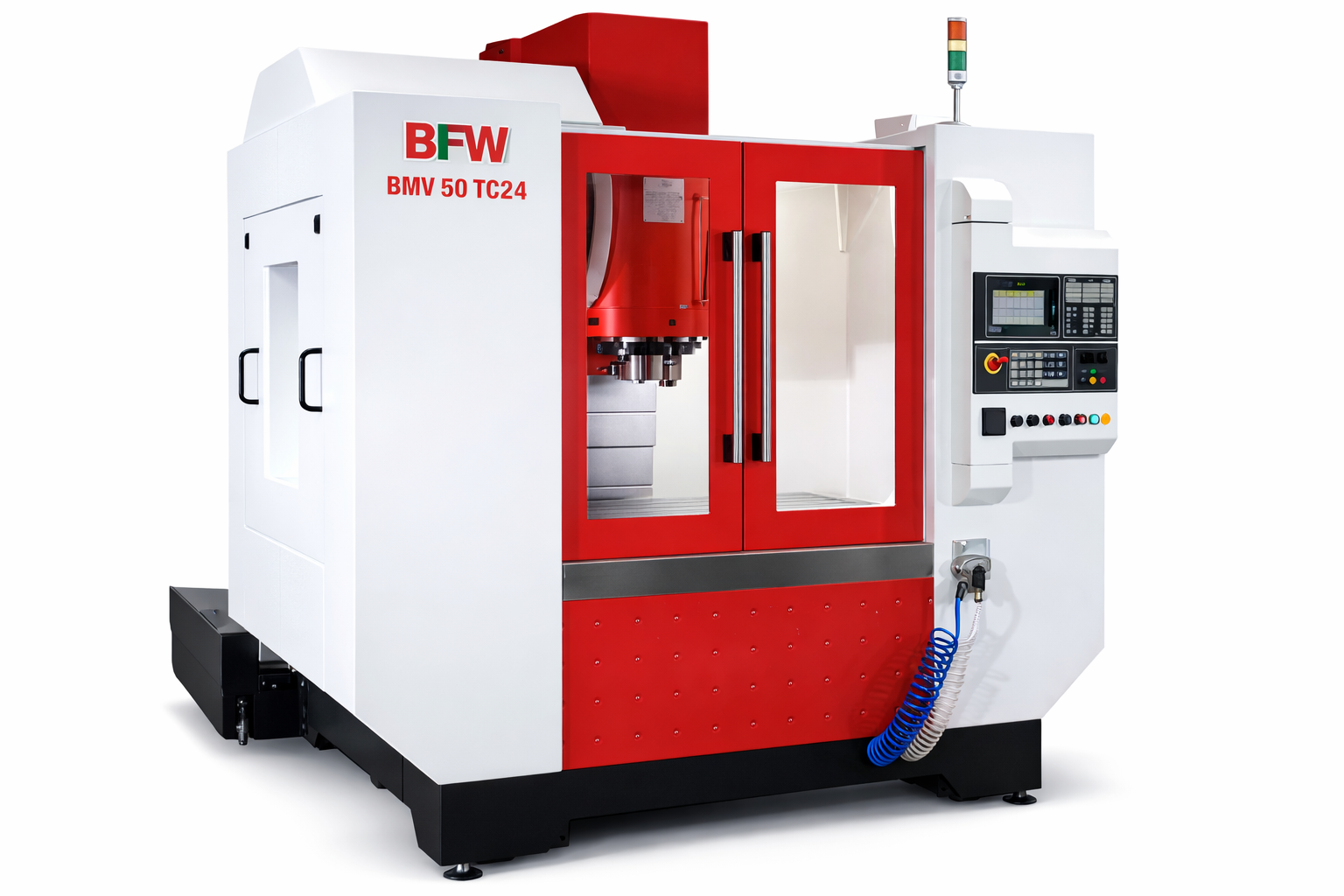
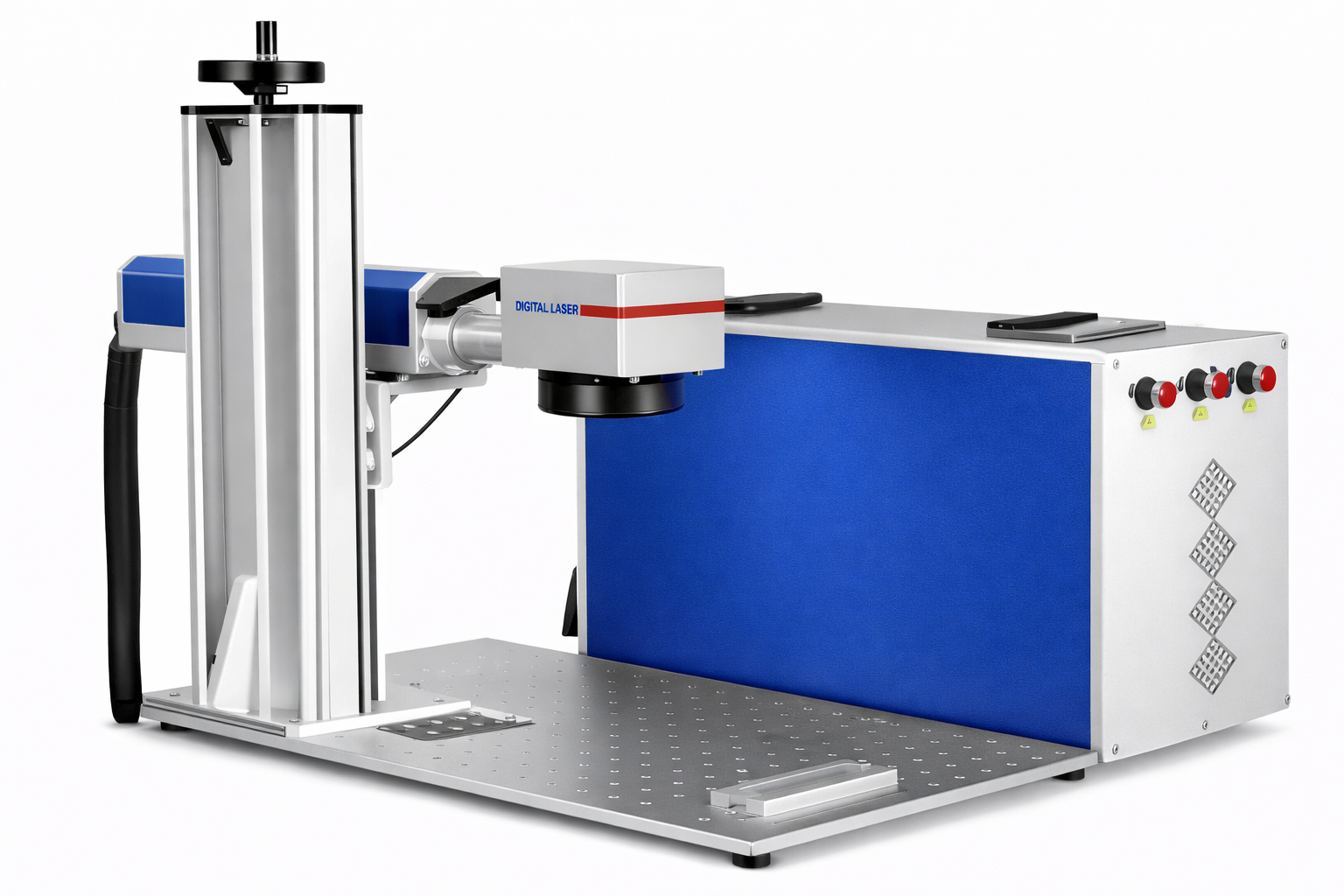
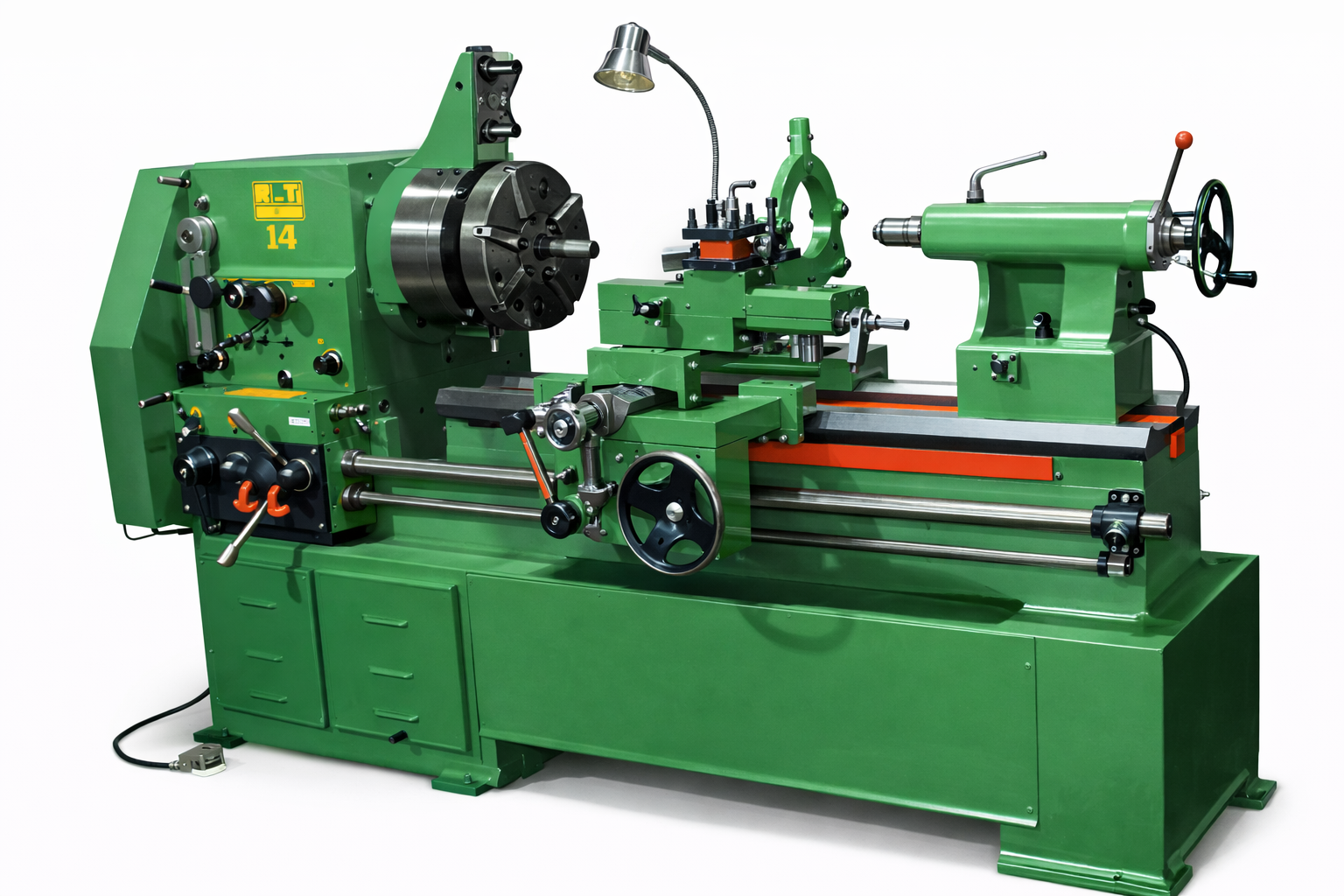
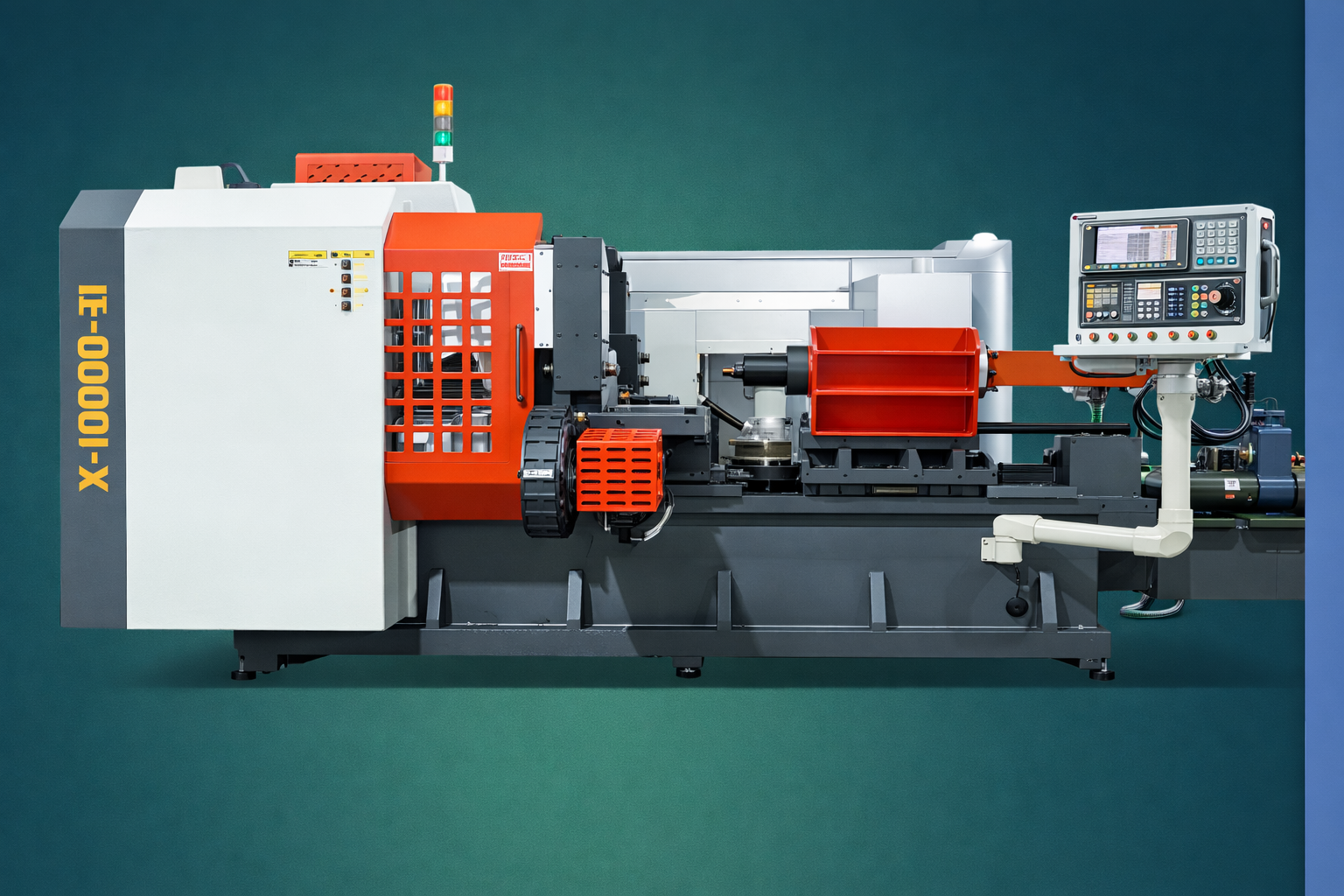
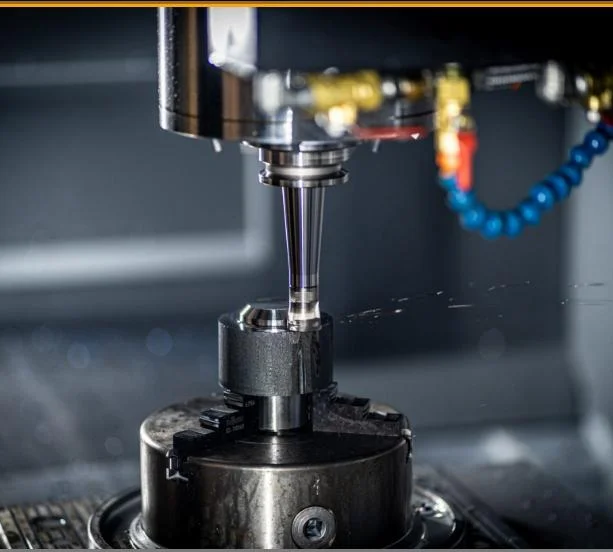
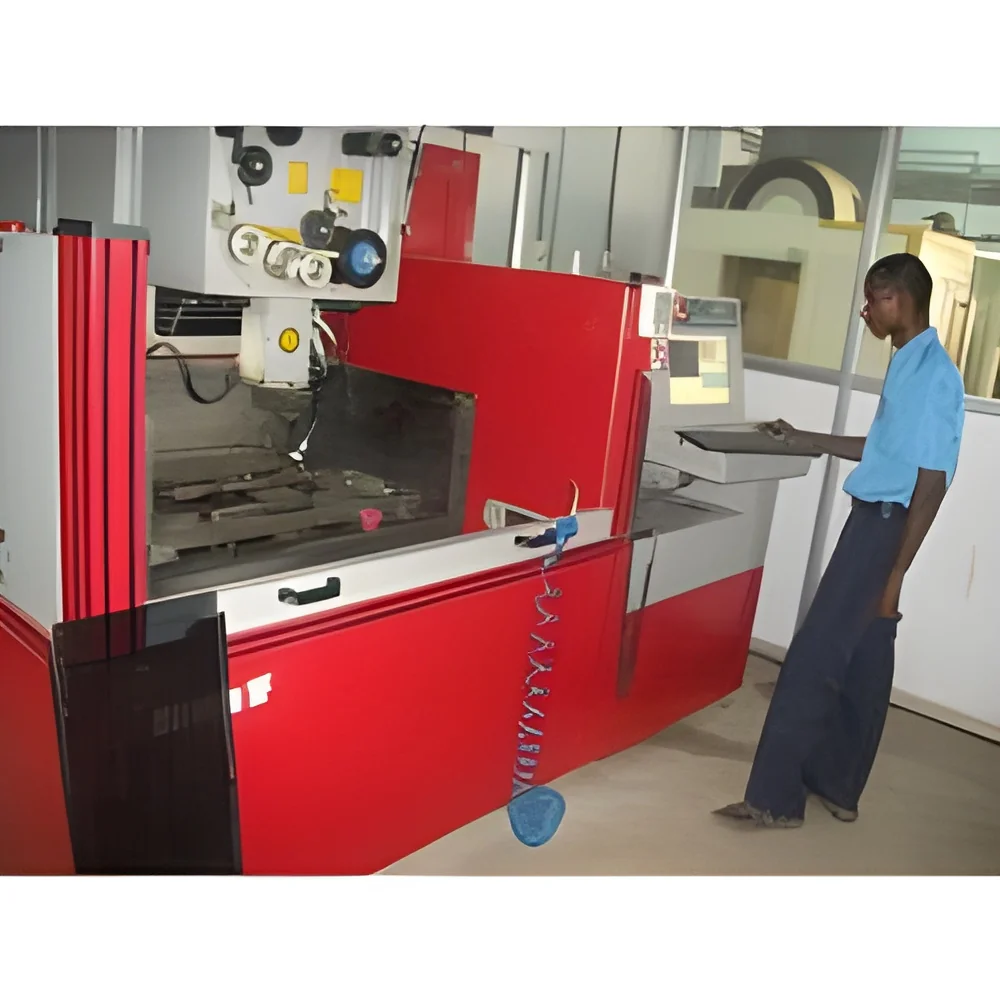
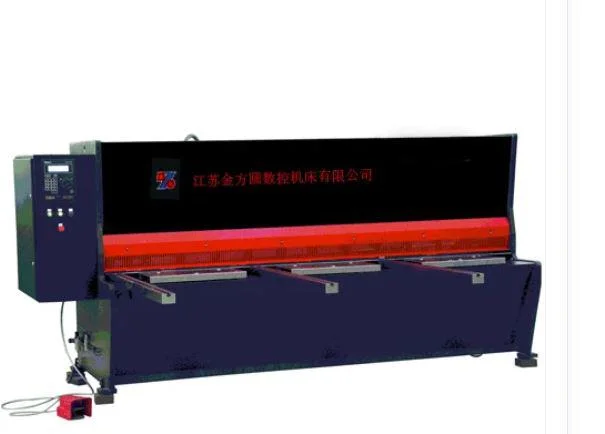
What are CNC Shearing Machines?
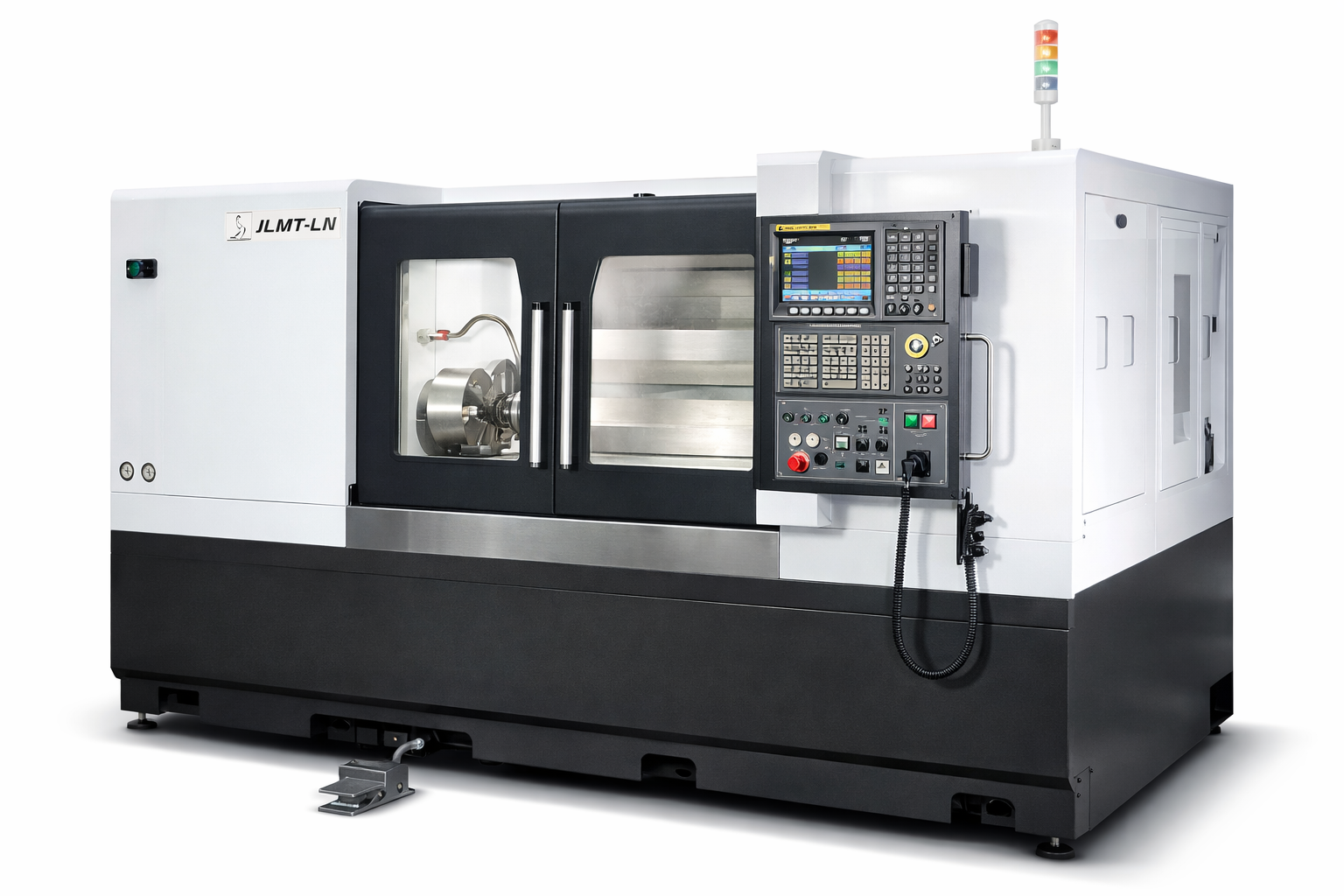
CNC Shearing Machines are advanced industrial tools designed for precision cutting of sheet metal and other materials. Using Computer Numerical Control (CNC) technology, these machines automate the shearing process, allowing for high accuracy and repeatability. They operate by applying a shearing force to the material, which results in clean cuts without the need for additional finishing. This automation enhances efficiency and reduces the likelihood of errors commonly associated with manual cutting methods.
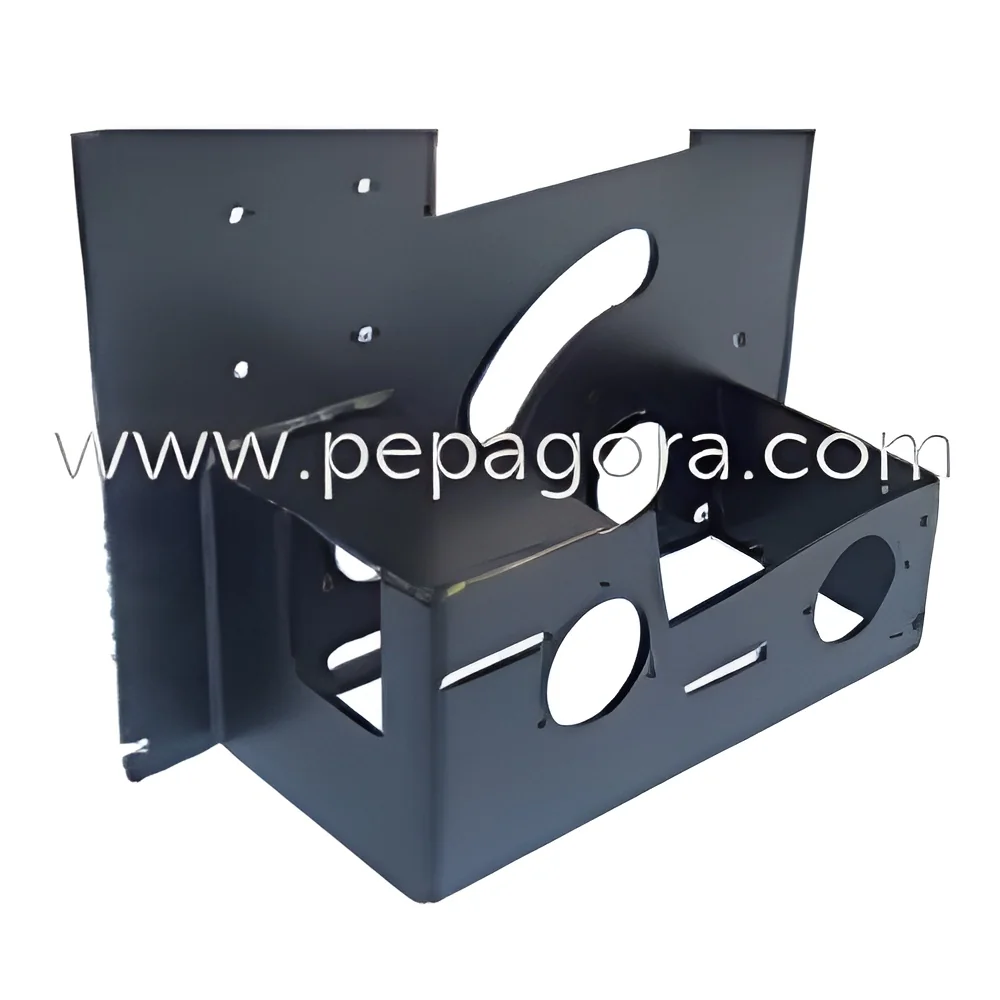
These machines have a wide range of applications across various industries, including metal fabrication, automotive manufacturing, and construction. Businesses utilize CNC Shearing Machines to produce parts, components, and assemblies with precise dimensions. The ability to handle different materials, such as steel, aluminum, and plastics, further broadens their utility. As industries increasingly demand higher production rates and quality, CNC Shearing Machines have become essential tools for businesses looking to maintain competitive advantages.
The relevance of CNC Shearing Machines in today’s market cannot be understated. As manufacturing processes evolve, the demand for precision and efficiency grows. CNC technology not only meets these needs but also aligns with trends toward automation and smart manufacturing. As such, businesses investing in these machines are better positioned to adapt to changing market conditions and customer requirements.
Key Features and Specifications
CNC Shearing Machines come equipped with various features that enhance performance and usability. These features are designed to meet the needs of modern manufacturing environments.
Key specifications include:
1. Cutting Capacity
- This specification indicates the maximum thickness and width of material the machine can shear.
- Typical ranges may vary based on the model, with capacities often exceeding 6 mm for steel sheets.
2. Cutting Speed
- Refers to the rate at which the machine can cut through materials.
- Speeds can typically range from 5 to 20 strokes per minute, depending on the machine configuration.
3. Control System
- Most machines employ a user-friendly CNC control system that allows for easy programming and operation.
- Advanced models feature touch-screen interfaces for intuitive use.
4. Blade Length
- The length of the cutting blades directly affects the size of the material that can be processed.
- Common blade lengths can range from 2 meters to over 6 meters.
5. Power Consumption
- This specification is essential for understanding the energy requirements of the machine.
- Models may consume between 5 to 15 kW based on their size and capabilities.
6. Safety Features
- Many machines include safety interlocks, emergency stops, and protective covers to ensure operator safety.
- Compliance with safety standards like CE is crucial for market acceptance.
7. Weight and Dimensions
- The overall weight and dimensions impact the installation space and machine mobility.
- Machines can weigh from 1,000 kg to over 5,000 kg depending on their design.
8. Material Compatibility
- CNC Shearing Machines can handle a variety of materials, including steel, aluminum, and more.
- This versatility allows businesses to use the same machine for different production needs.
In summary, understanding the key features and specifications of CNC Shearing Machines is vital for businesses looking to invest in these tools. These machines offer diverse capabilities that can be tailored to specific production requirements.
Common Applications and Use Cases
CNC Shearing Machines are utilized across a spectrum of industries, showcasing their versatility and efficiency.
1. Metal Fabrication: In this sector, CNC Shearing Machines play a critical role in producing components for fabrication shops. They are used to cut sheets of various metals into precise shapes and sizes.
2. Automotive Manufacturing: These machines are essential for the production of vehicle parts, allowing manufacturers to shear metal sheets for frames, panels, and other components with high accuracy.
3. Construction Industry: CNC Shearing Machines help in cutting materials used in construction, such as steel plates for structural applications. This ensures that the components meet specific design requirements.
4. Aerospace Sector: In aerospace manufacturing, precision is crucial. CNC Shearing Machines are employed to cut lightweight materials for aircraft components, ensuring they meet stringent safety standards.
5. Electrical Enclosures: Manufacturers of electrical enclosures use CNC Shearing Machines to cut metal sheets to create panels that house electrical components, providing both protection and accessibility.
6. Shipbuilding: The shipbuilding industry benefits from CNC Shearing Machines by using them to cut large steel sheets for hull construction, ensuring both accuracy and strength.
7. HVAC Manufacturing: These machines are used to fabricate components for heating, ventilation, and air conditioning systems, allowing for custom sizes and designs.
Product Variants and Subcategories
CNC Shearing Machines come in several variants, catering to different manufacturing needs and preferences.
Hydraulic CNC Shearing Machines
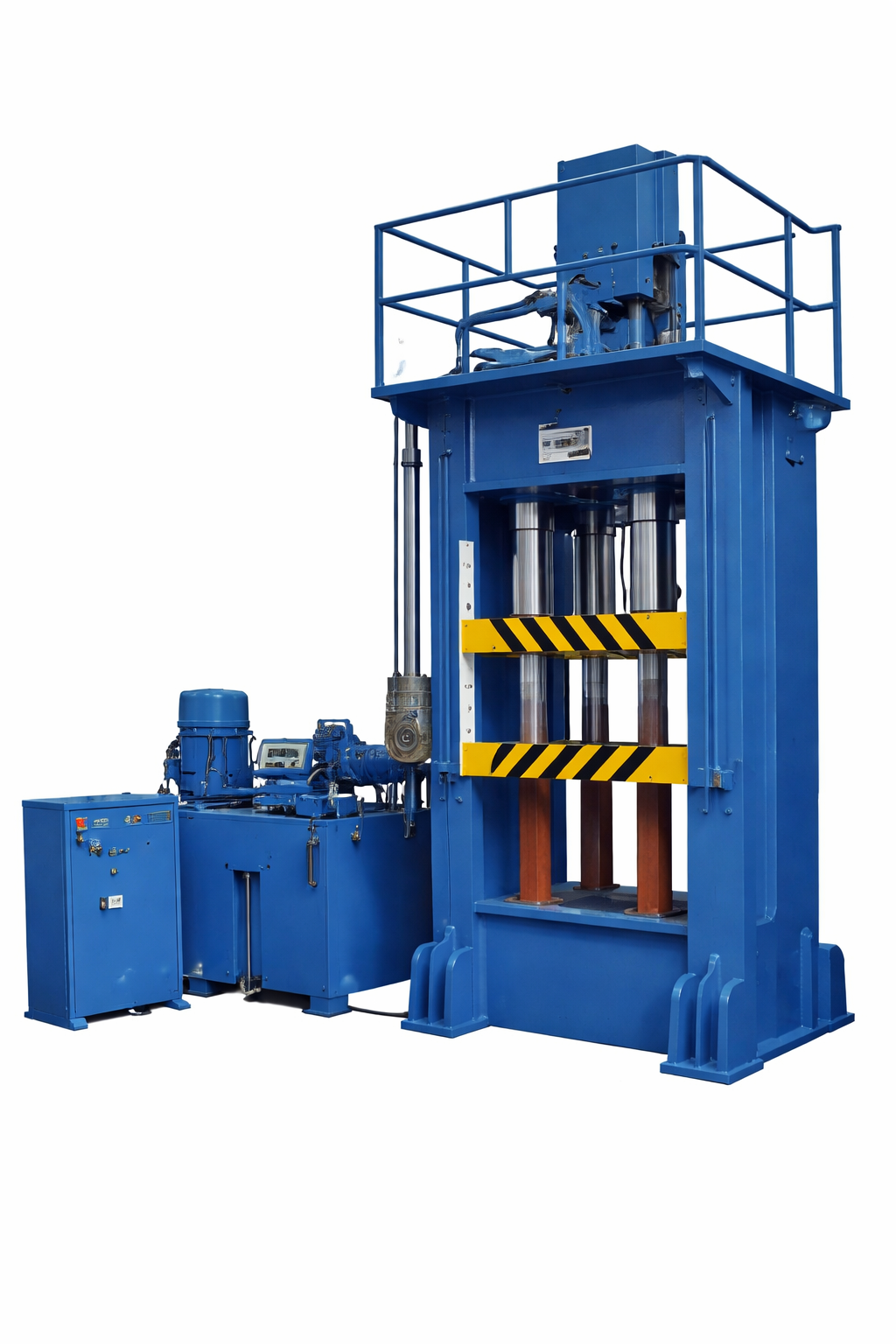
These machines utilize hydraulic systems to generate cutting force. They are well-suited for thick materials and provide a high level of precision. Hydraulic machines are known for their durability and are commonly used in heavy-duty applications.
Mechanical CNC Shearing Machines
Mechanical variants use a mechanical drive system to operate. They tend to be faster than hydraulic machines and are ideal for cutting thinner materials. These machines are often preferred for high-speed production environments.
Hybrid CNC Shearing Machines
Combining features from both hydraulic and mechanical designs, hybrid machines offer flexibility in cutting various material thicknesses. They provide the benefits of both systems, making them suitable for diverse applications.
Benefits and Advantages
CNC Shearing Machines offer numerous advantages that enhance operational efficiency and product quality.
1. Increased Precision: With CNC technology, these machines provide consistent and accurate cuts, reducing material waste and rework.
2. Enhanced Productivity: Automation of the shearing process allows for faster production times, enabling businesses to meet tight deadlines.
3. Reduced Labor Costs: By minimizing the need for manual operations, companies can lower labor costs and allocate resources to other critical areas.
4. Versatility: CNC Shearing Machines can handle a wide range of materials and thicknesses, making them suitable for various applications.
5. Improved Safety: Equipped with advanced safety features, these machines reduce the risk of accidents in the workplace.
6. Ease of Use: User-friendly interfaces and programming capabilities make it easy for operators to set up and operate the machines.
Buying Guide for B2B Buyers
When sourcing CNC Shearing Machines, it is essential to consider several factors to ensure a successful purchase.
1. Quality Assessment: Evaluate the machine's construction and materials used. Look for certifications that indicate adherence to industry standards.
2. Supplier Verification: Vet potential suppliers by checking their reputation, experience, and customer reviews. Verify their ability to provide support and service.
3. Pricing and MOQ: Understand the pricing structure and minimum order quantities. Compare quotes from multiple suppliers to ensure competitive pricing.
4. Delivery and Lead Times: Discuss delivery schedules and lead times with suppliers to ensure that the machine will arrive when needed. Factor in potential delays.
5. Compliance Requirements: Ensure that the machines meet all relevant regulatory and safety standards in your region. This can prevent future compliance issues.
Compliance and Certifications
CNC Shearing Machines must adhere to various quality and safety standards to ensure reliability and market acceptance.
ISO 9001 is a widely recognized standard that outlines quality management principles. Compliance indicates that a supplier has consistent processes for producing high-quality products.
CE certification is essential for machines sold in the European market. It signifies that the equipment meets EU safety, health, and environmental protection standards.
Safety and testing requirements are critical, especially in industrial environments. Machines should undergo rigorous testing to ensure they operate safely under intended conditions.
Regional compliance considerations may vary, so it is important to understand local regulations that may impact the use and certification of CNC Shearing Machines.
Why Source CNC Shearing Machines from Pepagora?
Pepagora provides a trusted platform for sourcing CNC Shearing Machines, offering several key advantages to B2B buyers.
Verified Supplier Network: Pepagora ensures that all suppliers are thoroughly vetted, providing buyers with confidence in the quality and reliability of the machines offered.
Streamlined RFQ Process: The platform simplifies the request for quotation process, allowing buyers to quickly and efficiently obtain quotes from multiple suppliers, saving time and effort.
Trade Assurance and Support: Pepagora offers trade assurance services that protect buyers throughout the purchasing process, ensuring that their investments are secure.
Regional Coverage: With a strong presence in India, the GCC, and Southeast Asia, Pepagora facilitates access to a wide range of suppliers, making it easier for businesses to find the right CNC Shearing Machines for their needs.

 IN
IN