
 IN
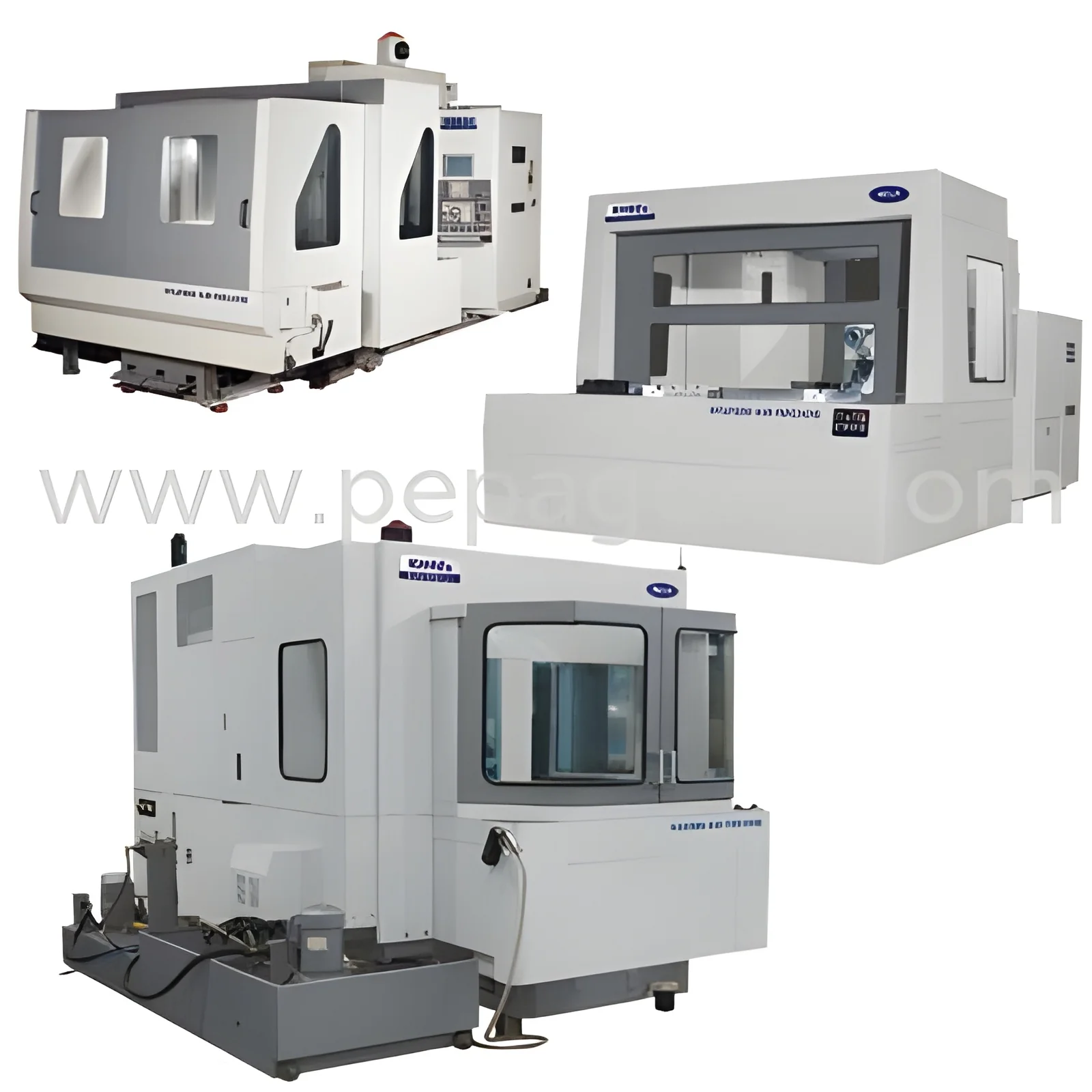
Horizontal Machining Centers (HMC)
8 products available
Key Features and Specifications
Horizontal Machining Centers are known for their robust design and advanced capabilities. They often come with features that enhance performance and usability, making them suitable for a wide range of applications.
Key specifications include:
1. Spindle Speed
- Typically ranges from 12,000 to 20,000 RPM
- Allows for efficient cutting of various materials
2. Tool Capacity
- Can accommodate anywhere from 30 to 120 tools
- Facilitates quick tool changes for increased productivity
3. Axis Configuration
- Generally features 3, 4, or 5 axes
- Provides versatility in machining complex shapes
4. Workpiece Size
- Capacity to handle workpieces weighing up to 1,500 kg
- Suitable for large and heavy components
5. Control System
- Equipped with advanced CNC control systems
- Enhances programming flexibility and precision
6. Coolant System
- Integrated coolant systems for effective temperature control
- Improves tool life and surface finish
7. Machine Footprint
- Compact designs available to save floor space
- Ideal for facilities with limited space
In summary, Horizontal Machining Centers offer a range of specifications that cater to diverse machining needs while ensuring high-quality production standards.
Common Applications and Use Cases
Horizontal Machining Centers are utilized across various industries, showcasing their versatility and effectiveness.
1. Aerospace: HMCs are used to manufacture complex parts such as turbine blades and structural components, requiring high precision and durability.
2. Automotive: These machines produce engine blocks, transmission housings, and other critical components with tight tolerances to ensure performance and safety.
3. Medical Devices: HMCs are employed in the fabrication of surgical instruments and implants, where accuracy and surface finish are paramount.
4. Defense: Machining components for military equipment and vehicles requires the high strength and precision that HMCs can provide.
5. Energy: HMCs are used to create parts for turbines and generators, essential in renewable energy and traditional power generation.
6. Electronics: Manufacturing intricate parts for electronic devices, including housings and substrates, is efficiently achieved with HMC technology.
7. Heavy Machinery: These machining centers produce components for construction and agricultural machinery, where robustness and precision are crucial.
Product Variants and Subcategories
Horizontal Machining Centers come in various configurations to meet specific industrial needs.
Standard HMC: This variant is designed for general-purpose machining and is suitable for a wide range of materials. It is commonly used in industries that require versatility and efficiency.
High-Speed HMC: Designed for rapid machining operations, this variant is optimized for speed and precision. It is ideal for applications requiring quick turnaround times, such as the electronics industry.
Large-Format HMC: This variant accommodates larger workpieces and is often used in heavy industries. Its robust design allows for the machining of substantial components that require precision.
Benefits and Advantages
Investing in Horizontal Machining Centers offers numerous benefits for businesses aiming to enhance their machining capabilities.
1. Increased Productivity: HMCs enable simultaneous machining of multiple sides of a workpiece, significantly reducing cycle times.
2. Improved Accuracy: The advanced technology and design of HMCs provide high precision, ensuring that parts meet strict tolerances.
3. Enhanced Flexibility: The ability to accommodate various tools and perform multiple operations on a single machine makes HMCs versatile for different projects.
4. Reduced Setup Times: With automatic tool changers and multi-axis capabilities, HMCs minimize setup times, allowing manufacturers to respond quickly to changing demands.
5. Lower Operational Costs: The efficiency of HMCs can lead to reduced labor and material costs, ultimately enhancing profitability.
6. Better Surface Finish: HMCs often provide superior surface finishes compared to conventional machining methods, which is critical for many applications.
Buying Guide for B2B Buyers
When sourcing Horizontal Machining Centers, it is important for B2B buyers to consider several key factors.
1. Quality Assessment: Look for machines that meet international quality standards, ensuring reliability and performance. Verify the components and materials used in the construction of the HMC.
2. Supplier Verification: Vet suppliers by checking their reputation, customer reviews, and history in the industry. Ensure they provide adequate support and service.
3. Pricing and MOQ: Understand the pricing structures and minimum order quantities required by suppliers to make informed purchasing decisions.
4. Delivery and Lead Times: Evaluate the supplier's ability to meet delivery schedules. Timely delivery is crucial for maintaining production schedules.
5. Compliance Requirements: Ensure that the HMC complies with relevant industry standards and safety regulations to avoid any legal issues.
Compliance and Certifications
Horizontal Machining Centers must adhere to various quality and safety standards to ensure operational reliability and market acceptance.
ISO 9001 is a widely recognized quality management standard that emphasizes customer satisfaction and continuous improvement. Compliance with this standard ensures that the manufacturing processes are consistently monitored and improved.
CE certification indicates that the product meets the European Union's health, safety, and environmental protection standards. This certification is essential for machines sold in European markets and assures buyers of the machine's safety and compliance.
In addition to ISO and CE certifications, horizontal machining centers may need to meet specific safety and testing requirements based on regional regulations. It is important for manufacturers and buyers to be aware of these compliance considerations to ensure the machines are safe and legally compliant.
Why Source Horizontal Machining Centers from Pepagora?
Pepagora offers a reliable platform for sourcing Horizontal Machining Centers with significant advantages for B2B buyers.
Verified Supplier Network: Pepagora connects buyers with a network of verified suppliers, ensuring that all manufacturers meet rigorous quality and service standards. This network reduces the risk associated with sourcing machinery.
Streamlined RFQ Process: The Request for Quotation (RFQ) system simplifies the procurement process. Buyers can easily request quotes from multiple suppliers, making it easier to compare prices and features.
Trade Assurance and Support: Pepagora provides trade assurance to protect buyers during transactions. This support ensures that buyers receive their orders as specified, providing peace of mind.
Regional Coverage: With extensive geographic reach across India, the GCC, and Southeast Asia, Pepagora facilitates access to a wide array of suppliers, making it easier for businesses to find the right Horizontal Machining Centers for their needs.




Frequently Asked Questions
What are Horizontal Machining Centers (HMC)?
Horizontal Machining Centers (HMC) are advanced machine tools designed for high-precision machining operations. They utilize a horizontal spindle orientation, allowing for efficient machining of complex parts from multiple angles without the need for repositioning.
What are the different types of Horizontal Machining Centers (HMC)?
The main types of Horizontal Machining Centers (HMC) include single pallet, double pallet, and multi-pallet machines. Each type varies in terms of production efficiency, automation, and flexibility, accommodating different operational needs and part sizes.
How do I choose the right Horizontal Machining Centers (HMC)?
Choosing the right Horizontal Machining Center (HMC) depends on factors such as the type of materials you will be machining, the complexity of the parts, and production volume requirements. It's also important to consider the machine's specifications, including spindle speed, tool capacity, and automation features.
What are the standard specifications for Horizontal Machining Centers (HMC)?
Standard specifications for Horizontal Machining Centers (HMC) typically include spindle speeds ranging from 1,000 to 12,000 RPM, a tool capacity of 30 to 120 tools, and a worktable size that accommodates various part sizes. Other specifications may include machine weight, overall dimensions, and power consumption.
What is the price range for Horizontal Machining Centers (HMC)?
The price range for Horizontal Machining Centers (HMC) can vary significantly based on specifications and brand. Generally, prices can range from INR 10 lakhs to over INR 2 crores, depending on factors such as machine size, features, and level of automation.
What quality standards apply to Horizontal Machining Centers (HMC)?
Horizontal Machining Centers (HMC) are typically manufactured in compliance with international quality standards such as ISO 9001 and CE certification. These standards ensure the machines are built with precision, reliability, and safety in mind.
Where can I find Horizontal Machining Centers (HMC) suppliers in India?
You can find Horizontal Machining Centers (HMC) suppliers in India through various online B2B marketplaces, manufacturing directories, and industry trade shows. Platforms like Pepagora.com provide a comprehensive list of verified suppliers and manufacturers in this category.
Can Horizontal Machining Centers (HMC) be customized?
Yes, many Horizontal Machining Centers (HMC) can be customized to meet specific operational requirements. Customization options may include modifications to the machine's size, tooling systems, and software to enhance productivity and efficiency.
What is the typical minimum order quantity for Horizontal Machining Centers (HMC)?
The typical minimum order quantity (MOQ) for Horizontal Machining Centers (HMC) can vary depending on the manufacturer and the specific machine model. Generally, MOQs can range from one unit to several units, especially for custom orders.
What is the typical lead time for Horizontal Machining Centers (HMC)?
The typical lead time for Horizontal Machining Centers (HMC) can range from a few weeks to several months, depending on the manufacturer's production capacity and whether the machine is standard or customized. It's advisable to confirm lead times with the supplier before placing an order.
Why Businesses Trust Pepagora
Thousands of companies trust Pepagora to source smarter and sell faster
Expand Your Sales Globally

Source Smarter,Grow Faster
