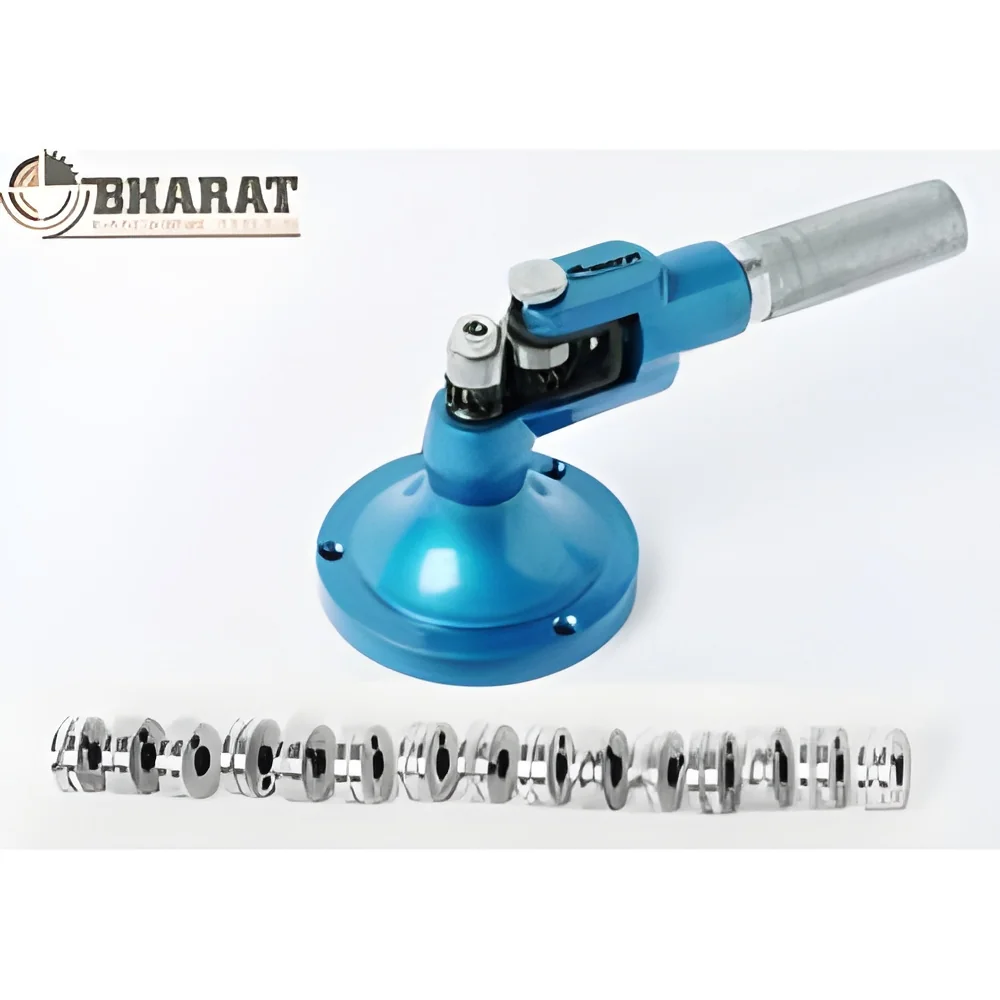
What are CNC Engraving Machines?
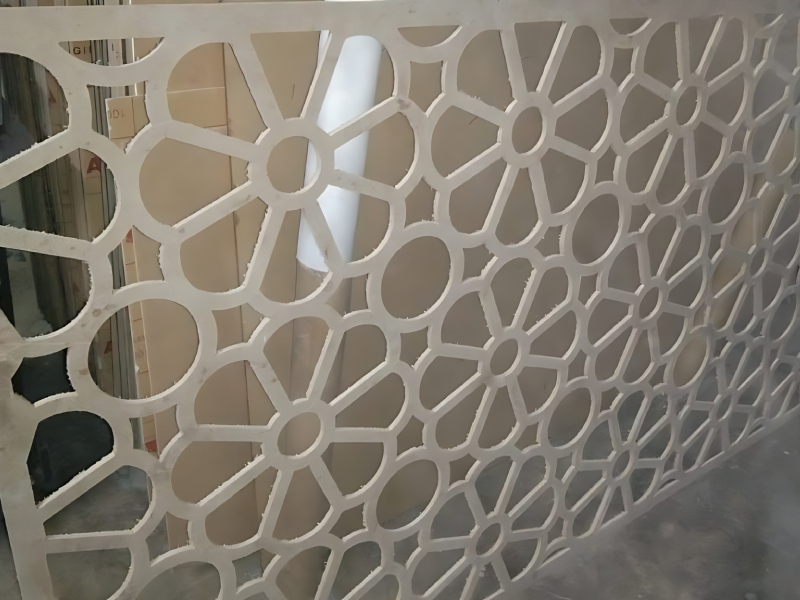
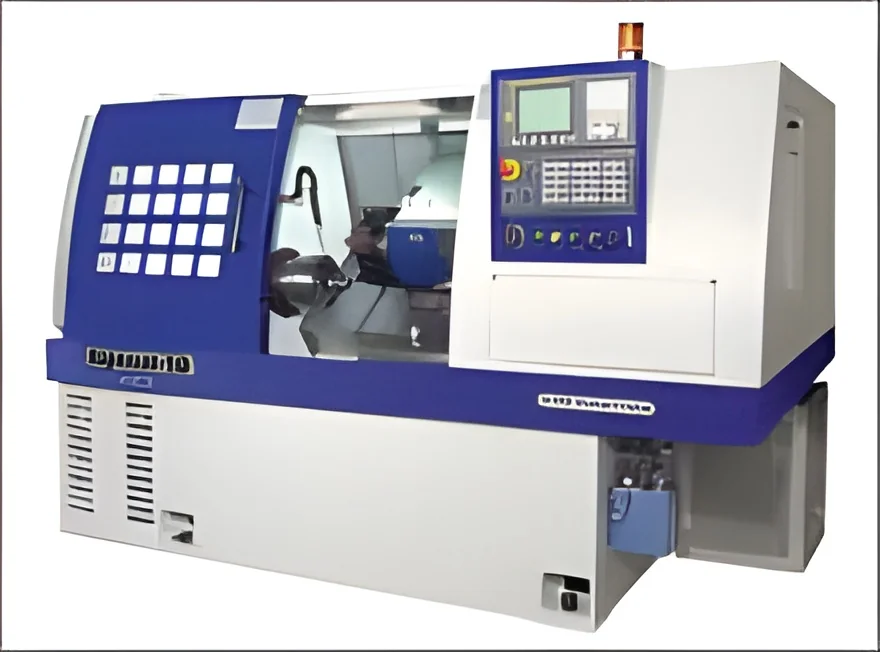
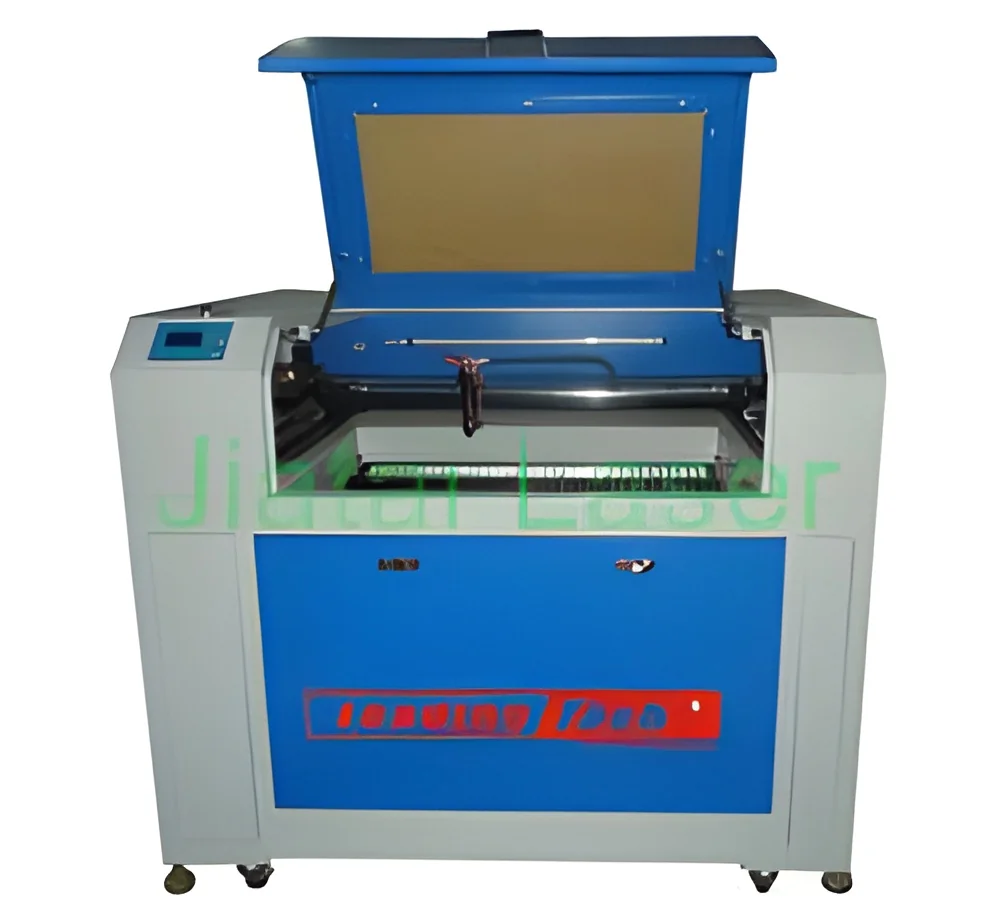
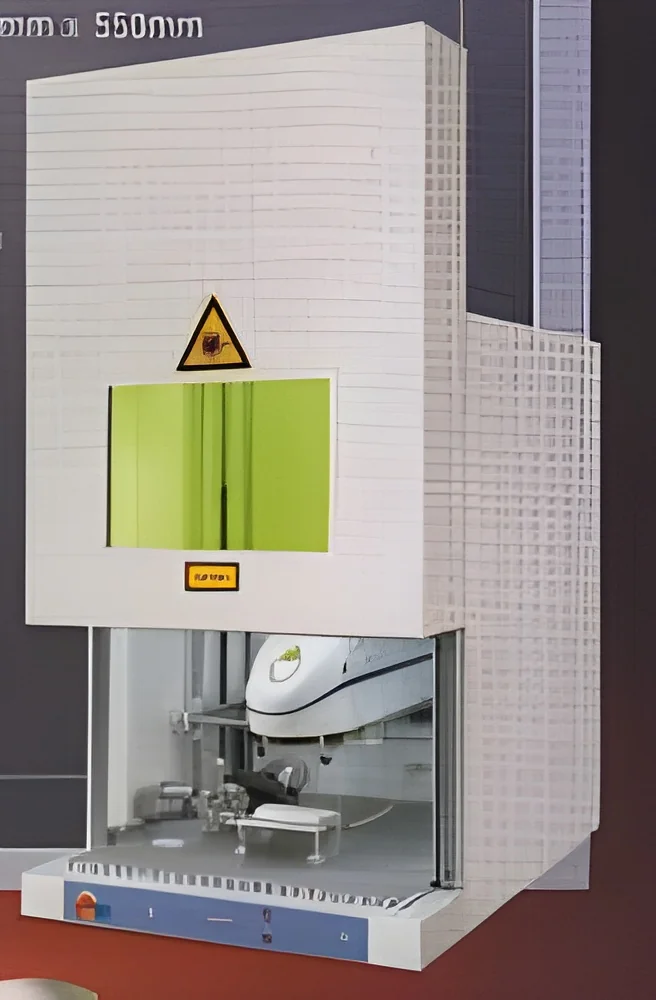
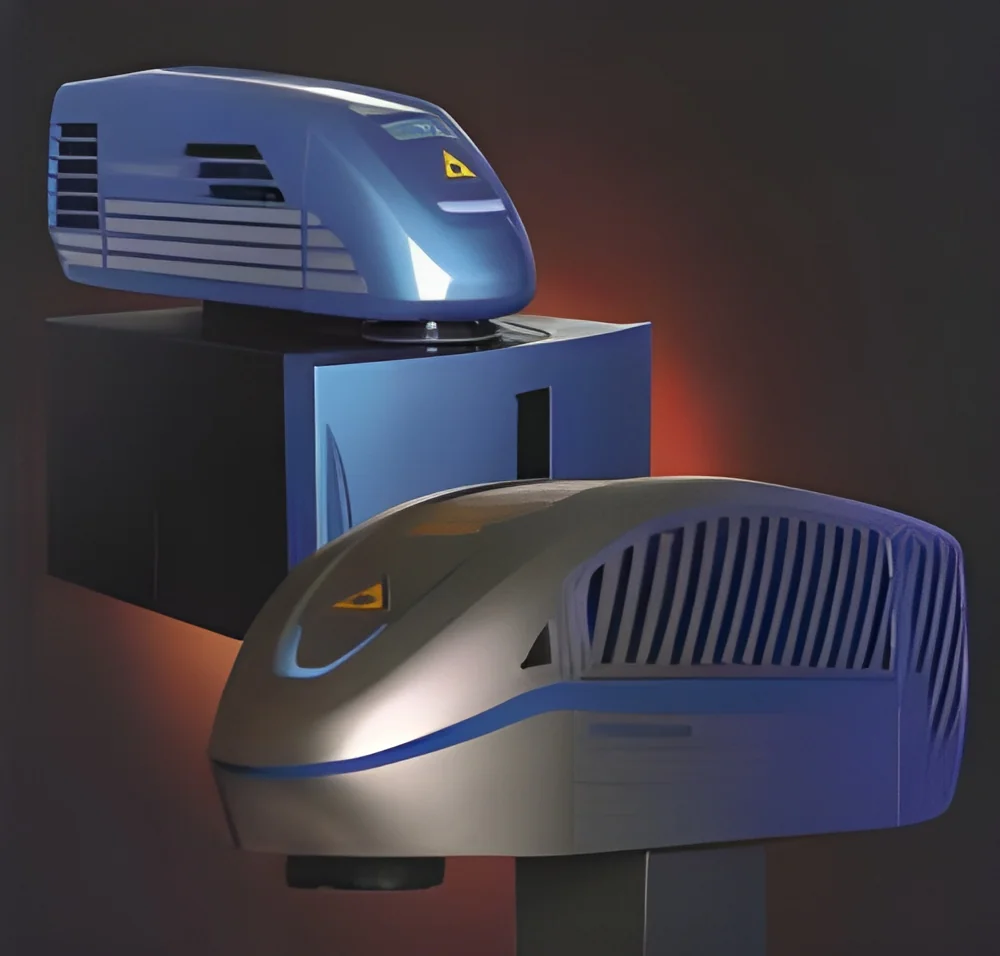
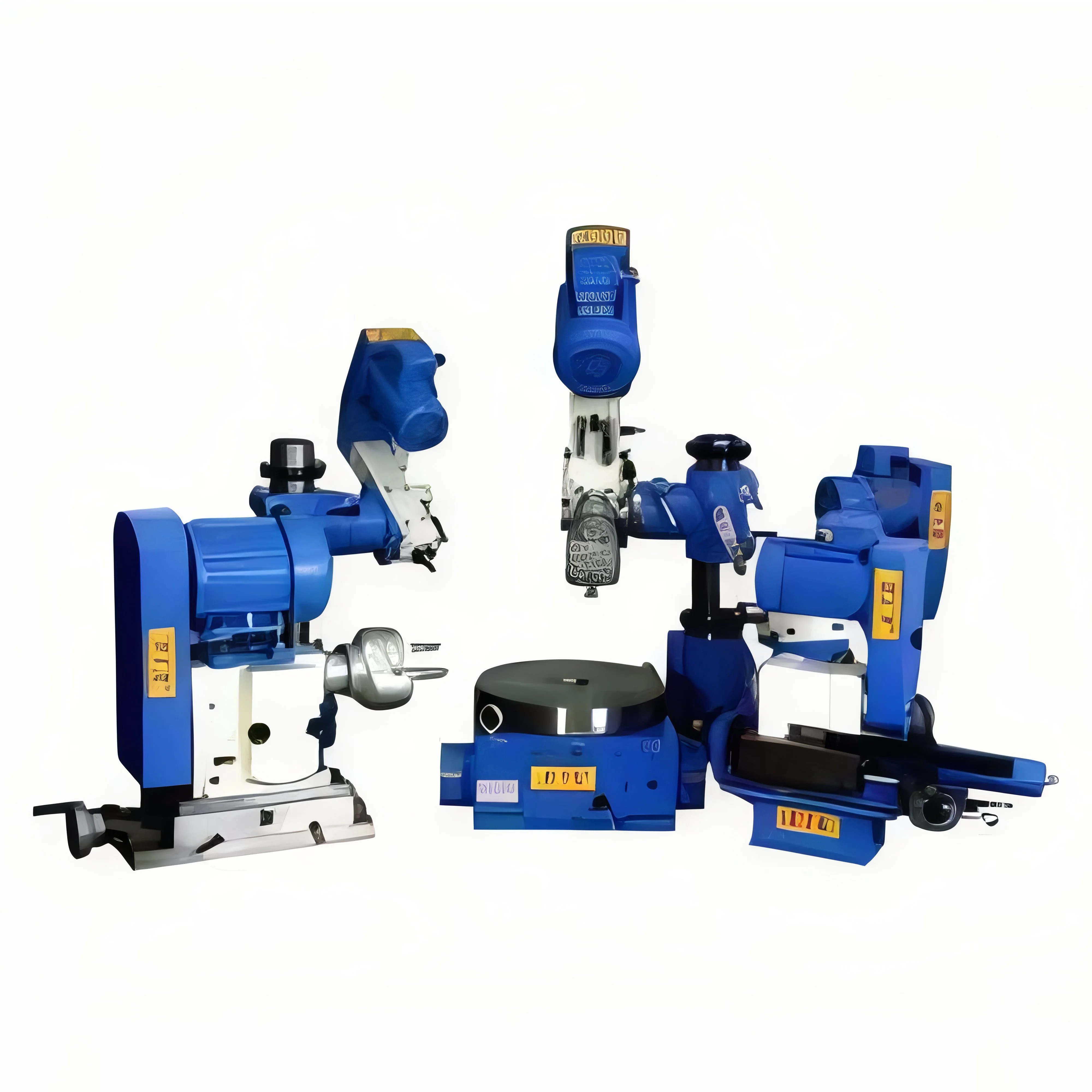
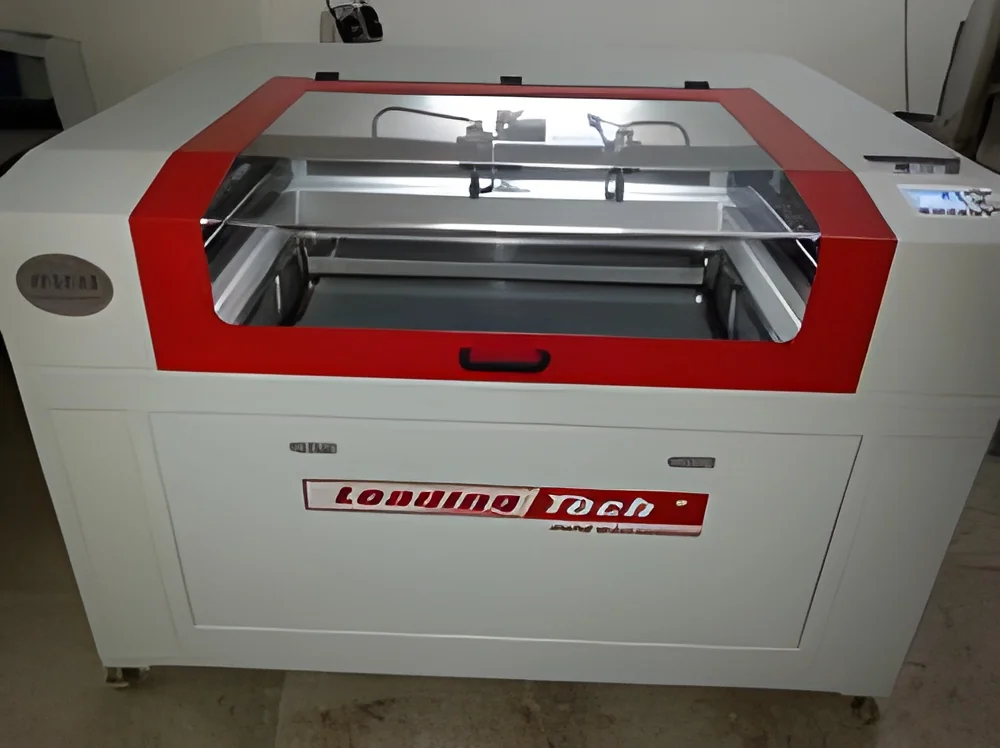
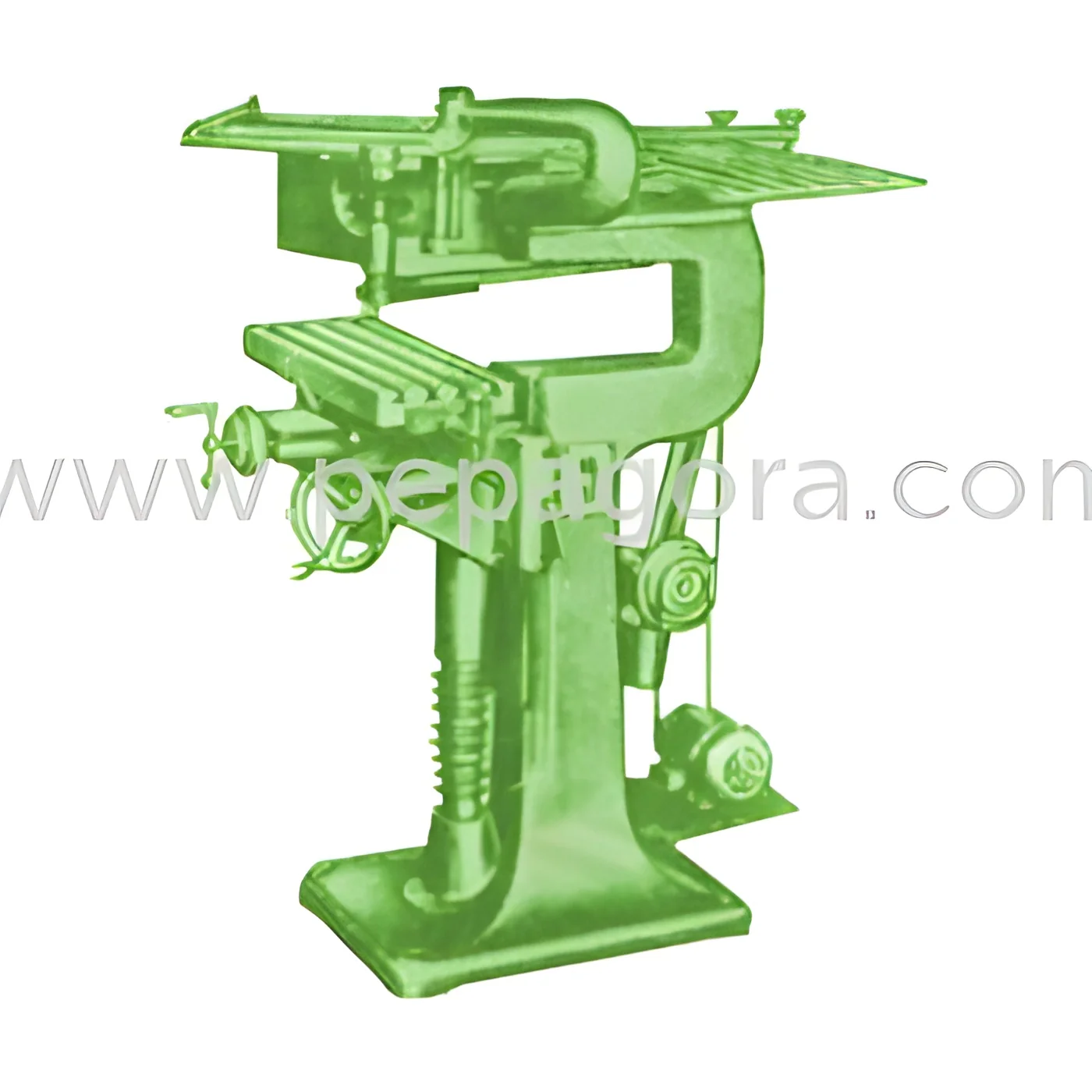
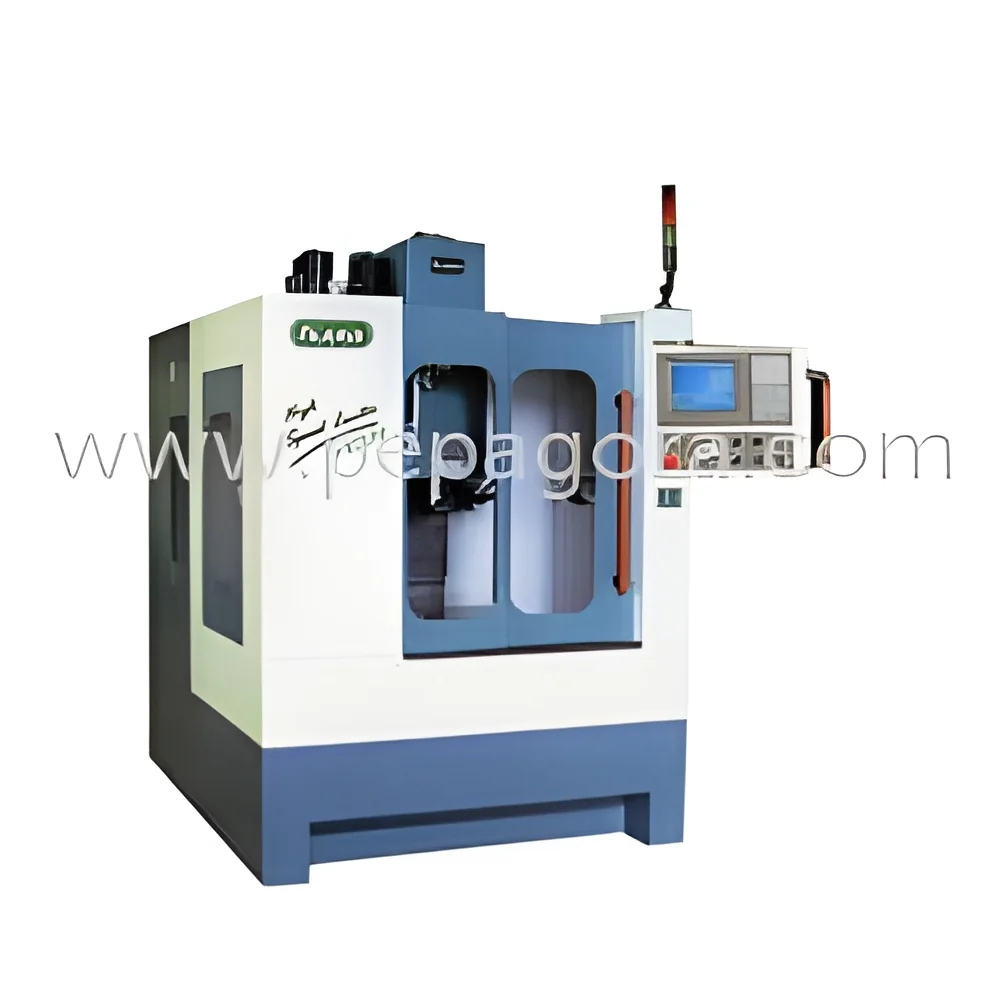
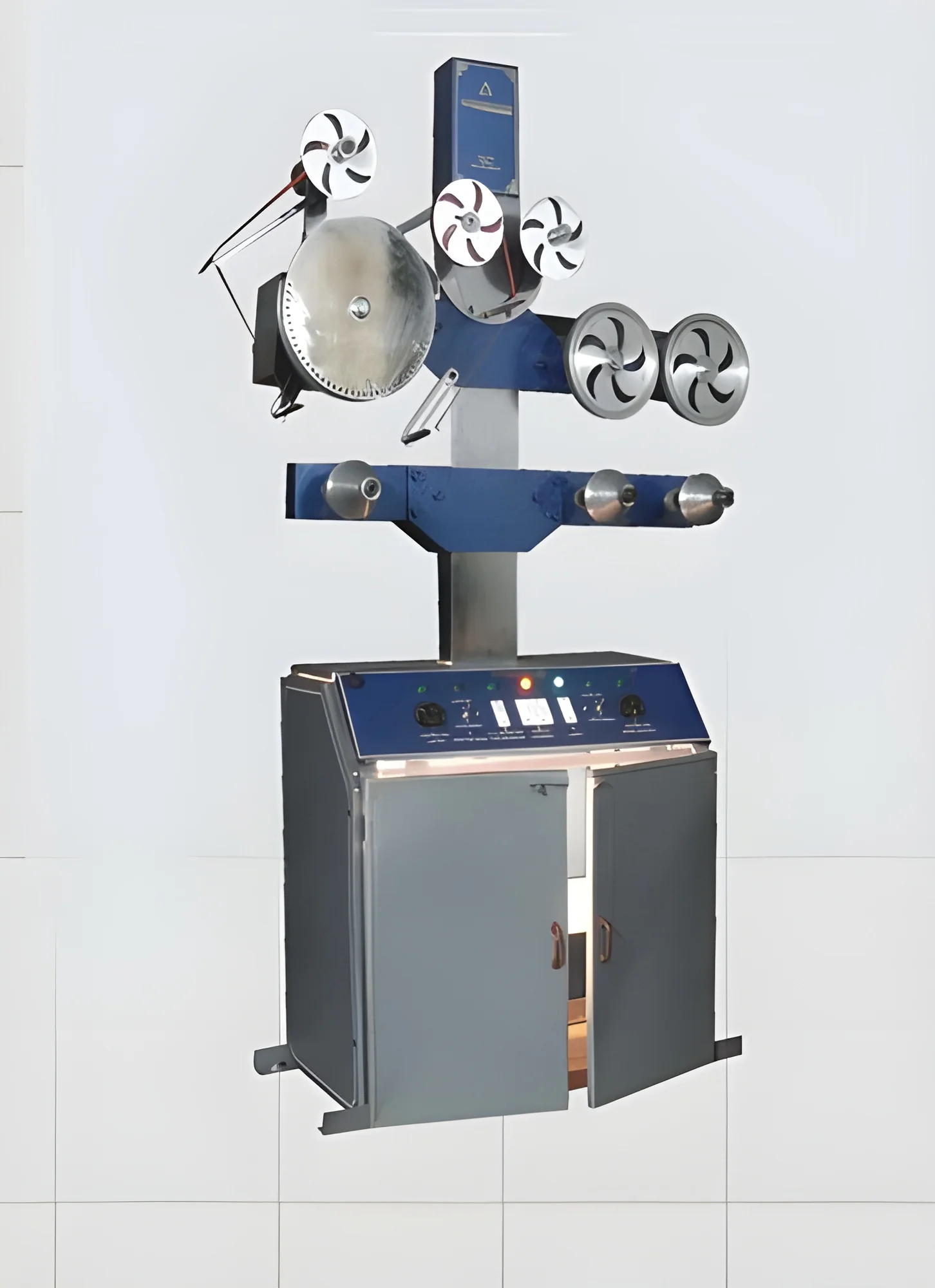
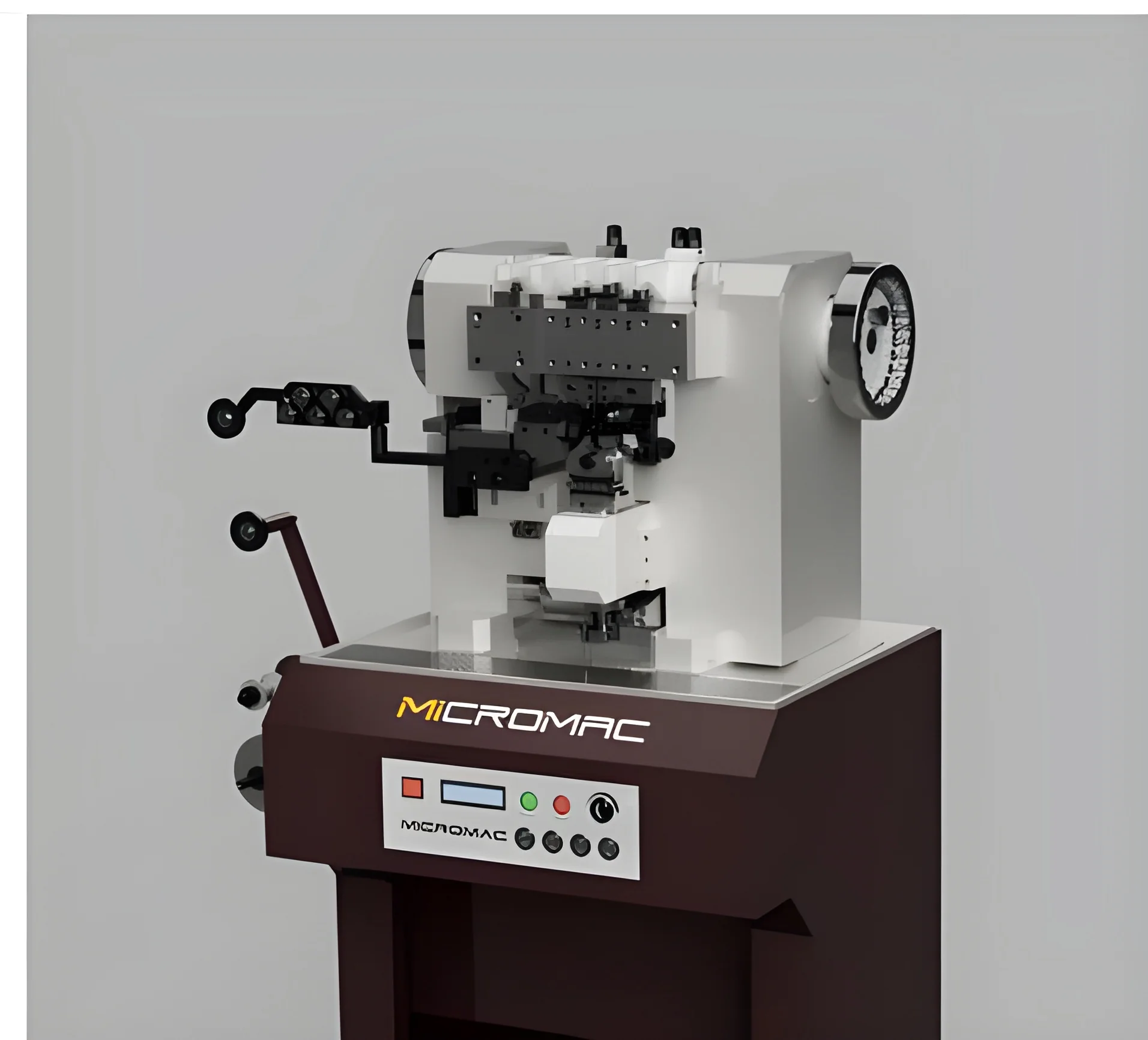
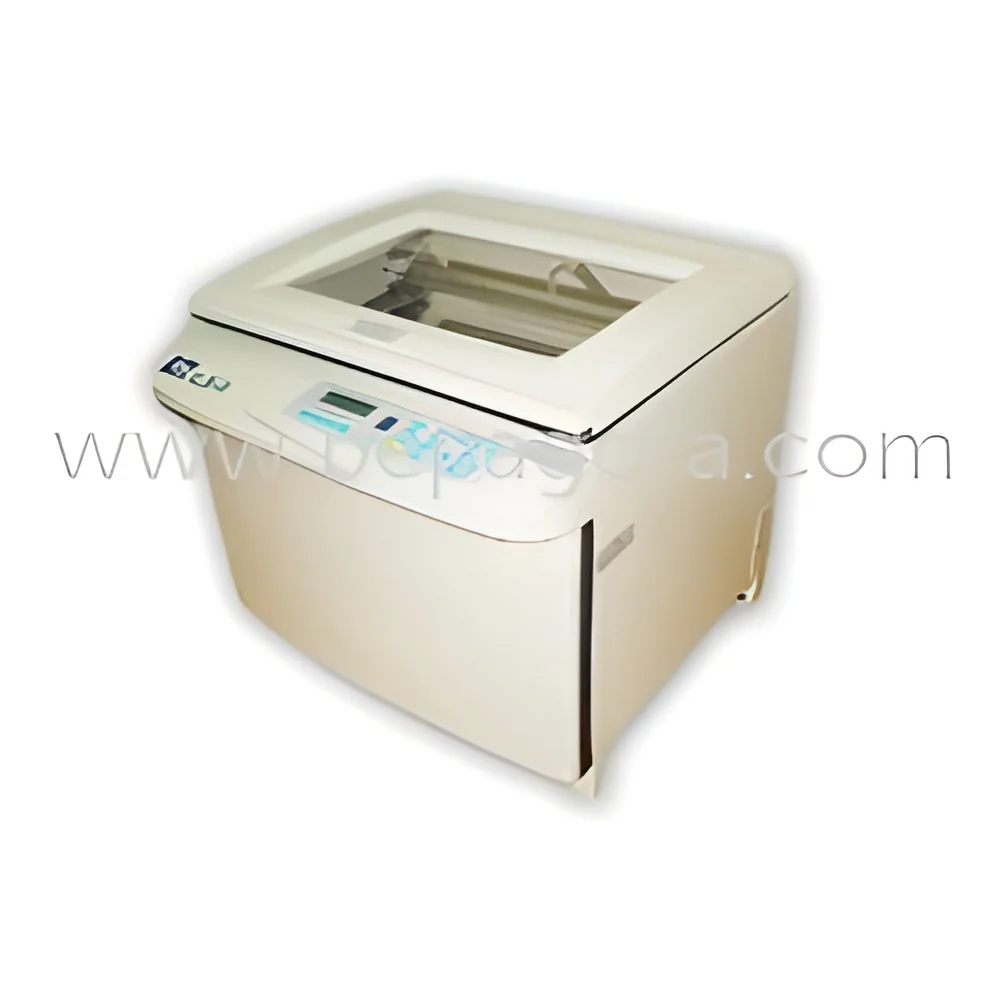
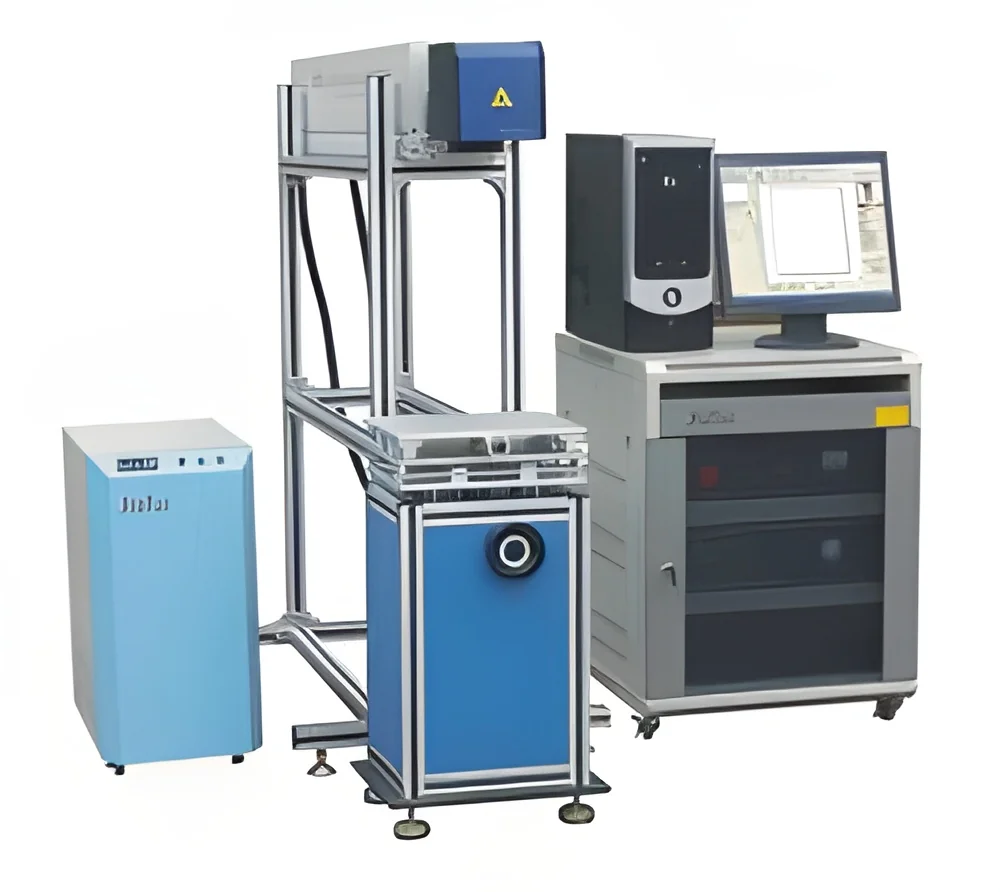
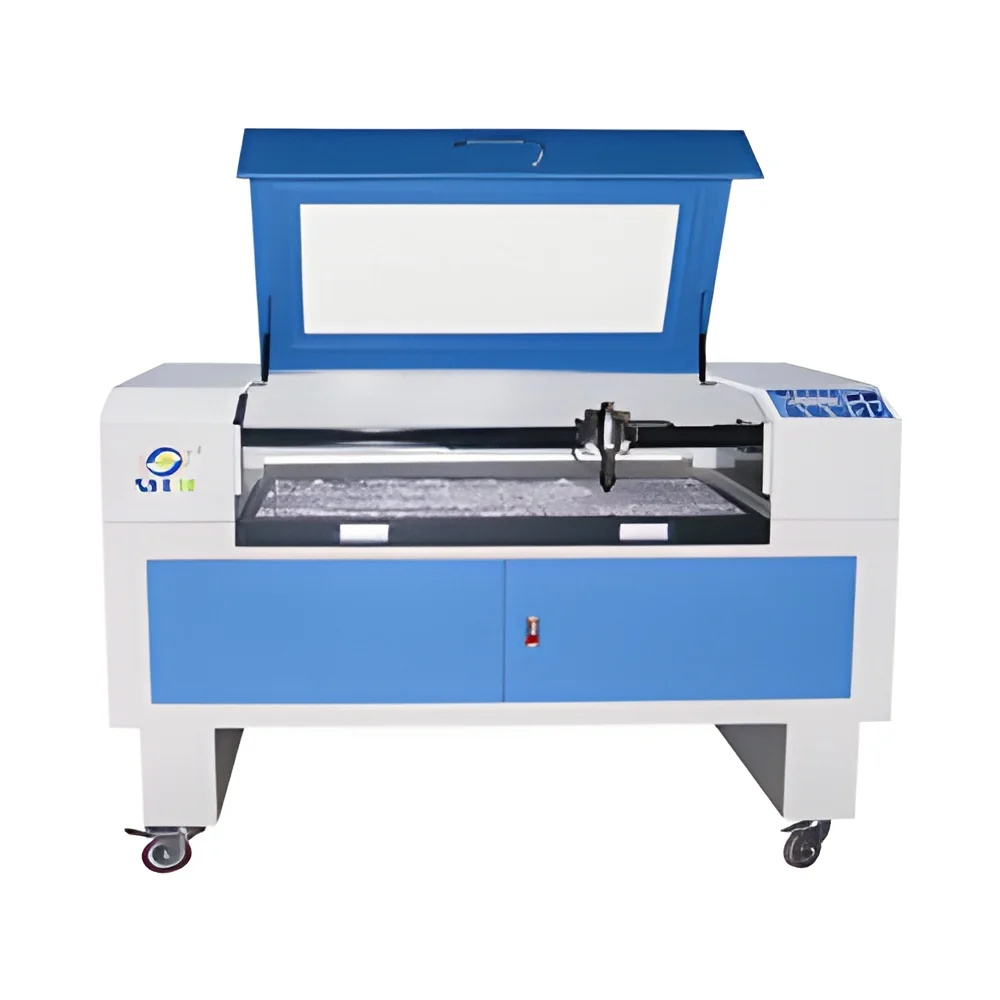
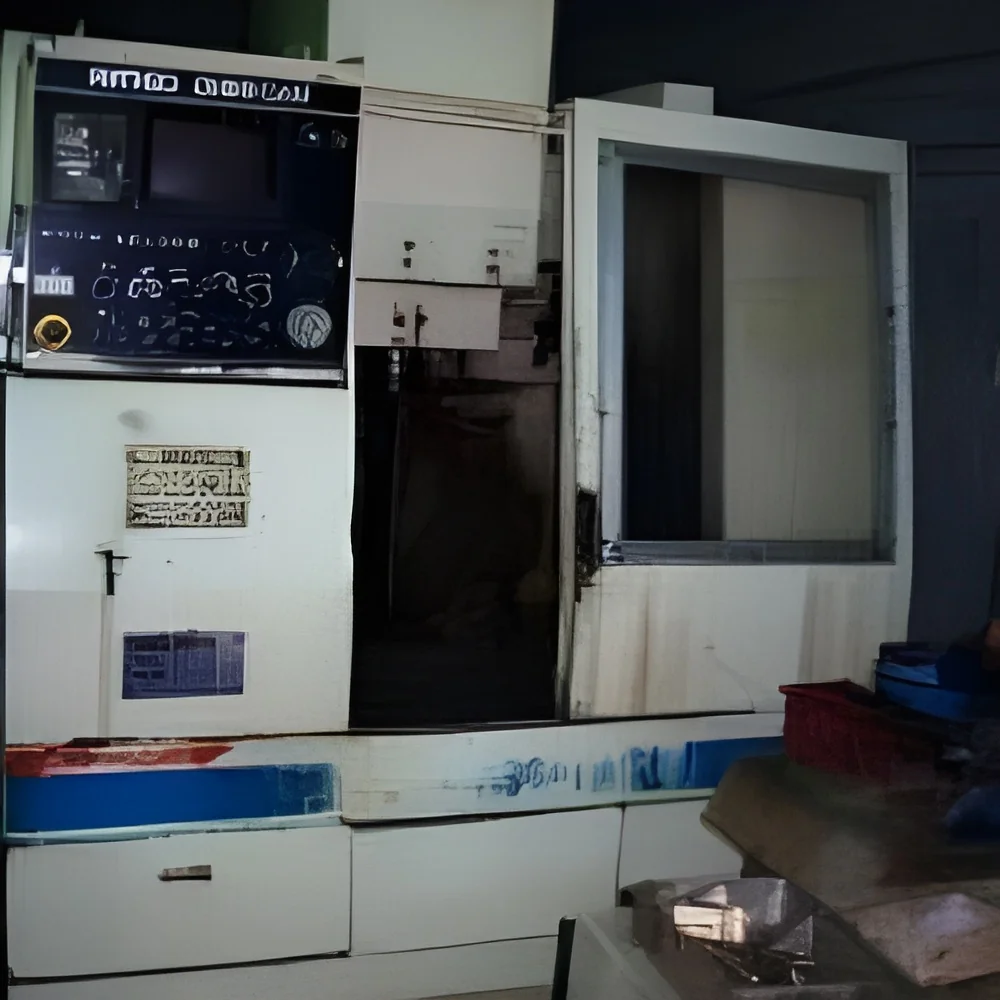
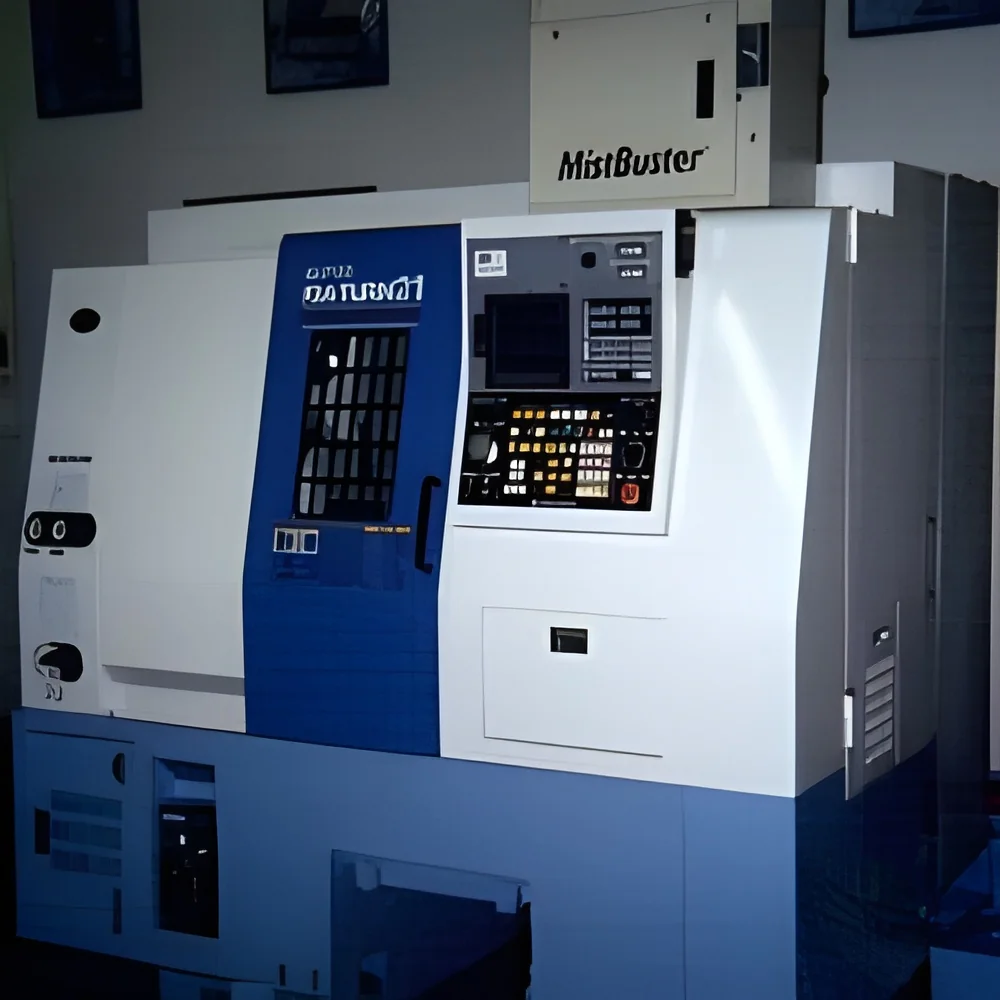
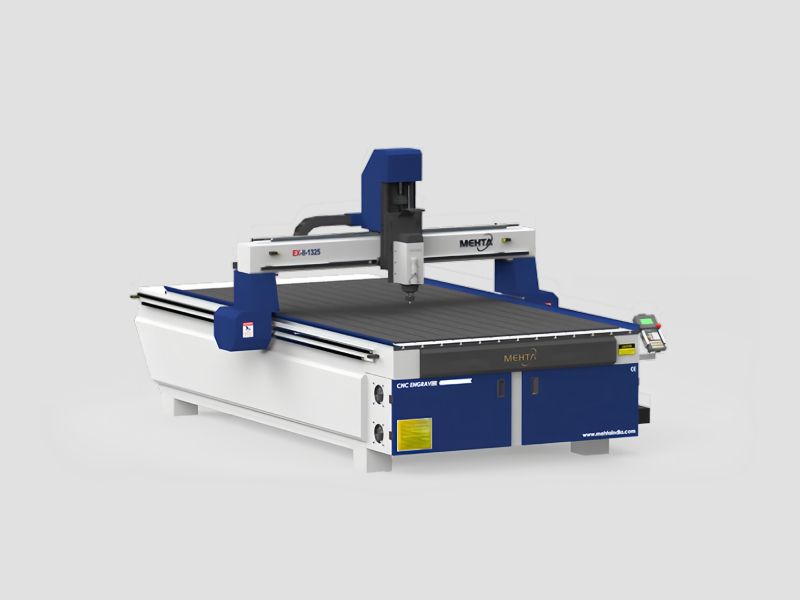
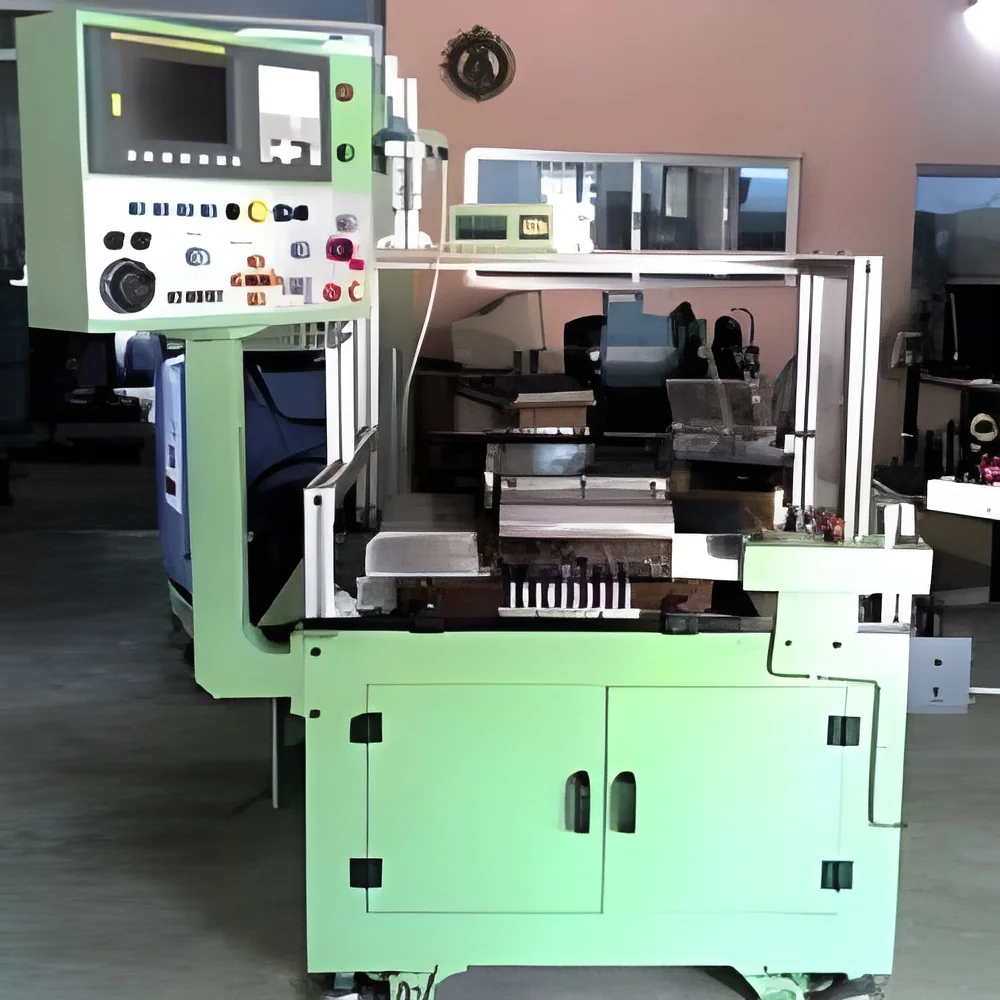
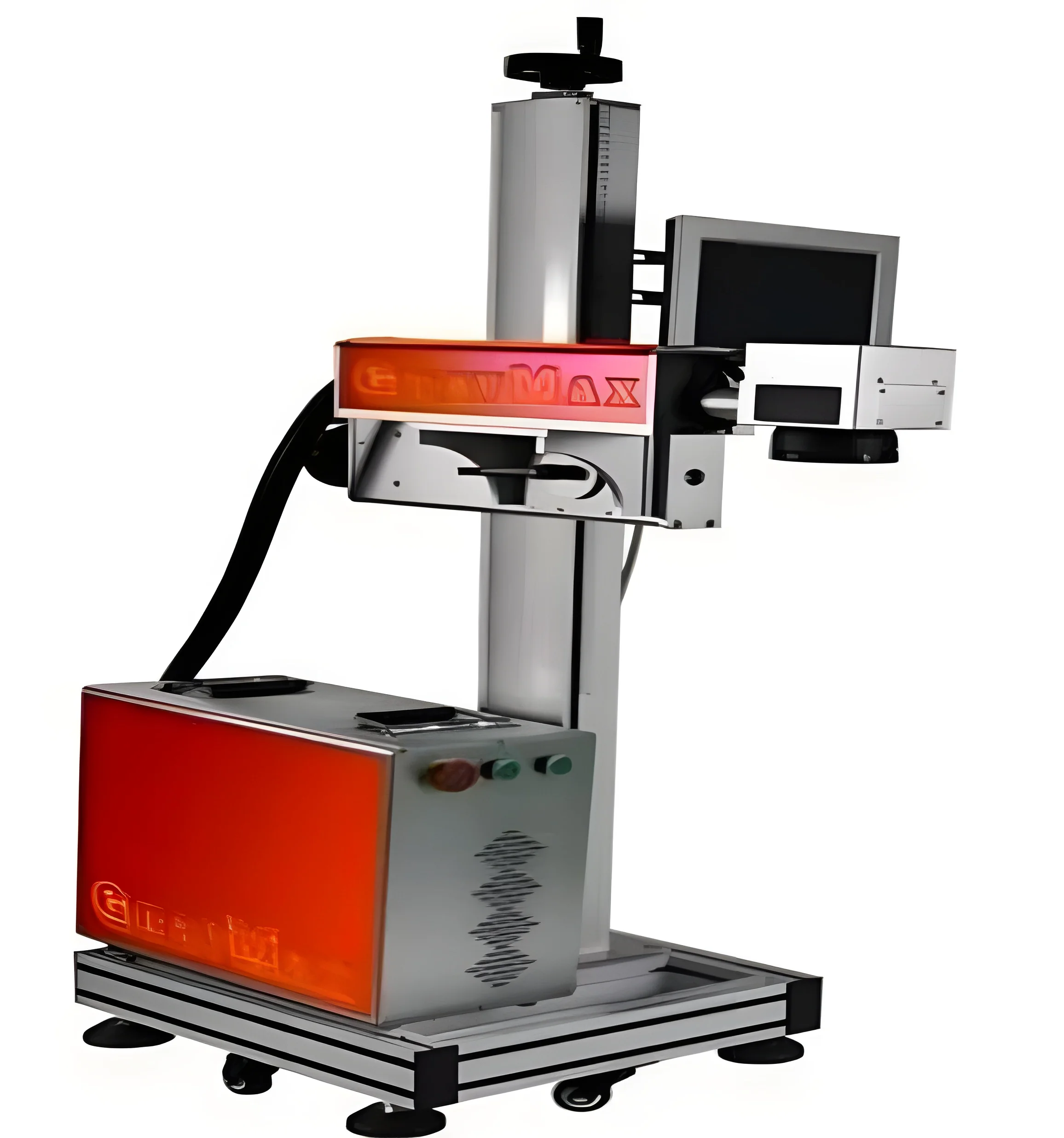
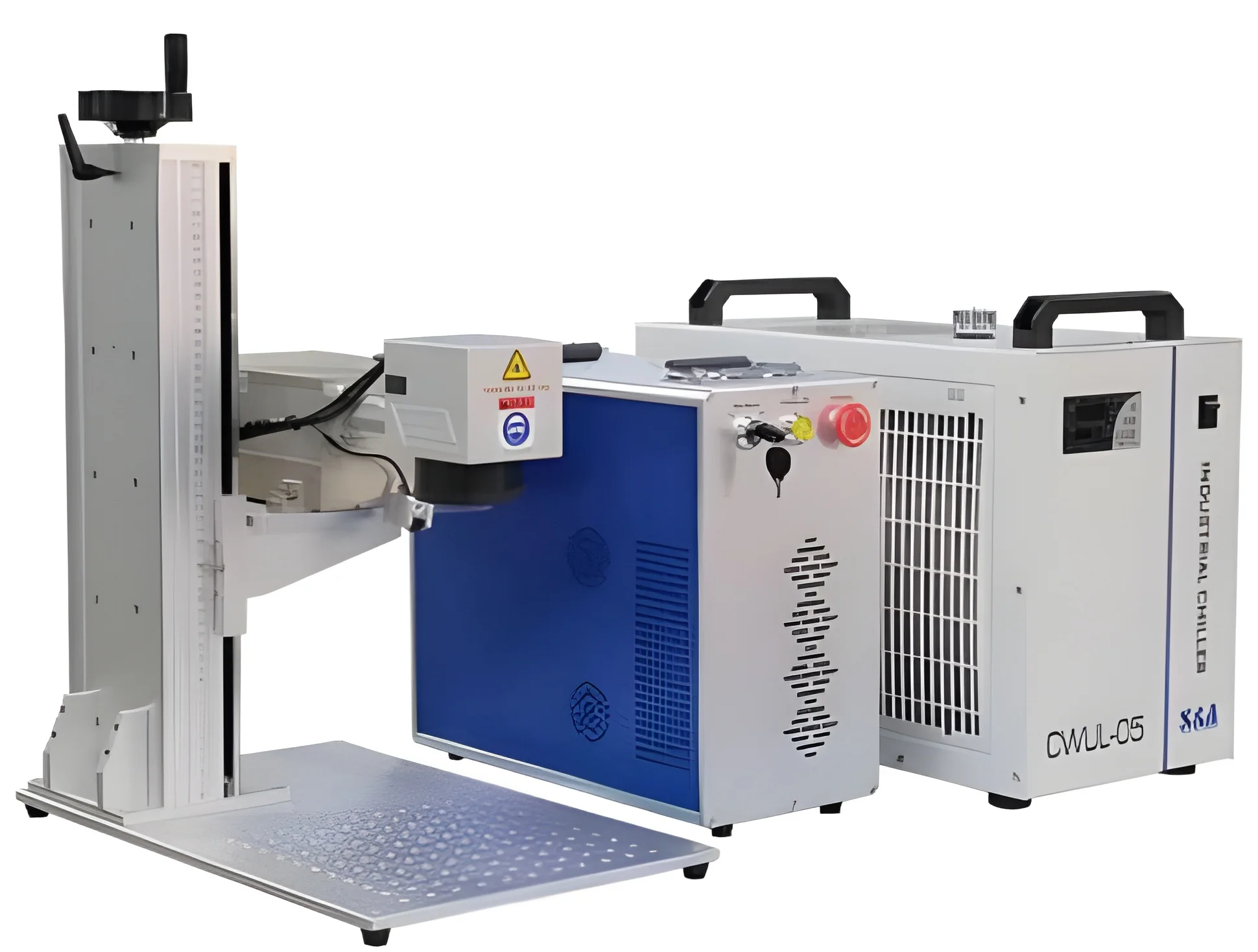
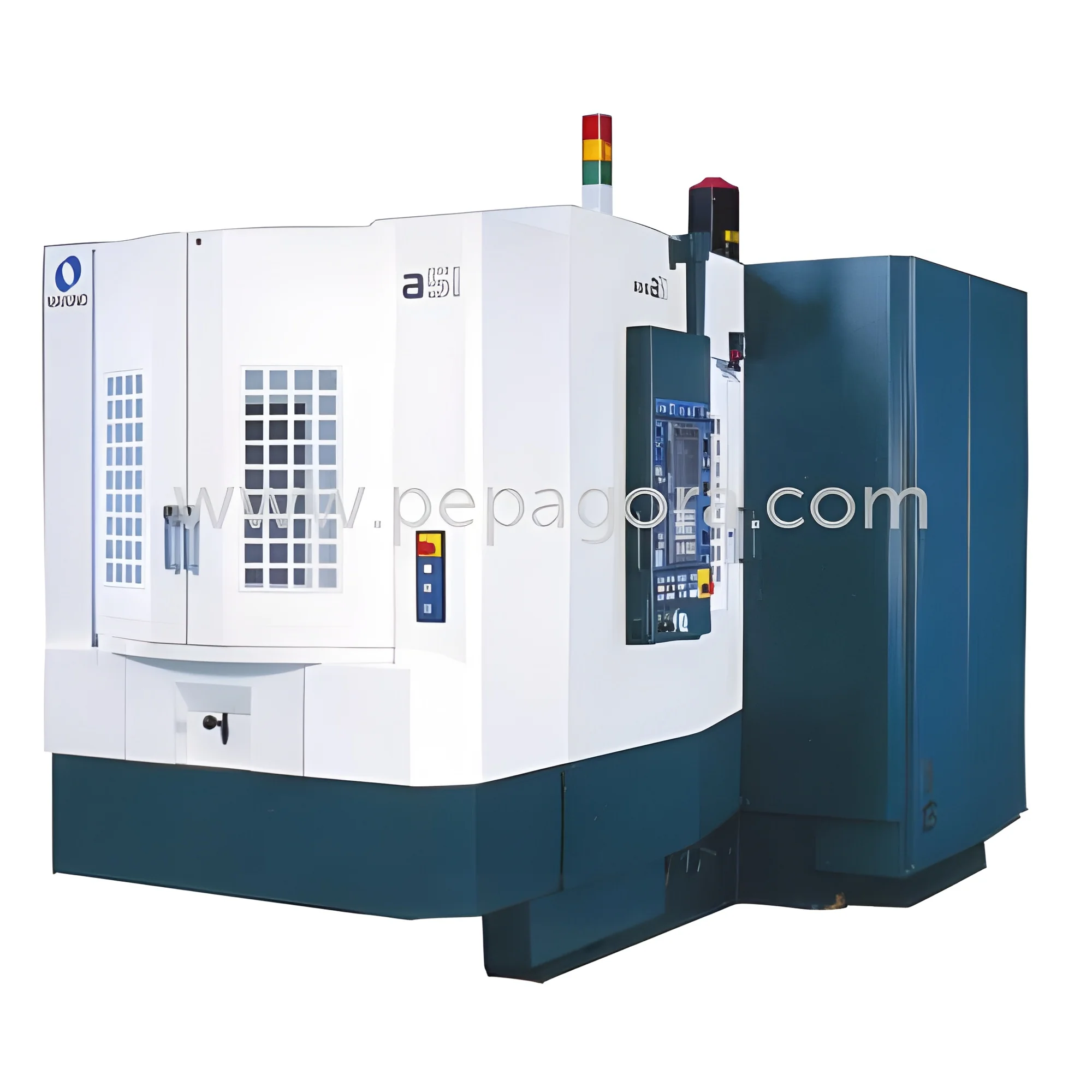
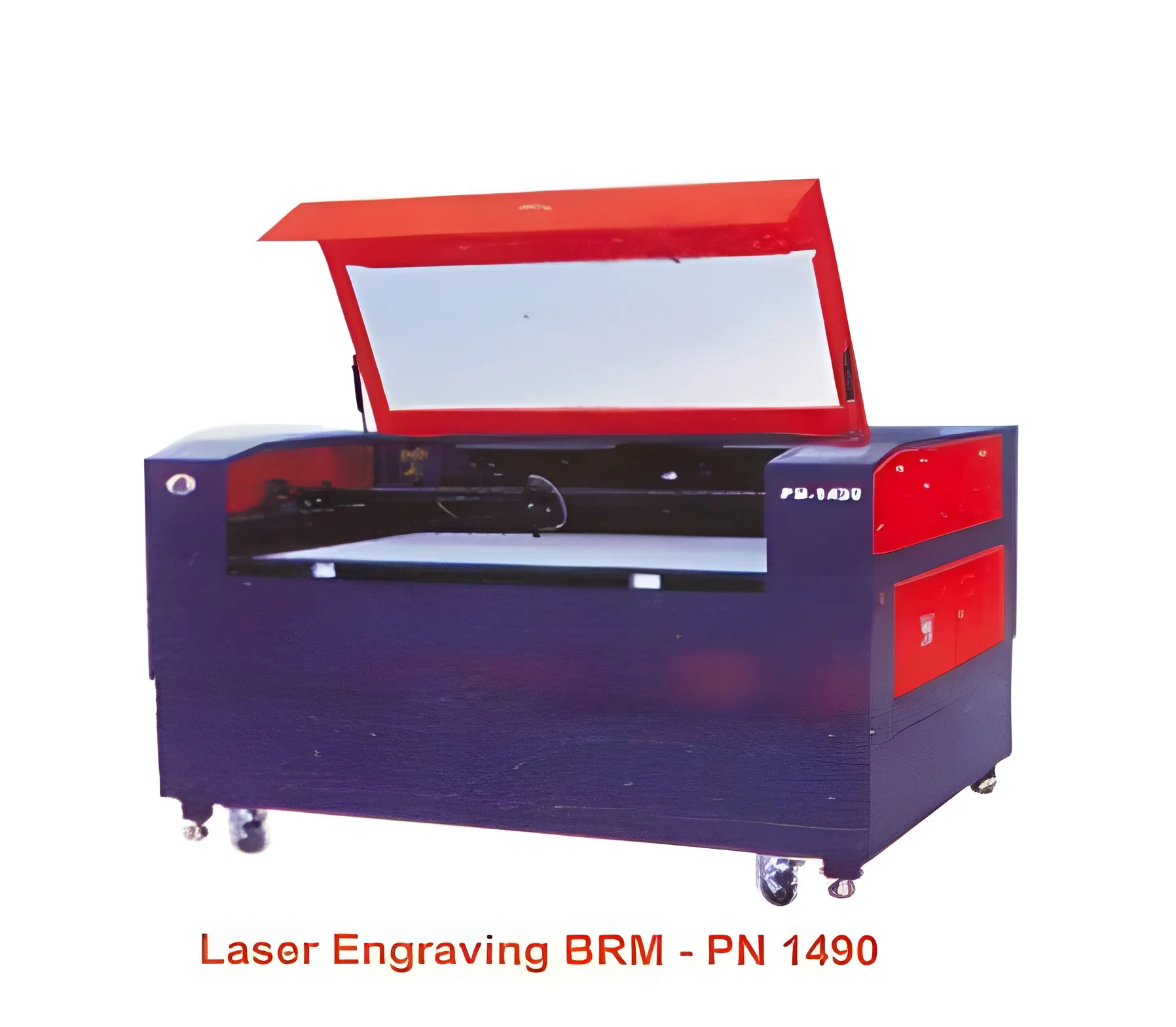
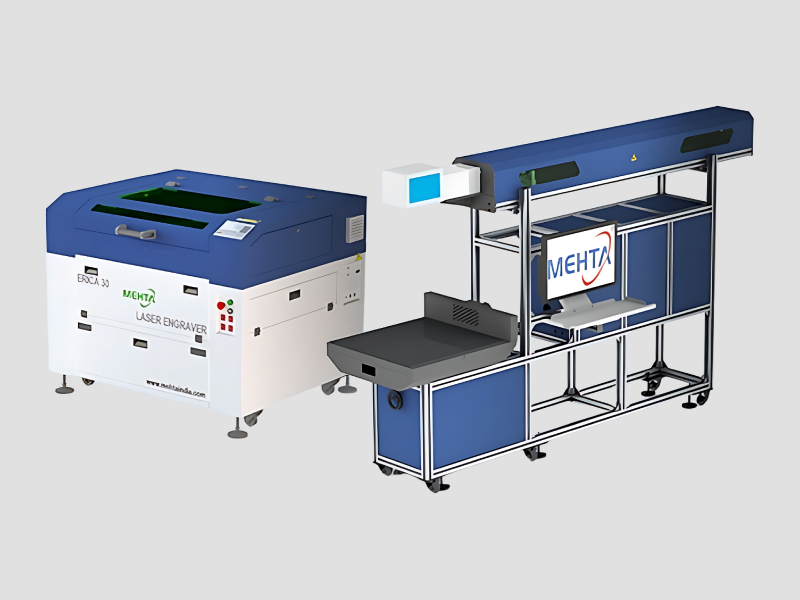
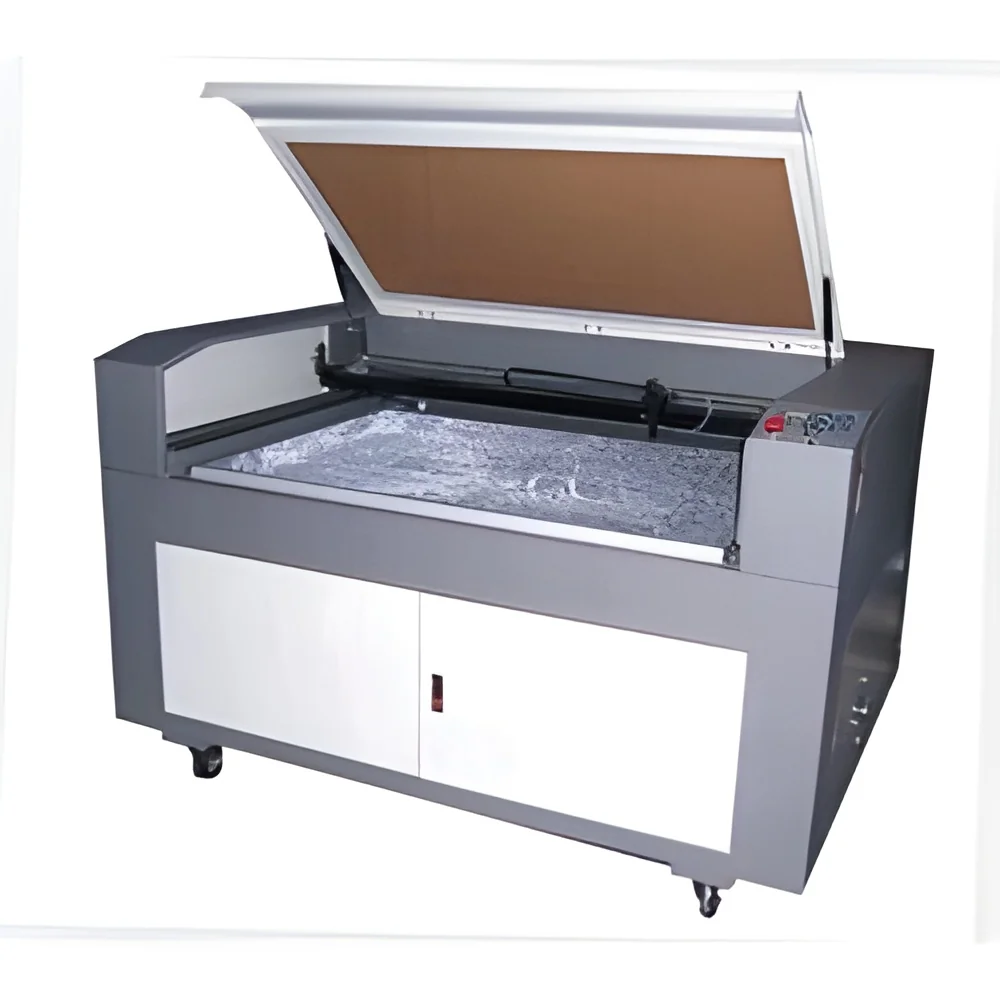
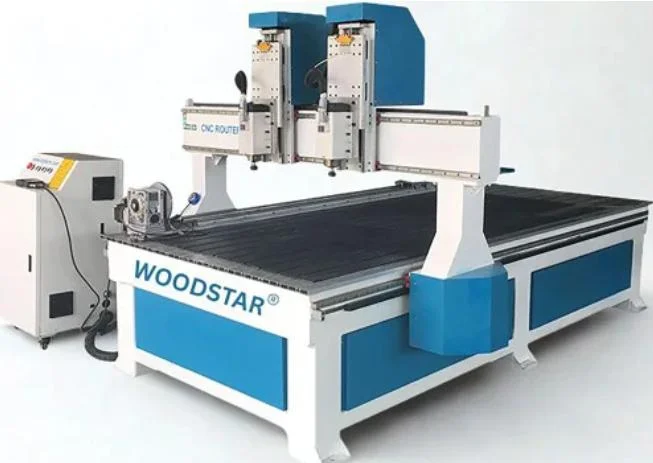
CNC engraving machines are computer-controlled devices that create precise engravings on various materials such as metal, wood, glass, and plastic. The term CNC stands for Computer Numerical Control, which refers to the use of computer technology to control the movement of the engraving tool. These machines operate by interpreting CAD (Computer-Aided Design) files, allowing for highly intricate designs and patterns to be produced with speed and accuracy.
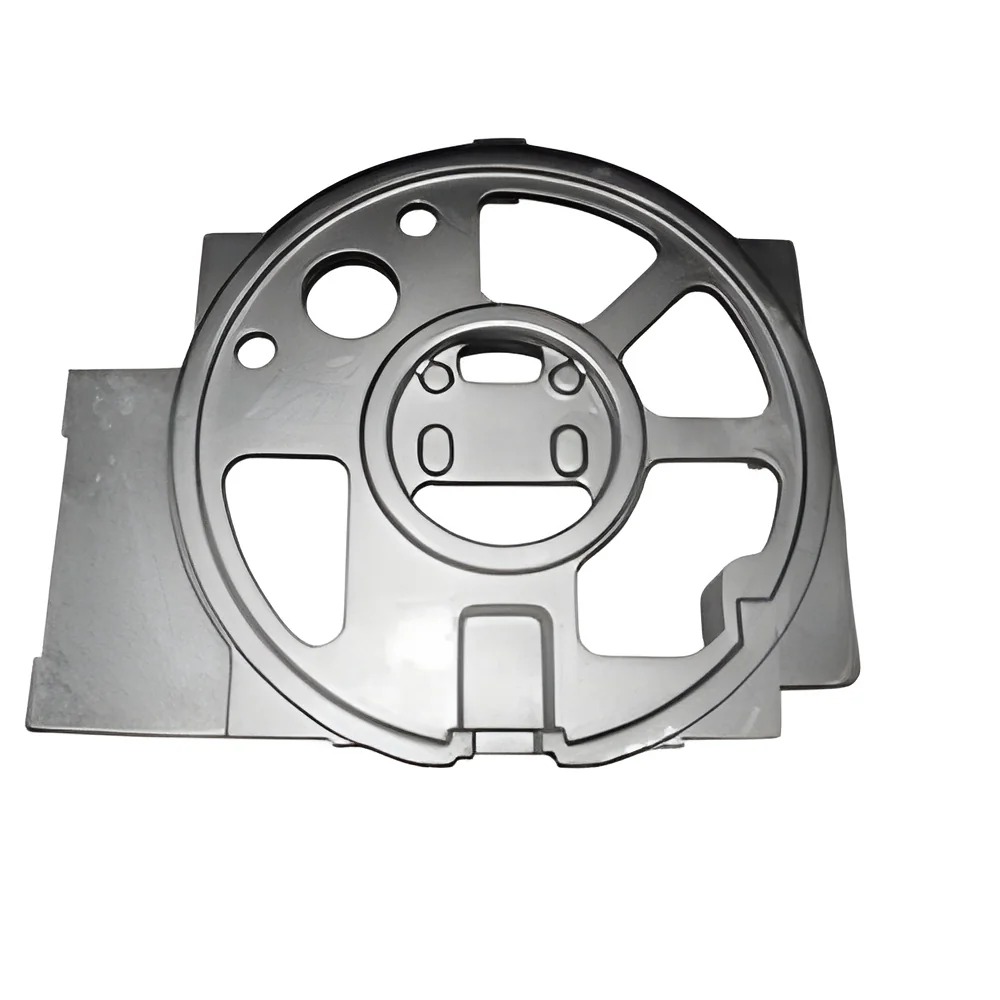
CNC engraving machines find a wide range of applications in various business sectors. They are commonly used in manufacturing for creating detailed parts, in signage for producing custom designs, and in jewelry making for engraving intricate designs on metal surfaces. The ability to automate engraving processes enhances efficiency and reduces production costs, making these machines invaluable in high-volume production environments.
In the current market, CNC engraving machines are becoming increasingly relevant due to the growing demand for customization and precision in manufacturing. As industries strive for higher productivity and quality, the integration of CNC technology in engraving processes has gained traction. This trend is driven by advancements in technology and the need for businesses to stay competitive in a fast-paced global market.
Key Features and Specifications
CNC engraving machines come equipped with several key features that enhance their functionality and usability. Understanding these specifications is vital for businesses looking to invest in these machines.
Key specifications include:
1. Engraving Area
- This refers to the maximum space available for engraving operations.
- Typical sizes range from small desktop models to large industrial machines.
2. Spindle Speed
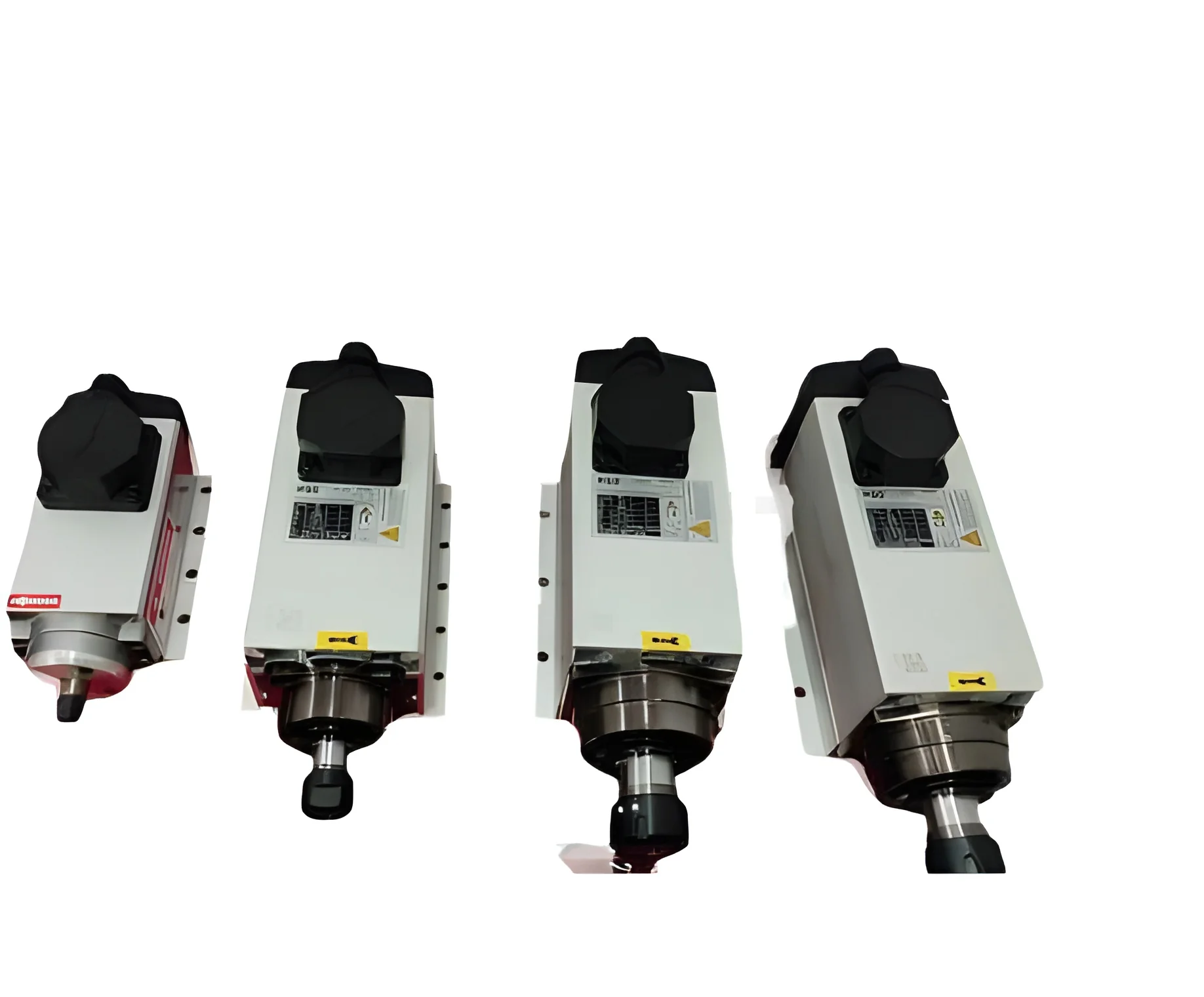
- Spindle speed determines how fast the engraving tool rotates and impacts the quality of engraving.
- Common spindle speeds can vary from 10,000 to 60,000 RPM.
3. Control System
- A reliable control system is essential for precise operation and programming.
- Most machines use a PC-based or embedded control system for ease of use.
4. Material Compatibility
- CNC engraving machines can work with a range of materials including metals, plastics, wood, and glass.
- Some machines are specifically designed for certain materials, enhancing engraving quality.
5. Software Compatibility
- The ability to integrate with various CAD software is crucial for design flexibility.
- Ensure the machine supports standard file formats like DXF, DWG, or SVG.
6. Tooling Options
- Different engraving bits and tools can be used to achieve various engraving effects.
- Compatibility with a range of tools can enhance the machine's versatility.
7. Dimensions and Weight
- The physical dimensions and weight of the machine can impact installation and workspace requirements.
- Consideration of space is important for both operational and maintenance needs.
8. Safety Features
- Safety measures such as emergency stops and protective enclosures are vital for safe operation.
- Compliance with local safety standards should also be verified.
In summary, when selecting a CNC engraving machine, it is important to consider these specifications to ensure the machine meets the operational requirements of your business.
Common Applications and Use Cases
CNC engraving machines serve various industries with unique applications that leverage their precision and efficiency.
1. Manufacturing: In manufacturing, CNC engraving machines are used for creating detailed parts and components, ensuring high levels of accuracy which are crucial for assembly.
2. Signage: Companies in the signage industry utilize these machines to produce custom signs and logos, allowing for intricate designs that capture attention effectively.
3. Jewelry Making: Jewelers employ CNC engraving machines to engrave intricate patterns and personalizations on rings, pendants, and other jewelry items, enhancing their uniqueness.
4. Aerospace: In the aerospace sector, these machines are used for engraving identification numbers and codes on components, which is vital for tracking and safety compliance.
5. Awards and Trophies: The awards industry benefits from CNC engraving for creating personalized trophies and plaques, offering a professional finish that enhances the product's value.
6. Electronics: CNC engraving machines are also used in electronics for engraving circuit boards and other components where precision is essential.
7. Arts and Crafts: Artists and craftspeople use CNC engraving machines to create detailed artworks and custom pieces, expanding their creative possibilities.
Product Variants and Subcategories
CNC engraving machines come in various configurations and designs to meet diverse industry needs.
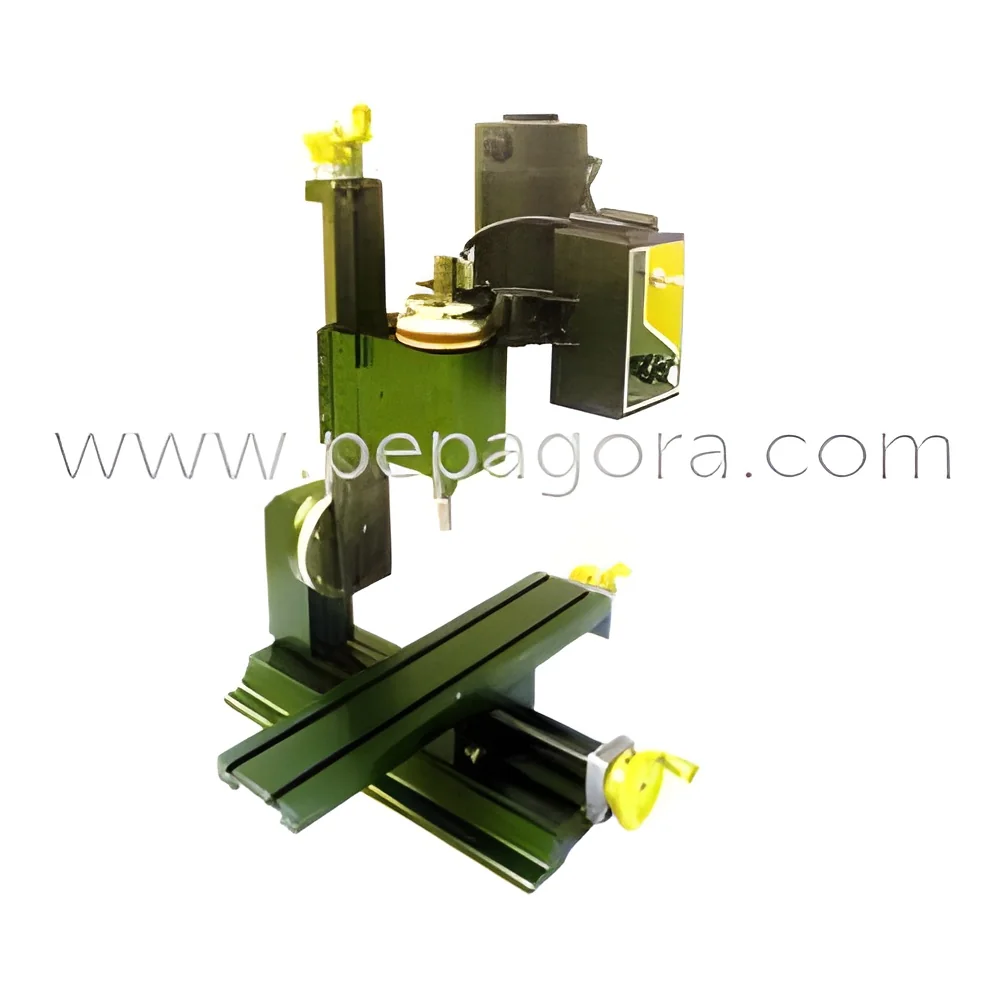
Desktop CNC Engraving Machine
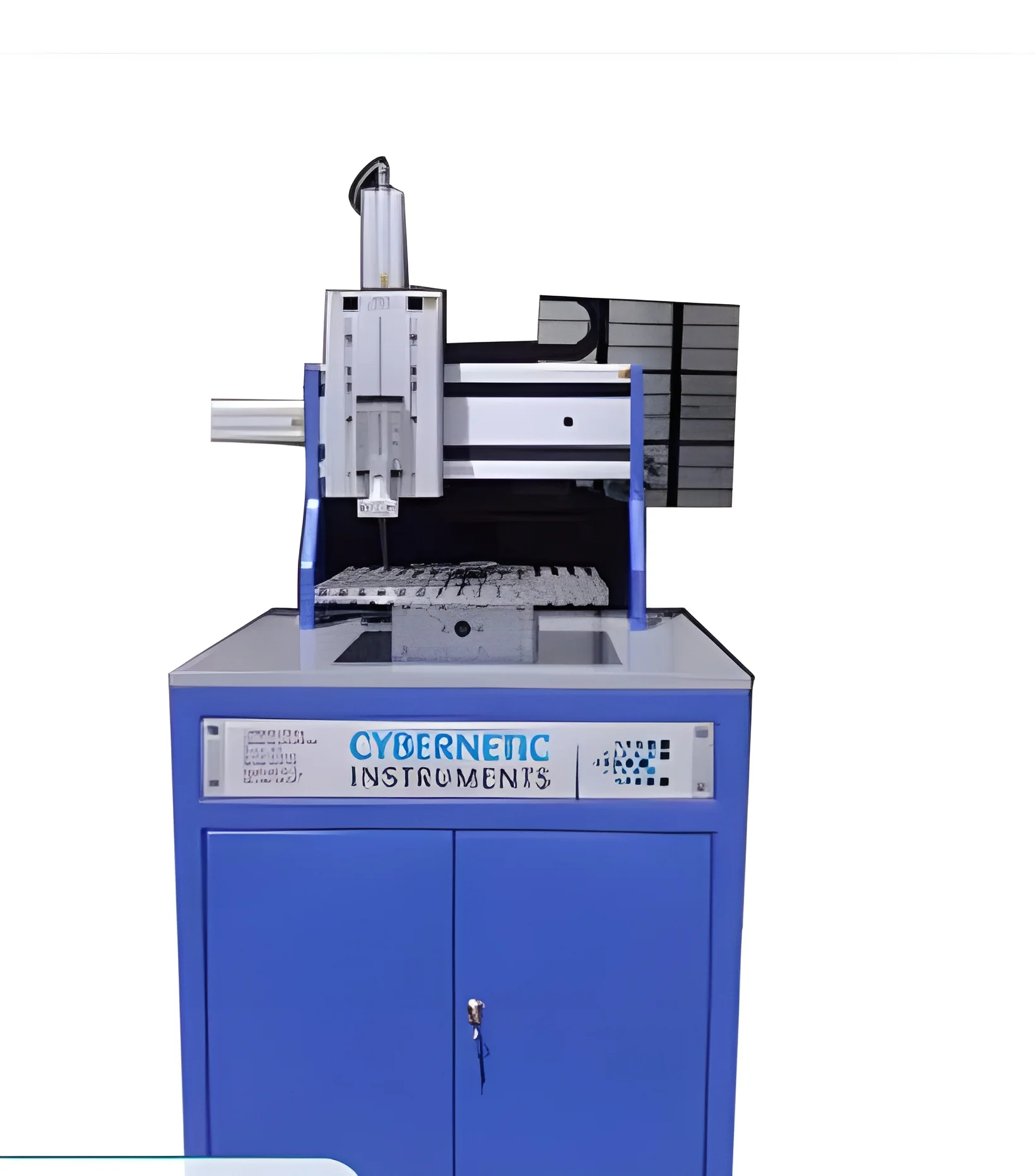
This compact variant is ideal for small-scale operations and hobbyists. It offers precision engraving for materials like wood and plastic, making it suitable for crafts and personal projects.
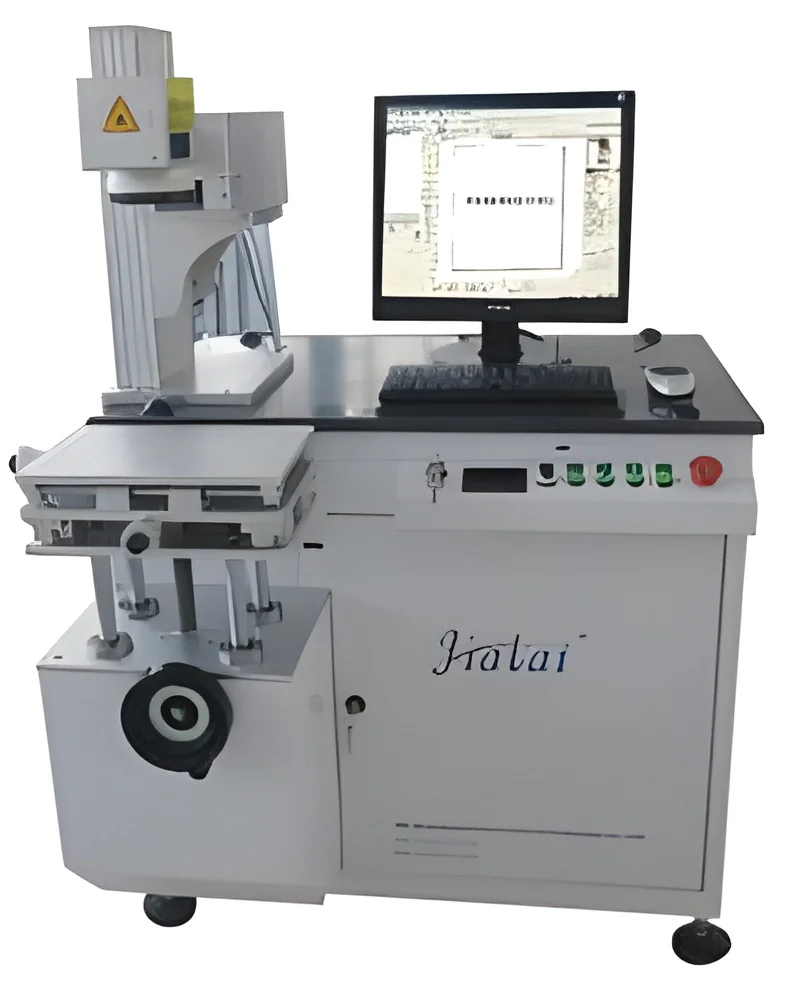
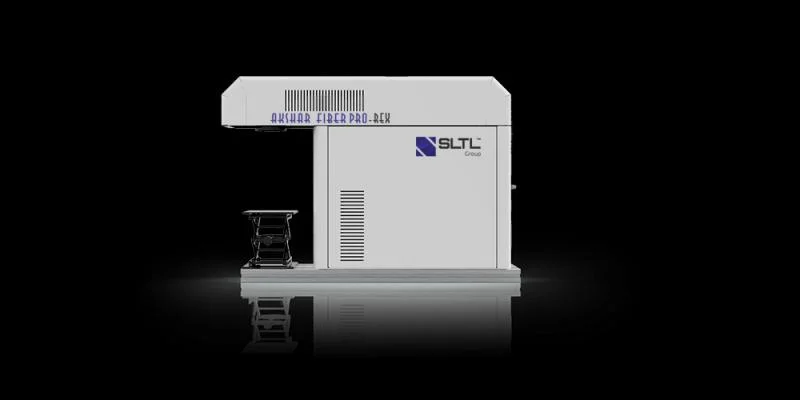
Industrial CNC Engraving Machine
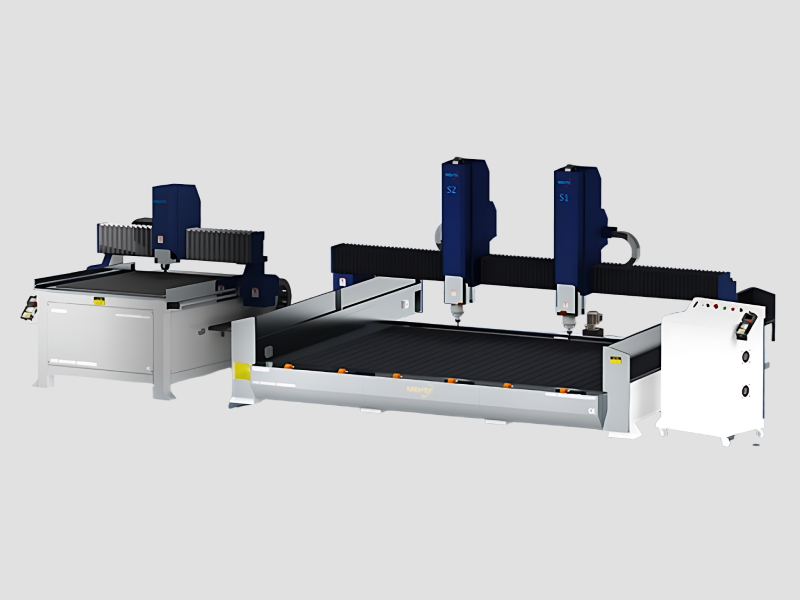
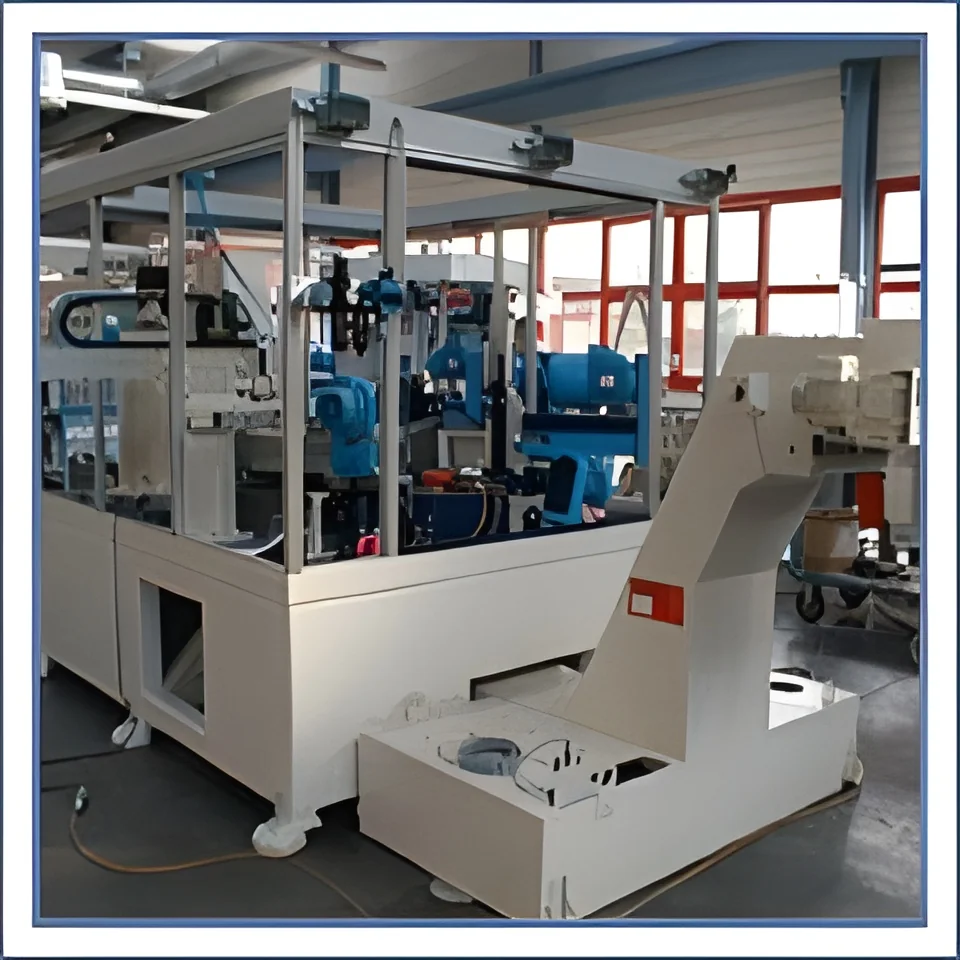
Designed for high-volume production, this variant can handle larger materials and more complex engravings. It features advanced automation and higher spindle speeds, catering to manufacturing and industrial applications.
Portable CNC Engraving Machine
This lightweight and mobile option allows for on-site engraving tasks. It is perfect for businesses that require flexibility and the ability to engrave large items in different locations.
Benefits and Advantages
CNC engraving machines offer numerous benefits that enhance business operations and production quality.
1. Precision: These machines provide high levels of precision, ensuring that engravings are accurate and detailed.
2. Efficiency: Automation reduces manual labor and speeds up production, allowing businesses to meet tight deadlines.
3. Versatility: CNC engraving machines can work with various materials, making them suitable for multiple applications.
4. Customization: The ability to create intricate designs enables businesses to offer personalized products to their customers.
5. Cost-Effectiveness: While the initial investment may be significant, the reduction in labor costs and material waste leads to long-term savings.
6. Consistency: CNC machines produce consistent results over time, eliminating variations that can occur with manual engraving.
Buying Guide for B2B Buyers
When sourcing CNC engraving machines, it is essential for B2B buyers to consider several factors to ensure they make informed purchasing decisions.
1. Quality Assessment: Evaluate the build quality and reliability of the machine. Look for machines that meet rigorous manufacturing standards and have a proven track record in the industry.
2. Supplier Verification: Vet suppliers thoroughly to ensure they are reputable and offer reliable after-sales support. Checking for customer reviews and industry recognition can be helpful.
3. Pricing and MOQ: Understand the pricing structure and minimum order quantities. Compare offers from different suppliers to find the best value without compromising on quality.
4. Delivery and Lead Times: Confirm delivery timelines and ensure that the supplier can meet your production schedule. Timely delivery is crucial for maintaining operational efficiency.
5. Compliance Requirements: Check for compliance with industry standards and regulations. Ensure that the machines meet safety and environmental requirements applicable in your region.
Compliance and Certifications
CNC engraving machines are subject to various quality standards and certifications that ensure their reliability and safety.
ISO 9001 is a key quality management standard that many manufacturers adhere to, ensuring consistent quality in production processes. Compliance with this standard indicates a commitment to maintaining high-quality output.
CE certification is another crucial aspect, particularly for machines sold in Europe. This certification demonstrates that the equipment meets EU safety, health, and environmental protection standards.
Safety and testing requirements are critical for CNC engraving machines. Manufacturers must conduct thorough testing to ensure safe operation, and machines should be equipped with necessary safety features to protect operators.
Additionally, buyers should be aware of regional compliance considerations, as different countries may have specific regulations regarding machinery safety and environmental impact.
Why Source CNC Engraving Machines from Pepagora?
Pepagora provides a trusted platform for sourcing CNC engraving machines, offering several key advantages for B2B buyers.
Verified Supplier Network: Pepagora features a network of verified suppliers, ensuring that buyers can connect with reputable manufacturers and distributors. This verification process enhances buyer confidence and minimizes risks.
Streamlined RFQ Process: The platform offers a streamlined Request for Quotation (RFQ) system, allowing buyers to easily request quotes from multiple suppliers. This simplifies the procurement process and ensures competitive pricing.
Trade Assurance and Support: Pepagora provides trade assurance services, protecting buyers throughout the purchasing process. This includes assistance with dispute resolution and ensuring timely delivery of products.
Regional Coverage: With a strong presence in regions such as India, the GCC, and Southeast Asia, Pepagora facilitates access to local suppliers and manufacturers, making it easier for businesses to find CNC engraving machines that meet their specific needs.

 IN
IN