What are Chip Conveyors?
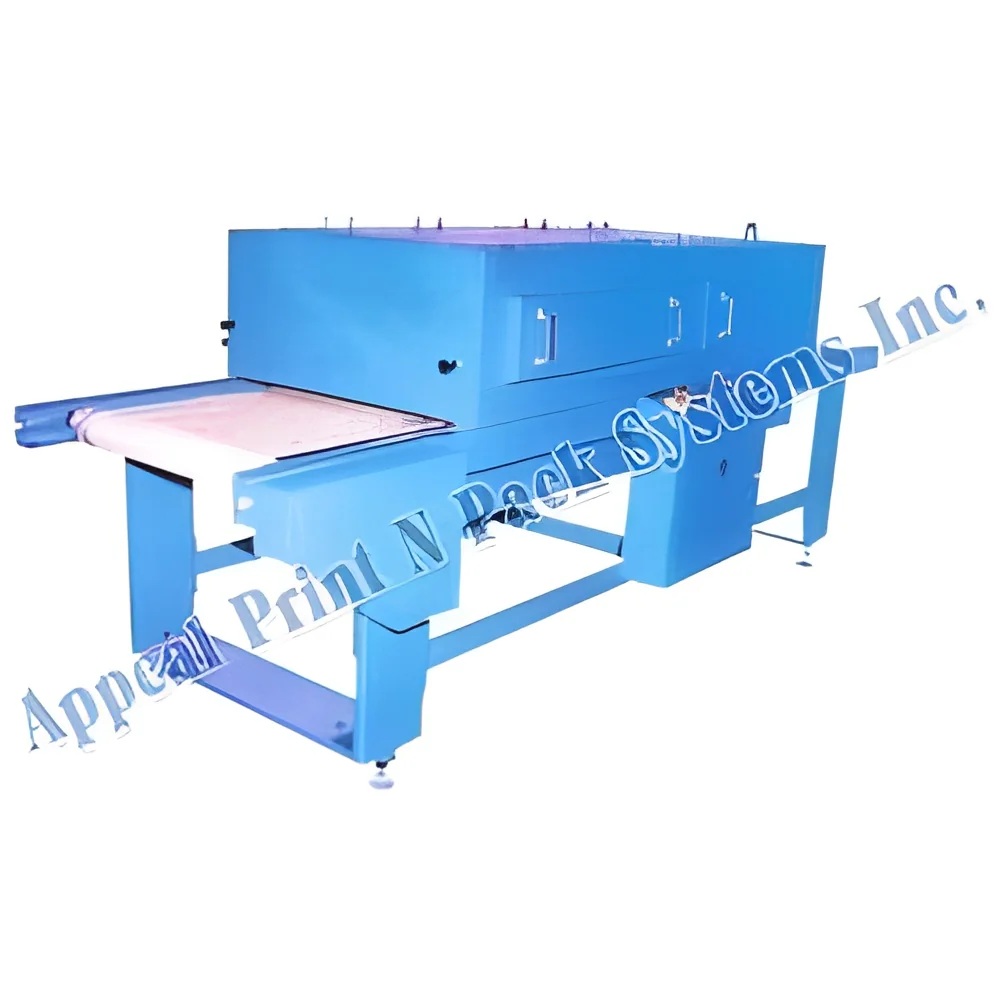
Chip conveyors are specialized equipment designed to transport metal shavings, chips, and other waste materials generated during machining processes. These conveyors play a crucial role in maintaining cleanliness and efficiency in manufacturing environments by collecting and moving debris away from the cutting area. They are available in various designs and configurations to suit different industrial applications.
The primary uses of chip conveyors include facilitating the disposal of waste materials in machining operations, improving workflow efficiency, and reducing downtime associated with manual cleaning. Businesses in sectors such as metalworking, automotive, and aerospace utilize chip conveyors to optimize their operations and ensure a safe working environment. As manufacturing processes evolve, the relevance of chip conveyors grows, making them integral to maintaining productivity and compliance in modern industrial settings.
Key Features and Specifications
Chip conveyors are characterized by several features that enhance their functionality and adaptability in various applications. These features include robust construction, high load capacity, and customizable designs. Understanding the specifications of chip conveyors is essential for ensuring optimal performance in specific operational environments.
Key specifications include:
1. Conveyor Type
- Types include hinged belt, scraper, and magnetic conveyors.
- Each type is tailored to handle specific materials and chip sizes.
2. Load Capacity
- Varies based on design and application requirements.
- Typically ranges from 200 to 1,500 pounds.
3. Conveyor Width
- Available widths range from 4 inches to 30 inches.
- Custom widths can be designed for specific setups.
4. Material Construction
- Common materials include stainless steel, aluminum, and heavy-duty plastic.
- Material choice impacts durability and corrosion resistance.
5. Drive System
- Options include electric and hydraulic drive systems.
- Affects efficiency and power consumption.
6. Length and Height Adjustability
- Lengths can be customized to fit specific workspace dimensions.
- Adjustable heights allow for flexible integration into existing setups.
7. Maintenance Features
- Some models include self-cleaning mechanisms.
- Easy access for maintenance reduces downtime.
8. Control Systems
- Automated control options can enhance operational efficiency.
- Integration with existing machinery can streamline processes.
In summary, understanding the features and specifications of chip conveyors is vital for selecting the right system for your business needs.
Common Applications and Use Cases
Chip conveyors find applications across a variety of industries due to their effectiveness in waste management.
1. Metalworking: In metal machining operations, chip conveyors efficiently transport metal shavings away from cutting tools, enhancing operator safety and reducing cleanup time.
2. Automotive: Chip conveyors are essential in automotive manufacturing for handling metal chips from machining processes, ensuring a clean and organized work environment.
3. Aerospace: In aerospace manufacturing, chip conveyors manage the disposal of metal waste from precision machining, helping to maintain high-quality standards.
4. Woodworking: Some chip conveyors are designed for woodworking applications to handle sawdust and wood shavings, improving operational efficiency.
5. Plastics Manufacturing: Chip conveyors are also utilized in plastics production to manage scrap material and maintain cleanliness on the shop floor.
6. Medical Device Manufacturing: In this sector, chip conveyors assist in the disposal of material waste from machining components, ensuring compliance with stringent cleanliness standards.
7. Electronics: Chip conveyors help manage waste from the production of electronic components, maintaining a tidy and efficient manufacturing environment.
Product Variants and Subcategories
Chip conveyors come in various designs to meet the diverse needs of different industries. While specific subcategories are not listed, several notable variants are widely utilized.
Hinged Belt Conveyors
These conveyors are designed for heavy-duty applications, effectively transporting large chips and metal shavings. They are commonly used in metalworking environments due to their durability and efficient material handling capabilities.
Scraper Conveyors
Ideal for handling fine chips and small debris, scraper conveyors feature a continuous moving surface that collects waste materials. They are often used in industries where precision machining generates small particles.
Magnetic Conveyors
These conveyors are particularly effective in transporting ferrous materials. They utilize magnetic force to hold and move metal chips, making them suitable for environments with high metal waste.
Benefits and Advantages
Chip conveyors offer numerous advantages that contribute to operational efficiency and safety.
1. Enhanced Efficiency: Chip conveyors automate the removal of waste materials, reducing manual labor and increasing productivity.
2. Improved Safety: By keeping the work area clean, chip conveyors help minimize the risk of slips and falls associated with debris accumulation.
3. Cost Savings: Efficient waste management leads to lower disposal costs and reduces downtime associated with manual cleaning.
4. Customization Options: Chip conveyors can be tailored to specific operational needs, ensuring optimal performance in various environments.
5. Increased Equipment Longevity: By removing chips and debris from machining areas, chip conveyors help extend the life of cutting tools and machinery.
6. Environmental Compliance: Proper waste management through chip conveyors helps businesses adhere to environmental regulations regarding waste disposal.
Buying Guide for B2B Buyers
When sourcing chip conveyors, it is important to consider several key factors to ensure a suitable purchase.
1. Quality Assessment: Evaluate the build quality and materials used in the construction of the conveyor. Look for durable options that can withstand the rigors of your specific application.
2. Supplier Verification: Vet potential suppliers to ensure they have a reputation for reliability. Consider reviewing customer testimonials and asking for references.
3. Pricing and MOQ: Understand the pricing structure and minimum order quantities. This will help you align your budget and purchasing strategy with your operational needs.
4. Delivery and Lead Times: Inquire about delivery schedules and lead times to ensure the conveyors can be integrated into your operations without delays.
5. Compliance Requirements: Ensure that the chip conveyors meet relevant industry standards and regulations, such as safety compliance and environmental guidelines.
Compliance and Certifications
Chip conveyors must adhere to certain quality standards and certifications to ensure safe and effective operation. Relevant standards include ISO 9001, which focuses on quality management systems, ensuring that manufacturers meet consistent quality benchmarks.
Industry certifications such as CE indicate compliance with European safety and health requirements. These certifications are crucial for ensuring that chip conveyors can be safely used in various industrial settings.
Safety and testing requirements should also be considered, particularly in industries where hazardous materials are involved. Manufacturers must conduct rigorous testing to ensure that their products meet safety standards.
Additionally, regional compliance considerations may vary based on local regulations, emphasizing the importance of sourcing from compliant manufacturers.
Why Source Chip Conveyors from Pepagora?
Pepagora offers a reliable platform for sourcing chip conveyors, providing several key advantages for B2B buyers.
Verified Supplier Network: Pepagora connects buyers with a network of verified suppliers. This ensures that buyers can trust the quality and reliability of the products they purchase.
Streamlined RFQ Process: The request for quotation (RFQ) process is designed to be efficient, allowing buyers to quickly obtain quotes from multiple suppliers. This helps streamline procurement and improve decision-making.
Trade Assurance and Support: Buyers benefit from trade assurance policies that protect their investments. Pepagora offers support throughout the purchasing process, ensuring buyers feel secure in their transactions.
Regional Coverage: With a presence in India, the GCC, and Southeast Asia, Pepagora provides extensive geographic reach. This allows businesses in these regions to access quality chip conveyors that meet their specific needs.

 IN
IN