
 IN
CNC Swiss Type Lathes
5 products available
What are CNC Swiss Type Lathes?
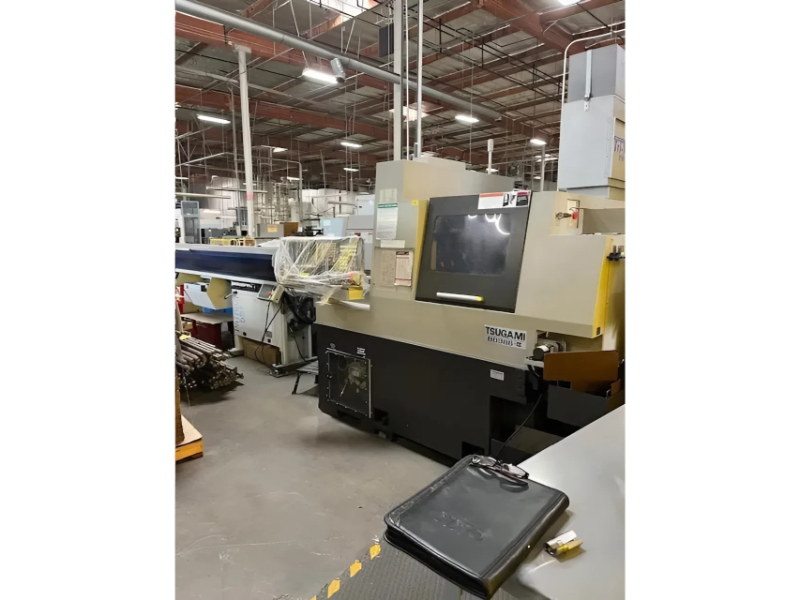
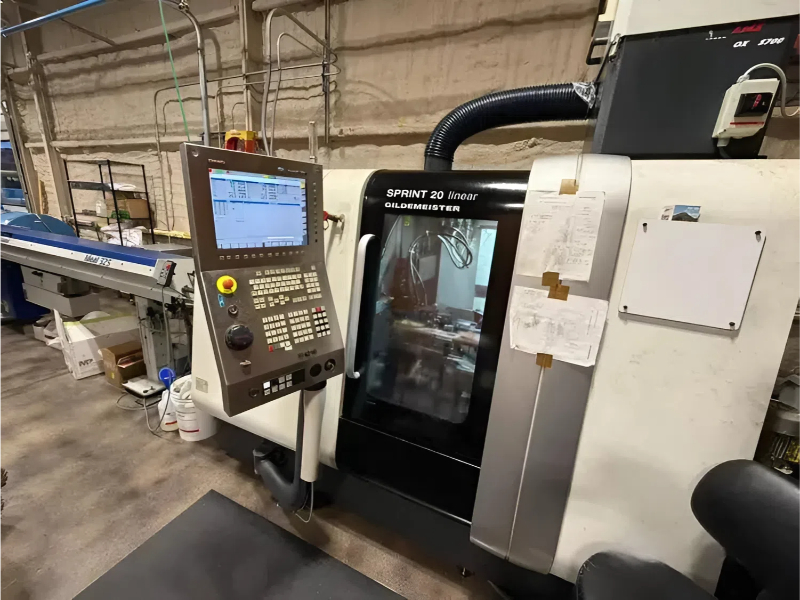
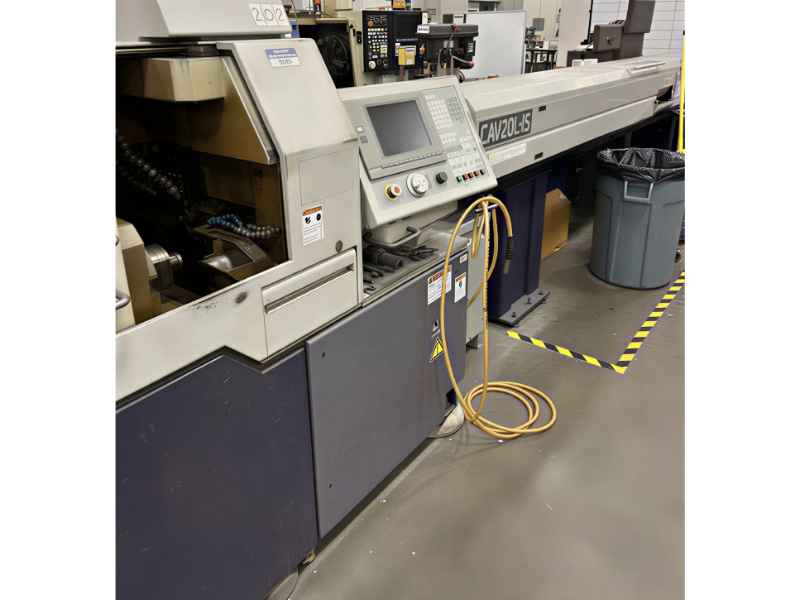
CNC Swiss Type Lathes are precision machining tools that utilize computer numerical control (CNC) technology to produce highly accurate and intricate components. These machines are designed for high-speed machining of small and complex parts, typically made from metals, plastics, and other materials. The unique design of Swiss type lathes allows for the workpiece to be held firmly while rotating, enabling precise cutting operations. This results in superior surface finishes and tight tolerances that are often required in various manufacturing applications.
The primary uses of CNC Swiss Type Lathes span diverse industries, including aerospace, automotive, medical device manufacturing, and electronics. They are particularly valuable for producing small parts such as screws, bolts, and connectors with intricate features. Businesses benefit from the efficiency and automation offered by these lathes, which can lead to significant productivity improvements while maintaining high quality standards. Given the rising demand for precision-engineered components in global markets, CNC Swiss Type Lathes hold substantial relevance in today's manufacturing landscape.
Key Features and Specifications
CNC Swiss Type Lathes are equipped with a variety of advanced features that enhance their functionality and performance. These machines are designed to accommodate a wide range of applications while providing exceptional precision.
Key specifications include:
1. Spindle Speed
- High spindle speeds for efficient machining.
- Typically ranges from 3000 to 6000 RPM.
2. Tool Capacity
- Multiple tool stations for versatile machining operations.
- Usually supports 6 to 12 tools simultaneously.
3. Workpiece Diameter
- Capability to handle small diameter materials.
- Commonly ranges from 0.5 mm to 20 mm.
4. Control System
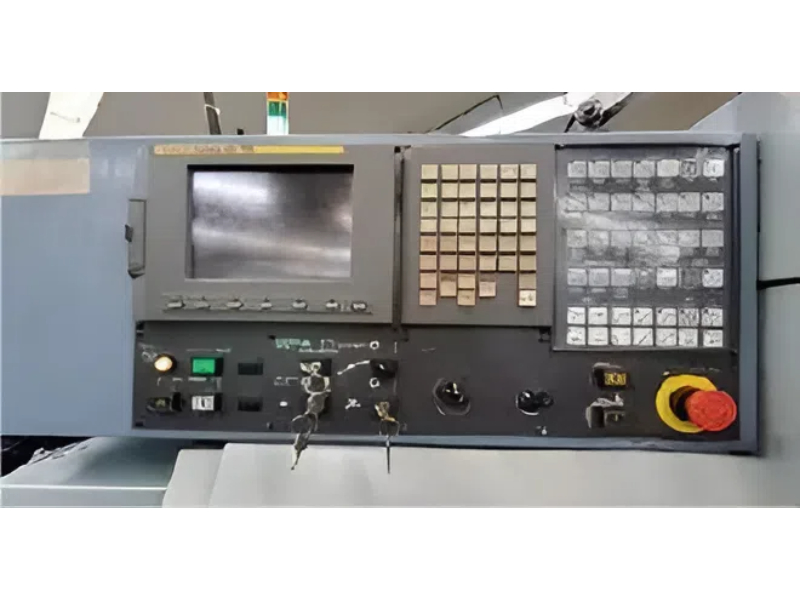
- Advanced CNC controls for easy programming and operation.
- Often utilizes G-code for precise machining tasks.
5. Axis Configuration
- Multi-axis configurations for complex parts.
- Commonly features 5-axis capabilities for advanced machining.
6. Cutting Tools Compatibility
- Supports various cutting tools to enhance flexibility.
- Compatible with standard and custom tool types.
7. Material Compatibility
- Suitable for machining a range of materials.
- Typically handles metals, plastics, and composites.
In summary, these specifications illustrate the capabilities of CNC Swiss Type Lathes, making them suitable for high-precision applications across various industries.
Common Applications and Use Cases
CNC Swiss Type Lathes find applications in several industries due to their precision and efficiency.
1. Aerospace: Used to manufacture components such as brackets, fittings, and shafts that require high tolerances and reliability.
2. Automotive: Essential for producing small parts, including fuel injectors, connectors, and valve components that demand accuracy.
3. Medical Devices: Utilized in the fabrication of surgical instruments and implants, where precision is critical for functionality and safety.
4. Electronics: Ideal for creating small electronic components like connectors and housings that require meticulous detail.
5. Defense: Employed in the production of specialized components for military equipment, ensuring durability and precision.
6. Telecommunications: Used to manufacture parts for communication devices, where reliable performance is crucial.
7. Industrial Equipment: Common in the production of gears, bearings, and other components used in various machinery.
Product Variants and Subcategories
CNC Swiss Type Lathes are diverse in their configurations to meet varying production needs.
Standard Swiss Type Lathes
These machines are designed for high-speed and high-precision machining of small parts. They are widely used in industries that require the production of intricate components with tight tolerances.
Sliding Head Lathes
This variant allows for the movement of the workpiece and tools in a sliding motion, enhancing the machining of longer parts. They are particularly effective in producing parts that are longer than their diameter.
Bar Feed Lathes
These lathes incorporate automated bar feeding systems, allowing for continuous production of parts without manual intervention. They significantly increase throughput and efficiency in manufacturing settings.
Benefits and Advantages
CNC Swiss Type Lathes offer numerous advantages that enhance manufacturing processes.
1. Precision Machining: These lathes provide exceptional accuracy, enabling the production of components with tight tolerances.
2. High Efficiency: The automation and speed of CNC Swiss Type Lathes lead to reduced cycle times and increased production rates.
3. Versatility: They can handle a variety of materials and complex geometries, making them suitable for diverse applications.
4. Reduced Waste: The precision of these machines minimizes material waste, contributing to cost savings.
5. Improved Surface Finish: The design and operation of CNC Swiss Type Lathes result in superior surface finishes, reducing the need for secondary operations.
6. Enhanced Productivity: With capabilities for multi-tasking, these lathes streamline production workflows.
Buying Guide for B2B Buyers
When sourcing CNC Swiss Type Lathes, several factors should be taken into account to ensure a suitable purchase.
1. Quality Assessment: Evaluate the quality of the machines based on manufacturer reputation, material quality, and performance reviews. Reliable suppliers often provide detailed specifications and performance data.
2. Supplier Verification: Vet potential suppliers by checking their certifications, customer feedback, and service history. A verified supplier network can significantly reduce risks in procurement.
3. Pricing and MOQ: Understand the pricing structure and minimum order quantities for CNC Swiss Type Lathes. Request quotes from multiple suppliers to compare costs effectively.
4. Delivery and Lead Times: Assess the expected delivery timelines to ensure alignment with production schedules. Consider suppliers that offer timely delivery and efficient logistics.
5. Compliance Requirements: Ensure that the machines comply with relevant industry standards and regulations. This may include certifications such as CE and adherence to safety protocols.
Compliance and Certifications
CNC Swiss Type Lathes are subject to several compliance and certification standards that ensure their quality and safety in operation.
Relevant quality standards include ISO 9001, which focuses on quality management systems and continuous improvement processes. Compliance with ISO standards is critical for manufacturers aiming to maintain product consistency and customer satisfaction.
Additionally, industry certifications such as CE mark signify that the lathes meet European safety, health, and environmental protection standards. This certification is important for businesses operating in or exporting to European markets.
Safety and testing requirements may encompass evaluations of machine performance, operational safety, and adherence to regulatory guidelines. Manufacturers must ensure their machines meet these requirements to avoid legal and operational issues.
Regional compliance considerations may also arise based on the geographic market. Different regions may have specific standards that CNC Swiss Type Lathes must adhere to, impacting sourcing decisions.
Why Source CNC Swiss Type Lathes from Pepagora?
Pepagora stands out as a trusted platform for sourcing CNC Swiss Type Lathes, offering several key advantages to B2B buyers.
Verified Supplier Network: Pepagora provides access to a comprehensive network of verified suppliers, ensuring that buyers can find reputable manufacturers with a track record of quality and reliability.
Streamlined RFQ Process: The platform facilitates a simplified request for quotation (RFQ) process, allowing buyers to easily compare pricing and specifications from multiple suppliers. This efficiency supports informed purchasing decisions.
Trade Assurance and Support: Pepagora offers trade assurance services that protect buyers throughout the procurement process. This includes support for resolving disputes and ensuring adherence to agreed terms.
Regional Coverage: With a focus on markets in India, the GCC, and Southeast Asia, Pepagora enables buyers to connect with local suppliers, fostering regional trade relationships and reducing logistics complexities.
Overall, sourcing CNC Swiss Type Lathes through Pepagora provides buyers with confidence and support throughout their purchasing journey.

Frequently Asked Questions
What are CNC Swiss Type Lathes?
CNC Swiss Type Lathes are precision machining tools that utilize computer numerical control (CNC) technology to produce intricate and high-precision parts. They are particularly effective for machining small, complex components in high volumes, often used in industries such as automotive, aerospace, and medical.
What are the different types of CNC Swiss Type Lathes?
There are primarily two types of CNC Swiss Type Lathes: sliding headstock and fixed headstock lathes. Sliding headstock lathes allow the workpiece to be fed through the spindle, enabling the machining of longer parts, while fixed headstock lathes are more suitable for shorter, bulkier components.
How do I choose the right CNC Swiss Type Lathes?
Choosing the right CNC Swiss Type Lathe involves considering factors such as the size and complexity of the components you intend to manufacture, production volume, and your budget. Additionally, reviewing the machine's specifications, tooling options, and available support from manufacturers can help in making an informed decision.
What are the standard specifications for CNC Swiss Type Lathes?
Standard specifications for CNC Swiss Type Lathes typically include spindle speed, number of axes, maximum workpiece diameter, and bar capacity. These specifications can vary widely based on the machine model and manufacturer, so it's essential to evaluate them based on your specific machining needs.
What is the price range for CNC Swiss Type Lathes?
The price range for CNC Swiss Type Lathes can vary significantly based on features, brand, and specifications, typically ranging from INR 5 lakhs to over INR 50 lakhs. Factors such as machine capabilities, automation features, and additional tooling can also influence the overall cost.
What quality standards apply to CNC Swiss Type Lathes?
CNC Swiss Type Lathes are generally subject to international quality standards such as ISO 9001 for quality management systems. Additionally, specific industry standards may apply depending on the application, such as AS9100 for aerospace components or ISO 13485 for medical devices.
Where can I find CNC Swiss Type Lathes suppliers in India?
You can find CNC Swiss Type Lathes suppliers in India through online B2B marketplaces like Pepagora.com, trade shows, and industry directories. Additionally, manufacturers and distributors often have websites showcasing their products and capabilities.
Can CNC Swiss Type Lathes be customized?
Yes, CNC Swiss Type Lathes can often be customized based on specific manufacturing needs, including modifications to tooling, programming, and machine configurations. Many manufacturers offer customization options to accommodate unique production requirements.
What is the typical minimum order quantity for CNC Swiss Type Lathes?
The typical minimum order quantity (MOQ) for CNC Swiss Type Lathes can vary by supplier and is often influenced by the customization and specifications of the machine. Generally, suppliers may require a MOQ of 1 unit for standard models, but bulk orders could be negotiated for discounts.
What is the typical lead time for CNC Swiss Type Lathes?
The typical lead time for CNC Swiss Type Lathes can range from a few weeks to several months, depending on the complexity of the machine and the manufacturer's production schedule. Custom orders may require longer lead times due to the additional engineering and assembly involved.
Why Businesses Trust Pepagora
Thousands of companies trust Pepagora to source smarter and sell faster
Expand Your Sales Globally

Source Smarter,Grow Faster
