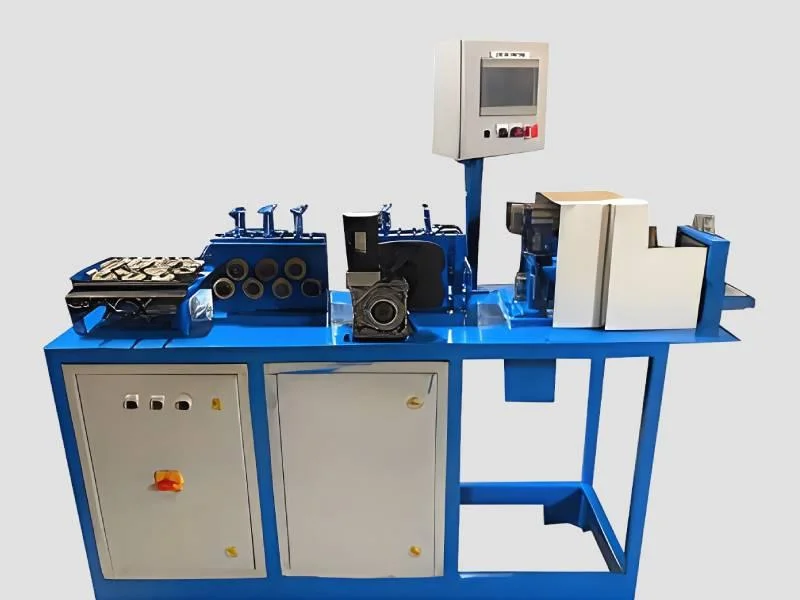
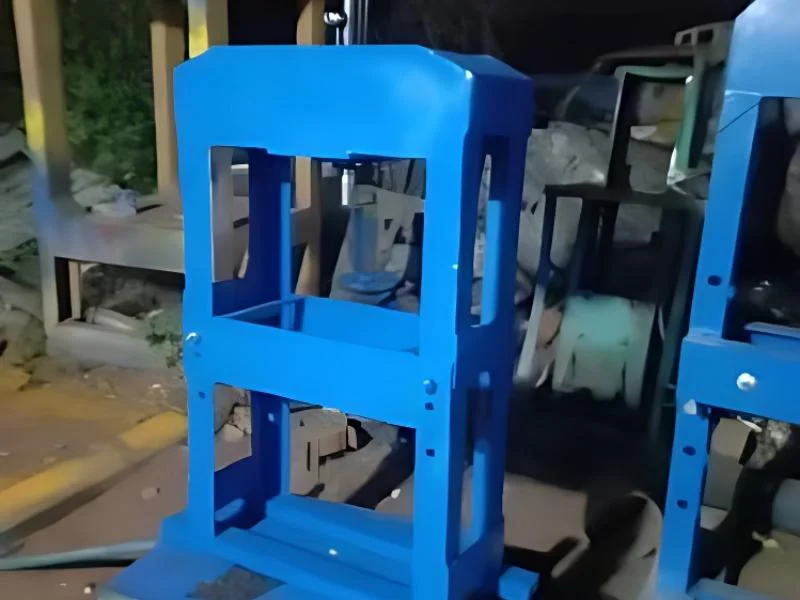
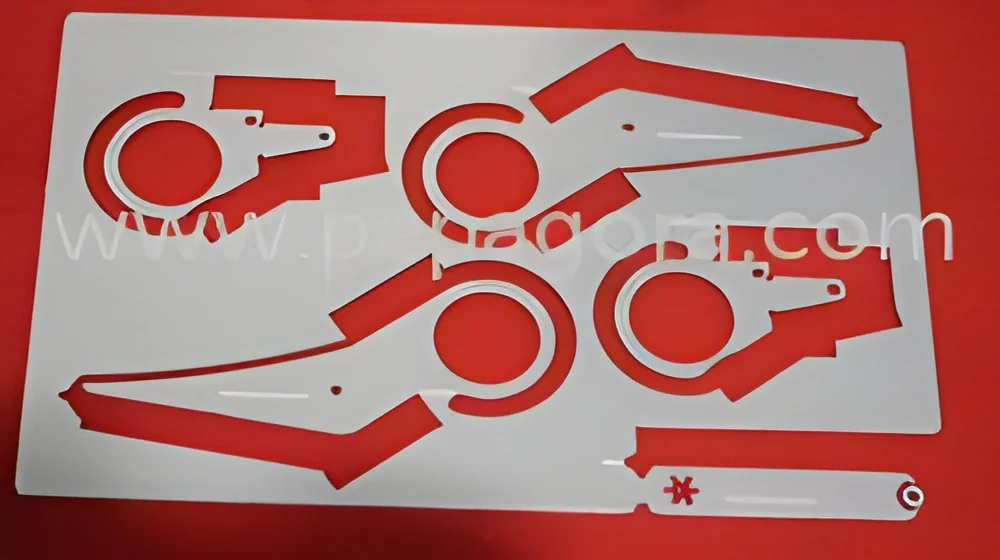
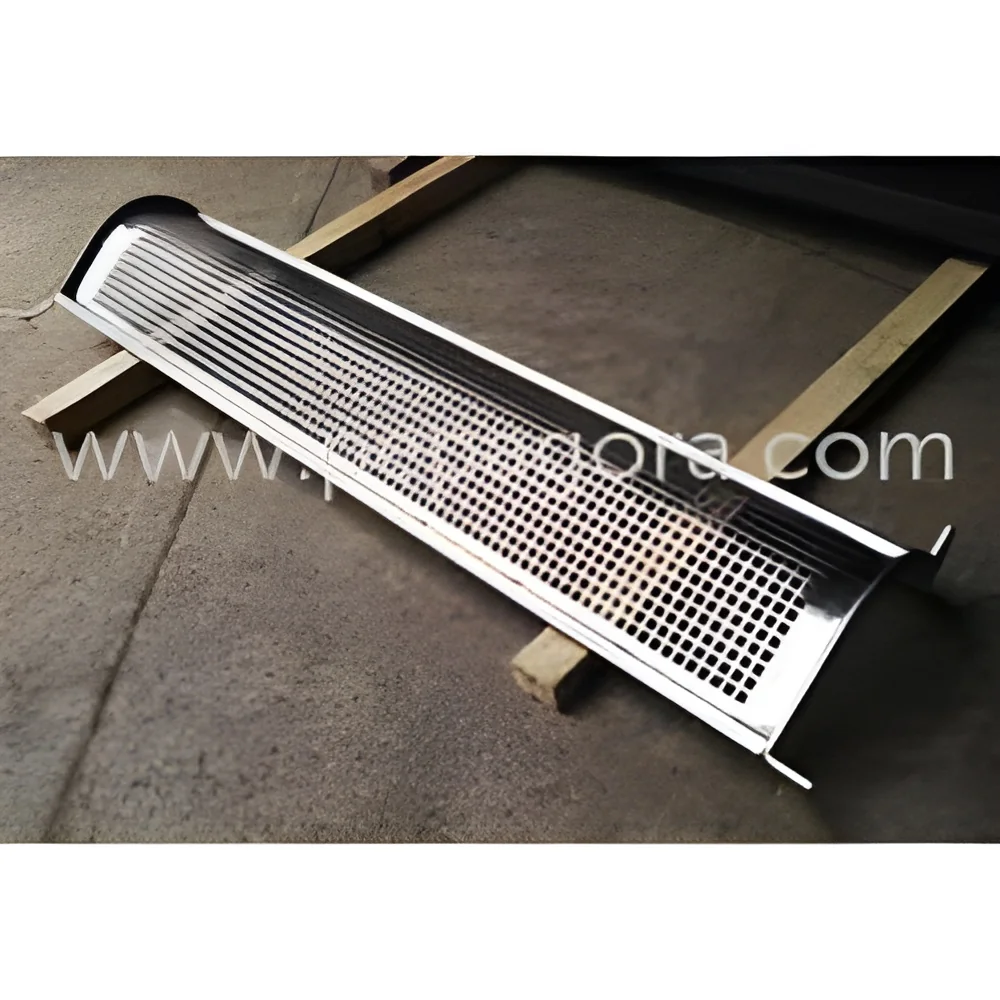
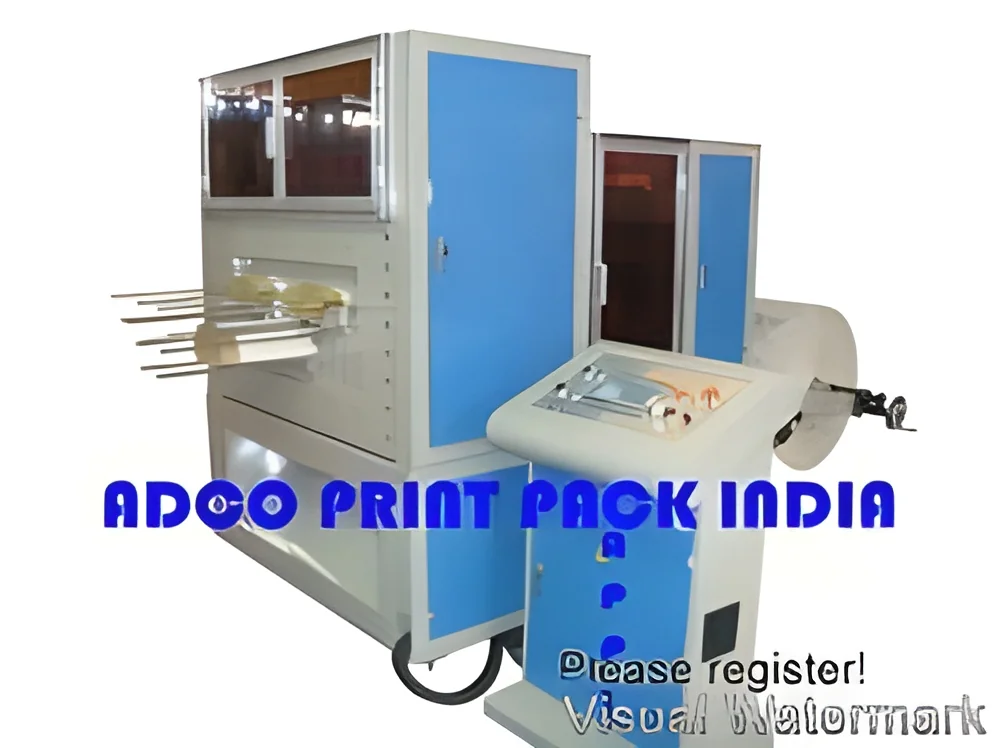
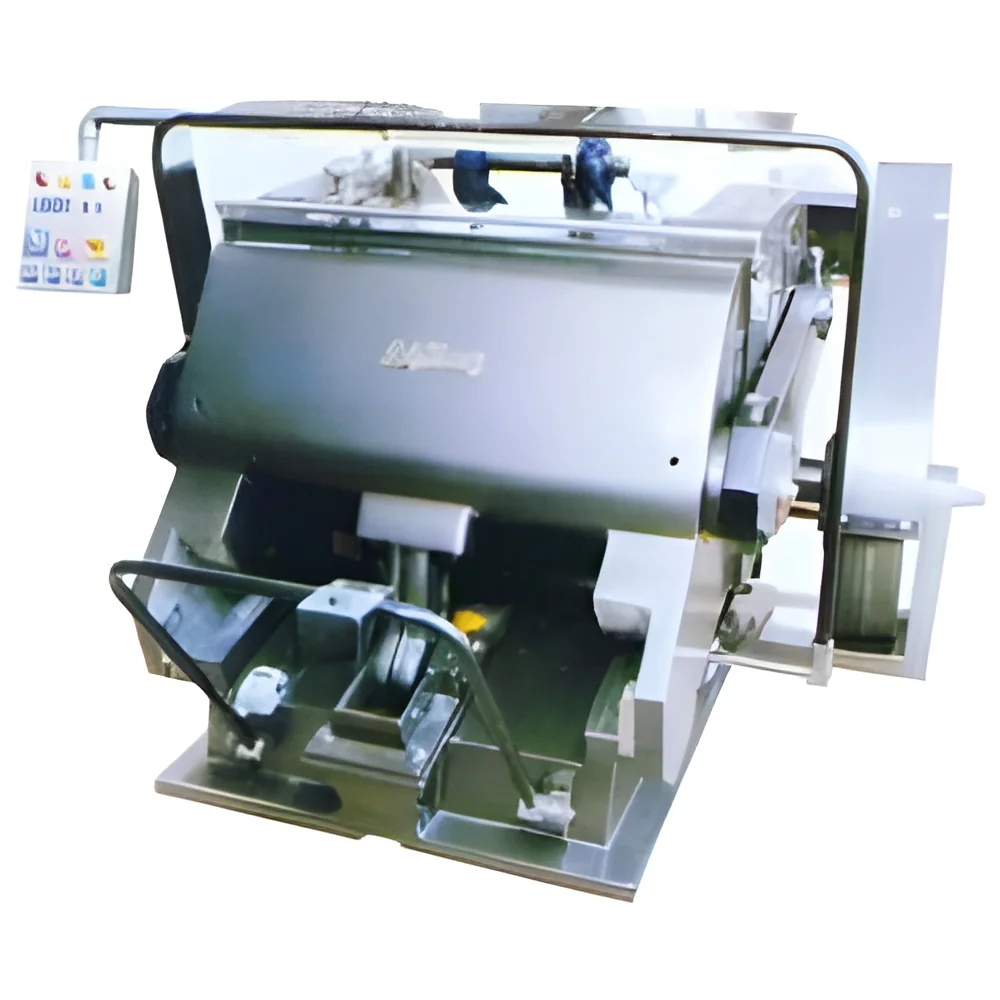
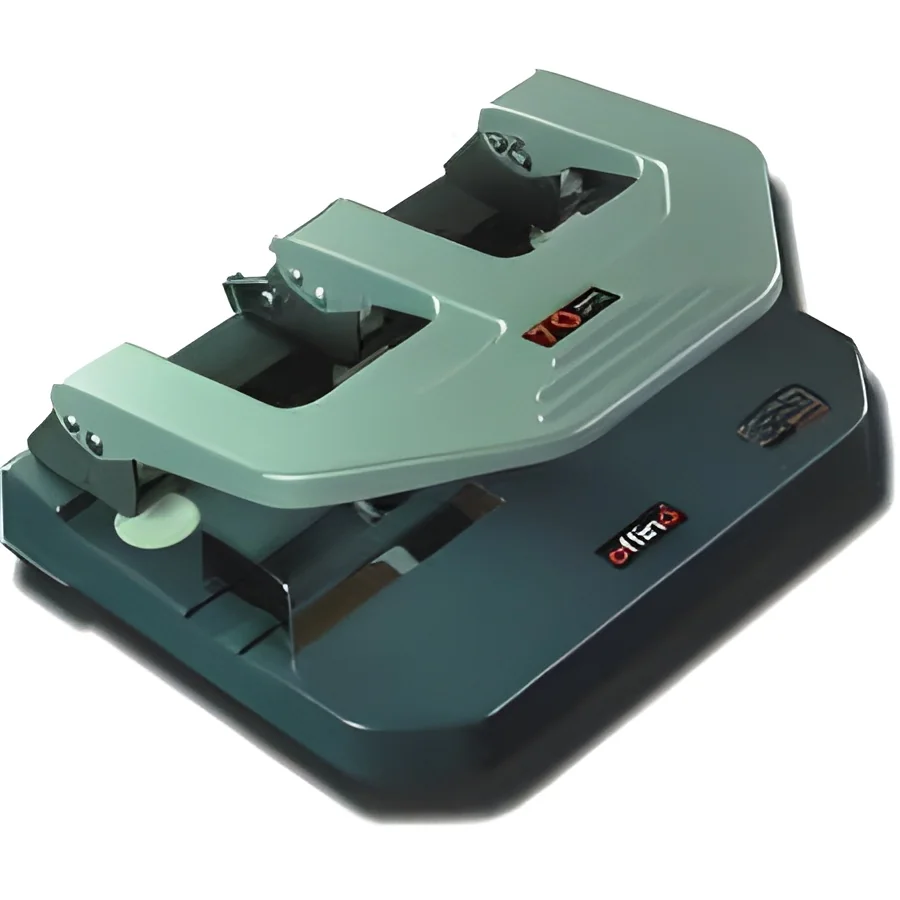
What are CNC Punching Machines?
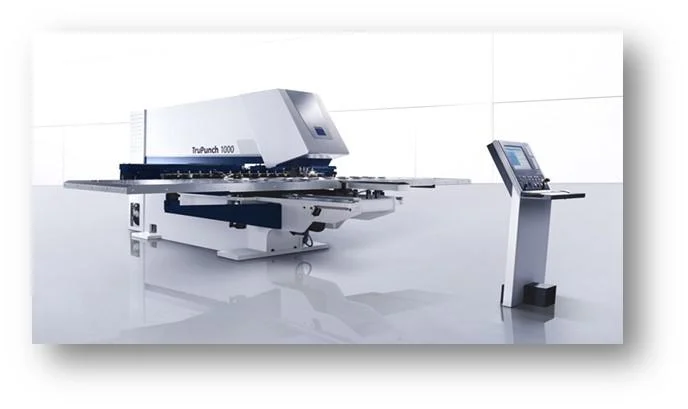
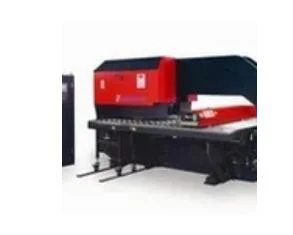
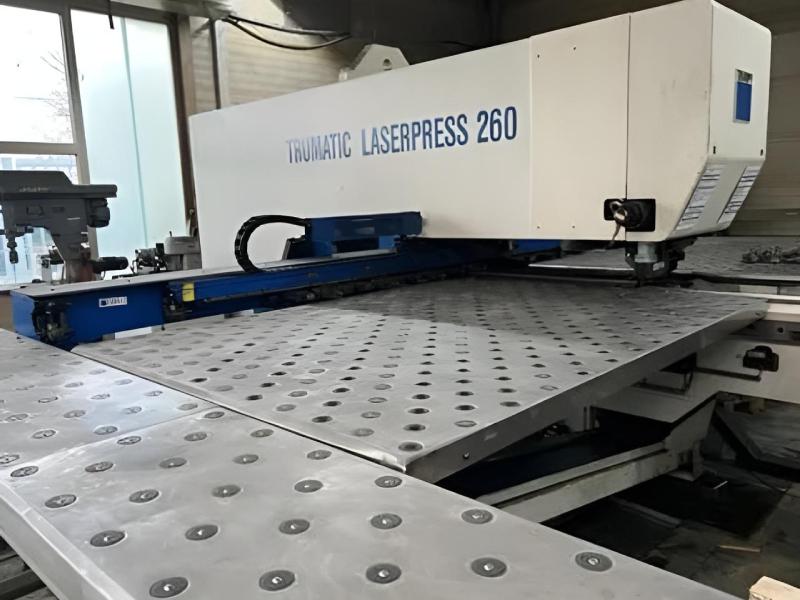
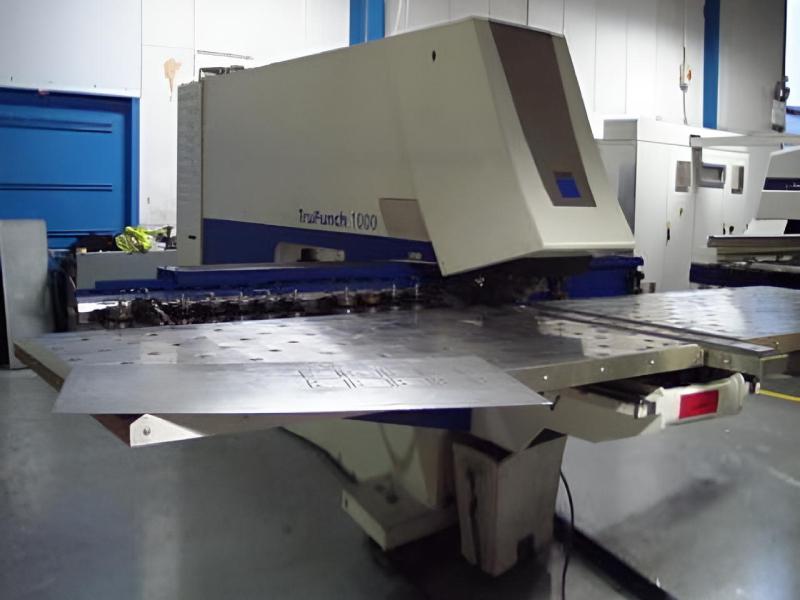
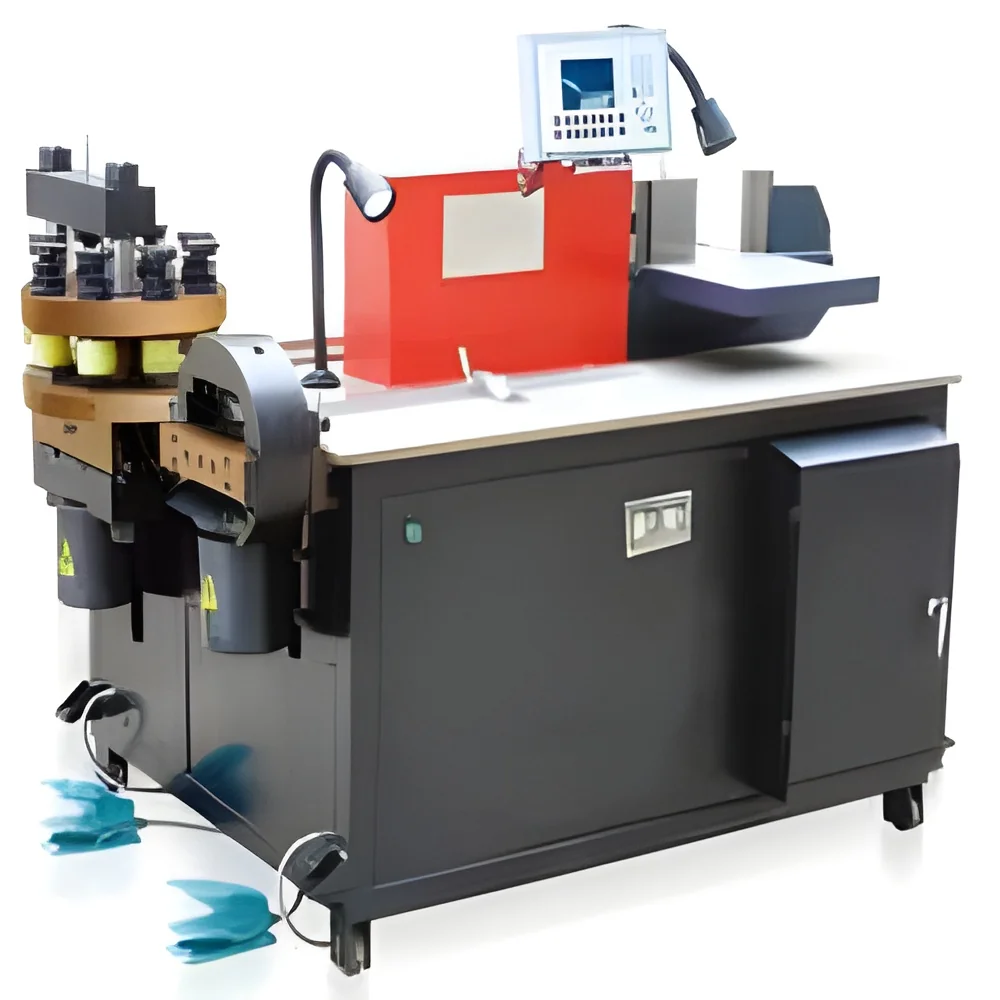
CNC Punching Machines are advanced industrial tools that utilize computer numerical control (CNC) technology to automate the punching process of various materials, primarily metal sheets. These machines are designed to accurately create holes, shapes, and patterns in materials, offering high precision and efficiency. The CNC system allows for complex designs to be executed with minimal human intervention, reducing the risk of errors and increasing productivity.
These machines are widely used in various industries, including automotive, aerospace, electronics, and manufacturing. They are crucial for producing parts that require intricate designs and precise dimensions, such as brackets, panels, and enclosures. With the ability to quickly switch between different punching tasks, CNC Punching Machines help businesses streamline their operations and improve production rates, making them a vital component in modern manufacturing processes. The growing demand for customized metal products has further solidified their relevance in the market.
Key Features and Specifications
CNC Punching Machines come equipped with various features that enhance their functionality and efficiency. These features are essential for meeting the diverse needs of industrial applications.
Key specifications include:
1. Punching Force
- The force exerted by the machine to punch through materials.
- Typically ranges from 20 to 200 tons, depending on the machine size and application.
2. Material Thickness Capacity
- The maximum thickness of material the machine can handle.
- Commonly accommodates materials up to 10 mm for mild steel and 6 mm for stainless steel.
3. Table Size
- The dimensions of the working surface where materials are placed.
- Usually varies from 1,500 mm x 3,000 mm to larger sizes for more extensive operations.
4. Speed
- The operational speed at which the machine can perform punching tasks.
- Can reach up to 1,200 strokes per minute, depending on the model.
5. Control System
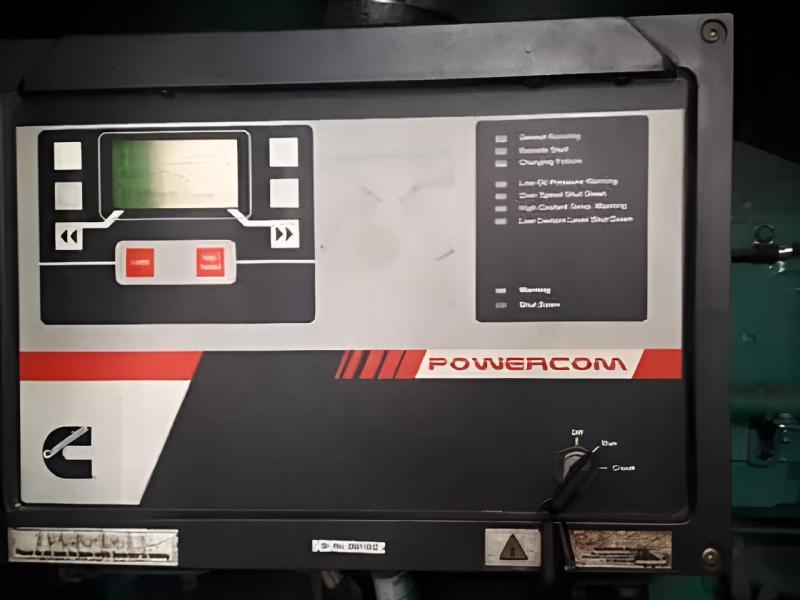
- The type of CNC control used to operate the machine.
- Most modern machines use advanced control systems with user-friendly interfaces.
6. Tooling Options
- The variety of punching tools that can be used with the machine.
- Typically includes standard and custom punches for various shapes and sizes.
7. Automation Features
- Additional systems for loading and unloading materials automatically.
- Enhances efficiency and reduces manual labor requirements.
8. Safety Features
- Integrated safety protocols to protect operators during machine operation.
- Includes emergency stop buttons and protective guarding systems.
In summary, CNC Punching Machines are characterized by their robust features and specifications that cater to various industrial needs, ensuring high productivity and precision in metal fabrication.
Common Applications and Use Cases
CNC Punching Machines serve various industries by providing efficient solutions for metal fabrication.
1. Automotive Industry: These machines are used to create components like brackets, panels, and chassis parts essential for vehicle assembly.
2. Aerospace Industry: CNC punching is vital for producing lightweight, precise components used in aircraft structures and systems.
3. Electronics Industry: Manufacturers use these machines to create enclosures and other parts for electronic devices, ensuring accuracy and quality.
4. HVAC Industry: Punching machines are employed to fabricate ductwork and other components that require precision in airflow management.
5. Construction Industry: They are used to produce structural components and fittings for buildings, ensuring durability and compliance with standards.
6. Furniture Manufacturing: CNC punching aids in creating metal parts for furniture, such as frames and supports, enhancing both aesthetics and functionality.
7. Signage Production: These machines are utilized to cut and punch materials for signs, ensuring clarity and visibility in design.
Product Variants and Subcategories
CNC Punching Machines come in various models designed to meet specific operational needs.
Standard CNC Punching Machines: These are versatile machines suitable for a wide range of applications, offering flexibility in design and ease of operation. They are ideal for businesses looking to perform general punching tasks with efficiency.
High-Speed CNC Punching Machines: Engineered for rapid production, these machines can perform multiple punches in a short time frame. They are perfect for high-volume manufacturing environments where speed is critical.
Multi-Tool CNC Punching Machines: These variants can switch between different punching tools quickly, allowing for diverse applications without requiring extensive setup time. They cater to businesses needing to produce various parts in one cycle.
Benefits and Advantages
CNC Punching Machines offer numerous benefits that enhance manufacturing efficiency and product quality.
1. Precision: These machines are capable of producing intricate designs with high accuracy, reducing the need for manual adjustments.
2. Efficiency: Automation allows for faster production times, enabling businesses to meet demanding deadlines.
3. Cost-Effectiveness: Reducing labor costs and waste through automation leads to significant savings in the production process.
4. Flexibility: CNC technology allows for easy reprogramming to accommodate different designs and products, making it suitable for custom applications.
5. Quality Control: Consistent results achieved by CNC systems ensure high-quality outputs, which are critical in competitive markets.
6. Space-Saving: Many CNC Punching Machines are designed to occupy less floor space while still delivering high output, making them ideal for facilities with limited room.
Buying Guide for B2B Buyers
When sourcing CNC Punching Machines, businesses should carefully consider several factors to ensure they choose the right equipment.
1. Quality Assessment: Evaluate the quality of the machine by reviewing specifications, performance metrics, and customer feedback. Look for machines that meet industry standards.
2. Supplier Verification: Vet potential suppliers by checking their credentials, experience, and reputation in the market. Reliable suppliers should provide warranties and support.
3. Pricing and MOQ: Understand the pricing structure and minimum order quantities associated with different suppliers. Ensure the pricing aligns with your budget while considering the value provided.
4. Delivery and Lead Times: Discuss delivery schedules and lead times with suppliers to ensure timely availability of the machine. Consider logistics and potential delays.
5. Compliance Requirements: Confirm that the machines comply with relevant industry regulations and standards to avoid legal issues and ensure operational safety.
Compliance and Certifications
CNC Punching Machines must adhere to various quality standards and certifications to ensure safety and efficiency in operations.
ISO 9001 is a widely recognized quality management standard that ensures consistent quality in manufacturing processes. Compliance with this standard indicates that manufacturers follow best practices in quality assurance.
Additionally, industry certifications like CE mark demonstrate that the machines meet European health, safety, and environmental protection standards. This certification is critical for businesses operating in or exporting to European markets.
Safety and testing requirements are also vital. Manufacturers must ensure that their machines undergo rigorous testing to meet safety standards, reducing risks associated with machine operation.
Regional compliance considerations vary, as different countries may have specific regulations. Businesses should be aware of these requirements to ensure their machines are compliant in their operational areas.
Why Source CNC Punching Machines from Pepagora?
Pepagora provides a trusted platform for sourcing CNC Punching Machines while offering several key advantages that benefit B2B buyers.
Verified Supplier Network: Pepagora connects buyers with a network of verified suppliers, ensuring that businesses can source high-quality machines from reputable manufacturers. This network is built on trust and reliability.
Streamlined RFQ Process: The platform simplifies the request for quotation process, allowing buyers to receive competitive bids from multiple suppliers efficiently. This streamlining helps businesses make informed purchasing decisions.
Trade Assurance and Support: Pepagora offers trade assurance, providing buyers with protection during transactions. The support system ensures that any issues or concerns can be addressed promptly, enhancing the overall purchasing experience.
Regional Coverage: With a strong presence in India, the Gulf Cooperation Council (GCC), and Southeast Asia, Pepagora caters to a diverse range of businesses. This regional coverage means that buyers can find machines suited to their specific market needs while benefiting from localized support.

 IN
IN