What are CNC Lathes (Slant Bed, Flat Bed)?
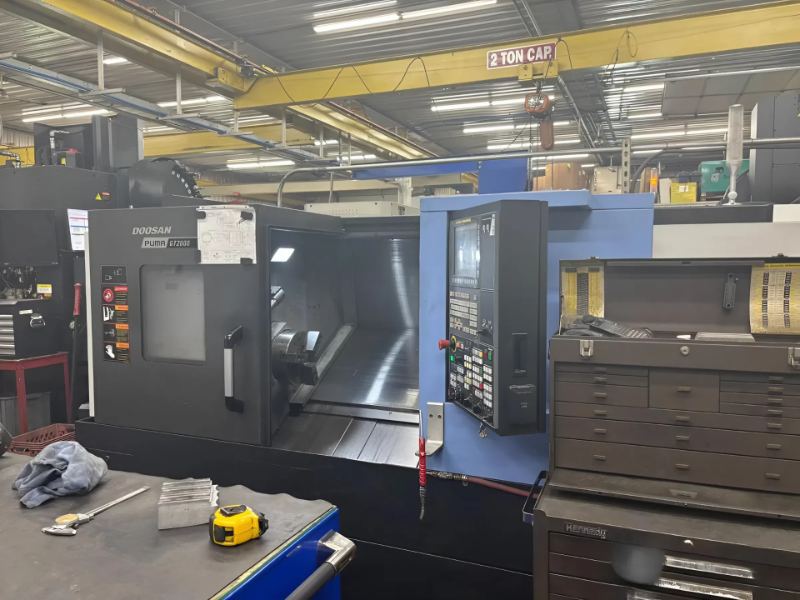
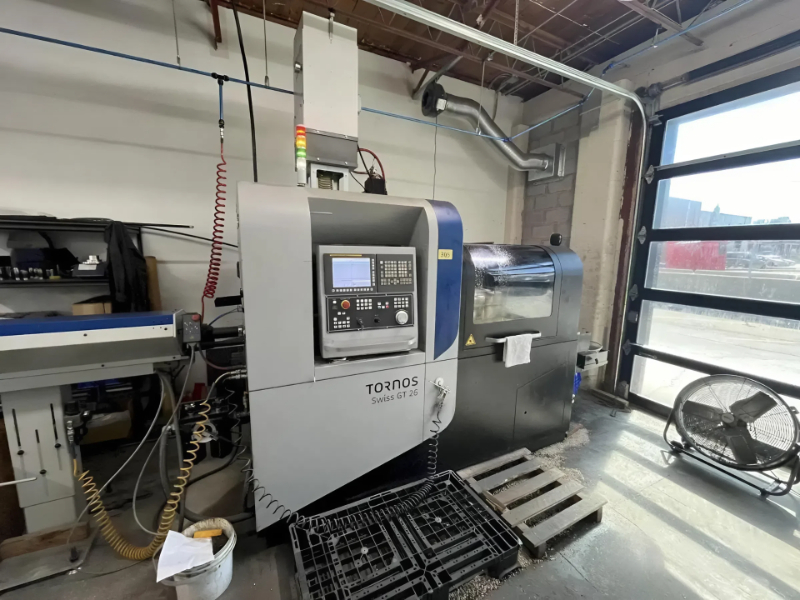
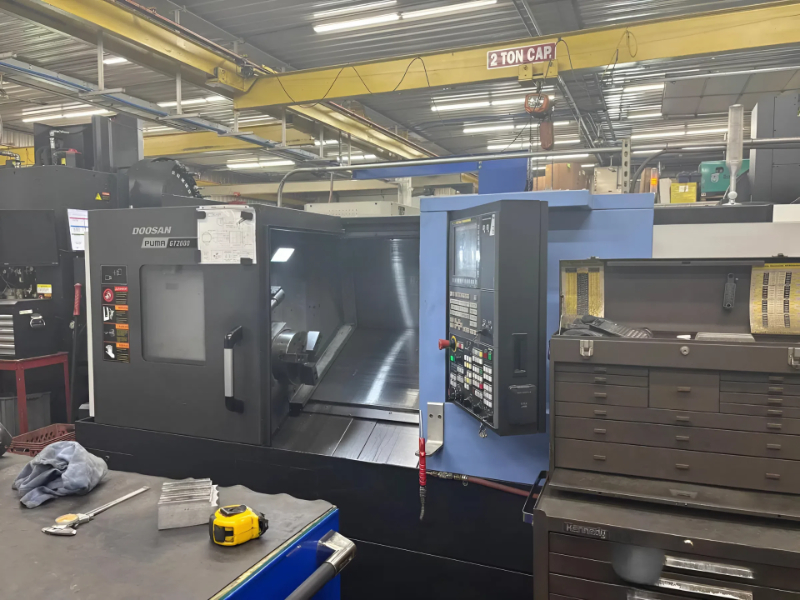
CNC lathes, including slant bed and flat bed varieties, are advanced machining tools that automate the process of shaping materials like metal, plastic, and wood. They operate using computer numerical control (CNC) technology, allowing for high precision and repeatability in production. Slant bed lathes have a design that inclines the bed, which provides greater chip removal and ease of access to the workpiece. In contrast, flat bed lathes feature a horizontal bed that supports larger workpieces and facilitates easier setup for certain manufacturing tasks.
These machines are widely used in various manufacturing sectors for producing complex components with tight tolerances. They are integral in industries such as automotive, aerospace, and medical device manufacturing, where precision is crucial. CNC lathes enhance productivity by reducing the time required for setup and machining processes. As industries continue to evolve, the demand for CNC lathes is expected to grow, driven by the need for automation and efficiency in manufacturing.
๐๐ฒ๐ ๐๐ฒ๐ฎ๐๐๐ฟ๐ฒ๐ ๐ฎ๐ป๐ฑ ๐ฆ๐ฝ๐ฒ๐ฐ๐ถ๐ณ๐ถ๐ฐ๐ฎ๐๐ถ๐ผ๐ป๐
CNC lathes come with a variety of features and specifications tailored to meet different industrial needs. These machines are designed for durability, precision, and efficiency, making them essential for high-volume production environments.
Key specifications include:
1. Maximum Spindle Speed
- The maximum speed at which the spindle can rotate.
- Typical ranges from 1,000 to 5,000 RPM.
2. Bed Length
- The length of the lathe bed that supports the workpiece.
- Common lengths vary from 1 meter to 4 meters.
3. Swing Over Bed
- The maximum diameter of a workpiece that can be turned.
- Typically ranges from 300 mm to 1,200 mm.
4. Tool Capacity
- The number of tools that can be held in the turret.
- Common capacities range from 6 to 12 tools.
5. Control System
- The type of CNC control used for programming the lathe.
- Options include Fanuc, Siemens, and Haas.
6. Power Rating
- The power output of the spindle motor.
- Common ratings range from 5 hp to 30 hp.
7. Weight
- The overall weight of the lathe machine, impacting stability and vibration.
- Can range from 1,000 kg to over 5,000 kg.
8. Precision
- The accuracy of the machining process.
- Typical tolerances are within ยฑ0.01 mm.
These specifications play a crucial role in determining the suitability of CNC lathes for specific manufacturing applications.
๐๐ผ๐บ๐บ๐ผ๐ป ๐๐ฝ๐ฝ๐น๐ถ๐ฐ๐ฎ๐๐ถ๐ผ๐ป๐ ๐ฎ๐ป๐ฑ ๐จ๐๐ฒ ๐๐ฎ๐๐ฒ๐
CNC lathes are versatile machines utilized across various industries for different applications.
1. Automotive: Used for producing components like engine parts, shafts, and housings with high precision.
2. Aerospace: Essential for crafting intricate parts such as turbine blades and landing gear components, where precision is critical.
3. Medical Devices: Employed in manufacturing implants, surgical instruments, and other precision components required in healthcare.
4. Electronics: Used to create enclosures and support structures for electronic devices with complex geometries.
5. Defense: Critical for producing high-precision components used in military applications, ensuring reliability and performance.
6. Oil and Gas: Useful for creating durable components that withstand harsh environments and high pressures.
7. Construction: Employed in fabricating parts for machinery and equipment used in the construction industry.
๐ฃ๐ฟ๐ผ๐ฑ๐๐ฐ๐ ๐ฉ๐ฎ๐ฟ๐ถ๐ฎ๐ป๐๐ ๐ฎ๐ป๐ฑ ๐ฆ๐๐ฏ๐ฐ๐ฎ๐๐ฒ๐ด๐ผ๐ฟ๐ถ๐ฒ๐
CNC lathes come in various configurations to meet specific operational needs.
Slant Bed CNC Lathes: These machines are designed for high-efficiency machining with improved chip flow and operator accessibility. They are ideal for mass production of smaller parts in industries like automotive and electronics.
Flat Bed CNC Lathes: Best suited for larger and heavier workpieces, flat bed lathes provide greater stability and are often used in industries requiring machining of large components, such as oil and gas.
๐๐ฒ๐ป๐ฒ๐ณ๐ถ๐๐ ๐ฎ๐ป๐ฑ ๐๐ฑ๐๐ฎ๐ป๐๐ฎ๐ด๐ฒ๐
CNC lathes offer numerous benefits that enhance manufacturing processes.
1. Increased Precision: CNC technology ensures high accuracy in machining, reducing errors and improving part quality.
2. Enhanced Productivity: Automation speeds up production cycles, allowing for greater output in less time.
3. Flexibility: CNC lathes can easily be reprogrammed for different tasks, making them suitable for a range of applications.
4. Reduced Labor Costs: Automation decreases the need for manual intervention, lowering labor expenses.
5. Consistency: CNC lathes maintain uniformity in production, ensuring that each part meets the same standards.
6. Safety Features: Modern CNC lathes come equipped with safety mechanisms to protect operators and reduce workplace hazards.
๐๐๐๐ถ๐ป๐ด ๐๐๐ถ๐ฑ๐ฒ ๐ณ๐ผ๐ฟ ๐๐ฎ๐ ๐๐๐๐ฒ๐ฟ๐
When sourcing CNC lathes, several factors should be considered to ensure a successful purchase.
1. Quality Assessment: Evaluate the machine's build quality, precision levels, and durability. Look for manufacturers that adhere to high-quality standards.
2. Supplier Verification: Research potential suppliers to ensure they have a reputable track record. Check for customer reviews and references.
3. Pricing and MOQ: Understand the pricing structure and minimum order quantities. Compare quotes from multiple suppliers to find the best deal.
4. Delivery and Lead Times: Confirm the expected delivery dates and lead times to align with your production schedules.
5. Compliance Requirements: Ensure that the CNC lathes meet relevant industry standards and regulations, including safety and quality certifications.
๐๐ผ๐บ๐ฝ๐น๐ถ๐ฎ๐ป๐ฐ๐ฒ ๐ฎ๐ป๐ฑ ๐๐ฒ๐ฟ๐๐ถ๐ณ๐ถ๐ฐ๐ฎ๐๐ถ๐ผ๐ป๐
CNC lathes must adhere to various industry standards and certifications to ensure quality and safety.
ISO 9001 is a quality management standard that outlines criteria for a quality management system. Compliance demonstrates a commitment to consistent quality in products and services.
CE certification indicates that the machine meets European safety standards, ensuring it is safe to operate within the EU market.
Additionally, safety and testing requirements are critical for CNC lathes to ensure they operate without posing risks to operators. Manufacturers should conduct thorough testing and provide certification of compliance.
Regional compliance considerations may vary, so it is essential to understand local regulations and standards when sourcing CNC lathes.
Why Source CNC Lathes (Slant Bed, Flat Bed) from Pepagora?
Pepagora offers a trusted platform for sourcing CNC lathes with several key advantages.
Verified Supplier Network: Pepagora connects buyers with a network of verified suppliers, ensuring that you can source high-quality machines from reputable manufacturers.
Streamlined RFQ Process: The platform simplifies the request for quotation process, allowing buyers to easily compare offers and find the best deals on CNC lathes.
Trade Assurance and Support: Pepagora provides trade assurance, protecting buyers throughout the purchasing process. Dedicated support teams are available to assist with any inquiries or issues.
Regional Coverage: Pepagora covers a wide geographic area, including India, GCC countries, and Southeast Asia, ensuring that buyers can find local suppliers that meet their needs.
By choosing Pepagora, businesses can confidently invest in CNC lathes that enhance their manufacturing capabilities.