IN
IN₹
Apparel & Fashion
Loading subcategories...
View More
Description
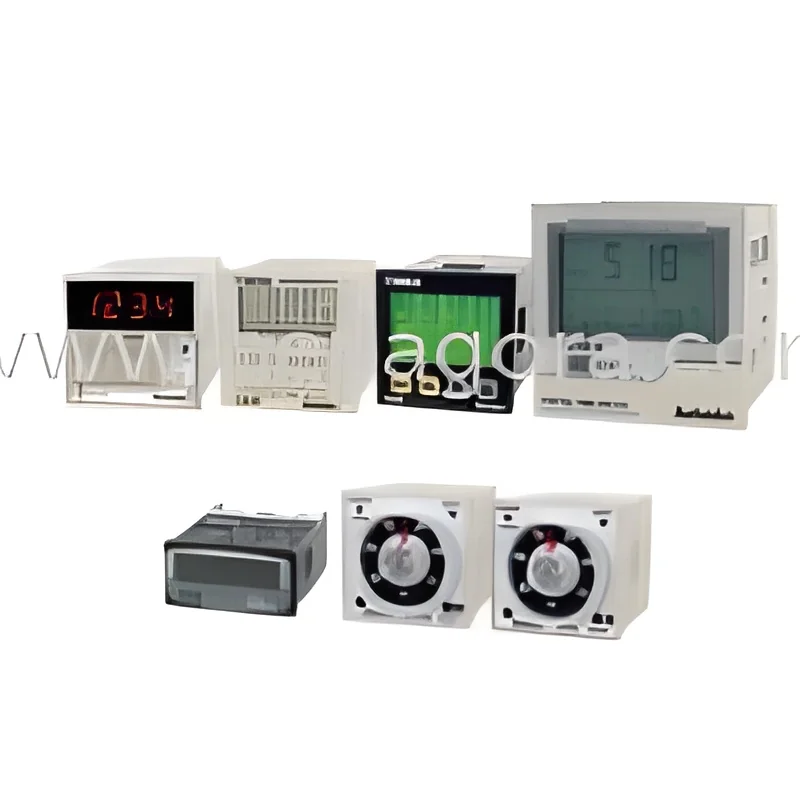
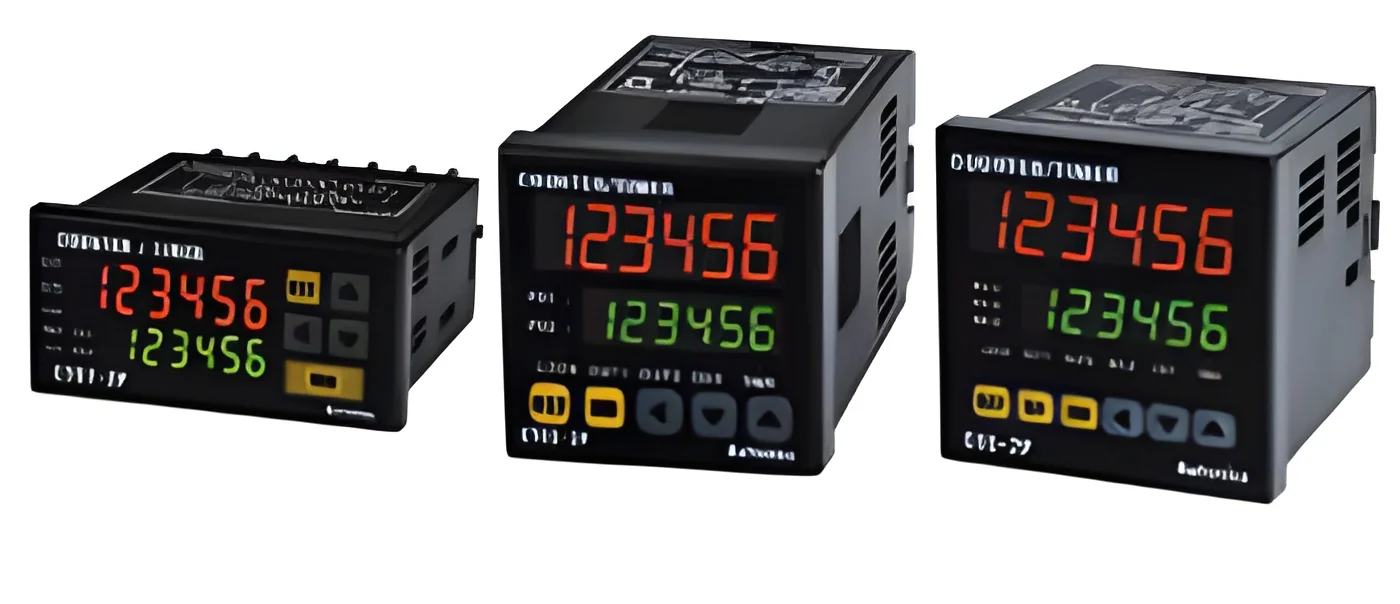
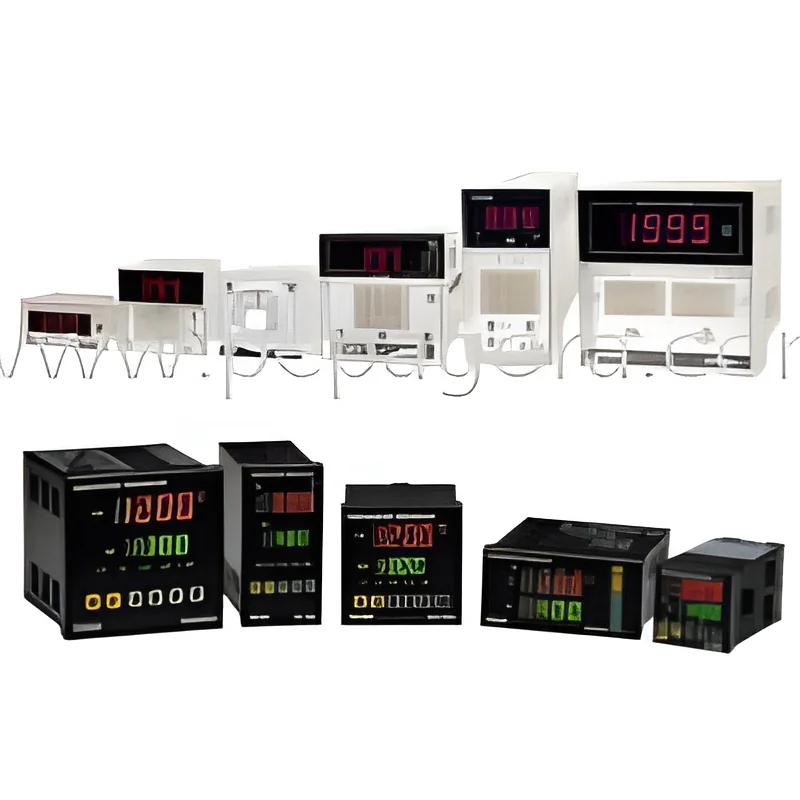
Industrial Temperature Control Precision PID Controllers represent advanced instrumentation designed for exact thermal regulation in demanding industrial environments. These sophisticated devices continuously monitor the difference between desired setpoints and actual process temperatures, employing proportional, integral, and derivative functions to calculate precise control responses. This triple-action approach ensures stable temperatures despite external disturbances and process variations, making these controllers indispensable for applications where thermal accuracy determines final product quality and process efficiency. Modern versions feature digital interfaces, multiple input compatibility, and programmable parameters that provide flexible operation across various industrial settings while maintaining the reliability expected in professional environments. Numerous industries implement PID controllers for temperature-critical operations that demand consistent thermal managemen...
Industrial Temperature Control Precision PID Controllers represent advanced instrumentation designed for exact thermal regulation in demanding industrial environments. These sophisticated devices continuously monitor the difference between desired setpoints and actual process temperatures, employing proportional, integral, and derivative functions to calculate precise control responses. This triple-action approach ensures stable temperatures despite external disturbances and process variations, making these controllers indispensable for applications where thermal accuracy determines final product quality and process efficiency. Modern versions feature digital interfaces, multiple input compatibility, and programmable parameters that provide flexible operation across various industrial settings while maintaining the reliability expected in professional environments.

Numerous industries implement PID controllers for temperature-critical operations that demand consistent thermal management. Manufacturing facilities utilize them in plastic extrusion, injection molding, metal heat treatment, and packaging equipment where temperature stability ensures product consistency. Food processing plants rely on these controllers for baking, frying, sterilization, and refrigeration processes where precise thermal control maintains safety and quality standards. Pharmaceutical companies deploy them throughout drug manufacturing, storage facilities, and laboratory environments where temperature precision is mandatory for regulatory compliance and product efficacy. The chemical, automotive, and textile sectors also incorporate these controllers for various thermal processes requiring exact temperature maintenance and repeatable results.

Businesses select Precision PID Controllers for their demonstrated reliability and substantial operational value. These devices significantly reduce process variability, leading to consistent output quality and decreased material waste through precise thermal management. Their advanced control algorithms minimize energy consumption by eliminating temperature overshooting and unnecessary heating or cooling cycles, resulting in lower operational costs. The robust construction ensures long-term performance in challenging industrial conditions, reducing maintenance requirements and preventing unexpected downtime. Their compatibility with various sensor types and control outputs facilitates seamless integration with existing systems without requiring major modifications, delivering excellent return on investment through improved process efficiency and reduced operational expenses.

Key Features:
- Proportional, integral, and derivative control for precise temperature regulation
- Compatibility with thermocouples, RTDs, and various sensor types
- Digital display showing setpoints and actual temperature readings
- Programmable parameters for customized control strategies
- Industrial-grade construction for reliable performance

Benefits:
- Consistent product quality through stable temperature maintenance
- Reduced energy consumption via precise thermal control
- Lower operational costs through decreased material waste
- Minimal maintenance requirements with robust construction
- Easy integration with existing industrial systems
Specifications
| Additional Information | |
|---|---|
| Country of Origin | India |
| Customisable | No |
Application
Precision PID controllers maintain exact temperature setpoints in industrial processes by automatically adjusting heating or cooling systems. They ensure consistent product quality and operational efficiency across diverse applications where thermal stability directly impacts output results and safety standards. These versatile controllers handle both simple thermal systems and complex multi-zone industrial processes with equal reliability and precision performance.
Multiple industries depend on PID controllers for critical temperature-sensitive operations requiring strict thermal management. Manufacturing plants, food processing facilities, pharmaceutical production lines, and commercial HVAC systems all utilize these controllers to minimize temperature fluctuations and maintain process integrity. Their compatibility with various sensor types and control outputs makes them adaptable to different equipment configurations and operational requirements.
- Maintaining precise temperatures in plastic injection molding for consistent product dimensions
- Regulating heat in food processing ovens and pasteurization equipment for safety compliance
- Controlling temperature in pharmaceutical manufacturing for drug stability and purity standards
- Managing thermal zones in industrial HVAC systems for energy efficiency
- Stabilizing temperatures in chemical processing and metal treatment applications
Trade Details
| Available Stock | In Stock |
| Sample Availability | No |
Payment Terms
| Payment Terms |
|
Company Profile
Naren Electronics And Services, Tamil Nadu
 Tamil Nadu, India
Tamil Nadu, IndiaElectronics & Electrical•Distributor / Wholesaler
Factory Details
Factory SizeBelow 1000 sqm
Annual Production Capacity0
Industrial Temperature Control Precision PID Controllers For Process Stability
Industrial Temperature Control Precision PID Controllers deliver reliable process stability for manufacturing, food processing, pharmaceuticals, and HVAC systems with accurate thermal regulation.
Min. Order Quantity: 1 unit
Shipping
Shipping fee and delivery date to be negotiated. Contact supplier now for more details.
Naren Electronics And Services
 Tamil Nadu, India
Tamil Nadu, IndiaElectronics & ElectricalDistributor / Wholesaler