
 IN
CMM Calibration
1 products available
What are CMM Calibration?
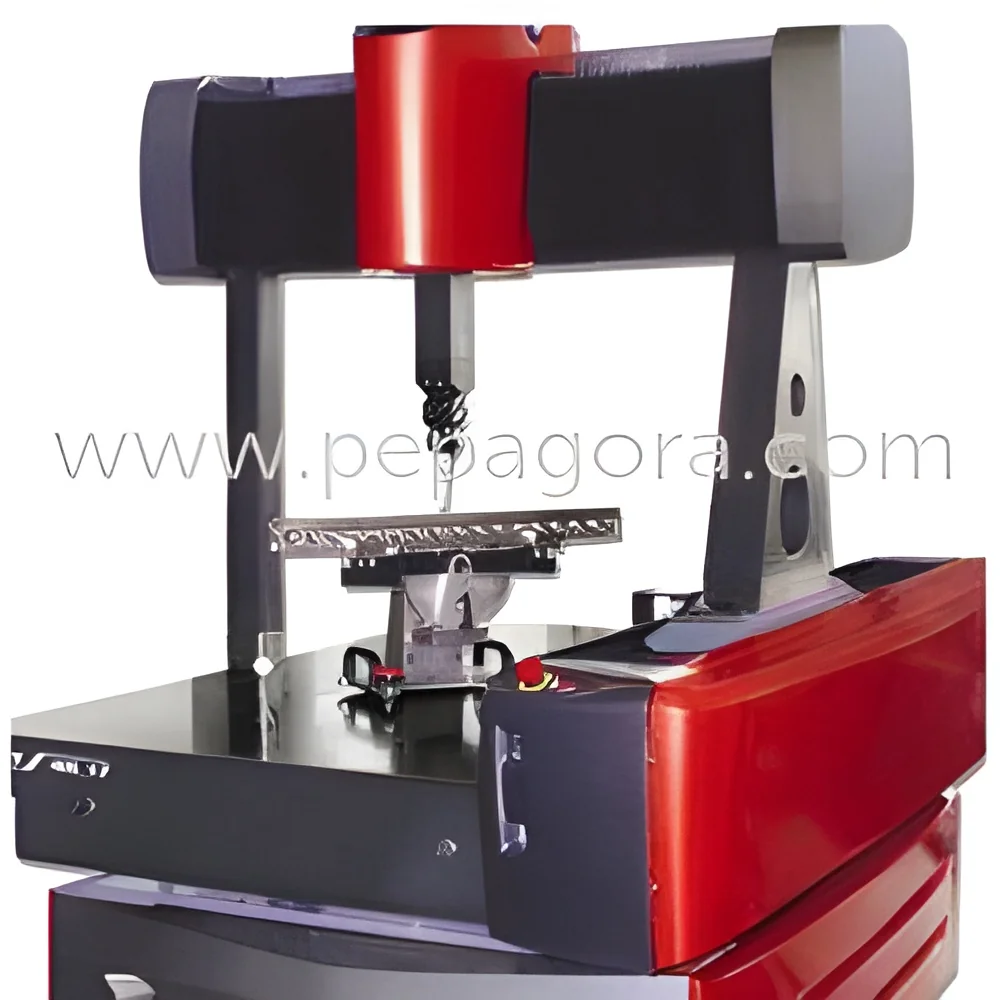
CMM Calibration refers to the process of verifying and adjusting the precision of Coordinate Measuring Machines (CMMs). CMMs are advanced devices used to measure an object's physical geometrical characteristics. The calibration process ensures that these machines provide accurate measurements by adjusting for any discrepancies that may arise due to wear and tear, environmental conditions, or operational errors. Proper calibration is essential for maintaining the reliability and accuracy of measurements in various manufacturing and engineering processes.
The primary uses of CMM Calibration are found in industries where precision is crucial. This includes sectors such as aerospace, automotive, electronics, and medical device manufacturing. By ensuring that CMMs are calibrated, businesses can maintain high-quality standards, reduce waste, and improve product consistency. The relevance of CMM Calibration in the current market context cannot be overstated, as industries increasingly rely on automation and precision engineering for competitive advantage.
Key Features and Specifications
CMM Calibration products are designed to enhance measurement accuracy and ensure compliance with industry standards. They come with various features that cater to different calibration needs. These features include:
1. Precision Measurement
- High accuracy in measurement adjustments
- Tolerance levels typically within micrometers
2. Automated Calibration Procedures
- Streamlined calibration processes
- Reduced human error in measurement
3. Calibration Software Integration
- Compatibility with existing measurement software
- User-friendly interface for easy operation
4. Data Logging Capabilities
- Recording of calibration data for audits
- Historical tracking of measurement accuracy
5. Environmental Considerations
- Calibration systems designed to function in varying temperature and humidity levels
- Features to minimize the impact of environmental changes on measurements
6. Compliance with Industry Standards
- Adherence to relevant quality standards, such as ISO 9001
- Ensures regulatory compliance for various industries
In summary, CMM Calibration products are equipped with advanced features that ensure precise measurements, facilitate automated processes, and maintain compliance with industry standards.
Common Applications and Use Cases
CMM Calibration serves various industries with specific applications tailored to enhance measurement accuracy and operational efficiency.
1. Aerospace: In this industry, CMM Calibration is crucial for ensuring that aircraft components meet stringent safety standards and specifications.
2. Automotive: Calibration is vital for measuring engine parts, body panels, and other components to ensure they fit together correctly and function efficiently.
3. Electronics: Precision measurements of circuit boards and electronic components are essential for quality assurance and product reliability.
4. Medical Devices: Calibration ensures that medical instruments are manufactured within precise tolerances to guarantee patient safety and device efficacy.
5. Tool and Die Manufacturing: Accurate measurements are necessary to create molds and dies that produce parts with high dimensional accuracy.
Product Variants and Subcategories
CMM Calibration products come in various configurations to meet the diverse needs of different industries and applications.
Standard CMM Calibration Systems: These systems are designed for general calibration purposes, offering basic features suitable for many applications. They provide reliable and accurate measurements across a range of industrial settings.
Portable CMM Calibration Solutions: These solutions are designed for on-site calibration, making it easier to maintain CMM accuracy without the need to transport machines to a calibration facility. They are ideal for companies with multiple locations or those that require flexibility.
Automated CMM Calibration Systems: These advanced systems feature automated processes that minimize human intervention, enhancing efficiency and accuracy in calibration procedures.
Benefits and Advantages
CMM Calibration offers numerous benefits that enhance operational efficiency and product quality.
1. Improved Measurement Accuracy: Regular calibration ensures that measurements are precise, reducing the likelihood of errors in production.
2. Enhanced Quality Control: With calibrated CMMs, businesses can maintain stringent quality control standards, ensuring product reliability.
3. Cost Savings: Accurate measurements can lead to reduced waste and rework, ultimately lowering production costs.
4. Compliance Assurance: Calibration helps ensure compliance with industry standards, which is essential for regulatory approvals.
5. Increased Operational Efficiency: Streamlined calibration processes save time and resources, enabling quicker turnaround times in manufacturing.
6. Risk Mitigation: Regular calibration reduces the risk of equipment failure, which can lead to costly downtime and lost production.
Buying Guide for B2B Buyers
When sourcing CMM Calibration, businesses should consider several important factors to ensure they select the right solutions.
1. Quality Assessment: Evaluate the calibration products based on their accuracy, reliability, and adherence to industry standards. Look for certifications that validate quality.
2. Supplier Verification: Research potential suppliers to ensure they have a good reputation and experience in providing CMM Calibration services. Customer reviews and case studies can be helpful in this process.
3. Pricing and MOQ: Understand the pricing structure and minimum order quantities. Ensure that the costs align with your budget while considering the value provided.
4. Delivery and Lead Times: Assess the supplier's ability to deliver calibration solutions within your required timeframe. Timely delivery is crucial for maintaining operational continuity.
5. Compliance Requirements: Ensure that the calibration products meet any relevant regulatory requirements specific to your industry. Understanding compliance needs is critical to avoid legal issues.
Compliance and Certifications
CMM Calibration products must adhere to various compliance and certification standards to ensure quality and safety.
Relevant quality standards such as ISO 9001 are essential for ensuring that calibration processes meet recognized benchmarks. This certification demonstrates a commitment to quality management and continuous improvement.
Industry certifications, such as CE marking, indicate that the products meet European health, safety, and environmental protection standards. This is particularly important for companies operating in or exporting to regions that require CE compliance.
Safety and testing requirements are also critical, as they ensure that calibration equipment operates safely and reliably. Regular testing can identify potential issues before they affect measurement accuracy.
In addition, regional compliance considerations should be taken into account, as different areas may have specific regulations governing the calibration of measuring equipment.
Why Source CMM Calibration from Pepagora?
Pepagora offers a trusted platform for sourcing CMM Calibration with several key advantages that benefit B2B buyers.
Verified Supplier Network: Pepagora connects businesses with a network of verified suppliers, ensuring that buyers have access to reputable companies that meet their calibration needs.
Streamlined RFQ Process: The Request for Quotation (RFQ) process on Pepagora is designed to be user-friendly, allowing buyers to receive and compare quotes from multiple suppliers quickly.
Trade Assurance and Support: Buyers on Pepagora can benefit from trade assurance features that protect their transactions. This adds an extra layer of security and confidence when purchasing calibration products.
Regional Coverage: Pepagora provides extensive regional coverage, catering to businesses in India, the GCC, and Southeast Asia. This broad reach ensures that buyers can find suitable calibration solutions tailored to their specific geographic needs.

 India
Frequently Asked Questions
What are CMM Calibration?
CMM Calibration refers to the process of verifying and adjusting the accuracy of Coordinate Measuring Machines (CMMs). This process ensures that the machine's measurements are precise and comply with industry standards.
What are the different types of CMM Calibration?
There are several types of CMM Calibration, including geometrical calibration, volumetric calibration, and probe calibration. Each type focuses on different aspects of the machine's performance to ensure optimal accuracy.
How do I choose the right CMM Calibration?
To choose the right CMM Calibration, consider the type of CMM you have, the specific industries you operate in, and your accuracy requirements. Additionally, review the qualifications and reputation of the calibration service provider.
What are the standard specifications for CMM Calibration?
Standard specifications for CMM Calibration typically include ISO 10360 and ASME B89.4.1, which outline the accuracy and performance criteria for different types of CMMs. Adhering to these standards ensures reliable measurement results.
What is the price range for CMM Calibration?
The price range for CMM Calibration can vary widely depending on the type of calibration service, the complexity of the machine, and the provider. Generally, calibration services can range from a few thousand to several tens of thousands of rupees.
What quality standards apply to CMM Calibration?
CMM Calibration must adhere to quality standards such as ISO 9001 and ISO/IEC 17025. These standards ensure that calibration processes are consistent, reliable, and meet international benchmarks for quality management.
Where can I find CMM Calibration suppliers in India?
You can find CMM Calibration suppliers in India through online B2B marketplaces like Pepagora.com. Additionally, industry directories and trade shows can provide information on reputable calibration service providers.
Can CMM Calibration be customized?
Yes, CMM Calibration can be customized based on specific requirements of the machine and the industry. Customization may include the use of specialized equipment or tailored calibration procedures to meet unique measurement needs.
What is the typical minimum order quantity for CMM Calibration?
The typical minimum order quantity (MOQ) for CMM Calibration services may vary based on the supplier. Many calibration service providers offer calibration for individual machines, while some may have an MOQ for bulk services.
What is the typical lead time for CMM Calibration?
The typical lead time for CMM Calibration can range from a few days to several weeks, depending on the service provider and the complexity of the calibration required. It's advisable to confirm the lead time with the supplier before placing an order.
Why Businesses Trust Pepagora
Thousands of companies trust Pepagora to source smarter and sell faster
Expand Your Sales Globally

Source Smarter,Grow Faster
