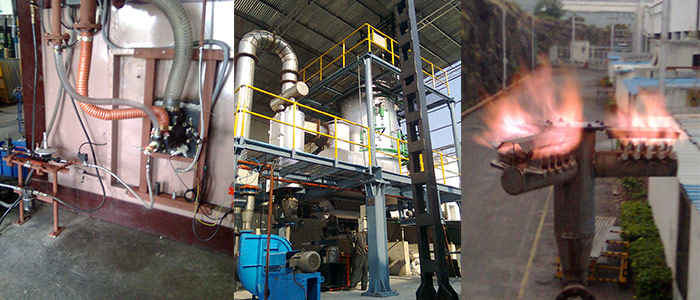
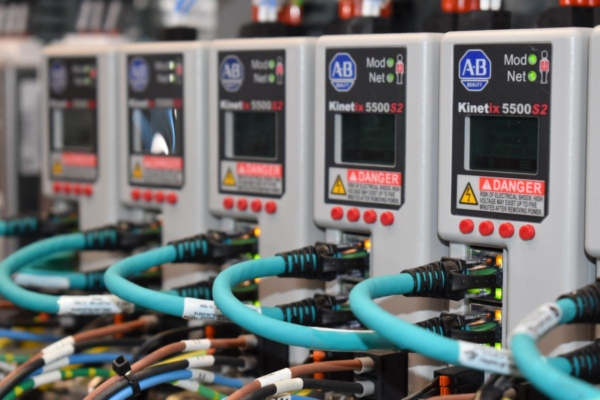
What are Automation System Integration Services?
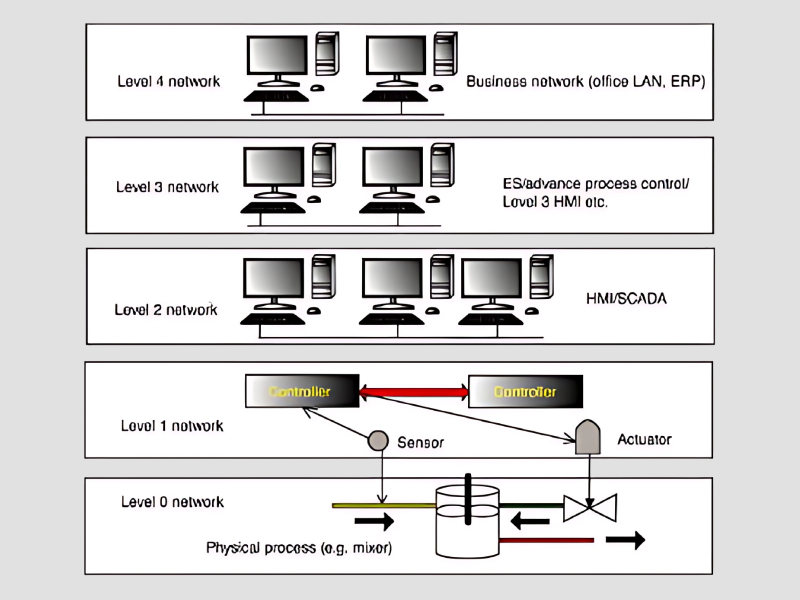
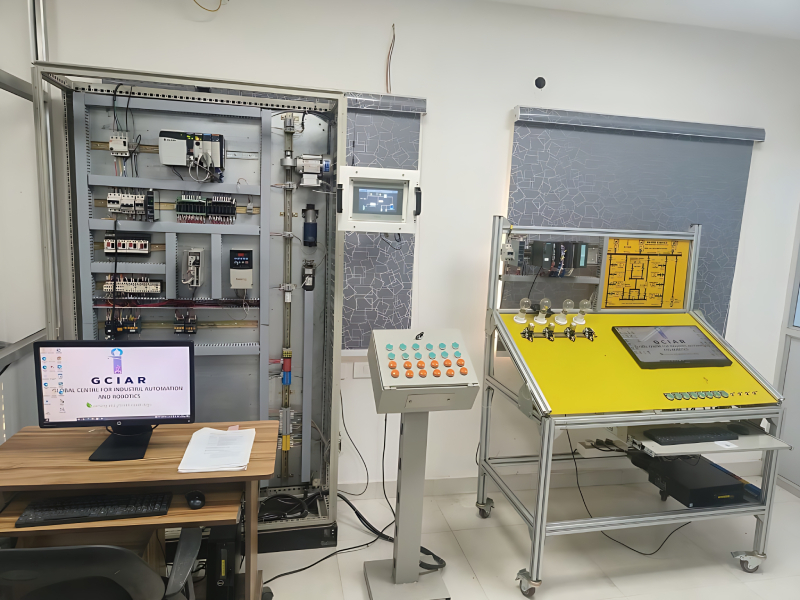
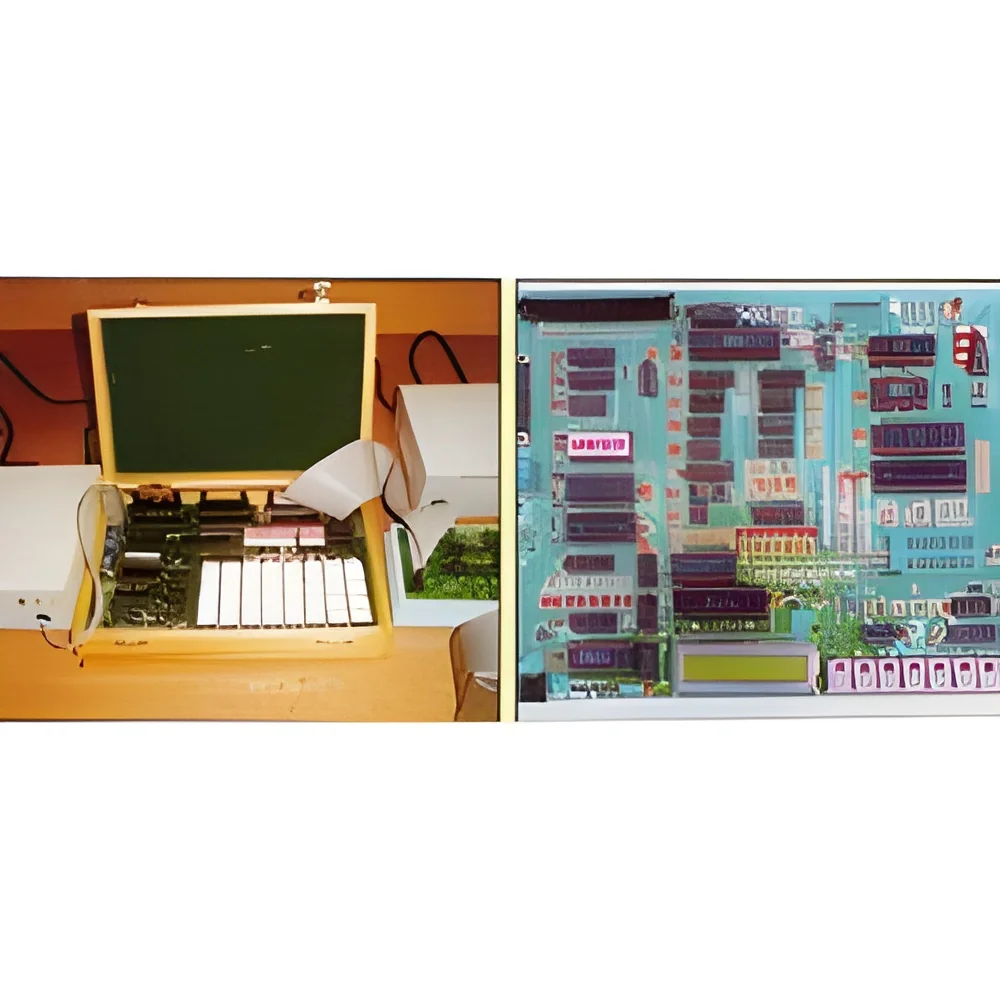
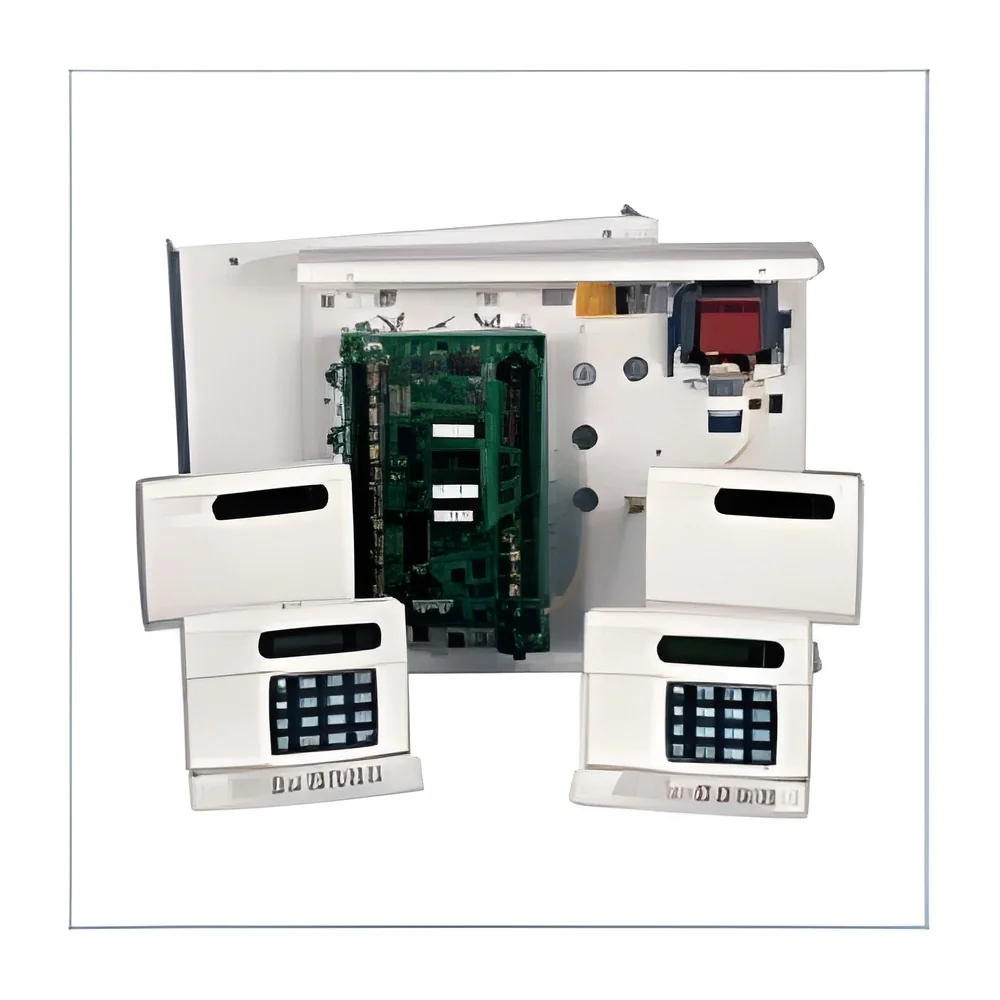
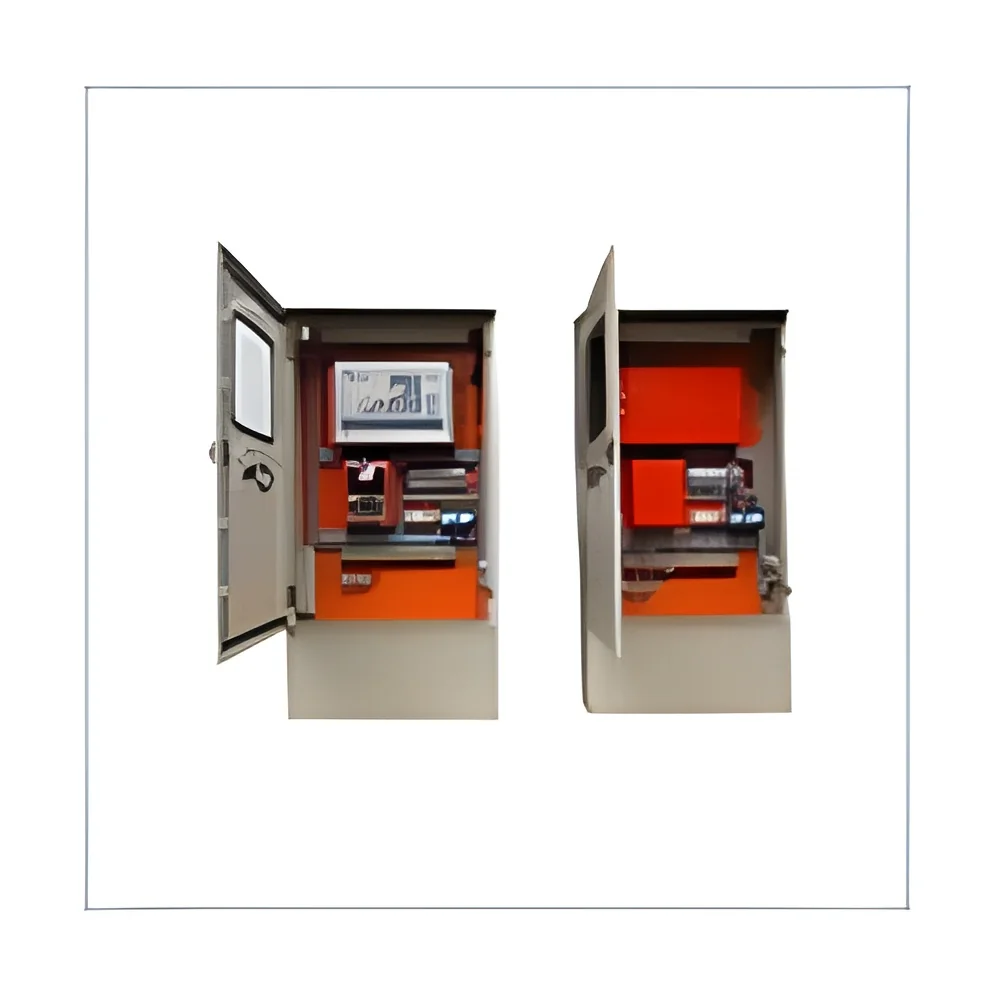
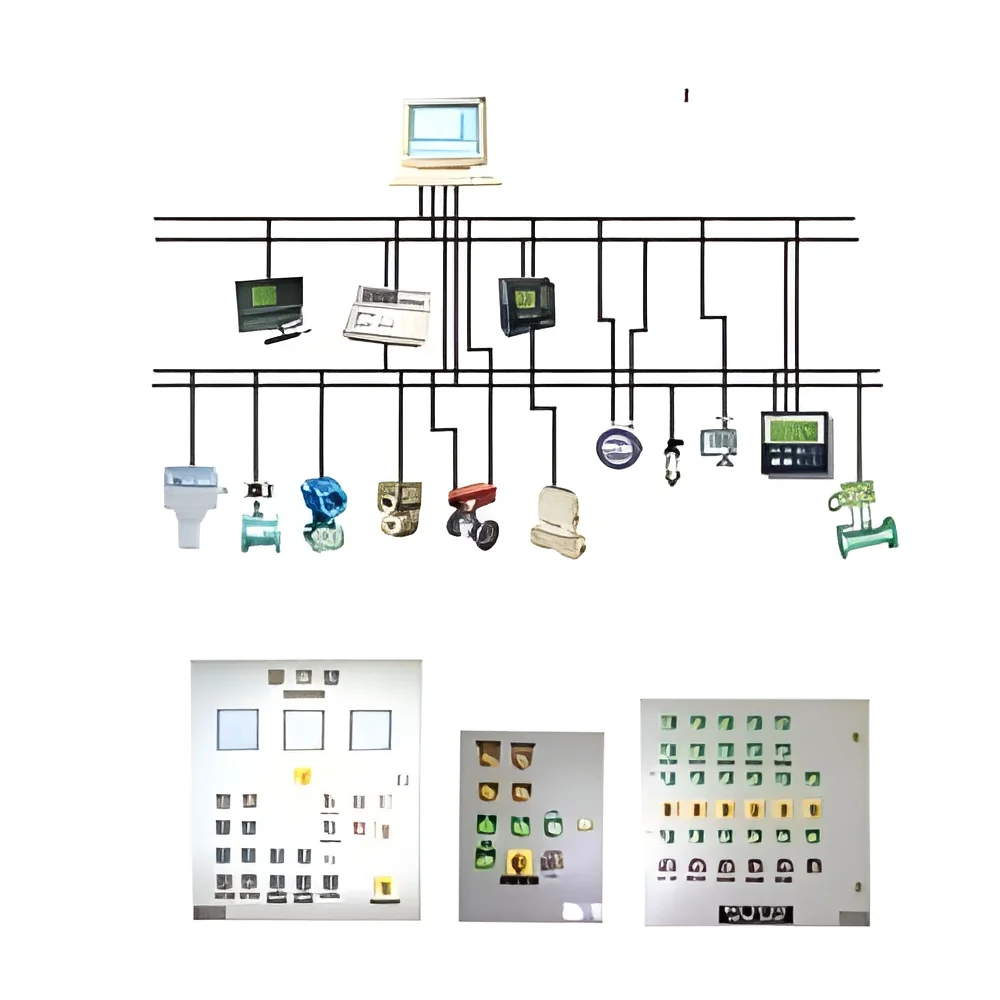
Automation System Integration Services refer to the process of integrating various automation systems and subsystems into a cohesive framework that functions seamlessly. This includes the coordination of hardware, software, and networking components to ensure that different automated processes work together efficiently. These services are designed to enhance operational efficiency, reduce labor costs, and improve overall productivity within an organization.
These services find extensive applications across various industries such as manufacturing, logistics, and energy. Businesses leverage automation system integration to streamline processes, improve data exchange between systems, and enhance decision-making capabilities. By implementing these services, organizations can achieve greater control over their operations and adapt more swiftly to changing market demands. The growing trend towards digital transformation in industries further underscores the relevance of automation system integration in today’s market landscape.
Key Features and Specifications
Automation System Integration Services come with a range of features designed to meet the specific needs of businesses. These features ensure that the integration process is effective and aligns with the operational goals of the organization.
Key specifications include:
1. Scalability
- Services can be tailored to accommodate growth in operations.
- Adaptable to varying levels of automation complexity.
2. Interoperability
- Ability to work with different brands and types of equipment.
- Ensures systems can communicate effectively.
3. Customization
- Solutions can be customized based on industry requirements.
- Flexibility to modify existing systems as needed.
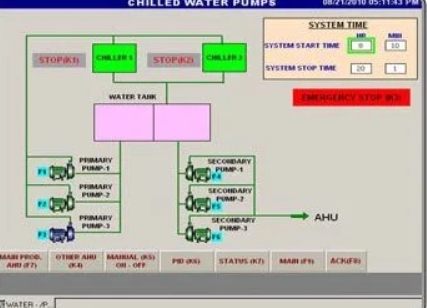
4. Real-time Monitoring
- Systems provide real-time data and analytics.
- Enables proactive management of operations.
5. Security Features
- Built-in safeguards to protect sensitive data.
- Compliance with industry standards for data security.
6. User-Friendly Interfaces
- Intuitive systems designed for ease of use.
- Simplifies training and reduces onboarding time.
7. Cost Efficiency
- Designed to reduce operational costs over time.
- Streamlined processes lead to reduced waste.
8. Support and Maintenance
- Ongoing technical support available.
- Regular updates to enhance system performance.
In summary, Automation System Integration Services are characterized by their scalability, interoperability, and customization capabilities, making them essential for businesses seeking to enhance their operational efficiency.
Common Applications and Use Cases
Automation System Integration Services are utilized across various sectors to improve productivity and streamline operations.
1. Manufacturing: These services enable manufacturers to coordinate machinery, robotics, and software to optimize production lines and reduce downtime.
2. Logistics: In logistics, integration services help in automating inventory management, order fulfillment, and shipment tracking for enhanced supply chain efficiency.
3. Energy: Energy companies use these services to integrate monitoring and control systems for better management of resources and to ensure compliance with regulatory standards.
4. Healthcare: In healthcare, integration services streamline patient management systems, electronic health records, and medical equipment for improved patient care.
5. Retail: Retail businesses leverage automation integration to manage point-of-sale systems, inventory, and customer data for a more seamless shopping experience.
6. Agriculture: Agricultural operations use these services to integrate sensors, drones, and data analytics for precision farming and improved yield.
7. Telecommunications: Telecommunications companies employ automation integration to manage network operations, customer service platforms, and billing systems effectively.
Product Variants and Subcategories
Automation System Integration Services can vary based on the specific requirements of different industries. The diversity in offerings allows businesses to select services that best fit their operational needs.
Standard Integration Solutions
These solutions provide a basic level of integration for businesses looking to automate simple processes. Features often include predefined workflows and basic data exchange capabilities.
Advanced Integration Solutions
These solutions cater to complex environments requiring customized workflows and advanced data analytics. They often include real-time monitoring and predictive maintenance features.
Cloud-Based Integration Services
These services use cloud technology to integrate systems across multiple locations, offering flexibility and accessibility for remote management.
Benefits and Advantages
Automation System Integration Services offer numerous benefits that can significantly impact operational efficiency.
1. Increased Efficiency: By automating repetitive tasks, businesses can streamline processes and improve overall productivity.
2. Enhanced Data Accuracy: Integration reduces the risk of human error, ensuring that data across systems is accurate and consistent.
3. Better Decision-Making: Real-time data analytics provide insights that help organizations make informed decisions quickly.
4. Cost Savings: Automation leads to reduced labor costs and waste, which can significantly impact a company’s bottom line.
5. Improved Compliance: Integrated systems help ensure adherence to industry regulations and standards, minimizing legal risks.
6. Greater Flexibility: Organizations can adapt their systems quickly to respond to market changes or operational challenges.
Buying Guide for B2B Buyers
When sourcing Automation System Integration Services, it is essential to consider several factors to ensure a successful partnership.
1. Quality Assessment: Evaluate the quality of services offered by reviewing case studies and client testimonials. Ensure that the provider adheres to industry standards.
2. Supplier Verification: Vet potential suppliers by checking their credentials, experience, and reputation in the industry. Look for certifications that demonstrate reliability.
3. Pricing and MOQ: Understand the pricing structure and any minimum order quantities required. This will help in budgeting and forecasting expenses effectively.
4. Delivery and Lead Times: Inquire about the expected delivery timelines and lead times for implementation. Timely delivery is crucial for maintaining operational schedules.
5. Compliance Requirements: Ensure that the services comply with relevant industry regulations and standards. This is critical for minimizing risks related to legal and regulatory issues.
Compliance and Certifications
Automation System Integration Services must comply with various quality standards to ensure reliability and performance. Relevant standards include ISO 9001, which focuses on quality management systems, and other industry-specific regulations.
Certifications such as CE signify compliance with safety and environmental requirements, providing assurance to buyers about the quality of services. Safety and testing requirements are also critical, ensuring that systems are safe for use and do not pose risks to personnel or equipment.
Regional compliance considerations may vary, so it is essential for businesses to be aware of local regulations and standards that apply to their operations to avoid potential legal complications.
Why Source Automation System Integration Services from Pepagora?
Pepagora provides a trusted platform for sourcing Automation System Integration Services with several key advantages that set it apart from competitors.
Verified Supplier Network: Pepagora partners with a network of verified suppliers, ensuring that businesses can access reliable services backed by proven experience and quality.
Streamlined RFQ Process: The platform offers a simplified request for quotation process, allowing buyers to efficiently compare options and choose the best fit for their needs.
Trade Assurance and Support: Buyers benefit from trade assurance, which provides a layer of protection, ensuring that they receive the services as promised and on time.
Regional Coverage: With a strong presence in India, the GCC, and Southeast Asia, Pepagora offers extensive geographic coverage, enabling businesses to access integration services tailored to their regional requirements.
In conclusion, Pepagora is an ideal partner for businesses seeking Automation System Integration Services, providing quality, reliability, and support throughout the sourcing process.

 IN
IN




 India
India