IN
IN₹
Apparel & Fashion
Description
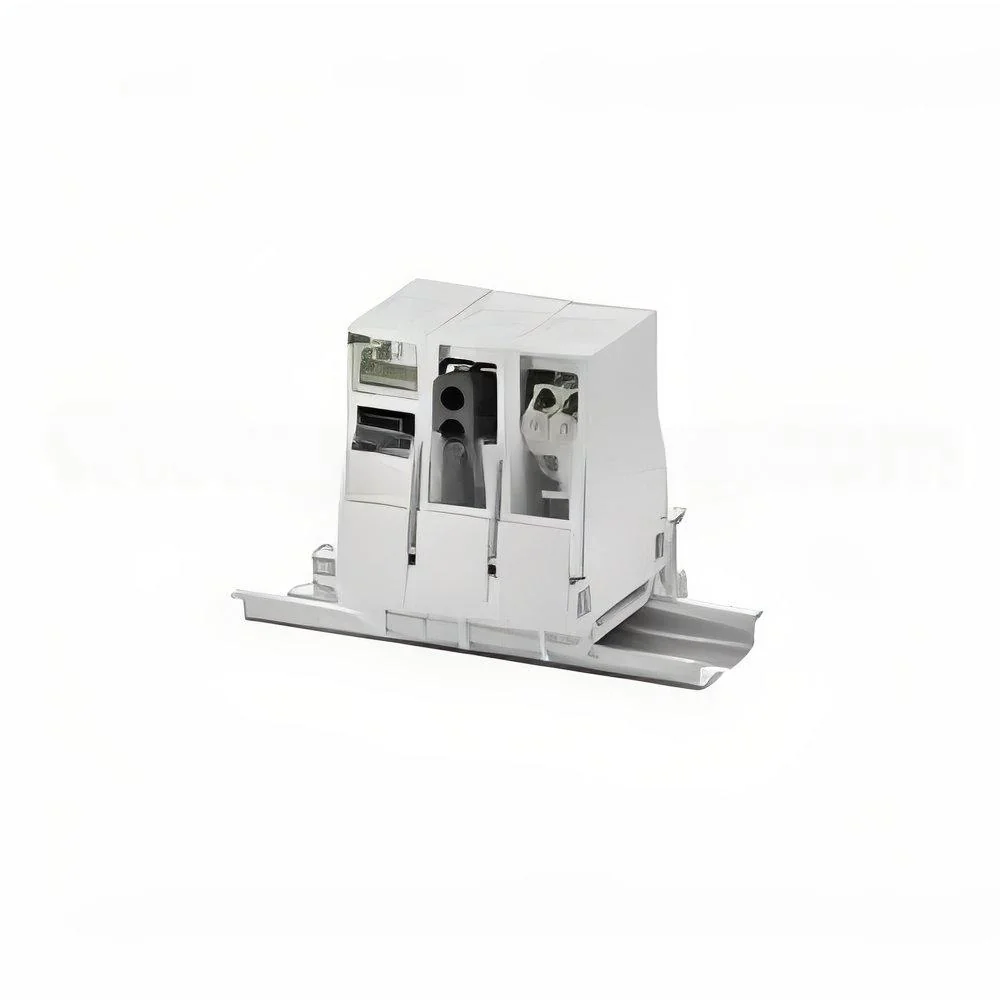
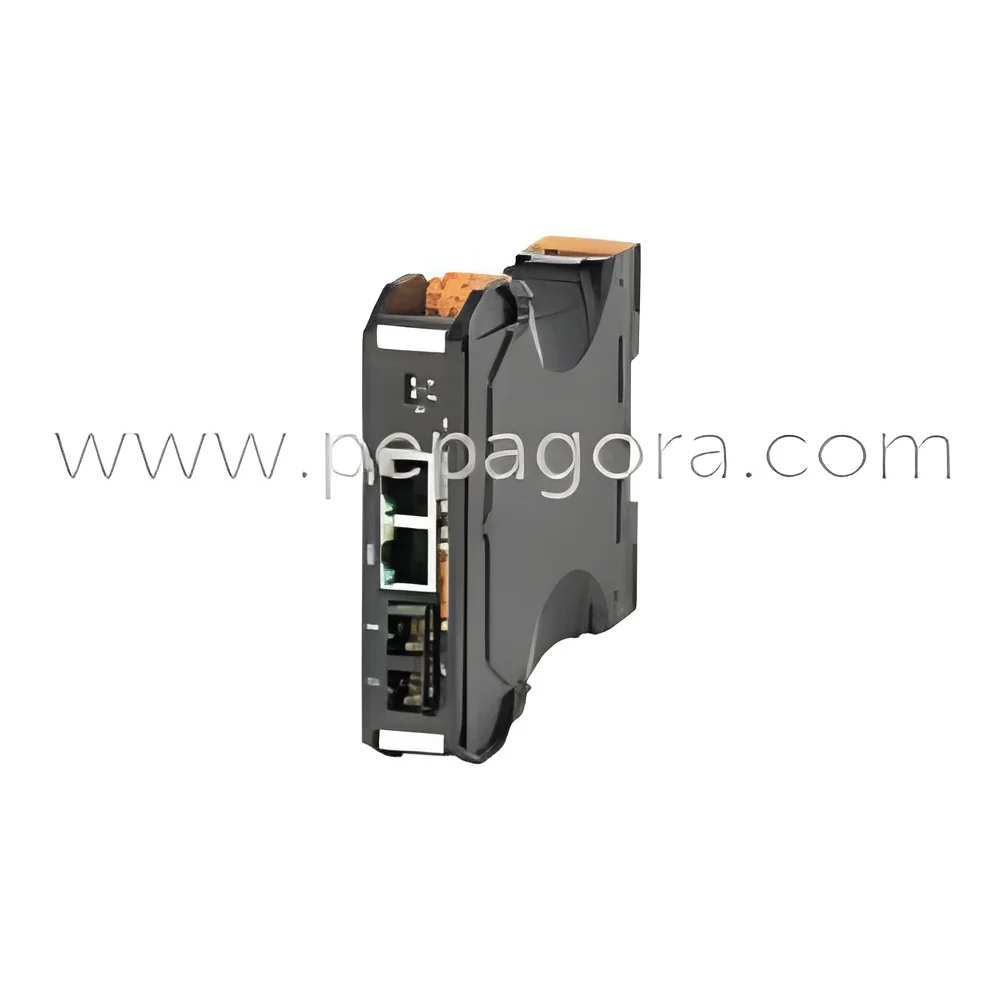
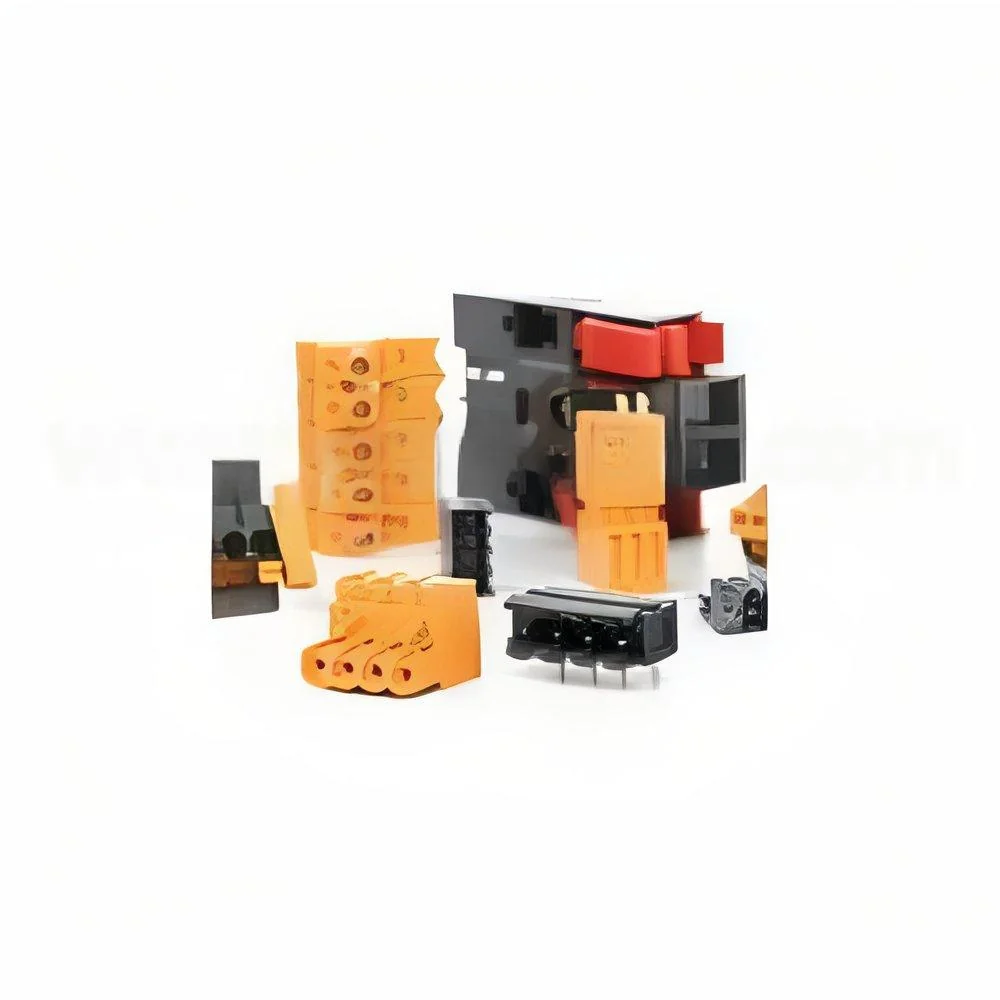
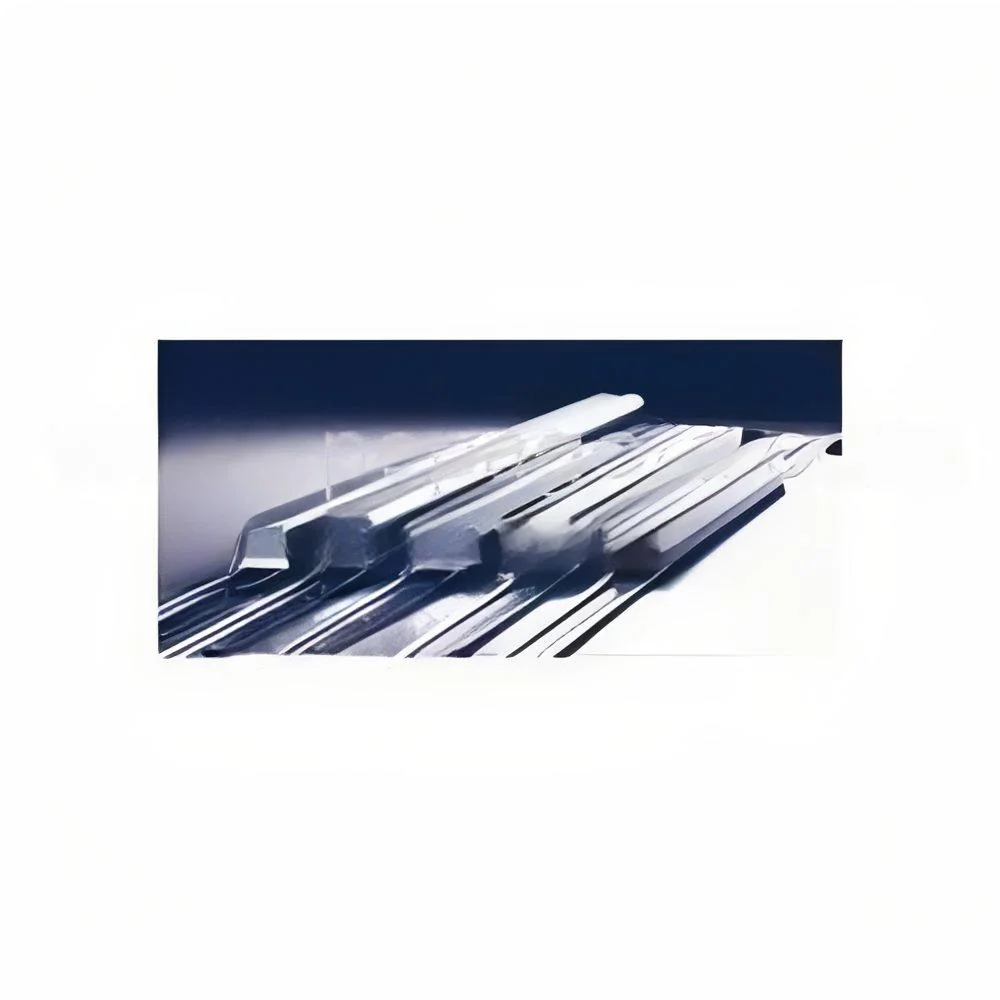
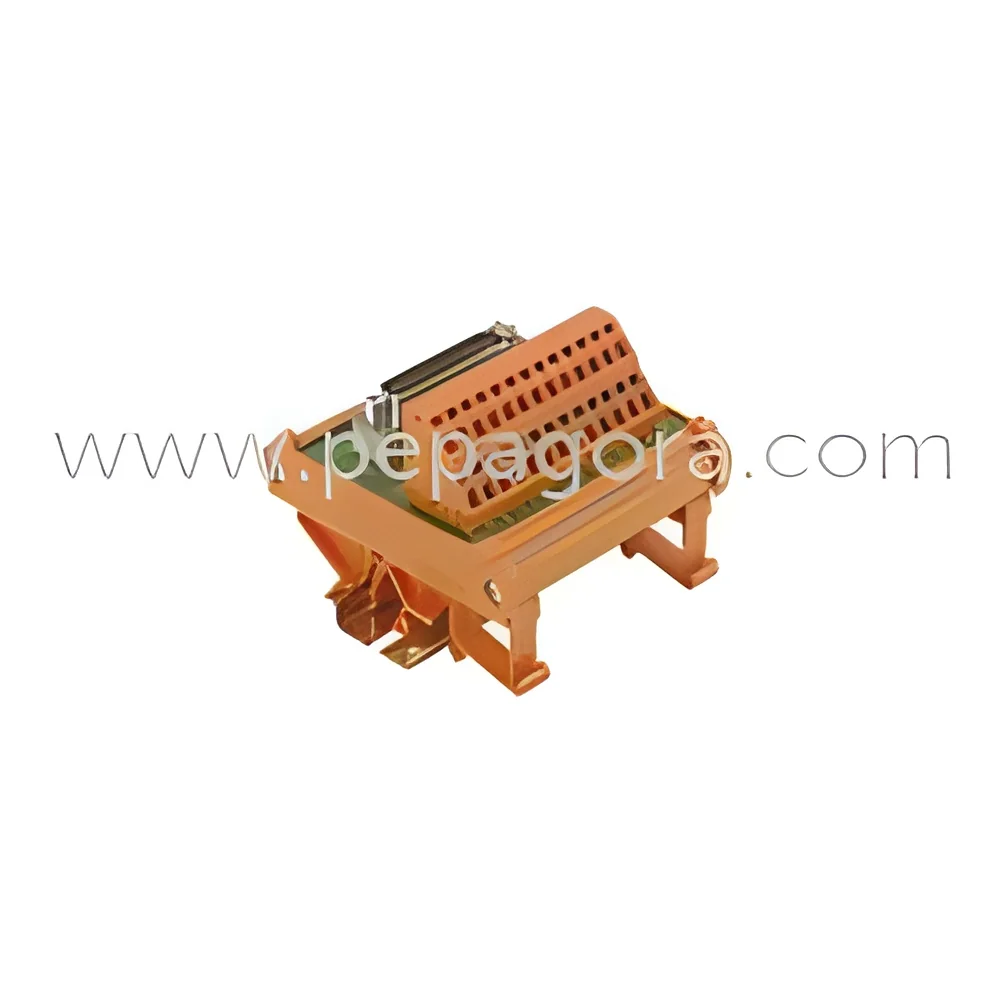
Industrial automation interface units are specialized electrical components designed to bridge the gap between standardized multi-pin connectors and individual wire connections. They serve as a critical junction point, converting complex connector interfaces into straightforward, single-conductor terminals. This transformation drastically simplifies the wiring process for control systems, allowing for the use of pre-assembled, tested cable harnesses that plug directly into the unit. The result is a significant reduction in on-site installation time, labor costs, and the potential for wiring errors. Built with durability in mind, these units typically feature robust extruded aluminum profiles that house printed circuit boards (PCBs), secure terminal rails, and reliable plug-in connectors, ensuring stable and long-lasting performance in the challenging conditions of industrial facilities.

These interface units are indispensable across a wide spectrum of modern industry. In discrete manu...
Industrial automation interface units are specialized electrical components designed to bridge the gap between standardized multi-pin connectors and individual wire connections. They serve as a critical junction point, converting complex connector interfaces into straightforward, single-conductor terminals. This transformation drastically simplifies the wiring process for control systems, allowing for the use of pre-assembled, tested cable harnesses that plug directly into the unit. The result is a significant reduction in on-site installation time, labor costs, and the potential for wiring errors. Built with durability in mind, these units typically feature robust extruded aluminum profiles that house printed circuit boards (PCBs), secure terminal rails, and reliable plug-in connectors, ensuring stable and long-lasting performance in the challenging conditions of industrial facilities.

These interface units are indispensable across a wide spectrum of modern industry. In discrete manufacturing, they are the backbone connecting programmable logic controllers (PLCs) to the vast arrays of sensors, solenoids, and motor starters on automated production lines. The automotive sector relies on them for efficient wiring in body shops, paint booths, and final assembly areas, where reliability and quick changeovers are paramount. Process industries, such as chemical or pharmaceutical manufacturing, utilize them to ensure precise signal integrity for instrumentation and control loops. Furthermore, they are found in material handling systems, robotic workcells, and packaging machinery, providing a clean and organized interface that simplifies troubleshooting and maintenance, thereby minimizing costly downtime.

For businesses, investing in high-quality interface units translates directly into operational efficiency and long-term cost savings. The primary value lies in drastically reduced installation and commissioning time, which accelerates project timelines and lowers labor expenses. By minimizing manual wiring points, these units enhance system reliability and reduce the risk of connection failures that can lead to production stoppages. Their modular and often customizable design allows for easy system expansion or reconfiguration as production needs evolve, protecting your initial investment. The use of premium materials and secure connection methods, like screw terminals or spring-clamp technology, ensures consistent signal transmission and resistance to vibration, temperature fluctuations, and industrial contaminants, delivering peace of mind and a strong return on investment for serious automation projects.

Key Features:
- Converts standardized multi-pin connectors to individual single-conductor terminal connections
- Constructed with a durable extruded aluminum profile for housing and protecting internal PCBs
- Incorporates industry-standard TS 32 or TS 35 DIN rail-mountable terminal rails for secure wiring
- Features integrated plug-in connectors for quick and error-free connection of pre-assembled cables
- Includes end plates and clip-on mounting feet for easy, secure installation on standard DIN rails

Benefits:
- Dramatically reduces installation time and labor costs by simplifying complex wiring tasks
- Minimizes wiring errors and connection faults, leading to higher system reliability and uptime
- Enables the use of pre-fabricated cable harnesses for faster deployment and easier maintenance
- Provides a robust and organized interface that withstands harsh industrial environments
- Offers a modular design that supports easy system expansion, modification, and future upgrades
Specifications
| Additional Information | |
|---|---|
| Country of Origin | India |
Application
Industrial automation interface units are engineered to streamline complex electrical installations by converting multi-pole connectors into single-conductor connections. This fundamental function significantly reduces wiring time, minimizes potential errors, and enhances overall system reliability in demanding industrial environments where precision and uptime are critical.
These versatile units are deployed across sectors where robust signal transmission and quick integration are non-negotiable. From automotive assembly lines to food processing plants, they provide a dependable link between central controllers like PLCs and the field devices that drive production, ensuring seamless communication and operational continuity in harsh conditions.
- Integrating PLCs with sensors and actuators on high-speed packaging and assembly lines
- Simplifying control panel wiring for industrial presses, CNC machines, and robotic cells
- Facilitating rapid installation and maintenance in automotive manufacturing and paint shops
- Connecting safety relays and emergency stop circuits in material handling and conveyor systems
- Enabling efficient signal distribution in building management systems for HVAC and lighting control
Trade Details
| Available Stock | In Stock |
| Sample Availability | No |
Payment Terms
| Payment Terms |
|
Company Profile
Mahavir Interface Pvt Ltd, Gujarat
 Gujarat, India
Gujarat, IndiaElectronics & Electrical•Trading Company•Distributor / Wholesaler•Importer / Exporter
Factory Details
Factory SizeBelow 1000 sqm
Annual Production Capacity0
Industrial Automation Interface Units For Single Conductor Wiring
Industrial automation interface units convert standardized connectors to single-conductor wiring, reducing installation time and labor for reliable connectivity between control systems and machinery.
Min. Order Quantity: 1 unit
Shipping
Shipping fee and delivery date to be negotiated. Contact supplier now for more details.
Mahavir Interface Pvt Ltd
 Gujarat, India
Gujarat, IndiaElectronics & ElectricalTrading Company