
 IN
Anti-Static Garments
4 products available
What are Anti-Static Garments?
Anti-static garments are specialized clothing designed to prevent the accumulation of static electricity. These garments are made from materials that either dissipate static charges or prevent their buildup, thereby protecting both the wearer and sensitive electronic components from electrostatic discharge (ESD). The technology used in these garments often involves conductive fibers woven into the fabric or treated with anti-static agents.
These garments are primarily used in industries where static electricity can pose a risk, such as electronics manufacturing, cleanroom environments, and pharmaceutical production. They help ensure the safety of both personnel and equipment by minimizing the risk of static-related incidents. In a market context, the demand for anti-static garments continues to grow, driven by the increasing reliance on electronic devices and stringent safety regulations across various sectors.
Key Features and Specifications
Anti-static garments come equipped with various features aimed at ensuring safety and functionality. The specifications are vital for ensuring that the garments meet industry standards and provide the necessary protection for users.
Key specifications include:
1. Fabric Composition
- Typically made from a blend of polyester and conductive fibers.
- Provides effective static control while maintaining comfort.
2. Static Dissipation Rate
- Measured in ohms, indicating how quickly static electricity is dissipated.
- Recommended range is 10^6 to 10^9 ohms for optimal performance.
3. Durability
- Designed to withstand repeated washing and usage without losing anti-static properties.
- Often tested for durability to maintain effectiveness over time.
4. Breathability
- Ensures comfort for the wearer, especially in environments with long working hours.
- Fabrics are often lightweight and moisture-wicking.
5. Compliance Standards
- Must meet industry standards such as CE certification.
- Ensures garments are suitable for workplace safety.
6. Sizes and Fit
- Available in multiple sizes to accommodate various body types.
- Tailored fits help enhance comfort and mobility.
7. Design Variants
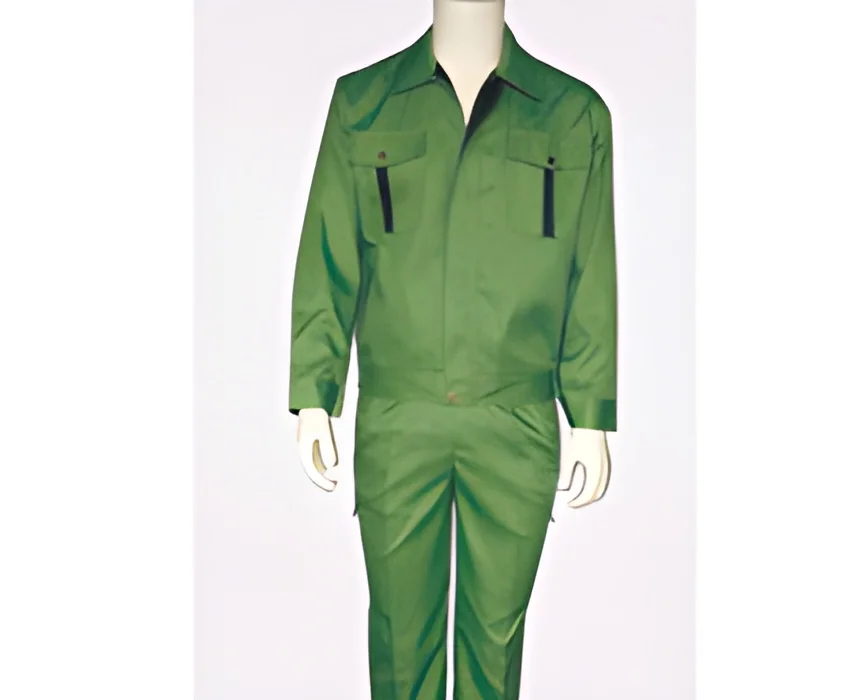
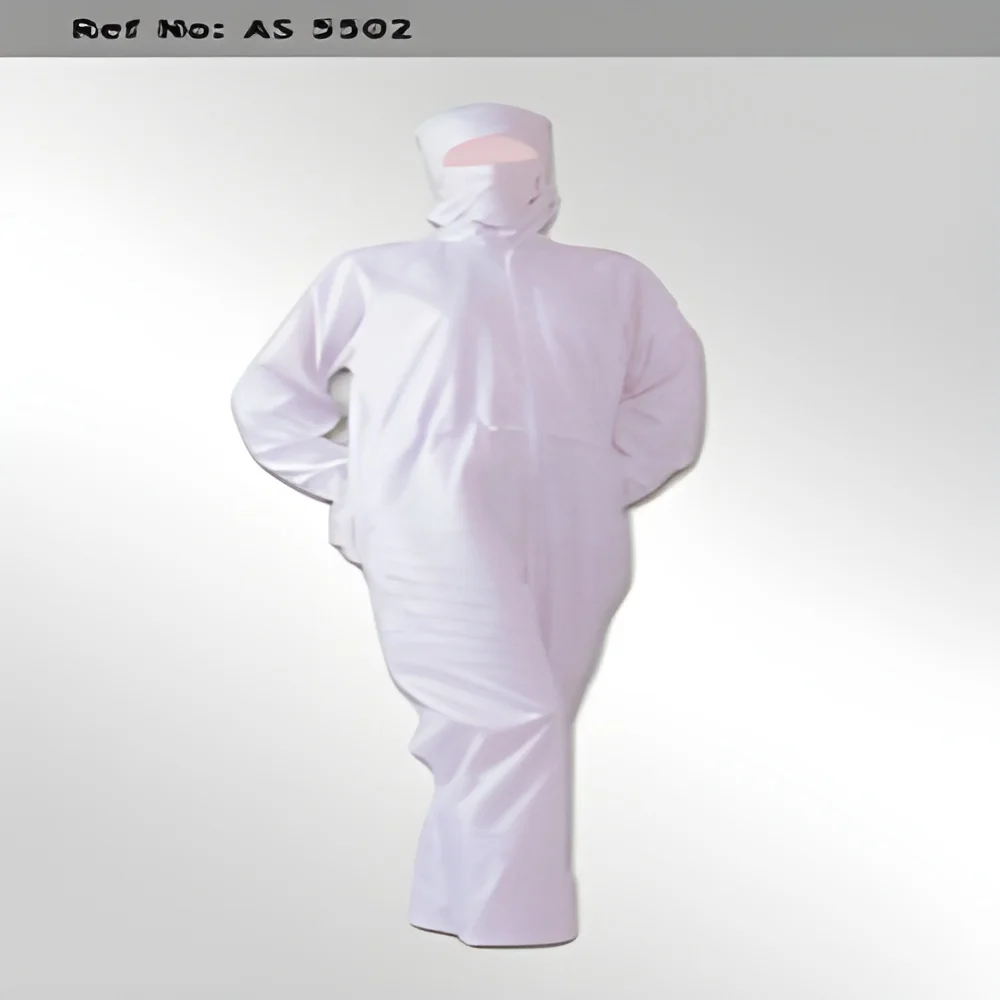
- Includes options like coveralls, jackets, and smocks.
- Allows for flexibility in choice based on specific industry needs.
In summary, the features and specifications of anti-static garments are critical for their effectiveness in preventing electrostatic discharge and ensuring the safety of personnel and equipment.
Common Applications and Use Cases
Anti-static garments are utilized across various industries where static control is essential.
1. Electronics Manufacturing: In this sector, anti-static garments protect sensitive components during assembly and testing, reducing the risk of damage from static discharge.
2. Cleanroom Environments: These garments are crucial in maintaining sterile conditions, preventing contamination from static electricity and particles.
3. Pharmaceutical Production: Anti-static garments help prevent static charges that could interfere with sensitive processes and product integrity.
4. Aerospace: The aerospace industry uses these garments to protect electronic systems in aircraft, ensuring safety and reliability.
5. Automotive: In automotive manufacturing, anti-static garments prevent damage to electronic components during production.
6. Telecommunications: These garments safeguard sensitive equipment during installation and maintenance operations.
7. Laboratory Settings: In labs where sensitive experiments are conducted, anti-static garments help maintain controlled environments.
Product Variants and Subcategories
The diversity of anti-static garments allows businesses to select the most suitable option for their needs.
Coveralls: These full-body garments provide comprehensive coverage and protection, making them ideal for environments where complete static control is necessary.
Jackets: Anti-static jackets offer a lighter option while still providing essential protection. They are often used in settings where mobility is important.
Smocks: Designed for ease of wear, smocks provide a comfortable fit and are suitable for less demanding environments while still ensuring static control.
Benefits and Advantages
Choosing anti-static garments offers several key benefits.
1. Enhanced Safety: These garments significantly reduce the risk of electrostatic discharge, protecting both employees and sensitive equipment.
2. Compliance Assurance: Using anti-static garments helps businesses comply with industry safety regulations, reducing liability risks.
3. Improved Comfort: Many anti-static garments are designed with breathability and comfort in mind, allowing for better wearability during long shifts.
4. Versatility: Available in various styles and sizes, these garments can be tailored to meet the specific needs of different industries.
5. Long-lasting Durability: High-quality anti-static garments are built to last, maintaining their protective qualities even after multiple washes.
6. Cost-Effective Solution: Investing in anti-static garments can help prevent costly equipment damage, making them a financially sound choice.
Buying Guide for B2B Buyers
When sourcing anti-static garments, several factors should be considered to ensure the best purchase decisions.
1. Quality Assessment: Evaluate the quality of materials used in the garments. Look for certifications and testing results that indicate compliance with safety standards.
2. Supplier Verification: Vet potential suppliers to ensure they have a solid reputation and track record in providing high-quality anti-static solutions.
3. Pricing and MOQ: Understand pricing structures and the minimum order quantities required. This can impact budget planning and inventory management.
4. Delivery and Lead Times: Inquire about delivery options and lead times to ensure timely availability of garments for your operations.
5. Compliance Requirements: Check for any specific compliance needs relevant to your industry to ensure the garments meet necessary regulations.
Compliance and Certifications
Anti-static garments must adhere to various quality standards and certifications to ensure safety and effectiveness in their applications.
One of the primary standards is CE certification, which indicates that the products meet European safety, health, and environmental protection requirements. This certification is crucial for manufacturers looking to market their products in Europe.
Additionally, compliance with ISO 9001 standards is often sought, as it ensures a consistent quality management system is in place. Industries may also look for adherence to other relevant safety and testing requirements based on their specific applications.
Regional compliance considerations may also come into play, depending on local regulations governing workplace safety and the handling of sensitive electronic components.
Why Source Anti-Static Garments from Pepagora?
Pepagora provides a trusted platform for sourcing anti-static garments, offering several key advantages for businesses.
Verified Supplier Network: Pepagora connects buyers with a network of verified suppliers, ensuring that all partners meet quality standards and deliver reliable products.
Streamlined RFQ Process: The platform offers a straightforward request for quotation (RFQ) process, allowing buyers to quickly obtain pricing and product information from multiple suppliers.
Trade Assurance and Support: Pepagora prioritizes buyer protection, offering trade assurance services that provide peace of mind during transactions.
Regional Coverage: With a strong presence in India, the GCC, and Southeast Asia, Pepagora facilitates easy access to anti-static garments across these regions, making it a convenient choice for businesses looking to source products efficiently.

 India

 India
Frequently Asked Questions
What are Anti-Static Garments?
Anti-Static Garments are specially designed clothing items that help prevent the accumulation of static electricity. These garments are typically made from fabrics that are treated with anti-static properties, making them essential in environments where static discharge can damage sensitive electronic components.
What are the different types of Anti-Static Garments?
The different types of Anti-Static Garments include anti-static coats, coveralls, gloves, and hoods. Each type is designed for specific applications, providing protection from static electricity in various industrial and cleanroom environments.
How do I choose the right Anti-Static Garments?
When choosing the right Anti-Static Garments, consider factors such as the specific application, the level of protection required, and the environment in which they will be used. It's also important to check the garment's electrostatic discharge (ESD) ratings and ensure proper sizing for comfort and functionality.
What are the standard specifications for Anti-Static Garments?
Standard specifications for Anti-Static Garments typically include ESD protection ratings, material composition, and compliance with relevant industry standards. Common materials include polyester and nylon blends, which are treated with anti-static agents to ensure effectiveness.
What is the price range for Anti-Static Garments?
The price range for Anti-Static Garments can vary significantly based on factors such as type, material, and brand. Generally, prices can range from INR 500 to over INR 3000 per garment, depending on the features and quality.
What quality standards apply to Anti-Static Garments?
Anti-Static Garments must comply with various quality standards, including ASTM and IEC standards for ESD protection. These standards ensure that the garments provide adequate protection against static discharge and are suitable for use in sensitive environments.
Where can I find Anti-Static Garments suppliers in India?
You can find Anti-Static Garments suppliers in India through online B2B marketplaces like Pepagora, industry trade shows, and local distributors. It's advisable to check supplier credentials and customer reviews to ensure reliability.
Can Anti-Static Garments be customized?
Yes, Anti-Static Garments can often be customized to meet specific requirements, such as size, design, and branding. Many manufacturers offer customization options to cater to the unique needs of their clients.
What is the typical minimum order quantity for Anti-Static Garments?
The typical minimum order quantity (MOQ) for Anti-Static Garments varies by supplier, but it usually ranges from 50 to 100 pieces. It's important to confirm the MOQ with the supplier before placing an order.
What is the typical lead time for Anti-Static Garments?
The typical lead time for Anti-Static Garments can range from 2 to 6 weeks, depending on the supplier's production capacity and the complexity of the order. Custom orders may require additional time for production and delivery.
Why Businesses Trust Pepagora
Thousands of companies trust Pepagora to source smarter and sell faster
Expand Your Sales Globally

Source Smarter,Grow Faster
