What are Aluminum Sheets & Plates?
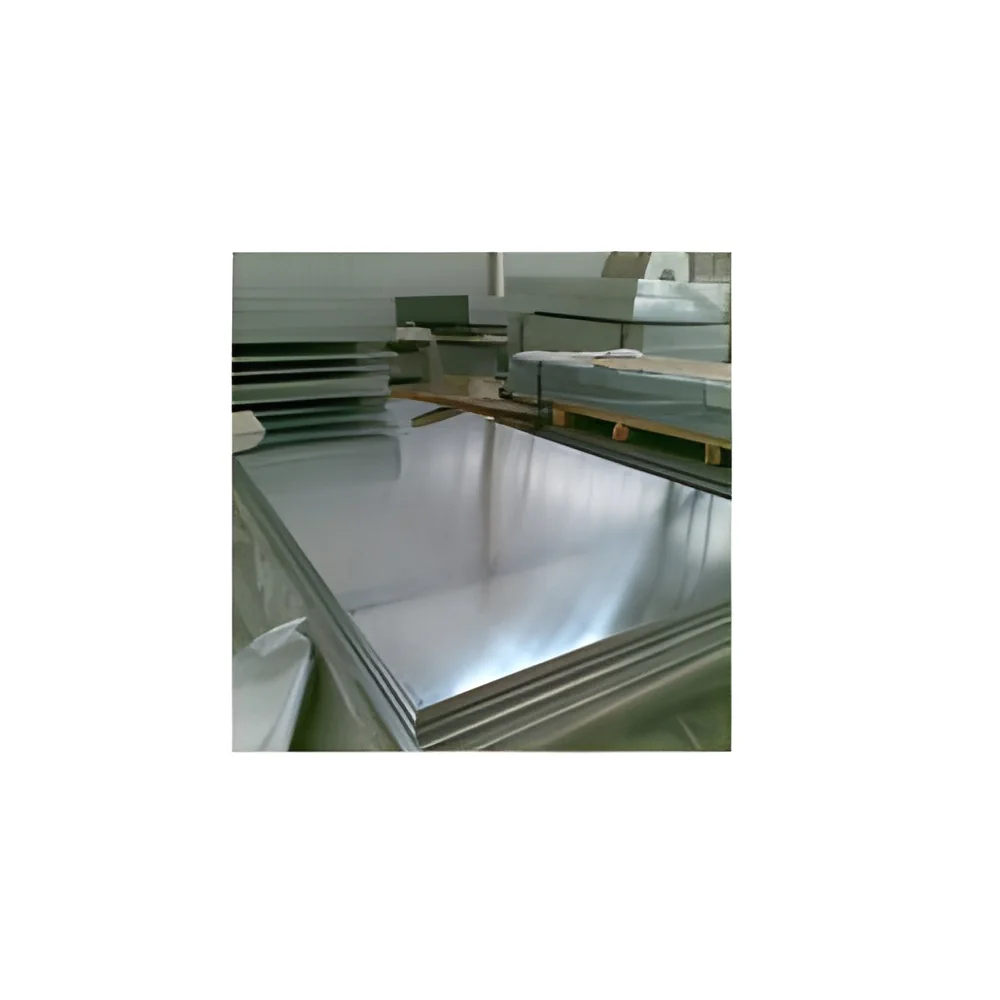
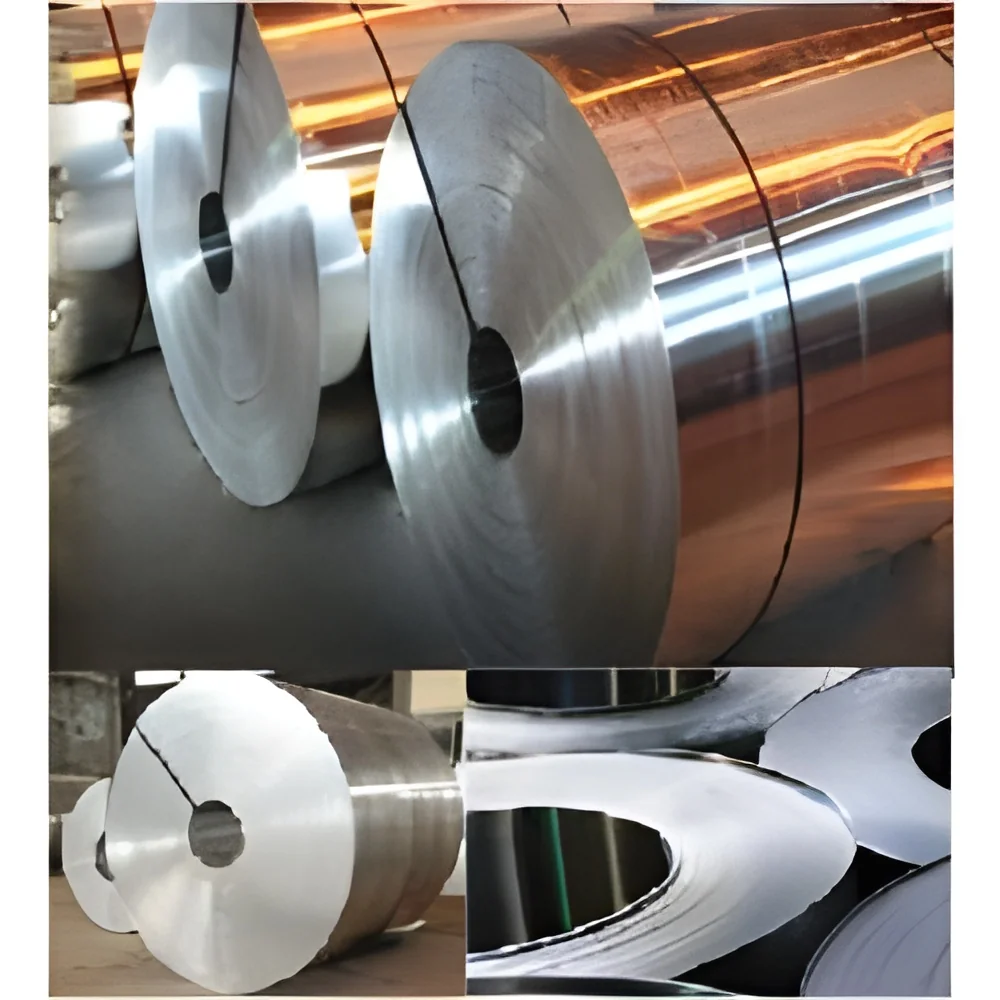
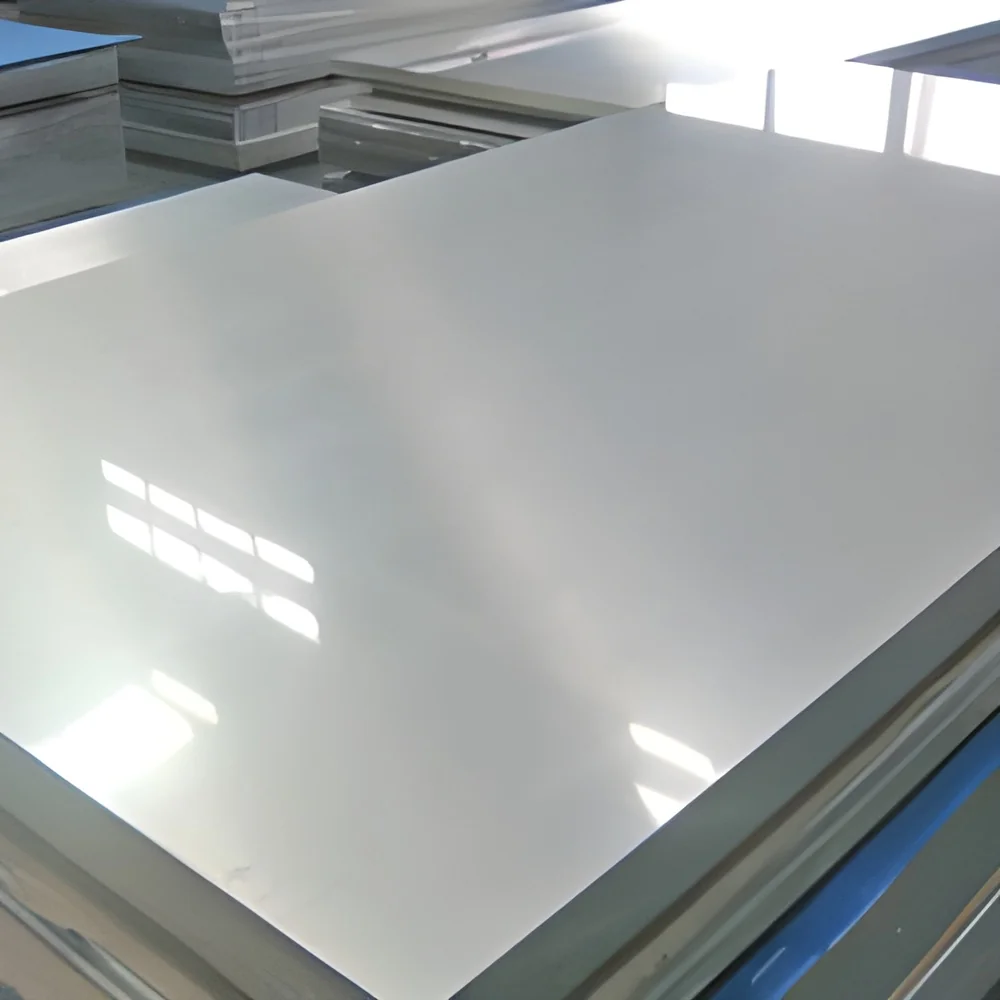
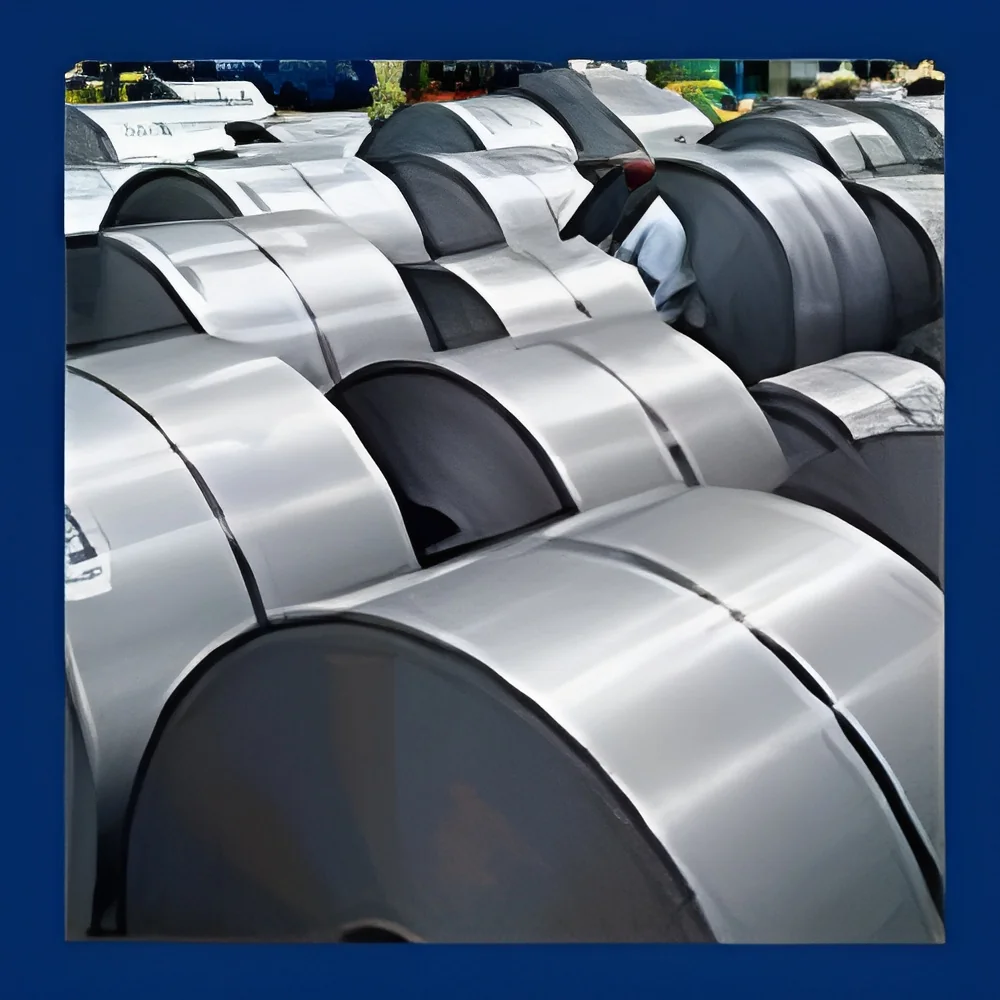
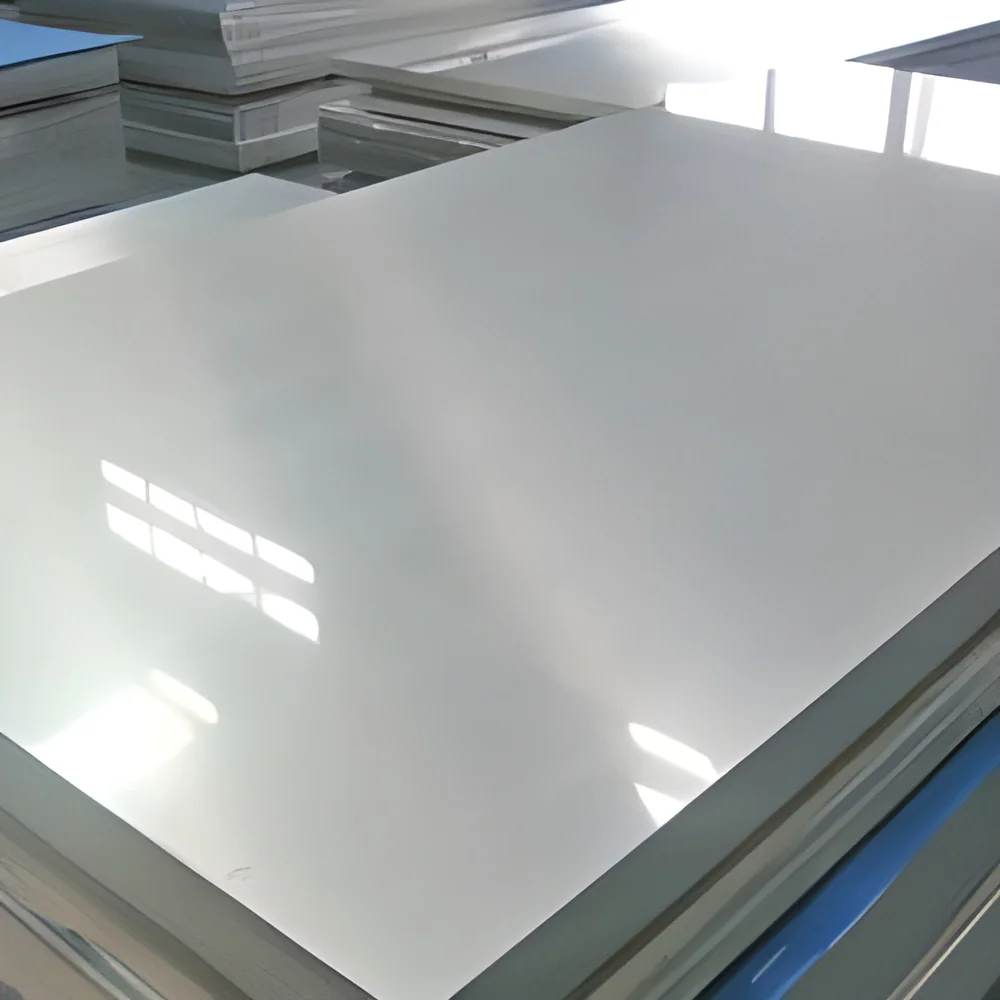
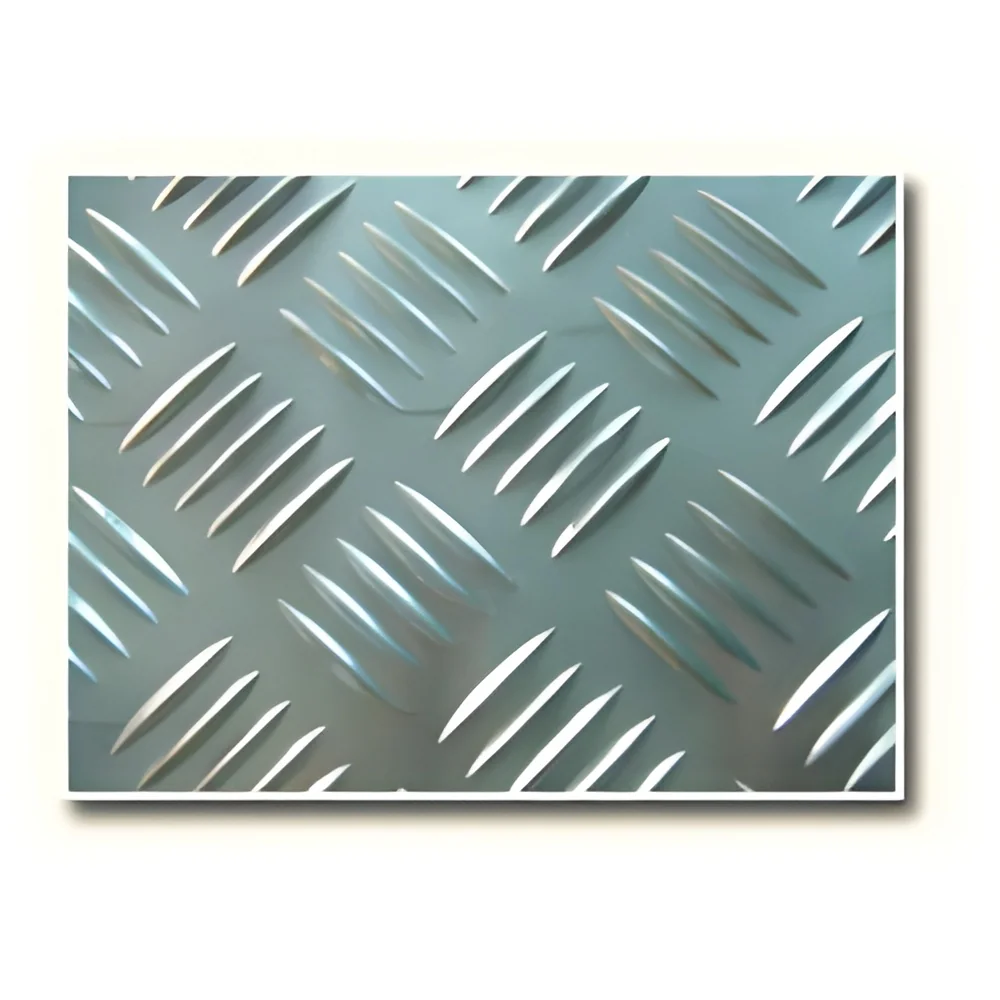
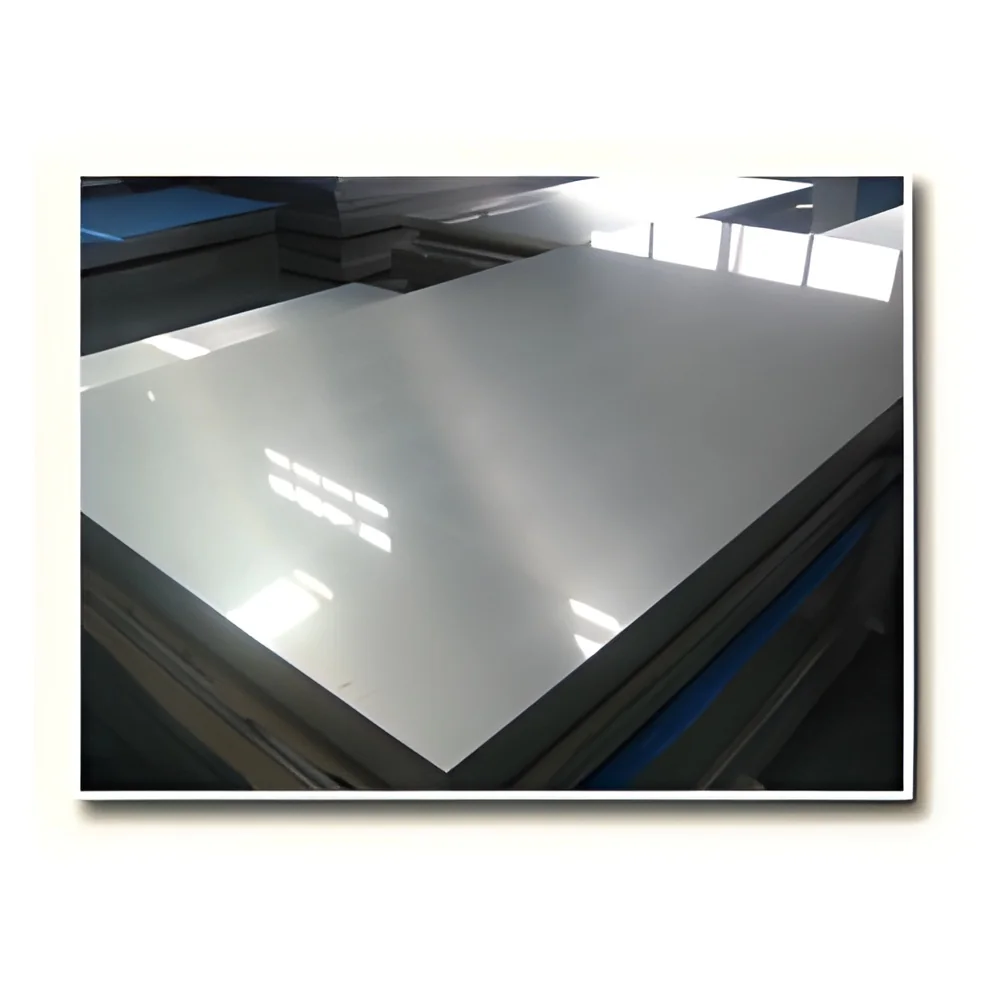
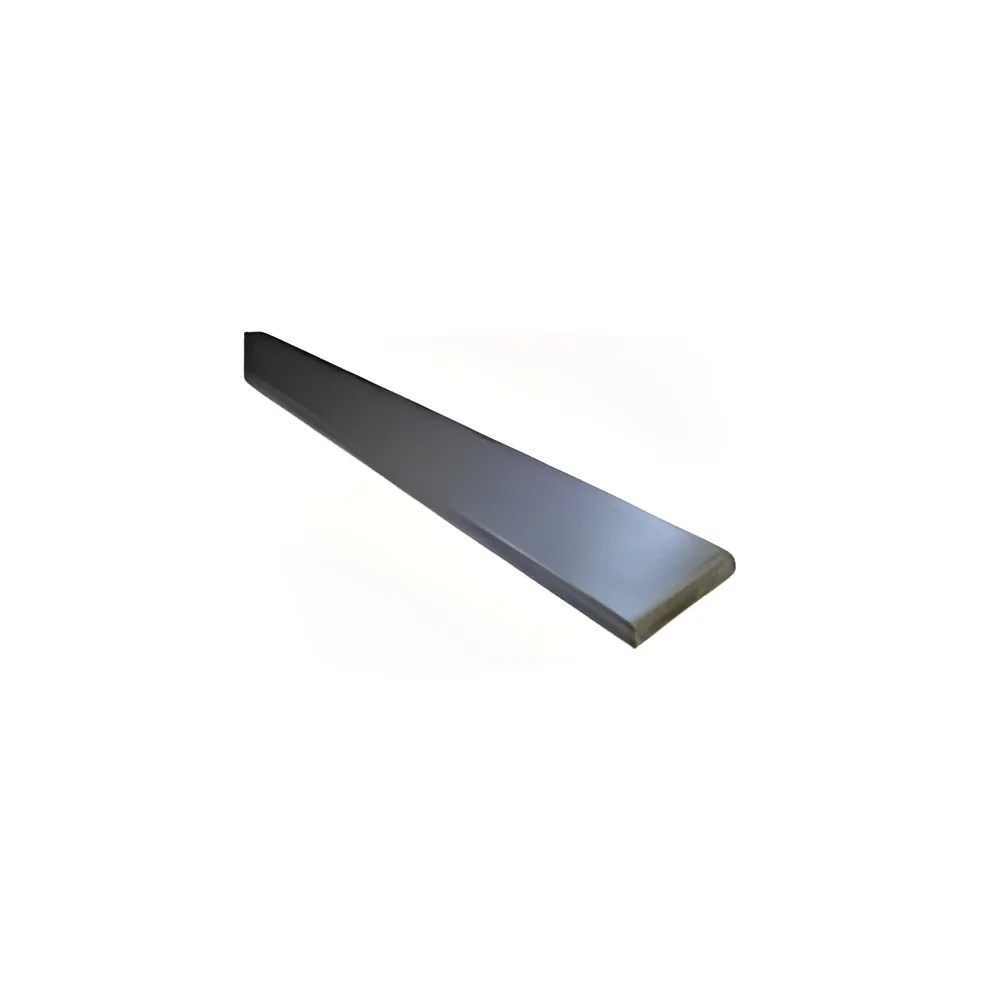
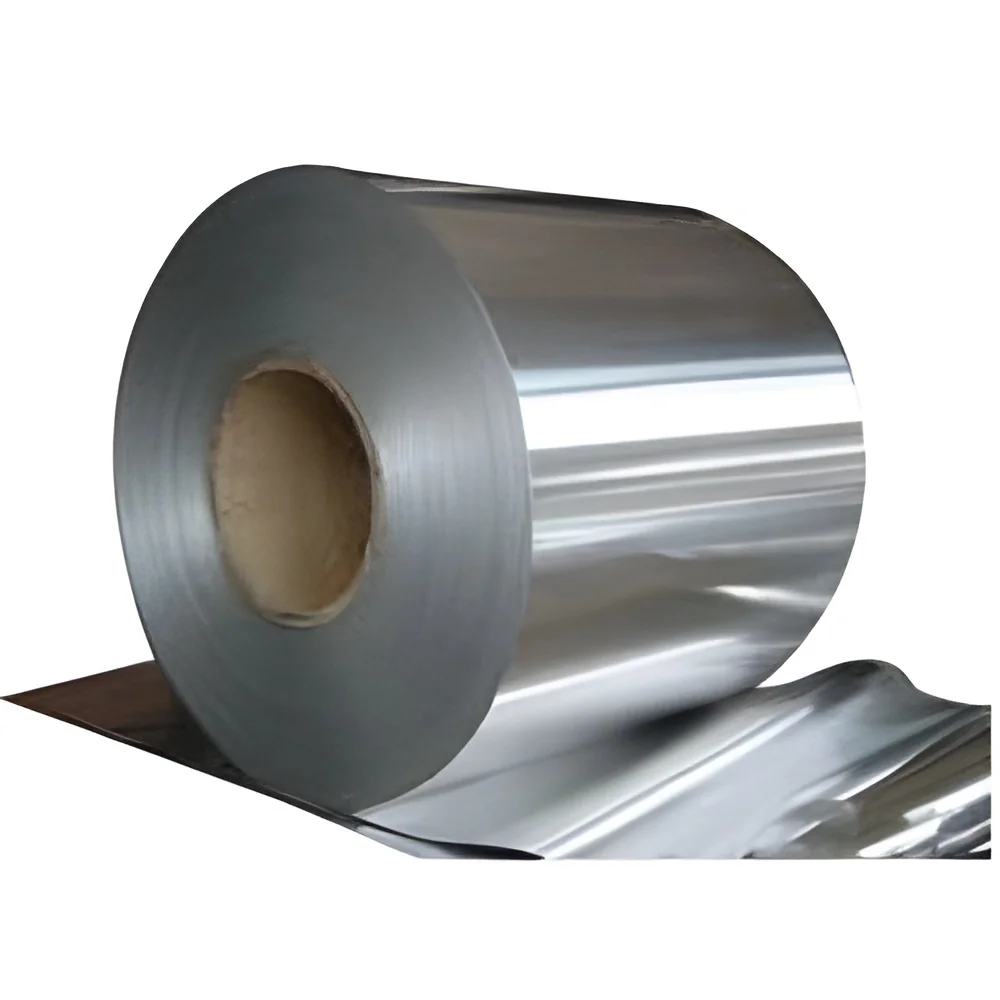
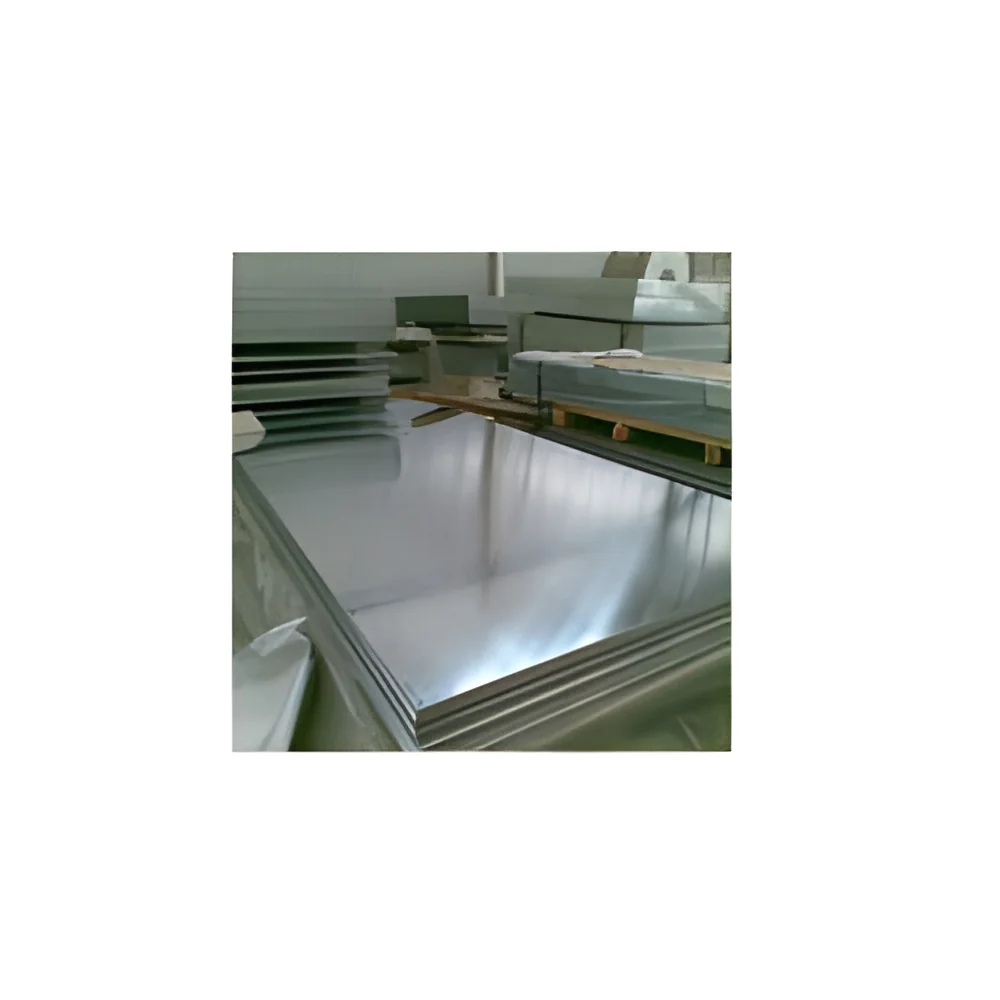
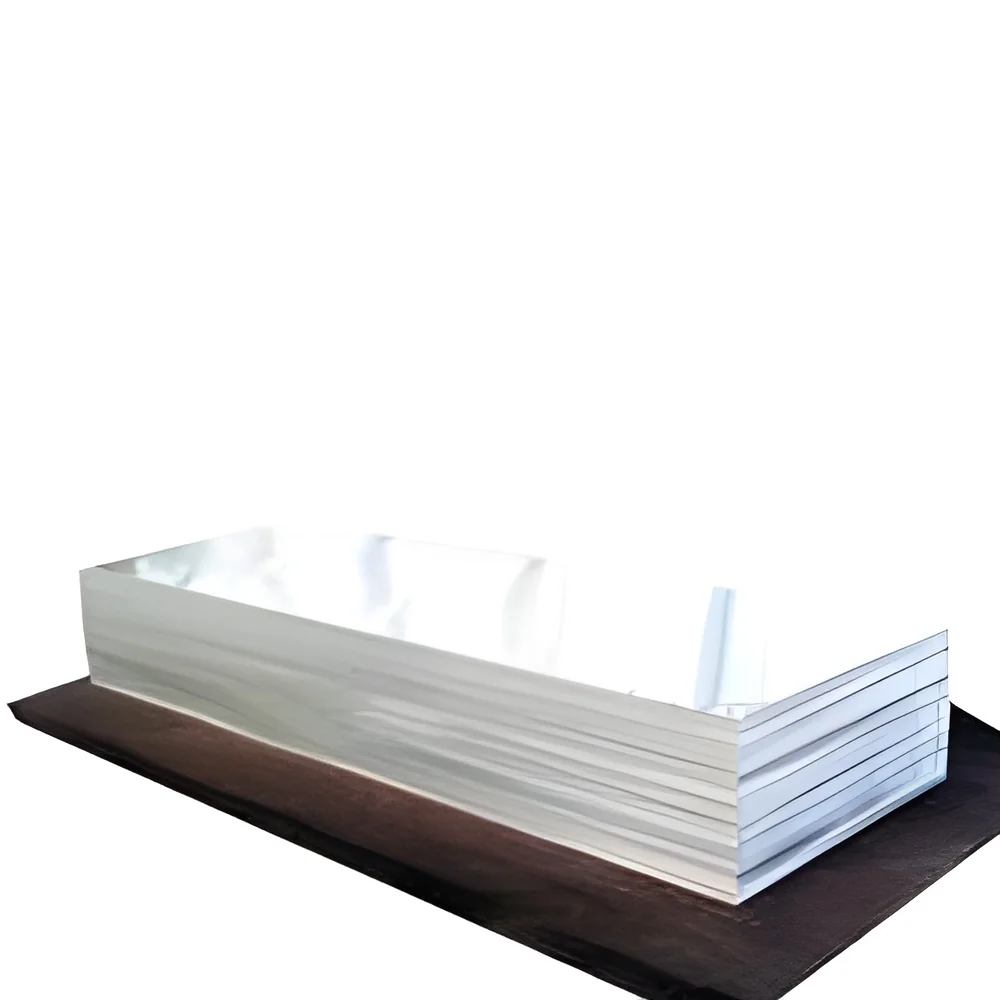
Aluminum sheets and plates are flat pieces of aluminum that are produced through the rolling process. These products vary in thickness, with sheets typically being thinner than plates. Aluminum sheets are usually less than 0.25 inches thick, while plates are thicker than 0.25 inches. Both products are known for their lightweight, high strength, and excellent corrosion resistance, making them popular choices in various industrial applications.
The primary uses of aluminum sheets and plates span multiple industries, including construction, automotive, aerospace, and manufacturing. They can be found in applications ranging from building facades and roofing to aircraft components and machine parts. Their versatility and durability make them an essential material for businesses looking to enhance structural integrity while minimizing weight.
In terms of market context, the demand for aluminum sheets and plates continues to grow due to the increasing need for lightweight materials that do not compromise strength. The construction and automotive sectors are particularly driving this demand, as companies seek to improve fuel efficiency and reduce overall material costs.
Key Features and Specifications
Aluminum sheets and plates come with a variety of features that enhance their usability in industrial applications. These key specifications ensure that buyers can select the right product for their needs.
Key specifications include:
1. Thickness
- Available in various thicknesses from 0.016 inches to several inches for plates.
- Choice depends on application requirements.
2. Alloy Composition
- Common alloys include 1050, 2024, 3003, and 6061, each offering different properties.
- Alloys determine characteristics such as strength, weldability, and corrosion resistance.
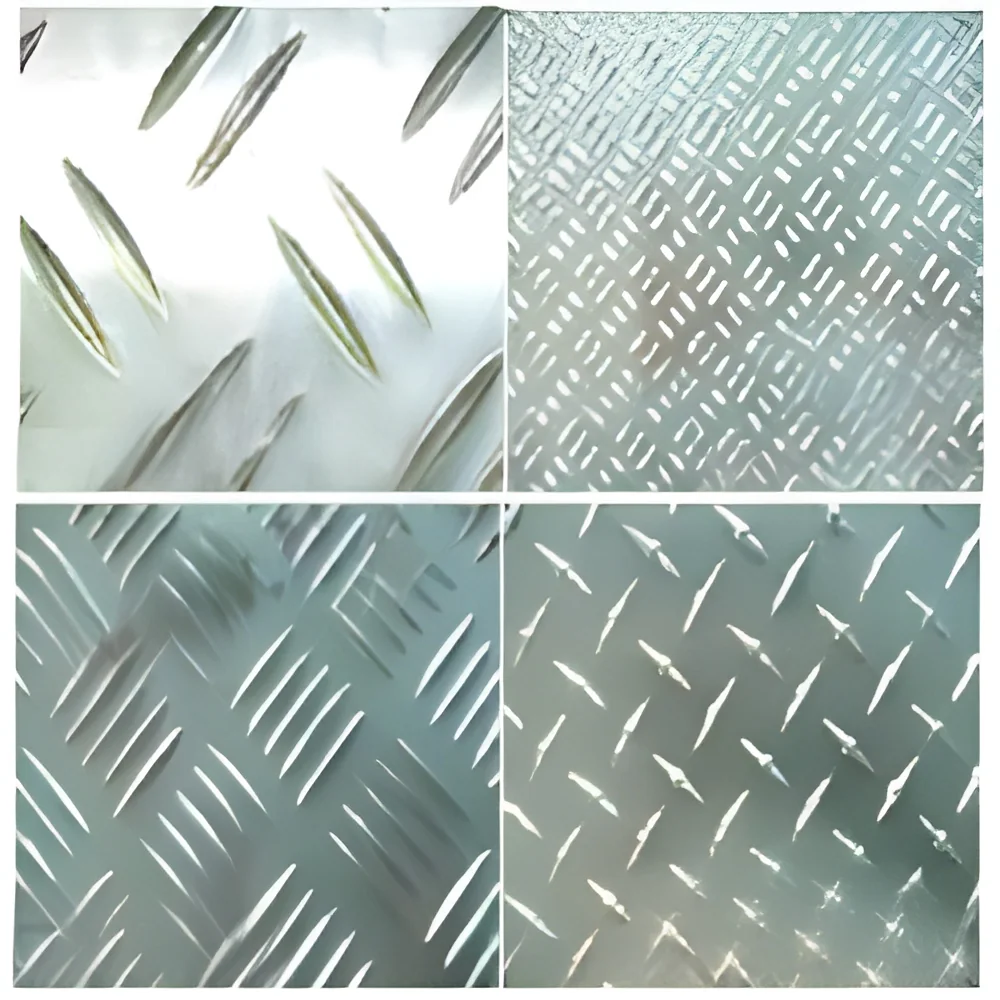
3. Surface Finish
- Options include mill finish, anodized, and painted.
- Surface finish impacts aesthetics and corrosion resistance.
4. Sheet Size
- Standard sizes often include 4x8 feet and custom sizes available.
- Size selection depends on project specifications.
5. Weight
- Lightweight nature allows for easy handling and installation.
- Weight varies based on thickness and dimensions.
6. Formability
- Excellent ductility allows for bending and shaping without cracking.
- Ideal for complex designs and applications.
7. Weldability
- Many alloys provide good weldability for fabrication.
- Important for structural applications.
8. Corrosion Resistance
- Natural oxide layer protects against corrosion in various environments.
- Suitable for outdoor and marine applications.
In summary, understanding these specifications helps businesses make informed decisions when selecting aluminum sheets and plates for their projects.
Common Applications and Use Cases
Aluminum sheets and plates are utilized across a wide range of industries due to their advantageous properties.
1. Construction: Aluminum is commonly used in building facades, roofing, and structural components, providing strength without excessive weight.
2. Automotive: These materials are essential in vehicle body panels, frames, and components, contributing to fuel efficiency and performance.
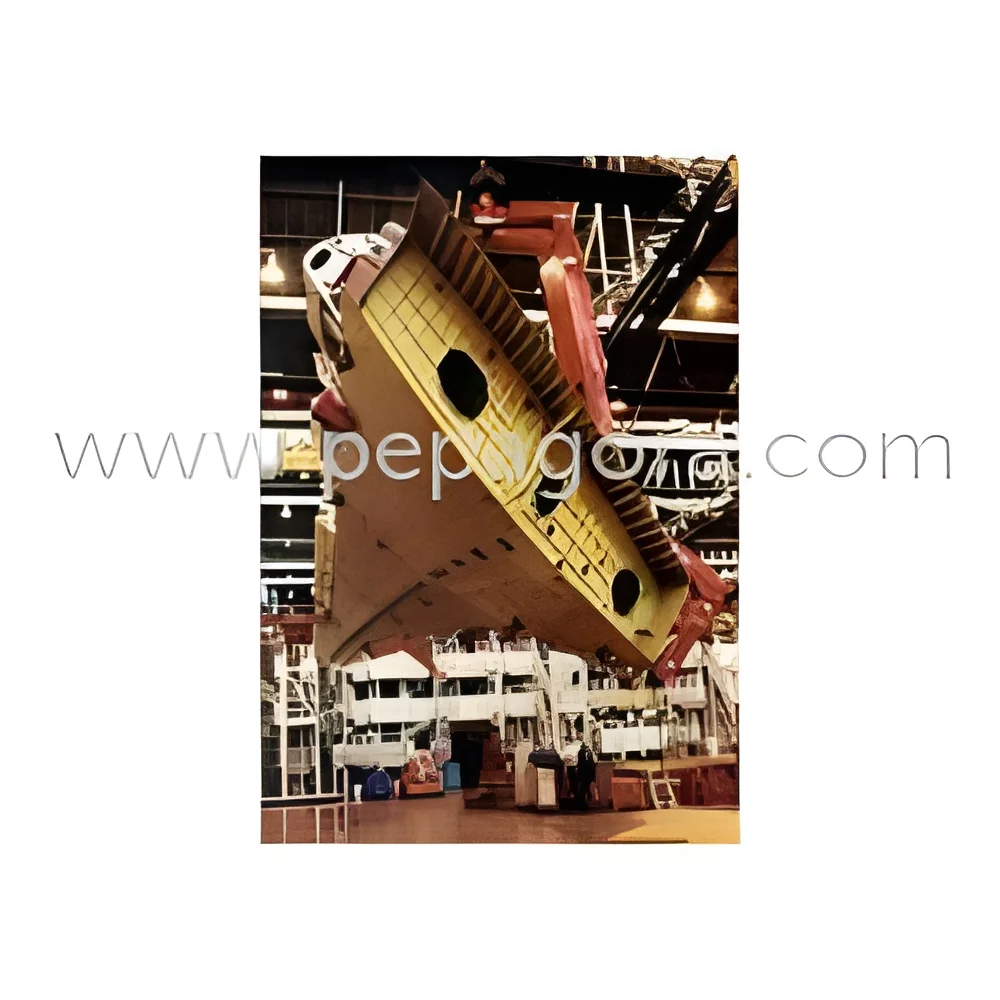
3. Aerospace: Aluminum sheets and plates are critical in aircraft manufacturing, where strength-to-weight ratio is paramount for safety and efficiency.
4. Manufacturing: Used in machinery parts and equipment, aluminum sheets enhance durability and reduce maintenance costs.
5. Marine: The corrosion resistance of aluminum makes it ideal for boats and marine structures, ensuring longevity in harsh environments.
6. Electrical: Aluminum sheets serve as enclosures and components in electrical applications, providing both conductivity and lightweight characteristics.
7. HVAC: In heating, ventilation, and air conditioning systems, aluminum is used for ductwork and other components due to its thermal properties.
Product Variants and Subcategories
Aluminum sheets and plates are available in several variants, each tailored to specific needs and applications.
Standard Aluminum Sheets
These sheets are widely used in various industries for applications such as signage, packaging, and general manufacturing. They offer a balance of strength and lightweight characteristics.
Marine Grade Aluminum Plates
Designed for use in marine environments, these plates provide enhanced corrosion resistance and strength, making them suitable for boat building and offshore structures.
Anodized Aluminum Sheets
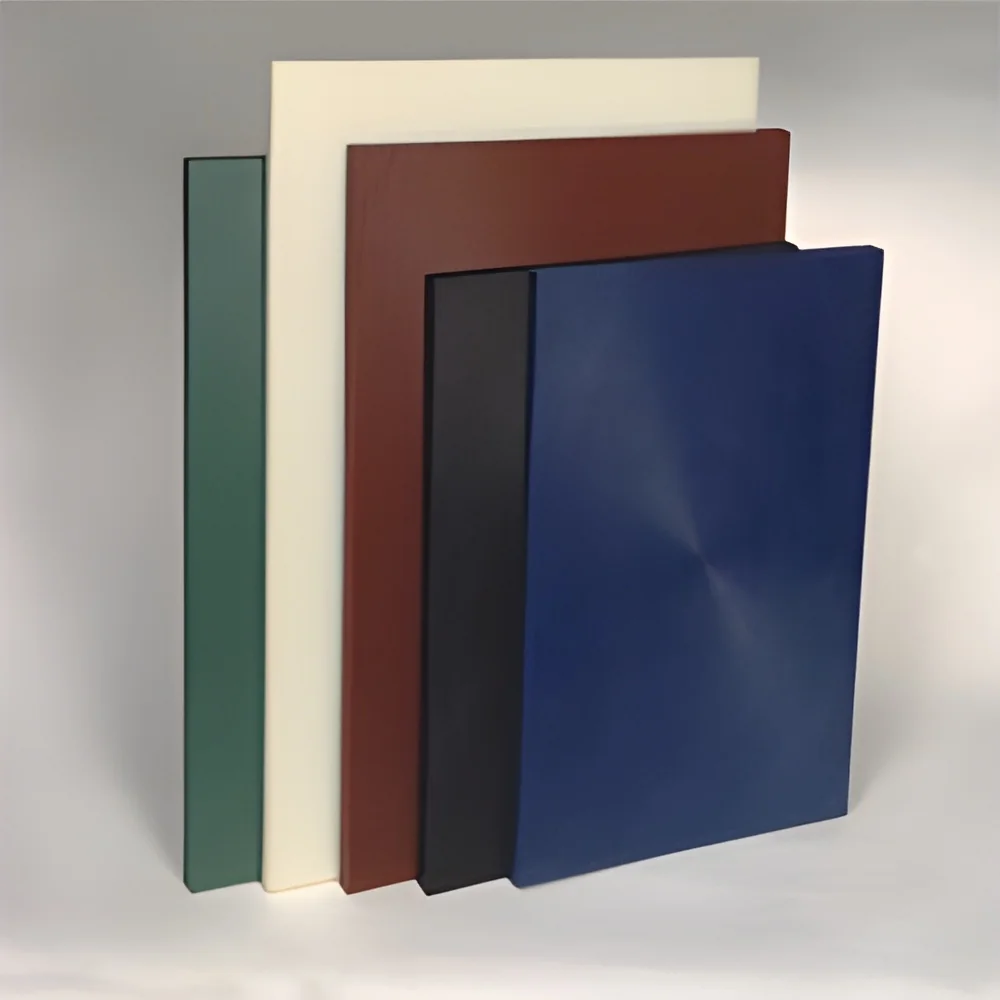
These sheets undergo an anodizing process to improve corrosion resistance and surface hardness. They are often used in architectural applications and decorative elements.
Aluminum Tooling Plates
These plates are specifically designed for precision machining and fabrication. They offer stable dimensions and high strength for tooling applications.
Benefits and Advantages
Choosing aluminum sheets and plates offers numerous advantages for businesses across industries.
1. Lightweight: Aluminum is significantly lighter than steel, making it easier to handle and transport.
2. High Strength: Despite their lightweight nature, aluminum sheets and plates possess excellent strength, suitable for demanding applications.
3. Corrosion Resistance: Aluminum naturally forms a protective oxide layer, ensuring longevity in various environments.
4. Versatile: Available in multiple alloys, thicknesses, and finishes, aluminum sheets and plates can be customized for specific applications.
5. Cost-Effective: Their durability reduces the need for frequent replacements, leading to lower long-term costs.
6. Easy to Fabricate: Aluminum can be easily cut, welded, and shaped, allowing for flexibility in design and manufacturing processes.
Buying Guide for B2B Buyers
When sourcing aluminum sheets and plates, it is essential for buyers to consider several important factors to ensure they make informed decisions.
1. Quality Assessment: Evaluate the quality of aluminum sheets and plates through standards such as ASTM and industry certifications. Ensure that the products meet the necessary performance criteria for your application.
2. Supplier Verification: Vet suppliers to confirm their reliability and quality assurance processes. Look for established manufacturers with positive reviews and a track record of delivering high-quality products.
3. Pricing and MOQ: Understand the pricing structure and any minimum order quantities (MOQ) that may apply. Compare prices across different suppliers to ensure you are getting a competitive rate.
4. Delivery and Lead Times: Discuss delivery options and lead times with suppliers to ensure timely access to materials. Consider logistics and transportation costs as part of your overall budgeting.
5. Compliance Requirements: Be aware of any regulatory compliance requirements relevant to your industry. Ensure that the aluminum sheets and plates meet local and international standards.
Compliance and Certifications
Aluminum sheets and plates must adhere to various quality standards and regulations to ensure their suitability for industrial applications. Key standards include ISO 9001, which outlines quality management systems, and CE certification, which indicates compliance with European safety and environmental standards.
Manufacturers may also need to meet safety and testing requirements specific to their regions. It is critical to ensure that products comply with local regulations, which may dictate material properties and performance criteria.
Additionally, businesses should consider regional compliance, especially when sourcing materials across borders. Understanding the relevant certifications and standards can help buyers mitigate risks and ensure product reliability.
Why Source Aluminum Sheets & Plates from Pepagora?
Pepagora offers a trusted platform for sourcing aluminum sheets and plates, providing several key advantages to B2B buyers.
Verified Supplier Network: Pepagora connects buyers with a network of verified suppliers, ensuring that all products meet high-quality standards. This network is essential for businesses seeking reliable and consistent materials.
Streamlined RFQ Process: The request for quotation (RFQ) process on Pepagora is designed to be user-friendly, allowing buyers to quickly receive quotes from multiple suppliers. This efficiency saves time and facilitates better purchasing decisions.
Trade Assurance and Support: Pepagora provides trade assurance to protect buyers throughout the sourcing process. This includes support for dispute resolution and ensuring that transactions are secure and reliable.
Regional Coverage: With a broad geographic reach, including India, the GCC, and Southeast Asia, Pepagora enables businesses to source aluminum sheets and plates from various regions, expanding their options and enhancing supply chain flexibility.

 IN
IN


 India
India