
 IN
Aftermarket Auto Parts
5 products available
What are Aftermarket Auto Parts?
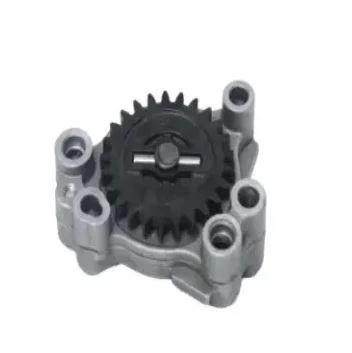
Aftermarket auto parts are components that are manufactured for vehicles but are not sourced from the original equipment manufacturer (OEM). These parts are designed to replace or enhance existing components in a vehicle, offering an alternative to OEM parts. Aftermarket parts can include a wide range of products, such as brakes, filters, and body panels, which are essential for vehicle maintenance and repair.
The primary uses of aftermarket auto parts extend across various automotive services, including repair shops, dealerships, and individual consumers. Businesses often choose aftermarket parts for their affordability and availability, as these parts can provide a cost-effective solution without sacrificing quality. Additionally, aftermarket parts can offer enhancements, such as improved performance or aesthetic upgrades, which appeal to a broad customer base.
The aftermarket auto parts industry is a significant segment of the automotive market, contributing to a multi-billion dollar global economy. As vehicle ownership continues to rise, the demand for aftermarket parts is expected to grow. This expansion is driven by an increasing emphasis on vehicle maintenance and customization, as well as the ongoing development of new technologies within the automotive sector.
Key Features and Specifications
Aftermarket auto parts come with various features and specifications that cater to the diverse needs of vehicle owners and service providers. Understanding these specifications is essential for selecting the right part for a specific application.
Key specifications include:
1. Material Quality
- High-grade materials are used to ensure durability and longevity.
- Common materials include steel, aluminum, and composite materials.
2. Compatibility
- Parts are designed to fit a wide range of vehicle makes and models.
- Compatibility information is often provided by the manufacturer.
3. Performance Ratings
- Many aftermarket parts are evaluated based on performance metrics.
- Ratings can include factors like braking efficiency and weight tolerance.
4. Warranty Coverage
- Aftermarket parts typically come with a warranty, covering defects and performance issues.
- Warranty periods can vary significantly among manufacturers.
5. Certification Standards
- Parts are often required to meet specific safety and quality standards.
- Certifications such as CE may be applicable.
6. Pricing
- Aftermarket parts are generally more affordable than OEM parts.
- Price variations may depend on brand reputation and part complexity.
7. Availability
- Aftermarket parts are widely available through various channels, including online platforms and local retailers.
- Quick access to parts is crucial for minimizing vehicle downtime.
8. Customization Options
- Many aftermarket parts can be customized according to the preferences of the vehicle owner.
- Customization can enhance both functionality and appearance.
In summary, understanding the key features and specifications of aftermarket auto parts can greatly enhance purchasing decisions, ensuring that buyers select the most suitable products for their needs.
Common Applications and Use Cases
Aftermarket auto parts serve a wide array of industries, each with unique applications.
1. Automotive Repair Shops: These establishments frequently utilize aftermarket parts for vehicle repairs and maintenance, opting for cost-effective solutions that maintain quality.
2. Fleet Management: Companies managing vehicle fleets often rely on aftermarket parts to keep maintenance costs manageable while ensuring vehicle reliability.
3. Automotive Retail: Retailers sell aftermarket parts directly to consumers, offering products that enhance vehicle performance or aesthetics.
4. Racing and Performance: In motorsports, aftermarket parts are commonly used to improve vehicle performance, such as high-performance brakes, exhaust systems, and suspension upgrades.
5. DIY Enthusiasts: Individual car owners often purchase aftermarket parts to perform their own repairs or upgrades, benefiting from the variety of options available.
6. Customization and Modification Shops: Businesses specializing in vehicle modifications frequently use aftermarket parts to create unique builds tailored to customer specifications.
7. Restoration Projects: Aftermarket parts are essential for restoring classic vehicles, providing necessary components that may no longer be available through OEM channels.
Product Variants and Subcategories
Aftermarket auto parts encompass a wide range of products, offering a variety of options for different needs.
Replacement Parts
These parts are designed to directly replace original components that have worn out or failed. They include items like brake pads, filters, and headlights, ensuring that vehicles remain functional and safe.
Performance Parts
Performance aftermarket parts are engineered to enhance a vehicle's capabilities. This category includes performance exhaust systems, upgraded suspension components, and high-performance engine parts.
Cosmetic Parts
Cosmetic aftermarket parts focus on improving the appearance of a vehicle. These can include body kits, custom grilles, and aftermarket lighting.
Accessories
Automotive accessories enhance the functionality or comfort of a vehicle. Examples include floor mats, seat covers, and roof racks, which can add convenience and personalization.
Benefits and Advantages
Sourcing aftermarket auto parts offers numerous benefits to consumers and businesses alike.
1. Cost-Effectiveness: Aftermarket parts are often more affordable compared to OEM parts, making them a budget-friendly option for repairs and upgrades.
2. Wide Availability: These parts are readily available through various suppliers, ensuring quick access for repairs and maintenance.
3. Variety of Choices: The aftermarket sector offers an extensive selection of parts, allowing customers to choose products that best meet their specific needs and preferences.
4. Enhanced Performance Options: Many aftermarket parts are designed to improve vehicle performance, catering to enthusiasts looking for upgrades.
5. Customization Opportunities: Aftermarket parts provide a range of customization options, enabling vehicle owners to personalize their vehicles according to their tastes.
6. Warranty Protection: Many aftermarket parts come with warranties that protect consumers from defects and performance issues, offering peace of mind.
Buying Guide for B2B Buyers
When sourcing aftermarket auto parts, B2B buyers should consider several crucial factors to ensure they make informed purchasing decisions.
1. Quality Assessment: Buyers should evaluate the quality of parts by reviewing materials, performance ratings, and manufacturer reputations to ensure they meet industry standards.
2. Supplier Verification: It is essential to vet suppliers to confirm their reliability and ensure they provide quality parts. Checking reviews and ratings can help in this process.
3. Pricing and MOQ: Understanding pricing structures and minimum order quantities (MOQ) is important for budgeting and ensuring that purchasing agreements align with business needs.
4. Delivery and Lead Times: Buyers should inquire about delivery options and lead times to ensure timely access to parts, which is critical for maintaining service efficiency.
5. Compliance Requirements: Ensuring that aftermarket parts meet regulatory and compliance standards is essential, especially in regions with strict automotive regulations.
Compliance and Certifications
Aftermarket auto parts must adhere to various compliance and certification standards to ensure safety, performance, and quality. Relevant quality standards include ISO 9001, which outlines requirements for quality management systems, ensuring that manufacturers maintain high production quality.
Additionally, industry certifications such as CE are vital for ensuring that products meet European safety standards. These certifications provide assurance to buyers that the parts comply with necessary regulations.
Beyond quality and safety standards, manufacturers may also be subject to testing requirements that evaluate the performance and durability of their products. Compliance with regional regulations is equally important, as different areas may have specific laws governing automotive parts, necessitating that suppliers stay informed about local requirements.
Why Source Aftermarket Auto Parts from Pepagora?
Pepagora offers a trusted platform for sourcing aftermarket auto parts, providing several key advantages for B2B buyers.
Verified Supplier Network: Pepagora ensures that all suppliers within its network are thoroughly vetted, providing buyers with confidence in the quality and reliability of the parts they purchase.
Streamlined RFQ Process: The platform's user-friendly request-for-quotation (RFQ) system simplifies the process of obtaining quotes from multiple suppliers, allowing buyers to compare options efficiently.
Trade Assurance and Support: Pepagora prioritizes buyer protection through trade assurance policies, ensuring that transactions are secure and that buyers receive the support they need throughout the purchasing process.
Regional Coverage: With a geographic reach that extends across India, the GCC, and Southeast Asia, Pepagora connects buyers with a diverse array of suppliers, facilitating access to aftermarket auto parts across different markets.

 India
 India
 India
 India
Frequently Asked Questions
What are Aftermarket Auto Parts?
Aftermarket auto parts are components that are made by manufacturers other than the original equipment manufacturer (OEM). These parts are designed to replace, enhance, or improve upon the original parts of a vehicle.
What are the different types of Aftermarket Auto Parts?
The different types of aftermarket auto parts include performance parts, replacement parts, and accessories. Performance parts are designed to enhance the vehicle's capabilities, while replacement parts serve as direct substitutes for OEM parts. Accessories are additional items that improve the vehicle's aesthetics or functionality.
How do I choose the right Aftermarket Auto Parts?
To choose the right aftermarket auto parts, consider the vehicle's specifications, the part's compatibility, and the intended use. Researching reputable suppliers and reading customer reviews can also help ensure you select quality parts that meet your needs.
What are the standard specifications for Aftermarket Auto Parts?
Standard specifications for aftermarket auto parts vary by component but generally include dimensions, material quality, performance ratings, and compatibility with specific vehicle models. It's essential to verify these specifications to ensure proper fit and function.
What is the price range for Aftermarket Auto Parts?
The price range for aftermarket auto parts can vary widely based on the type of part, brand, and quality. Generally, prices can range from a few hundred to several thousand Indian Rupees, depending on the complexity and performance level of the part.
What quality standards apply to Aftermarket Auto Parts?
Aftermarket auto parts are subject to various quality standards, including ISO certification and compliance with safety regulations. It's advisable to choose parts that adhere to these standards to ensure reliability and performance.
Where can I find Aftermarket Auto Parts suppliers in India?
You can find aftermarket auto parts suppliers in India through B2B marketplaces, automotive trade shows, and industry directories. Websites like Pepagora.com provide a platform to connect with various manufacturers and suppliers in the automotive sector.
Can Aftermarket Auto Parts be customized?
Yes, many aftermarket auto parts can be customized to meet specific requirements or preferences. Customization options may include alterations in size, design, or performance features, depending on the manufacturer's capabilities.
What is the typical minimum order quantity for Aftermarket Auto Parts?
The typical minimum order quantity (MOQ) for aftermarket auto parts can vary by supplier and part type. Generally, MOQs can range from a single unit for standard parts to larger quantities for specialized components.
What is the typical lead time for Aftermarket Auto Parts?
The typical lead time for aftermarket auto parts can range from a few days to several weeks, depending on the supplier, part availability, and customization requirements. It's advisable to confirm lead times with the supplier during the ordering process.
Why Businesses Trust Pepagora
Thousands of companies trust Pepagora to source smarter and sell faster
Expand Your Sales Globally

Source Smarter,Grow Faster
