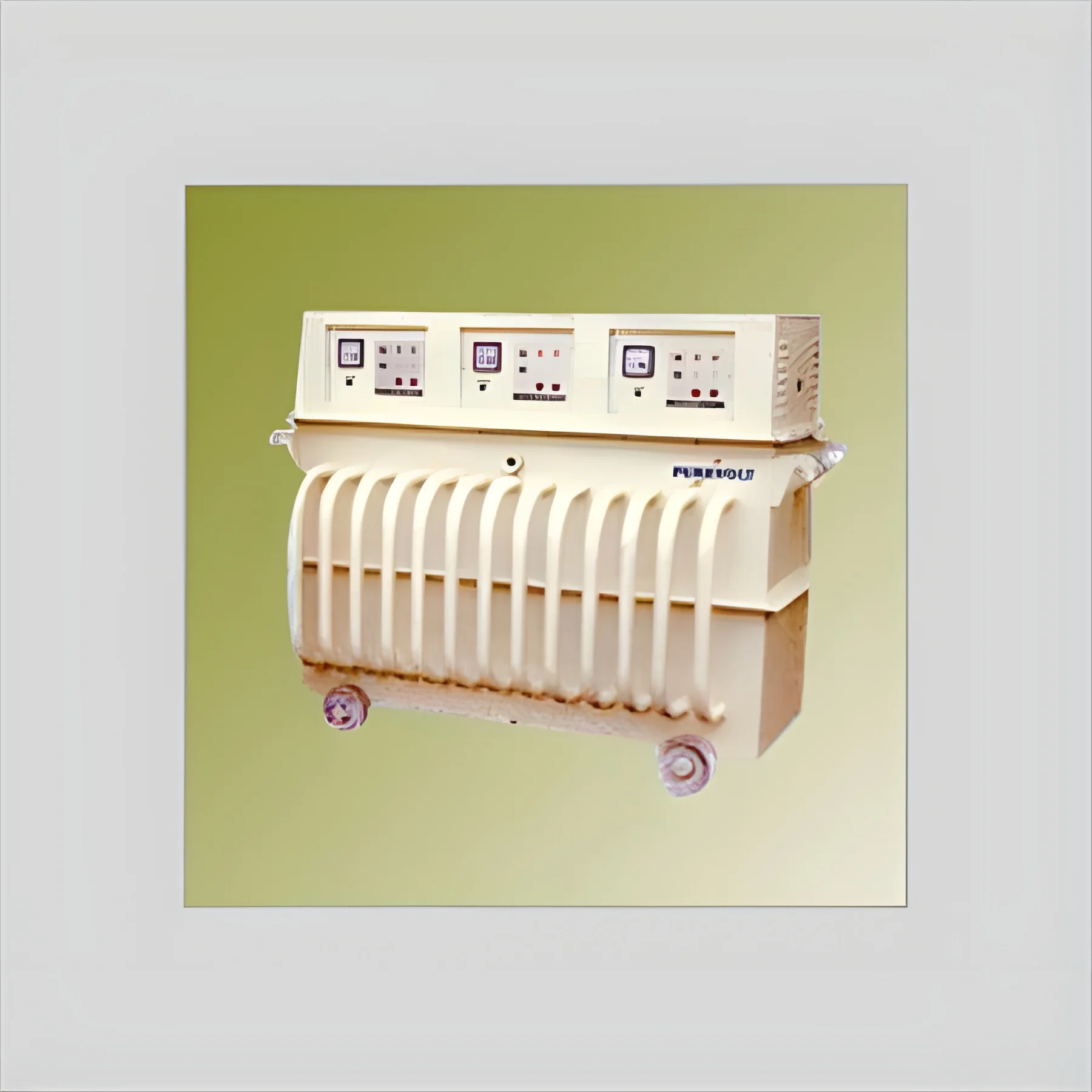
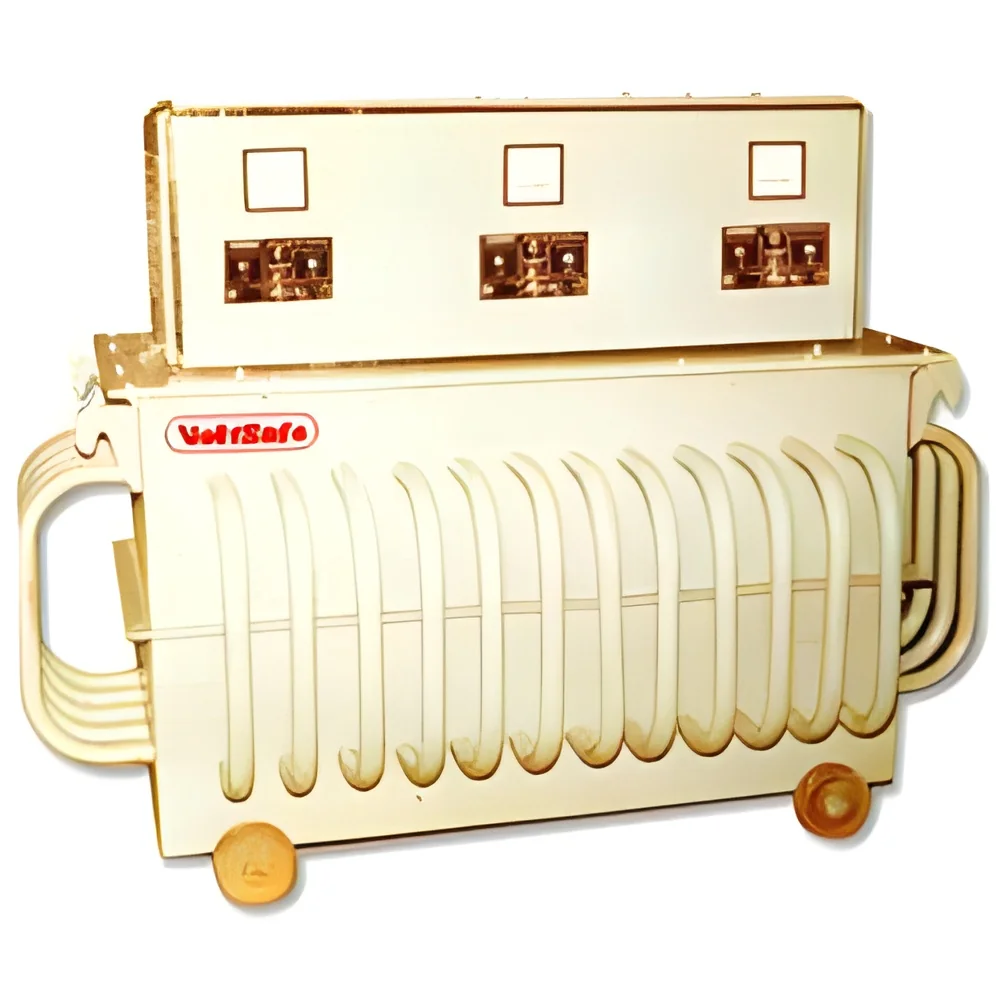
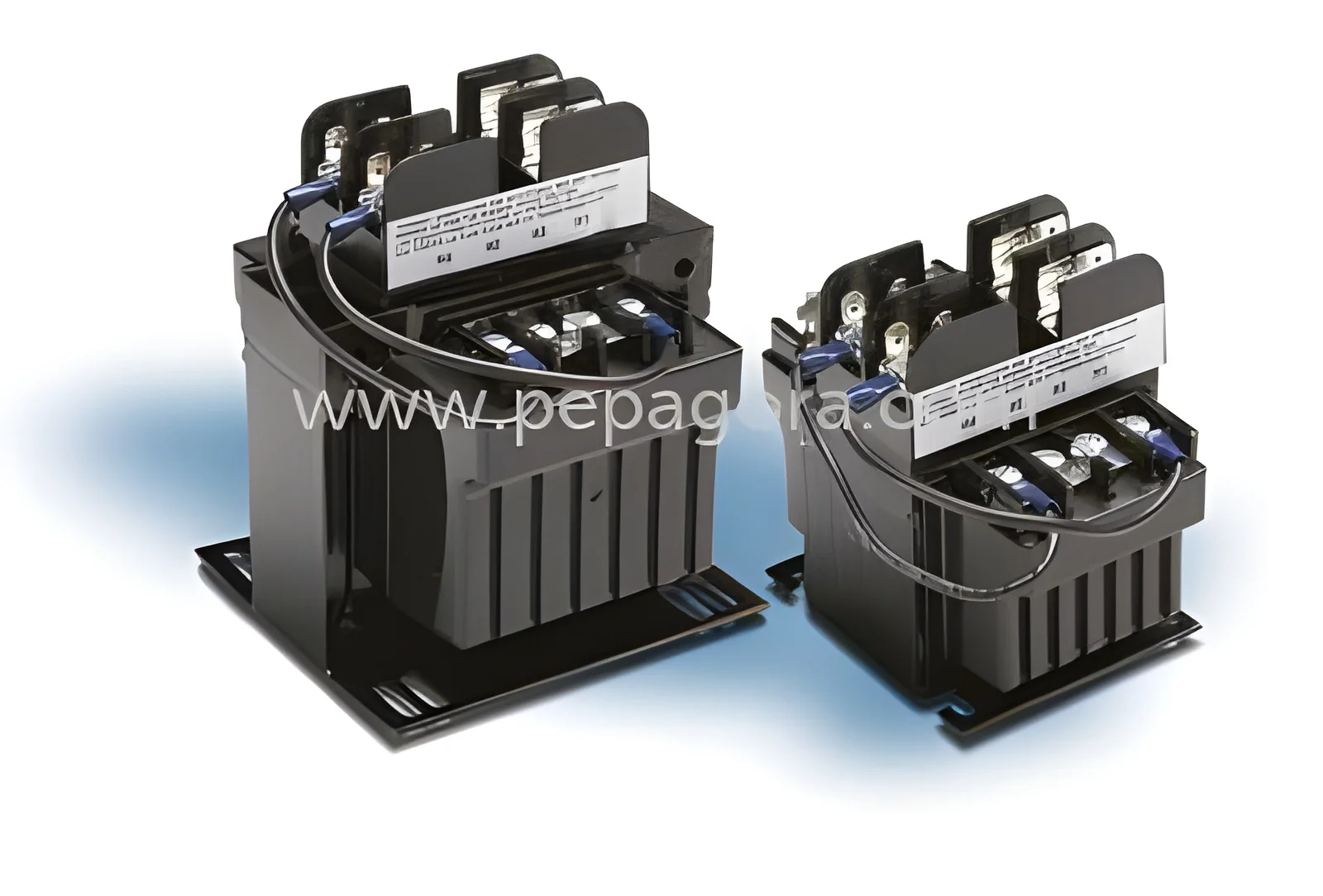
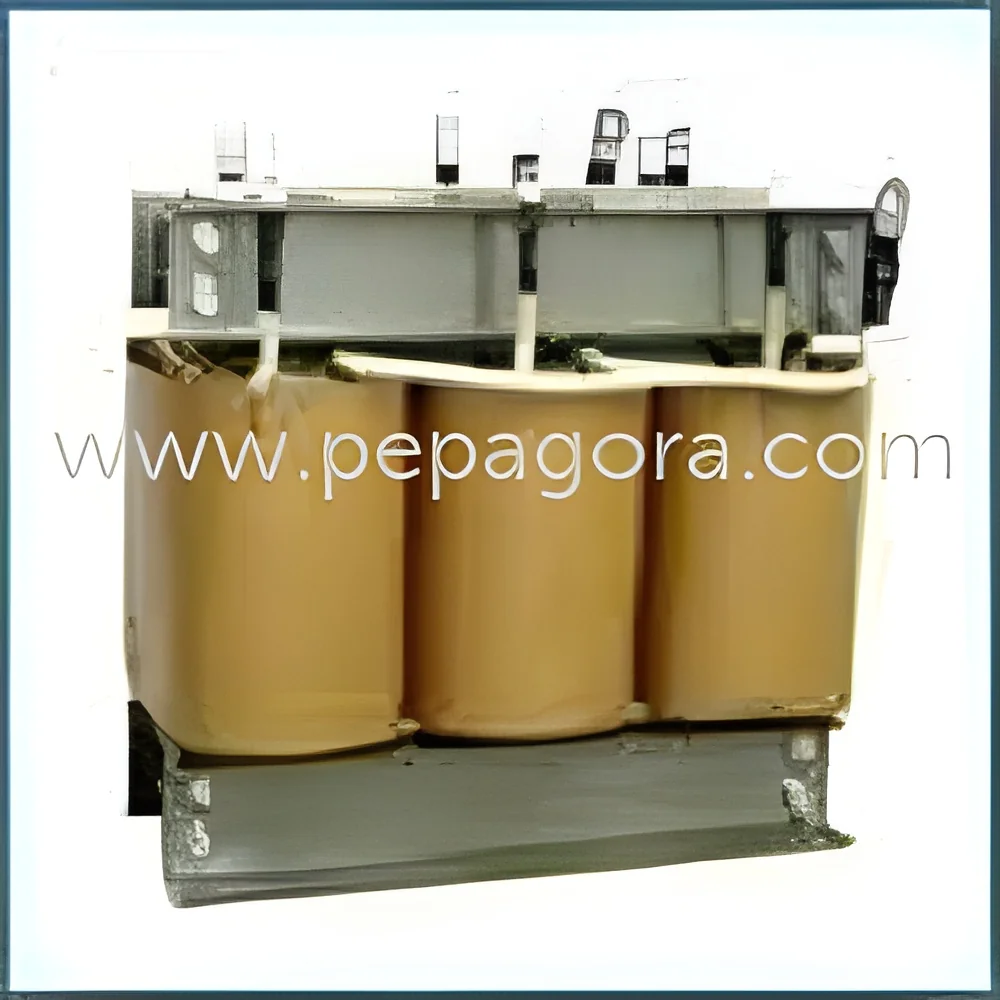
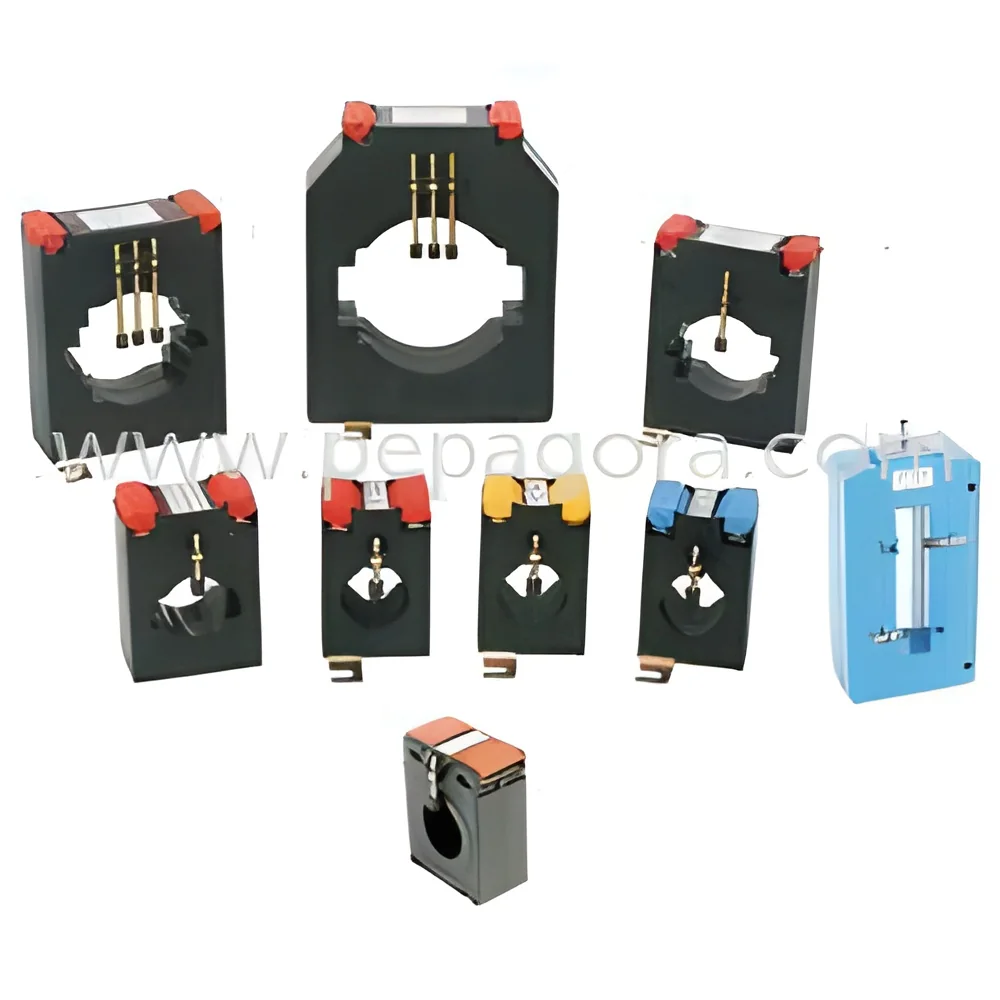
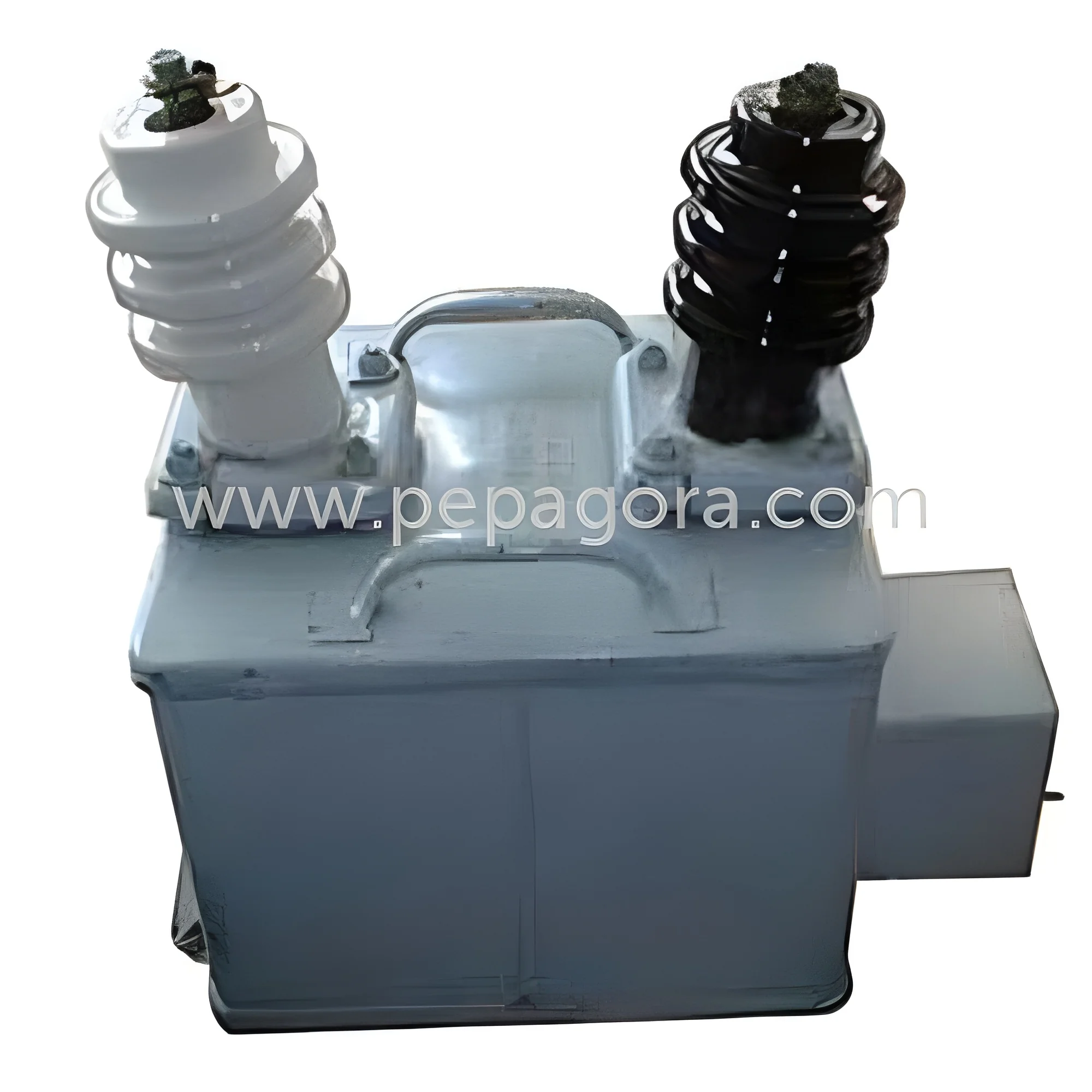
𝗪𝗵𝗮𝘁 𝗮𝗿𝗲 𝗧𝗿𝗮𝗻𝘀𝗳𝗼𝗿𝗺𝗲𝗿𝘀 & 𝗦𝘁𝗮𝗯𝗶𝗹𝗶𝘇𝗲𝗿𝘀?
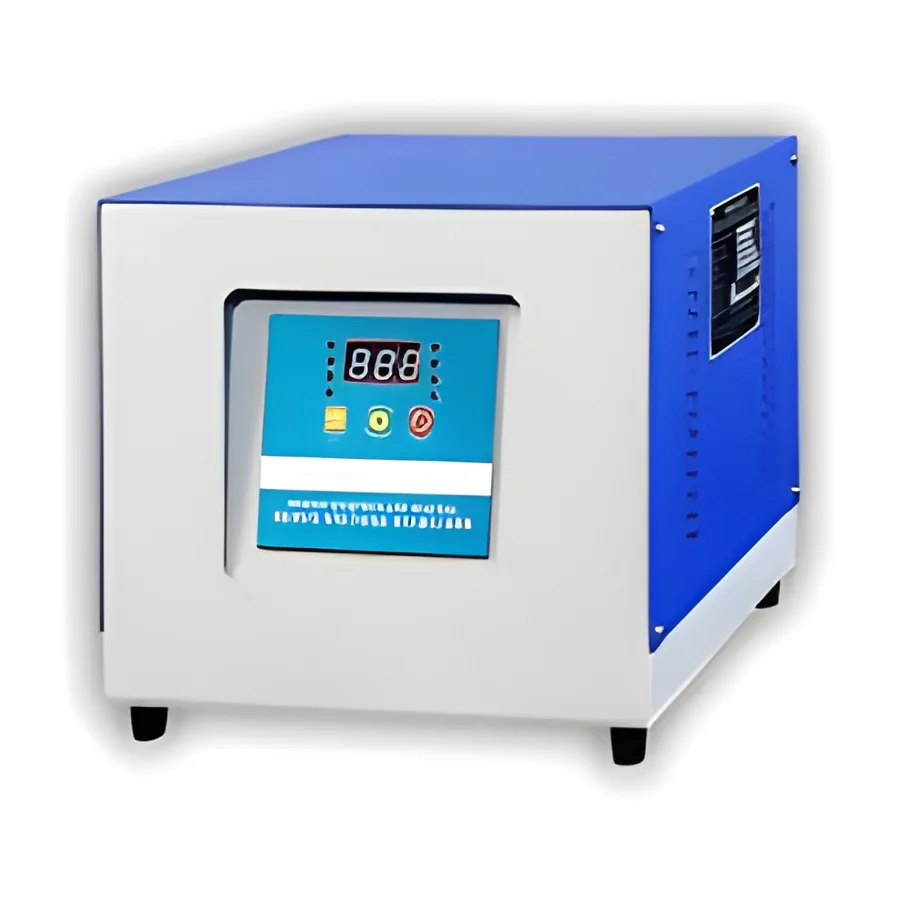
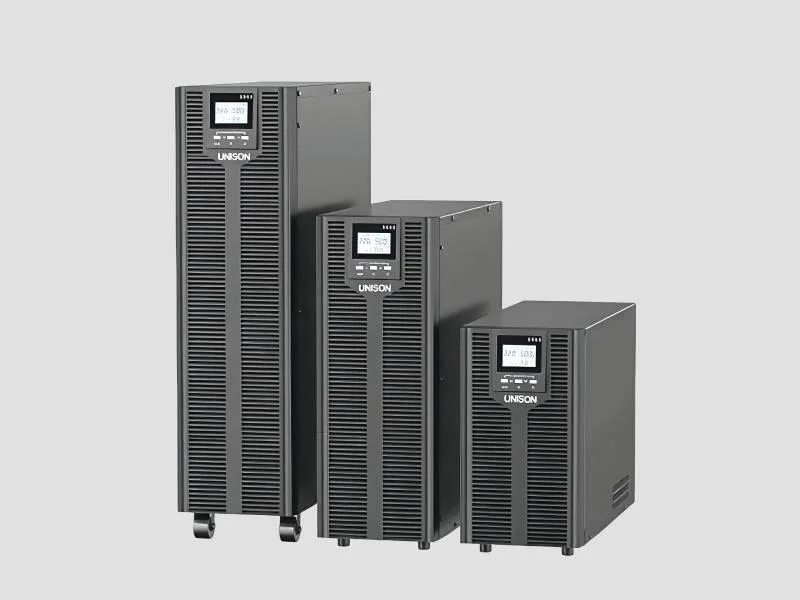
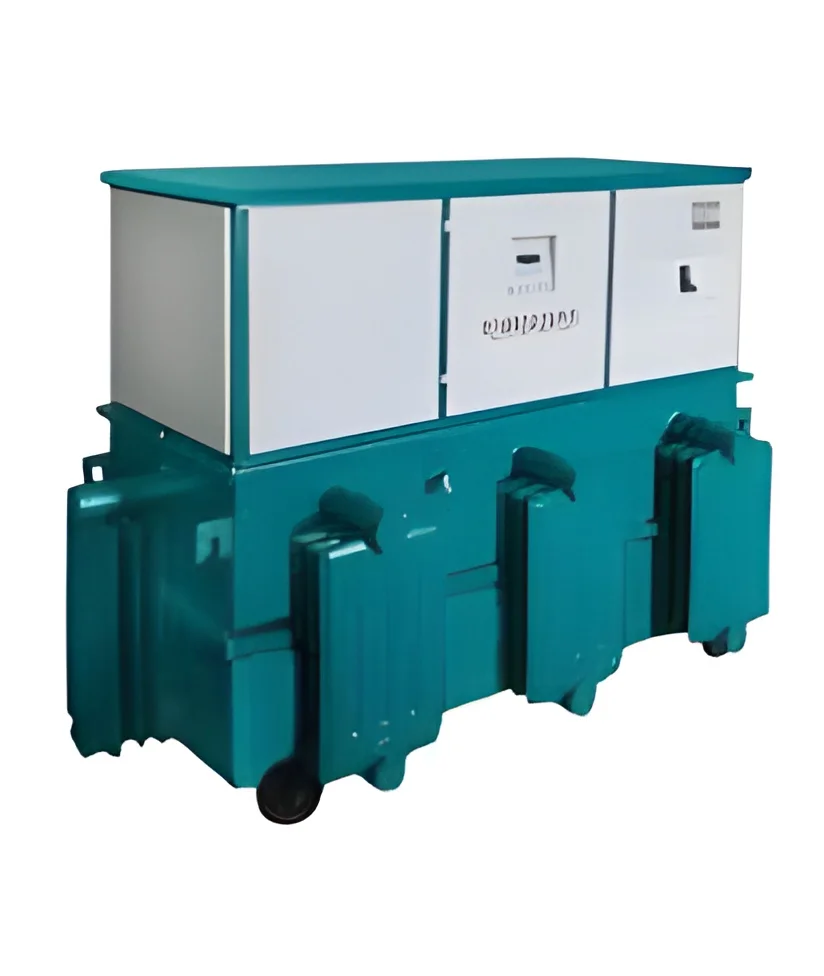
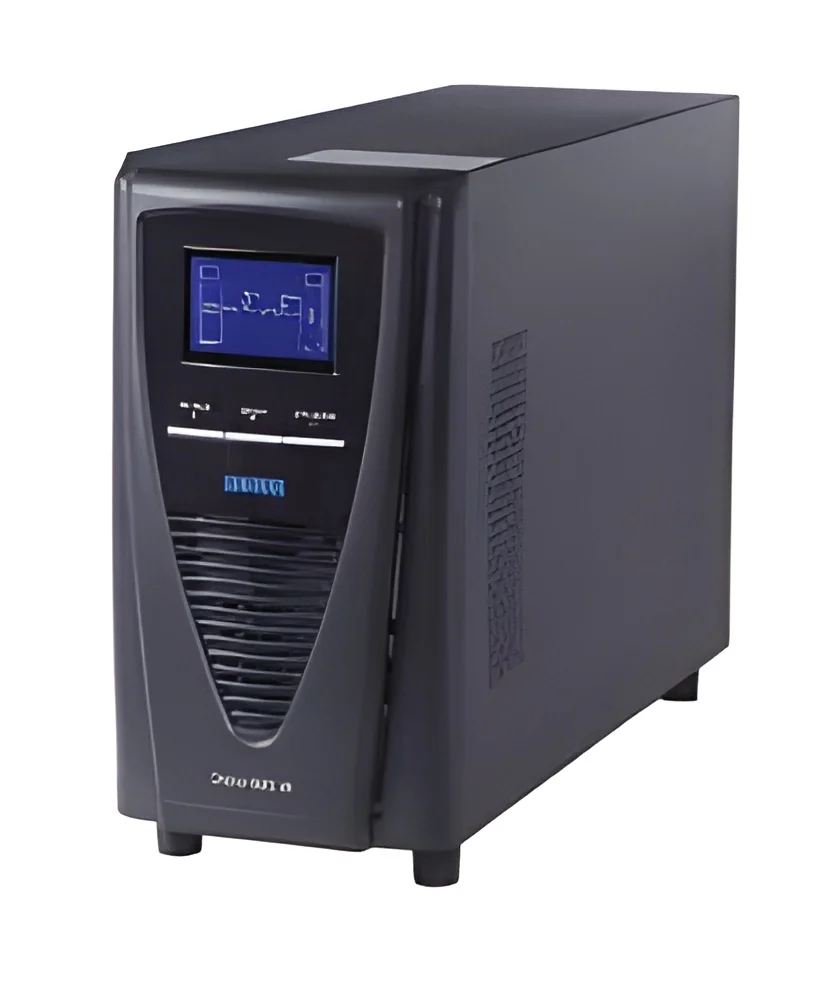
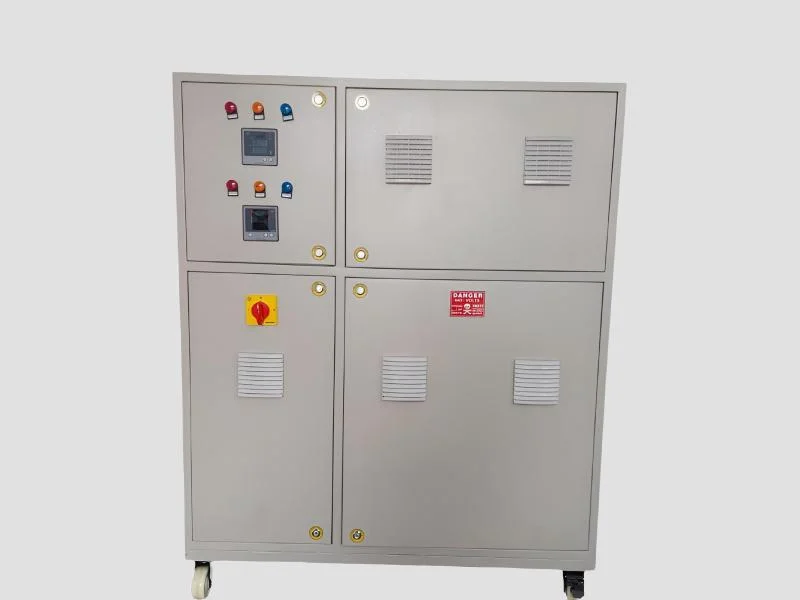
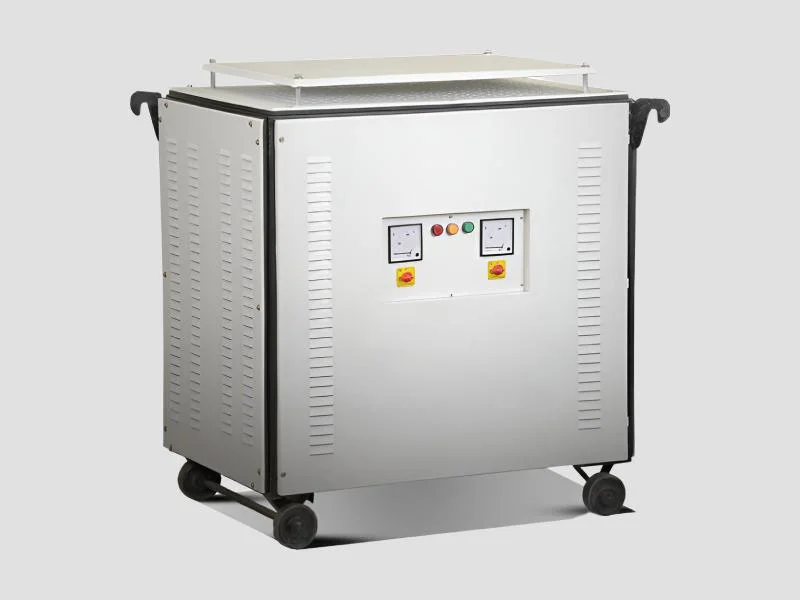
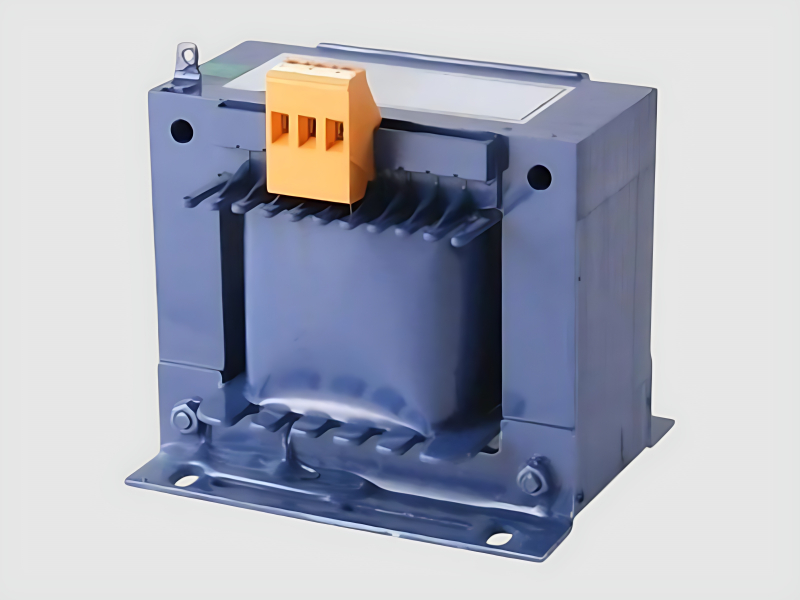
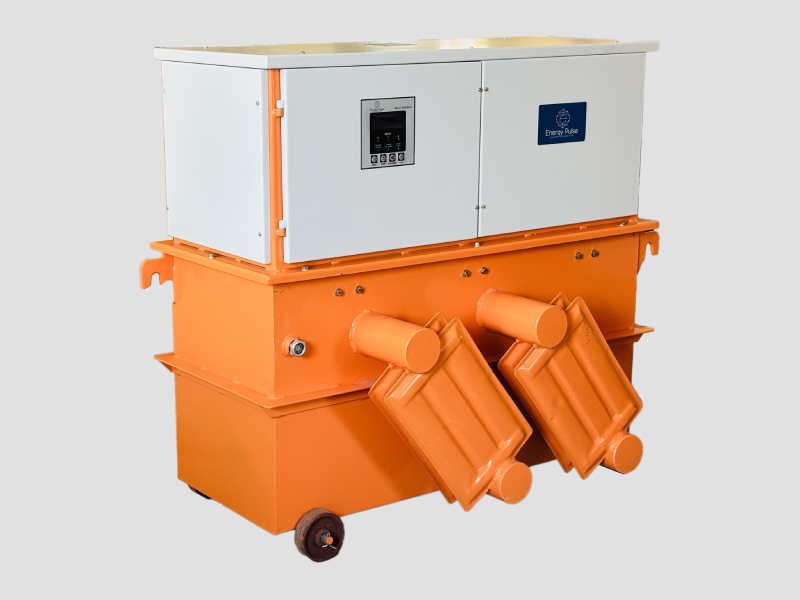
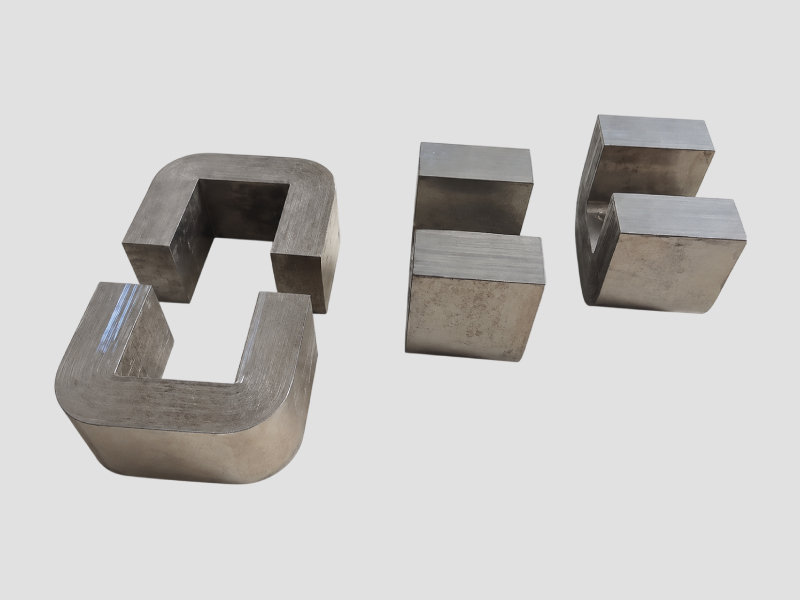
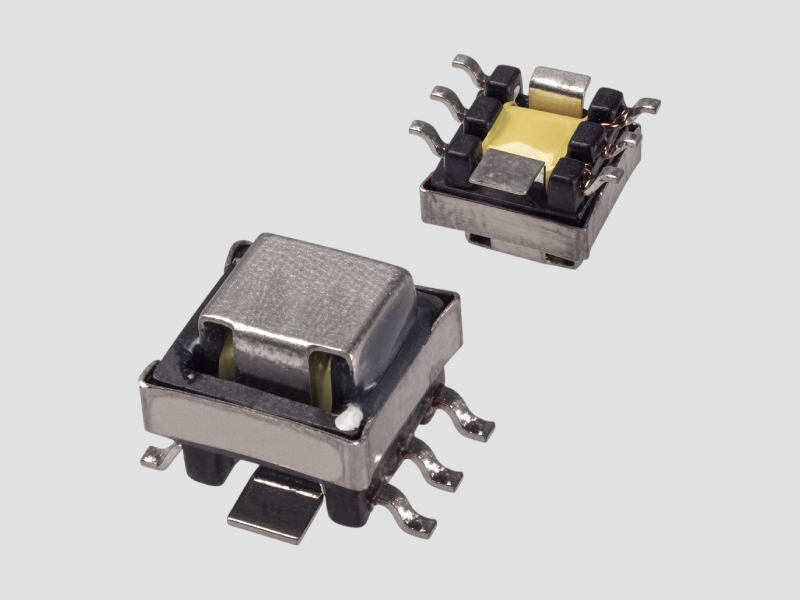
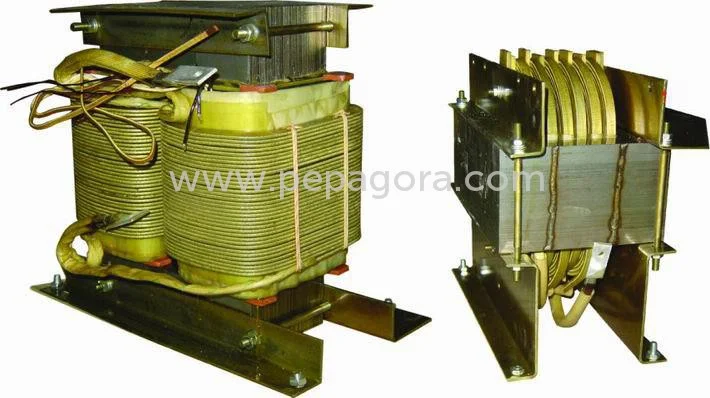
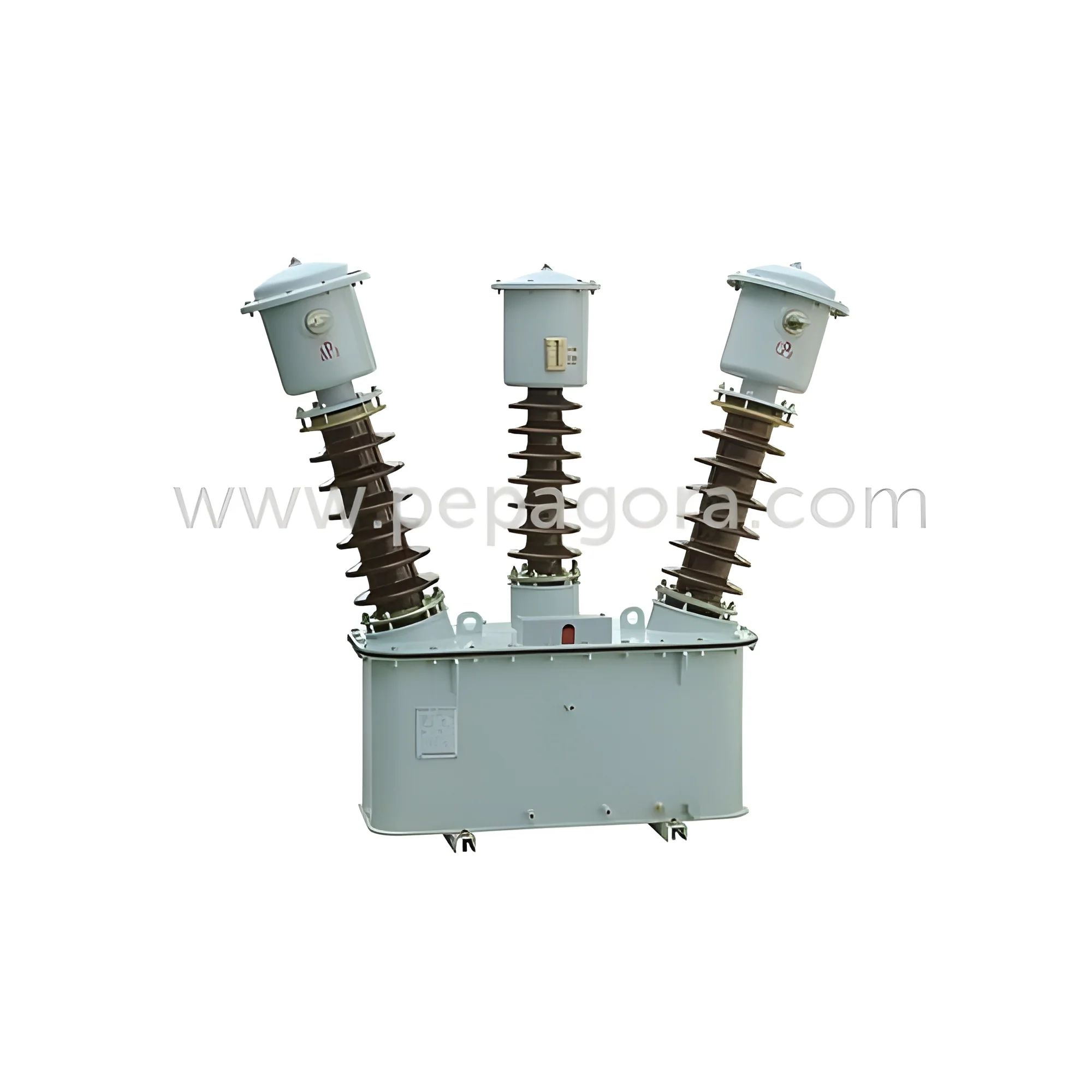
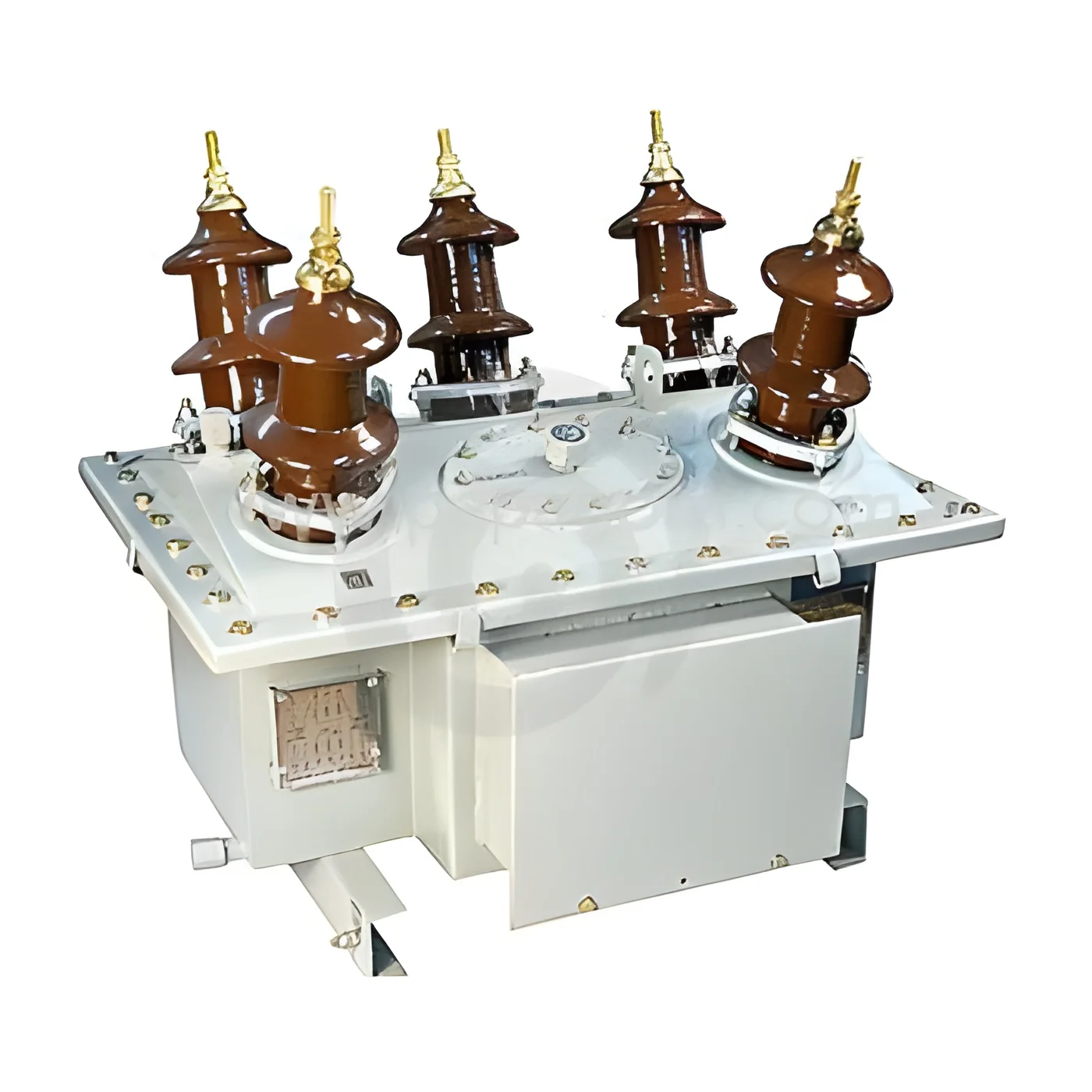
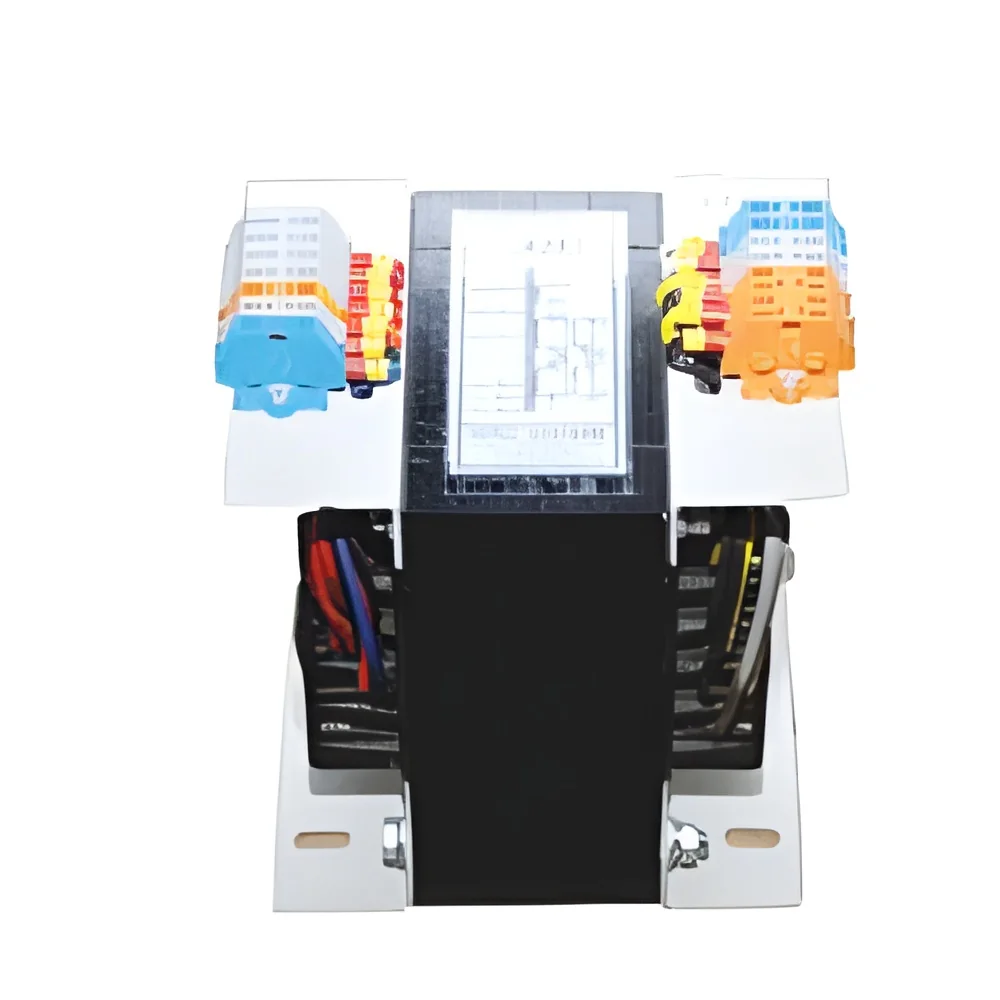
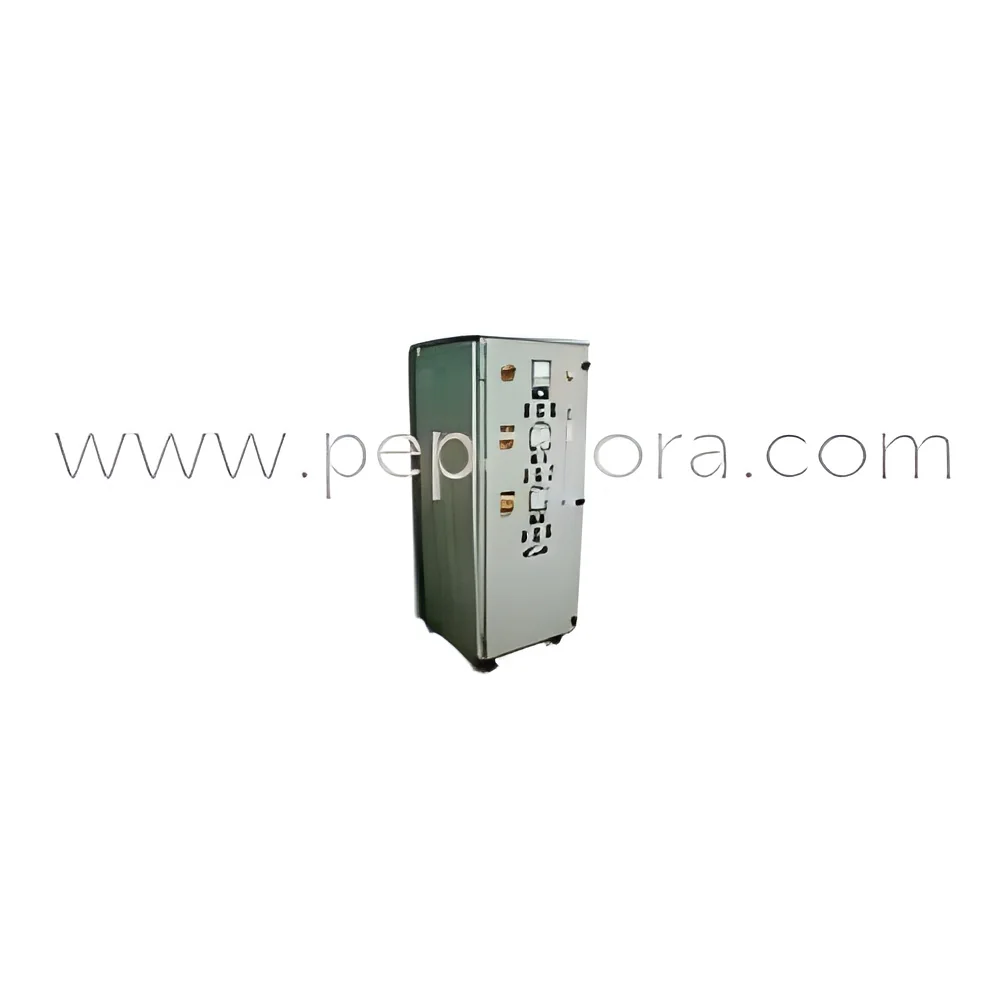
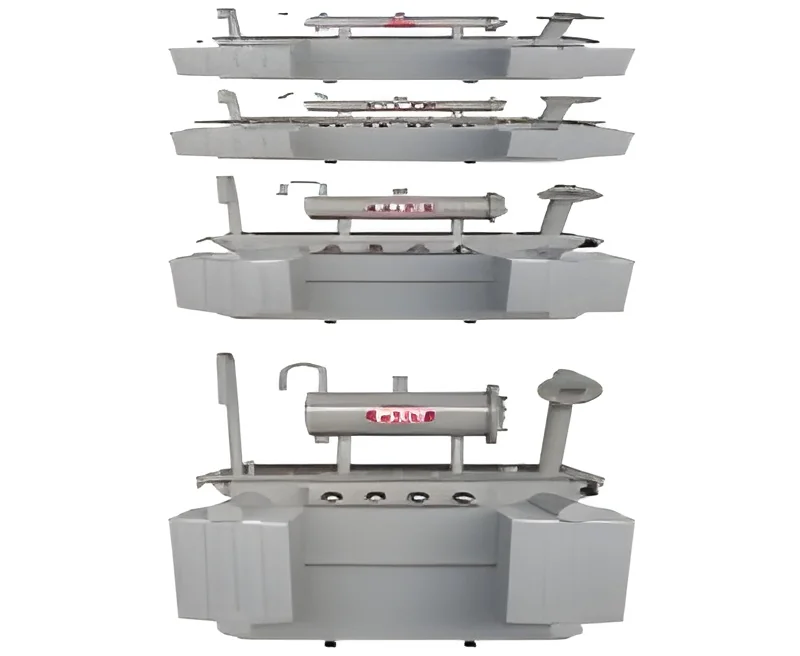
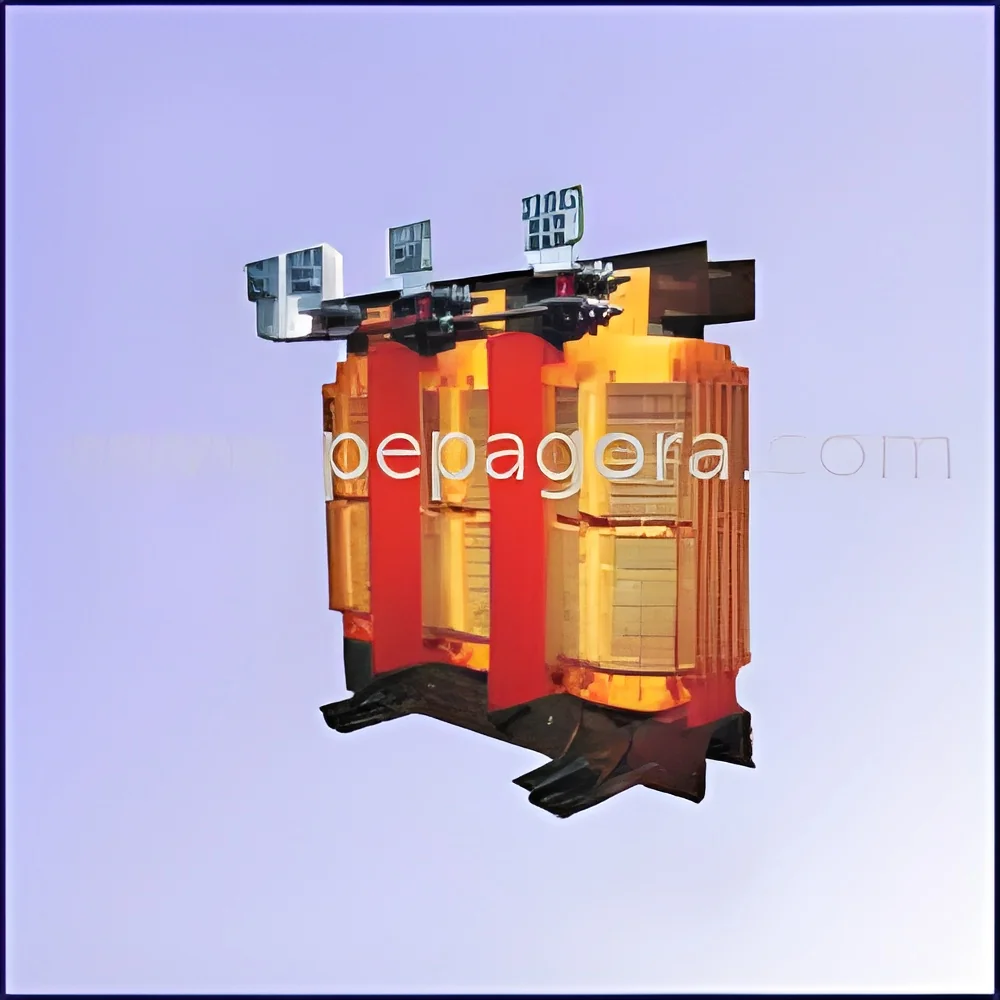
Transformers and stabilizers are critical electrical devices used to manage voltage levels and ensure the consistent performance of electrical systems. Transformers convert electrical energy from one voltage level to another, either stepping up or stepping down the voltage as needed. Stabilizers, on the other hand, regulate voltage fluctuations to protect sensitive equipment from damage. Together, these devices play a vital role in ensuring the reliability and efficiency of electrical infrastructure.
These devices find application across various sectors, including manufacturing, telecommunications, and healthcare. In manufacturing, they help maintain optimal operating conditions for machinery by stabilizing voltage. In telecommunications, transformers ensure signal integrity by managing power supply levels. In healthcare, stabilizers protect sensitive medical equipment from voltage spikes, ensuring accurate diagnostics and patient safety. The growing demand for reliable electrical systems in these industries underscores the relevance of transformers and stabilizers in today’s market.
𝗞𝗲𝘆 𝗙𝗲𝗮𝘁𝘂𝗿𝗲𝘀 𝗮𝗻𝗱 𝗦𝗽𝗲𝗰𝗶𝗳𝗶𝗰𝗮𝘁𝗶𝗼𝗻𝘀
Transformers and stabilizers come with a range of features designed to enhance performance and reliability. Key specifications can vary based on application requirements, but several common attributes are essential for buyers to consider.
Key specifications include:
1. Voltage Rating
- Defines the maximum voltage the transformer or stabilizer can handle.
- Common ranges include 110V, 220V, and 380V.
2. Power Rating
- Indicates the power capacity, usually measured in kVA or kW.
- Ratings can range from small units for home use to large industrial units.
3. Efficiency Rating
- Measures how effectively a transformer converts input power to output power.
- High-efficiency models can exceed 95%.
4. Regulation Range
- Specifies the acceptable voltage fluctuation limits.
- Typically ranges from ±5% to ±10%.
5. Frequency Compatibility
- Indicates the operational frequency, usually 50 Hz or 60 Hz.
- Essential for compatibility with local electrical grids.
6. Cooling Method
- Describes how the unit dissipates heat, often through natural air or forced air cooling.
- Important for maintaining performance and longevity.
7. Size and Weight
- Dimensions and weight can impact installation and mobility.
- Variants exist for compact or heavy-duty applications.
8. Safety Features
- Includes overload protection, short-circuit protection, and thermal cut-off.
- Essential for ensuring safe operation in various environments.
In summary, understanding these specifications is vital for selecting the right transformer or stabilizer for specific applications.
𝗖𝗼𝗺𝗺𝗼𝗻 𝗔𝗽𝗽𝗹𝗶𝗰𝗮𝘁𝗶𝗼𝗻𝘀 𝗮𝗻𝗱 𝗨𝘀𝗲 𝗖𝗮𝘀𝗲𝘀
Transformers and stabilizers serve a wide array of industries, each with unique requirements.
1. Manufacturing: In manufacturing facilities, transformers provide the necessary voltage levels for machinery operation, while stabilizers ensure that fluctuations do not disrupt production.
2. Telecommunications: These devices are used to manage power supply across telecom networks, ensuring consistent signal quality and protecting sensitive equipment.
3. Healthcare: In hospitals, transformers and stabilizers safeguard medical devices from voltage irregularities, which is crucial for patient care and safety.
4. Construction: Used on construction sites to provide stable power for tools and equipment, enhancing safety and efficiency.
5. Data Centers: In data centers, transformers ensure reliable power distribution, while stabilizers protect sensitive servers from voltage spikes.
6. Retail: Retail environments use stabilizers to protect point-of-sale systems and other electronic devices from electrical fluctuations.
7. Agriculture: In agriculture, these devices support equipment like irrigation systems, ensuring consistent operation regardless of grid fluctuations.
𝗣𝗿𝗼𝗱𝘂𝗰𝘁 𝗩𝗮𝗿𝗶𝗮𝗻𝘁𝘀 𝗮𝗻𝗱 𝗦𝘂𝗯𝗰𝗮𝘁𝗲𝗴𝗼𝗿𝗶𝗲𝘀
The diversity of transformers and stabilizers allows for tailored solutions to meet specific needs.
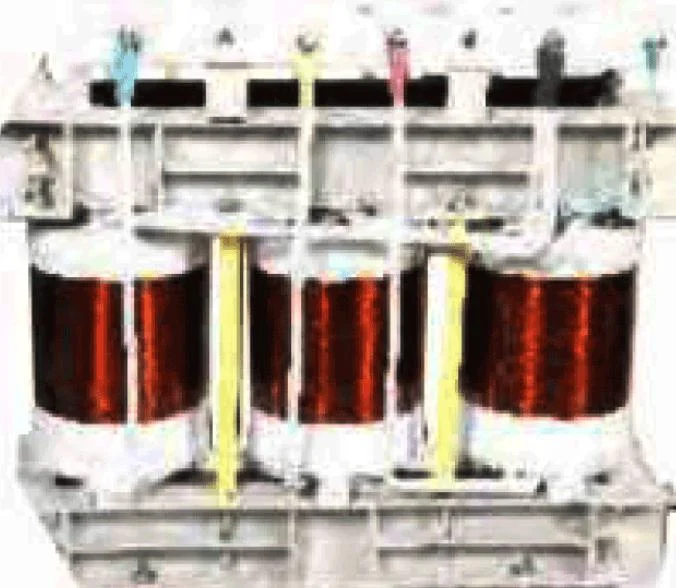
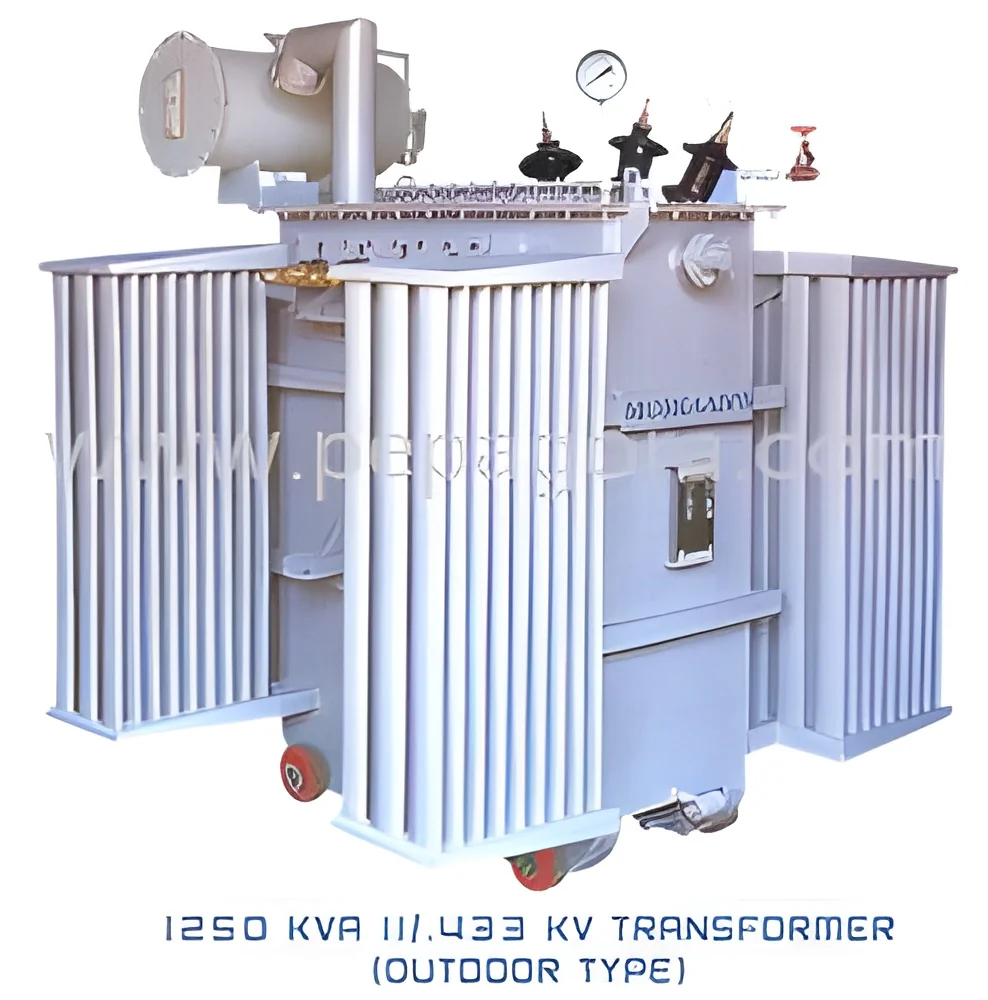
Step-up Transformers: These transformers increase voltage levels for transmission over long distances, making them ideal for energy distribution systems.
Step-down Transformers: Used in residential and commercial settings, these transformers reduce high voltage to levels suitable for consumer use.
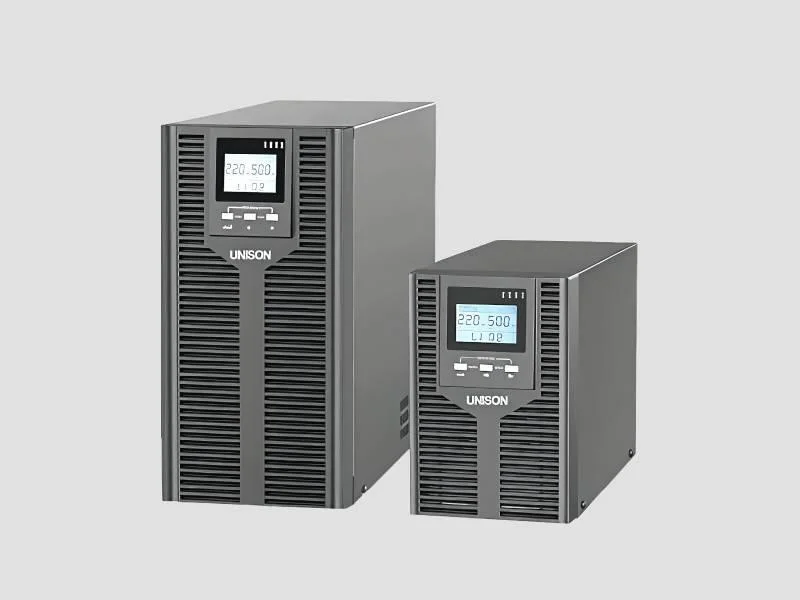
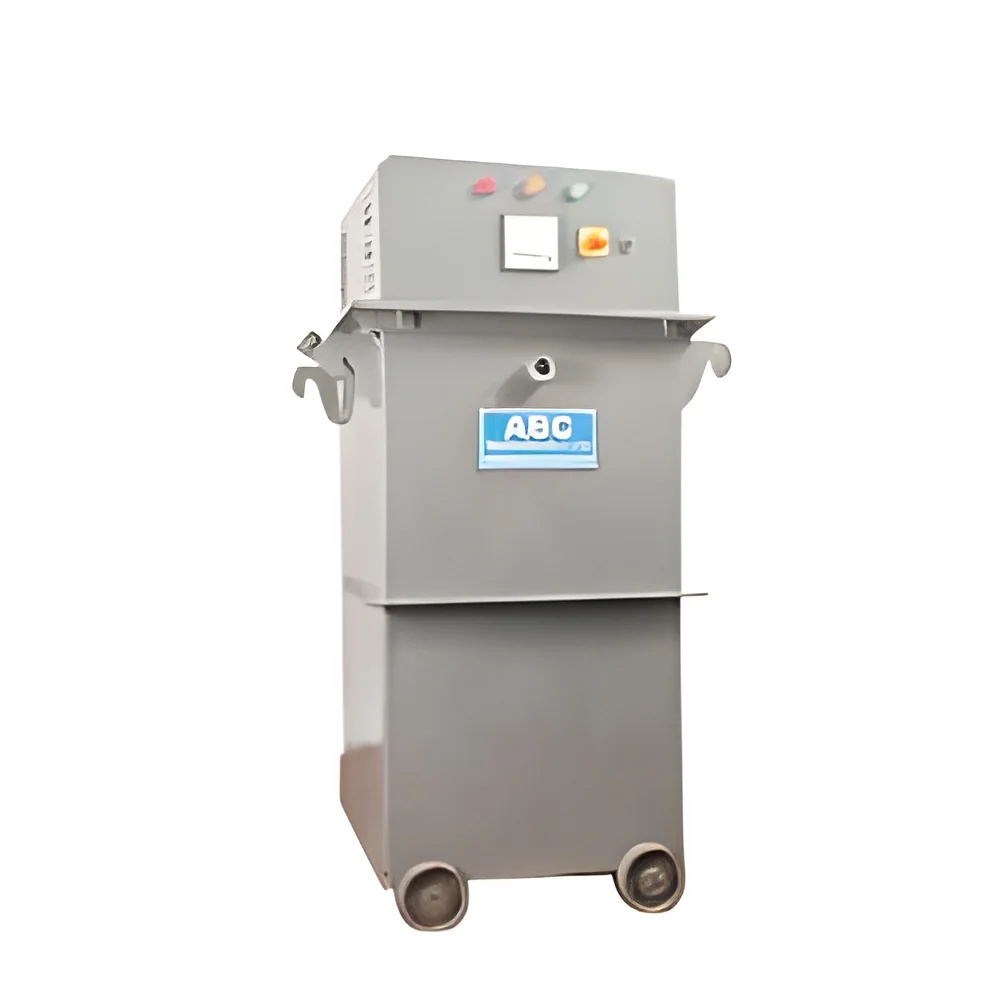
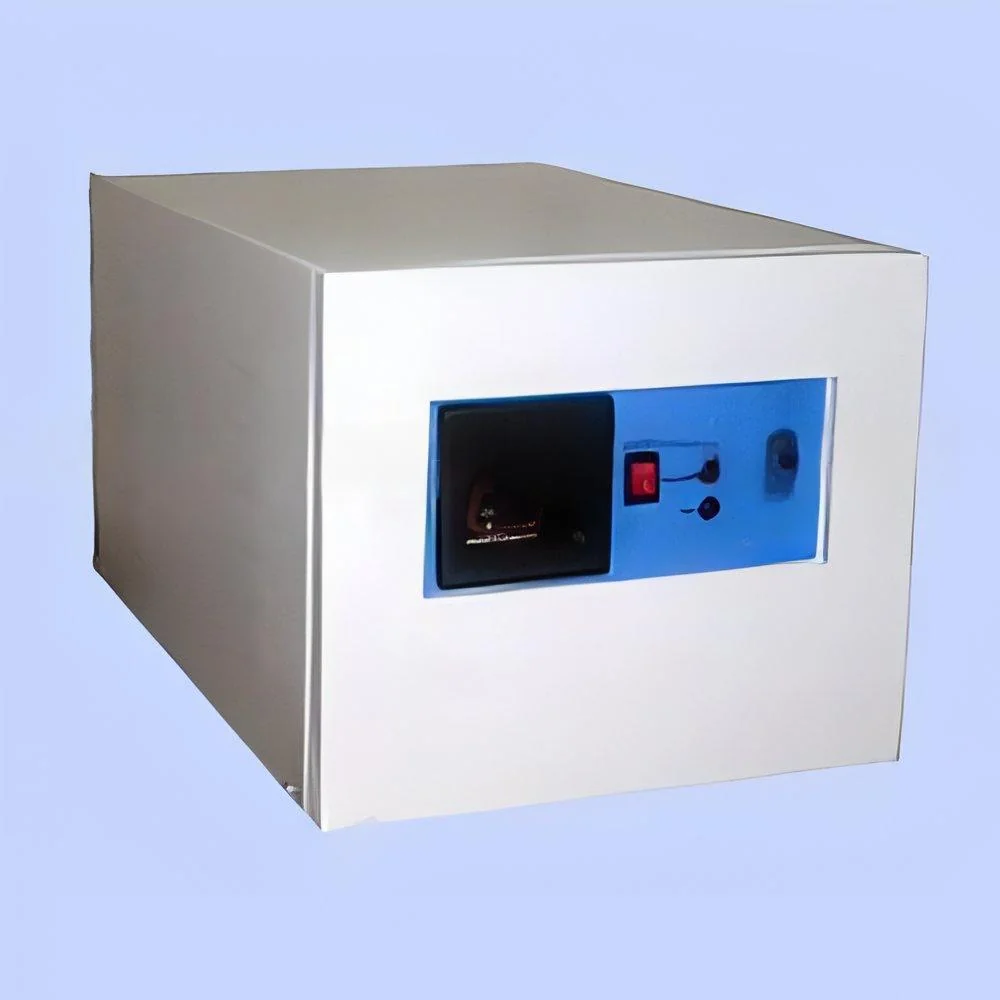
Automatic Voltage Stabilizers: These devices automatically adjust voltage levels to maintain a consistent power supply, often used in sensitive electronic applications.
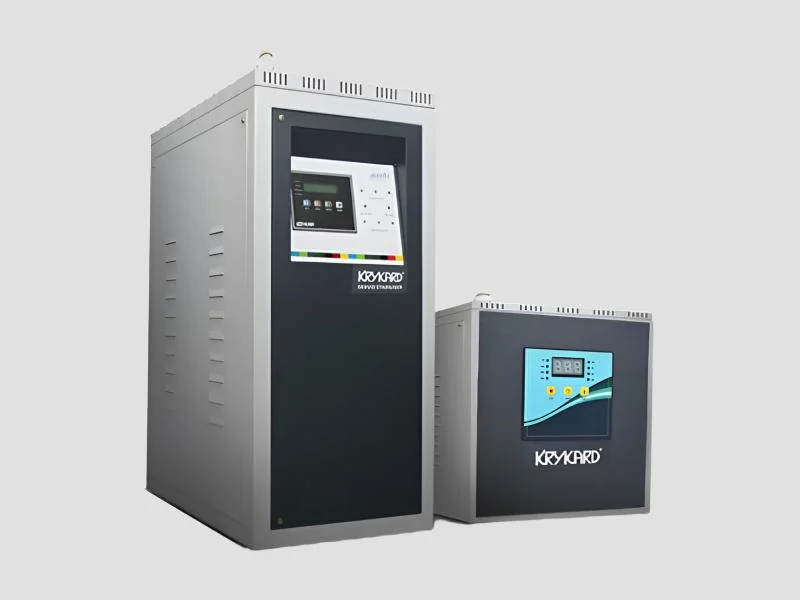
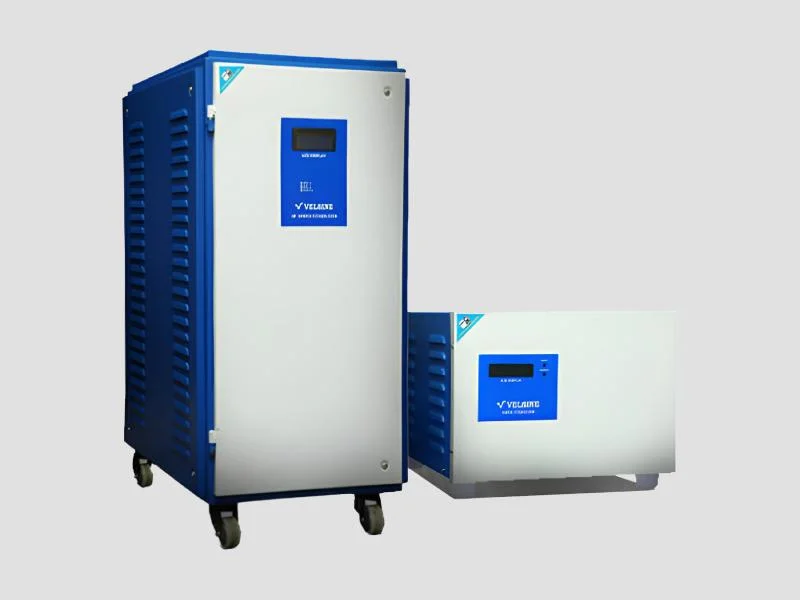
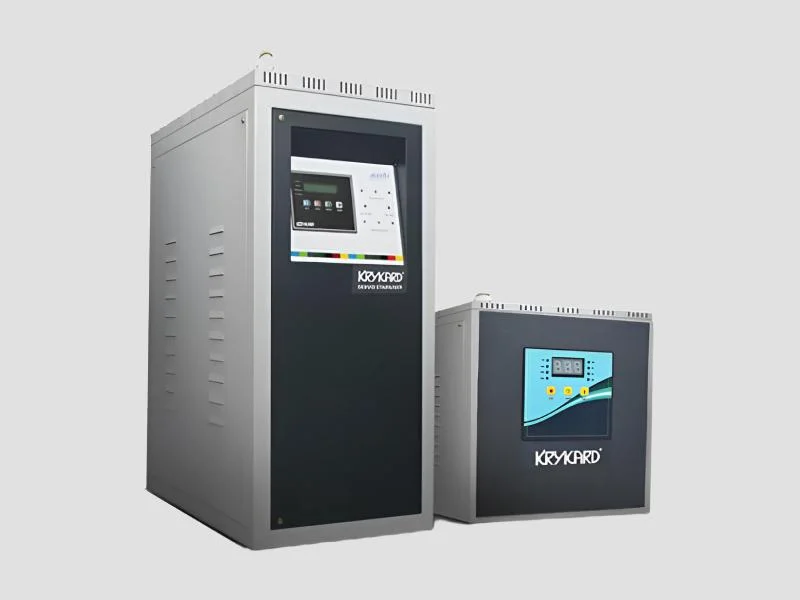
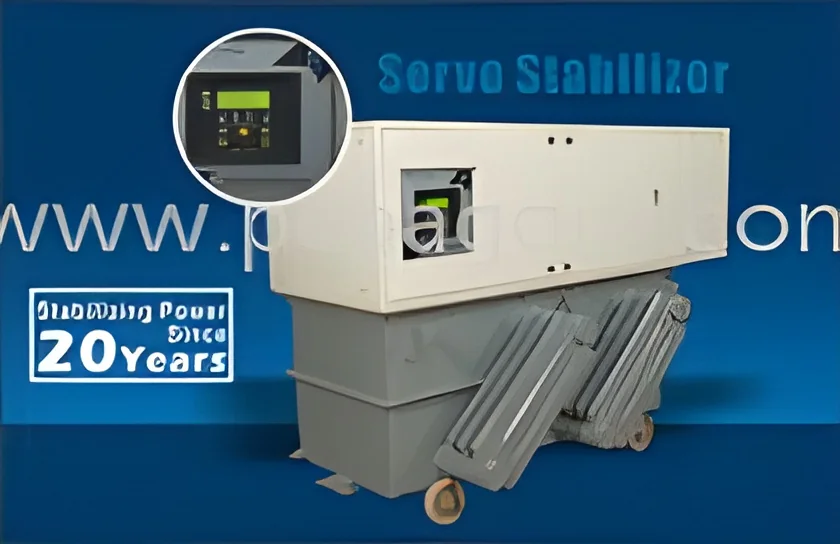
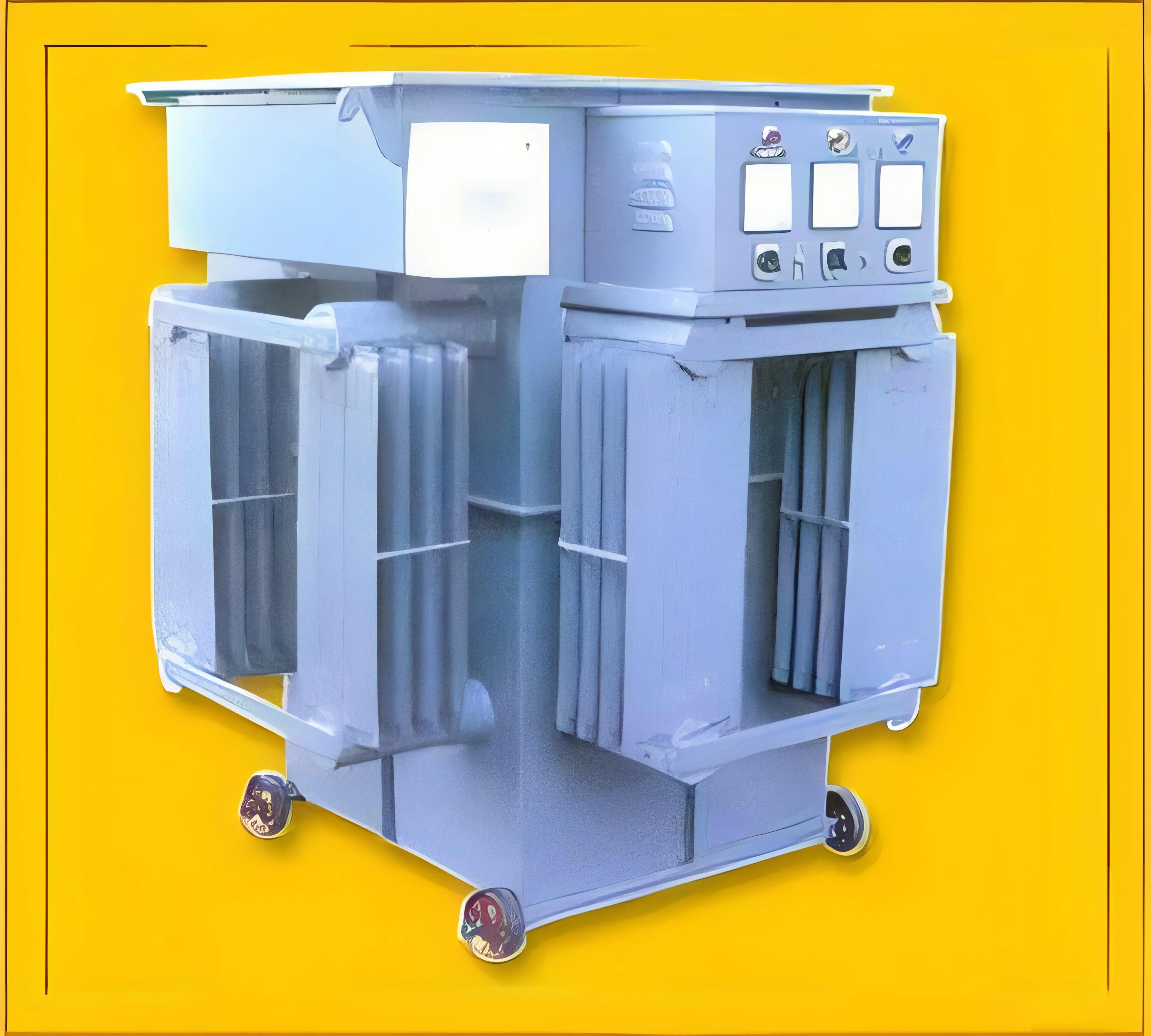
Servo Stabilizers: Utilizing servomechanisms for precise voltage regulation, these stabilizers are suited for industrial machinery and processes requiring high accuracy.
𝗕𝗲𝗻𝗲𝗳𝗶𝘁𝘀 𝗮𝗻𝗱 𝗔𝗱𝘃𝗮𝗻𝘁𝗮𝗴𝗲𝘀
Transformers and stabilizers offer numerous benefits that enhance operational efficiency.
1. Voltage Stability: They provide consistent voltage levels, protecting equipment from damage caused by fluctuations.
2. Equipment Longevity: By regulating power supply, they extend the lifespan of electrical devices and machinery.
3. Enhanced Performance: Stable voltage improves the efficiency and performance of connected equipment.
4. Safety Assurance: Built-in safety features protect against overloads and short circuits, enhancing operational safety.
5. Cost Savings: Increased efficiency reduces energy consumption, leading to lower operational costs.
6. Versatile Applications: Their adaptability allows use in diverse industries, ensuring broad market relevance.
𝗕𝘂𝘆𝗶𝗻𝗴 𝗚𝘂𝗶𝗱𝗲 𝗳𝗼𝗿 𝗕𝟮𝗕 𝗕𝘂𝘆𝗲𝗿𝘀
When sourcing transformers and stabilizers, B2B buyers should consider several critical factors to ensure they select the right products.
1. Quality Assessment: Look for products that meet recognized standards and have proven performance records. Quality can often be assessed through certifications and customer reviews.
2. Supplier Verification: Vet suppliers thoroughly to ensure they have a reliable track record. Check for industry experience and customer testimonials to gauge reliability.
3. Pricing and MOQ: Understand the pricing structure and minimum order quantities. Competitive pricing should not compromise quality, and buyers should seek value for their investments.
4. Delivery and Lead Times: Consider logistics and lead times when planning for projects. Ensure that suppliers can meet deadlines to avoid disruptions.
5. Compliance Requirements: Be aware of any regulatory compliance needed for specific applications. Ensure that the products meet local and international standards.
𝗖𝗼𝗺𝗽𝗹𝗶𝗮𝗻𝗰𝗲 𝗮𝗻𝗱 𝗖𝗲𝗿𝘁𝗶𝗳𝗶𝗰𝗮𝘁𝗶𝗼𝗻𝘀
Quality standards and certifications play a crucial role in the manufacturing and performance of transformers and stabilizers. Adherence to relevant quality standards, such as ISO 9001, ensures that products meet international benchmarks for quality management systems. Certifications like CE indicate compliance with European safety standards, providing assurance of product safety and reliability.
Safety and testing requirements are critical, especially for devices used in sensitive environments. Manufacturers must ensure that their products undergo rigorous testing to meet safety regulations. Additionally, regional compliance considerations may vary, necessitating awareness of local laws and standards that impact product selection.
𝗪𝗵𝘆 𝗦𝗼𝘂𝗿𝗰𝗲 𝗧𝗿𝗮𝗻𝘀𝗳𝗼𝗿𝗺𝗲𝗿𝘀 & 𝗦𝘁𝗮𝗯𝗶𝗹𝗶𝘇𝗲𝗿𝘀 𝗳𝗿𝗼𝗺 𝗣𝗲𝗽𝗮𝗴𝗼𝗿𝗮?
Pepagora is a trusted platform for sourcing transformers and stabilizers, offering several key advantages for B2B buyers.
Verified Supplier Network: Pepagora maintains a network of verified suppliers, ensuring that buyers have access to reliable and high-quality products. This verification process builds trust and confidence in sourcing decisions.
Streamlined RFQ Process: The request for quotation (RFQ) system simplifies the procurement process, allowing buyers to quickly obtain pricing and product information from multiple suppliers, saving time and effort.
Trade Assurance and Support: Pepagora provides buyer protection through trade assurance, offering peace of mind during transactions. This support is invaluable for businesses looking to minimize risk in their procurement activities.
Regional Coverage: With a geographic reach that includes India, the GCC, and Southeast Asia, Pepagora connects buyers with suppliers across these regions, facilitating access to a diverse range of products and services.

 IN
IN