
 IN
Recycling & Waste Processing Materials
265 products available
𝗪𝗵𝗮𝘁 𝗮𝗿𝗲 𝗥𝗲𝗰𝘆𝗰𝗹𝗶𝗻𝗴 & 𝗪𝗮𝘀𝘁𝗲 𝗣𝗿𝗼𝗰𝗲𝘀𝘀𝗶𝗻𝗴 𝗠𝗮𝘁𝗲𝗿𝗶𝗮𝗹𝘀?
Recycling and waste processing materials encompass a range of products and technologies designed to facilitate the recycling and management of waste. These materials are essential in transforming recyclable waste into usable products, minimizing environmental impact, and promoting sustainability. They include equipment, containers, and various types of processing technologies that help manage waste efficiently.
These materials find primary use in industries focused on waste management, recycling, and environmental services. Businesses utilize them for sorting, processing, and transporting waste materials, ensuring compliance with regulatory requirements while maximizing recycling rates. Their application extends across various sectors, including manufacturing, construction, and municipal services, where effective waste processing is crucial for operational efficiency and environmental stewardship.
In the current market, the demand for recycling and waste processing materials is growing due to increased regulatory pressures and a shift toward sustainable practices. Companies are increasingly investing in these materials to enhance their waste management capabilities, reduce landfill usage, and contribute to a circular economy. This trend is supported by rising consumer awareness and the push for greener operations across industries.
𝗞𝗲𝘆 𝗙𝗲𝗮𝘁𝘂𝗿𝗲𝘀 𝗮𝗻𝗱 𝗦𝗽𝗲𝗰𝗶𝗳𝗶𝗰𝗮𝘁𝗶𝗼𝗻𝘀
The key features and specifications of recycling and waste processing materials vary based on their intended use and the technology involved. Understanding these specifications is vital for selecting the right products for specific applications.
Key specifications include:
1. Material Composition
- Typically made from durable, weather-resistant materials.
- May include steel, polyethylene, or other robust plastics.
2. Capacity
- Varies widely depending on the type of container or equipment.
- Common capacities range from small bins (20-50 gallons) to large industrial containers (up to several tons).
3. Durability
- Designed to withstand harsh environmental conditions.
- Resistant to corrosion and UV damage.
4. Weight
- Weight specifications are important for transport and handling.
- Lightweight materials are often preferred for ease of use.
5. Compliance Standards
- Must meet local and international regulations for waste handling.
- Compliance with standards such as CE certification is essential.
6. Customization Options
- Many products can be tailored to specific needs, including size, color, and branding.
7. Technology Integration
- Some advanced products may integrate smart technology for monitoring and tracking waste.
8. Safety Features
- Includes features such as easy access lids and secure closures to prevent spills.
In summary, selecting recycling and waste processing materials requires careful consideration of these specifications to ensure they meet operational needs and compliance requirements.
𝗖𝗼𝗺𝗺𝗼𝗻 𝗔𝗽𝗽𝗹𝗶𝗰𝗮𝘁𝗶𝗼𝗻𝘀 𝗮𝗻𝗱 𝗨𝘀𝗲 𝗖𝗮𝘀𝗲𝘀
Recycling and waste processing materials are versatile and serve various industries effectively.
1. Manufacturing: These materials are used for collecting scrap and recyclable materials, enabling manufacturers to reduce waste and enhance sustainability.
2. Construction: In the construction sector, waste processing materials manage debris and ensure proper disposal of construction waste, contributing to cleaner job sites.
3. Municipal Services: Local governments utilize these materials for curbside recycling programs, helping to boost recycling rates and manage waste effectively.
4. Retail: Retailers implement recycling bins and waste processing solutions to manage packaging waste and promote sustainability initiatives.
5. Food and Beverage: This industry relies on waste processing materials for managing organic waste and ensuring compliance with health regulations.
6. Education: Schools and universities use recycling materials to encourage recycling habits among students and staff, promoting environmental awareness.
7. Healthcare: Medical facilities employ specialized waste processing materials to safely dispose of hazardous waste, ensuring compliance with safety regulations.
𝗣𝗿𝗼𝗱𝘂𝗰𝘁 𝗩𝗮𝗿𝗶𝗮𝗻𝘁𝘀 𝗮𝗻𝗱 𝗦𝘂𝗯𝗰𝗮𝘁𝗲𝗴𝗼𝗿𝗶𝗲𝘀
Recycling and waste processing materials are diverse, catering to different operational needs and environments.
Standard Recycling Bins
These are commonly used in public spaces and businesses for collecting recyclable waste. They feature clear labeling and are designed for easy access and use.
Industrial Waste Containers
These containers are intended for large-scale waste disposal in manufacturing and construction sites. They are built for heavy-duty use and can handle significant weights.
Compost Bins
Used in organic waste management, compost bins facilitate the collection and processing of biodegradable waste. They are designed to promote aeration and decomposition.
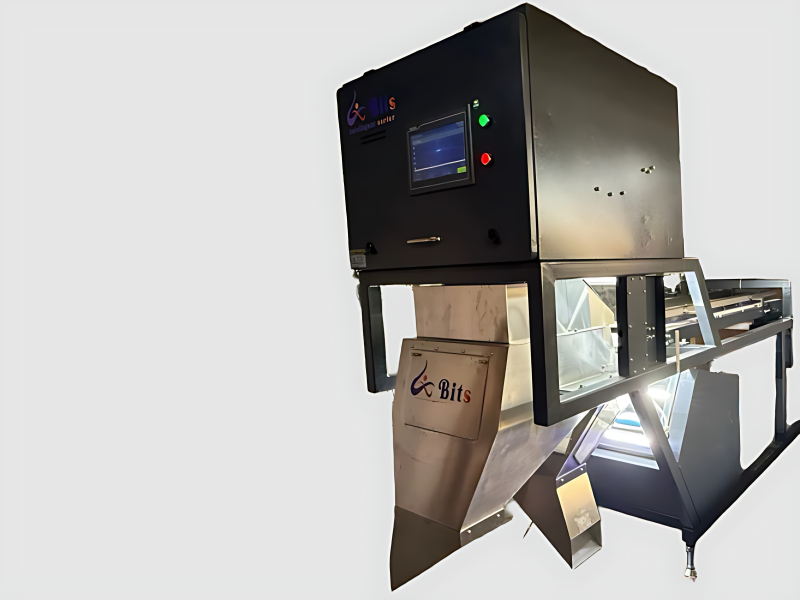
Sorting Equipment
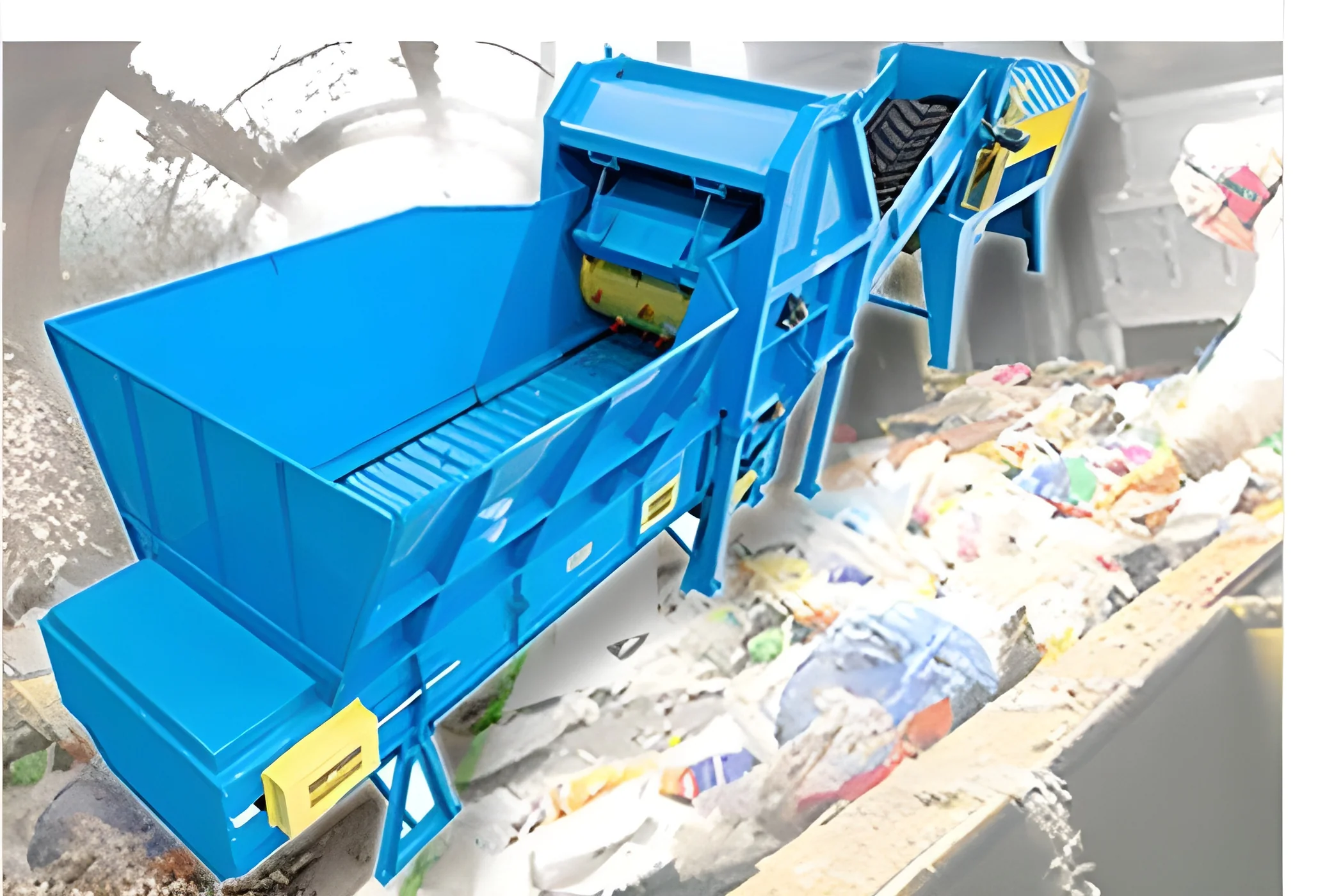
This category includes machines and tools used for separating recyclable materials from general waste. They enhance efficiency in recycling operations.
𝗕𝗲𝗻𝗲𝗳𝗶𝘁𝘀 𝗮𝗻𝗱 𝗔𝗱𝘃𝗮𝗻𝘁𝗮𝗴𝗲𝘀
Investing in recycling and waste processing materials brings numerous benefits to businesses and the environment.
1. Environmental Sustainability: These materials help reduce landfill waste, promoting a circular economy and conserving natural resources.
2. Regulatory Compliance: Proper waste processing ensures compliance with local and international waste regulations, reducing legal risks.
3. Cost Efficiency: Efficient waste management can lead to significant savings on disposal costs and fines associated with non-compliance.
4. Enhanced Brand Reputation: Companies that prioritize sustainability can improve their brand image and appeal to environmentally conscious consumers.
5. Operational Efficiency: Streamlined waste management processes enhance overall operational efficiency and productivity.
6. Innovation Opportunities: Investing in advanced recycling technologies can lead to innovative product development and new market opportunities.
𝗕𝘂𝘆𝗶𝗻𝗴 𝗚𝘂𝗶𝗱𝗲 𝗳𝗼𝗿 𝗕𝟮𝗕 𝗕𝘂𝘆𝗲𝗿𝘀
When sourcing recycling and waste processing materials, it is crucial for B2B buyers to consider several key factors.
1. Quality Assessment: Ensure the materials meet industry standards and are suitable for the intended application. Look for certifications and test results that demonstrate their quality.
2. Supplier Verification: Vet suppliers thoroughly to ensure they have a reliable track record and can provide the necessary support and products.
3. Pricing and MOQ: Consider the cost of materials and the minimum order quantity. Understand pricing structures to find a balance between quality and budget.
4. Delivery and Lead Times: Assess logistics capabilities and delivery timelines to ensure materials arrive as needed for operations.
5. Compliance Requirements: Verify that the materials comply with relevant regulations and certifications necessary for your industry.
𝗖𝗼𝗺𝗽𝗹𝗶𝗮𝗻𝗰𝗲 𝗮𝗻𝗱 𝗖𝗲𝗿𝘁𝗶𝗳𝗶𝗰𝗮𝘁𝗶𝗼𝗻𝘀
Compliance and certifications are essential aspects of recycling and waste processing materials. Adhering to relevant quality standards, such as ISO 9001, ensures that products meet established quality management principles.
Additionally, industry certifications such as CE are important for demonstrating that products comply with European health, safety, and environmental protection standards.
Safety and testing requirements must also be considered, particularly for materials used in hazardous waste management.
Regional compliance considerations are critical, as different regions may have specific regulations governing waste processing and recycling. Understanding these requirements helps businesses mitigate risks associated with non-compliance.
𝗪𝗵𝘆 𝗦𝗼𝘂𝗿𝗰𝗲 𝗥𝗲𝗰𝘆𝗰𝗹𝗶𝗻𝗴 & 𝗪𝗮𝘀𝘁𝗲 𝗣𝗿𝗼𝗰𝗲𝘀𝘀𝗶𝗻𝗴 𝗠𝗮𝘁𝗲𝗿𝗶𝗮𝗹𝘀 𝗳𝗿𝗼𝗺 𝗣𝗲𝗽𝗮𝗴𝗼𝗿𝗮?
Pepagora provides a trusted platform for sourcing recycling and waste processing materials, offering multiple key advantages for businesses.
Verified Supplier Network: Pepagora features a robust network of verified suppliers, ensuring that buyers work with reliable and reputable partners.
Streamlined RFQ Process: The platform simplifies the request for quotation process, allowing buyers to quickly obtain competitive pricing and product details.
Trade Assurance and Support: Pepagora offers trade assurance, providing buyers with protection against risks associated with transactions, enhancing confidence in sourcing decisions.
Regional Coverage: With a strong presence in India, the GCC, and Southeast Asia, Pepagora connects buyers with suppliers across diverse markets, facilitating effective sourcing and distribution of recycling and waste processing materials.







Frequently Asked Questions
What are Recycling & Waste Processing Materials?
Recycling & Waste Processing Materials are products used in the recycling and processing of waste materials to recover valuable resources and reduce environmental impact. These materials can include various types of machinery, containers, and substances that facilitate the recycling process.
What are the different types of Recycling & Waste Processing Materials?
Different types of Recycling & Waste Processing Materials include shredders, balers, conveyors, sorting equipment, and chemical agents for waste treatment. Each type serves a specific function in the recycling process, tailored to handle various waste streams such as plastics, metals, and organic materials.
How do I choose the right Recycling & Waste Processing Materials?
Choosing the right Recycling & Waste Processing Materials involves assessing your specific recycling needs, the types of waste you handle, and the scale of your operations. It is also important to consider the efficiency, durability, and compatibility of the materials with your existing systems.
What are the standard specifications for Recycling & Waste Processing Materials?
Standard specifications for Recycling & Waste Processing Materials often include material composition, durability, capacity, and operational efficiency. Compliance with industry standards and regulations is also essential to ensure safety and effectiveness in waste processing.
What is the price range for Recycling & Waste Processing Materials?
The price range for Recycling & Waste Processing Materials can vary widely depending on the type, brand, and specifications. Generally, prices may range from a few thousand to several lakhs of Indian Rupees, depending on the complexity and technology of the materials.
What quality standards apply to Recycling & Waste Processing Materials?
Quality standards for Recycling & Waste Processing Materials typically include ISO certifications, safety regulations, and performance benchmarks. Adhering to these standards ensures that the materials are reliable and effective for recycling applications.
Where can I find Recycling & Waste Processing Materials suppliers in India?
You can find Recycling & Waste Processing Materials suppliers in India through various online B2B marketplaces, trade shows, and industry directories. Websites like Pepagora.com are also valuable resources for connecting with reputable manufacturers and suppliers.
Can Recycling & Waste Processing Materials be customized?
Yes, many Recycling & Waste Processing Materials can be customized to meet specific operational requirements or processing needs. Customizations may include size, capacity, and additional features tailored to enhance efficiency in waste processing.
What is the typical minimum order quantity for Recycling & Waste Processing Materials?
The typical minimum order quantity (MOQ) for Recycling & Waste Processing Materials varies by supplier and product type. Generally, MOQs can range from one unit for specialized equipment to larger quantities for bulk materials.
What is the typical lead time for Recycling & Waste Processing Materials?
The typical lead time for Recycling & Waste Processing Materials can range from a few weeks to several months, depending on the complexity of the order and the supplier's production capacity. It is advisable to confirm lead times with the supplier during the ordering process.
Why Businesses Trust Pepagora
Thousands of companies trust Pepagora to source smarter and sell faster
Expand Your Sales Globally

Source Smarter,Grow Faster
