
 IN
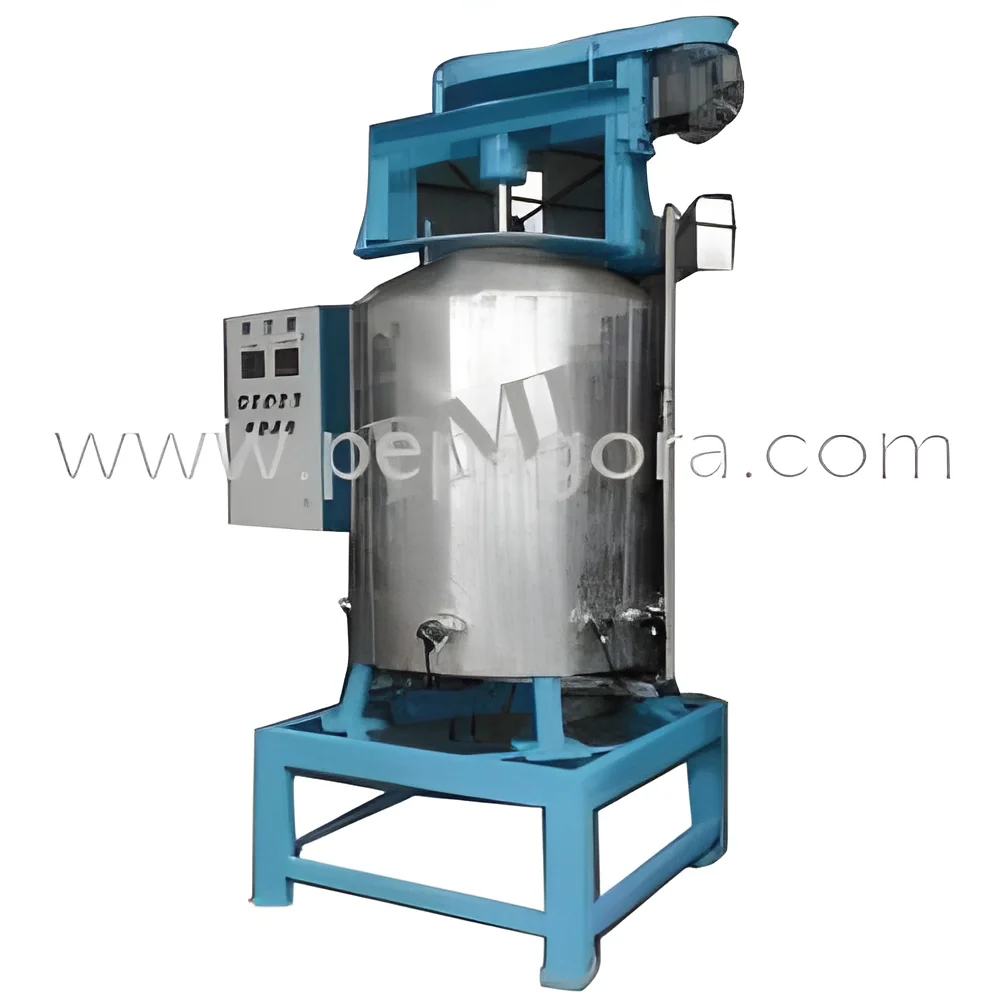
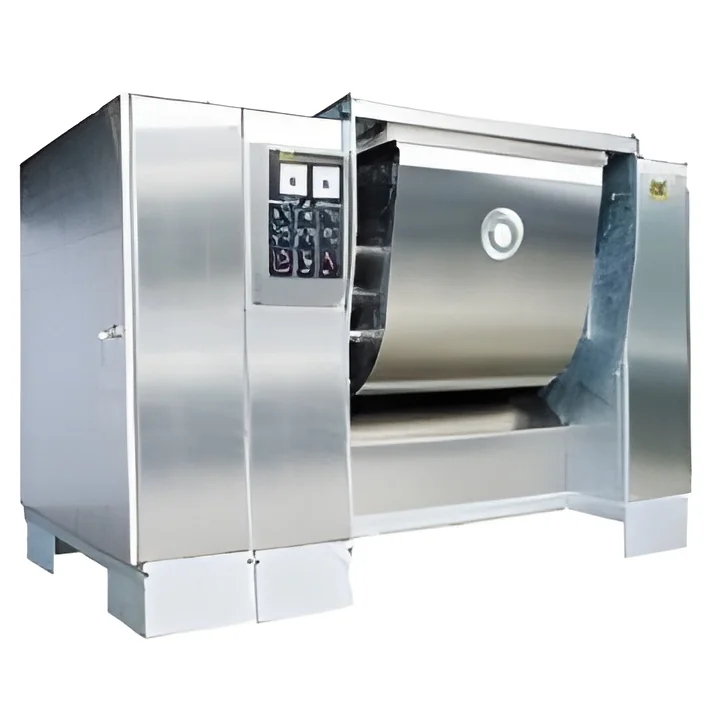
Industrial Mixers & Blenders
559 products available
𝗪𝗵𝗮𝘁 𝗮𝗿𝗲 𝗜𝗻𝗱𝘂𝘀𝘁𝗿𝗶𝗮𝗹 𝗠𝗶𝘅𝗲𝗿𝘀 & 𝗕𝗹𝗲𝗻𝗱𝗲𝗿𝘀?
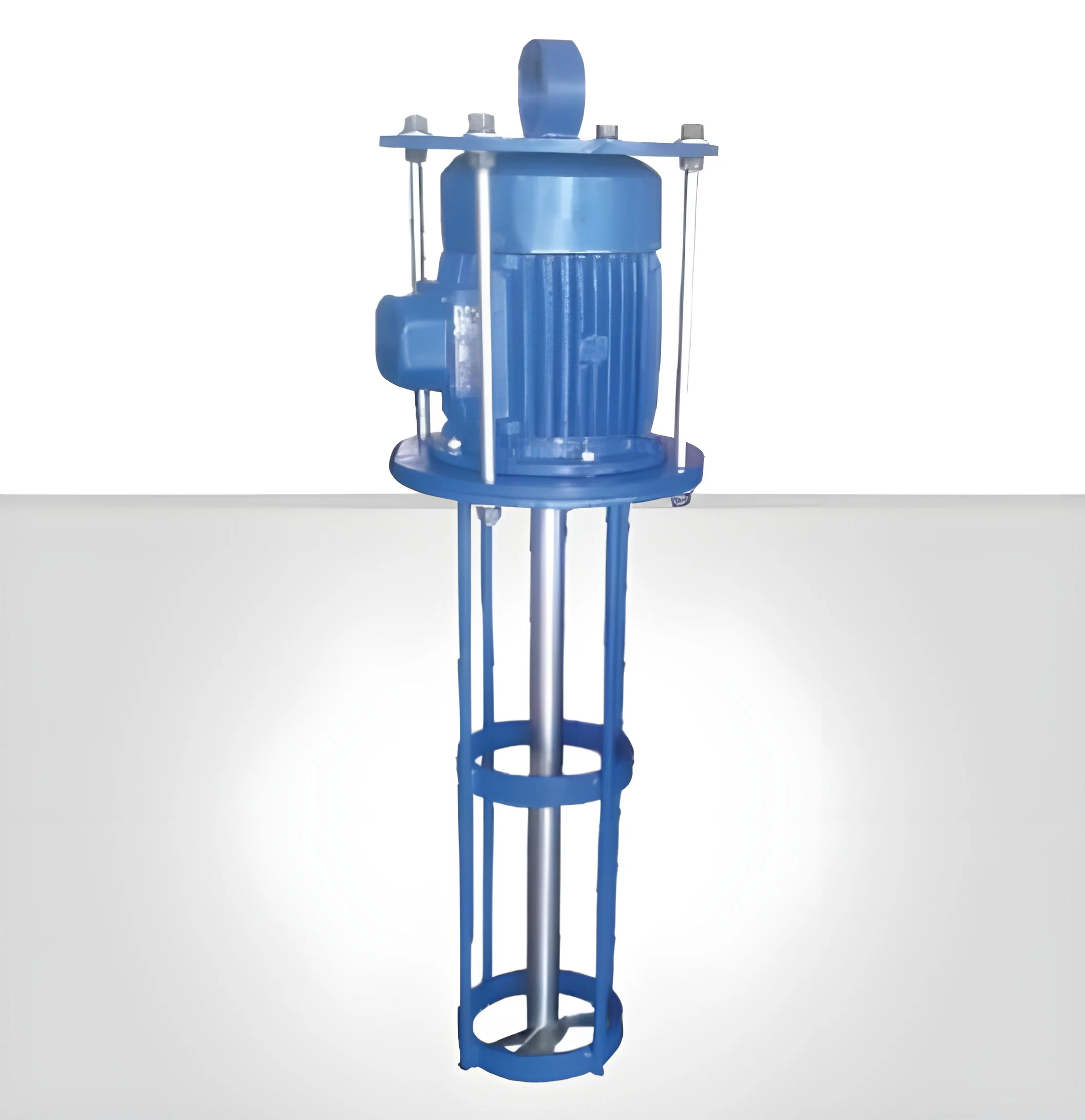
Industrial mixers and blenders are essential equipment used in various manufacturing processes to combine, blend, or mix different materials. These machines facilitate the uniform distribution of components, ensuring product consistency and quality. They come in various designs and sizes, tailored to meet the specific needs of different industries.
These mixers and blenders find applications across a wide range of sectors, including food and beverage, pharmaceuticals, chemicals, and construction materials. In food production, they are used to combine ingredients for sauces, soups, and baked goods. In pharmaceuticals, they mix powders and liquids for medication formulation. Their versatility makes them a critical component in many industrial processes.
The relevance of industrial mixers and blenders in today's market cannot be overstated. With the continuous demand for high-quality and consistent products, businesses are investing in advanced mixing technology. The growth of industries such as food and pharmaceuticals drives the need for efficient, reliable mixing solutions, making these products increasingly vital in the global marketplace.
𝗞𝗲𝘆 𝗙𝗲𝗮𝘁𝘂𝗿𝗲𝘀 𝗮𝗻𝗱 𝗦𝗽𝗲𝗰𝗶𝗳𝗶𝗰𝗮𝘁𝗶𝗼𝗻𝘀
Industrial mixers and blenders are equipped with a variety of features designed to enhance performance and efficiency. When evaluating these machines, buyers should consider key specifications that meet their operational requirements.
Key specifications include:
1. Mixing Capacity
- Refers to the volume of materials the mixer can handle.
- Typical ranges include small (10-100 liters) to large (several thousand liters).
2. Power Rating
- Indicates the motor power required for operation.
- Common ratings vary from 1 HP to over 100 HP depending on the application.
3. Speed Variability
- Describes the ability to adjust mixing speeds for different materials.
- Options may range from 50 to 500 RPM or higher.
4. Construction Materials
- Determines the durability and suitability for various environments.
- Stainless steel is prevalent for its corrosion resistance, while other materials may be used based on specific applications.
5. Control Systems
- Refers to the technology used for controlling the mixing process.
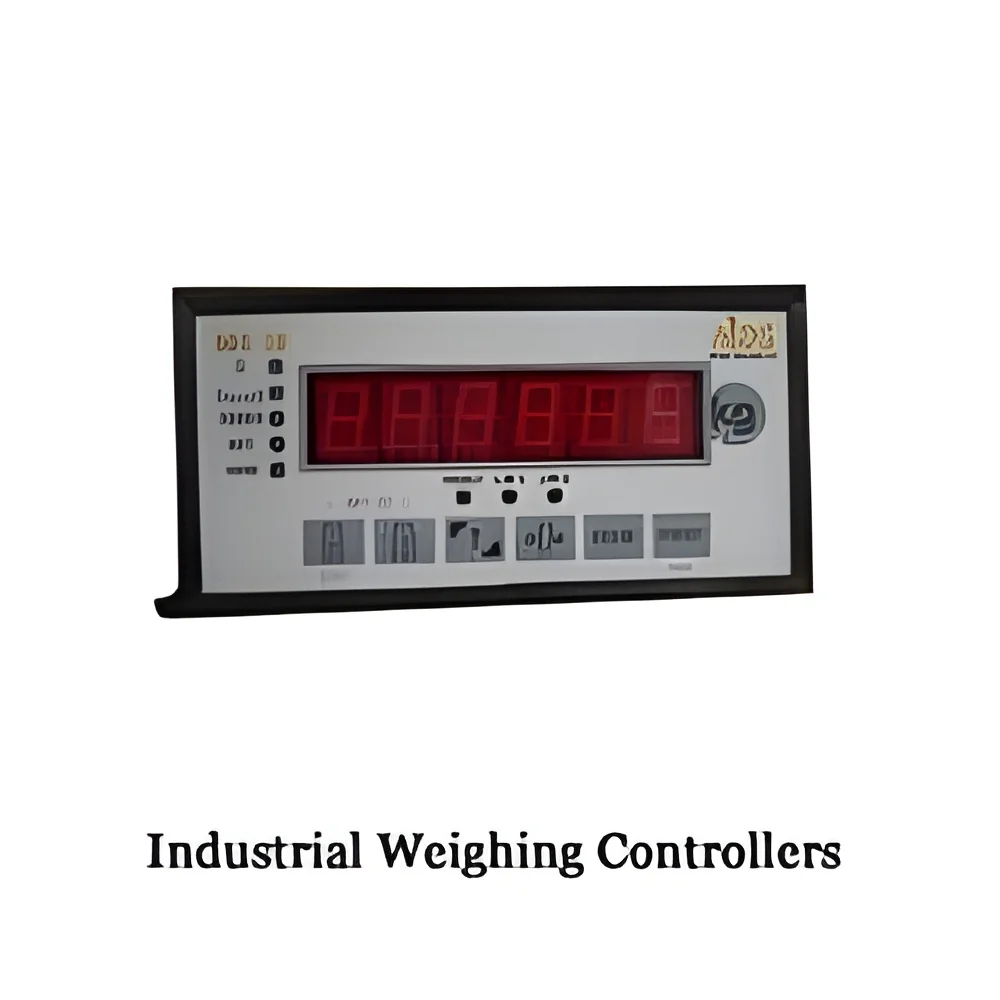
- Options can include manual controls, digital displays, or automated systems.
6. Safety Features
- Includes safeguards to prevent accidents.
- Features may involve emergency stop buttons, safety guards, and overload protection.
7. Compliance Standards
- Indicates adherence to industry standards and regulations.
- Certifications like CE ensure safety and quality compliance.
8. Maintenance Needs
- Describes the upkeep required to ensure optimal operation.
- Some models offer easy disassembly for cleaning and maintenance.
In summary, understanding the features and specifications of industrial mixers and blenders is crucial for selecting the right equipment for specific applications.
𝗖𝗼𝗺𝗺𝗼𝗻 𝗔𝗽𝗽𝗹𝗶𝗰𝗮𝘁𝗶𝗼𝗻𝘀 𝗮𝗻𝗱 𝗨𝘀𝗲 𝗖𝗮𝘀𝗲𝘀
Industrial mixers and blenders serve a variety of industries, each with specific applications tailored to their operational needs.
1. Food and Beverage: These mixers are used to create uniform mixtures for sauces, dressings, and baked goods, ensuring consistent flavor and texture.
2. Pharmaceuticals: They mix powders and liquids for drug formulation, guaranteeing precise ingredient ratios and homogeneity in products.
3. Chemicals: Industrial mixers blend raw materials and chemicals, playing a key role in producing paints, coatings, and adhesives.
4. Plastics: Mixers are essential in the production of plastic components, where they ensure even distribution of additives and pigments.
5. Construction: In the construction industry, mixers combine materials such as cement, sand, and aggregates to create concrete mixes.
6. Cosmetics: These machines are used to blend creams, lotions, and other cosmetic products, ensuring a smooth and consistent texture.
7. Agriculture: Mixers help in the formulation of animal feed and fertilizers, ensuring proper nutrient distribution.
𝗣𝗿𝗼𝗱𝘂𝗰𝘁 𝗩𝗮𝗿𝗶𝗮𝗻𝘁𝘀 𝗮𝗻𝗱 𝗦𝘂𝗯𝗰𝗮𝘁𝗲𝗴𝗼𝗿𝗶𝗲𝘀
Industrial mixers and blenders come in various types, each designed to cater to specific mixing requirements.
Batch Mixers: These mixers operate by processing a set quantity of materials in a single batch. They are ideal for smaller production runs and provide flexibility in recipes.
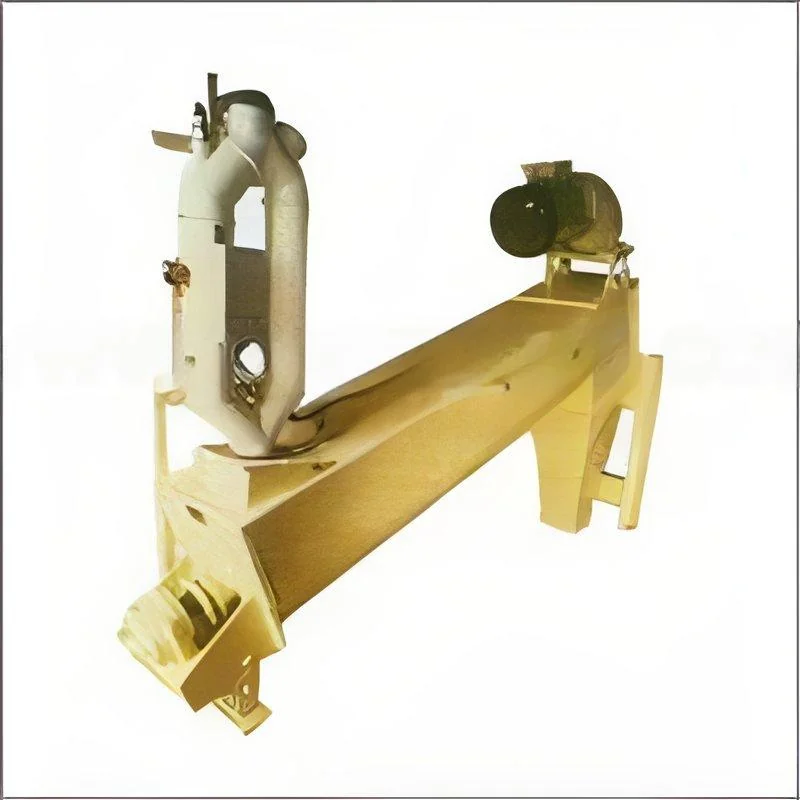
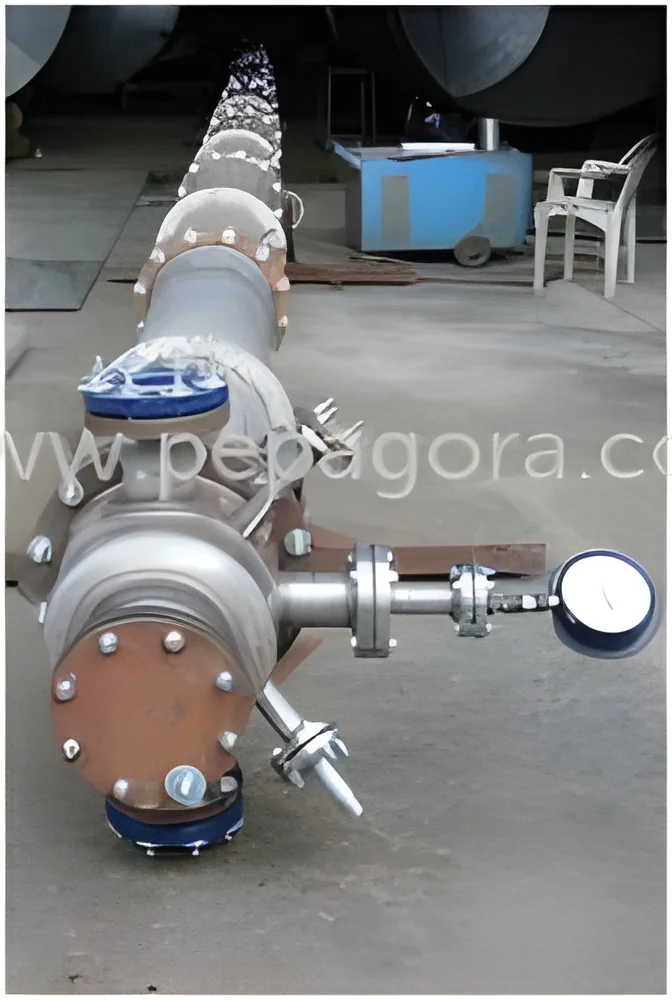
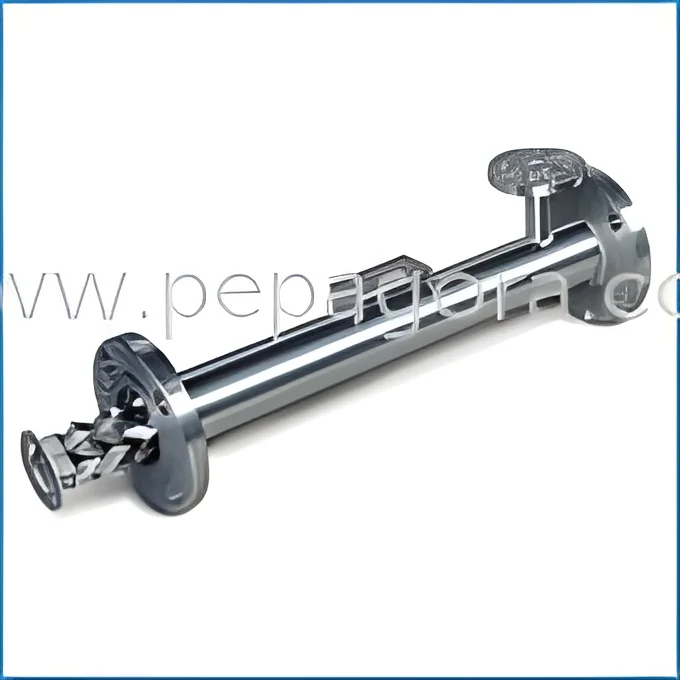
Continuous Mixers: Designed for high-volume production, these mixers continuously feed and mix materials. They are suitable for operations requiring a steady flow of mixed products.
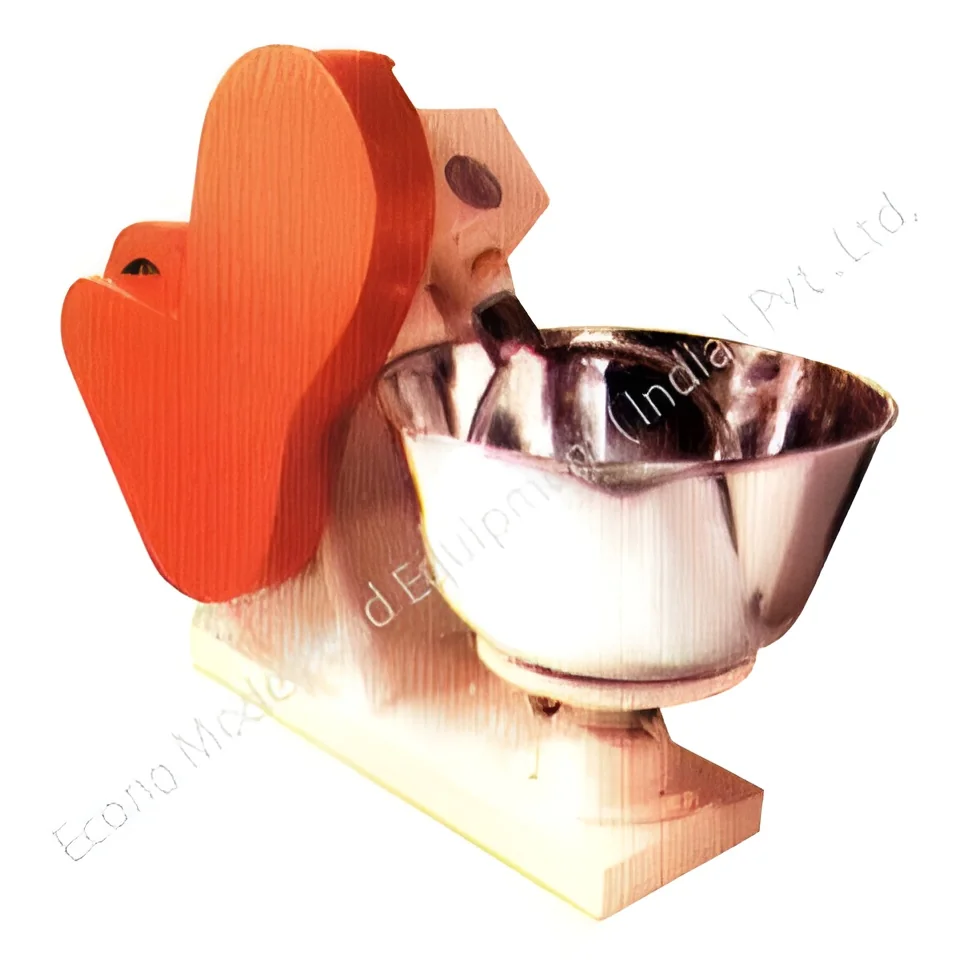
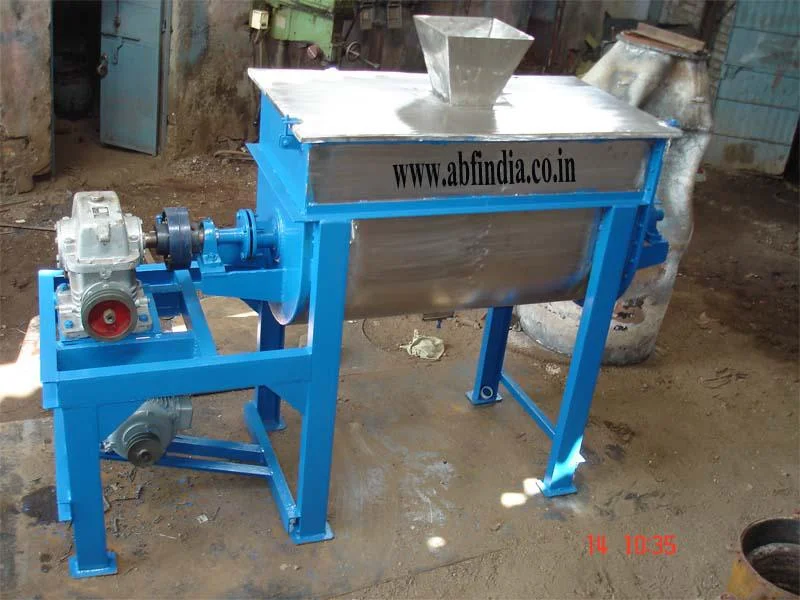
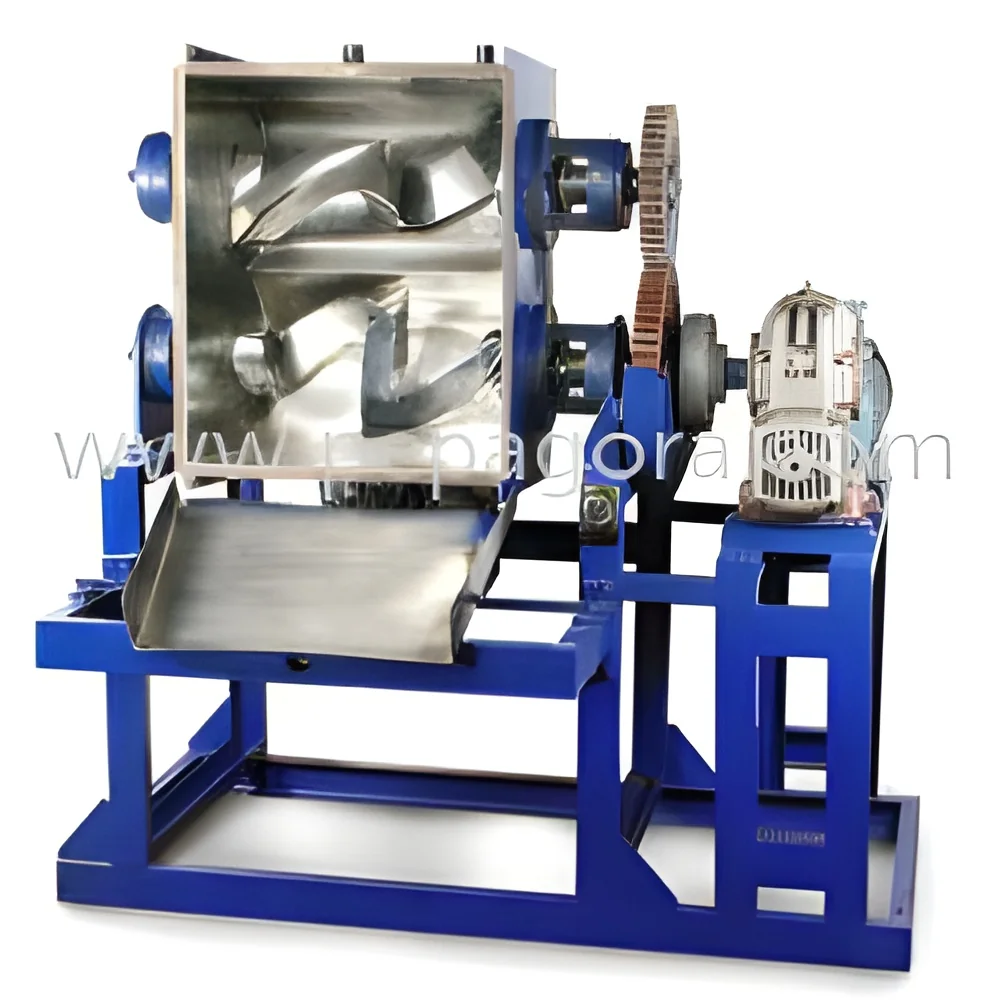
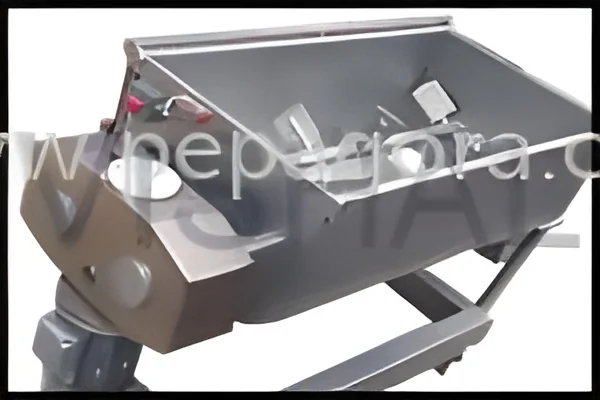
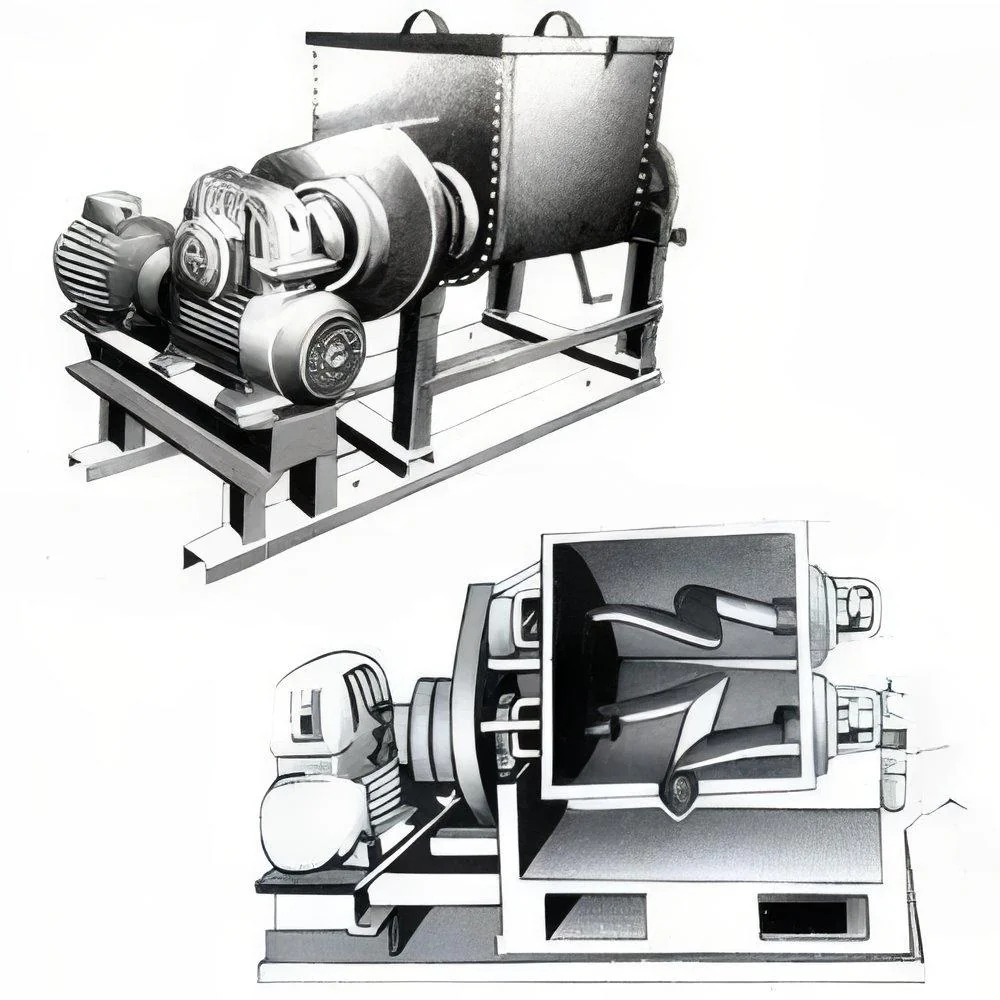
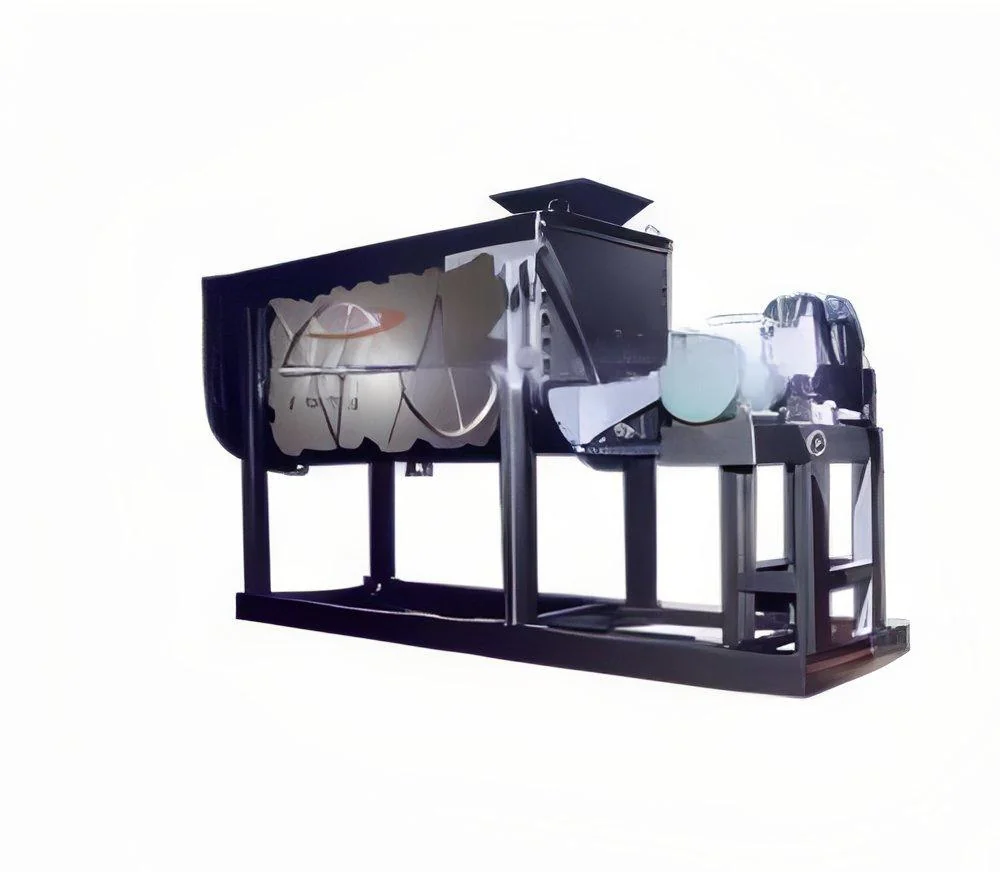
Ribbon Blenders: This type features a ribbon-like agitator that provides thorough mixing of dry powders and granules. They are commonly used in food and pharmaceutical applications.
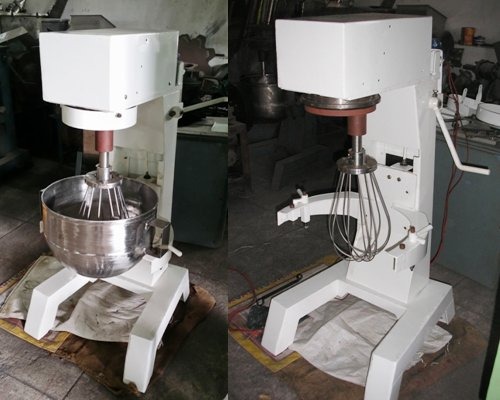
Planetary Mixers: With a unique mixing action, these mixers rotate around a central axis, making them ideal for thick or viscous materials.
𝗕𝗲𝗻𝗲𝗳𝗶𝘁𝘀 𝗮𝗻𝗱 𝗔𝗱𝘃𝗮𝗻𝘁𝗮𝗴𝗲𝘀
Investing in industrial mixers and blenders offers several advantages for businesses looking to enhance their production processes.
1. Enhanced Product Consistency: These machines ensure uniform mixing, leading to consistent product quality.
2. Increased Efficiency: Advanced mixing technology reduces mixing times, allowing for faster production cycles.
3. Versatility: Industrial mixers can handle a wide range of materials, making them suitable for various applications.
4. Improved Safety: Many models include safety features that protect operators during the mixing process.
5. Cost Savings: Efficient mixing can reduce material waste and improve overall production efficiency, leading to cost savings.
6. Customization: Many manufacturers offer tailored solutions to meet specific operational needs, ensuring optimal performance.
𝗕𝘂𝘆𝗶𝗻𝗴 𝗚𝘂𝗶𝗱𝗲 𝗳𝗼𝗿 𝗕𝟮𝗕 𝗕𝘂𝘆𝗲𝗿𝘀
When sourcing industrial mixers and blenders, buyers should consider several factors to ensure they make informed decisions.
1. Quality Assessment: Evaluate the build quality of the mixers and blenders. Look for machines made from durable materials that can withstand rigorous use.
2. Supplier Verification: Vet potential suppliers by checking their reputation, customer reviews, and industry certifications. This helps ensure reliability and product quality.
3. Pricing and MOQ: Understand the pricing structure and minimum order quantities. Comparing quotes from multiple suppliers can help in getting the best deal.
4. Delivery and Lead Times: Consider the logistics of delivery, including lead times. Ensure the supplier can meet your production schedules.
5. Compliance Requirements: Verify that the equipment meets necessary compliance and regulatory standards relevant to your industry.
𝗖𝗼𝗺𝗽𝗹𝗶𝗮𝗻𝗰𝗲 𝗮𝗻𝗱 𝗖𝗲𝗿𝘁𝗶𝗳𝗶𝗰𝗮𝘁𝗶𝗼𝗻𝘀
Compliance and certifications are critical factors when selecting industrial mixers and blenders. These machines must adhere to relevant quality standards to ensure safety and reliability.
ISO 9001 is a widely recognized standard for quality management systems, ensuring that manufacturers follow strict quality control processes.
HACCP (Hazard Analysis and Critical Control Points) is essential in food and beverage applications, focusing on food safety and risk management.
CE certification indicates compliance with European safety standards, ensuring that products meet necessary health, safety, and environmental protection requirements.
Safety and testing requirements vary by industry, and manufacturers should provide documentation proving compliance with applicable standards.
Regional compliance considerations are also important, as different regions may have specific regulations that must be followed.
𝗪𝗵𝘆 𝗦𝗼𝘂𝗿𝗰𝗲 𝗜𝗻𝗱𝘂𝘀𝘁𝗿𝗶𝗮𝗹 𝗠𝗶𝘅𝗲𝗿𝘀 & 𝗕𝗹𝗲𝗻𝗱𝗲𝗿𝘀 𝗳𝗿𝗼𝗺 𝗣𝗲𝗽𝗮𝗴𝗼𝗿𝗮?
Pepagora provides a trusted platform for sourcing industrial mixers and blenders, offering several key advantages to buyers.
Verified Supplier Network: Pepagora connects buyers with verified suppliers, ensuring that they work with reputable manufacturers who meet industry standards. This network helps reduce risks associated with sourcing.
Streamlined RFQ Process: The request for quotation (RFQ) system simplifies the process of obtaining quotes from multiple suppliers, allowing buyers to compare options and find the best fit for their needs.
Trade Assurance and Support: Pepagora offers trade assurance, providing buyers with protection during transactions. This support gives businesses confidence in their purchases.
Regional Coverage: With a strong presence in India, GCC, and Southeast Asia, Pepagora provides extensive regional coverage, making it easier for businesses to find local suppliers and reduce shipping costs.
In summary, sourcing industrial mixers and blenders from Pepagora allows businesses to benefit from a reliable network, efficient processes, and regional expertise while ensuring quality and compliance.















Frequently Asked Questions
What are Industrial Mixers & Blenders?
Industrial mixers and blenders are machines designed to combine, mix, or blend materials in various industries. They are essential for ensuring uniformity and consistency in products, particularly in sectors like food processing, pharmaceuticals, and chemicals.
What are the different types of Industrial Mixers & Blenders?
There are several types of industrial mixers and blenders, including batch mixers, continuous mixers, ribbon blenders, and paddle mixers. Each type is suited for specific applications and materials, ranging from dry powders to slurries.
How do I choose the right Industrial Mixers & Blenders?
Choosing the right industrial mixer or blender depends on factors such as the type of materials to be mixed, the desired consistency, and the production capacity. It's important to assess your specific needs and consult with suppliers to find a suitable machine.
What are the standard specifications for Industrial Mixers & Blenders?
Standard specifications for industrial mixers and blenders typically include capacity, power requirements, and mixing speed. Other factors such as materials of construction, dimensions, and safety features may also be specified based on industry requirements.
What is the price range for Industrial Mixers & Blenders?
The price range for industrial mixers and blenders can vary significantly based on type, size, and specifications. Generally, they can range from a few thousand to several lakhs of Indian Rupees, depending on the complexity and features of the machine.
What quality standards apply to Industrial Mixers & Blenders?
Quality standards for industrial mixers and blenders often include certifications such as ISO 9001 for quality management systems. Additionally, industry-specific standards may apply based on the materials being processed, such as food safety regulations.
Where can I find Industrial Mixers & Blenders suppliers in India?
You can find industrial mixers and blenders suppliers in India through various channels such as online B2B marketplaces, trade shows, and industry directories. Platforms like Pepagora.com provide a comprehensive listing of manufacturers and suppliers.
Can Industrial Mixers & Blenders be customized?
Yes, many manufacturers offer customization options for industrial mixers and blenders to meet specific requirements. Customization can include adjustments in size, material, and features to align with the unique needs of different industries.
What is the typical minimum order quantity for Industrial Mixers & Blenders?
The typical minimum order quantity (MOQ) for industrial mixers and blenders can vary by supplier and product type. Generally, MOQs can range from one unit for standard models to several units for custom designs.
What is the typical lead time for Industrial Mixers & Blenders?
The typical lead time for industrial mixers and blenders varies based on the manufacturer and the complexity of the order. Standard models may have a lead time of a few weeks, while custom machines may take longer due to the additional design and manufacturing processes.
Why Businesses Trust Pepagora
Thousands of companies trust Pepagora to source smarter and sell faster
Expand Your Sales Globally

Source Smarter,Grow Faster
