
 IN
Industrial Electrical Equipment
739 products available
𝗪𝗵𝗮𝘁 𝗮𝗿𝗲 𝗜𝗻𝗱𝘂𝘀𝘁𝗿𝗶𝗮𝗹 𝗘𝗹𝗲𝗰𝘁𝗿𝗶𝗰𝗮𝗹 𝗘𝗾𝘂𝗶𝗽𝗺𝗲𝗻𝘁?
Industrial electrical equipment refers to a range of devices and systems designed to manage and utilize electrical energy in industrial environments. This category includes items such as transformers, circuit breakers, control panels, and switchgear. These products play a crucial role in ensuring that electrical systems operate safely and efficiently, meeting the specific needs of various industries.
The primary use of industrial electrical equipment is to facilitate the distribution and control of electricity across manufacturing plants, construction sites, and other industrial settings. These devices help in managing power supply, protecting circuits, and enabling automation. Businesses rely on this equipment for their daily operations, ensuring operational reliability and safety.
In the current market, the demand for industrial electrical equipment is steadily growing due to advancements in technology and a push for increased energy efficiency. Many industries are adopting smart technology solutions, which enhances the relevance of electrical equipment in sectors such as manufacturing, energy, and construction.
𝗞𝗲𝘆 𝗙𝗲𝗮𝘁𝘂𝗿𝗲𝘀 𝗮𝗻𝗱 𝗦𝗽𝗲𝗰𝗶𝗳𝗶𝗰𝗮𝘁𝗶𝗼𝗻𝘀
Industrial electrical equipment is characterized by various features that cater to the diverse needs of businesses. Understanding these key specifications is essential for making informed purchasing decisions.
Key specifications include:
1. Voltage Rating
- Refers to the maximum voltage the equipment can handle.
- Typically ranges from low voltage (up to 1,000 volts) to high voltage (above 1,000 volts).
2. Current Rating
- Indicates the maximum current the equipment can safely carry.
- Measured in amperes, with typical ratings ranging from a few amps to several thousand amps.
3. Frequency
- The operational frequency of the equipment.
- Commonly set at 50 Hz or 60 Hz depending on the regional electrical grid.
4. Temperature Range
- Specifies the operational temperature limits.
- Data not available for specific ranges but varies based on equipment design.
5. Enclosure Type
- Describes the protective casing of the equipment.
- Can be open, closed, or designed for specific environmental conditions (e.g., IP-rated for water and dust resistance).
6. Compliance Standards
- Indicates whether the equipment meets industry and safety standards.
- CE certification is commonly required in many markets.
7. Control Features
- Describes the automation capabilities of the equipment.
- May include programmable logic controllers (PLCs) or smart monitoring systems.
8. Maintenance Requirements
- Details the upkeep needed for optimal operation.
- Regular inspections and servicing are typically recommended.
In summary, understanding the key features and specifications of industrial electrical equipment helps businesses choose the right products that align with their operational needs.
𝗖𝗼𝗺𝗺𝗼𝗻 𝗔𝗽𝗽𝗹𝗶𝗰𝗮𝘁𝗶𝗼𝗻𝘀 𝗮𝗻𝗱 𝗨𝘀𝗲 𝗖𝗮𝘀𝗲𝘀
Industrial electrical equipment serves a wide range of industries, each with unique applications and requirements.
1. Manufacturing: Equipment is used for power distribution, motor control, and automation systems, ensuring smooth production processes.
2. Construction: Electrical equipment supports temporary power solutions for construction sites, ensuring safety and efficiency in various activities.
3. Oil and Gas: Equipment manages electrical systems in exploration and extraction processes, where reliability is critical in harsh environments.
4. Renewable Energy: Used in solar and wind energy systems, this equipment helps in efficient power conversion and distribution.
5. Mining: Electrical equipment powers machinery and supports operations in underground and surface mining activities.
6. Water Treatment: Equipment is crucial for controlling pumping systems and managing the electrical needs of treatment plants.
7. HVAC Systems: Used in heating, ventilation, and air conditioning systems to manage electrical loads and ensure environmental comfort.
𝗣𝗿𝗼𝗱𝘂𝗰𝘁 𝗩𝗮𝗿𝗶𝗮𝗻𝘁𝘀 𝗮𝗻𝗱 𝗦𝘂𝗯𝗰𝗮𝘁𝗲𝗴𝗼𝗿𝗶𝗲𝘀
Industrial electrical equipment comes in various forms to meet specific needs across industries. The diversity of products allows for tailored solutions.
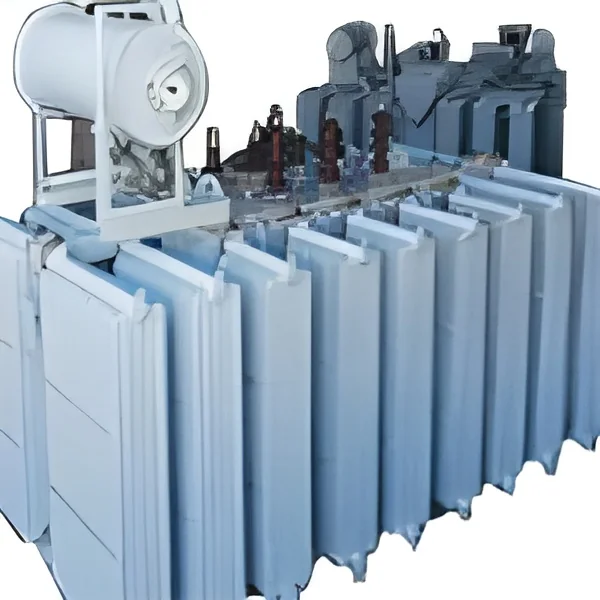
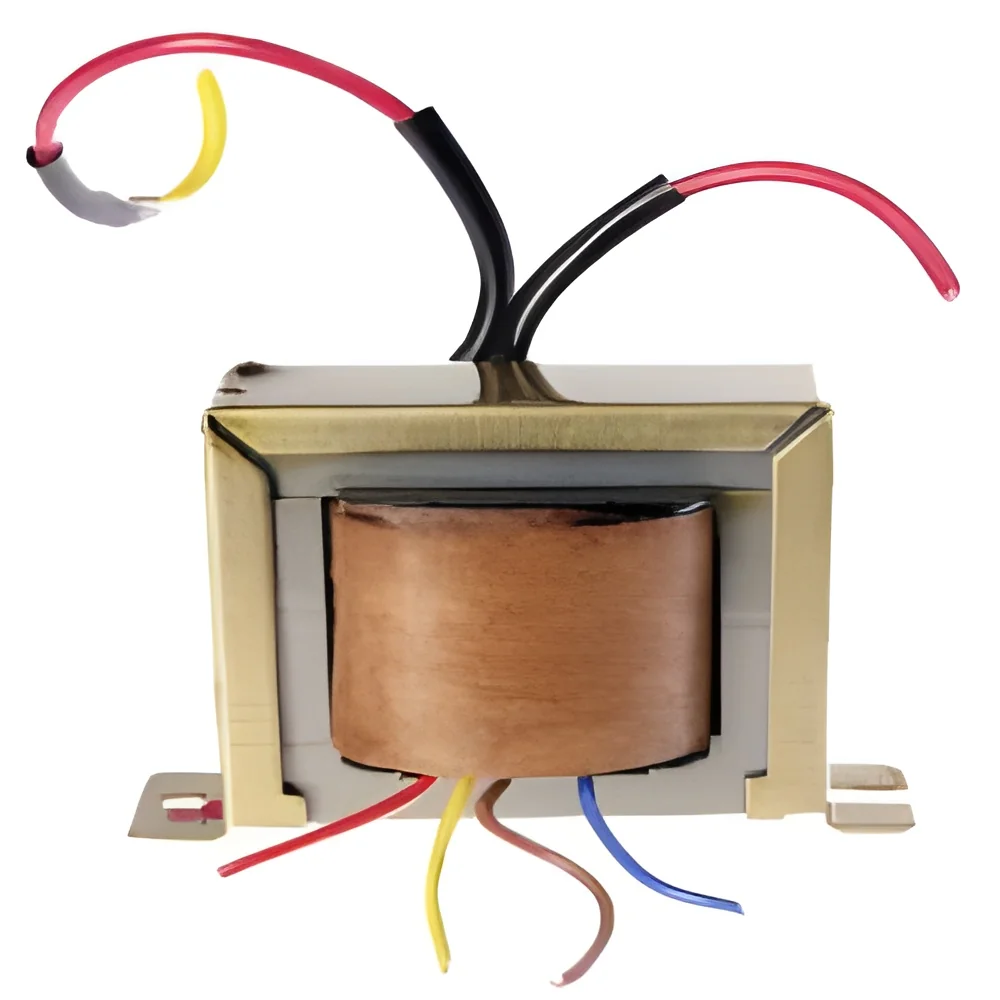
Transformer
Transformers adjust voltage levels in electrical systems, ensuring efficient power distribution. They are essential in both residential and industrial settings for stepping up or stepping down voltage.
Circuit Breaker
Circuit breakers protect electrical circuits from overload and short circuits. They are critical for ensuring safety in electrical systems, preventing damage and hazards.
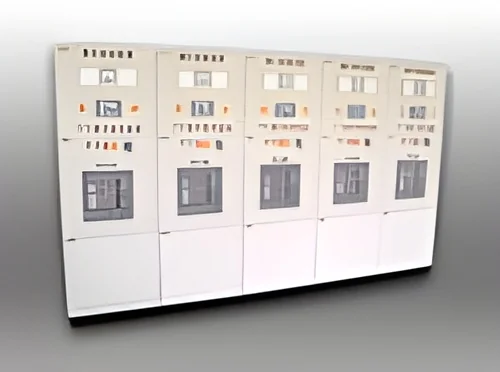
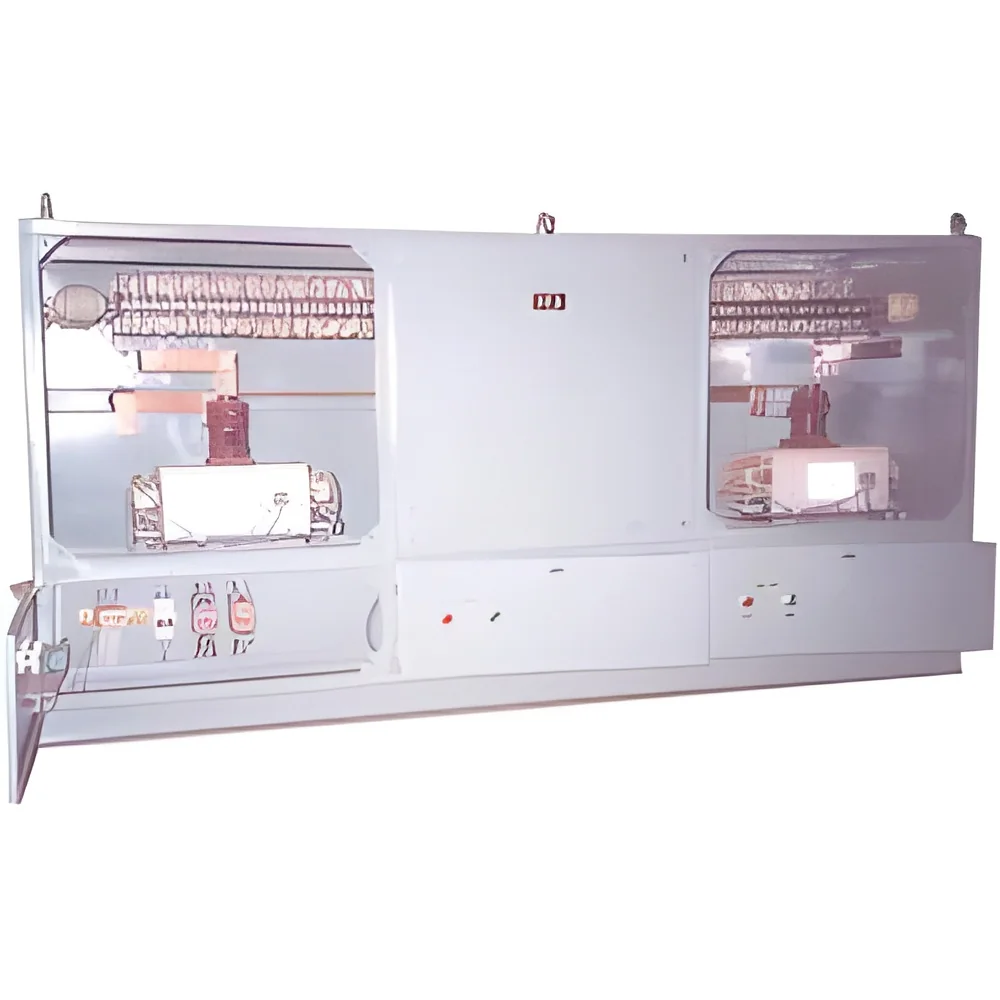
Control Panel
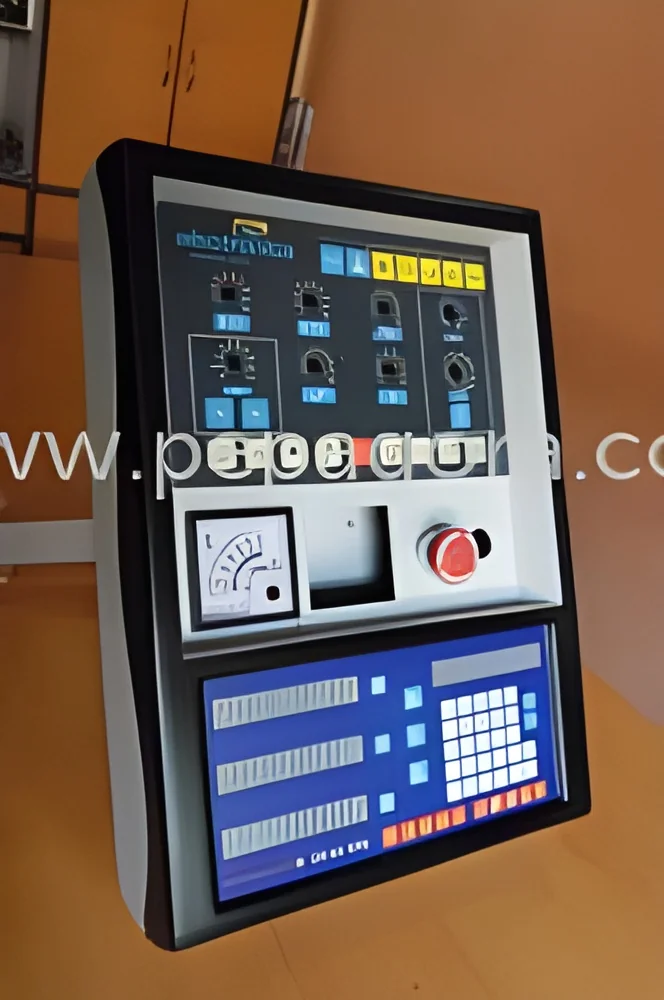
Control panels house the control systems for machinery and processes. They allow operators to monitor and manage electrical operations effectively.
Switchgear
Switchgear is used for controlling, protecting, and isolating electrical equipment. It plays a vital role in ensuring the safe operation of electrical networks.
𝗕𝗲𝗻𝗲𝗳𝗶𝘁𝘀 𝗮𝗻𝗱 𝗔𝗱𝘃𝗮𝗻𝘁𝗮𝗴𝗲𝘀
Investing in industrial electrical equipment offers numerous benefits for businesses.
1. Enhanced Safety: Proper electrical equipment helps minimize risks of electrical accidents and failures, ensuring a safer working environment.
2. Increased Efficiency: High-quality equipment improves energy efficiency, reducing operational costs and minimizing waste.
3. Reliability: Durable and well-designed equipment ensures consistent performance, reducing downtime and maintenance costs.
4. Compliance Assurance: Meeting industry standards and certifications through quality equipment guarantees regulatory compliance.
5. Customization Options: Many suppliers offer customizable solutions tailored to specific business needs, enhancing operational flexibility.
6. Long-Term Cost Savings: Investing in reliable equipment can lead to lower long-term costs through reduced energy consumption and maintenance.
𝗕𝘂𝘆𝗶𝗻𝗴 𝗚𝘂𝗶𝗱𝗲 𝗳𝗼𝗿 𝗕𝟮𝗕 𝗕𝘂𝘆𝗲𝗿𝘀
When sourcing industrial electrical equipment, several critical factors should be considered to ensure the best purchasing decision.
1. Quality Assessment: Evaluate equipment based on quality certifications and customer reviews. Look for products that meet industry standards to ensure reliability.
2. Supplier Verification: Research potential suppliers to verify their reputation and reliability. Check for certifications and previous customer experiences.
3. Pricing and MOQ: Understand the pricing structure and minimum order quantities (MOQ) required by suppliers. Compare costs to ensure competitive pricing.
4. Delivery and Lead Times: Consider the logistics involved in acquiring the equipment. Ensure that suppliers can meet your delivery timelines.
5. Compliance Requirements: Familiarize yourself with the regulatory requirements relevant to your industry. Ensure that the equipment meets necessary compliance standards.
𝗖𝗼𝗺𝗽𝗹𝗶𝗮𝗻𝗰𝗲 𝗮𝗻𝗱 𝗖𝗲𝗿𝘁𝗶𝗳𝗶𝗰𝗮𝘁𝗶𝗼𝗻𝘀
Compliance with quality standards and certifications is essential for industrial electrical equipment. Common standards include ISO 9001, which ensures consistent quality management across manufacturing processes. The CE certification signifies that the equipment meets European safety, health, and environmental protection standards.
Industry-specific certifications may also apply, particularly in sectors such as energy and construction. Safety and testing requirements are critical, often necessitating rigorous testing protocols to confirm product reliability and safety under operational conditions.
Additionally, regional compliance considerations must be taken into account. Different regions may have unique standards and regulations that must be adhered to when sourcing or manufacturing industrial electrical equipment.
𝗪𝗵𝘆 𝗦𝗼𝘂𝗿𝗰𝗲 𝗜𝗻𝗱𝘂𝘀𝘁𝗿𝗶𝗮𝗹 𝗘𝗹𝗲𝗰𝘁𝗿𝗶𝗰𝗮𝗹 𝗘𝗾𝘂𝗶𝗽𝗺𝗲𝗻𝘁 𝗳𝗿𝗼𝗺 𝗣𝗲𝗽𝗮𝗴𝗼𝗿𝗮?
Pepagora provides a trusted platform for sourcing industrial electrical equipment, offering several key advantages for B2B buyers.
Verified Supplier Network: Pepagora features a network of verified suppliers, ensuring that buyers can source high-quality equipment from reputable manufacturers. This reduces the risk of purchasing substandard products.
Streamlined RFQ Process: The platform simplifies the request for quotation process, allowing buyers to easily compare offers from multiple suppliers. This saves time and aids in making informed purchasing decisions.
Trade Assurance and Support: Pepagora offers trade assurance to protect buyers throughout the purchasing process. Comprehensive support is available to address any concerns or issues that may arise.
Regional Coverage: With a focus on markets in India, the GCC, and Southeast Asia, Pepagora ensures that buyers have access to local suppliers and products tailored to regional needs. This coverage enhances the sourcing experience and facilitates timely deliveries.









Frequently Asked Questions
What are Industrial Electrical Equipment?
Industrial Electrical Equipment refers to the devices and systems used in industrial settings to manage, distribute, and utilize electrical power. This includes a wide range of products such as transformers, circuit breakers, relays, and motor starters, which are essential for the operation of machinery and production lines.
What are the different types of Industrial Electrical Equipment?
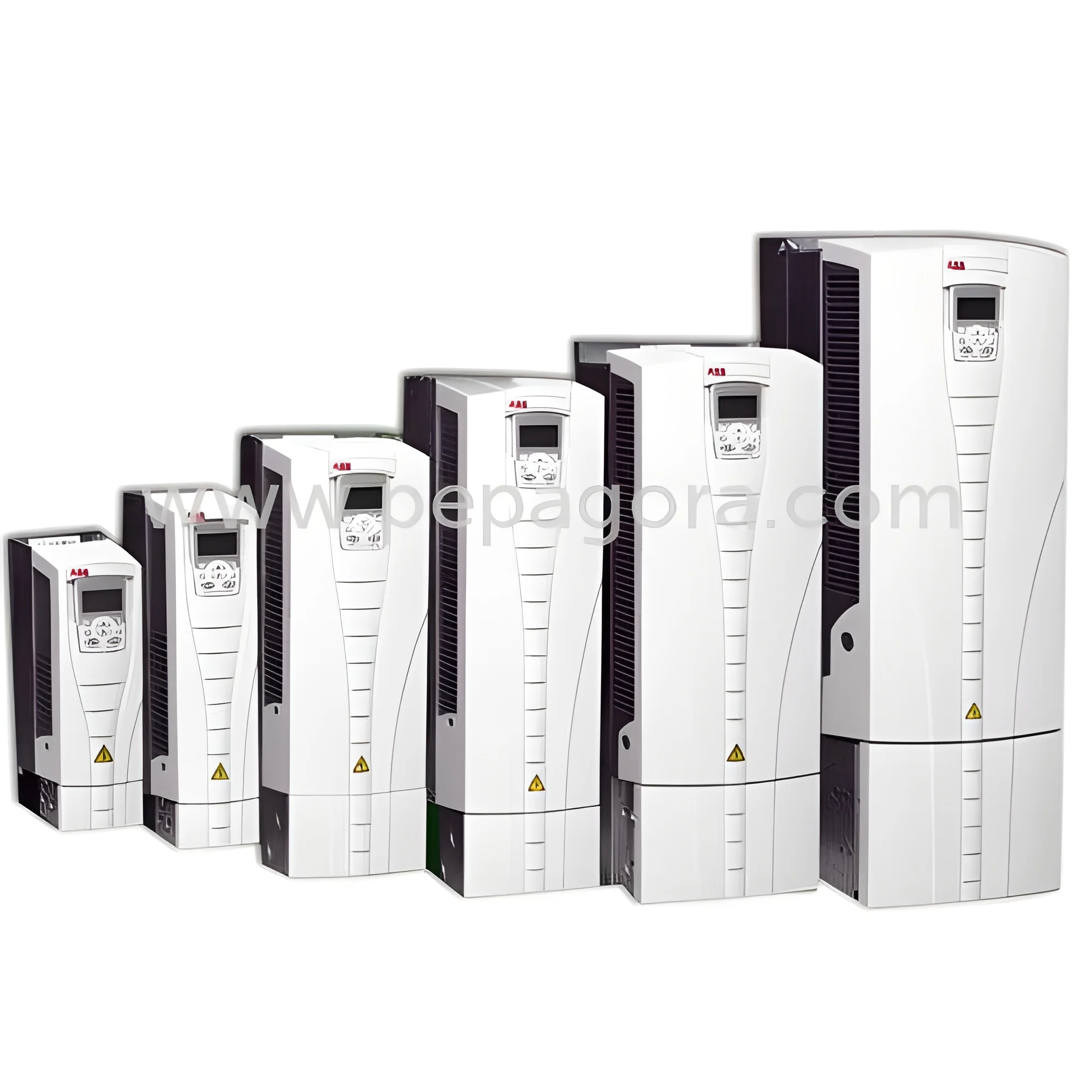
The different types of Industrial Electrical Equipment include power distribution equipment, control devices, protective devices, and automation equipment. Examples are switchgear, panel boards, and variable frequency drives (VFDs), each serving specific functions in electrical systems.
How do I choose the right Industrial Electrical Equipment?
To choose the right Industrial Electrical Equipment, assess your specific operational needs, including voltage and current requirements. Additionally, consider factors such as compatibility with existing systems, reliability, and compliance with industry standards to ensure optimal performance.
What are the standard specifications for Industrial Electrical Equipment?
Standard specifications for Industrial Electrical Equipment often include voltage ratings, current ratings, insulation class, and temperature ratings. Compliance with international standards such as IEC or ANSI is also crucial in ensuring safety and performance.
What is the price range for Industrial Electrical Equipment?
The price range for Industrial Electrical Equipment can vary widely depending on the type and specifications. Generally, prices may start from a few thousand rupees for basic components to several lakhs for complex systems.
What quality standards apply to Industrial Electrical Equipment?
Quality standards for Industrial Electrical Equipment typically include ISO certification, IEC standards, and specific national standards like IS in India. Adhering to these standards ensures safety, reliability, and efficiency in electrical systems.
Where can I find Industrial Electrical Equipment suppliers in India?
You can find Industrial Electrical Equipment suppliers in India through B2B marketplaces like Pepagora, industry trade fairs, and online directories. Additionally, networking with industry professionals and attending relevant exhibitions can help identify reputable suppliers.
Can Industrial Electrical Equipment be customized?
Yes, many manufacturers offer customization options for Industrial Electrical Equipment to meet specific requirements. Customization can include modifications in design, specifications, and features to suit particular industrial applications.
What is the typical minimum order quantity for Industrial Electrical Equipment?
The typical minimum order quantity (MOQ) for Industrial Electrical Equipment can vary by manufacturer and product type. Generally, MOQs may range from a few units for standard items to larger quantities for specialized equipment.
What is the typical lead time for Industrial Electrical Equipment?
The typical lead time for Industrial Electrical Equipment can range from a few days to several weeks, depending on the type of equipment and the manufacturer's production schedule. Custom orders may require longer lead times due to additional processing.
Why Businesses Trust Pepagora
Thousands of companies trust Pepagora to source smarter and sell faster
Expand Your Sales Globally

Source Smarter,Grow Faster
