𝗪𝗵𝗮𝘁 𝗮𝗿𝗲 𝗜𝗻𝗱𝘂𝘀𝘁𝗿𝗶𝗮𝗹 𝗖𝗹𝗲𝗮𝗻𝗶𝗻𝗴 𝗘𝗾𝘂𝗶𝗽𝗺𝗲𝗻𝘁?
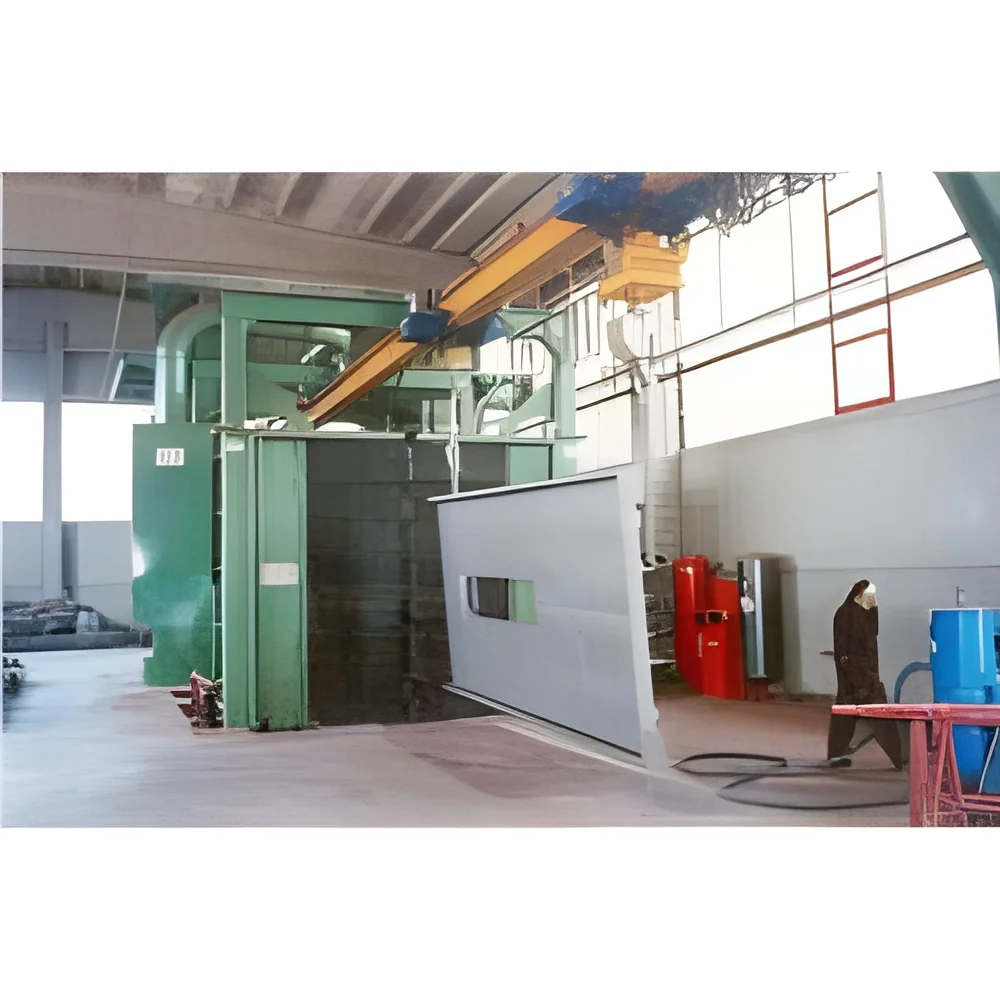
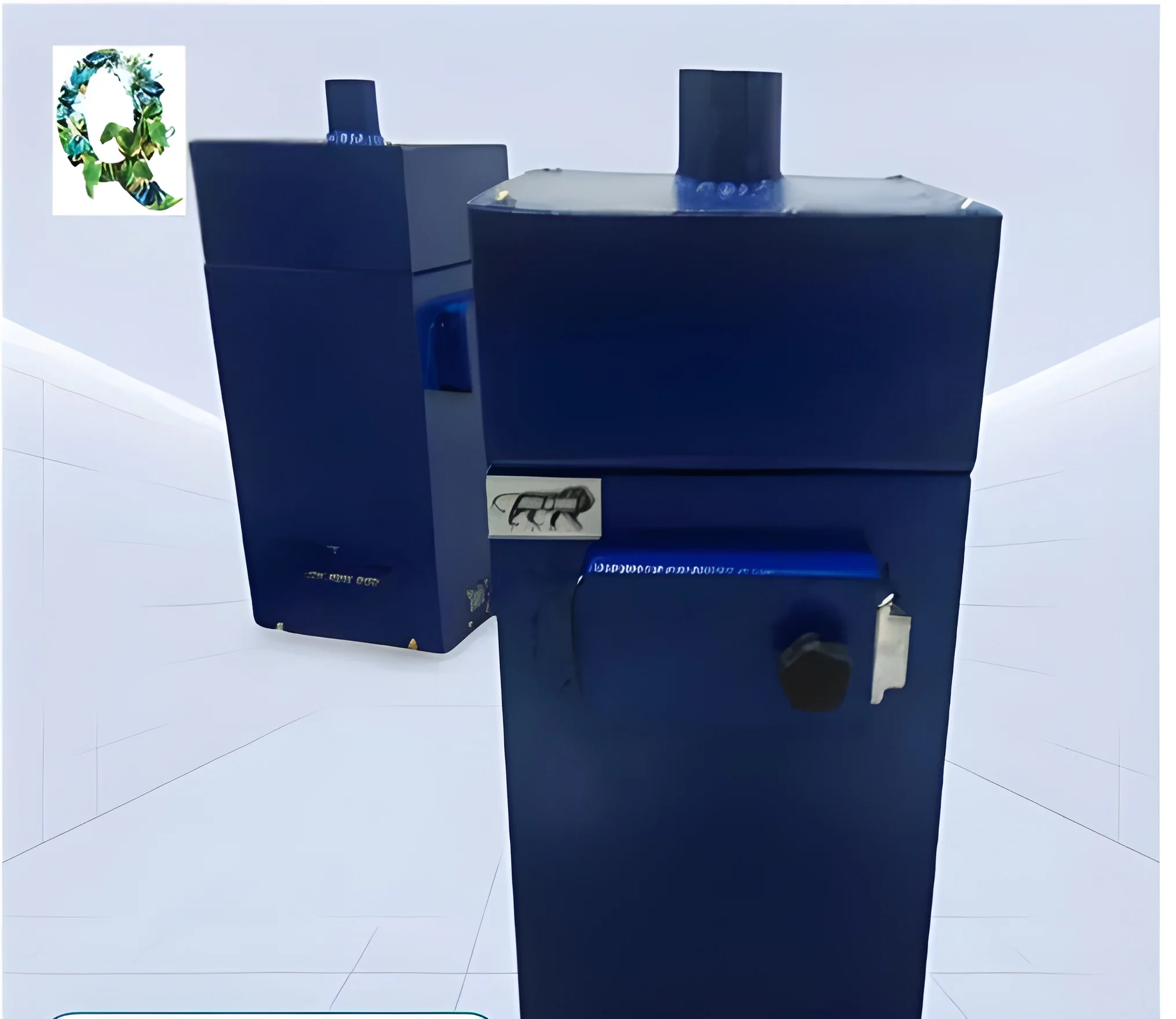
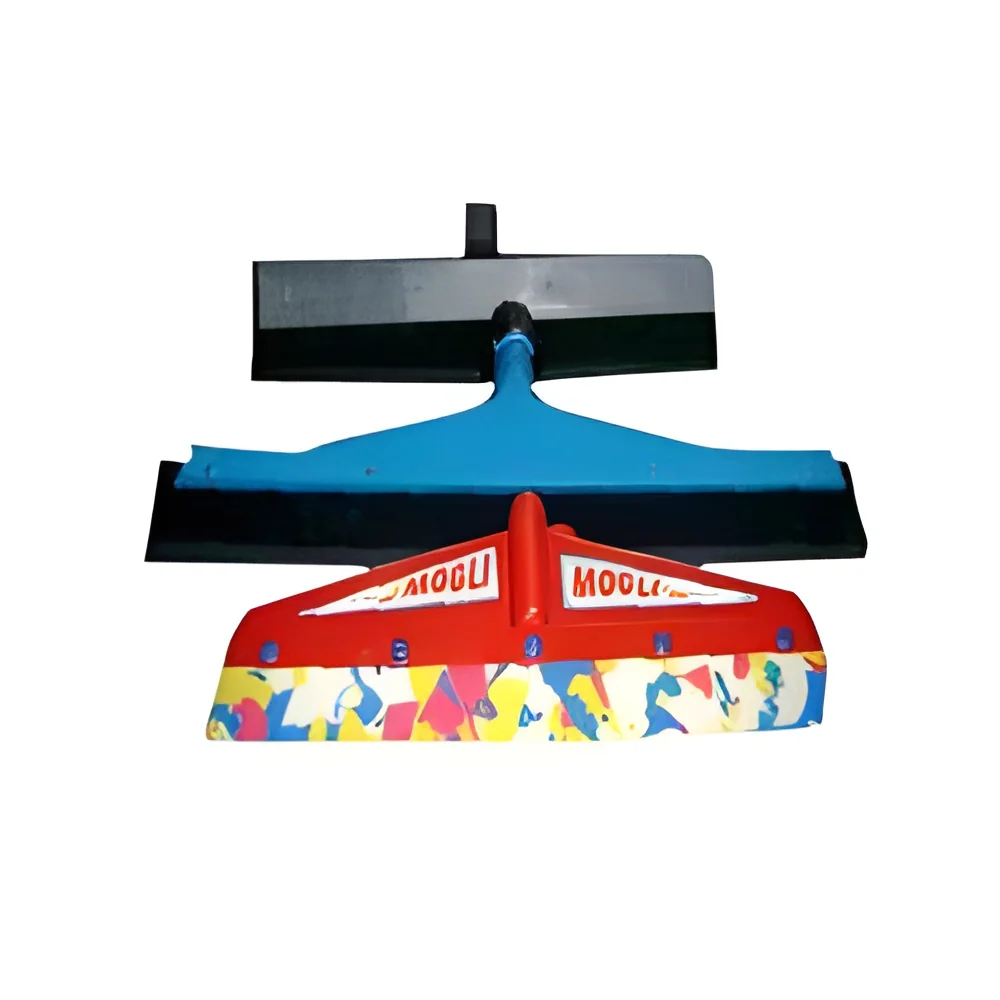
Industrial cleaning equipment encompasses a wide range of machines and tools designed to remove dirt, debris, and contaminants from various surfaces in industrial settings. These devices are engineered to handle tough cleaning tasks that are often beyond the capacity of standard cleaning tools. They include items such as pressure washers, industrial vacuums, floor scrubbers, and steam cleaners, among others. Industrial cleaning equipment is essential for maintaining a safe and hygienic environment in facilities where cleanliness is critical.
The primary uses of industrial cleaning equipment span multiple industries, including manufacturing, food processing, healthcare, and hospitality. In manufacturing, these tools help maintain equipment and workspaces, ensuring operational efficiency. In food processing, they are crucial for meeting hygiene standards and preventing contamination. Healthcare facilities rely on industrial cleaning equipment to maintain sterile environments, while hospitality venues use it to enhance guest experiences through cleanliness. The demand for these products continues to grow as industries recognize the importance of a clean workplace.
In terms of market context, the industrial cleaning equipment segment is evolving with advancements in technology and increasing awareness of hygiene standards. As industries face stricter regulations regarding cleanliness and safety, the relevance of industrial cleaning equipment becomes even more pronounced. This growth is further fueled by the expansion of sectors like e-commerce and logistics, which require high cleanliness standards in their operations.
𝗞𝗲𝘆 𝗙𝗲𝗮𝘁𝘂𝗿𝗲𝘀 𝗮𝗻𝗱 𝗦𝗽𝗲𝗰𝗶𝗳𝗶𝗰𝗮𝘁𝗶𝗼𝗻𝘀
Industrial cleaning equipment comes equipped with various features and specifications that enhance their performance and usability. Understanding these specifications is crucial for buyers looking to invest in the right equipment for their cleaning needs.
Key specifications include:
1. Cleaning Method
- Types include pressure washing, scrubbing, and vacuuming
- Each method serves different cleaning applications
2. Power Source
- Equipment can be electric, battery-operated, or fuel-powered
- Selection depends on the intended use and available power sources
3. Tank Capacity
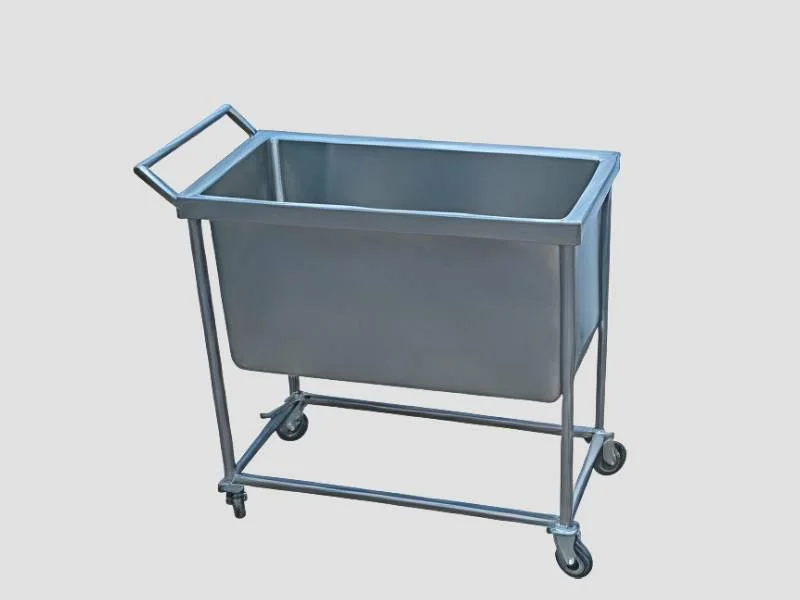
- Varies by equipment type, often ranging from small portable tanks to large stationary units
- Larger tanks reduce the need for frequent refills during use
4. Mobility
- Includes options such as wheeled designs or fixed installations
- Mobility is important for ease of use in large industrial areas
5. Noise Level
- Measured in decibels, indicates the operational sound produced
- Lower noise levels are preferable for environments requiring minimal disruption
6. Filtration System
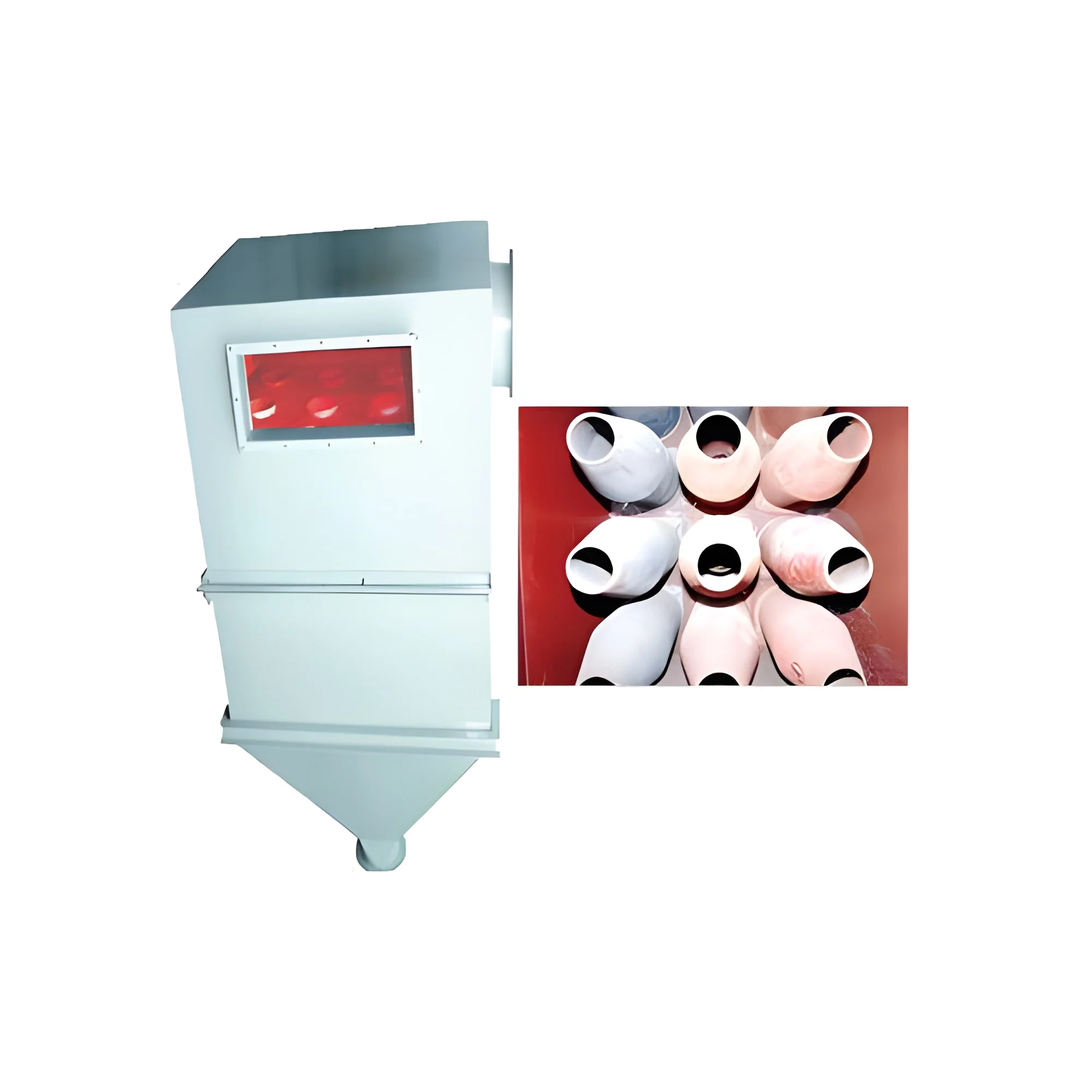
- Equipment may feature different types of filters for capturing fine particles
- High-efficiency filters improve air quality and cleaning effectiveness
7. Warranty and Service
- Varies by manufacturer, typically includes coverage for parts and labor
- Longer warranties suggest greater manufacturer confidence in product durability
8. Compliance Standards
- Equipment may meet various industrial standards and regulations
- Compliance with safety and operational standards is crucial for buyer assurance
In summary, understanding these key specifications helps buyers choose the right industrial cleaning equipment that meets their operational needs and industry requirements.
𝗖𝗼𝗺𝗺𝗼𝗻 𝗔𝗽𝗽𝗹𝗶𝗰𝗮𝘁𝗶𝗼𝗻𝘀 𝗮𝗻𝗱 𝗨𝘀𝗲 𝗖𝗮𝘀𝗲𝘀
Industrial cleaning equipment finds applications across various industries, each with unique cleaning needs.
1. Manufacturing: In manufacturing plants, equipment is used for cleaning machinery, floors, and production areas to maintain operational efficiency and safety.
2. Food Processing: These tools ensure that processing areas are free from contaminants, adhering to strict hygiene standards required in food safety regulations.
3. Healthcare: Hospitals and clinics use industrial cleaning equipment to sanitize surfaces and equipment, ensuring a sterile environment for patient care.
4. Hospitality: Hotels and restaurants utilize this equipment to maintain cleanliness in guest areas, kitchens, and restrooms, enhancing the overall customer experience.
5. Warehousing: In distribution centers, equipment is essential for cleaning large floor spaces and ensuring that goods are stored in a clean environment.
6. Automotive: Car manufacturing and repair facilities use industrial cleaners to maintain equipment and ensure cleanliness in service areas.
7. Construction: Construction sites benefit from industrial cleaning equipment to manage debris and maintain safety during and after project completion.
𝗣𝗿𝗼𝗱𝘂𝗰𝘁 𝗩𝗮𝗿𝗶𝗮𝗻𝘁𝘀 𝗮𝗻𝗱 𝗦𝘂𝗯𝗰𝗮𝘁𝗲𝗴𝗼𝗿𝗶𝗲𝘀
Industrial cleaning equipment encompasses a diverse range of products tailored to specific cleaning needs. Each variant serves distinct applications in various environments.
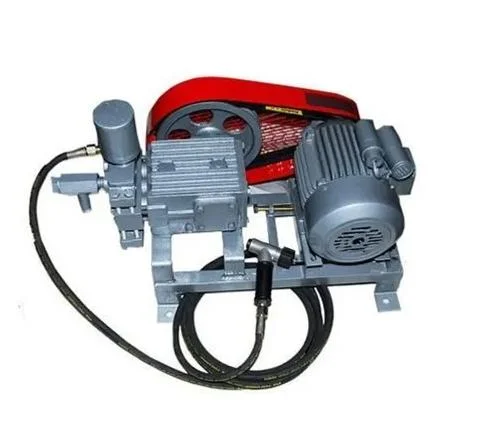
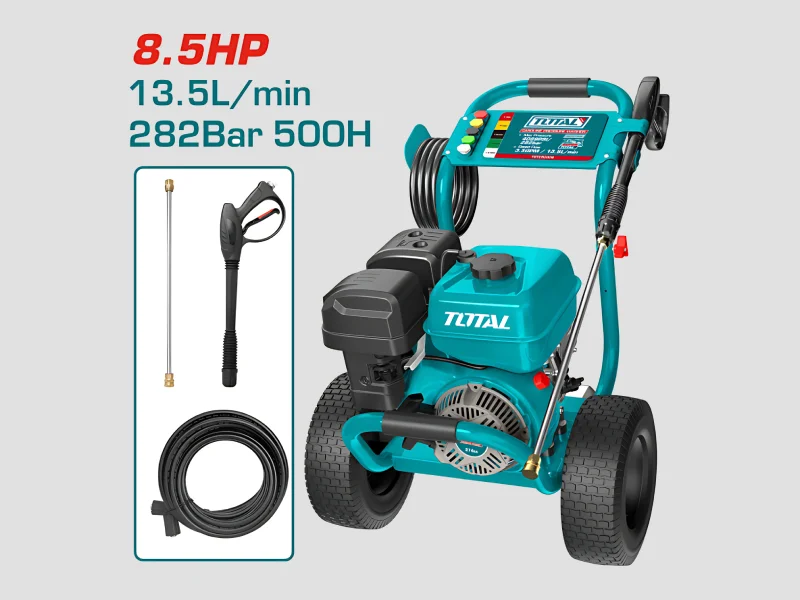
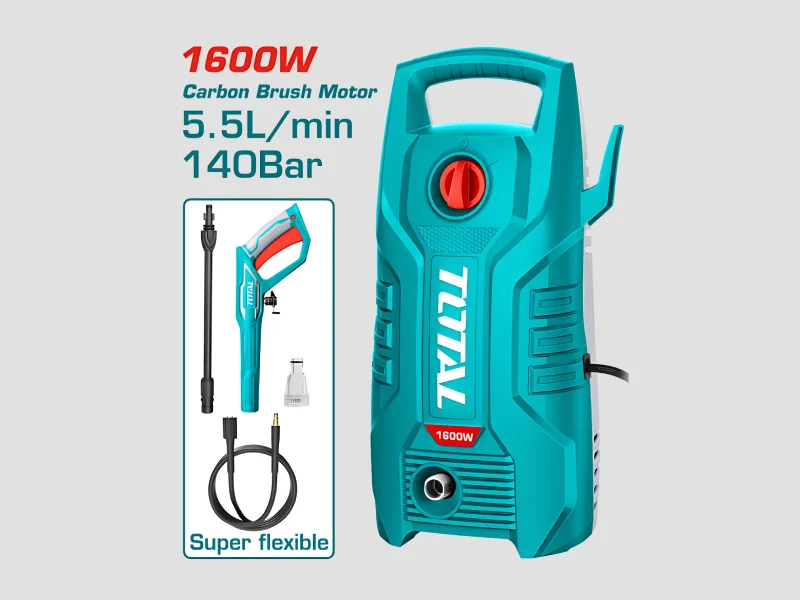
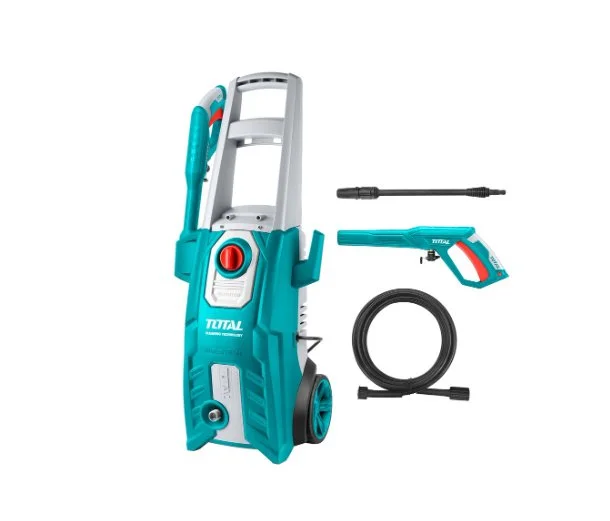
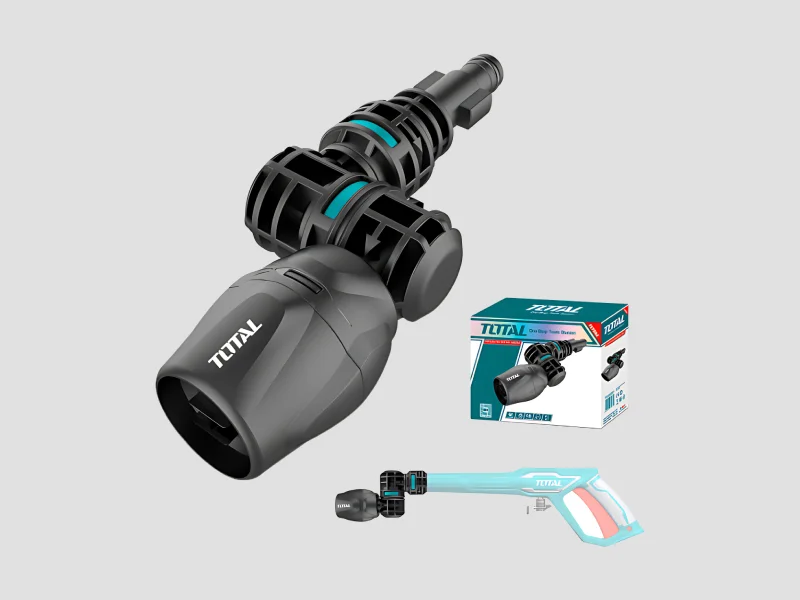
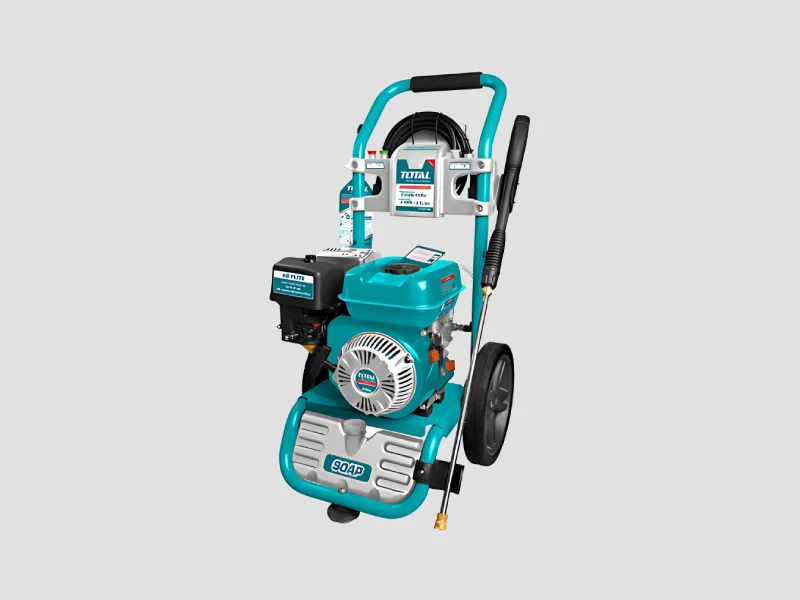
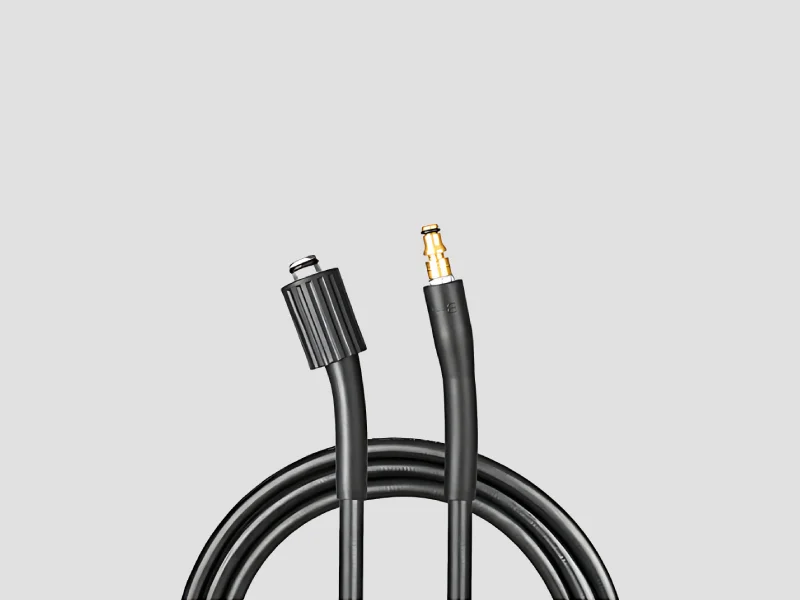
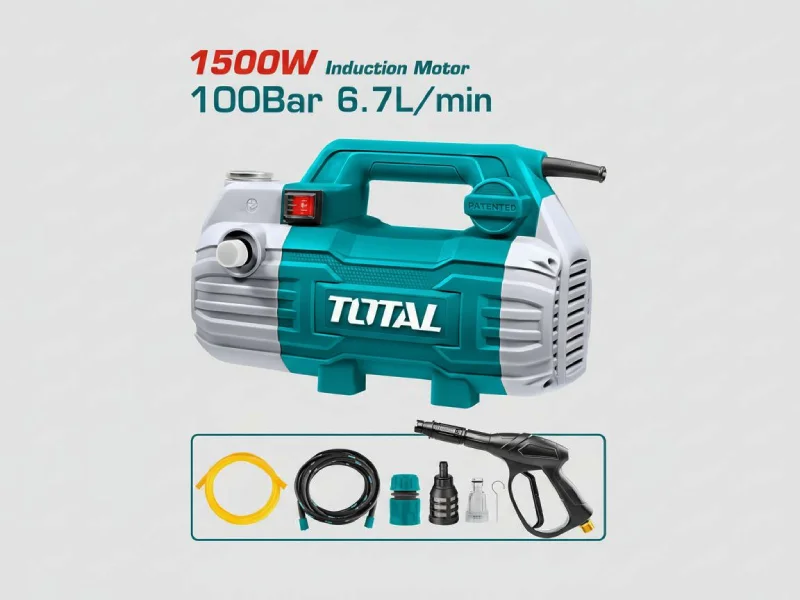
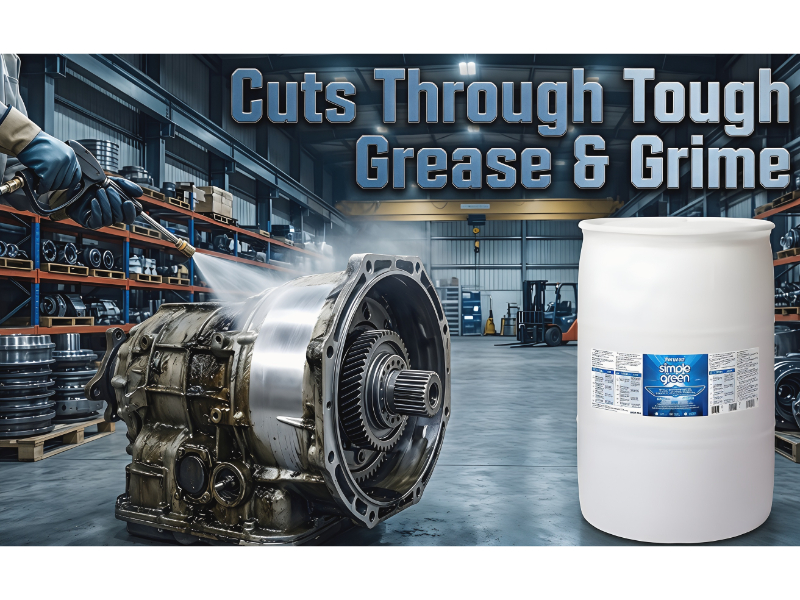
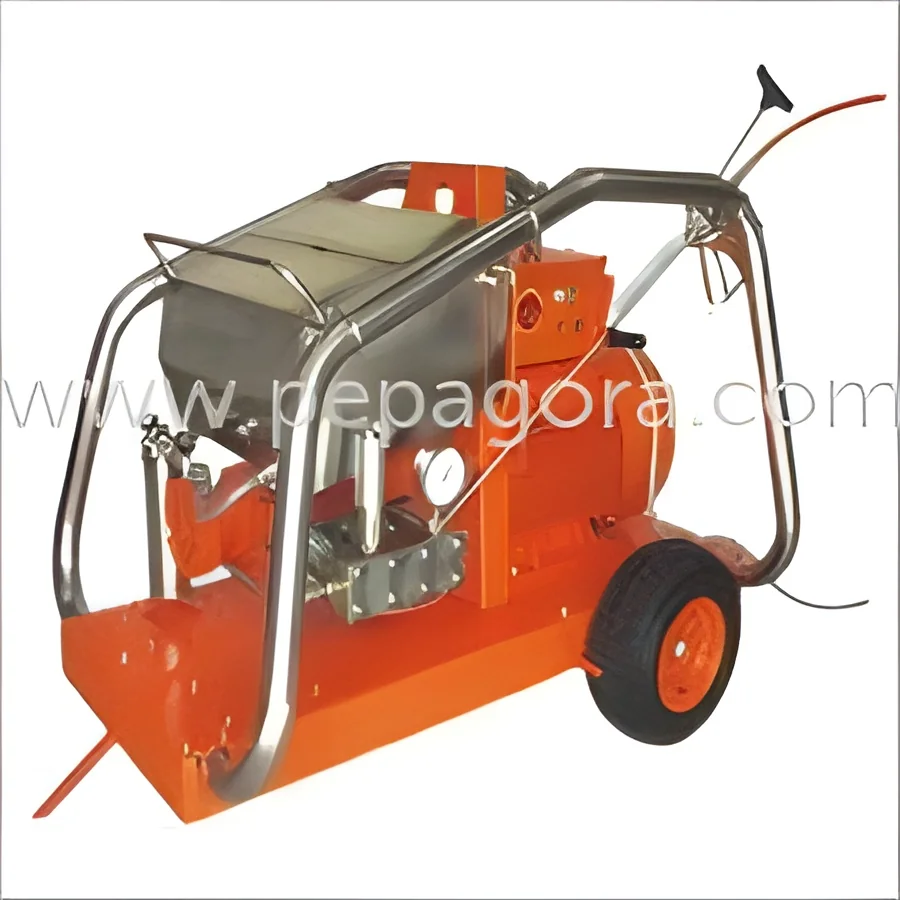
Pressure Washers: These powerful machines utilize high-pressure water jets to remove dirt and grime from surfaces. They are commonly used in outdoor applications, such as cleaning vehicles and building exteriors.
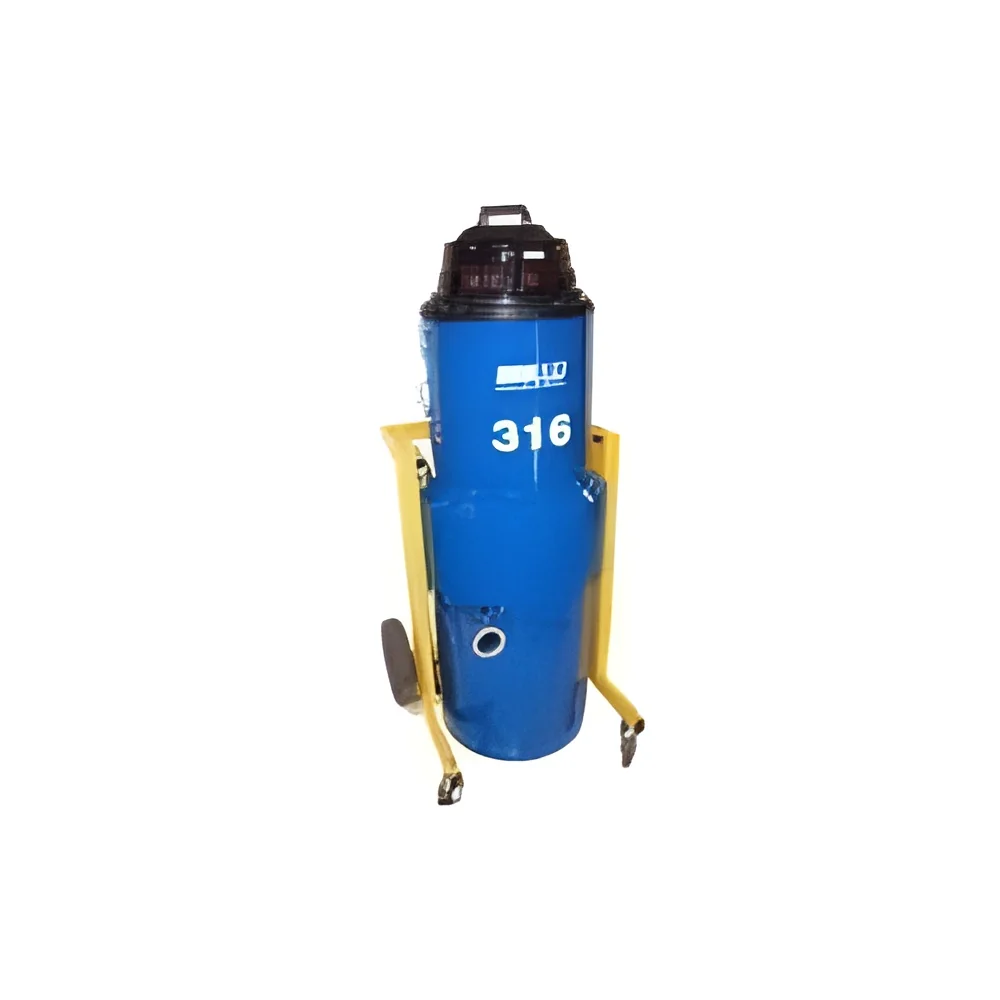
Industrial Vacuums: Designed for heavy-duty cleaning, industrial vacuums are used to remove dust, debris, and even hazardous materials from various surfaces. They are essential in factories, workshops, and construction sites where safety and cleanliness are paramount.
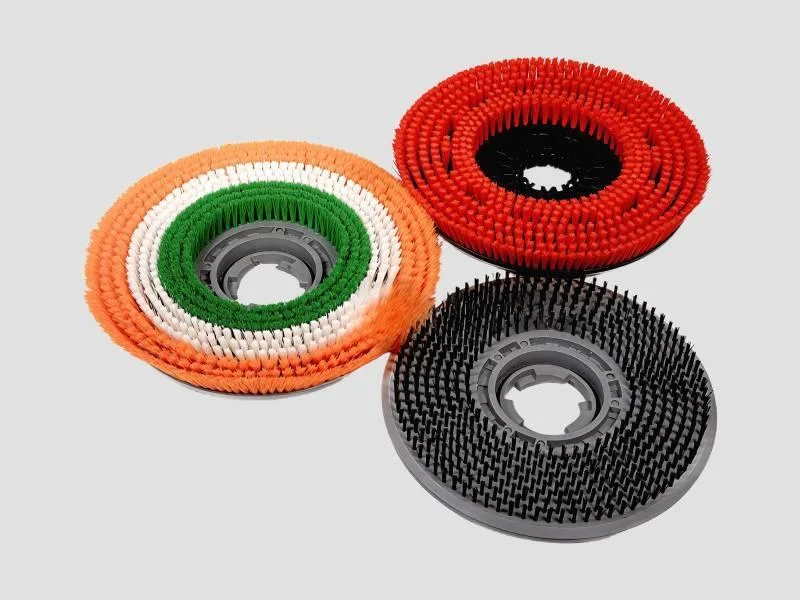
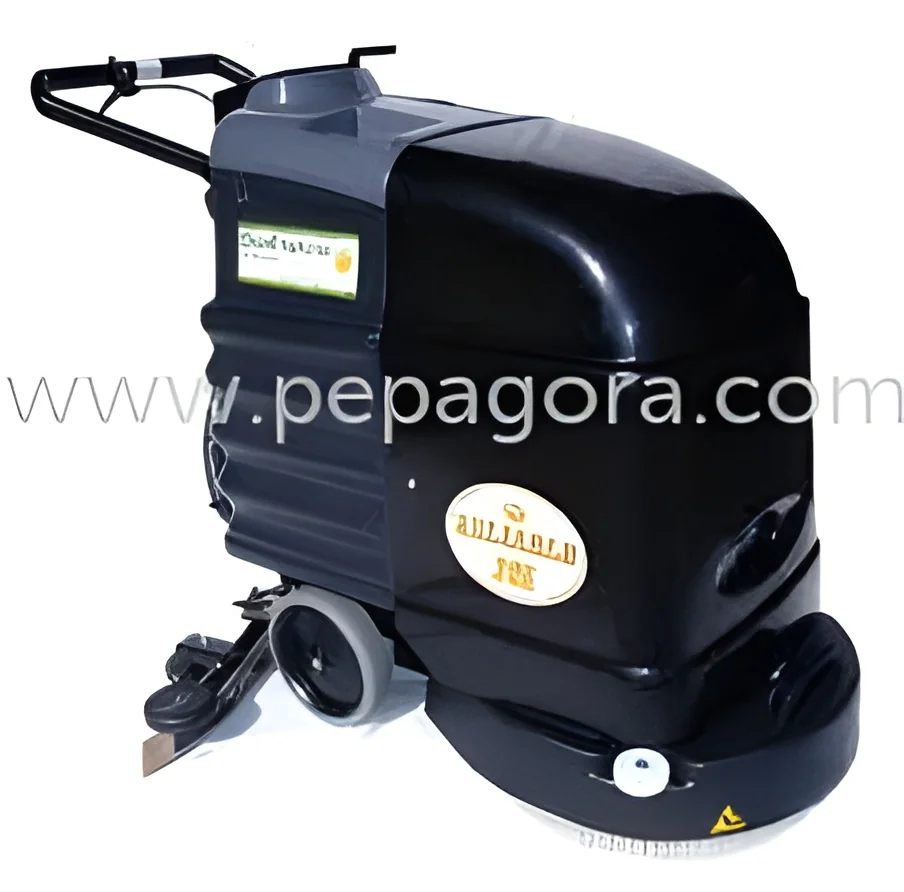
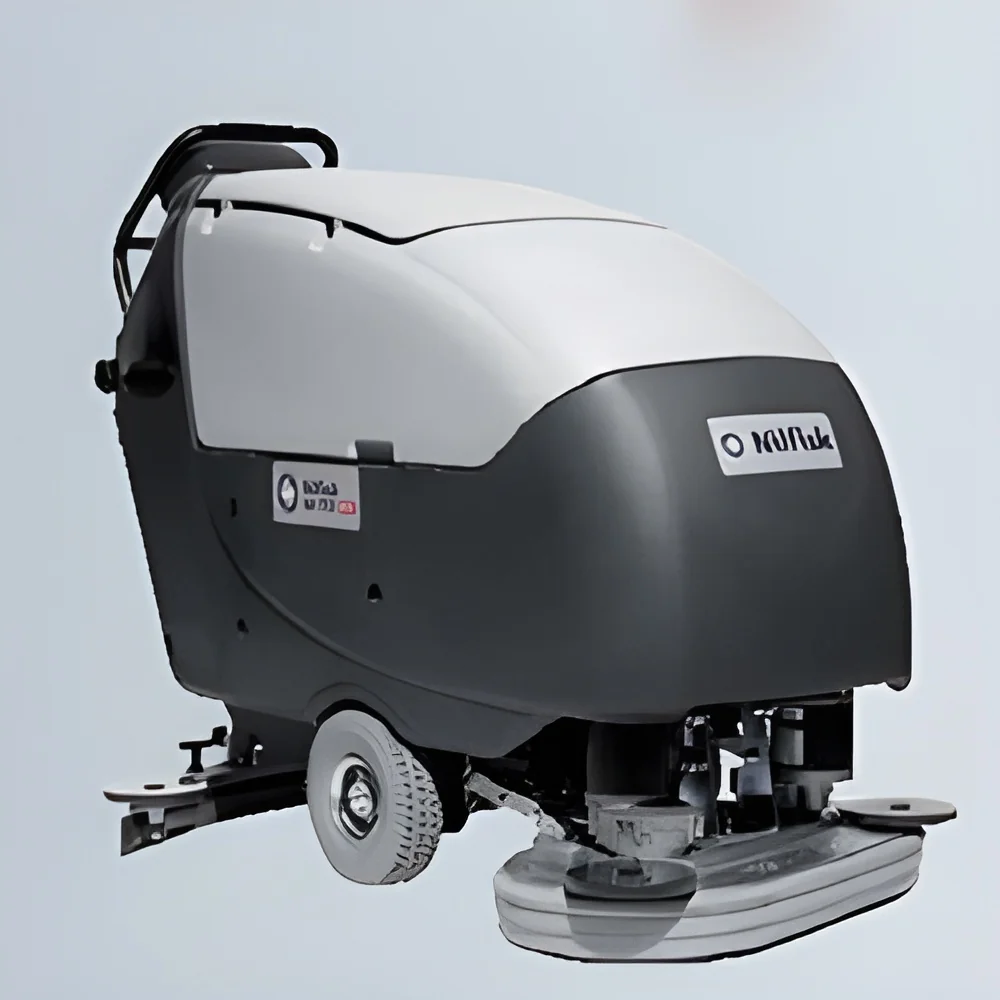
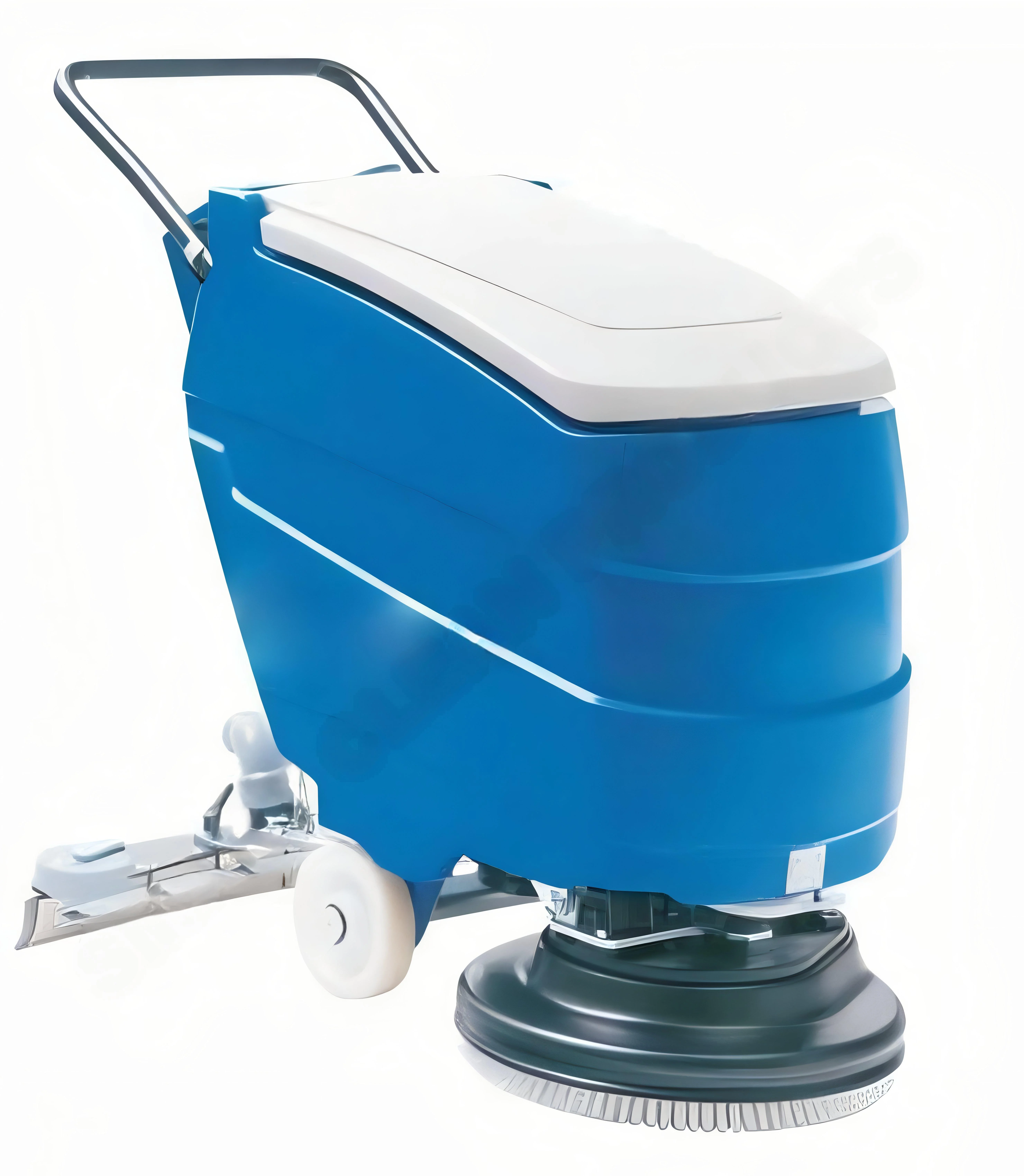
Floor Scrubbers: These machines are specifically designed for cleaning and maintaining floors in large areas. They combine scrubbing, washing, and drying functions, making them ideal for warehouses, retail spaces, and manufacturing facilities.
Steam Cleaners: Utilizing high-temperature steam, these cleaners effectively sanitize surfaces without the need for harsh chemicals. They are often used in food processing and healthcare settings for thorough cleaning.
𝗕𝗲𝗻𝗲𝗳𝗶𝘁𝘀 𝗮𝗻𝗱 𝗔𝗱𝘃𝗮𝗻𝘁𝗮𝗴𝗲𝘀
Investing in industrial cleaning equipment offers numerous benefits for businesses seeking to maintain cleanliness and efficiency.
1. Enhanced Efficiency: Industrial cleaning equipment significantly reduces cleaning time compared to manual methods, allowing employees to focus on core tasks.
2. Improved Safety: Regular cleaning with appropriate equipment minimizes hazards related to spills, debris, and contamination, promoting a safer workplace.
3. Compliance with Standards: Using industrial cleaning equipment helps businesses adhere to industry regulations and standards, ensuring operational legitimacy and avoiding potential fines.
4. Cost-Effectiveness: Though there is an initial investment, the long-term savings from reduced labor costs and increased productivity make industrial cleaning equipment a smart choice.
5. Versatility: Many industrial cleaning machines can be used for multiple applications, making them adaptable to changing cleaning needs.
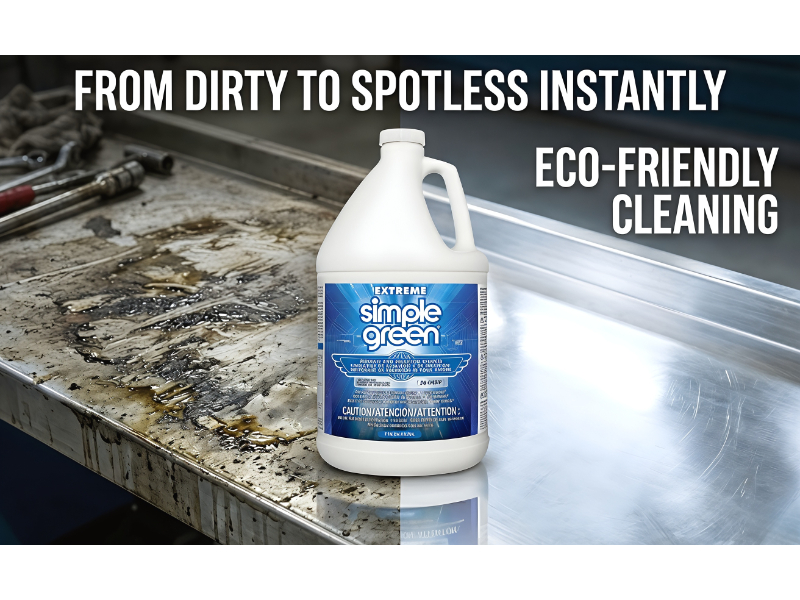
6. Environmental Considerations: Modern equipment often incorporates eco-friendly cleaning solutions and features that reduce water and chemical usage, promoting sustainability.
𝗕𝘂𝘆𝗶𝗻𝗴 𝗚𝘂𝗶𝗱𝗲 𝗳𝗼𝗿 𝗕𝟮𝗕 𝗕𝘂𝘆𝗲𝗿𝘀
When sourcing industrial cleaning equipment, several factors should be considered to ensure the right choice for your business needs.
1. Quality Assessment: Evaluate the quality of the equipment through manufacturer reputation, user reviews, and product specifications. High-quality equipment offers durability and better performance.
2. Supplier Verification: It is crucial to verify suppliers by checking their credentials, customer feedback, and service history. A reliable supplier ensures support and quality assurance.
3. Pricing and MOQ: Compare prices among different suppliers and consider the minimum order quantity (MOQ) to ensure that you are getting value for your investment without overcommitting.
4. Delivery and Lead Times: Assess the logistics of delivery times to align with your operational requirements. Understand the lead times for receiving equipment post-purchase.
5. Compliance Requirements: Ensure that the equipment meets all relevant safety and quality standards. This guarantees that the equipment is suitable for your industry’s specific regulatory needs.
𝗖𝗼𝗺𝗽𝗹𝗶𝗮𝗻𝗰𝗲 𝗮𝗻𝗱 𝗖𝗲𝗿𝘁𝗶𝗳𝗶𝗰𝗮𝘁𝗶𝗼𝗻𝘀
Compliance and certifications play a vital role in the industrial cleaning equipment sector, ensuring that products meet safety and quality standards.
Relevant quality standards such as ISO 9001 outline requirements for a quality management system. Compliance with these standards demonstrates a commitment to quality and consistency in manufacturing processes.
Industry certifications, such as CE marking, indicate that the equipment meets European safety standards. This certification is essential for gaining market access in various regions and assures users of product safety.
Safety and testing requirements are critical, especially in environments like food processing and healthcare. Equipment must undergo rigorous testing to ensure it performs safely under demanding conditions.
Furthermore, regional compliance considerations may vary. Buyers should be aware of specific regulations in their area to ensure that the equipment meets local safety and operational standards.
𝗪𝗵𝘆 𝗦𝗼𝘂𝗿𝗰𝗲 𝗜𝗻𝗱𝘂𝘀𝘁𝗿𝗶𝗮𝗹 𝗖𝗹𝗲𝗮𝗻𝗶𝗻𝗴 𝗘𝗾𝘂𝗶𝗽𝗺𝗲𝗻𝘁 𝗳𝗿𝗼𝗺 𝗣𝗲𝗽𝗮𝗴𝗼𝗿𝗮?
Pepagora provides a trusted platform for sourcing industrial cleaning equipment, offering several key advantages to B2B buyers.
The verified supplier network ensures that all suppliers listed on Pepagora meet stringent quality and reliability standards. This reduces the risk of dealing with unverified vendors and guarantees a level of trust in product quality.
The streamlined RFQ process allows buyers to request quotes quickly and efficiently. This feature simplifies the procurement process, saving time and effort in sourcing the right equipment.
Pepagora also offers trade assurance and support, providing buyers with protection against potential transaction risks. This assurance enhances buyer confidence and promotes a secure purchasing environment.
Additionally, Pepagora's regional coverage extends across India, the GCC, and Southeast Asia, making it a convenient choice for businesses operating in these markets. This broad geographic reach means that buyers can access a diverse range of industrial cleaning equipment tailored to their specific needs.

 IN
IN