What are Mops, Buckets & Carts?
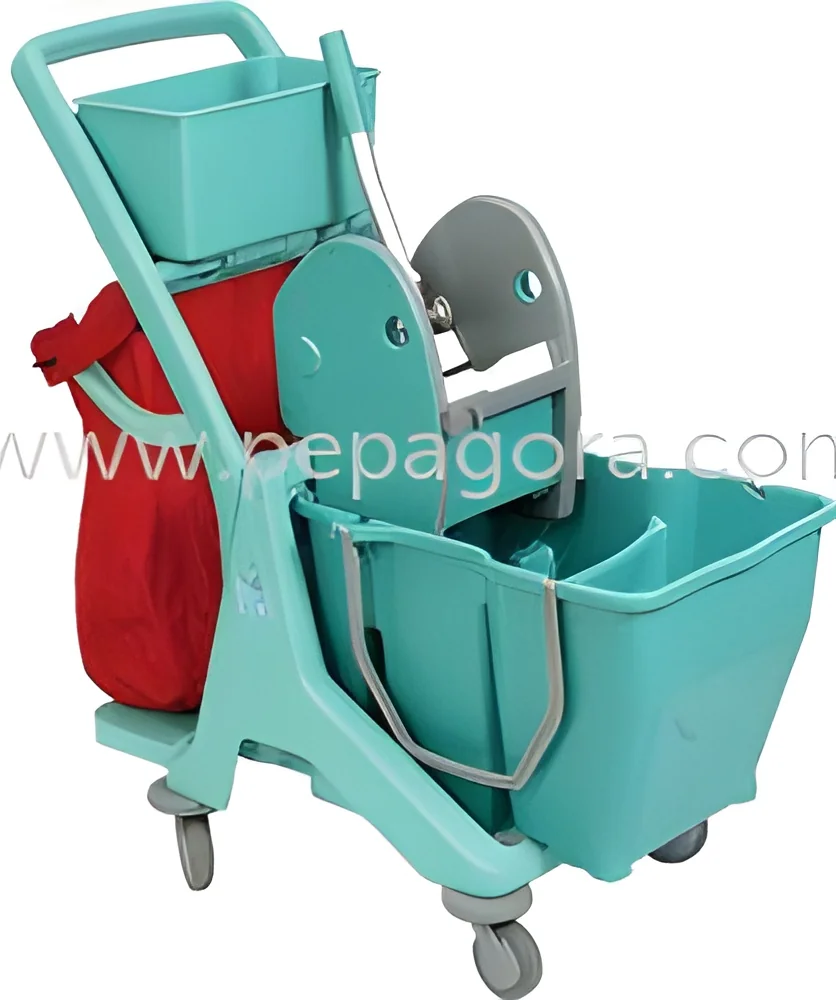
Mops, buckets, and carts are essential cleaning tools widely used across various industries for effective sanitation and maintenance. Mops are designed for cleaning floors and surfaces, utilizing absorbent materials to remove dirt and grime. Buckets serve as containers for water and cleaning solutions, facilitating the mopping process. Carts are mobile units that hold mops, buckets, and other cleaning supplies, streamlining the cleaning process by allowing users to transport everything needed in one trip.
These products are primarily used in commercial settings such as offices, hospitals, schools, and industrial facilities. Their applications range from routine cleaning to specialized tasks, ensuring that environments remain hygienic and safe. In industries like healthcare, maintaining cleanliness is critical to preventing the spread of infections. Similarly, in food service, compliance with hygiene regulations is paramount. The relevance of mops, buckets, and carts extends beyond basic cleaning; they play a vital role in operational efficiency and workplace safety.
As businesses increasingly prioritize cleanliness and sanitation, the demand for high-quality mops, buckets, and carts continues to grow. Understanding the features and specifications of these products is essential for organizations looking to ensure effective cleaning solutions that meet industry standards and regulations.
Key Features and Specifications
When selecting mops, buckets, and carts, it is crucial to understand their features and specifications. These products vary widely in design, functionality, and materials used, all of which can significantly impact their effectiveness in different environments.
Key specifications include:
1. Mop Material
- Common materials include cotton, microfiber, and sponge.
- Each material offers different absorbency and durability levels.
2. Bucket Capacity
- Buckets typically range from 5 to 35 liters.
- Larger capacities are suitable for extensive cleaning tasks.
3. Cart Design
- Carts may feature multiple shelves, compartments, and hooks.
- Design affects mobility and ease of access to cleaning supplies.
4. Mop Head Type
- Mop heads can be disposable or reusable.
- Consideration for cleaning efficiency and maintenance is essential.
5. Wheel Type
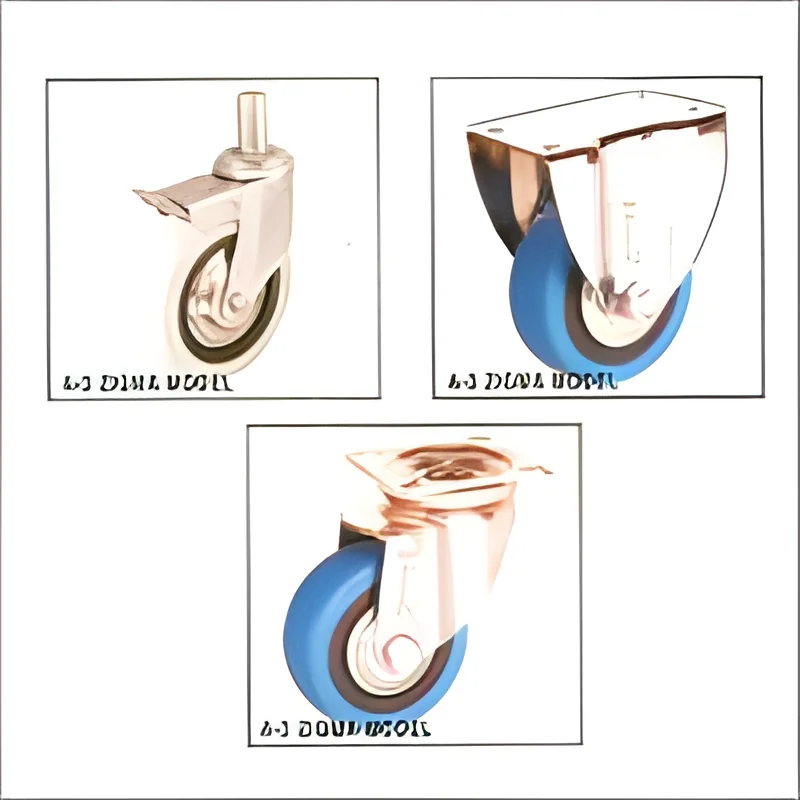
- Carts may have rubber or plastic wheels.
- The wheel type impacts maneuverability on various surfaces.
6. Handle Height
- Adjustable or fixed handle heights can enhance user comfort.
- Ergonomically designed handles reduce strain during use.
7. Compatibility with Cleaning Solutions
- Mops and buckets should be compatible with various cleaning agents.
- This ensures effective cleaning without damaging the materials.
8. Weight
- The weight of mops, buckets, and carts affects ease of use.
- Lightweight options are favored for frequent movement.
Understanding these specifications helps businesses choose the right products that align with their cleaning needs and operational requirements.
Common Applications and Use Cases
Mops, buckets, and carts find applications across a wide range of industries, each requiring specific features and functions to meet their cleaning needs.
1. Healthcare: Hospitals and clinics utilize mops and buckets for infection control. Regular cleaning of floors and surfaces is essential to maintain a sterile environment.
2. Hospitality: Hotels and restaurants rely on efficient cleaning systems to ensure guest satisfaction. Mops and carts are used for quick clean-ups and thorough cleaning after events.
3. Education: Schools employ mops and buckets for day-to-day cleaning, ensuring that classrooms and common areas remain safe and hygienic for students.
4. Commercial Offices: Office spaces utilize mops and carts for routine cleaning of floors and restrooms, helping to create a clean and productive work environment.
5. Retail: Stores and shopping centers use these cleaning tools to maintain cleanliness in high-traffic areas, enhancing the shopping experience for customers.
6. Manufacturing: Industrial facilities require robust cleaning solutions to manage spills and maintain cleanliness in production areas, ensuring safety and compliance.
7. Food Service: Restaurants and catering services must adhere to strict hygiene standards. Mops and buckets are indispensable for cleaning food preparation areas and dining spaces.
Product Variants and Subcategories
Mops, buckets, and carts come in various designs and configurations to meet diverse cleaning needs. This diversity allows businesses to select products that best fit their operational requirements.
Commercial Mop
Commercial mops are designed for heavy-duty use in various environments. They typically feature durable materials and are suitable for frequent, extensive cleaning.
Microfiber Mop
Microfiber mops are highly effective for dusting and cleaning. They trap dirt and allergens, making them ideal for environments where hygiene is a priority.
Wet and Dry Mop
Wet and dry mops offer versatility, allowing users to switch between wet mopping and dry dusting. This adaptability makes them suitable for various cleaning tasks.
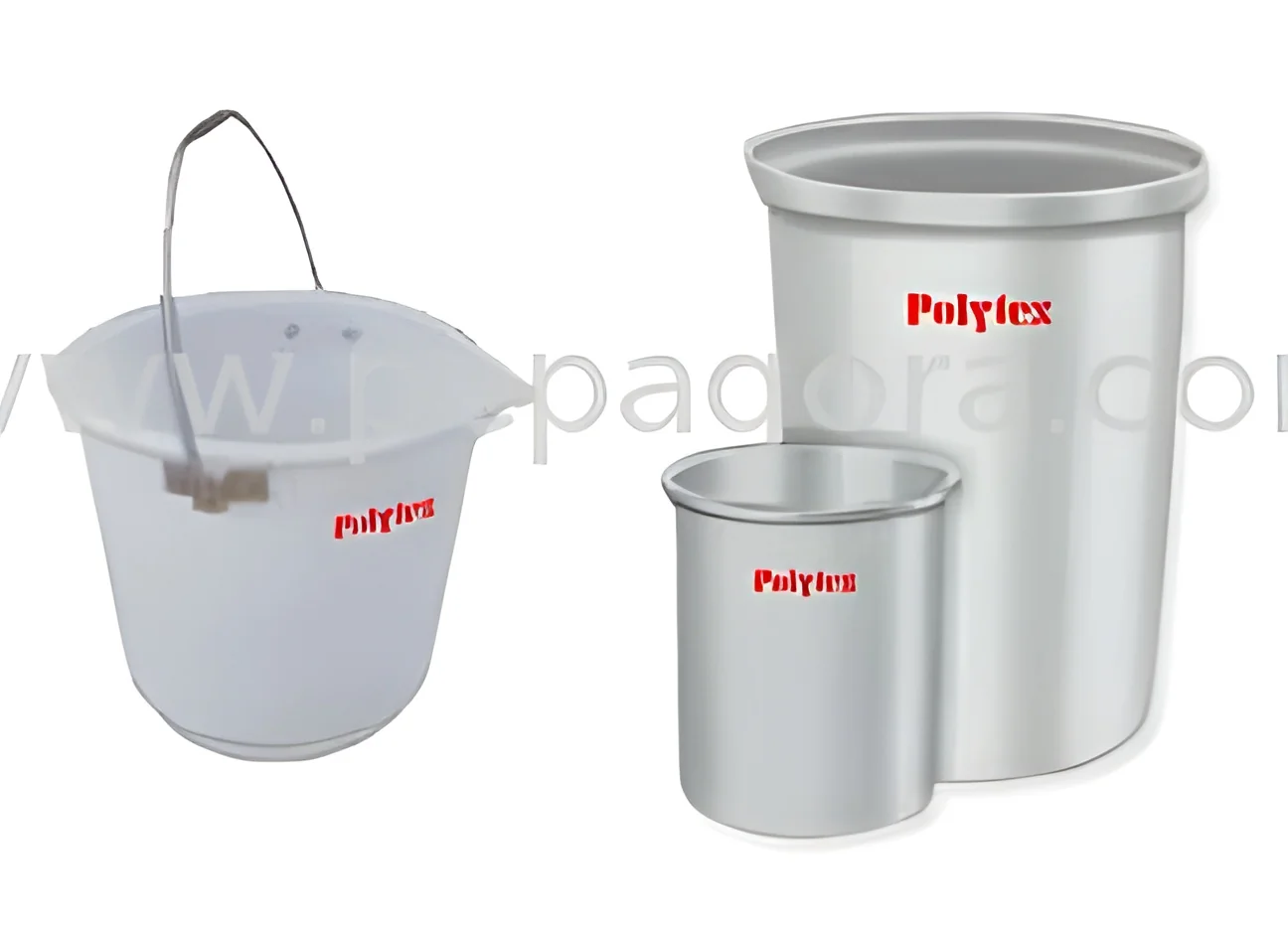
Heavy-Duty Bucket
Heavy-duty buckets are designed for industrial applications. They can withstand harsh cleaning chemicals and are built for durability and ease of use.
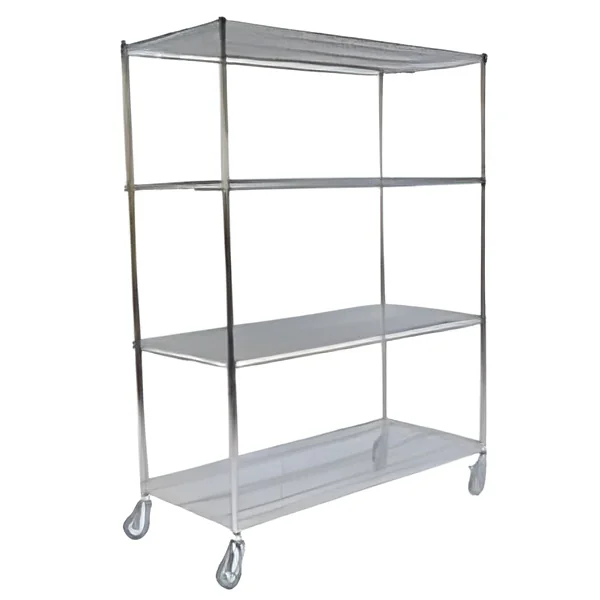
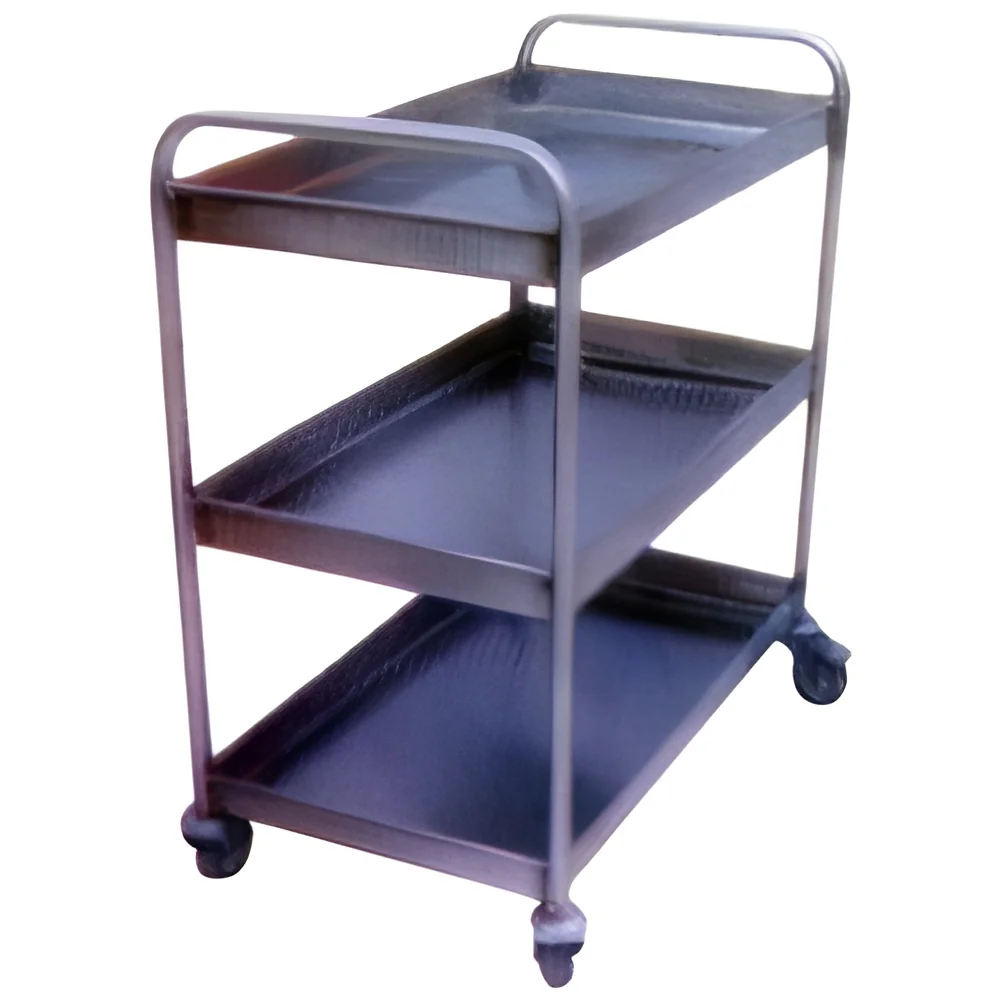
Cleaning Cart
Cleaning carts are available in various configurations, often featuring compartments for mops, buckets, and additional supplies. They enhance efficiency by enabling easy transportation of cleaning tools.
Benefits and Advantages
Investing in quality mops, buckets, and carts offers several advantages to businesses aiming for effective cleaning solutions.
1. Improved Efficiency: High-quality products streamline the cleaning process, allowing staff to complete tasks more quickly and effectively.
2. Enhanced Hygiene: Using appropriate cleaning tools helps maintain cleanliness, reducing the risk of contamination in sensitive environments.
3. Cost-Effectiveness: Durable mops and buckets reduce the need for frequent replacements, leading to long-term savings.
4. Ergonomic Design: Many products prioritize user comfort, reducing strain and injury during cleaning tasks.
5. Versatility: Different types of mops and carts can be used across various industries, making them adaptable to changing cleaning needs.
6. Compliance with Standards: Quality cleaning tools often meet industry regulations, helping businesses ensure adherence to health and safety requirements.
Buying Guide for B2B Buyers
When sourcing mops, buckets, and carts for business use, it is essential to consider several factors to ensure the best purchasing decision.
1. Quality Assessment: Evaluate the materials and construction of mops, buckets, and carts. Look for items that offer durability and effectiveness in various cleaning tasks.
2. Supplier Verification: Vet suppliers for credibility and reliability. Check for reviews, testimonials, and their history in the industry to ensure they provide quality products.
3. Pricing and MOQ: Understand the pricing structures and minimum order quantities. This information is vital for budgeting and planning purchases effectively.
4. Delivery and Lead Times: Consider logistics and delivery times. Ensure suppliers can meet your required timelines to avoid disruptions in cleaning operations.
5. Compliance Requirements: Be aware of any regional regulations and compliance standards that apply to cleaning products, ensuring that your purchases meet necessary safety and quality standards.
Compliance and Certifications
Mops, buckets, and carts are subject to various compliance standards and certifications that ensure their quality and safety. One of the key standards in the industry is ISO 9001, which focuses on quality management systems. Products meeting this standard are more likely to be reliable and effective in their intended applications.
In addition to ISO, certifications such as CE demonstrate compliance with European health, safety, and environmental protection standards. This is particularly important for products used in critical environments, such as healthcare and food service.
Safety and testing requirements also apply to cleaning tools. Manufacturers often conduct rigorous testing to ensure their products can withstand regular usage and exposure to cleaning chemicals. Understanding these compliance measures helps businesses make informed purchasing decisions.
Regional considerations are essential as different areas may have specific regulations regarding cleaning products. Businesses should ensure that their suppliers are aware of and compliant with these regional requirements.
Why Source Mops, Buckets & Carts from Pepagora?
Pepagora is a trusted platform for sourcing mops, buckets, and carts, offering several key advantages for B2B buyers.
Verified Supplier Network: Pepagora connects buyers with a verified network of suppliers, ensuring that all listed products meet high-quality standards and are reliable for business use.
Streamlined RFQ Process: The platform simplifies the request for quotation process, allowing buyers to easily compare offers from multiple suppliers, streamlining procurement.
Trade Assurance and Support: Pepagora provides trade assurance, protecting buyers from potential risks associated with sourcing products. Their dedicated support team is available to assist with any inquiries or issues.
Regional Coverage: With a strong presence in India, the GCC, and Southeast Asia, Pepagora offers extensive geographic reach, ensuring that businesses in these regions can access quality cleaning solutions tailored to their needs.

 IN
IN