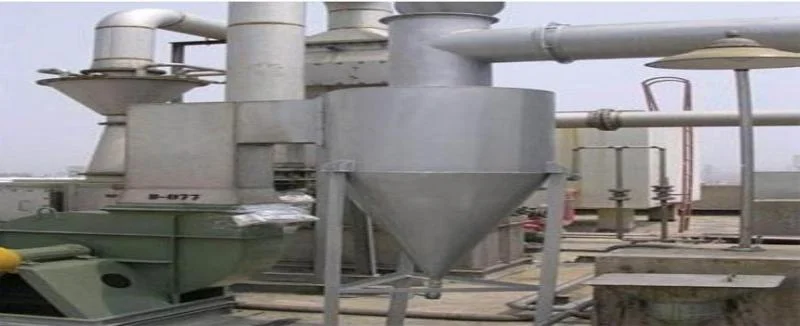
What are Centralized Dust Collection Systems?
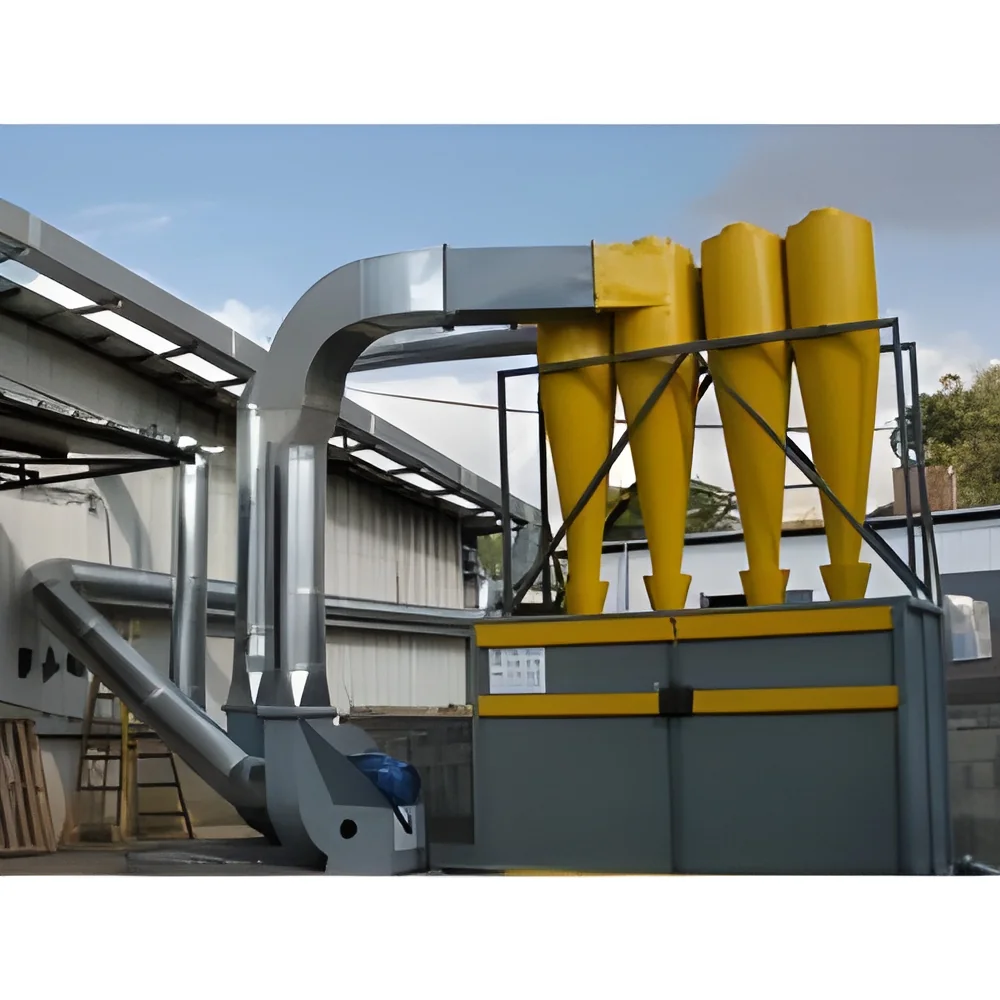
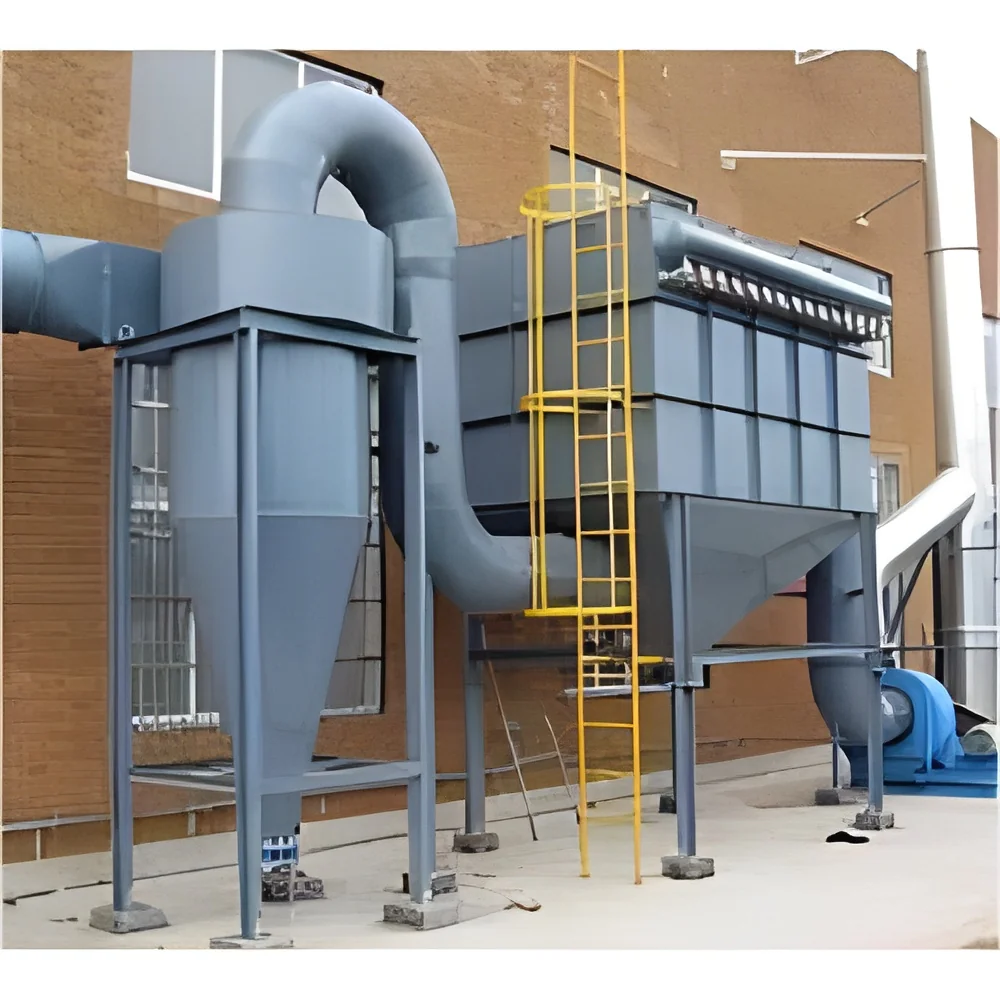
Centralized Dust Collection Systems are industrial setups designed to efficiently manage dust and airborne particles generated during manufacturing or processing operations. These systems collect dust from multiple sources and transport it through a network of ducts to a central collection point. The primary function is to maintain a clean and safe working environment by minimizing dust exposure, thereby promoting employee health and operational efficiency.
These systems find applications in various industries, including woodworking, metalworking, food processing, and pharmaceuticals. Businesses utilize centralized dust collection to comply with health and safety regulations, enhance product quality, and reduce equipment maintenance costs. By capturing dust at its source, these systems help maintain air quality and prevent the accumulation of hazardous materials in the workplace.
As industries prioritize worker safety and environmental compliance, the demand for centralized dust collection systems has grown. Companies are increasingly seeking solutions that not only meet regulatory standards but also improve productivity and operational efficiency. This trend highlights the relevance of centralized dust collection systems in modern industrial contexts.
Key Features and Specifications
Centralized Dust Collection Systems come with a variety of features designed to optimize performance and efficiency. Understanding these specifications can help businesses select the right system for their needs.
Key specifications include:
1. Airflow Capacity
- Measured in cubic feet per minute (CFM)
- Typically ranges from 500 CFM to 10,000 CFM, depending on system size
2. Filtration Efficiency
- Refers to the ability to capture dust particles
- HEPA filters can capture 99.97% of particles as small as 0.3 microns
3. Noise Level
- Measured in decibels (dB)
- Standard levels range from 70 dB to 85 dB, depending on design
4. Duct Size
- Varies based on system capacity and design
- Common sizes range from 4 inches to 12 inches in diameter
5. Power Consumption
- Measured in horsepower (HP)
- Typically ranges from 5 HP to 20 HP for industrial systems
6. Maintenance Requirements
- Frequency of filter changes and system checks
- Generally recommended every 6 to 12 months
7. Compliance Standards
- Must meet local and international safety regulations
- Often certified to standards like CE
8. Installation Flexibility
- Can be customized for different layouts and space constraints
- Options for wall-mounted or free-standing configurations
In summary, understanding these key features and specifications is crucial for businesses looking to invest in efficient and compliant dust collection solutions.
Common Applications and Use Cases
Centralized Dust Collection Systems serve a variety of industries, each with specific applications.
1. Woodworking: These systems are essential in sawmills and furniture manufacturing, where wood dust is prevalent. They help maintain air quality and prevent fire hazards.
2. Metalworking: In industries involving machining and grinding, centralized systems collect metal shavings and dust, ensuring a clean workspace and enhancing equipment longevity.
3. Food Processing: Dust collection is vital for maintaining hygiene standards in food manufacturing facilities. These systems prevent contamination and ensure compliance with health regulations.
4. Pharmaceuticals: In this industry, dust control is critical for product quality and worker safety. Centralized systems effectively manage hazardous dust from active ingredients.
5. Chemical Processing: The collection of fine powders and chemicals is crucial to prevent hazardous exposure, making centralized systems a key component in chemical plants.
6. Textile Manufacturing: Dust and fibers generated in textile production can affect air quality. Centralized dust collection helps mitigate these risks.
7. Printing: In printing facilities, airborne particles from inks and papers can be harmful. Centralized systems help keep the environment clean and safe for workers.
Product Variants and Subcategories
Centralized Dust Collection Systems come in various configurations to meet specific operational needs.
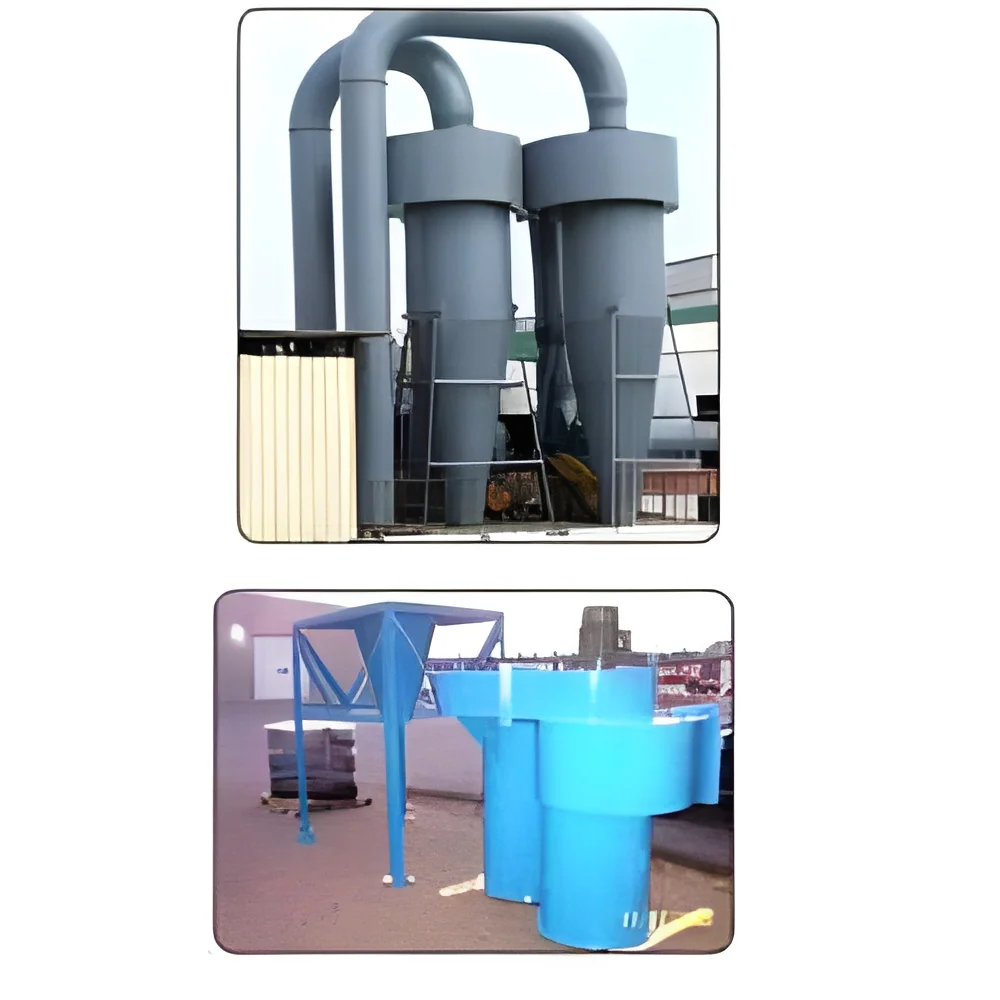
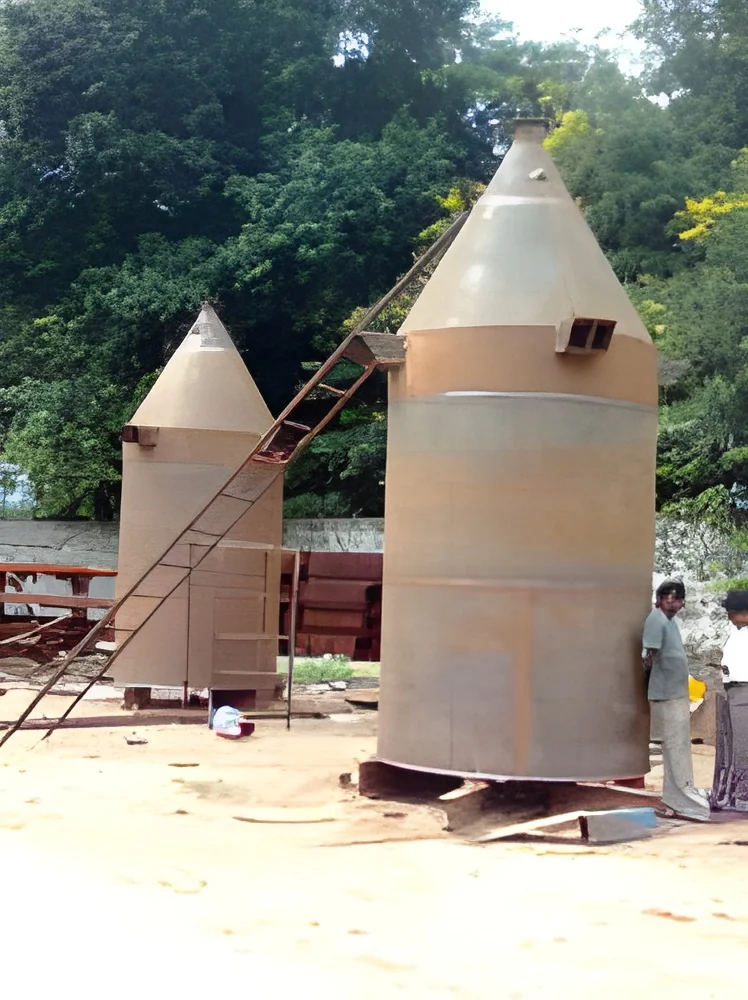
Cyclone Dust Collectors
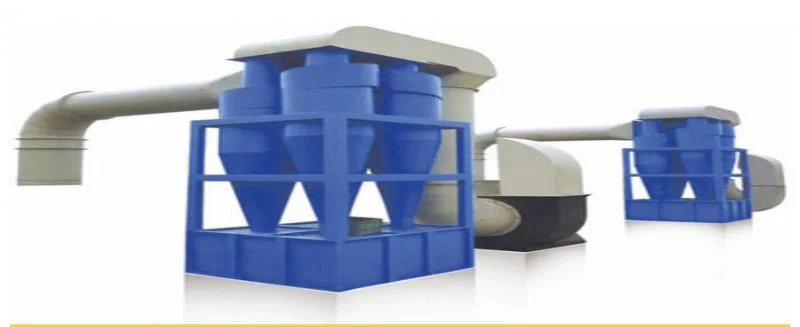
These systems utilize centrifugal force to separate larger particles before they reach the filter. They are effective for heavy-duty applications and require minimal maintenance.
Baghouse Collectors
Equipped with fabric filters, baghouse collectors efficiently capture fine dust particles. They are commonly used in industries requiring high filtration efficiency and are adaptable to various applications.
Portable Dust Collection Units
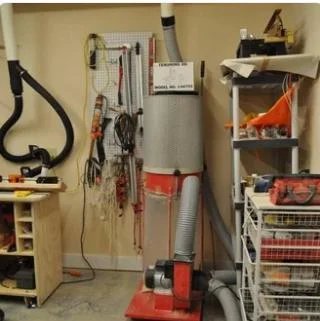
These smaller systems are designed for flexibility and mobility. Ideal for workshops or small manufacturing setups, they can be easily moved to different locations as needed.
Inline Filters
These systems are integrated directly into production lines to capture dust at the source. They are compact and ideal for applications where space is limited.
Benefits and Advantages
Investing in Centralized Dust Collection Systems offers numerous benefits.
1. Improved Air Quality: These systems effectively reduce airborne dust, leading to a healthier work environment for employees.
2. Increased Safety: By minimizing dust accumulation, the risk of fire hazards is significantly reduced, enhancing workplace safety.
3. Enhanced Equipment Longevity: Keeping equipment free from dust and debris reduces wear and tear, extending the lifespan of machinery.
4. Regulatory Compliance: Centralized systems help businesses meet health and safety regulations, avoiding potential fines and legal issues.
5. Cost Efficiency: By improving operational efficiency and reducing maintenance costs, these systems offer a strong return on investment.
6. Customization Options: Centralized dust collection systems can be tailored to fit specific operational needs, ensuring optimal performance.
Buying Guide for B2B Buyers
When sourcing Centralized Dust Collection Systems, there are several factors to consider to ensure a good investment.
1. Quality Assessment: Evaluate the materials and components used in the system. Look for features that enhance durability and performance, such as high-quality filters and robust construction.
2. Supplier Verification: Research potential suppliers to ensure they have a good reputation and experience in the industry. Check references and review customer feedback.
3. Pricing and MOQ: Understand the pricing structure and minimum order quantities (MOQ). Compare quotes from multiple suppliers to ensure competitive pricing.
4. Delivery and Lead Times: Inquire about delivery schedules and lead times. Ensure suppliers can meet your timeline to avoid project delays.
5. Compliance Requirements: Verify that the systems meet local and international compliance standards. This is crucial for ensuring safety and operational efficiency.
Compliance and Certifications
Centralized Dust Collection Systems must adhere to various compliance standards to ensure safety and performance.
Quality standards such as ISO 9001 emphasize the importance of quality management systems in manufacturing. Adhering to these standards demonstrates a commitment to product quality and customer satisfaction.
Industry certifications, including CE marking, indicate that the product meets European safety, health, and environmental protection standards. This certification is particularly important for companies operating in regions that require compliance with strict regulations.
Safety and testing requirements are also critical. Systems should be tested for performance and safety to prevent hazards associated with dust accumulation. Regular safety audits and maintenance checks can help ensure ongoing compliance.
Regional compliance considerations can vary. Businesses should be aware of local regulations that may impact dust collection requirements, ensuring that systems are compliant with regional standards.
Why Source Centralized Dust Collection Systems from Pepagora?
Pepagora provides a trusted platform for sourcing Centralized Dust Collection Systems, offering several key advantages to B2B buyers.
Verified Supplier Network: Pepagora has a rigorous vetting process for suppliers, ensuring that buyers have access to reputable manufacturers who meet quality and compliance standards.
Streamlined RFQ Process: The platform simplifies the Request for Quotation (RFQ) process, allowing buyers to easily compare offers and select the best solution for their needs.
Trade Assurance and Support: Pepagora offers trade assurance, protecting buyers from potential risks associated with transactions. This support fosters confidence in the purchasing process.
Regional Coverage: With a strong presence in India, the GCC, and Southeast Asia, Pepagora provides buyers access to a wide range of suppliers and products, ensuring they can find the right centralized dust collection systems to meet their operational requirements.

 IN
IN