
 IN
Sweeping Machines (Manual, Electric, Ride-On)
9 products available
Key Features and Specifications
Sweeping machines come equipped with various features and specifications that enhance their performance and usability. Understanding these specifications helps buyers make informed choices that align with their cleaning requirements.
Key specifications include:
1. Type of Power Source
- Manual, battery-operated, or electric options
- Battery life and charging time for electric models
2. Cleaning Width
- The width of the cleaning path
- Typically ranges from 28 inches to 60 inches, depending on the model
3. Collection Capacity
- Size of the debris container
- Ranges from 20 liters to over 100 liters
4. Operating Speed
- Maximum speed during operation
- Typically ranges from 3 to 10 km/h
5. Noise Level
- Decibel level during operation
- Important for noise-sensitive environments, usually between 60 to 80 dB
6. Filter Efficiency
- Type of filtration system used
- HEPA filters available in some models for fine dust capture
7. Weight
- Overall weight of the machine
- Important for portability and ease of use, typically between 50 to 300 kg
8. Durability
- Material quality and construction
- Designed to withstand heavy-duty use in industrial settings
In summary, the right specifications can significantly impact the efficiency and effectiveness of sweeping machines, making it crucial for buyers to assess their needs carefully.
Common Applications and Use Cases
Sweeping machines are versatile tools applicable across various industries, enhancing cleanliness and safety.
1. Manufacturing: In manufacturing facilities, sweeping machines help maintain clear floors by removing debris, dust, and waste, ensuring a safe working environment.
2. Retail: In retail spaces, these machines keep aisles and parking lots clean, enhancing the customer experience and meeting hygiene standards.
3. Warehousing: For warehouses, sweeping machines efficiently clear large areas, reducing the risk of accidents and improving overall operational efficiency.
4. Construction: On construction sites, they are used to manage dust and debris, promoting safety and compliance with environmental regulations.
5. Hospitality: Hotels and resorts utilize these machines to maintain clean outdoor areas and parking lots, providing a welcoming environment for guests.
6. Healthcare: In hospitals and clinics, sweeping machines are crucial for maintaining cleanliness, contributing to patient safety and health standards.
7. Transportation: Airports and transit facilities use sweeping machines to keep runways and terminals clean, ensuring smooth operations and passenger satisfaction.
Product Variants and Subcategories
Sweeping machines come in various variants to cater to specific cleaning needs and environments.
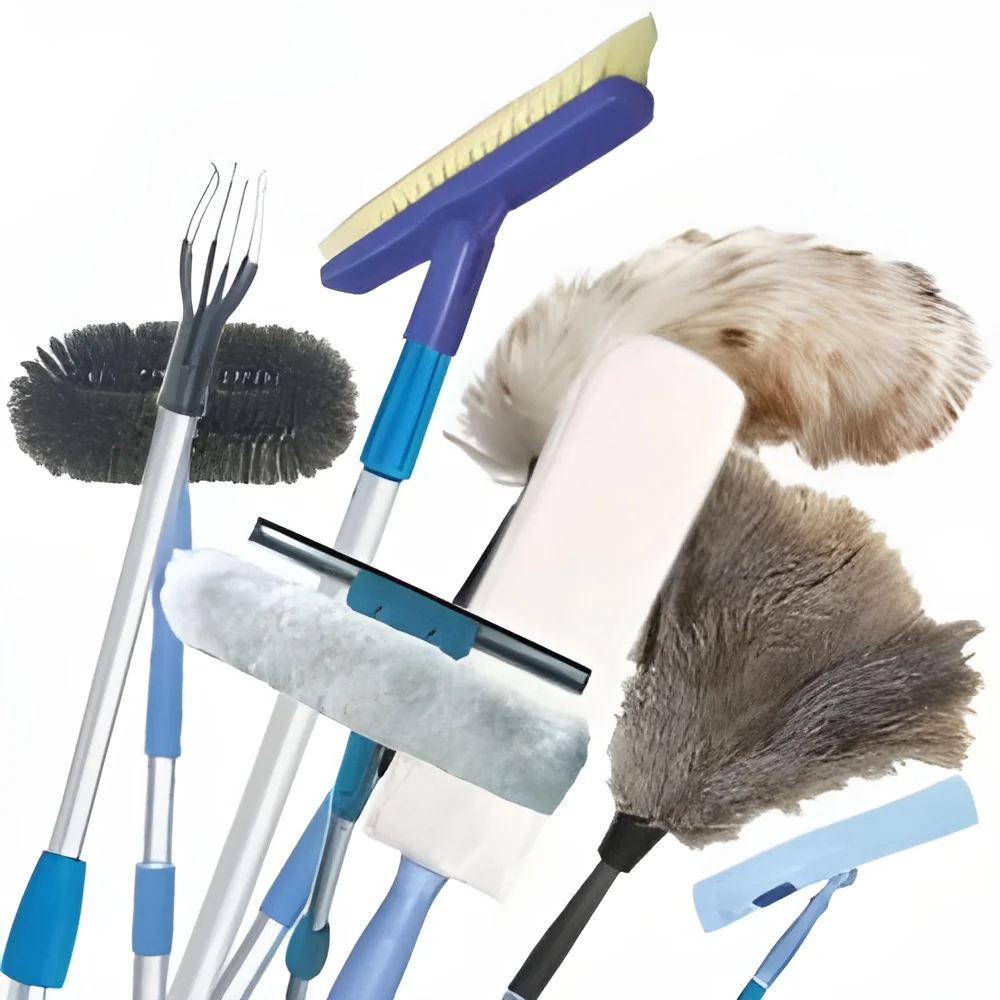
Manual Sweeping Machines: These machines are designed for smaller areas and require human power for operation. They are ideal for tight spaces and offer a cost-effective solution for basic cleaning tasks.
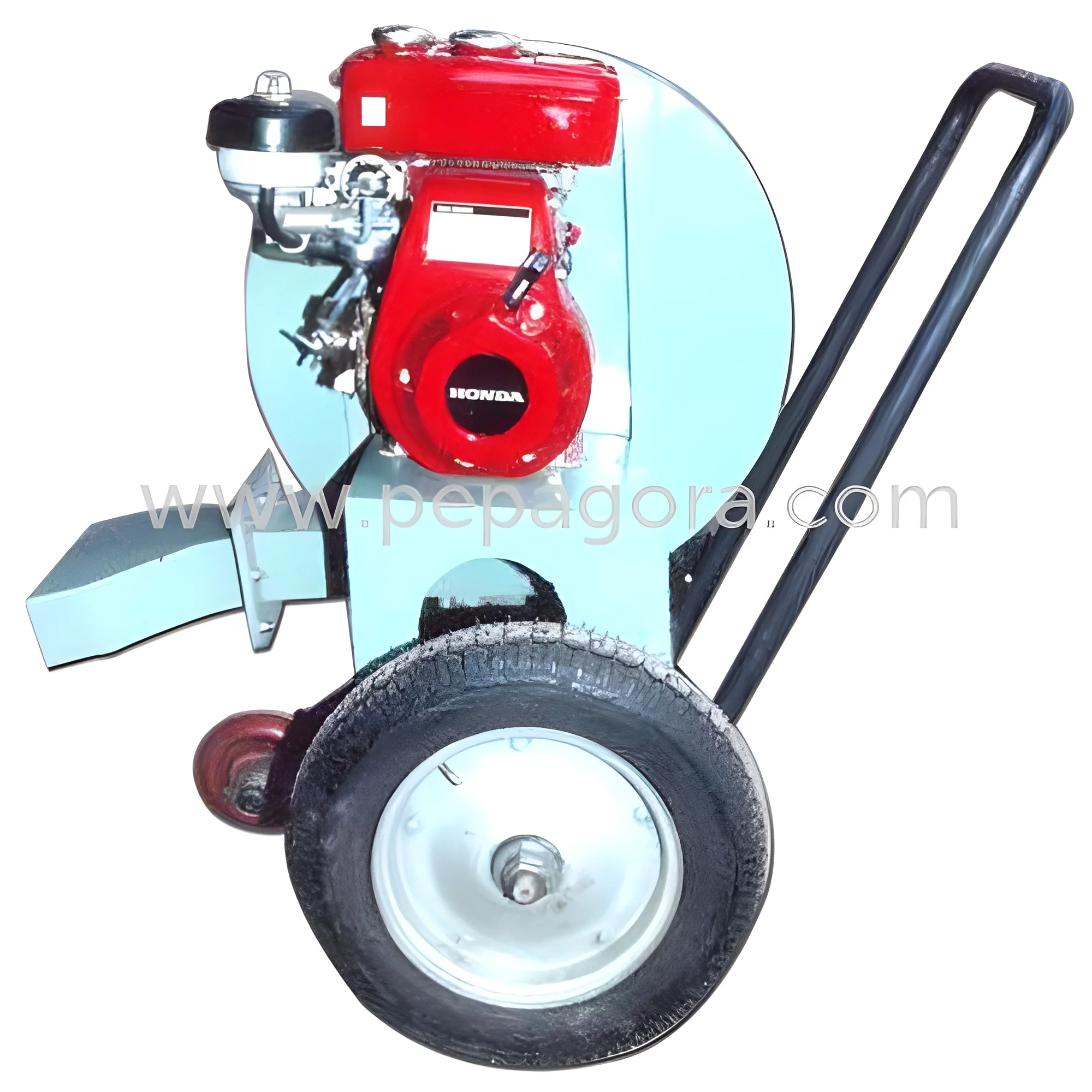
Electric Sweeping Machines: Battery or plug-in operated, these machines are suitable for medium to large areas. They provide ease of use and reduce labor costs while enhancing cleaning efficiency.
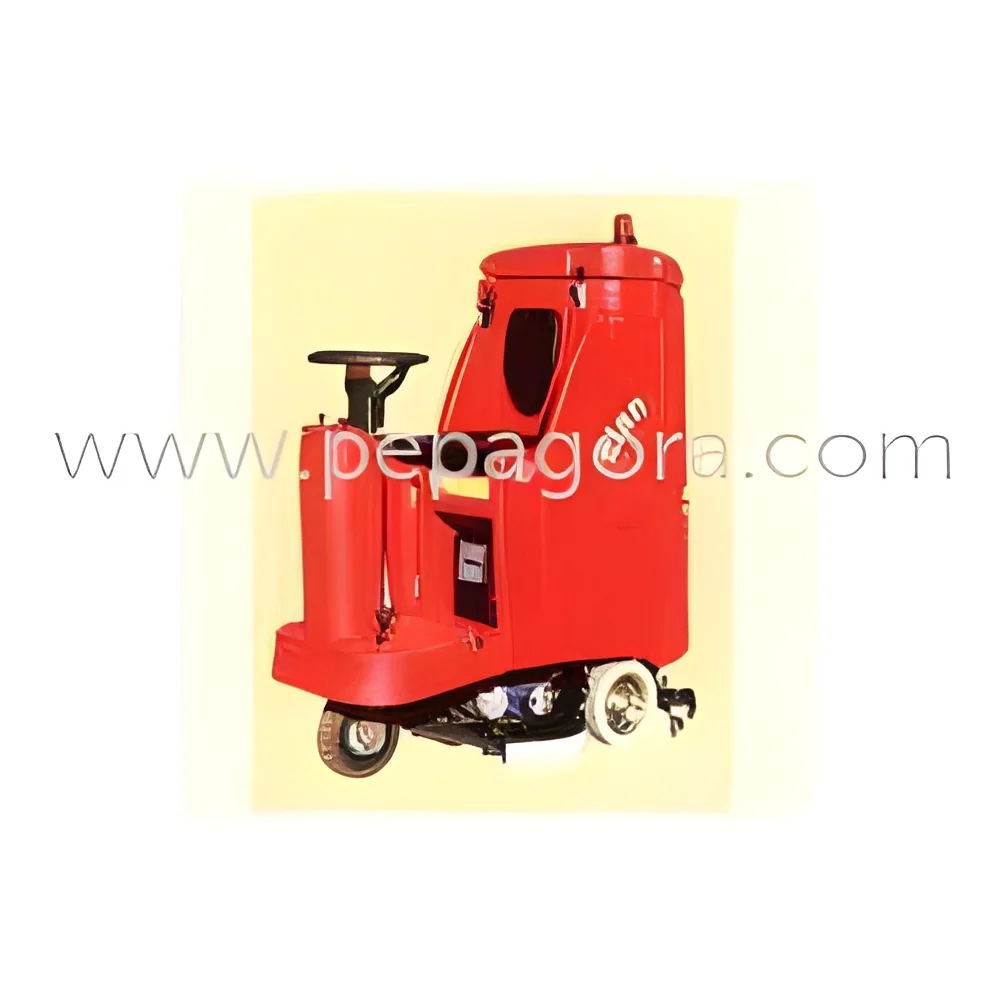
Ride-On Sweeping Machines: These are designed for large industrial and commercial spaces. Operators can sit while controlling the machine, making them ideal for extensive cleaning tasks without fatigue.
Benefits and Advantages
Investing in sweeping machines offers numerous benefits that enhance operational efficiency and cleanliness.
1. Labor Savings: Automating the cleaning process reduces the need for manual labor, allowing staff to focus on other critical tasks.
2. Time Efficiency: Sweeping machines cover large areas quickly, significantly decreasing cleaning time compared to manual methods.
3. Improved Hygiene: These machines help maintain high cleanliness standards, essential for industries with strict health regulations.
4. Enhanced Safety: By keeping floors clear of debris, sweeping machines reduce the risk of accidents and injuries in the workplace.
5. Versatility: Available in various models, sweeping machines can be used in diverse environments, from indoor facilities to outdoor spaces.
6. Cost-Effective: While the initial investment may be significant, the long-term savings from reduced labor costs and improved cleaning efficiency make them a wise choice.
Buying Guide for B2B Buyers
When considering the purchase of sweeping machines, buyers should evaluate several critical factors.
1. Quality Assessment: Look for machines built to last with high-quality materials. Consider warranty options and user reviews to gauge reliability.
2. Supplier Verification: Ensure suppliers are reputable by checking their track records, certifications, and customer feedback.
3. Pricing and MOQ: Compare prices across different suppliers to find the best deals. Be mindful of the minimum order quantities and how they align with your cleaning needs.
4. Delivery and Lead Times: Understand the logistics involved, including shipping times and costs. Confirm that suppliers can meet your timeline requirements.
5. Compliance Requirements: Ensure that the machines meet relevant health and safety standards and any industry-specific regulations.
Compliance and Certifications
Compliance with industry standards and regulations is crucial for the operation of sweeping machines. Many manufacturers adhere to quality standards such as ISO 9001, which ensures consistent quality management practices.
Furthermore, certifications like CE indicate conformity with health, safety, and environmental protection standards within the European Economic Area. Such certifications assure buyers of product safety and reliability.
In addition to these standards, specific safety and testing requirements must be met based on regional regulations. Buyers must ensure that their chosen sweeping machines comply with local laws and industry-specific guidelines to avoid potential legal issues.
Why Source Sweeping Machines (Manual, Electric, Ride-On) from Pepagora?
Pepagora offers a reliable platform for sourcing sweeping machines with several advantages.
Verified Supplier Network: Pepagora connects buyers with a network of verified suppliers, ensuring that all partners meet high standards of quality and reliability. This reduces the risk of subpar products and enhances buyer confidence.
Streamlined RFQ Process: The request for quotation (RFQ) process on Pepagora is designed to be user-friendly. Buyers can easily submit their requirements and receive competitive quotes, making it easier to compare options.
Trade Assurance and Support: Pepagora provides trade assurance, offering protection for buyers throughout the purchasing process. This includes support for order fulfillment and dispute resolution, ensuring a smooth transaction.
Regional Coverage: With a strong presence in regions like India, GCC, and Southeast Asia, Pepagora facilitates access to a wide range of suppliers. This geographic reach allows buyers to find solutions tailored to their specific market needs.





Frequently Asked Questions
What are Sweeping Machines (Manual, Electric, Ride-On)?
Sweeping Machines (Manual, Electric, Ride-On) are specialized equipment designed for cleaning surfaces such as floors, streets, and large areas efficiently. Manual sweeping machines require human input to operate, while electric models automate the process, and ride-on machines allow operators to sit while cleaning, increasing productivity over larger areas.
What are the different types of Sweeping Machines (Manual, Electric, Ride-On)?
The different types of sweeping machines include manual sweepers, electric sweepers, and ride-on sweepers. Manual sweepers are typically lightweight and suitable for smaller spaces, electric sweepers offer ease of use and efficiency for medium-sized areas, while ride-on sweepers are designed for large commercial or industrial spaces, providing high productivity and operator comfort.
How do I choose the right Sweeping Machines (Manual, Electric, Ride-On)?
Choosing the right sweeping machine depends on several factors, including the size of the area to be cleaned, the type of debris, and the frequency of use. Consider the terrain, power source, and whether manual operation or automation is preferable, as well as any specific cleaning requirements you may have.
What are the standard specifications for Sweeping Machines (Manual, Electric, Ride-On)?
Standard specifications for sweeping machines generally include the machine's dimensions, weight, power source (manual or electric), sweeping width, and container capacity for debris. Other important specifications may include battery life for electric models, filter type, and operational speed.
What is the price range for Sweeping Machines (Manual, Electric, Ride-On)?
The price range for sweeping machines can vary significantly based on type and features. Manual sweepers may start from a few thousand rupees, while electric models can range from 20,000 to 100,000 rupees or more. Ride-on sweepers typically cost upwards of 100,000 rupees, depending on their specifications and brand.
What quality standards apply to Sweeping Machines (Manual, Electric, Ride-On)?
Sweeping machines should comply with various quality standards, which may include ISO certifications and specific safety regulations applicable in India. These standards ensure that the machines are reliable, efficient, and safe for operators and the environment.
Where can I find Sweeping Machines (Manual, Electric, Ride-On) suppliers in India?
You can find suppliers for sweeping machines in India through B2B marketplaces like Pepagora, industrial equipment suppliers, and manufacturer directories. It is advisable to check reviews and compare products to find the best suppliers for your needs.
Can Sweeping Machines (Manual, Electric, Ride-On) be customized?
Yes, many manufacturers offer customization options for sweeping machines based on specific requirements, such as size, features, and branding. It is best to discuss your needs with suppliers to explore available customization options.
What is the typical minimum order quantity for Sweeping Machines (Manual, Electric, Ride-On)?
The typical minimum order quantity (MOQ) for sweeping machines can vary by supplier and product type. Generally, MOQs may range from 1 to several units, especially for larger ride-on models, so it's advisable to check with individual suppliers for their specific policies.
What is the typical lead time for Sweeping Machines (Manual, Electric, Ride-On)?
The typical lead time for sweeping machines can range from a few days to several weeks, depending on the supplier, type of machine, and whether it needs customization. Always confirm delivery timelines with the supplier before placing an order to ensure it meets your project needs.
Why Businesses Trust Pepagora
Thousands of companies trust Pepagora to source smarter and sell faster
Expand Your Sales Globally

Source Smarter,Grow Faster
