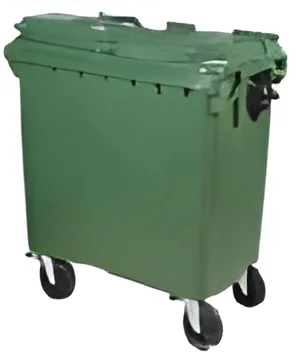
What are Waste Segregation Bins?
Waste segregation bins are specialized containers designed to facilitate the separation of different types of waste materials. These bins help in organizing waste at the source, ensuring that items such as recyclables, organic waste, and general waste are kept apart. By promoting efficient waste disposal practices, these bins play a crucial role in enhancing recycling efforts and minimizing landfill contributions.
The primary uses of waste segregation bins are found in various settings, including commercial, industrial, and public spaces. Businesses utilize these bins to comply with waste management regulations, improve operational efficiency, and promote environmental sustainability. Additionally, educational institutions and public facilities deploy these bins to encourage responsible waste disposal among their users, thereby fostering a culture of recycling and waste reduction.
In today's market, waste segregation bins are increasingly relevant due to growing environmental concerns and stringent regulatory frameworks. Industries are prioritizing sustainable practices, leading to a demand for effective waste management solutions. As organizations strive for greener operations, the integration of waste segregation bins into their waste management strategies becomes essential.
Key Features and Specifications
Waste segregation bins come with various features that enhance their functionality and usability. These features are designed to cater to the specific needs of different industries and applications.
Key specifications include:
1. Capacity
- Available in various sizes ranging from 30 liters to 240 liters to accommodate different waste volumes.
2. Material
- Constructed from durable materials such as high-density polyethylene (HDPE) or polypropylene for longevity and resistance to harsh conditions.
3. Color Coding
- Often designed with distinct colors to assist in easy identification of waste types, promoting proper segregation.
4. Mobility
- Many bins come equipped with wheels for easy transportation, making them suitable for dynamic environments.
5. Lid Design
- Features include hinged lids or foot-operated openings to facilitate hands-free use and reduce contamination.
6. Stackability
- Some models are designed to be stackable, optimizing storage space when not in use.
7. UV Resistance
- Certain bins offer UV protection to prevent degradation from sunlight exposure, ideal for outdoor use.
8. Customization Options
- Available in custom sizes, colors, and branding to meet specific business requirements.
These features ensure that waste segregation bins are effective in promoting proper waste management practices while being user-friendly and durable.
Common Applications and Use Cases
Waste segregation bins are versatile and can be utilized across various industries.
1. Healthcare: In hospitals and clinics, these bins are essential for segregating hazardous waste from non-hazardous materials, ensuring patient safety and compliance with health regulations.
2. Education: Schools and universities use waste segregation bins to encourage students to participate in recycling programs and to manage waste effectively on campus.
3. Manufacturing: Factories implement these bins to differentiate between recyclable materials and general waste, supporting their sustainability initiatives.
4. Hospitality: Hotels and restaurants utilize waste segregation bins to manage food waste, recyclables, and general trash, enhancing their green credentials.
5. Retail: Stores and shopping malls install these bins to facilitate waste separation by customers, promoting responsible disposal practices.
6. Municipalities: City councils deploy waste segregation bins in public spaces to encourage citizens to dispose of waste properly, contributing to community cleanliness.
7. Food Services: Cafes and catering companies benefit from these bins by managing organic waste separately, which can be composted or processed.
Product Variants and Subcategories
Waste segregation bins are available in various variants, each catering to specific needs and environments.
Standard Segregation Bin
This variant is commonly used in office spaces and public areas. It typically features three compartments for recycling, composting, and general waste, promoting efficient waste separation.
Industrial Segregation Bin
Designed for heavy-duty use, this bin is suitable for manufacturing and construction sites. It is often larger and made from robust materials to withstand harsh conditions and high volumes of waste.
Pedal Operated Segregation Bin
This variant features foot pedals for hands-free operation, ideal for healthcare and food service industries where hygiene is a priority.
Benefits and Advantages
Investing in waste segregation bins provides numerous advantages for businesses.
1. Enhanced Recycling: By facilitating the proper separation of waste, these bins improve recycling rates and reduce landfill waste.
2. Regulatory Compliance: Utilizing waste segregation bins helps organizations comply with local and national waste management regulations.
3. Improved Operational Efficiency: Streamlining waste disposal processes can lead to cost savings and improved resource management.
4. Environmental Responsibility: Businesses can demonstrate their commitment to sustainability by implementing effective waste management strategies.
5. Positive Public Image: Organizations that prioritize waste segregation can enhance their reputation and appeal to environmentally conscious consumers.
6. Better Waste Management: Segregating waste at the source allows for more effective waste processing and disposal methods, leading to better overall management.
Buying Guide for B2B Buyers
When sourcing waste segregation bins, several factors should be taken into consideration to ensure the right choice for your organization.
1. Quality Assessment: Evaluate the materials and construction of the bins to ensure durability and suitability for your specific use case. Look for bins that meet industry standards and have positive reviews.
2. Supplier Verification: Vet potential suppliers by checking their reputation, experience, and customer feedback. A reliable supplier should have a track record of delivering high-quality products.
3. Pricing and MOQ: Analyze pricing structures and minimum order quantities (MOQ) to ensure they align with your budget and purchasing needs. Consider bulk purchasing options for cost savings.
4. Delivery and Lead Times: Confirm logistics details, including delivery timelines and shipping methods, to avoid delays in your waste management operations.
5. Compliance Requirements: Ensure that the bins meet relevant regulatory standards for waste management in your region. Verify any certifications that may be necessary for compliance.
Compliance and Certifications
Waste segregation bins must adhere to various quality and safety standards to ensure their effectiveness and reliability. Compliance with ISO 9001 standards is vital for guaranteeing quality management systems. This certification demonstrates that manufacturers follow internationally recognized guidelines for product quality and continuous improvement.
In addition to ISO standards, compliance with HACCP (Hazard Analysis and Critical Control Points) is crucial, particularly for bins used in food service and healthcare settings. This standard ensures that waste management practices minimize health risks and maintain hygiene.
CE certification is another important aspect, indicating that the product complies with European safety, health, and environmental protection standards. This certification is essential for ensuring that the bins are safe for use in various environments.
Regional compliance considerations may vary, so it is important for buyers to be aware of local regulations and ensure that the bins meet specific requirements for waste management in their area.
Why Source Waste Segregation Bins from Pepagora?
Pepagora offers a trusted platform for sourcing waste segregation bins, providing several key advantages to B2B buyers.
Verified Supplier Network: Pepagora connects buyers with a network of verified suppliers, ensuring that all products meet stringent quality standards. This network gives buyers confidence in their sourcing decisions.
Streamlined RFQ Process: The platform features a user-friendly request for quotation (RFQ) process that allows buyers to easily compare offers from multiple suppliers. This efficiency simplifies the procurement process and saves time.
Trade Assurance and Support: Buyers can benefit from trade assurance measures that protect their investments. Pepagora provides support throughout the purchasing process, ensuring a smooth experience.
Regional Coverage: With extensive reach across India, the GCC, and Southeast Asia, Pepagora facilitates access to waste segregation bins regardless of location. This geographic coverage ensures that businesses can find suitable products tailored to their regional needs.

 IN
IN