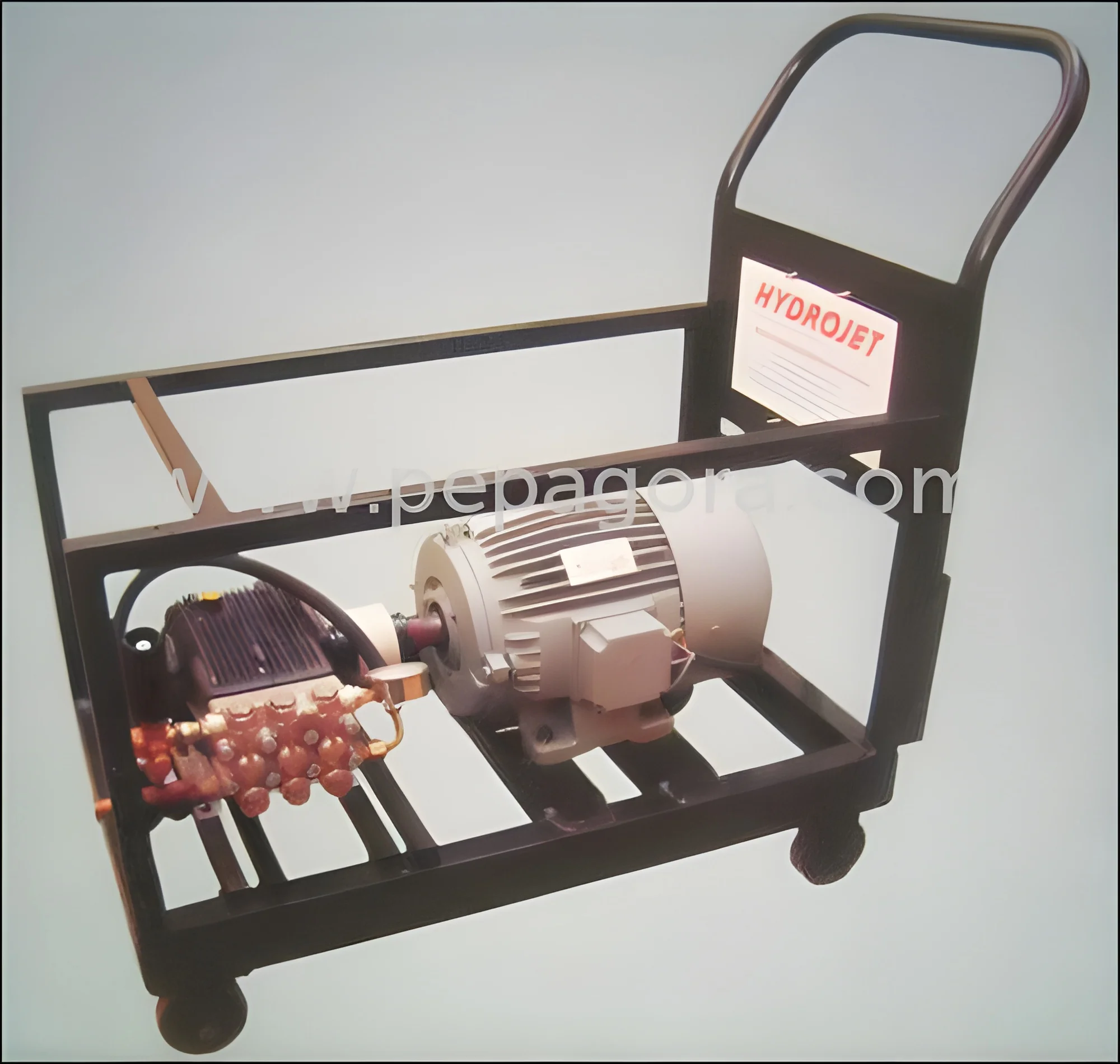
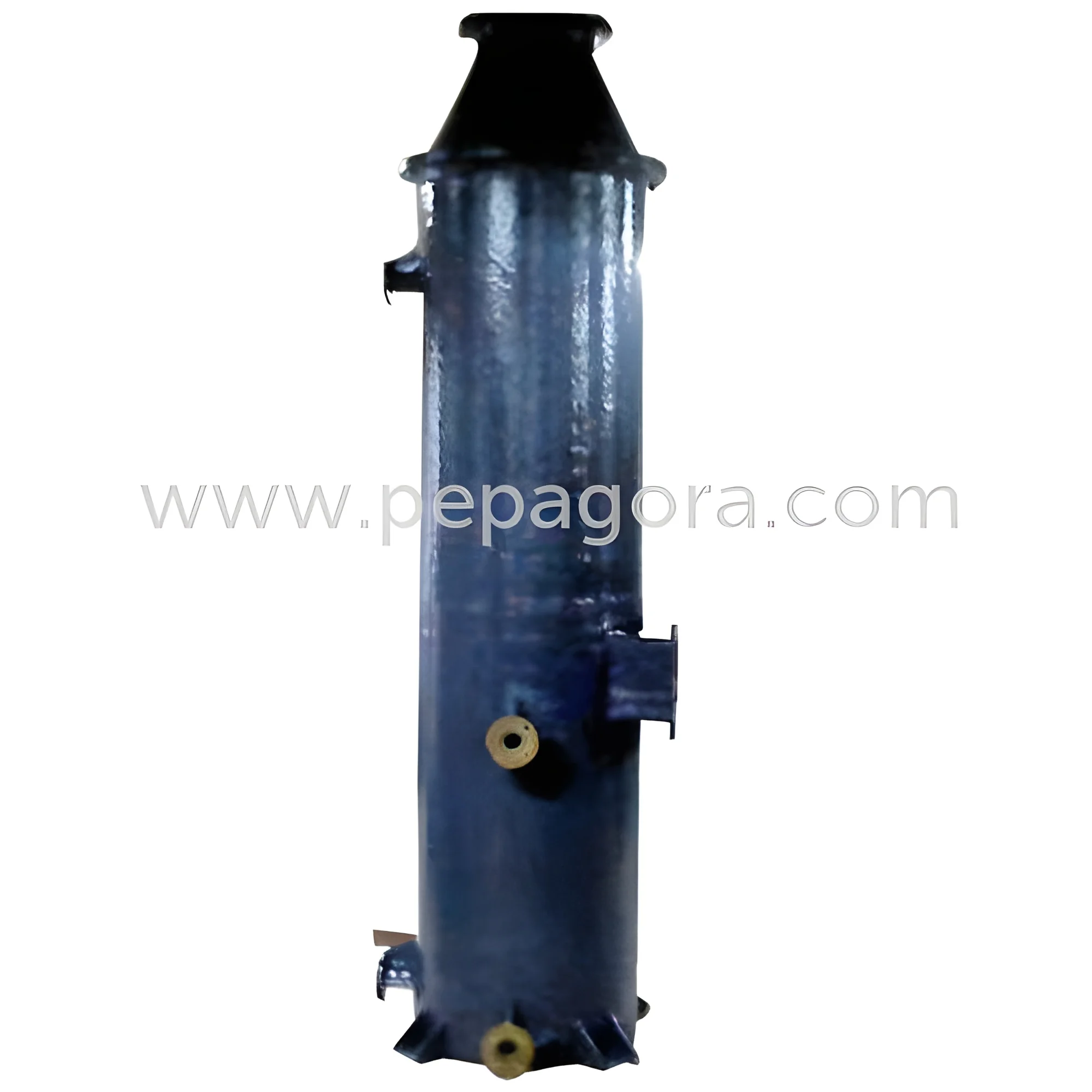
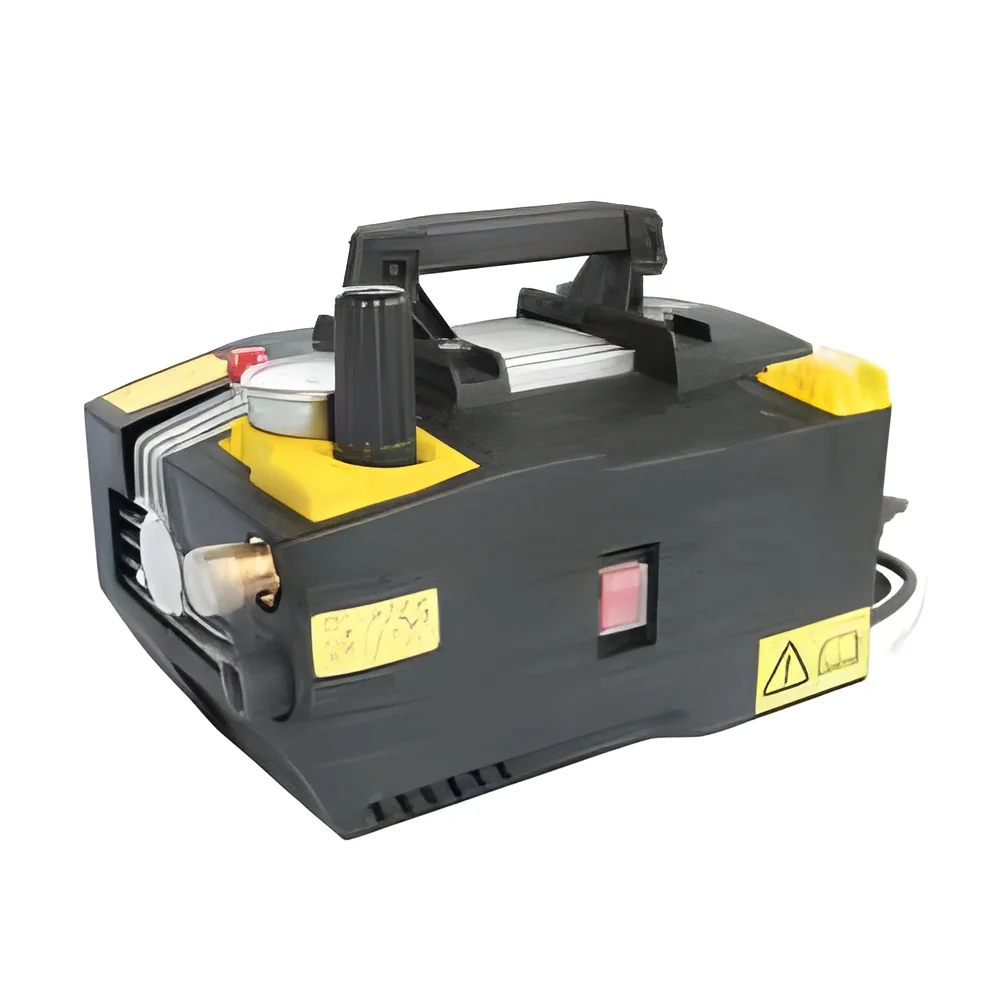
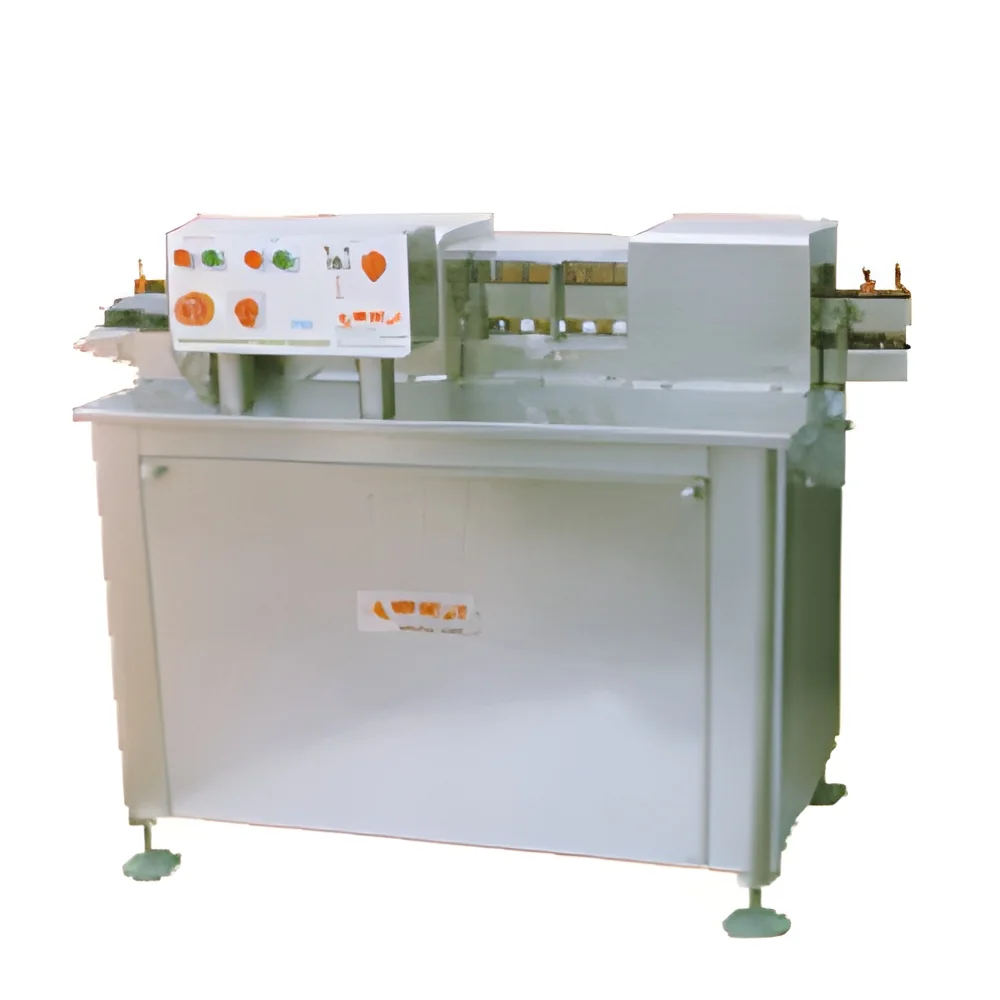
What are Air Jet Cleaning Systems?
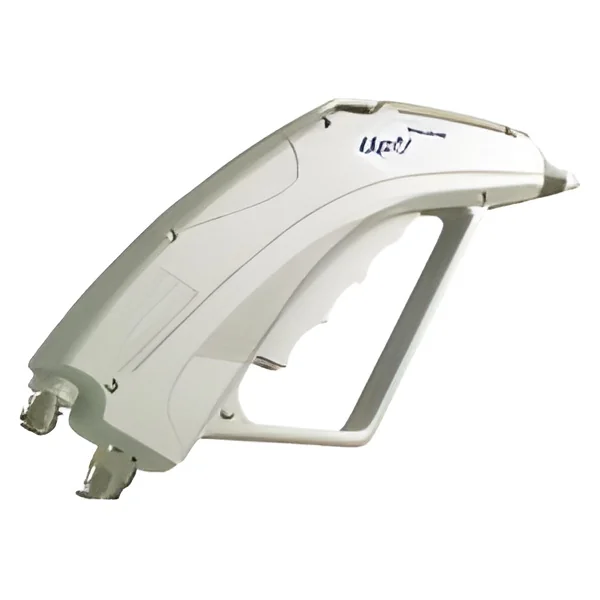
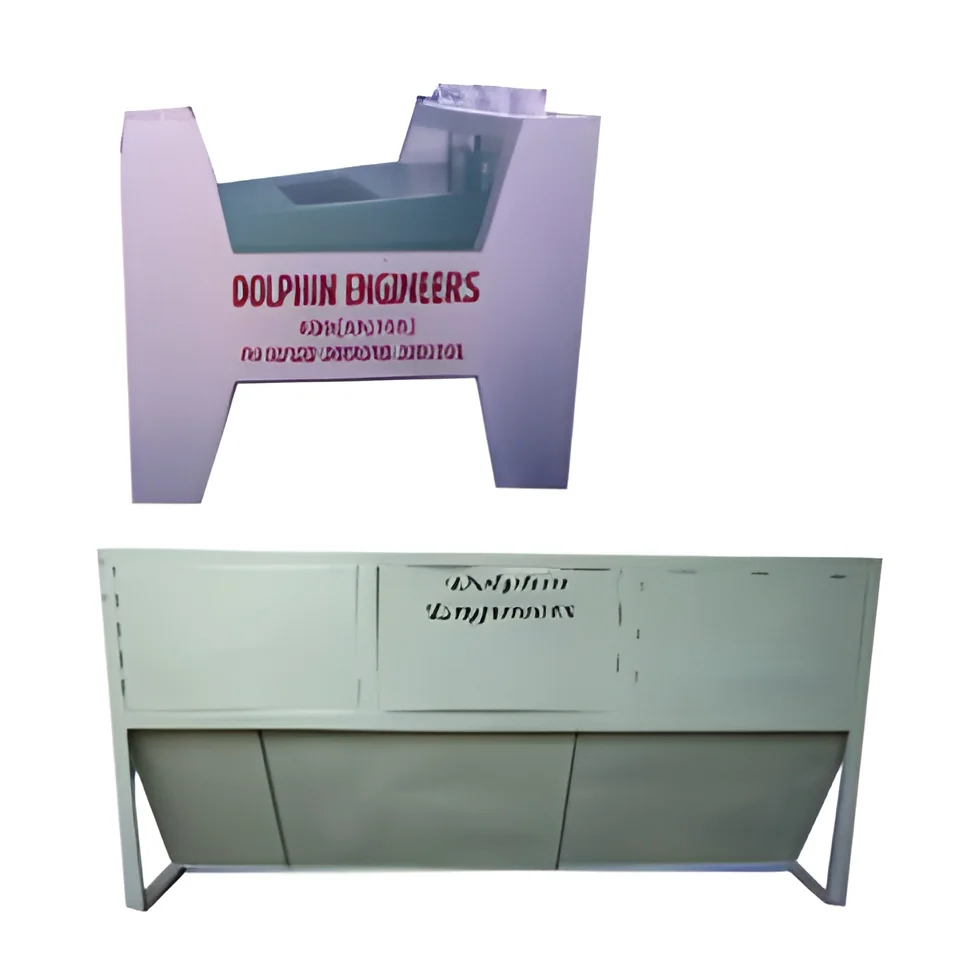
Air Jet Cleaning Systems are advanced cleaning solutions that utilize high-velocity air jets to remove contaminants from surfaces, components, or products. These systems are designed to efficiently dislodge dust, dirt, and other particulate matter without the need for water or chemical solvents. This method of cleaning is particularly effective in industries where precision and cleanliness are paramount.
These systems find extensive application in various sectors, including manufacturing, food processing, pharmaceuticals, and electronics. They are used for cleaning machinery, parts, and final products to ensure they meet stringent quality standards. The ability to clean without moisture makes air jet cleaning ideal for sensitive equipment and materials that can be damaged by liquid cleaners.
In the current market, the demand for Air Jet Cleaning Systems is rising due to increased regulatory requirements for cleanliness and the growing need for automation in industrial processes. Companies are seeking efficient, cost-effective solutions that not only enhance productivity but also maintain high standards of hygiene and safety.
Key Features and Specifications
Air Jet Cleaning Systems are characterized by several key features that enhance their operational efficiency and effectiveness. When evaluating these systems, it is essential to consider their specifications to ensure they meet the specific needs of your application.
Key specifications include:
1. Air Pressure
- Typically ranges from 30 psi to 100 psi
- Adjustable settings allow for optimal cleaning based on application needs
2. Airflow Rate
- Measured in cubic feet per minute (CFM)
- Common ranges are between 10 CFM and 100 CFM, depending on system design
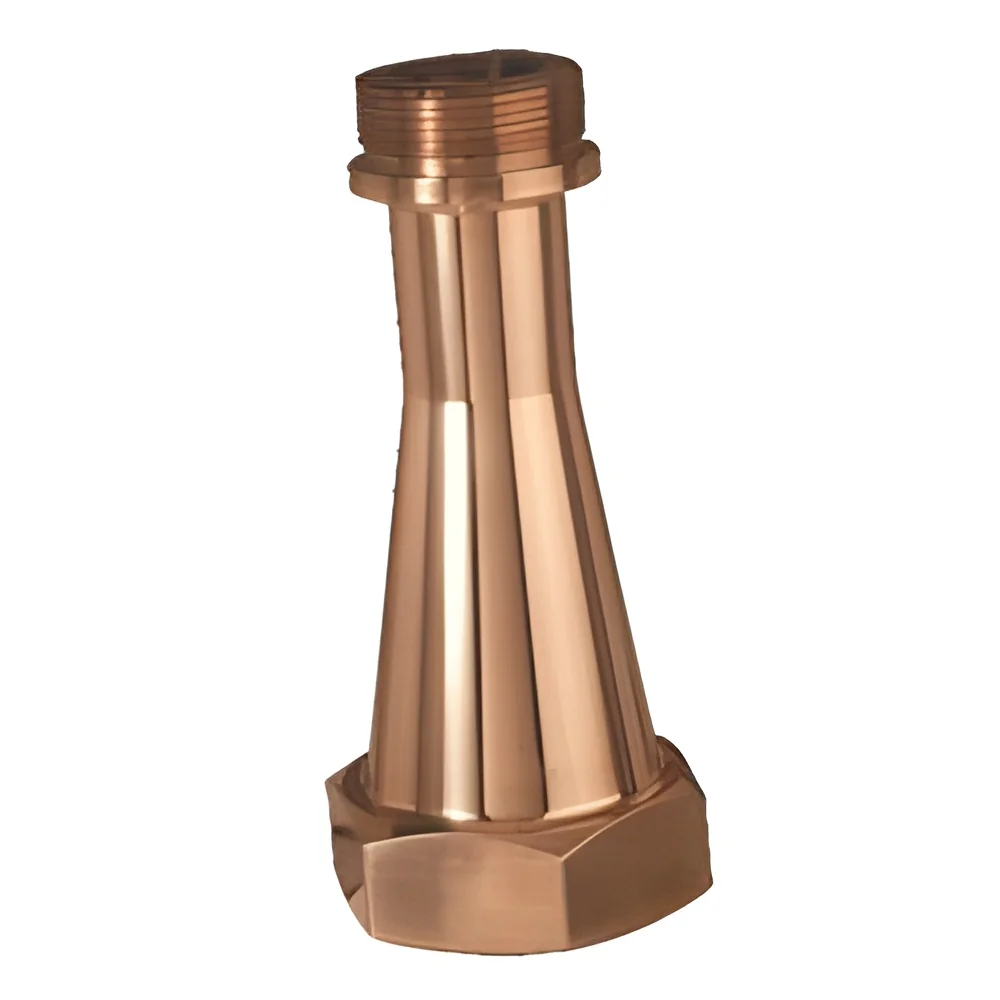
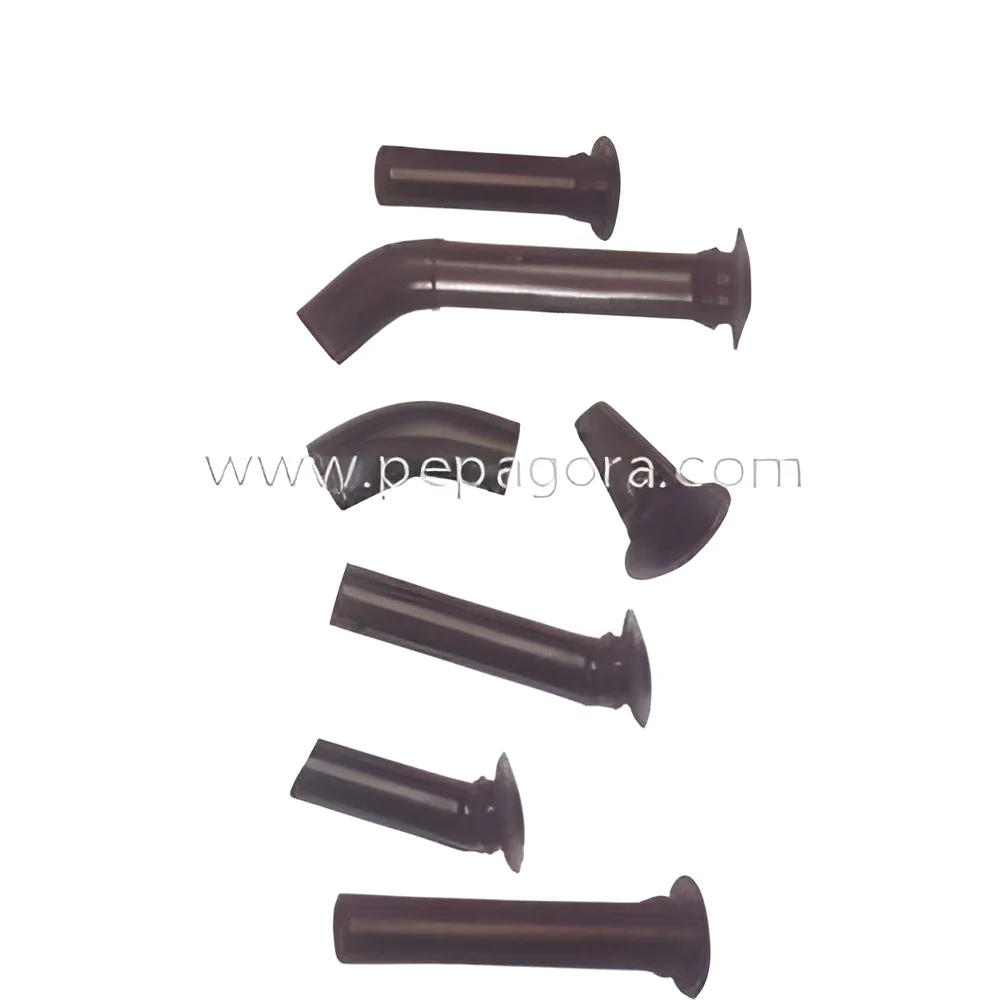
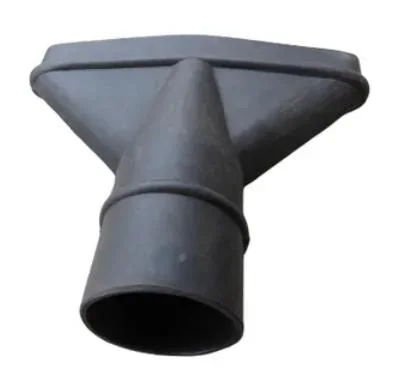
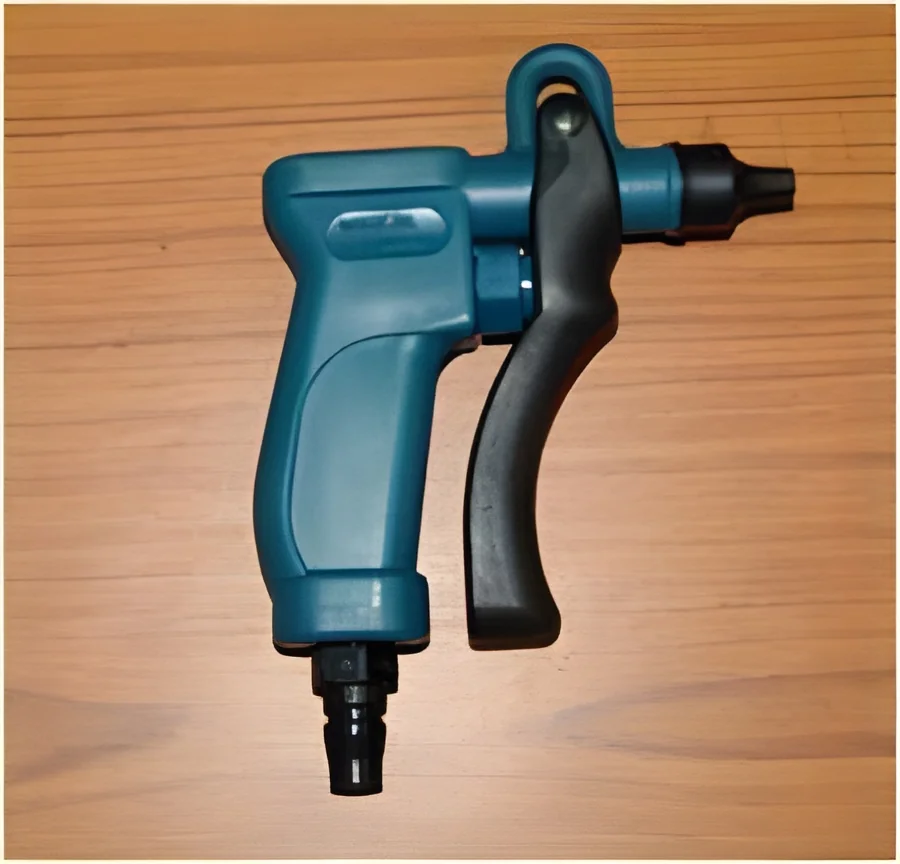
3. Nozzle Design
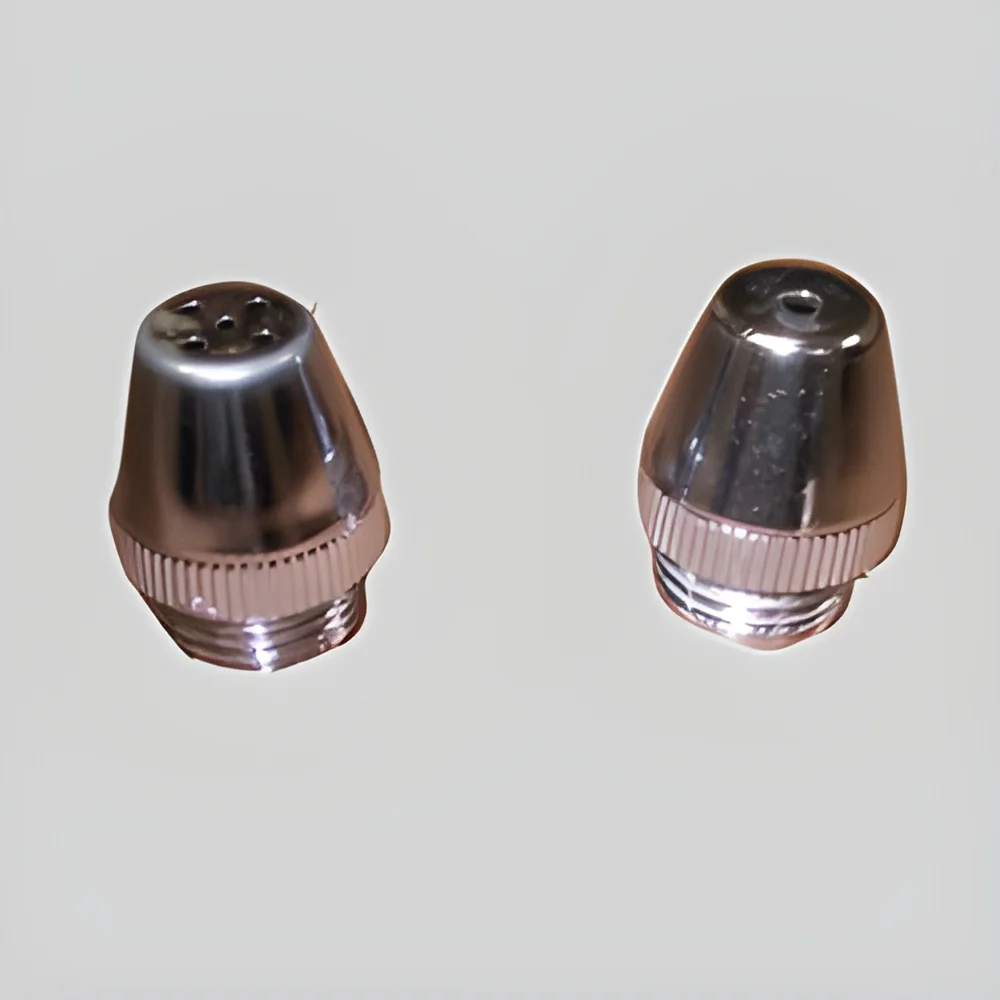
- Various nozzle types available for targeted cleaning
- Options include flat, round, and custom-designed nozzles for specific tasks
4. Control Features
- Many systems come with programmable controls
- Options for automated operation enhance user convenience
5. Size and Portability
- Compact designs available for easy integration into existing workflows
- Some models are portable for use in multiple locations
6. Noise Level
- Operating noise levels generally range from 70 dB to 85 dB
- Consideration of noise regulations may be necessary depending on the environment
7. Energy Consumption
- Energy-efficient models available to lower operational costs
- Power requirements typically range from 0.5 kW to 3 kW
In summary, the careful selection of Air Jet Cleaning Systems based on these specifications can lead to significant improvements in cleaning efficiency and operational effectiveness.
Common Applications and Use Cases
Air Jet Cleaning Systems are versatile tools used across multiple industries, providing unique cleaning solutions tailored to specific needs.
1. Manufacturing: In manufacturing facilities, these systems are employed to clean components and machinery parts, ensuring they operate efficiently and meet quality standards.
2. Food Processing: In the food industry, air jet systems effectively remove debris and contaminants from surfaces without introducing moisture, which is critical for maintaining hygiene.
3. Pharmaceuticals: These systems are vital in pharmaceutical settings, where cleanroom standards require the removal of particulate matter from equipment and packaging.
4. Electronics: In electronics manufacturing, air jet cleaning is used to remove dust and residues from circuit boards and components, preventing defects.
5. Automotive: The automotive industry utilizes air jet cleaning for parts and assembly lines to ensure optimal performance and quality in production.
Benefits and Advantages
Choosing Air Jet Cleaning Systems offers numerous benefits that can enhance operational efficiency and product quality.
1. Eco-Friendly Cleaning: These systems eliminate the need for chemical solvents, making them an environmentally friendly option for industrial cleaning.
2. Cost-Effective: By minimizing water usage and reducing chemical costs, businesses can achieve significant savings over time.
3. Precision Cleaning: Air jets can target specific areas, ensuring thorough cleaning without damaging sensitive surfaces.
4. Quick Drying: The absence of moisture allows for rapid drying, reducing downtime and improving workflow efficiency.
5. Easy Maintenance: Air jet systems typically require minimal maintenance, leading to lower operational disruptions.
6. Versatility: These systems can be adapted for various applications across different industries, making them a flexible cleaning solution.
Buying Guide for B2B Buyers
When sourcing Air Jet Cleaning Systems, it is essential to consider several key factors to ensure a successful purchase.
1. Quality Assessment: Look for systems that comply with industry standards and have a proven track record of reliability. Request product samples or case studies to evaluate performance.
2. Supplier Verification: Vet suppliers for their reputation and experience in the industry. Check for customer reviews and ask for references to ensure they are reputable.
3. Pricing and MOQ: Understand the pricing structure and minimum order quantities (MOQ) to avoid unexpected costs. Compare quotes from multiple suppliers to find the best value.
4. Delivery and Lead Times: Discuss logistics and expected delivery times with suppliers to ensure timely receipt of equipment, especially if tight schedules are involved.
5. Compliance Requirements: Ensure that the systems meet all necessary regulatory and compliance standards for your industry. This may include safety certifications and environmental regulations.
Compliance and Certifications
Air Jet Cleaning Systems must adhere to various quality and safety standards to ensure they perform effectively and safely in industrial environments.
ISO 9001 is a key certification that signifies adherence to quality management principles, ensuring that products meet customer and regulatory requirements consistently. It reflects a commitment to continuous improvement and customer satisfaction.
In addition to ISO standards, compliance with HACCP (Hazard Analysis Critical Control Point) is essential in food processing industries. This ensures that the cleaning systems do not compromise food safety.
CE certification indicates that the product meets European safety, health, and environmental protection standards. This is particularly important for businesses operating within or exporting to the European market.
Moreover, regional compliance considerations may vary. Understanding specific local regulations regarding air quality and safety standards is crucial for operational success.
Why Source Air Jet Cleaning Systems from Pepagora?
Pepagora offers a reliable platform for sourcing Air Jet Cleaning Systems, providing several advantages for B2B buyers.
Verified Supplier Network: Pepagora maintains a network of verified suppliers, ensuring that businesses can connect with reputable manufacturers and distributors. This reduces the risk of purchasing from unreliable sources.
Streamlined RFQ Process: The request for quotation (RFQ) process on Pepagora is designed for efficiency, allowing buyers to receive multiple quotes quickly. This makes it easier to compare options and make informed decisions.
Trade Assurance and Support: Buyers benefit from trade assurance features that protect their investments. Pepagora provides support throughout the purchasing process, ensuring a smooth transaction.
Regional Coverage: With a focus on India, the GCC, and Southeast Asia, Pepagora offers extensive regional coverage. This ensures that buyers can access the latest products and innovations in Air Jet Cleaning Systems tailored to their markets.

 IN
IN