What are Industrial Waste Compactors?
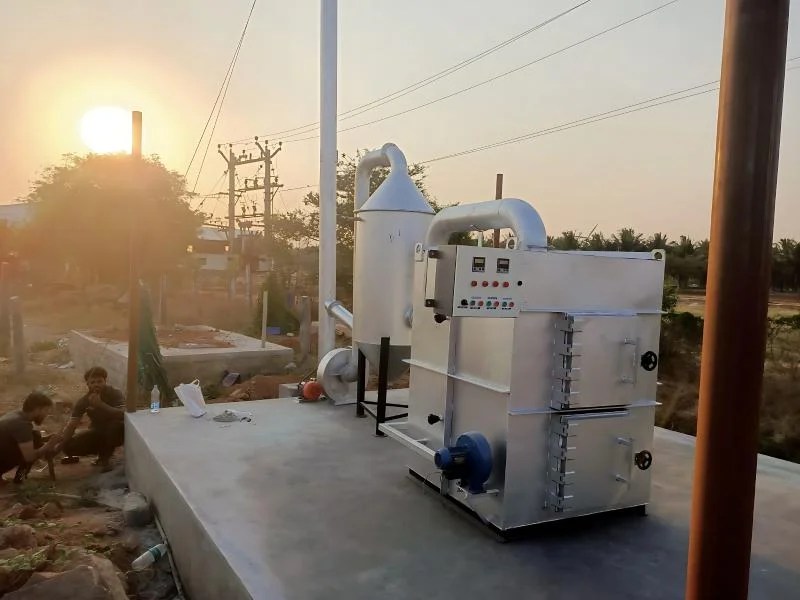
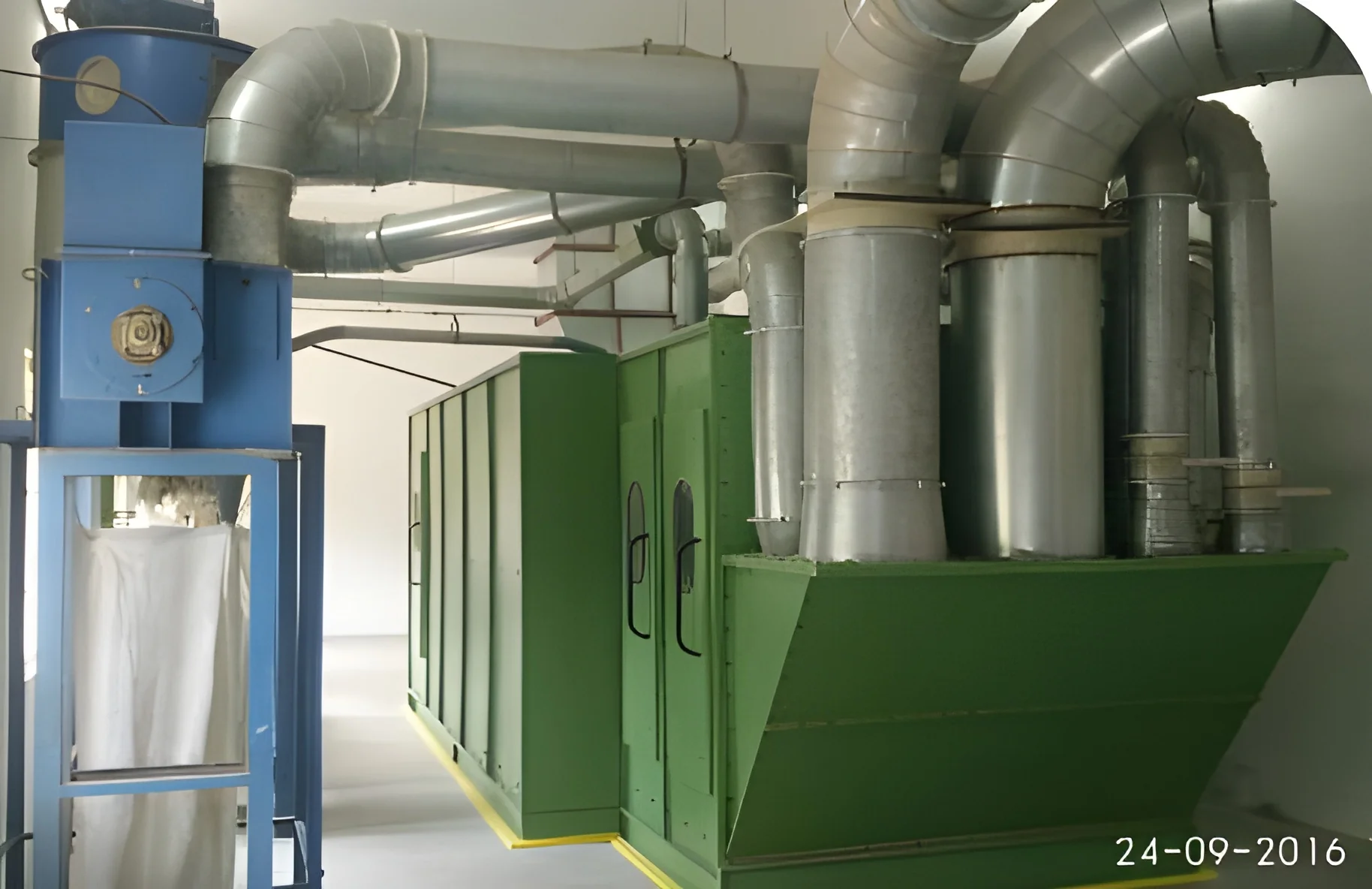
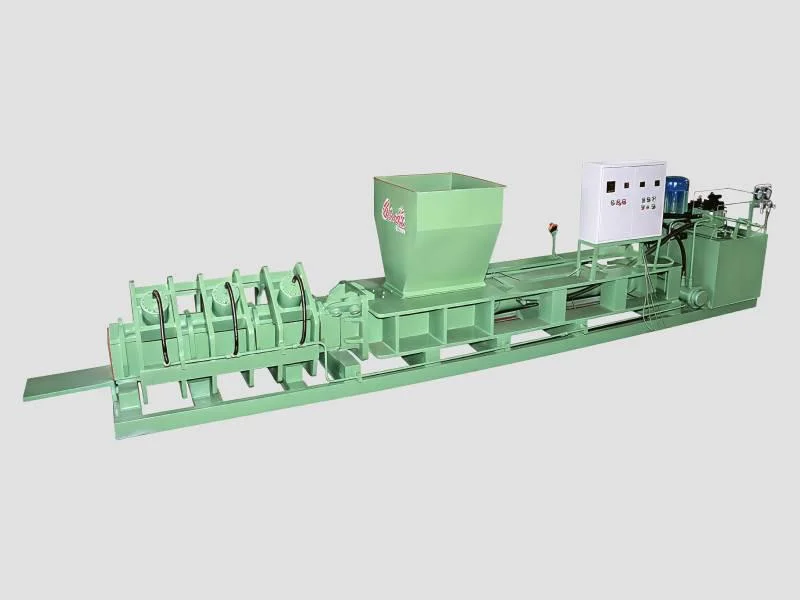
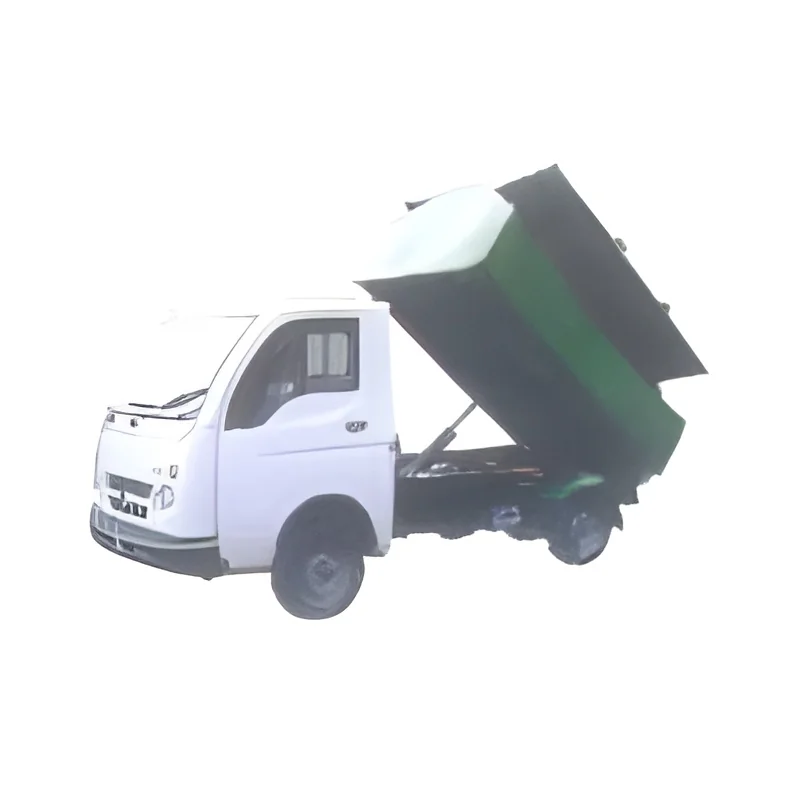
Industrial waste compactors are heavy-duty machines designed to compress waste materials into smaller, more manageable sizes. This process significantly reduces the volume of waste, allowing for easier storage, transportation, and disposal. Compacting waste not only saves space but also helps improve efficiency in waste management operations.
These machines are primarily used in industries such as manufacturing, distribution, and retail, where large volumes of waste are generated. They play a crucial role in maintaining cleanliness and safety in the workplace while also contributing to environmental sustainability by minimizing landfill use. As businesses become more focused on waste reduction and recycling, the relevance of industrial waste compactors continues to grow within the market.
Key Features and Specifications
Industrial waste compactors come equipped with various features and specifications that enhance their performance and efficiency. Understanding these specifications can help businesses select the right model for their needs.
Key specifications include:
1. Compaction Ratio
- This measures the efficiency of the compactor in reducing waste volume.
- Typical ratios range from 4:1 to 12:1, depending on the model.
2. Load Capacity
- Refers to the maximum weight of waste the compactor can handle at one time.
- Capacities can vary from 1,000 to 6,000 pounds.
3. Power Source
- Industrial waste compactors can be powered by electric, hydraulic, or diesel systems.
- The choice of power source affects operational costs and efficiency.
4. Chamber Size
- The dimensions of the waste chamber determine the size of the load that can be compacted.
- Common sizes range from 36 to 72 inches in length.
5. Cycle Time
- This indicates how long the compaction process takes.
- Typical cycle times can range from 30 seconds to 2 minutes.
6. Safety Features
- Many compactors include safety mechanisms such as emergency stop buttons and safety interlocks.
- These features help prevent accidents during operation.
7. Control System
- Modern compactors often have user-friendly control panels for ease of operation.
- Some models may offer remote monitoring and control options.
8. Durability
- Built with robust materials to withstand harsh industrial environments.
- Many models offer corrosion resistance and a long operational lifespan.
In summary, industrial waste compactors are equipped with various features that enhance their functionality, making them essential tools in modern waste management.
Common Applications and Use Cases
Industrial waste compactors are versatile machines used across various industries to manage waste effectively.
1. Manufacturing: In manufacturing facilities, compactors manage scrap materials and packaging waste, significantly reducing the volume that needs to be disposed of.
2. Retail: Retailers use compactors to deal with cardboard and plastic waste generated from packaging, creating more space in stockrooms.
3. Food Service: Restaurants and food processing plants utilize compactors to handle organic waste, helping to streamline disposal processes.
4. Construction: Construction sites benefit from compactors that compress debris and materials, enabling easier transportation to disposal sites.
5. Warehousing: Warehouses use compactors for managing cardboard and other packaging materials, improving clean-up efficiency.
6. Healthcare: Hospitals and clinics rely on compactors to reduce the volume of medical waste, ensuring safe and efficient disposal.
7. Recycling: Recycling facilities utilize compactors to prepare materials for transport, maximizing space and reducing costs.
Product Variants and Subcategories
Industrial waste compactors come in various variants designed for specific applications and operational needs.
Vertical Compactors
These models are ideal for spaces with limited floor area, as they compress waste vertically. They are commonly used in retail and manufacturing environments.
Horizontal Compactors
Horizontal variants handle larger volumes of waste and are often used in distribution centers and large manufacturing facilities. They offer higher compaction ratios and efficiency.
Self-Contained Compactors
These units include a built-in container for waste storage, making them suitable for environments where space is a consideration. They are frequently found in food service and retail sectors.
Stationary Compactors
Stationary compactors are fixed installations designed for heavy-duty applications, such as in manufacturing or large distribution centers. They provide high-level compaction and durability.
Benefits and Advantages
Investing in industrial waste compactors offers numerous benefits to businesses looking to improve their waste management processes.
Key benefits include:
1. Space Savings: By significantly reducing the volume of waste, compactors optimize storage space, allowing businesses to utilize their facilities more efficiently.
2. Cost Efficiency: Lower waste volume translates to reduced disposal costs and fewer trips to landfill, which can lead to significant savings over time.
3. Environmental Impact: Compacting waste contributes to sustainability efforts by minimizing landfill use and promoting recycling initiatives.
4. Improved Safety: Reducing waste volume helps maintain a cleaner and safer work environment, reducing hazards associated with overflowing waste bins.
5. Time Efficiency: The compaction process is quick, allowing businesses to streamline their waste management operations and focus on core activities.
6. Enhanced Compliance: Using industrial waste compactors helps businesses comply with local waste disposal regulations, reducing the risk of penalties.
Buying Guide for B2B Buyers
When sourcing industrial waste compactors, there are several key factors that B2B buyers should consider to ensure they select the right equipment for their needs.
1. Quality Assessment: Buyers should evaluate the durability and reliability of the compactors. Look for models made from high-quality materials and check for customer reviews or case studies.
2. Supplier Verification: It is crucial to vet suppliers to ensure they have a good reputation and can provide reliable support and service. Consider suppliers with a proven track record in the industry.
3. Pricing and MOQ: Understand the pricing structure, including any minimum order quantities. Compare quotes from different suppliers to find competitive pricing.
4. Delivery and Lead Times: Assess the logistics involved in delivery. Inquire about lead times and ensure they align with your operational schedule.
5. Compliance Requirements: Ensure that the selected compactors meet all necessary regulatory compliance standards. This is essential for avoiding legal issues and ensuring safe operation.
Compliance and Certifications
Industrial waste compactors must adhere to various quality standards and certifications to ensure they meet industry requirements.
ISO 9001 is a widely recognized standard that signifies a commitment to quality management systems. Compactors meeting this standard ensure consistent performance and customer satisfaction.
The CE mark indicates compliance with European safety, health, and environmental protection standards. This certification is essential for compactors sold in European markets, ensuring they meet strict safety regulations.
Safety and testing requirements are critical in the design and operation of industrial waste compactors. Regular testing and adherence to safety standards help prevent workplace accidents and ensure reliable performance.
Regional compliance considerations may vary based on location. Buyers should familiarize themselves with local regulations regarding waste management and equipment safety to ensure compliance.
Why Source Industrial Waste Compactors from Pepagora?
Pepagora offers a trusted platform for sourcing industrial waste compactors, providing several key advantages for B2B buyers.
Verified Supplier Network: Pepagora connects buyers with verified suppliers, ensuring that they can access high-quality products and reliable service. This network helps mitigate risks associated with sourcing equipment.
Streamlined RFQ Process: The request for quotation process on Pepagora is designed to be efficient and user-friendly. Buyers can easily compare offers from multiple suppliers, making it easier to find the best deal.
Trade Assurance and Support: Pepagora provides buyer protection through trade assurance programs, ensuring that transactions are secure and that buyers receive the products as promised.
Regional Coverage: With a strong presence in India, the GCC, and Southeast Asia, Pepagora offers extensive regional coverage, making it easier for businesses in these areas to source industrial waste compactors and related products.

 IN
IN