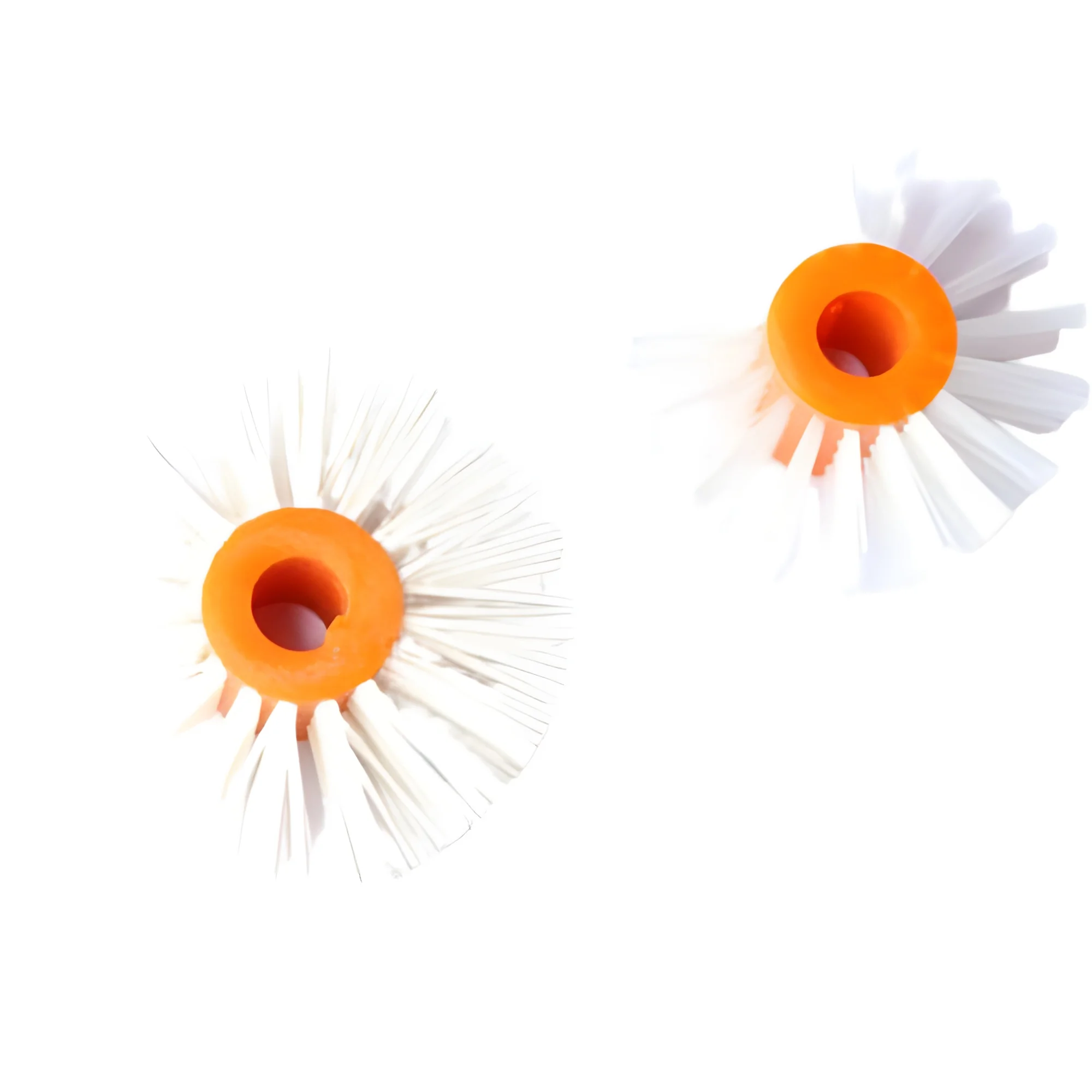
What are Cleaning Brushes & Scrapers?
Cleaning brushes and scrapers are essential tools used for maintaining cleanliness and hygiene in various environments. These tools come in various shapes and sizes, designed to effectively remove dirt, debris, and contaminants from surfaces. Cleaning brushes typically feature bristles made from materials like nylon or polypropylene, while scrapers are designed with flat edges to dislodge stubborn materials. Together, they form a critical component in cleaning processes across different industries.
These tools are primarily used in environments such as manufacturing facilities, food processing plants, and commercial kitchens. They help ensure compliance with hygiene standards and maintain operational efficiency. Cleaning brushes are ideal for delicate surfaces that require gentle scrubbing, while scrapers are used for tougher jobs where scraping is necessary. Their versatility makes them valuable in maintaining cleanliness in both industrial and commercial settings.
In the current market, the demand for cleaning brushes and scrapers is driven by increasing regulatory requirements for cleanliness and hygiene. Industries are increasingly investing in proper cleaning tools to avoid contamination risks, enhance safety, and ensure product quality. This trend positions cleaning brushes and scrapers as indispensable tools in the industrial cleaning landscape.
Key Features and Specifications
When evaluating cleaning brushes and scrapers, several key features and specifications should be considered to ensure optimal performance.
Key specifications include:
1. Bristle Material
- Common materials include nylon, polypropylene, and natural fibers.
- Each material offers different durability and cleaning effectiveness.
2. Handle Design
- Options include ergonomic handles for comfort and non-slip grips for safety.
- Designs may vary based on intended use and user preference.
3. Brush Size and Shape
- Available in various sizes, from small handheld brushes to large floor scrubbers.
- Shapes include round, rectangular, and specialty designs for specific tasks.
4. Scraper Edge Type
- Scrapers may have straight or curved edges for different applications.
- Some are designed for heavy-duty use, while others are suited for delicate tasks.
5. Temperature Resistance
- Certain brushes and scrapers are designed to withstand high or low temperatures.
- This feature is crucial in environments such as kitchens or manufacturing.
6. Chemical Resistance
- Some materials are resistant to chemicals and solvents.
- This adds versatility for use in various cleaning applications.
7. Quantity per Pack
- Available in various packaging options, from single units to bulk packs.
- Considerations for bulk purchases can lead to cost savings.
In summary, understanding the key features and specifications of cleaning brushes and scrapers is essential for selecting the right tools for specific cleaning applications.
Common Applications and Use Cases
Cleaning brushes and scrapers find applications across numerous industries, each with unique requirements.
1. Food Processing: In this industry, cleaning brushes are used to maintain hygiene on equipment and surfaces, ensuring compliance with health regulations.
2. Manufacturing: Scrapers are essential for removing excess materials from machinery and workstations, helping maintain operational efficiency.
3. Automotive: Cleaning brushes are used to clean parts and components during assembly and maintenance processes, ensuring quality and performance.
4. Janitorial Services: These tools are fundamental in commercial cleaning to maintain cleanliness in offices, schools, and public facilities.
5. Healthcare: Brushes and scrapers are used to clean medical equipment and surfaces, crucial for preventing infection.
6. Hospitality: In hotels and restaurants, these tools help maintain cleanliness in kitchens and dining areas, enhancing guest experiences.
7. Construction: Scrapers assist in removing debris and materials from tools and surfaces, ensuring a safe working environment.
Product Variants and Subcategories
The diversity of cleaning brushes and scrapers allows them to cater to various cleaning needs and preferences.
Handheld Cleaning Brushes: These are versatile tools suitable for various tasks, from scrubbing floors to cleaning small equipment. They often feature ergonomic designs for comfortable use.
Heavy-Duty Scrapers: Designed for tough cleaning tasks, heavy-duty scrapers are ideal for removing stubborn materials from surfaces. They are commonly used in industrial settings where durability is critical.
Detail Brushes: These smaller brushes are perfect for intricate cleaning tasks, such as cleaning small parts and hard-to-reach areas. They are widely used in automotive and machinery applications.
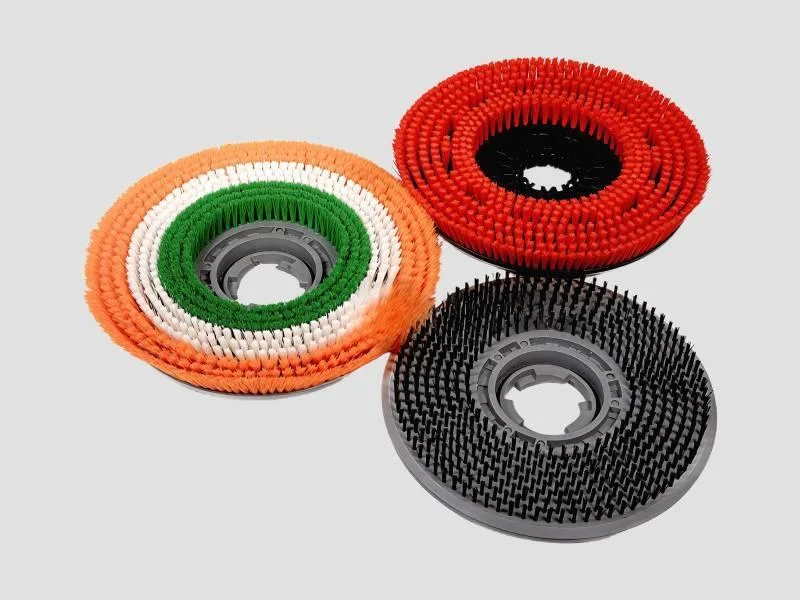
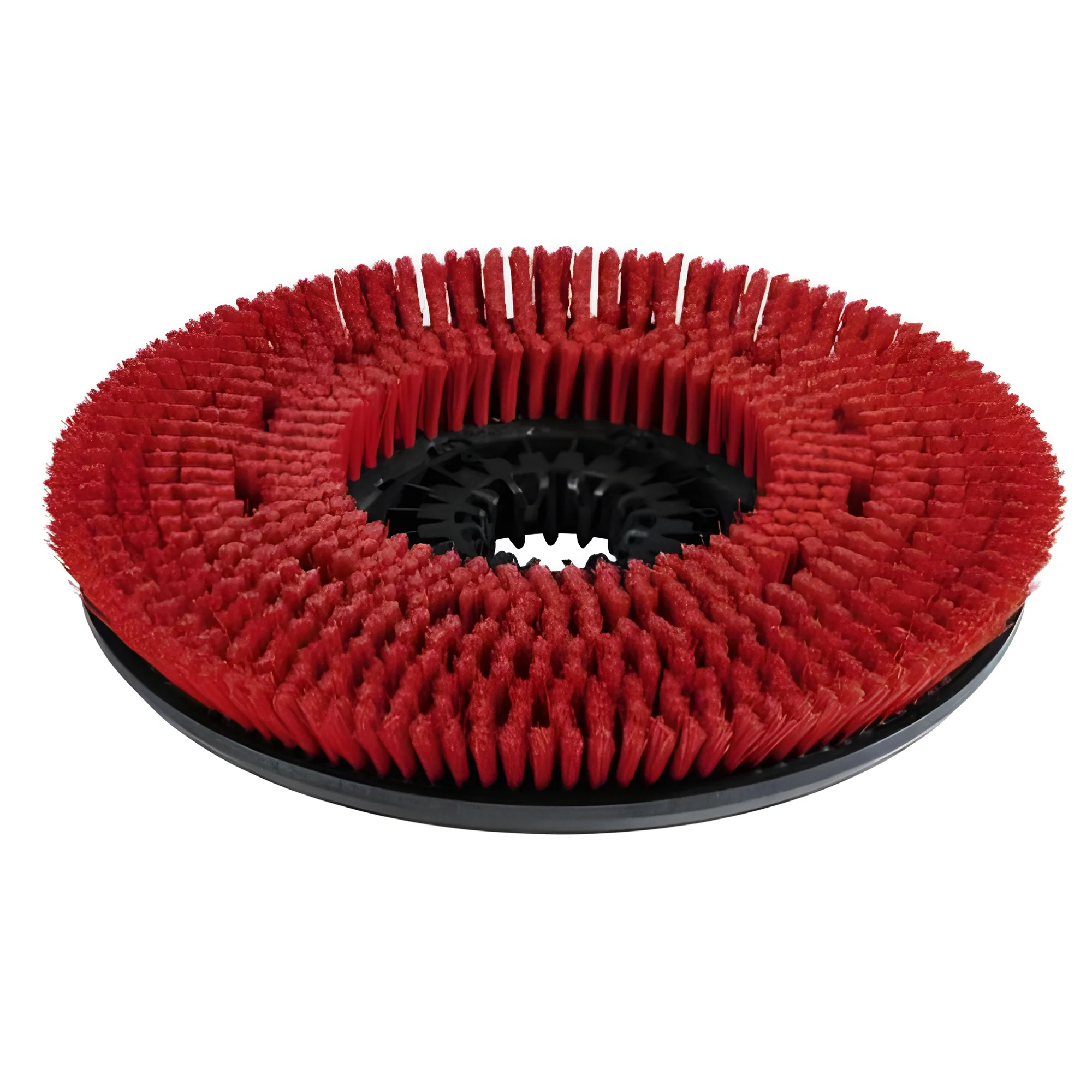
Floor Scrubbers: Larger brushes designed specifically for floor cleaning, these tools are often used in commercial and industrial environments to maintain large surface areas.
Benefits and Advantages
Investing in quality cleaning brushes and scrapers offers numerous benefits to businesses.
1. Enhanced Cleanliness: These tools ensure thorough cleaning, reducing the risk of contamination and maintaining hygiene standards.
2. Cost-Effectiveness: Durable cleaning tools can reduce the frequency of replacements, leading to long-term savings.
3. Improved Efficiency: Proper tools enable quicker cleaning processes, allowing staff to focus on other important tasks.
4. Versatility: Cleaning brushes and scrapers can be used in various applications, making them indispensable in different industries.
5. Ergonomic Design: Many models feature designs that reduce strain on the user, promoting comfort during extended use.
6. Compliance Support: Utilizing the right cleaning tools helps businesses meet industry regulations, safeguarding their operations.
Buying Guide for B2B Buyers
When sourcing cleaning brushes and scrapers, B2B buyers should consider several important factors.
1. Quality Assessment: Evaluate the materials and construction of the products. High-quality brushes and scrapers are essential for durability and effectiveness.
2. Supplier Verification: Research potential suppliers to ensure they are reputable and provide reliable products. Look for reviews and testimonials from other buyers.
3. Pricing and MOQ: Understand the pricing structure and minimum order quantities. This information helps in budgeting and inventory planning.
4. Delivery and Lead Times: Consider logistics and delivery schedules. Ensure that suppliers can meet your timelines to avoid disruptions.
5. Compliance Requirements: Be aware of any regulatory standards that the products must meet. Ensure that suppliers can provide documentation proving compliance.
Compliance and Certifications
Cleaning brushes and scrapers must adhere to various quality standards and certifications to ensure safety and effectiveness.
ISO 9001 is a widely recognized standard that ensures quality management systems are in place. Companies that comply with this standard demonstrate their commitment to quality and customer satisfaction.
HACCP (Hazard Analysis and Critical Control Points) is crucial for industries such as food processing, where hygiene is paramount. Compliance with HACCP helps prevent contamination and ensures safe food handling.
CE marking indicates that products meet European safety, health, and environmental protection requirements. This certification is essential for businesses selling in European markets.
Additionally, safety testing is important to verify that cleaning tools meet industry standards for durability and effectiveness. Regional compliance may vary, so businesses should stay informed about local regulations.
Why Source Cleaning Brushes & Scrapers from Pepagora?
Pepagora provides a trusted platform for sourcing cleaning brushes and scrapers, offering several key advantages to B2B buyers.
Verified Supplier Network: Pepagora connects buyers with suppliers who have been vetted for quality and reliability. This network ensures that businesses can access trusted products.
Streamlined RFQ Process: The request for quotation system simplifies the purchasing process, allowing buyers to receive competitive pricing from multiple suppliers quickly.
Trade Assurance and Support: Pepagora offers trade assurance measures to protect buyers throughout the procurement process. This support enhances confidence in sourcing decisions.
Regional Coverage: With a presence in India, the GCC, and Southeast Asia, Pepagora facilitates access to suppliers across a wide geographic area. This reach allows buyers to find the right products to meet their specific needs.

 IN
IN