
 IN
Welding Fume Extractors
7 products available
What are Welding Fume Extractors?
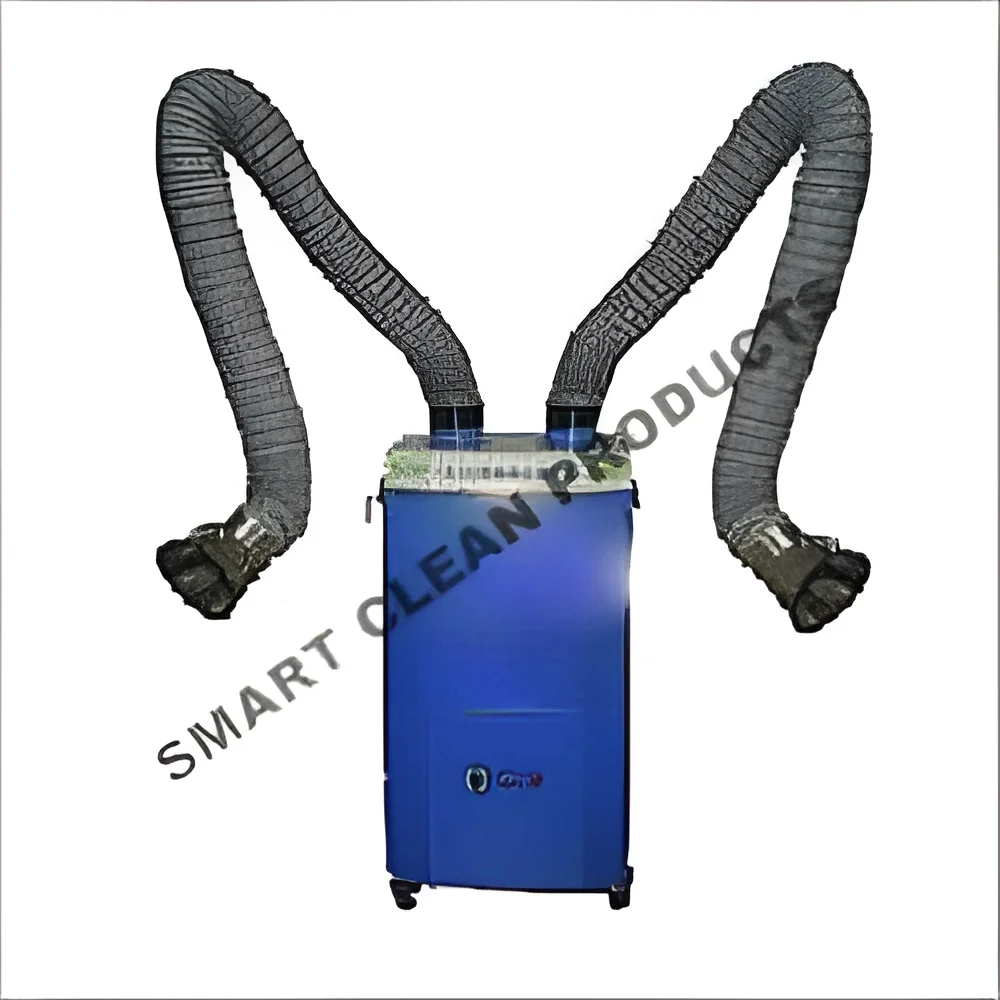
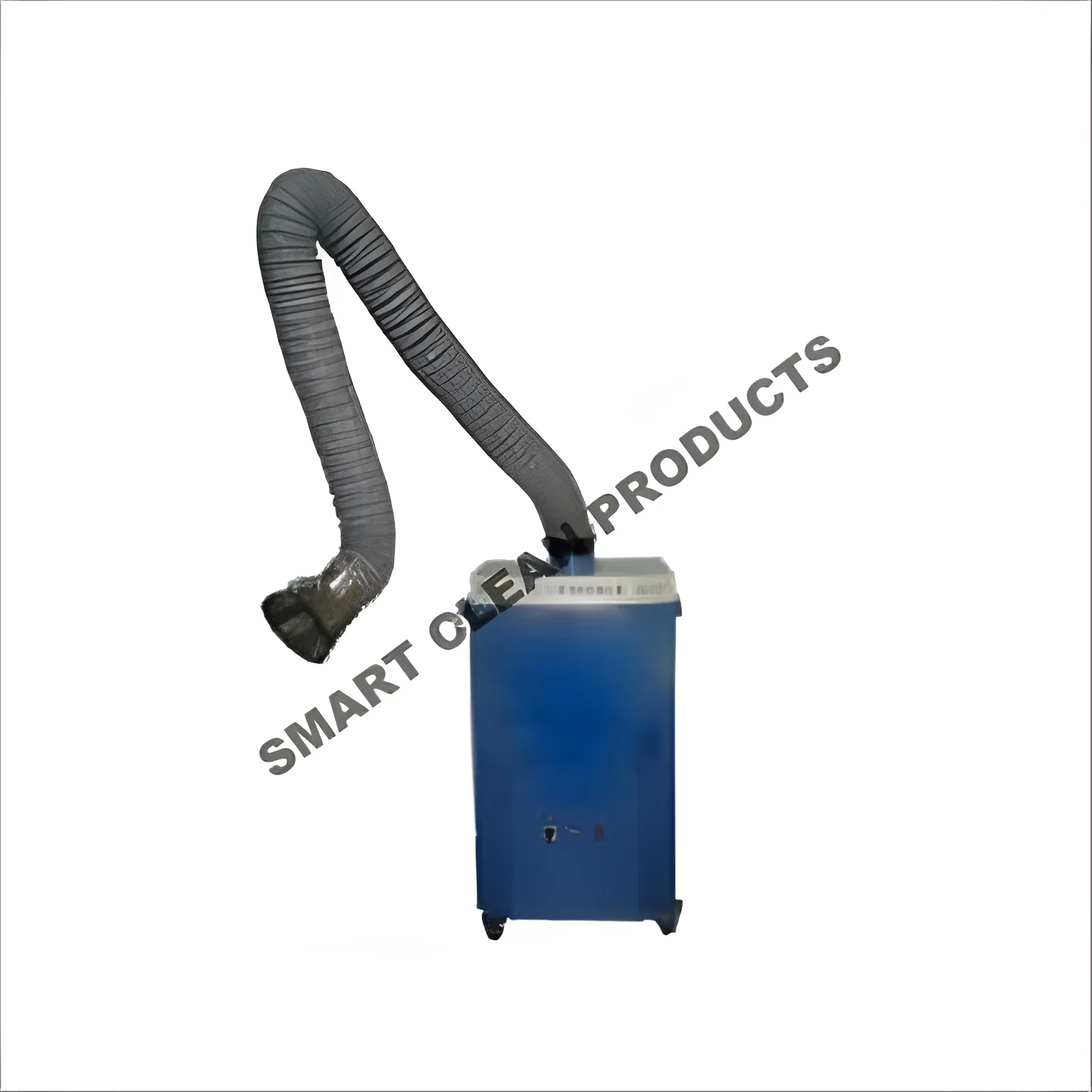
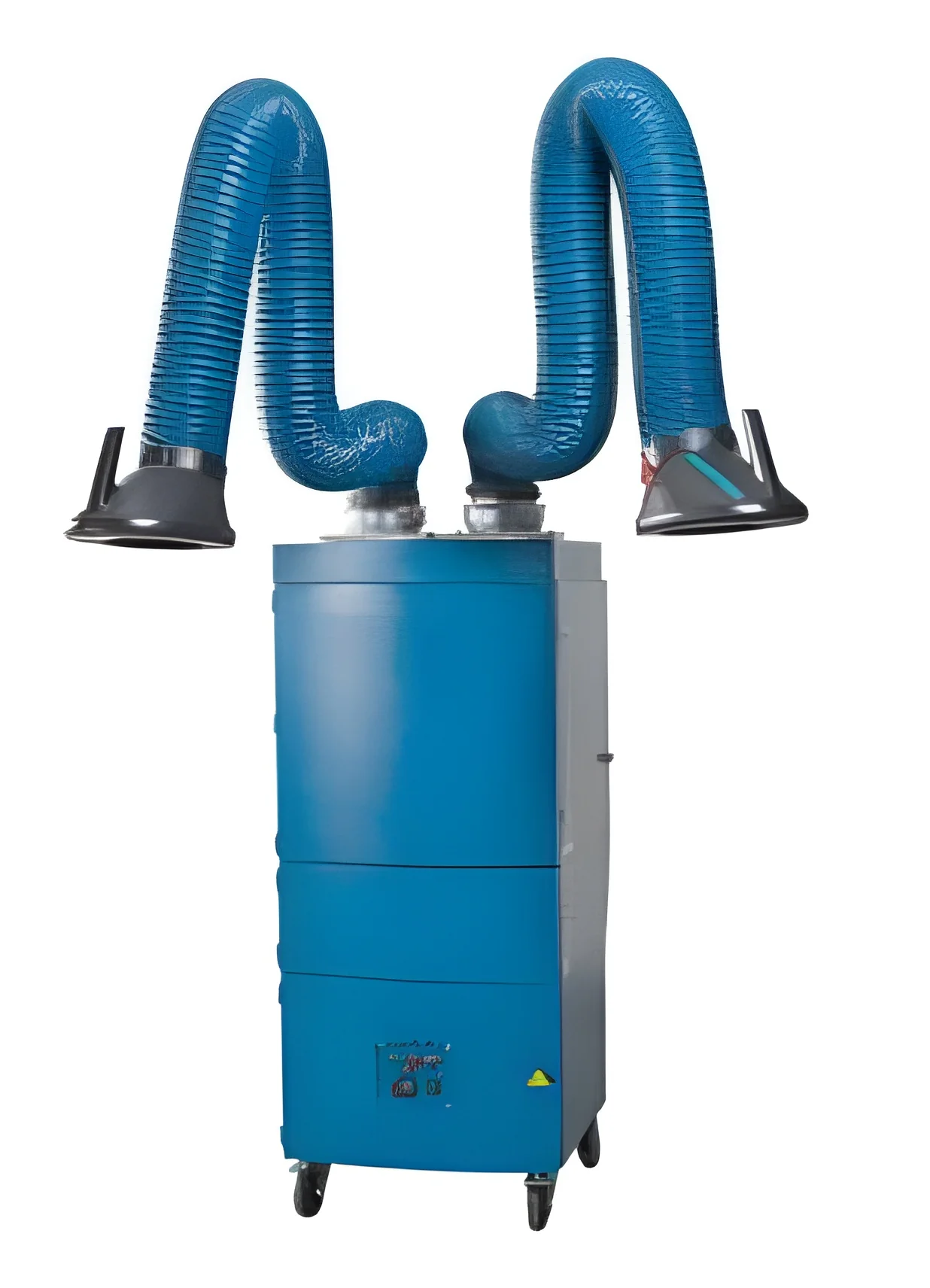
Welding fume extractors are essential industrial devices designed to capture and filter harmful fumes, gases, and particulate matter generated during welding processes. These extractors work by employing powerful suction systems that draw in contaminated air, which then passes through specialized filters to remove hazardous substances before releasing clean air back into the workplace. This process not only improves air quality but also enhances worker safety and comfort.
Primarily, welding fume extractors are used in manufacturing settings, including automotive, metal fabrication, and construction industries. They are crucial for maintaining compliance with health and safety regulations while minimizing the risk of respiratory diseases among workers. As industries increasingly focus on worker safety and environmental standards, the demand for effective fume extraction systems continues to rise, making these devices critical components in modern welding operations.
The relevance of welding fume extractors extends beyond compliance; they play a significant role in promoting a healthy work environment. With the market's growing emphasis on workplace safety and environmental responsibility, manufacturers are continuously innovating to enhance the efficiency and effectiveness of these systems, ensuring they meet the evolving needs of various industries.
Key Features and Specifications
Welding fume extractors come equipped with several features that contribute to their performance and efficiency. Understanding these specifications is vital for selecting the right unit for your business needs.
Key specifications include:
1. Filtration Efficiency
- Filters designed to capture up to 99.9% of harmful particles.
- Typically utilizes HEPA and activated carbon filters.
2. Airflow Rate
- Measured in cubic feet per minute (CFM).
- Common ranges from 500 CFM to 2000 CFM depending on unit size.
3. Noise Level
- Operates within a sound range of 60 to 85 decibels.
- Noise reduction features available for quieter operation.
4. Mobility
- Portable models with wheels for easy maneuverability.
- Fixed units designed for specific workstations.
5. Power Supply
- Options for electric, battery-operated, or hybrid systems.
- Voltage specifications typically at 110V or 220V.
6. Control Systems
- Manual or automated controls for adjusting airflow.
- Some models equipped with digital monitoring for performance tracking.
7. Dimensions and Weight
- Vary significantly based on design and capacity.
- Compact models suitable for limited spaces, larger units for extensive operations.
8. Compliance Standards
- Meets industry standards such as CE certification.
- Adheres to local and international safety regulations.
In summary, welding fume extractors feature a variety of specifications that cater to different industrial needs. Understanding these features helps businesses choose the right extractor for effective fume management.
Common Applications and Use Cases
Welding fume extractors are versatile devices used across various sectors to ensure a safe working environment.
1. Automotive Industry: In automotive manufacturing, welding fume extractors are essential for capturing fumes produced during the assembly of vehicles and parts, protecting workers from toxic exposure.
2. Metal Fabrication: Fabricators utilize these extractors to maintain air quality during processes like cutting and welding, ensuring compliance with safety regulations.
3. Construction: In construction sites, welding fume extractors help manage fumes emitted during structural welding, contributing to a healthier workspace.
4. Shipbuilding: Extractors are vital in shipyards to remove fumes created during the welding of metal components, safeguarding worker health.
5. Aerospace: In the aerospace industry, these devices are used to mitigate hazardous emissions during aircraft assembly and maintenance operations.
6. Heavy Equipment Manufacturing: Welding fume extractors are employed to capture noxious fumes generated in heavy machinery production, enhancing safety measures.
7. Pipeline Construction: These units are necessary when welding pipelines, reducing harmful exposure to workers in outdoor environments.
Product Variants and Subcategories
Welding fume extractors come in various forms to suit different operational needs.
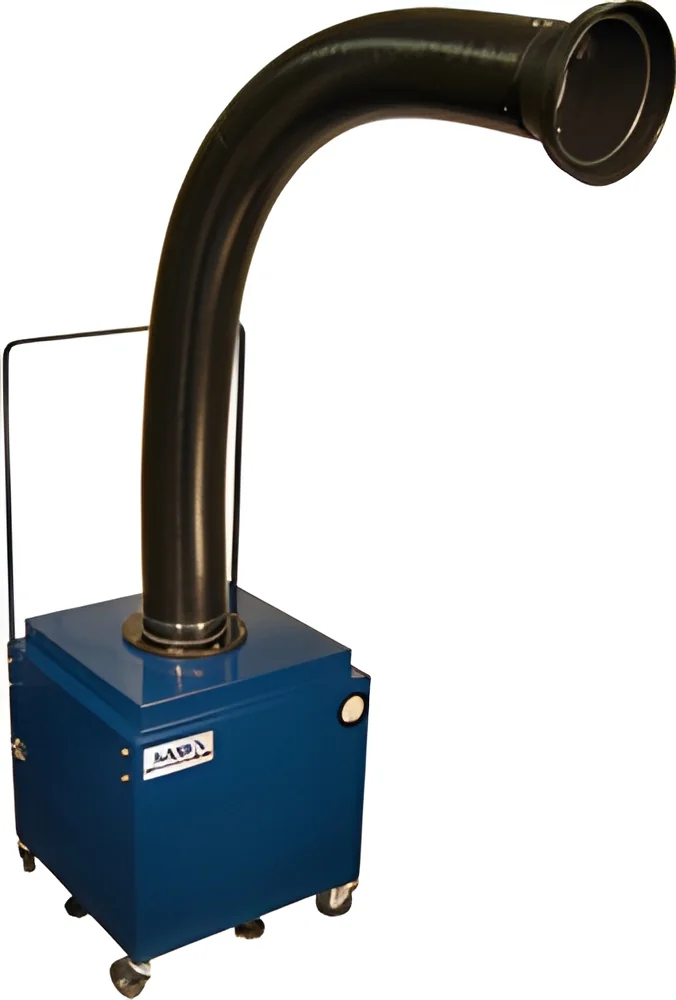
Mobile Welding Fume Extractor: This variant is designed for flexibility and ease of use in multiple locations. It features a compact design and is equipped with wheels, making it ideal for job sites where mobility is essential.
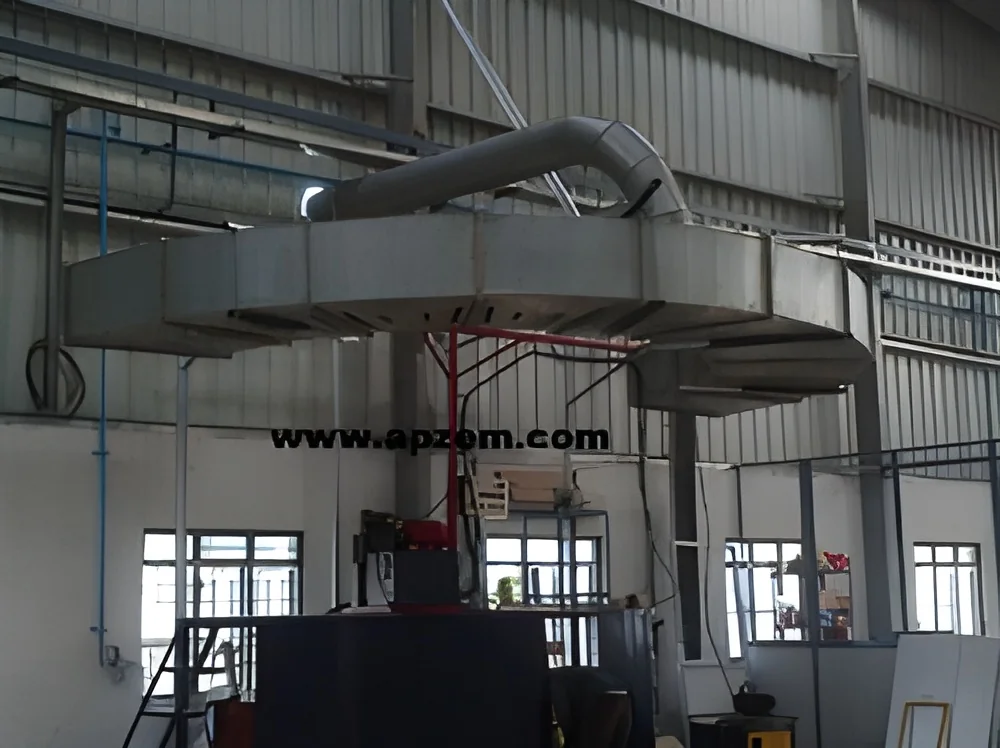
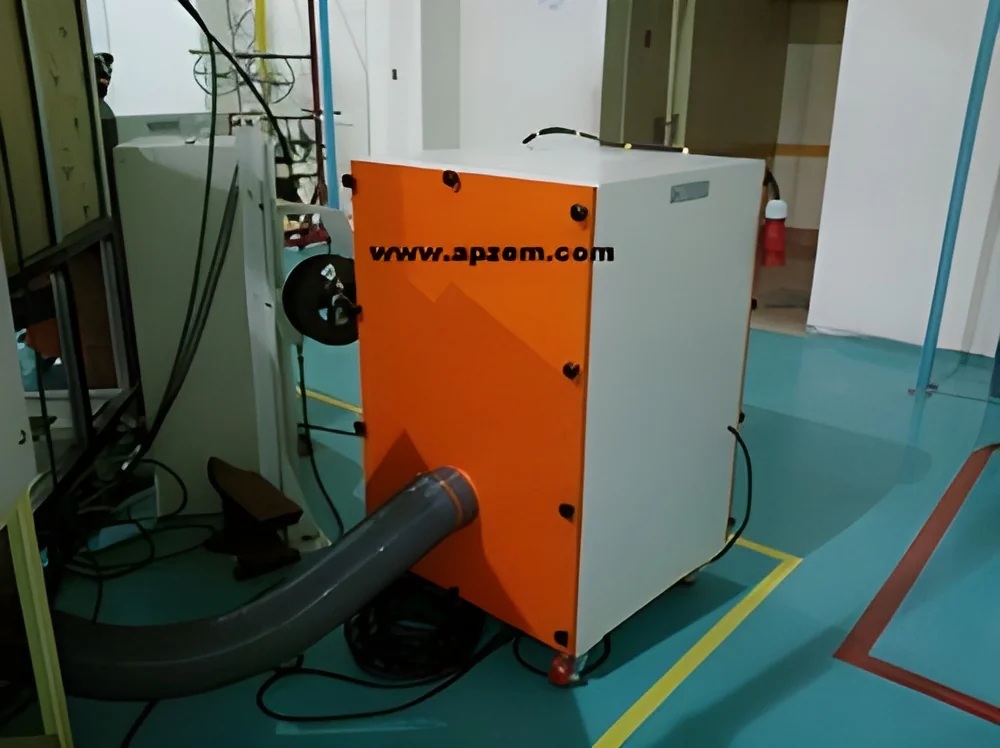
Stationary Welding Fume Extractor: Typically used in fixed installations, this variant offers higher extraction rates and is suited for large-scale operations. It is designed for high-capacity usage and often includes advanced filter systems for optimal air quality.
Centralized Fume Extraction System: This system integrates multiple workstations into one central extraction unit, allowing for efficient air management across large facilities. It is particularly beneficial for high-volume welding environments.
Benefits and Advantages
Welding fume extractors provide numerous advantages that enhance workplace safety and productivity.
1. Improved Air Quality: By effectively removing harmful fumes, these extractors create a healthier work environment, reducing the risk of respiratory issues among workers.
2. Regulatory Compliance: Utilizing fume extractors helps businesses comply with occupational health and safety regulations, minimizing legal risks and liabilities.
3. Increased Worker Comfort: Clean air contributes to a more comfortable working atmosphere, leading to improved employee morale and productivity.
4. Enhanced Equipment Longevity: By reducing airborne contaminants, fume extractors help maintain equipment in a cleaner state, potentially extending its lifespan.
5. Versatility: With various models available, businesses can select extractors tailored to their specific operational needs, ensuring maximum efficiency.
6. Cost Efficiency: Investing in fume extraction technology can lead to reduced health-related costs and increased productivity, ultimately benefiting the bottom line.
Buying Guide for B2B Buyers
When sourcing welding fume extractors, several factors should be considered to ensure the best fit for your operations.
1. Quality Assessment: Evaluate the quality of the extractor by looking for certifications and user reviews. A reliable extractor should have a proven track record of performance and durability.
2. Supplier Verification: Ensure that suppliers are reputable and have a history of providing high-quality products. Conduct background checks and ask for references to gauge their reliability.
3. Pricing and MOQ: Consider the pricing structure and minimum order quantities (MOQ) offered by suppliers. It is important to find a balance between cost and quality to optimize your budget.
4. Delivery and Lead Times: Discuss delivery schedules and lead times with potential suppliers to ensure that the equipment arrives when needed, avoiding delays in production.
5. Compliance Requirements: Verify that the equipment meets all relevant compliance and regulatory standards specific to your industry to avoid potential legal issues.
Compliance and Certifications
Welding fume extractors must meet specific quality standards and certifications to ensure they are safe and effective for use in industrial applications. ISO 9001 is a relevant standard that emphasizes quality management systems and helps ensure consistent product quality. Additionally, CE certification indicates that the product complies with European health, safety, and environmental protection standards.
Safety and testing requirements also play a crucial role in the manufacturing of welding fume extractors. Products should undergo rigorous testing to ensure they can effectively capture and filter harmful emissions. Regional compliance considerations may vary, so it is essential to stay informed about local regulations that may impact the operation of these systems.
Why Source Welding Fume Extractors from Pepagora?
Pepagora offers a reliable platform for sourcing welding fume extractors, providing several key advantages to business buyers.
Verified Supplier Network: Pepagora connects buyers with a network of verified suppliers, ensuring that you source high-quality welding fume extractors from reputable manufacturers.
Streamlined RFQ Process: The platform simplifies the request for quotation (RFQ) process, allowing buyers to easily compare quotes from multiple suppliers and make informed purchasing decisions.
Trade Assurance and Support: Pepagora provides trade assurance, protecting buyers from potential risks associated with transactions. Their dedicated support team is available to assist throughout the purchasing process.
Regional Coverage: With a strong presence in India, the GCC, and Southeast Asia, Pepagora enables businesses to access a wide range of welding fume extractors tailored to various regional requirements and preferences.

Frequently Asked Questions
What are Welding Fume Extractors?
Welding fume extractors are specialized ventilation systems designed to remove harmful fumes and particles generated during the welding process. They help improve air quality in the workplace, protecting the health of workers and ensuring compliance with safety regulations.
What are the different types of Welding Fume Extractors?
There are several types of welding fume extractors, including portable extractors, central extraction systems, and wall-mounted units. Portable extractors are ideal for mobile applications, while central systems are suited for larger facilities requiring extensive fume management.
How do I choose the right Welding Fume Extractors?
Choosing the right welding fume extractor involves considering factors such as the type of welding being performed, the size of the workspace, and the volume of fumes generated. It's also important to evaluate the extractor's filtration efficiency and airflow capacity to ensure effective fume removal.
What are the standard specifications for Welding Fume Extractors?
Standard specifications for welding fume extractors typically include airflow rates, filtration capabilities, and noise levels. Common airflow rates range from 100 to 2000 CFM, while filters should be rated for capturing particulates as small as 0.3 microns for optimal performance.
What is the price range for Welding Fume Extractors?
The price range for welding fume extractors can vary widely based on type and specifications, typically falling between INR 15,000 and INR 1,50,000. Factors like brand reputation, features, and additional accessories can also influence the final cost.
What quality standards apply to Welding Fume Extractors?
Welding fume extractors should comply with safety and performance standards such as ISO 9001 for quality management and ISO 14001 for environmental management. Additionally, they should meet local regulations regarding air quality and worker safety.
Where can I find Welding Fume Extractors suppliers in India?
You can find welding fume extractor suppliers in India through online B2B marketplaces like Pepagora.com, industry trade shows, and local directories. It's advisable to compare multiple suppliers to evaluate their offerings and customer reviews.
Can Welding Fume Extractors be customized?
Yes, many manufacturers offer customization options for welding fume extractors to meet specific operational requirements. Customizations may include adjustments in size, filtration systems, and additional features based on the user's needs.
What is the typical minimum order quantity for Welding Fume Extractors?
The typical minimum order quantity (MOQ) for welding fume extractors can vary by manufacturer, but it usually ranges from 1 to 10 units. Some suppliers may offer lower MOQs for specific models or during promotional periods.
What is the typical lead time for Welding Fume Extractors?
The typical lead time for welding fume extractors can range from a few days to several weeks, depending on factors such as the supplier's inventory, customization requests, and shipping arrangements. It is advisable to confirm lead times with the supplier before placing an order.
Why Businesses Trust Pepagora
Thousands of companies trust Pepagora to source smarter and sell faster
Expand Your Sales Globally

Source Smarter,Grow Faster
