
 IN
Industrial Degreasing Systems
4 products available
What are Industrial Degreasing Systems?
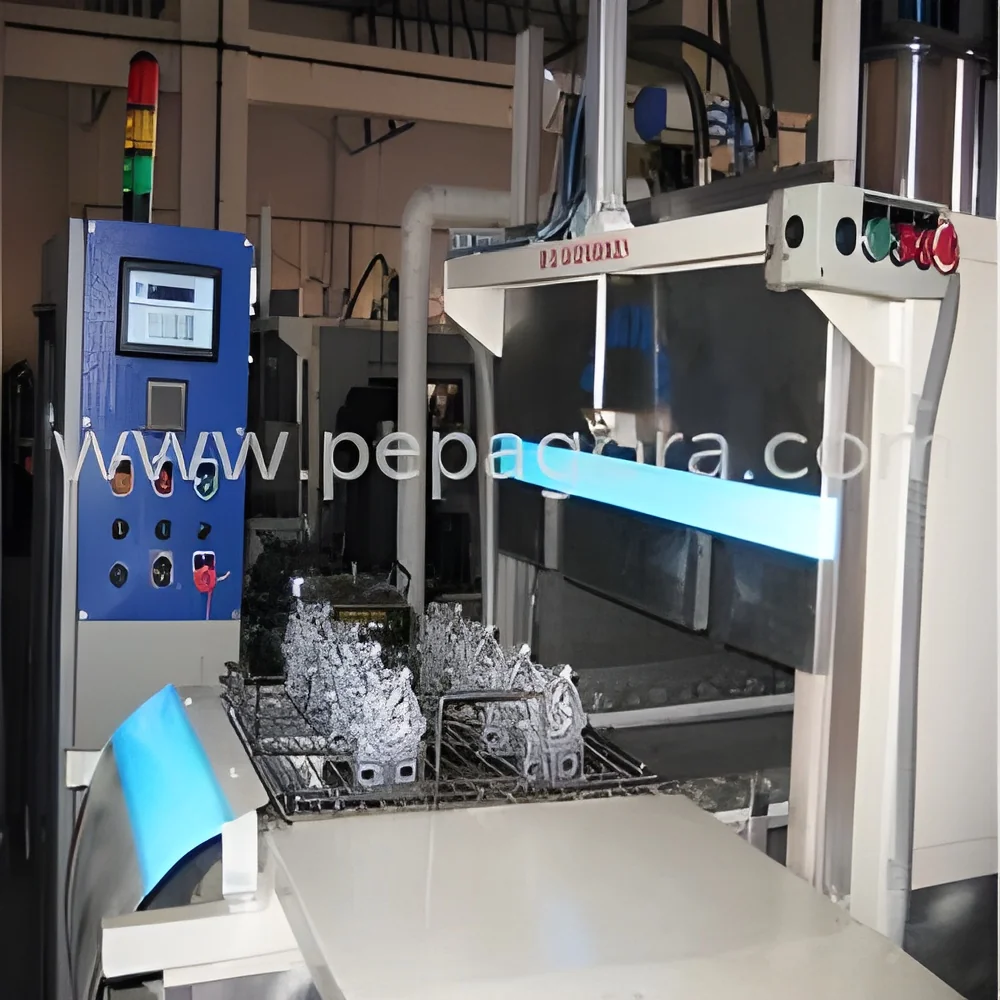
Industrial Degreasing Systems are specialized equipment designed to effectively remove grease, oil, and other contaminants from various surfaces and components. These systems utilize a range of cleaning technologies, including solvents, detergents, and mechanical processes, to achieve thorough cleaning results. They are essential in maintaining the operational efficiency of machinery and equipment, ensuring that components are free from buildup that could hinder performance.
These systems find primary use in manufacturing, automotive, aerospace, and other industrial sectors where cleanliness is critical. Businesses rely on degreasing systems to prepare parts for further processing, such as painting or assembly, and to maintain equipment longevity. The importance of these systems has grown with increasing regulatory requirements for cleanliness in production environments, highlighting their relevance in today’s market.
As industries evolve and demand for higher efficiency increases, the market for Industrial Degreasing Systems continues to expand. Companies are seeking advanced solutions that not only clean but also comply with environmental standards. This growth reflects the ongoing need for effective maintenance solutions that enhance productivity and ensure compliance with safety regulations.
Key Features and Specifications
Industrial Degreasing Systems come equipped with a variety of features designed to enhance their cleaning capabilities and efficiency. Understanding these specifications is vital for businesses looking to invest in such systems.
Key specifications include:
1. Cleaning Method
- Utilizes various methods such as ultrasonic, solvent-based, or aqueous cleaning.
- Each method caters to specific types of contaminants and surfaces.
2. Capacity
- Systems available in various sizes to accommodate different workloads.
- Options for small batch systems to large-scale industrial units.
3. Temperature Control
- Ability to heat cleaning solutions for improved effectiveness.
- Temperature settings vary depending on the cleaning method.
4. Automation Features
- Many systems include automated cycles for consistency and reduced labor.
- Options for programmable settings to tailor cleaning processes.
5. Filtration Systems
- Integrated filtration to recycle cleaning agents and reduce waste.
- Enhances system longevity and operational efficiency.
6. Safety Features
- Systems designed with safety protocols to protect operators.
- Includes features such as emergency shut-off and ventilation systems.
7. Compliance with Standards
- Must meet relevant industry standards and regulations.
- CE certification ensures adherence to safety and performance benchmarks.
In summary, understanding these key features and specifications helps businesses choose the right Industrial Degreasing System tailored to their specific needs.
Common Applications and Use Cases
Industrial Degreasing Systems serve a wide array of industries, enabling effective cleaning of components and surfaces.
1. Automotive Industry: These systems are used to clean engine parts, transmissions, and other components to ensure optimal performance and longevity.
2. Aerospace Industry: Critical for cleaning aircraft parts and components, ensuring that they meet stringent safety and performance standards.
3. Manufacturing Sector: Widely utilized for cleaning machinery, tools, and production equipment to maintain operational efficiency.
4. Electronics Industry: Essential for cleaning circuit boards and electronic components to prevent failures and enhance reliability.
5. Oil and Gas Industry: Used to remove contaminants from drilling equipment and machinery, ensuring safety and operational effectiveness.
6. Food and Beverage Sector: Important for maintaining hygiene standards in processing equipment and containers, ensuring compliance with health regulations.
7. Metalworking Industry: Necessary for cleaning metal parts and tools, improving the quality of finished products.
Product Variants and Subcategories
Industrial Degreasing Systems come in various forms to meet the distinct needs of different sectors. These variants offer diverse cleaning solutions.
Ultrasonic Degreasing Systems: These systems use high-frequency sound waves to create cavitation bubbles in the cleaning solution, effectively removing contaminants from intricate parts. Ideal for delicate components.
Solvent-Based Degreasing Systems: Utilizing chemical solvents, these systems are effective for heavy-duty cleaning where oil and grease are prevalent. Commonly used in automotive and industrial applications.
Aqueous Cleaning Systems: These environmentally friendly systems use water-based solutions to clean parts without harsh chemicals. Suitable for industries focused on sustainability.
Manual Degreasing Stations: Designed for smaller operations, these stations allow manual cleaning of parts with accessible cleaning solutions. Effective for localized cleaning tasks.
Automated Degreasing Lines: Large-scale systems that integrate into production lines, providing continuous and efficient cleaning for high-volume operations.
Benefits and Advantages
Investing in Industrial Degreasing Systems offers numerous advantages for businesses seeking to maintain cleanliness and operational efficiency.
Key benefits include:
1. Enhanced Operational Efficiency: Regular cleaning prevents equipment malfunctions and downtime, leading to improved productivity.
2. Cost Savings: Reducing the need for manual cleaning efforts and increasing the lifespan of equipment minimizes operational costs.
3. Compliance Assurance: Helps businesses meet regulatory standards for cleanliness, avoiding potential fines and operational disruptions.
4. Improved Product Quality: Clean components lead to higher quality finished products, reducing defects and rework.
5. Safety Enhancement: Reduces the risk of accidents associated with dirty equipment, promoting a safer working environment.
6. Environmental Responsibility: Many systems support eco-friendly cleaning solutions, aligning with sustainability goals.
Buying Guide for B2B Buyers
When sourcing Industrial Degreasing Systems, several key factors are essential for making an informed decision.
1. Quality Assessment: Evaluate the quality of materials and construction. Look for systems that meet industry standards and have a proven track record of performance.
2. Supplier Verification: Conduct thorough checks on potential suppliers. Look for certifications, customer reviews, and reliability to ensure you partner with trustworthy manufacturers.
3. Pricing and MOQ: Understand the pricing structure and minimum order quantities. Consider total cost of ownership, including potential maintenance and operational costs.
4. Delivery and Lead Times: Assess the supplier's ability to meet your delivery timelines. Ensure they can provide the system within your required timeframes to avoid delays in operations.
5. Compliance Requirements: Confirm that the systems adhere to all relevant regulations and standards in your industry. Ensure that necessary certifications are in place to avoid compliance issues.
Compliance and Certifications
Industrial Degreasing Systems must adhere to various quality standards and certifications to ensure safety and effectiveness.
ISO 9001 is a widely recognized standard that ensures a consistent quality management system within organizations. Compliance with this standard indicates that a manufacturer follows quality control processes.
CE certification is crucial for products sold in Europe, ensuring they meet health, safety, and environmental protection standards. This certification is essential for gaining access to European markets.
Safety and testing requirements are critical components of industrial degreasing systems. Regular testing ensures that systems operate safely and effectively under expected conditions.
Regional compliance considerations may vary based on local regulations. It is important for buyers to be aware of these requirements to ensure that their chosen systems meet all necessary guidelines.
Why Source Industrial Degreasing Systems from Pepagora?
Pepagora serves as a reliable platform for sourcing Industrial Degreasing Systems, offering several key advantages for B2B buyers.
Verified Supplier Network: Pepagora provides access to a network of verified suppliers, ensuring that buyers can trust the quality and reliability of the products they are sourcing.
Streamlined RFQ Process: The platform simplifies the request for quotation process, allowing buyers to receive competitive quotes quickly and efficiently, making procurement easier.
Trade Assurance and Support: Buyers benefit from trade assurance features that protect their purchases. Pepagora offers support throughout the buying process, ensuring a smooth experience.
Regional Coverage: With a strong presence in India, GCC, and Southeast Asia, Pepagora is well-positioned to support buyers across different regions, providing local insights and expertise.
By choosing Pepagora, businesses can enhance their procurement process and gain access to high-quality Industrial Degreasing Systems tailored to their needs.




Frequently Asked Questions
What are Industrial Degreasing Systems?
Industrial Degreasing Systems are specialized equipment designed to remove grease, oils, and other contaminants from industrial parts and machinery. These systems use various cleaning methods, including solvents, water-based solutions, and ultrasonic cleaning, to ensure surfaces are clean and ready for further processing.
What are the different types of Industrial Degreasing Systems?
The different types of Industrial Degreasing Systems include solvent-based systems, aqueous cleaning systems, ultrasonic cleaners, and vapor degreasers. Each type is suited for specific applications and cleaning requirements based on the materials being cleaned and the level of contamination.
How do I choose the right Industrial Degreasing Systems?
Choosing the right Industrial Degreasing System involves considering factors such as the type of contaminants, the materials being cleaned, and the production volume. Additionally, you should evaluate the cleaning method, environmental regulations, and operational costs to ensure the system meets your specific needs.
What are the standard specifications for Industrial Degreasing Systems?
Standard specifications for Industrial Degreasing Systems typically include tank capacity, heating capabilities, cleaning temperature range, and power requirements. Other specifications may involve the type of cleaning solution used, cycle time, and safety features to ensure effective and safe operation.
What is the price range for Industrial Degreasing Systems?
The price range for Industrial Degreasing Systems can vary significantly depending on the type, size, and features. Generally, prices can range from a few thousand to several lakhs of Indian Rupees, reflecting the complexity and capabilities of the system.
What quality standards apply to Industrial Degreasing Systems?
Quality standards for Industrial Degreasing Systems often include compliance with ISO 9001 for quality management systems and environmental regulations such as REACH or RoHS. Manufacturers may also adhere to industry-specific standards to ensure safety and performance.
Where can I find Industrial Degreasing Systems suppliers in India?
You can find Industrial Degreasing Systems suppliers in India through online B2B marketplaces like Pepagora, industry trade shows, and directories. It's essential to research suppliers' reputation, product offerings, and customer reviews to ensure reliability.
Can Industrial Degreasing Systems be customized?
Yes, many manufacturers offer customization options for Industrial Degreasing Systems to meet specific operational requirements. Customizations can include modifications in size, cleaning methods, and additional features tailored to the unique needs of a business.
What is the typical minimum order quantity for Industrial Degreasing Systems?
The typical minimum order quantity (MOQ) for Industrial Degreasing Systems varies by manufacturer and can range from one unit to multiple units. It is advisable to check with individual suppliers for their specific MOQ policies.
What is the typical lead time for Industrial Degreasing Systems?
The typical lead time for Industrial Degreasing Systems can vary based on the complexity of the system and the manufacturer's production schedule. Generally, lead times can range from a few weeks to several months, depending on customization and availability.
Why Businesses Trust Pepagora
Thousands of companies trust Pepagora to source smarter and sell faster
Expand Your Sales Globally

Source Smarter,Grow Faster
