IN
IN₹
Apparel & Fashion
Description
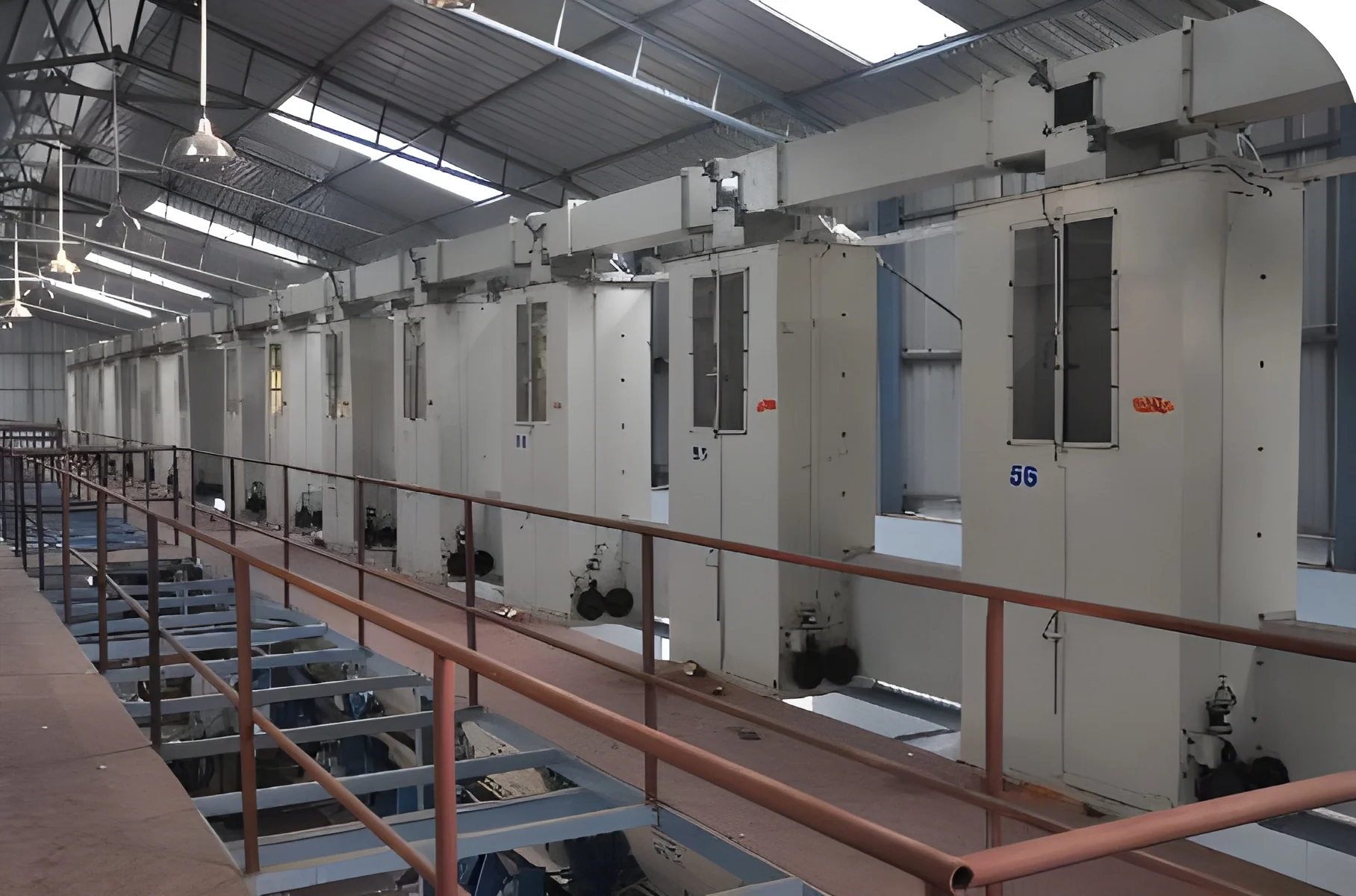
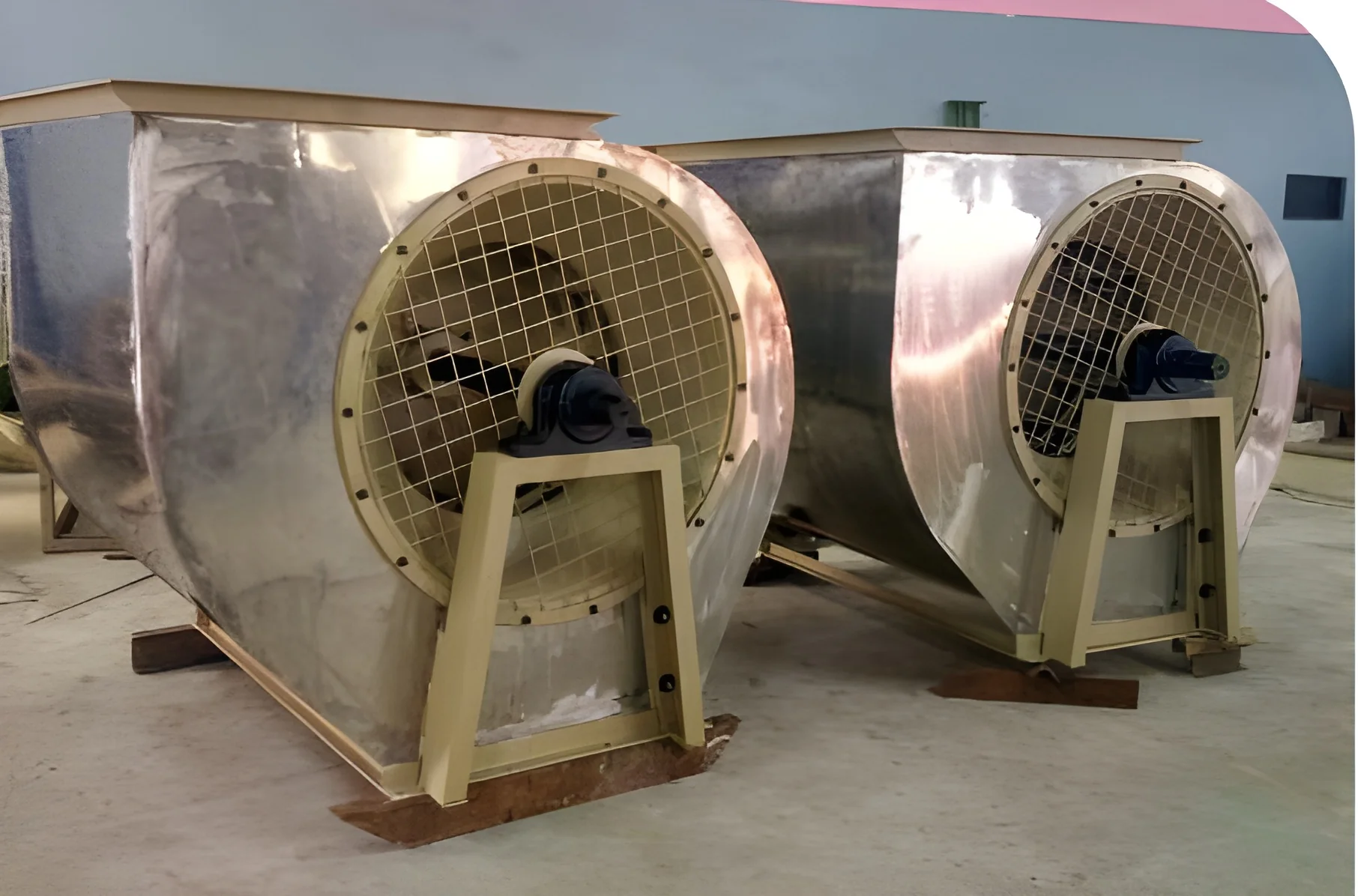
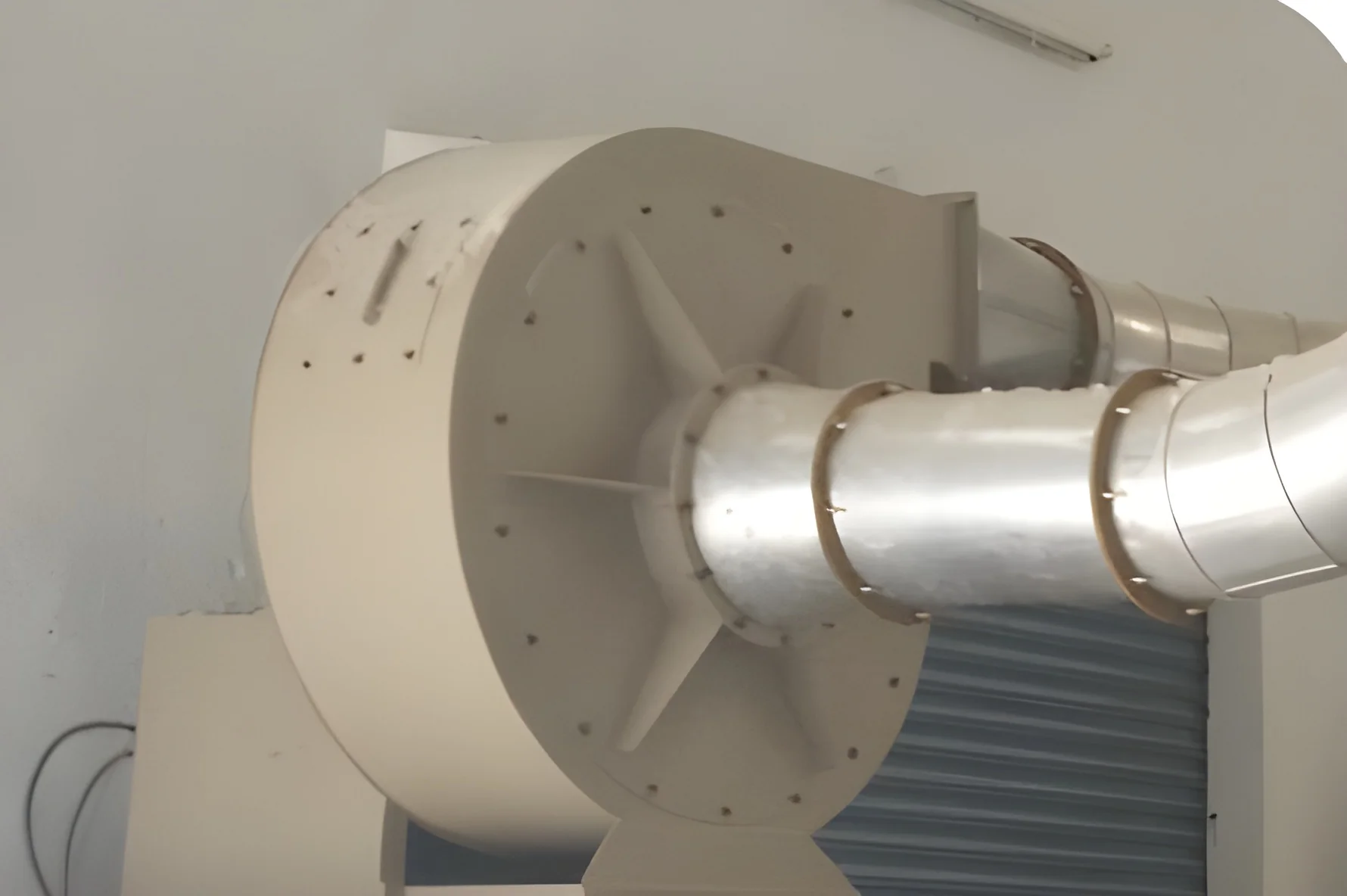
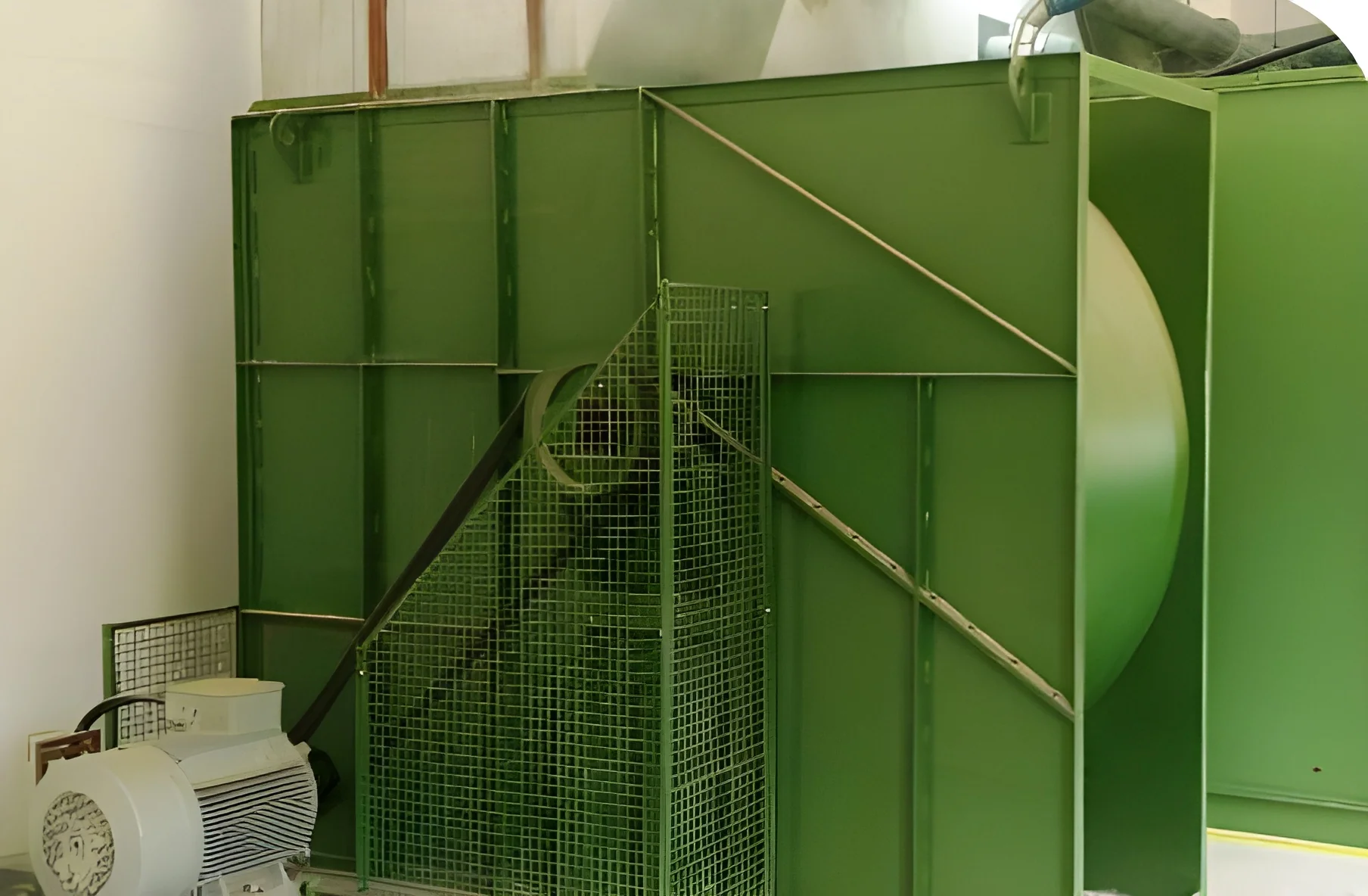
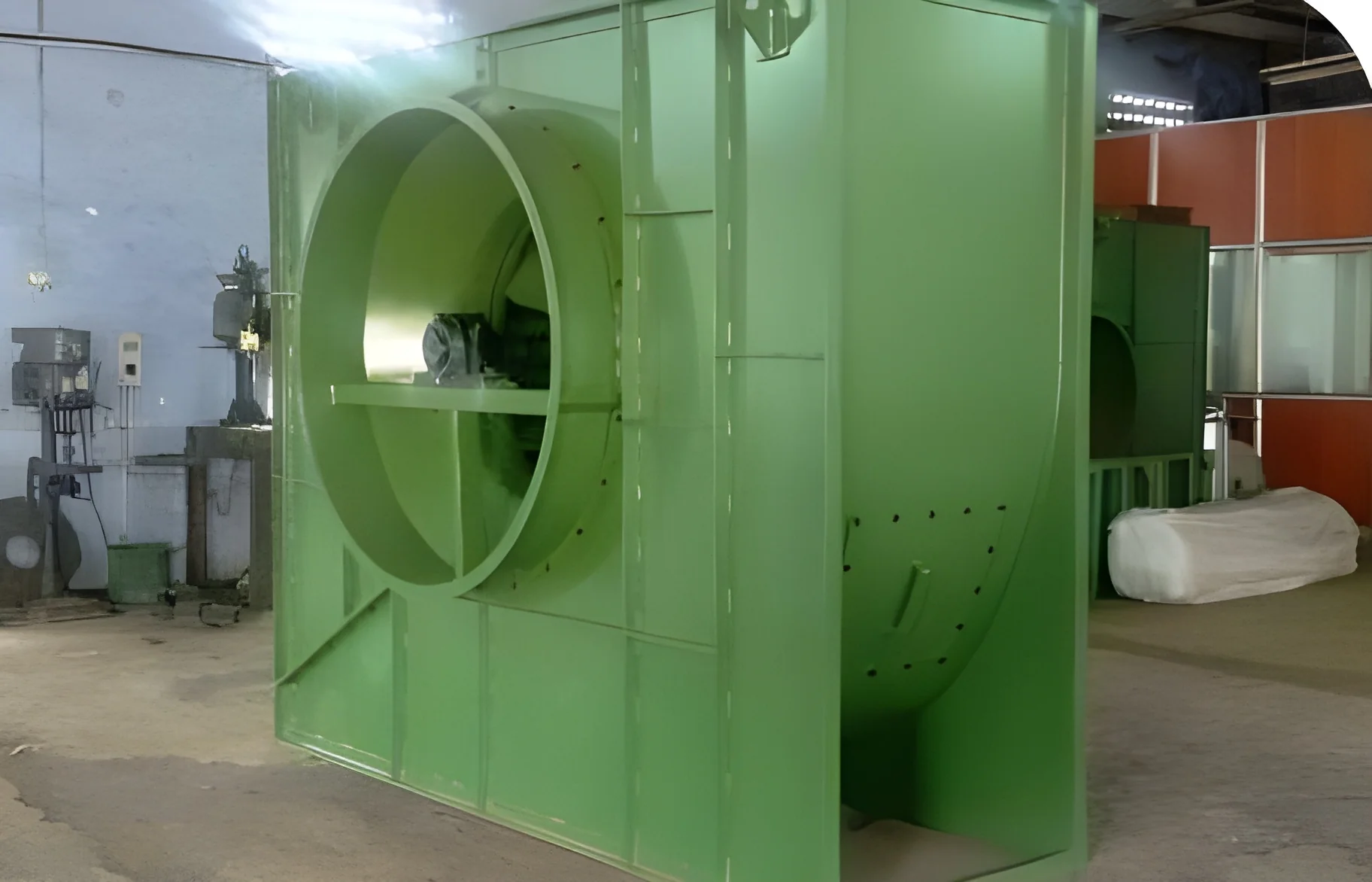
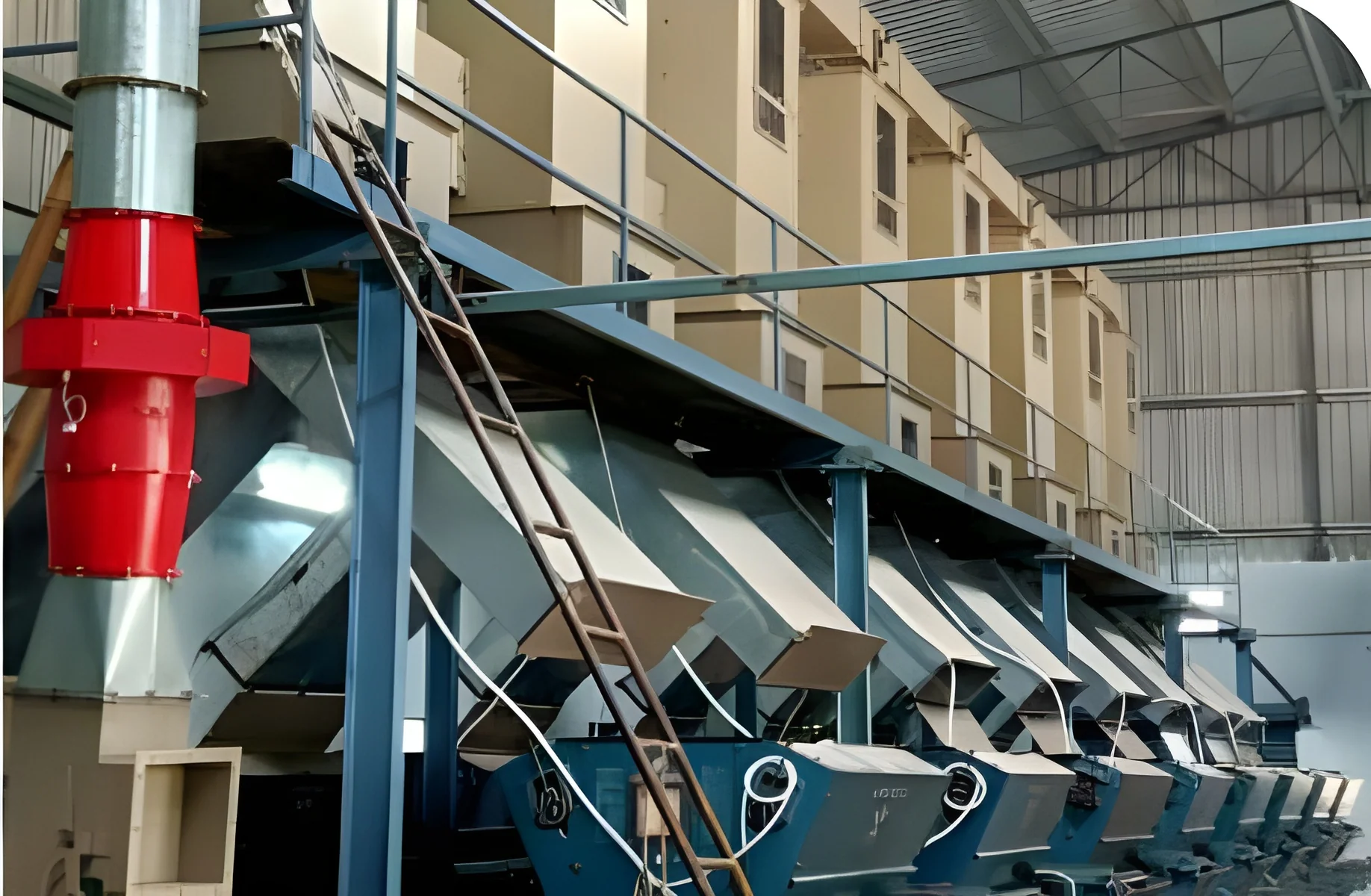
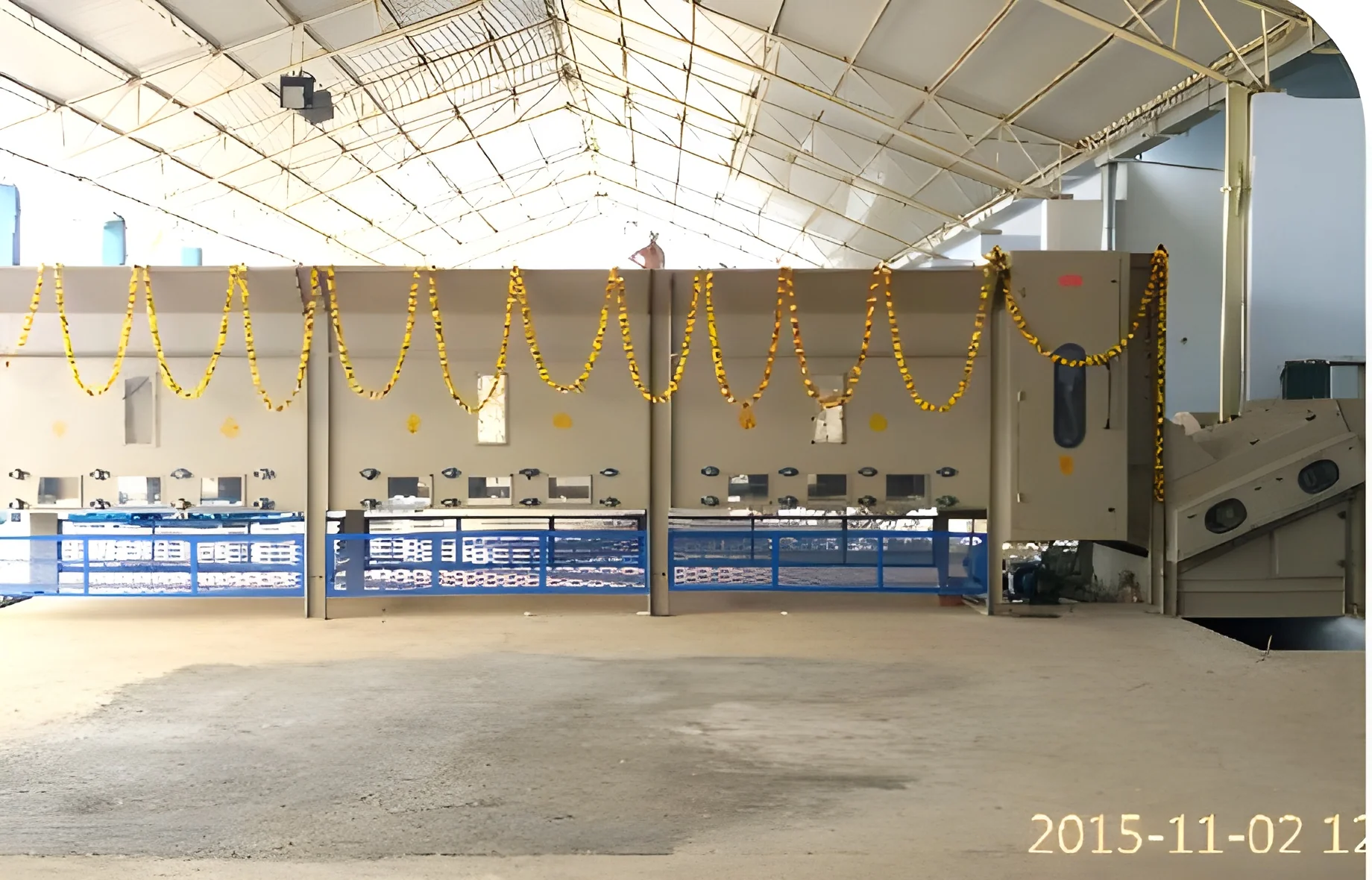
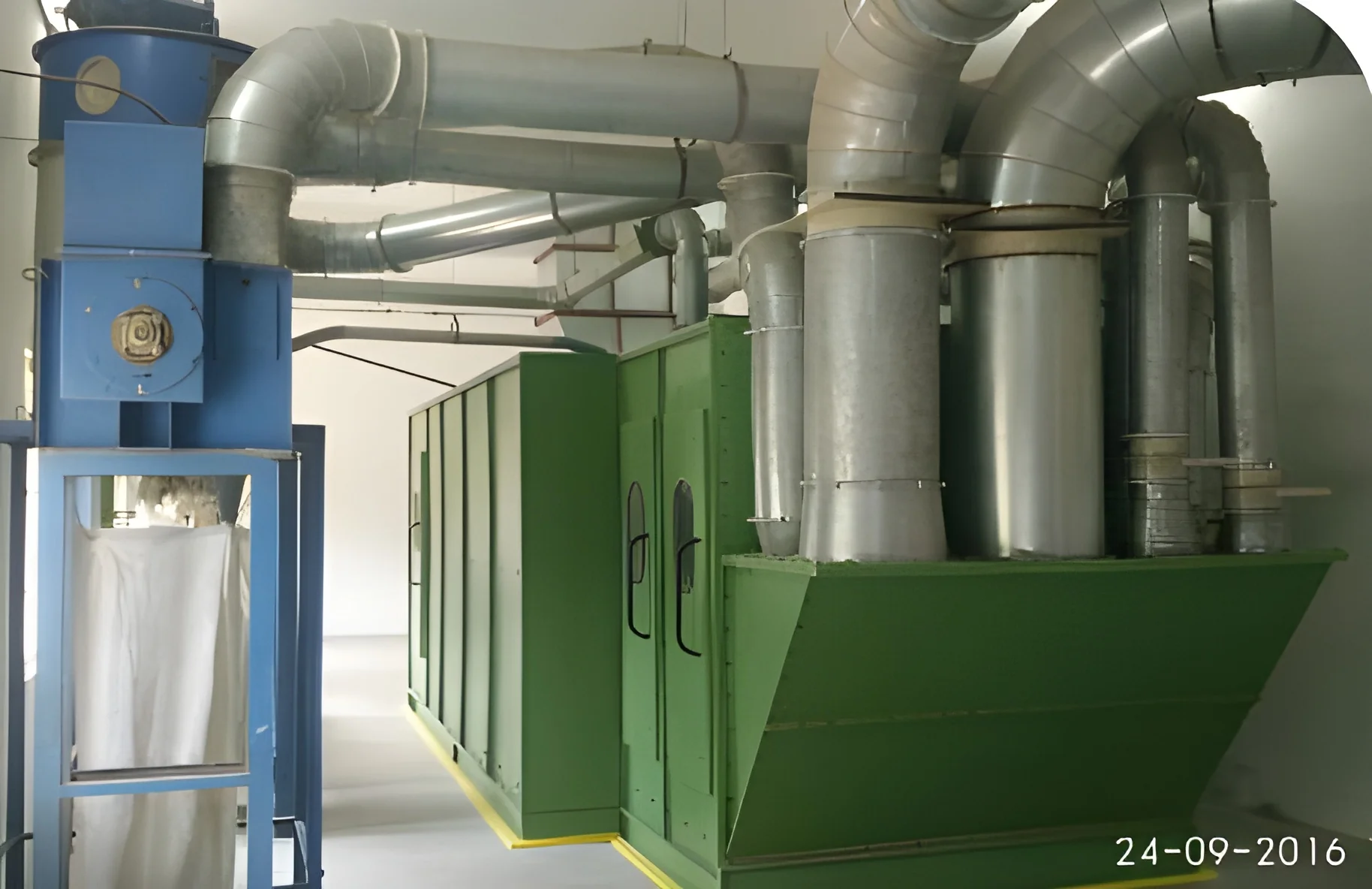
Industrial fibre compactors are robust machines engineered to address the challenge of loose textile waste in manufacturing environments. They efficiently collect and compress various fibres including cotton, wool, and synthetic materials into dense, manageable bales. This process significantly reduces waste volume, simplifies handling procedures, and promotes cleaner, more organized factory floors. With components like duct collection networks, advanced filtration systems, and high-pressure compacting chambers, these systems operate continuously with minimal manual intervention. Built to withstand demanding industrial conditions, they ensure reliable performance while supporting both operational efficiency and environmental sustainability goals through effective waste management solutions.

Textile spinning mills rely heavily on fibre compactors to manage waste generated during carding, drawing, and spinning operations. Garment production facilities use them to compress fabric scraps ...
Industrial fibre compactors are robust machines engineered to address the challenge of loose textile waste in manufacturing environments. They efficiently collect and compress various fibres including cotton, wool, and synthetic materials into dense, manageable bales. This process significantly reduces waste volume, simplifies handling procedures, and promotes cleaner, more organized factory floors. With components like duct collection networks, advanced filtration systems, and high-pressure compacting chambers, these systems operate continuously with minimal manual intervention. Built to withstand demanding industrial conditions, they ensure reliable performance while supporting both operational efficiency and environmental sustainability goals through effective waste management solutions.

Textile spinning mills rely heavily on fibre compactors to manage waste generated during carding, drawing, and spinning operations. Garment production facilities use them to compress fabric scraps and yarn leftovers, streamlining waste disposal and recycling processes. Non-woven fabric manufacturers benefit from compacted fibre bales for easier storage and transportation logistics, while synthetic fibre plants utilize these machines to handle polyester, nylon, and other material residues. Additionally, comprehensive fibre waste management systems across the textile sector integrate compactors to process mixed waste streams, ensuring regulatory compliance and reducing landfill contributions through organized waste handling methodologies.

Investing in an industrial fibre compactor delivers measurable business value by reducing waste management costs, lowering disposal fees, and minimizing storage space requirements. These machines enhance operational reliability through durable construction and low-maintenance designs, ensuring uninterrupted production workflows. The equipment's robust performance supports continuous manufacturing processes while improving factory hygiene standards. By facilitating efficient waste handling and supporting recycling initiatives, compactors contribute to sustainability objectives, making them a strategic choice for textile manufacturers focused on long-term operational excellence and environmental responsibility in competitive markets.

Key Features:
- High-pressure compaction system producing dense, uniform bales
- Integrated duct collection and advanced filtration network
- Continuous operation capability with minimal manual intervention
- Durable industrial-grade construction for long-term reliability
- Customizable configurations for different fibre types and volumes

Benefits:
- Significant reduction in waste volume and storage requirements
- Improved factory cleanliness and operational organization
- Lower waste disposal costs and transportation expenses
- Enhanced workplace safety through controlled waste handling
- Support for recycling initiatives and sustainability goals
Specifications
| Additional Information | |
|---|---|
| Country of Origin | India |
Application
Industrial fibre compactors are essential in textile spinning mills and yarn production facilities where loose fibre waste accumulates during processing stages. These machines efficiently compress cotton, wool, and synthetic fibres into compact bales, making storage and disposal significantly more manageable while maintaining cleaner workspaces. They are equally valuable in non-woven fabric industries and fibre recycling systems, handling various materials with consistent performance and operational efficiency.
This equipment supports diverse textile operations by transforming bulky waste into organized, transportable bales. Facilities achieve better workflow organization and reduced material loss through systematic compaction. The versatility across different fibre types ensures broad applicability, helping manufacturers maintain production continuity and meet waste management targets effectively in demanding industrial environments.
- Spinning mills utilize compactors to manage cotton and synthetic fibre waste from carding and combing processes.
- Garment manufacturing units compress fabric scraps and thread waste for efficient recycling or disposal.
- Non-woven production facilities compact fibre residues to maintain clean production lines and reduce material loss.
- Wool processing plants bale loose wool fibres for easier storage and transportation to recycling partners.
- Integrated textile waste management systems handle mixed fibre waste from multiple production stages using compaction technology.
Trade Details
| Available Stock | In Stock |
| Sample Availability | No |
Payment Terms
| Payment Terms |
|
Company Profile
airwaves, Tamil Nadu
 Tamil Nadu, India
Tamil Nadu, IndiaApparel & Fashion•Manufacturer
Factory Details
Factory SizeBelow 1000 sqm
Annual Production Capacity0
Industrial Fibre Compactor For Textile Mills Waste Management
Industrial fibre compactors efficiently compress loose textile waste into dense bales for easy handling and transport. Improve factory cleanliness, reduce waste volume, and streamline operations in spinning mills and textile plants with reliable performance.
Min. Order Quantity: 1 unit
Shipping
Shipping fee and delivery date to be negotiated. Contact supplier now for more details.
airwaves
 Tamil Nadu, India
Tamil Nadu, IndiaApparel & FashionManufacturer