
 IN
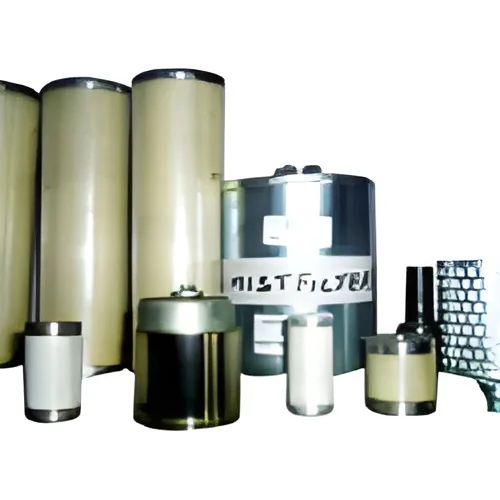
Oil Mist Collectors
1 products available
What are Oil Mist Collectors?
Oil mist collectors are specialized air filtration systems designed to capture and remove airborne oil mist, vapor, and particulate matter generated during machining and manufacturing processes. These systems play a crucial role in maintaining air quality and protecting workers from harmful exposure to oil mist and other contaminants. By utilizing advanced filtration technologies, oil mist collectors ensure that the air released back into the environment is clean and safe.
These collectors are primarily used in industries such as metalworking, automotive, aerospace, and manufacturing, where machining operations produce significant amounts of oil mist. Their effective operation aids in compliance with occupational health and safety regulations while also enhancing production efficiency. In an increasingly environmentally conscious market, oil mist collectors are vital for companies looking to reduce their environmental footprint and improve workplace conditions.
The relevance of oil mist collectors in today’s industrial landscape cannot be overstated. As companies strive to adhere to stricter regulations on air quality and worker safety, the demand for efficient filtration systems continues to grow. This has led to advancements in technology and design, ensuring that oil mist collectors meet the ever-evolving needs of various industries.
Key Features and Specifications
Oil mist collectors come equipped with a range of features and specifications that enhance their performance and usability. These systems are designed to be efficient, reliable, and easy to maintain, making them essential for businesses that prioritize air quality and safety.
Key specifications include:
1. Filtration Efficiency
- High efficiency filters capable of capturing particles as small as 0.3 microns
- Typically over 95% efficiency rating for most applications
2. Airflow Capacity
- Designed to handle various airflow rates, depending on the size and scale of the operation
- Common ranges from 100 to 2000 CFM
3. Noise Levels
- Operate at low noise levels to maintain a comfortable work environment
- Average noise levels typically between 60 to 75 dB
4. Maintenance Requirements
- Easy access for filter replacement and cleaning
- Indicator systems for filter status and maintenance schedules
5. Size and Portability
- Available in various sizes to fit different workspace configurations
- Some models are portable for flexible installation options
6. Construction Materials
- Built with durable materials such as stainless steel or powder-coated steel
- Resistant to corrosion and wear from oil mist exposure
7. Electrical Requirements
- Standard models typically require a 110-240V power supply
- Energy-efficient models available to reduce operating costs
8. Compliance Standards
- Designed to meet various industry standards and regulations
- CE certification for quality assurance
In summary, oil mist collectors are sophisticated systems designed to provide effective air filtration, enhance workplace safety, and ensure compliance with regulatory standards.
Common Applications and Use Cases
Oil mist collectors are utilized across a wide range of industries due to their ability to improve air quality and worker safety.
1. Metalworking: In machining operations, oil mist collectors capture airborne contaminants produced during cutting, grinding, and milling processes to protect operators and improve visibility.
2. Automotive: These collectors are essential in automotive manufacturing facilities where machining operations generate significant oil mist, ensuring cleaner air for assembly line workers.
3. Aerospace: In the aerospace industry, oil mist collectors help maintain stringent air quality standards required during precision machining and assembly operations.
4. Manufacturing: General manufacturing facilities use oil mist collectors to mitigate the risks associated with airborne oil mist, enhancing the overall safety and health of workers.
5. CNC Machining: In CNC machining environments, oil mist collectors effectively manage the byproducts of machining operations, ensuring compliance with occupational safety regulations.
6. Tool and Die: Oil mist collectors are commonly used in tool and die operations to capture oil mist generated during the machining of high-precision tools.
7. Woodworking: In some woodworking applications, oil mist collectors can assist in managing airborne particulates and ensuring a cleaner working environment.
Product Variants and Subcategories
Oil mist collectors are available in various designs and configurations, allowing businesses to choose the best solution for their specific needs.
Portable Oil Mist Collectors: These units are designed for mobility and can be easily moved between workstations. They are ideal for small to medium-sized operations where flexibility is key.
Stationary Oil Mist Collectors: These systems are installed permanently and are suitable for larger operations with fixed machining setups. They often have higher airflow capacities and are designed for continuous operation.
Centrifugal Oil Mist Collectors: Utilizing centrifugal force, these collectors efficiently separate oil mist from the air stream. They are often used in heavy-duty industrial applications.
Electrostatic Oil Mist Collectors: These units use electrostatic precipitation to capture oil mist particles. They are effective in environments where traditional filtration may not be sufficient.
Benefits and Advantages
Oil mist collectors offer numerous benefits that make them an essential investment for industrial operations.
1. Improved Air Quality: By effectively removing oil mist and particulate matter, these collectors enhance the air quality in the workplace, promoting a healthier environment for employees.
2. Compliance with Regulations: Oil mist collectors help businesses meet occupational health and safety standards, reducing the risk of penalties and ensuring compliance with environmental regulations.
3. Increased Worker Safety: By capturing harmful contaminants, oil mist collectors contribute to a safer working environment, reducing the likelihood of respiratory issues and improving overall health.
4. Enhanced Equipment Longevity: By reducing oil mist accumulation, these systems can prolong the life of machinery and equipment, leading to lower maintenance costs and increased productivity.
5. Cost Savings: Investing in oil mist collectors can lead to long-term savings by reducing the need for cleaning and maintenance, as well as preventing costly downtime due to equipment failure.
6. Versatility: Oil mist collectors can be used across various industries and applications, making them a flexible solution for different manufacturing environments.
Buying Guide for B2B Buyers
When sourcing oil mist collectors, it is essential for B2B buyers to consider several factors to ensure they select the most suitable system for their needs.
1. Quality Assessment: Look for products that adhere to recognized quality standards such as ISO 9001. Verify that the manufacturing processes are robust and that the products undergo rigorous testing.
2. Supplier Verification: Vet suppliers by checking their reputation, customer reviews, and industry certifications. Ensure they have a history of reliability and good customer service.
3. Pricing and MOQ: Understand the pricing structure and any minimum order quantities (MOQ). Consider total cost of ownership, including maintenance and operational costs, when evaluating price.
4. Delivery and Lead Times: Clarify delivery schedules and lead times to ensure that your operations are not disrupted. Factor in any potential delays in production or shipping.
5. Compliance Requirements: Ensure that the collectors meet relevant compliance and regulatory requirements in your region. This may include certifications like CE and adherence to local environmental standards.
Compliance and Certifications
Oil mist collectors must adhere to various compliance standards and certifications to ensure their effectiveness and safety in industrial environments.
Quality standards such as ISO 9001 specify requirements for quality management systems, ensuring that manufacturers consistently meet customer and regulatory needs. Compliance with HACCP (Hazard Analysis and Critical Control Points) may also be relevant in industries such as food processing, where air quality is critical.
In addition to quality standards, oil mist collectors should be CE certified, indicating that they meet European safety, health, and environmental protection requirements. This certification helps in assuring buyers of the product's reliability and safety.
Safety and testing requirements are paramount, particularly in hazardous environments. Regular testing of the filtration systems ensures they are functioning correctly and effectively capturing oil mist.
Regional compliance considerations are important, as different regions may have specific regulations governing air quality and workplace safety. Buyers should ensure that the products they choose are compliant with local laws and standards.
Why Source Oil Mist Collectors from Pepagora?
Pepagora provides a trusted platform for sourcing oil mist collectors, offering numerous advantages to buyers in the industrial sector.
Verified Supplier Network: Pepagora connects buyers with a network of verified suppliers, ensuring that all products meet stringent quality and safety standards. This network helps buyers make informed decisions and find reliable partners.
Streamlined RFQ Process: The Request for Quotation (RFQ) process on Pepagora is designed to be efficient and user-friendly. Buyers can easily submit their requirements and receive competitive quotes from multiple suppliers, enabling them to compare options and make the best choice.
Trade Assurance and Support: Pepagora offers trade assurance and support, providing buyers with protection during transactions. This includes assistance with dispute resolution and ensuring that suppliers fulfill their commitments.
Regional Coverage: With a strong presence in markets such as India, the GCC, and Southeast Asia, Pepagora provides extensive geographic reach. This allows buyers to source oil mist collectors from local suppliers, reducing shipping costs and lead times while supporting regional economies.

Frequently Asked Questions
What are Oil Mist Collectors?
Oil Mist Collectors are devices designed to capture and filter out airborne oil mist generated during machining processes. They work by using various filtration methods to remove oil particles from the air, thereby improving air quality and protecting machinery.
What are the different types of Oil Mist Collectors?
The main types of Oil Mist Collectors include electrostatic precipitators, centrifugal separators, and cartridge filters. Each type offers different filtration efficiencies and is suited for specific applications based on the volume of mist and the type of oil used.
How do I choose the right Oil Mist Collectors?
Choosing the right Oil Mist Collector involves assessing your specific application needs, including the type of machining processes and the volume of oil mist generated. It is also important to consider the collector's filtration efficiency, maintenance requirements, and compatibility with your existing systems.
What are the standard specifications for Oil Mist Collectors?
Standard specifications for Oil Mist Collectors typically include airflow capacity, filtration efficiency, noise level, and dimensions. Additionally, they may also specify the type of filter media used and the maximum operating temperature.
What is the price range for Oil Mist Collectors?
The price range for Oil Mist Collectors can vary significantly depending on the type, brand, and specifications. Generally, prices can range from a few thousand to several lakhs of Indian Rupees.
What quality standards apply to Oil Mist Collectors?
Quality standards for Oil Mist Collectors often include certifications such as ISO 9001 for quality management systems and ISO 14001 for environmental management. Compliance with local and international safety and performance standards is also crucial.
Where can I find Oil Mist Collectors suppliers in India?
You can find Oil Mist Collectors suppliers in India through online B2B marketplaces like Pepagora, industry trade shows, and through local industrial equipment distributors. Researching suppliers' reputations and customer reviews is also advisable.
Can Oil Mist Collectors be customized?
Yes, many manufacturers offer customization options for Oil Mist Collectors based on specific operational requirements. Customizations may include modifications in size, filtration media, and additional features to enhance performance.
What is the typical minimum order quantity for Oil Mist Collectors?
The typical minimum order quantity (MOQ) for Oil Mist Collectors varies by supplier but often ranges from one unit to several units, depending on the manufacturer. It's best to consult with suppliers directly for their specific MOQs.
What is the typical lead time for Oil Mist Collectors?
The typical lead time for Oil Mist Collectors can range from a few weeks to several months, depending on factors such as production capacity, customization, and shipping logistics. Always confirm lead times with the supplier before placing an order.
Why Businesses Trust Pepagora
Thousands of companies trust Pepagora to source smarter and sell faster
Expand Your Sales Globally

Source Smarter,Grow Faster
