
 IN
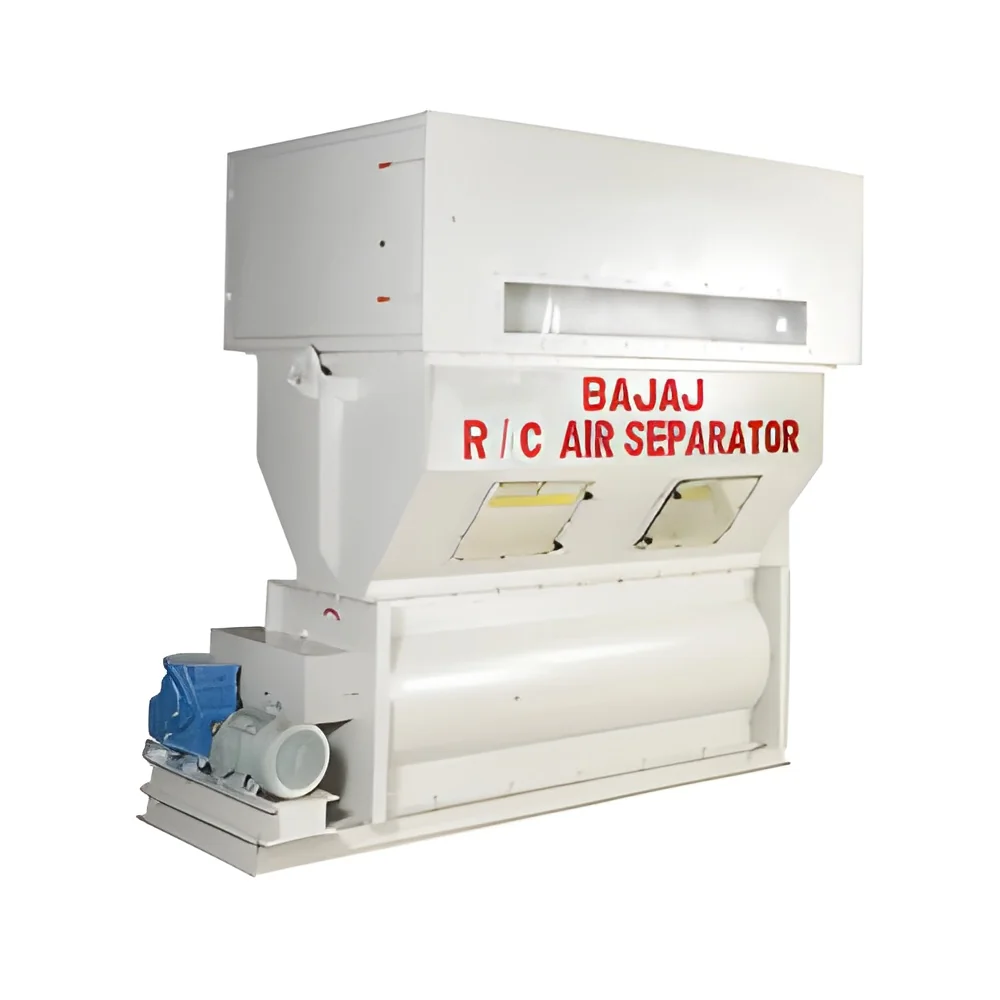
Portable Dust Extractors
6 products available
What are Portable Dust Extractors?
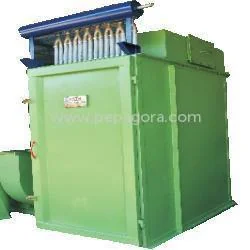
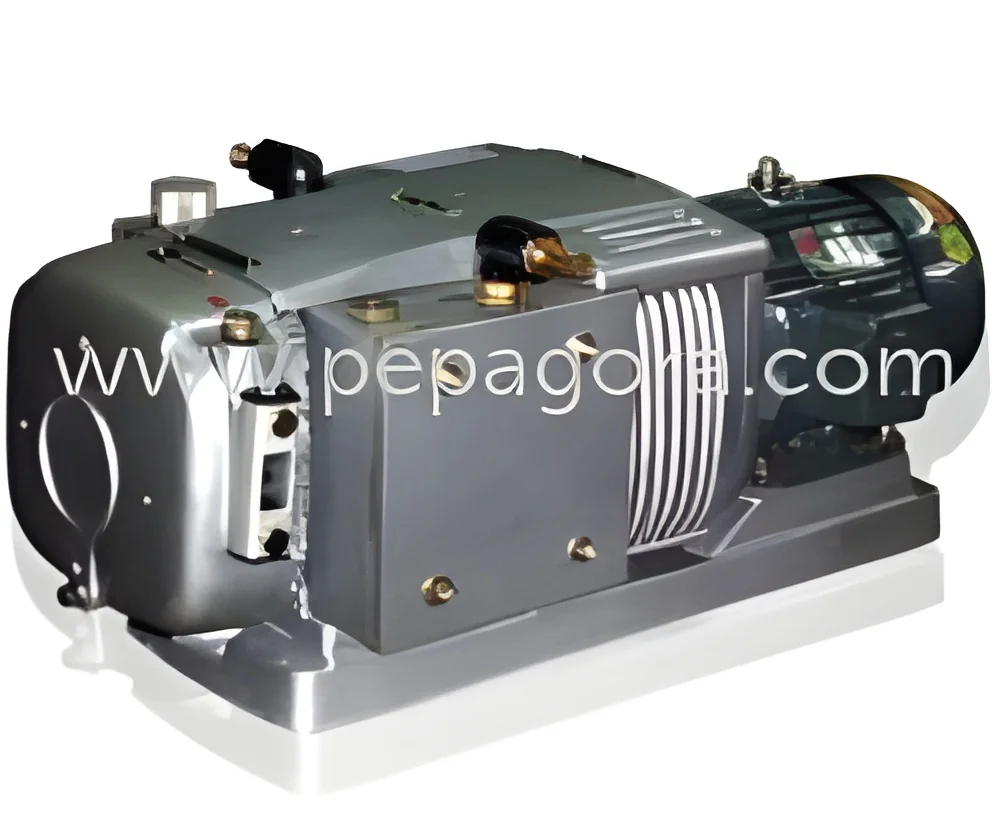
Portable dust extractors are versatile vacuum systems designed to remove dust and debris from various work environments. These machines are typically compact, allowing for easy transportation and operation in different locations, making them ideal for construction sites, workshops, and manufacturing facilities. Equipped with powerful motors, they efficiently capture fine particles, improving air quality and workplace safety.
These extractors are primarily used in industries where dust generation is prevalent, such as woodworking, metalworking, and construction. By utilizing portable dust extractors, businesses can comply with safety regulations, protect workers' health, and maintain cleaner workspaces. The relevance of these devices in the market continues to grow as industries prioritize dust control solutions to enhance productivity and ensure a safe working environment.
Key Features and Specifications
Portable dust extractors come with a range of features designed to improve performance, ease of use, and safety. Understanding these specifications helps businesses choose the right model for their needs.
Key specifications include:
1. Suction Power
- Measured in air watts or cubic feet per minute (CFM)
- Typically ranges from 80 to 200 CFM depending on the model
2. Filtration Efficiency
- HEPA filters are common for capturing fine particles
- Filters may achieve up to 99.97% efficiency for particles as small as 0.3 microns
3. Tank Capacity
- Common sizes range from 5 to 20 gallons
- Larger tanks reduce the frequency of emptying
4. Weight
- Models vary from lightweight options (around 30 pounds) to heavier industrial versions (up to 100 pounds)
- Weight impacts portability and maneuverability
5. Noise Level
- Measured in decibels (dB)
- Typical noise levels range from 60 dB to 85 dB
6. Power Source
- Options include electric and battery-operated models
- Electric models usually require a standard outlet while battery models offer greater mobility
7. Hose Diameter
- Standard sizes range from 1 inch to 2.5 inches
- The diameter affects airflow and suction efficiency
8. Additional Features
- Some models include automatic filter cleaning systems, variable speed controls, and onboard tool storage
Portable dust extractors are essential for maintaining cleanliness and safety in work environments where dust is a concern.
Common Applications and Use Cases
Portable dust extractors serve various industries, providing crucial dust management solutions.
1. Construction: These extractors are vital on job sites to capture dust from cutting, grinding, and demolition activities, ensuring compliance with safety standards.
2. Woodworking: In workshops, dust extractors help collect sawdust and wood shavings, maintaining a cleaner workspace and improving air quality for workers.
3. Metalworking: During metal fabrication, these machines are used to remove metal shavings and particles, which can pose health risks and interfere with machinery.
4. Automotive: In automotive repair shops, dust extractors are used to manage debris from sanding and grinding operations, promoting a healthier working environment.
5. Renovation: Contractors use portable dust extractors to limit dust exposure during home renovations, protecting both workers and occupants.
6. Manufacturing: In factories, these machines help keep production areas free from harmful dust, ensuring compliance with health regulations.
7. HVAC: Technicians utilize dust extractors to clean ductwork and ventilation systems, improving air quality in residential and commercial spaces.
Product Variants and Subcategories
Portable dust extractors come in various models, each tailored to specific applications and needs.
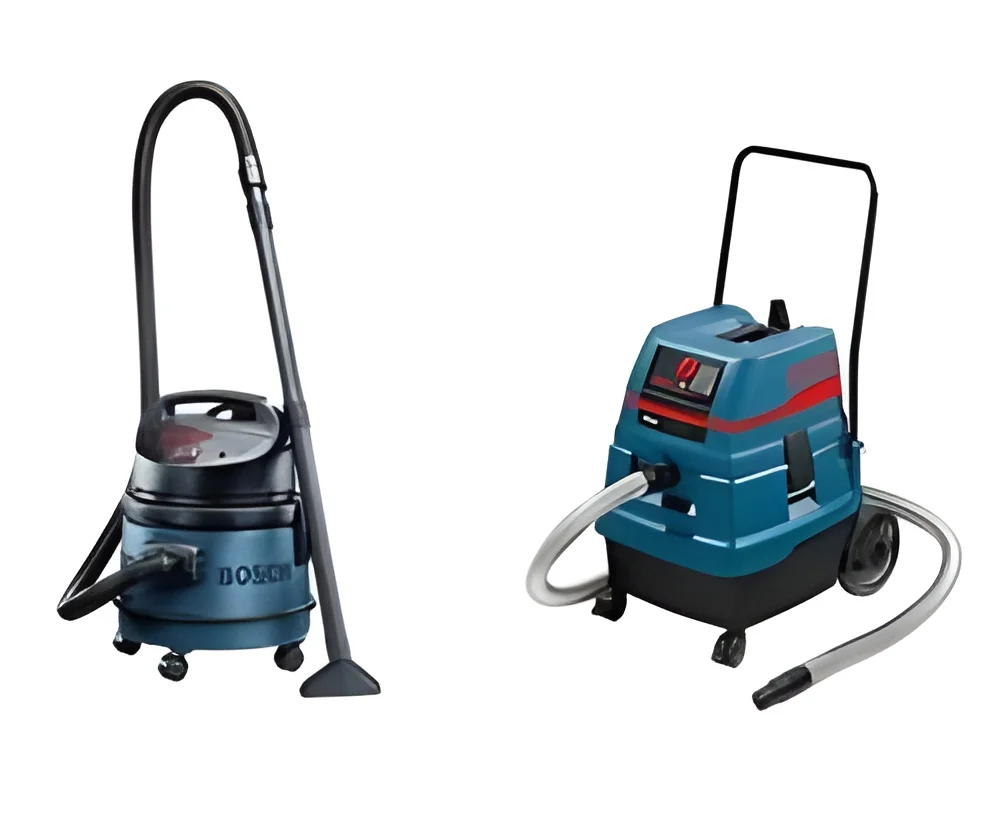
Compact Models: These extractors are lightweight and designed for easy transport. They are ideal for small workshops or home use, providing convenient dust collection without taking up much space.
Heavy-Duty Models: Designed for industrial applications, these extractors offer higher suction power and larger tank capacities. They are suitable for continuous use in demanding environments such as large construction sites.
Battery-Powered Models: These portable units provide mobility without the need for electrical outlets. They are particularly useful for outdoor job sites or locations without consistent power access.
Wet/Dry Models: These versatile extractors can handle both liquid spills and dry debris. They are commonly used in various settings, including construction, automotive, and home improvement projects.
Benefits and Advantages
Portable dust extractors offer numerous advantages that can enhance workplace safety and efficiency.
1. Improved Air Quality: By effectively capturing dust and particles, these machines help maintain a healthier environment for workers.
2. Enhanced Safety: Reducing dust exposure minimizes the risk of respiratory issues and other health problems associated with inhaling fine particles.
3. Increased Productivity: Cleaner workspaces allow employees to focus on their tasks without the distraction of dust and debris.
4. Cost-Effective: Investing in a portable dust extractor can reduce long-term costs related to health care and workplace accidents caused by dust exposure.
5. Versatility: These machines can be used in various settings and applications, making them a valuable tool for businesses across multiple industries.
6. Compliance with Regulations: Utilizing dust extractors helps companies meet industry standards and regulations regarding air quality and worker safety.
Buying Guide for B2B Buyers
When sourcing portable dust extractors, businesses should consider several critical factors to ensure they select the right equipment.
1. Quality Assessment: Review product specifications, materials, and user reviews to gauge the extractor's reliability and performance. Ensure the extractor meets industry standards.
2. Supplier Verification: Vet suppliers for their reputation and reliability. Check their certifications, customer feedback, and ability to meet delivery schedules.
3. Pricing and MOQ: Understand the pricing structure and minimum order quantities (MOQ). Consider bulk purchasing options for cost savings.
4. Delivery and Lead Times: Inquire about the supplier's delivery capabilities and lead times to ensure timely availability of products for projects.
5. Compliance Requirements: Ensure that the dust extractors comply with relevant industry standards and regulations. This includes certifications like CE and adherence to safety standards.
Compliance and Certifications
Portable dust extractors must meet various compliance and certification standards to ensure they operate safely and effectively.
ISO 9001 is a widely recognized standard that focuses on quality management systems. Manufacturers of dust extractors often adhere to this standard to demonstrate their commitment to product quality.
CE certification indicates that a product complies with European health, safety, and environmental protection standards. This certification is essential for dust extractors sold in European markets.
Safety and testing requirements are critical for ensuring that dust extractors function safely under various conditions. Manufacturers should conduct rigorous testing to meet these standards.
Regional compliance considerations may vary, requiring manufacturers to understand specific regulations in their target markets, such as those in North America, Europe, or Asia.
Why Source Portable Dust Extractors from Pepagora?
Pepagora provides a trusted platform for sourcing portable dust extractors with several key advantages.
Verified Supplier Network: Pepagora connects buyers with a network of verified suppliers, ensuring that businesses can find reputable sources for high-quality dust extractors.
Streamlined RFQ Process: The request for quotation (RFQ) system simplifies the purchasing process, allowing businesses to compare offers and make informed decisions quickly.
Trade Assurance and Support: Pepagora offers buyer protection through trade assurance, providing peace of mind when sourcing equipment.
Regional Coverage: With a strong presence in India, the GCC, and Southeast Asia, Pepagora facilitates access to a wide range of products, helping businesses meet their dust extraction needs effectively.

Frequently Asked Questions
What are Portable Dust Extractors?
Portable Dust Extractors are compact, mobile devices designed to collect and filter dust and debris generated during various industrial processes. They are commonly used in woodworking, construction, and manufacturing to improve air quality and maintain a clean work environment.
What are the different types of Portable Dust Extractors?
The different types of Portable Dust Extractors include bag-type extractors, cyclonic extractors, and HEPA filter extractors. Each type serves specific applications and offers varying filtration efficiencies to suit diverse industrial needs.
How do I choose the right Portable Dust Extractors?
When selecting Portable Dust Extractors, consider factors such as the type of material being extracted, the volume of dust produced, and the required filtration efficiency. It is also essential to assess the size and mobility features to ensure suitability for your workspace.
What are the standard specifications for Portable Dust Extractors?
Standard specifications for Portable Dust Extractors typically include airflow rate (measured in cubic feet per minute), filtration efficiency, motor power, and tank capacity. Additionally, noise levels and weight are important specifications to consider for user comfort.
What is the price range for Portable Dust Extractors?
The price range for Portable Dust Extractors can vary significantly based on the brand, specifications, and features. Generally, prices can range from INR 10,000 to INR 50,000 or more, depending on the complexity and performance of the unit.
What quality standards apply to Portable Dust Extractors?
Portable Dust Extractors should comply with quality standards such as ISO 9001 for quality management systems and various safety standards relevant to electrical equipment. Additionally, certifications related to filtration efficiency, such as HEPA or ULPA, are important for ensuring effective dust extraction.
Where can I find Portable Dust Extractors suppliers in India?
You can find Portable Dust Extractors suppliers in India through online B2B marketplaces like Pepagora, trade shows, and industry-specific directories. Networking within industry groups and associations can also lead to reliable suppliers.
Can Portable Dust Extractors be customized?
Yes, many manufacturers offer customization options for Portable Dust Extractors to meet specific customer requirements. Customizations may include modifications in size, filtration systems, or additional features to enhance performance.
What is the typical minimum order quantity for Portable Dust Extractors?
The typical minimum order quantity (MOQ) for Portable Dust Extractors can vary by manufacturer but is often set between 5 to 10 units. It’s advisable to check with specific suppliers for their MOQ requirements.
What is the typical lead time for Portable Dust Extractors?
The typical lead time for Portable Dust Extractors can range from 2 to 6 weeks, depending on the supplier and whether the product is in stock or requires customization. It's important to confirm the lead time with your chosen supplier before placing an order.
Why Businesses Trust Pepagora
Thousands of companies trust Pepagora to source smarter and sell faster
Expand Your Sales Globally

Source Smarter,Grow Faster
